If you are comparing a Slider Zipper Bags Manufacturer bulk order with standard zip bags, the real question is not which bag has the lower unit price. It is which option lowers total handling cost, protects the product, and holds up across the full run. That is the part procurement teams actually live with.
A weak closure can trigger rework, repacking, customer complaints, and wasted product. In a warehouse, that small failure slows pick-and-pack. In retail, it can damage shelf presentation. In subscription kits, it can mean a return, a replacement shipment, or both. The bag itself may cost only cents, but the hidden cost climbs fast when quality slips.
Bulk buying changes the decision. You are not just buying packaging. You are buying consistency, inventory stability, and fewer surprises once the line is running.
Why bulk slider zipper bags can cut pack-out waste fast
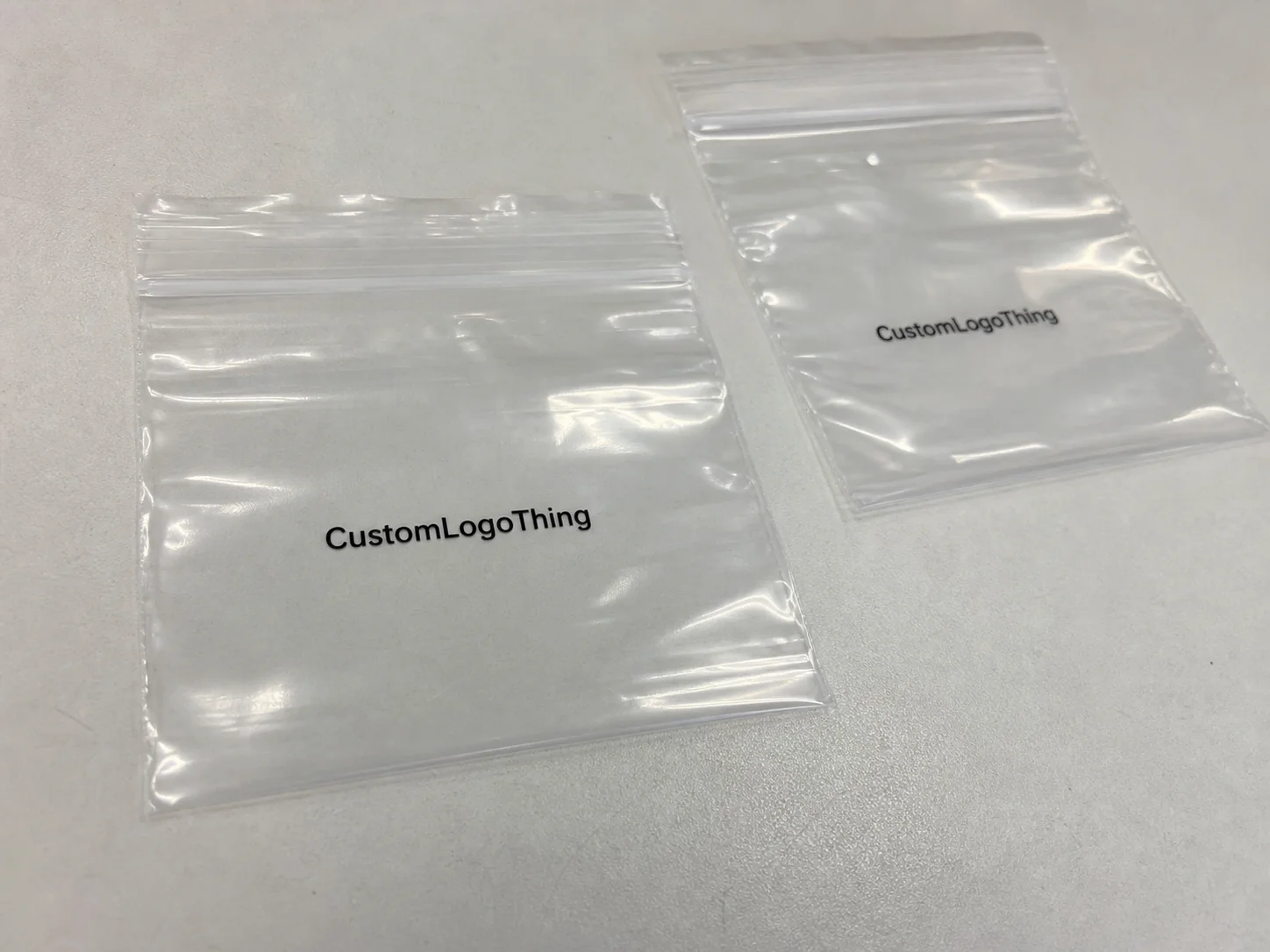
Slider bags solve a handling problem as much as a containment problem. The slider makes opening and closing easier than a basic press-to-close bag, which matters when the same package is touched several times before it reaches the end user. That can reduce friction in retail replenishment, warehouse relabeling, and kitting workflows.
Bulk sourcing also changes the economics. A Slider Zipper Bags Manufacturer bulk order is usually evaluated on consistency, inventory stability, and landed cost per unit, not just the price on the quote. A bag that runs uniformly for 50,000 pieces is often more useful than a cheaper option that varies in thickness or closure feel from carton to carton.
Presentation matters too. A clear, rigid-feeling closure often signals quality in categories like food, hardware, apparel, cosmetics, and promotional kits. Buyers notice that. So do end users. The bag becomes part of the product experience, not just a container.
“When the closure feels solid, the whole pack looks more controlled. That matters in categories where the customer sees the package before they see the product.”
Slider bags usually outperform basic zip bags where repeated access, easy reseal, or cleaner shelf presentation is part of the job. They are not the answer for every SKU. If the product is single-use, lightweight, and rarely reopened, a simpler bag may be enough. But when the workflow includes repeated opening, faster pack-out, or a need for clearer closure confidence, slider construction is often the better fit.
For teams planning annual supply rather than one-off buys, the real advantage is repeatability. A dependable source lets procurement forecast better, reduce emergency reorders, and keep the packaging spec consistent from batch to batch.
Slider zipper bag construction and closure options
A slider bag includes the film body, the interlocking seal, the slider track, and optional features such as hang holes, euro slots, or printable panels. Each part affects how the bag opens, closes, ships, and displays.
Most buyers compare LDPE, LLDPE, and blend films. LDPE is familiar and economical. LLDPE generally offers better puncture resistance and flexibility, which helps if the bag carries small parts, textiles, or anything with an edge. Blends are often used to balance clarity, seal behavior, and toughness. The right material depends on the contents, the expected handling, and whether the bag should feel soft or more structured.
Thickness matters more than many first-time buyers expect. A thin bag may look fine in a sample, then collapse under real filling conditions or scuff too easily during transit. A thicker film improves puncture resistance and handling feel, but it also changes cost and can affect seal performance if the construction is not matched properly.
Closure design matters just as much. A single-track slider is common for light to medium-duty use. Double-lock styles can provide a firmer closure feel, and tamper-evident options are worth considering for higher-control applications. If you are packaging food-contact items or product samples, closure security and repeat-open performance deserve testing, not assumptions.
These bags can also be configured for specific product formats:
- Dry goods: prioritize seal consistency, clarity, and easy reclosing.
- Hardware and parts: focus on puncture resistance and thickness.
- Garments: prioritize display clarity and a smoother finish.
- Document sets: choose the right panel size and slide feel.
- Sample kits: consider print coverage and a cleaner closure presentation.
Customization options are broad. Dimensions, thickness, print coverage, frosted or clear finishes, slider color, and added security features all affect the final result. A good slider zipper bags manufacturer bulk order quote should spell those details out clearly, because a small change in one spec can alter unit cost and performance more than buyers expect.
For shipping or distribution testing, reference methods from organizations like ISTA help frame expectations around package durability and transit stress. Not every packaging buyer needs a full lab program, but a standard for testing is better than guessing.
Key specifications buyers should confirm before ordering
A proper spec sheet saves time, money, and back-and-forth. Before requesting a quote from a slider zipper bags manufacturer bulk order supplier, confirm the essentials: width, length, gusset if needed, film thickness, color, zipper type, and slider color. If the buyer is unclear on these points, the quote will be vague too.
Tolerance is another point many teams overlook. In bulk runs, even a small dimensional drift can affect fit, fill speed, and shelf appearance. A bag that is 2 or 3 millimeters off may not sound dramatic, but on a fast packing line or a tightly sized retail item, it can turn into a recurring issue. This is where a sample should be measured, not just inspected visually.
Performance specs deserve equal attention. Ask about load expectations, seal integrity, tear resistance, and whether the bag is intended for light-duty or heavier contents. If the bag is for long-term storage, repeated opening, or product protection during transit, thickness and closure profile matter more than print decoration.
Compliance belongs on the checklist too. For food-contact applications, recycled-content requests, or branded retail use, the supplier should be able to explain what the material is designed for and what documentation is available. If the bags will touch food, buyers should verify current regulatory expectations and request relevant material declarations where applicable. For sustainability claims, check guidance from the EPA rather than assuming a generic “eco-friendly” statement is enough.
Here is a practical spec checklist procurement teams can use:
- Exact bag dimensions and acceptable tolerance range.
- Film type and thickness, usually stated in mil or micron.
- Closure style, slider color, and seal configuration.
- Print requirements, including front, back, or full coverage.
- Packaging format, carton count, and pallet assumptions.
- Use case, such as retail, food, parts, or kits.
Request samples or pre-production proofs whenever the bag will carry a branded product or be used on a packing line. A printed image can hide a bad closure feel. A clean sample can still fail under actual fill conditions. Real testing is the only reliable answer.
Slider zipper bag pricing, MOQ, and quote variables
Price is rarely just price. For a slider zipper bags manufacturer bulk order, the main cost drivers are material grade, bag size, thickness, print complexity, closure type, and volume. A simple clear bag with no print will usually cost less than a custom-printed, thicker-gauge bag with a colored slider and special packaging.
MOQ depends on how customized the bag is. Standard clear configurations can sometimes be ordered in lower runs, while custom sizing and printing usually require a higher minimum. That is not arbitrary. Setup, material conversion, and print preparation all need to be absorbed across the run. The more custom the order, the more units it takes to spread those costs.
Shipping matters more than many buyers expect. Freight, pallet count, carton pack-out, and destination all influence landed cost. A quote that looks better on paper may become the more expensive option once you include shipping and receiving. Always compare landed unit cost, not just ex-factory price.
| Order type | Typical setup | Relative MOQ | Unit cost trend | Best use case |
|---|---|---|---|---|
| Stock-style clear bag | Standard size, no print | Lower | Lowest | Fast replenishment, internal use, testing |
| Custom size, no print | Adjusted dimensions, standard slider | Medium | Moderate | Product fit, retail packaging, kits |
| Custom printed bag | Artwork, setup, proofing | Higher | Highest | Brand presentation, promotional programs |
Compare quotes apples to apples. One supplier may include samples, cartons, and basic freight assumptions. Another may quote only bag price and add charges later. Ask what is included before you sign off. Hidden costs usually show up in tooling, artwork revision, packaging, and delivery terms.
A low defect rate has value too. If one supplier charges a little more but delivers consistent sealing and fewer rejects, the total program cost may be lower. That is often the smarter buy for a serious buyer evaluating a slider zipper bags manufacturer bulk order.
For planning purposes, buyers often see clear stock-style orders at the lowest price band, custom unprinted bags in the middle, and printed custom runs at the top end. Exact numbers depend on size and material, but that order of magnitude is typical.
Production steps, lead time, and approval process
The workflow usually starts with a brief, then moves into sampling, artwork approval, production, inspection, and shipment. In practice, the slowdowns happen when the brief is incomplete or the sample gets revised more than once. Clear inputs save time.
Common delay points include missing artwork files, unclear dimensions, compliance questions, and late changes to slider color or packaging format. If the bag will be printed, file quality matters. If it will be used for food or regulated products, documentation questions can extend the timeline.
As a rough planning guide, stock-style orders move faster than fully custom orders, especially when print is involved. Exact lead times depend on current scheduling, complexity, and approval speed, but a realistic frame is usually shorter for standard bags and longer for custom printed runs.
To keep production on track, prepare these decisions before placing the order:
- Target dimensions and material preference.
- Closure style and slider color.
- Print coverage and artwork status.
- Carton labeling and pack configuration.
- Desired ship window and receiving constraints.
A procurement team should also ask for a checkpoint list: approval sign-off, order confirmation, estimated ship date, and tracking communication. Good suppliers do not disappear after the PO lands. They stay visible through the handoff and flag problems before the shipment becomes your problem.
For custom printed runs, proof approval is usually the point where timelines either stay sane or start drifting. If the artwork is still changing after proofing begins, the schedule will move.
How to evaluate a supplier beyond the sample bag
A sample bag can look great and still be a poor production choice. What matters is whether the manufacturer can repeat the result at scale. A credible supplier gives transparent specifications, responds clearly when the brief changes, and explains what happens if a test fails.
Look for signs of production control. Do they talk in exact dimensions and tolerances, or in vague language? Do they offer test samples or documentation without making it a hassle? Do they answer questions about seal testing, incoming material checks, and carton-level verification? Those details tell you whether the supplier understands bulk order discipline.
Consistency is the bigger issue. A buyer placing a slider zipper bags manufacturer bulk order needs confidence that the second order will match the first. Otherwise, the package has to be requalified, and that eats time. In stable programs, repeatability can matter more than a slightly lower initial quote.
These are the quality-control points worth asking about:
- Incoming resin or film checks.
- In-process inspection for dimensions and print registration.
- Seal or closure verification during production.
- Finished-carton sampling before shipment.
- Clear documentation for repeat orders.
Service is measurable. Accurate quotes, realistic timelines, and clear escalation paths reduce procurement risk. That is especially true for custom packaging, where even small errors can ripple through the supply chain. If a supplier can explain the tradeoffs plainly, that is a better sign than a polished sales pitch.
Buyer-side testing should also be practical. If the bags will run on an automated line, test them there. If they will be used by retail customers, have nontechnical users handle them too. Closure feel and real-world fill behavior often reveal issues that a visual inspection will miss.
For more on how Custom Logo Things supports packaging buyers, see About Custom Logo Things, or review Wholesale Programs if you are building a broader sourcing plan.
Next steps for a bulk slider bag purchase
If you are ready to move, start with the facts. Prepare the target dimensions, the product weight, the material preference, the print need, and your estimated annual usage. Those five inputs will do more to sharpen a quote than a long description of “premium quality.”
Ask for two pricing paths: one stock-style and one custom. That comparison quickly shows where the real cost steps begin. It also helps you decide whether the program needs customization now or whether a standard configuration is good enough for the first run.
Before you issue the purchase order, request samples and test them with the actual product. If the bags will run on an automated line, test them there. If they will be used by retail customers, have nontechnical users handle them too.
Also confirm carton counts, palletization, and delivery windows. Those logistics details affect receiving labor and storage space. A good price can become a bad program if the shipment arrives in the wrong format for your warehouse.
For buyers comparing suppliers, a slider zipper bags manufacturer bulk order is best approached as a specification project first and a pricing exercise second. Lock the spec, verify the sample, confirm the landed cost, and then move to production with fewer surprises.
If you want to keep evaluating options, the FAQ page can help answer common procurement questions before you request a quote.
FAQ
What should I ask a slider zipper bags manufacturer bulk order supplier before buying?
Ask for the exact material, thickness, closure type, dimensions, and tolerance range. Confirm MOQ, sample availability, production lead time, and shipping method. Request a breakdown of what is included in the quote so hidden costs are easier to spot.
How do I compare pricing for custom slider zipper bags in bulk?
Compare quotes on the same specifications, not just on total price. Check whether printing, tooling, cartons, samples, and freight are included. Review landed cost per bag, because shipping can change the real unit cost significantly.
What MOQ is typical for bulk slider zipper bag orders?
MOQ depends on bag size, film type, and whether printing is required. Standard clear configurations often have lower minimums than custom printed runs. A manufacturer should explain how MOQ changes with customization level.
How long does production usually take for custom slider zipper bags?
Lead time depends on sample approval, print complexity, and current production schedule. Stock-style bags move faster than fully custom orders. Fast approval of artwork and specs helps prevent delays.
Can I get samples before placing a bulk order?
Yes, samples are important for checking closure feel, clarity, fit, and fill performance. Use samples to test your actual product, not just a visual inspection. If the bag will be used in a production line, test it under real packing conditions first.

