Slider Zipper Bags Manufacturer Custom Logo Buying Tips
Slider Zipper Bags Manufacturer Custom Logo Basics
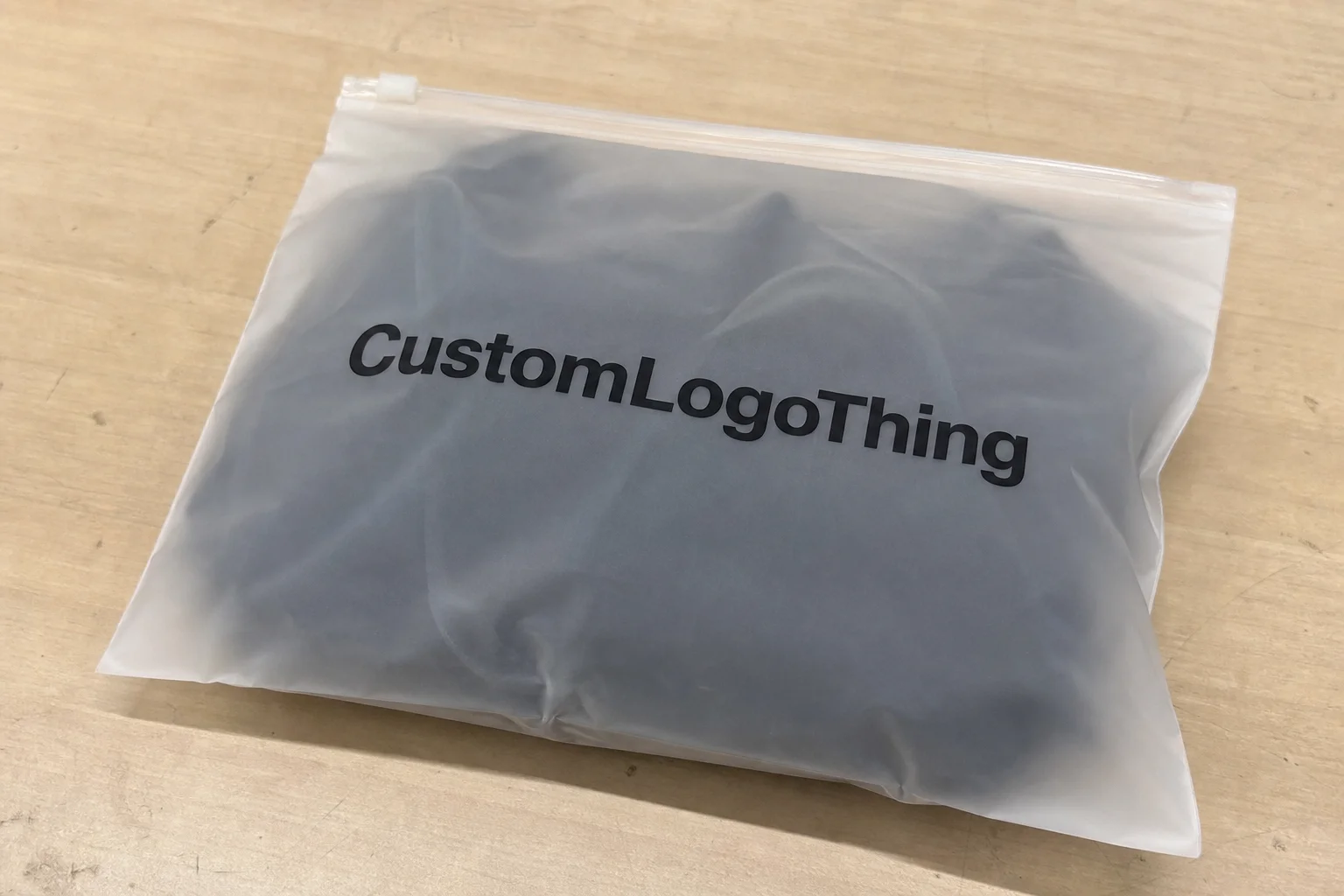
A zipper failure makes a decent product feel cheap faster than weak artwork. The customer touches the closure before they study the label. That is why choosing a Slider Zipper Bags Manufacturer custom logo partner is not only a printing decision. It is a packaging decision involving film structure, resealable closure performance, production tolerance, graphics, packing method, and how the bag behaves after a customer has opened it ten times.
Slider zipper bags are flexible plastic bags with a track-and-slider mechanism across the opening. Common materials include LDPE, HDPE, PP, PET/PE laminates, and newer mono-material structures where recyclability goals matter. The right film depends on the product: clarity for retail display, stiffness for shelf presence, puncture resistance for hard goods, moisture barrier for food, or softer hand-feel for apparel.
The slider looks simple. It is not. A smooth open-and-close experience depends on the zipper profile, extrusion tolerance, slider fit, top-seal alignment, and the way the film flexes under load. If the track is slightly uneven, the slider may drag, split the closure, or stop short of the end seal. Tiny error. Annoying result.
These bags show up across food, apparel, supplements, travel kits, hardware, craft components, medical-adjacent products, and retail multipacks. The reason is practical. Shoppers can reopen the pack, store the contents, and keep the brand visible longer than they would with a tear-open pouch or a plain poly bag. Reuse is not guaranteed, obviously, but a better closure gives the package a real chance of staying in rotation instead of going straight into the trash.
Compared with press-to-close zippers, sliders usually feel easier and more premium, especially on wider bags or products opened repeatedly. The trade-off is cost. A slider closure adds components, machine setup, inspection points, and top-area clearance. That can affect unit price, artwork layout, carton packing, and even how much usable fill space remains inside the bag.
Here is where buyers get tripped up: they ask for “my logo on a bag” instead of defining the bag. A capable supplier should help confirm film selection, closure style, dimensions, tolerances, print method, compliance needs, carton packing, and shipping assumptions. The cheapest quote often hides in those details. One supplier may use thinner film, a weaker slider, lower ink coverage, or vague defect standards. Another may look higher because it includes plates, pre-production samples, and clearer quality checks. Those are not small differences.
How Slider Closures, Film, and Logo Printing Work Together
A slider bag has several working parts: front and back film panels, side seals or bottom seal, zipper profile, slider, optional hang hole, tear notch, gusset, print layer, and sometimes a heat-seal area above or below the zipper. Each part takes space. Packaging design that looks balanced on a flat dieline can shift once the product fills the bag and pushes the film outward.
The slider rides on the zipper track. If the track alignment is off, the customer feels it immediately: drag, scratchy movement, incomplete closing, or a slider that pops past the end. For dry apparel, that may be irritating. For snacks, powders, pet treats, or small hardware, it can create leaks, spills, and returns. The closure is not decorative. It is a working part.
Film choice changes the entire feel of the pack. LDPE is soft and flexible, often used for economical bags and a softer hand. HDPE feels stiffer and crinklier. PP offers strong clarity, which helps when product visibility sells. Laminated PET/PE can improve print sharpness, stiffness, and moisture resistance, especially for retail packs that need a more polished surface. Recyclable mono-material structures may work, but not every product fits that route. Sliders, inks, labels, coatings, barrier requirements, and local collection systems can complicate the claim. The EPA recycling guidance is a useful starting point for understanding why packaging recyclability claims need care.
Printing has its own economics. Flexographic printing is common for medium runs and simple spot-color work. Gravure can produce excellent detail at high volume, but cylinder costs rarely make sense for a small test. Digital printing can be useful for prototypes, short runs, or SKU testing. Labels may be the least painful way to validate demand before committing to custom printed film. Not glamorous. Often sensible.
Logo placement needs more discipline than most mockups show. Keep artwork away from the slider clearance zone, side seals, tear notches, barcode quiet zones, and gusset distortion areas. A logo that looks centered on a PDF may sit too high once the slider, top seal, and fill line take over the visual field. If a barcode is involved, confirm contrast, size, orientation, and quiet zones before production. Retailers and marketplaces are not amused by beautiful packaging that does not scan.
Ask for performance specs in plain numbers: film thickness in mil or microns, opacity, puncture resistance, moisture barrier target if relevant, food-contact suitability, and suggested load weight. A smooth slider and clean print can signal quality before a buyer has any proof the product inside is better. That is the strange power of packaging. The closure makes the first argument.
Key Specs to Confirm Before You Ask for Samples
Before samples, confirm the basics: bag width, height, usable fill space, gusset style, film thickness, closure style, print colors, finish, and quantity. Buyers often send a competitor bag and say, “Make something like this.” Fine as a starting point. Terrible as a final spec.
Outside dimensions are not usable dimensions. A 10 inch by 12 inch bag can lose meaningful space to the slider, top seal, side seals, and bottom gusset. For bulky apparel, folded textiles, molded parts, or rigid kits, that lost space may decide whether the product slides in neatly or gets jammed into the corners. Measure the actual product stack. Weigh the filled pack. If the contents settle, compress, or shift during shipping, test that behavior before approving the size.
Closure selection deserves more attention than it usually gets. A standard slider may be enough for apparel, kits, and general retail goods. Food may need a slider plus a heat-seal zone to protect freshness before opening. Some categories require tamper-evident design, child-resistant features, lot coding, or specific warnings. That depends on the product, market, and retailer. Do not assume a general-purpose bag is acceptable for regulated or safety-sensitive goods.
Print specs should include source artwork, preferably vector AI, EPS, or print-ready PDF. Confirm Pantone references if brand color matters. Use CMYK expectations only when exact color matching is less critical. White ink underprint may be needed on clear or metallic-looking films so brand colors do not disappear into the product behind them. Matte and gloss finishes change perception, but they also affect scuff visibility, rub resistance, and how fingerprints show under store lighting.
Compliance checks can include food-contact materials, suffocation warnings, recycling marks, Prop 65 considerations, retailer packaging rules, and customer-specific label requirements. For transit testing, standards from ISTA can help frame how packaging survives distribution, although a slider bag is only one part of the shipping system. A strong retail bag can still fail if the master carton is weak. Packaging likes to punish isolated thinking.
Evaluate samples like a skeptical customer and a warehouse manager. Open and close the slider at least 25 times. Check seal strength by filling the bag to the target weight. Rub the print with dry fingers and a slightly damp cloth. Smell the bag. Scan the barcode. Stack filled samples in the intended carton count. A clean rendering is not proof of manufacturability; you need a dieline, material spec, and sample path before approving a purchase order with any Slider Zipper Bags Manufacturer custom logo supplier.
Practical rule: if the sample cannot survive your desk test, it will not magically improve after 10,000 units are packed, shipped, stored, opened, and reused.
Pricing, MOQ, and Unit Cost Drivers Buyers Miss
Unit cost is rarely just plastic plus printing. It reflects tooling, setup, film waste, printing plates or cylinders, color matching, inspection, packing, cartons, freight, duties, and the manufacturer’s risk allowance for defects. That is why two quotes can look comparable until one bag turns out to be 15 percent thinner or uses a cheaper slider component.
MOQ exists because fixed costs are real. Film extrusion, zipper setup, printing plates, machine changeovers, and color checks all consume time before the first sellable bag comes off the line. Stock-size bags with custom print usually have lower minimums than fully custom dimensions. Fully custom laminated slider bags often require larger runs because film, lamination, printing, zipper application, and converting need to be coordinated.
For rough planning, simple custom printed slider bags might land around $0.18-$0.35 per unit at 5,000 pieces, depending on size, film gauge, and print coverage. Larger laminated retail bags with multiple colors, gussets, and stronger sliders can move into the $0.40-$0.90 range or higher at modest quantities. Tiny bags may cost less. Heavy-duty, high-barrier, anti-static, freezer-grade, or specialty structures can cost more. These ranges are not universal, but they give buyers a sanity check before reacting to a quote.
| Option | Typical Use | Cost Impact | Buyer Watchout |
|---|---|---|---|
| LDPE slider bag with flexo print | Apparel, kits, light retail items | Lower to mid-range | Check thickness and slider smoothness |
| PP clear slider bag | Products needing visibility | Mid-range | Confirm brittleness and seal behavior |
| Laminated PET/PE slider bag | Food, supplements, premium retail | Higher | Confirm barrier specs and print rub resistance |
| Stock-size bag with label | Market test or small launch | Lower setup cost | Less polished than printed film |
Hidden quote variables are where margin disappears. Ask whether plate fees are included. Ask whether samples are charged separately or credited back. Ask whether freight is estimated or actual. Ask whether import duties, customs brokerage, and delivery to your warehouse are included. If a quote says “FOB,” “EXW,” or “DDP,” understand the difference before comparing it with another offer. Otherwise you are not comparing packaging prices; you are comparing partial math.
A useful RFQ asks for a cost ladder at several quantities: 2,500, 5,000, 10,000, and 25,000 units, for example. The meaningful price break may happen at 10,000, not 5,000. A larger run can reduce per-bag cost if the design is stable, but a lower MOQ may protect cash flow while you prove demand. Neither path is automatically smarter. Depends on how certain you are.
Compare quotes line by line using the same dimensions, film thickness, print colors, tolerance, sample requirements, packing count, and shipping terms. If those details do not match, the lower quote may simply be a different bag wearing the same logo.
Process, Timeline, and Production Steps from Artwork to Delivery
A typical custom order follows a predictable sequence: discovery, spec confirmation, quote, dieline, artwork placement, material confirmation, sample approval, production, QC, packing, and shipping. Sounds tidy. It often is not. One missing Pantone reference can pause artwork. One unclear gusset dimension can stall sampling. One late barcode file can burn a week.
Timeline depends on scope. A stock-size bag with custom print may move faster than a fully custom bag with new tooling, special film, or retail-compliance testing. As a planning range, digital layout proofing may take 2-4 business days after complete artwork is received. Functional blank samples can be faster if the supplier has similar materials. Pre-production printed samples may take 7-15 business days. Full production often runs 12-25 business days from final approval, before shipping. Ocean freight can add several weeks. Air freight can rescue a launch, but it may add $0.08-$0.30 per bag or more depending on weight, volume, and route.
Pre-production delays are usually boring, which is why they are dangerous. Incomplete artwork. Missing barcode numbers. A logo supplied as a low-resolution PNG. Unclear bag dimensions. Undecided carton packing. A buyer who says “same as sample” without identifying the exact sample version. None of these problems feels dramatic on day one. By day ten, they are launch risks.
Samples are not all the same. A digital mockup checks layout. A printed proof gives color direction, though flexible film will not match a backlit screen. A functional blank sample checks fit, closure, and fill behavior. A pre-production sample is the closest approval version before mass production. Treat that sample like a contract object: keep one signed or clearly documented reference sample with date, version, material, dimensions, print method, and approved tolerances.
Production usually includes film preparation, printing, lamination or curing if needed, zipper and slider application, converting, inspection, and carton packing. Quality control should include dimensions, print position, slider operation, seal integrity, visible contamination, carton count, and carton markings. For larger retail programs, buyers may require inspection against an AQL plan. If no AQL or defect policy is agreed, arguments after delivery get slippery fast.
Build a decision calendar, not just a desired delivery date. Include deadlines for dieline approval, color approval, sample review, purchase order release, deposit payment, production start, inspection, and ship booking. Buyer-side delays are one of the quietest causes of missed launches, especially for brands juggling custom printed boxes, inserts, labels, and bags at the same time.
Common Mistakes That Turn a Good Bag Spec Into a Bad Order
The most expensive mistake is approving a bag based only on dimensions without testing how the product fills, settles, ships, and opens in real use. A bag can be technically “correct” and still wrong. If product corners stress the side seals, powder collects in the zipper track, or the customer needs two hands and patience to close it, the spec has failed.
Chasing the lowest unit price comes next. Price matters. Pretending otherwise is cute, but not useful. Before celebrating a low quote, confirm thickness, slider quality, print coverage, tolerances, sample path, freight terms, and defect policy. A half-mil reduction in film gauge can look invisible on a spreadsheet and obvious in a customer’s hand.
Artwork mistakes are common and preventable. Logos sit too close to the slider. Gusset distortion gets ignored. Low-resolution files create fuzzy print. White ink is skipped on clear film, leaving brand colors weak. Barcodes are placed on curved or wrinkled areas. For retail packaging, barcode failure is not a design nitpick; it can slow receiving, checkout, or marketplace compliance.
Over-engineering wastes money. A heavy barrier film, complex print structure, or specialty closure may be unnecessary for a product with a short shelf life, low moisture sensitivity, or simple retail use. Under-engineering creates different pain: thin film for sharp-edged hardware, weak seals for heavier contents, or ordinary closures for products needing freshness control. The right bag is not the strongest possible bag. It is the bag that matches product risk, sales channel, shelf expectation, and budget.
Vague communication is a quiet defect generator. “Standard size,” “good quality,” and “same as sample” mean different things to different suppliers. Document dimensions, film, print, slider type, packing count, carton marks, ship terms, and approved sample version. If you are comparing one custom logo slider bag quote with another, every one of those details should match or be called out as different.
Not setting an acceptable quality limit, inspection plan, or retained approved sample leaves buyers with little practical leverage if the shipment disappoints. Even a simple written defect definition helps: critical defects such as non-closing sliders or open seals; major defects such as unreadable barcodes or severe print shift; minor defects such as tiny scuffs within agreed limits. Clear beats emotional every time.
Actionable Next Steps Before You Contact a Supplier
Prepare before asking for quotes. The buyer who sends better information usually gets better answers, faster. Start with product dimensions, fill weight, target quantity, desired launch date, artwork files, packaging inspiration, and compliance requirements. If you already have broader package branding plans, include them so the bag does not fight the rest of the shelf presentation.
- Photograph the product beside a ruler, from the front, side, and packed position.
- Weigh the filled pack and note whether contents settle, compress, or shift.
- Decide how customers will open, close, store, hang, and reuse the bag.
- List sales channels, including retail, ecommerce, marketplace, subscription, or wholesale.
- Gather vector artwork, Pantone references, barcode files, and warning copy.
Create a one-page RFQ. Include bag size, usable fill needs, material preference, film thickness target, slider style, print colors, finish, quantity breaks, sample needs, and destination ZIP code or port. If you are not sure about material, say so. A good manufacturer should ask follow-up questions instead of pushing you into a generic structure.
Request three things from each supplier: a technical quote, a sample plan, and a production timeline with approval milestones. Then judge the response quality, not only the number at the bottom. A manufacturer that asks sharper questions early often prevents expensive confusion later. For broader sourcing context, review Custom Packaging Products and the company background at About Custom Logo Things before mapping how bags fit with boxes, labels, and other branded pieces.
Test samples like two different people. As a customer, open the bag repeatedly, judge the feel, and check whether the logo lands where your eye expects it. As a warehouse manager, fill it fully, drop it in a carton, scan the barcode, rub the print, and count how many fit per shipper. If both people would approve, the spec is getting close.
Choosing a Slider Zipper Bags Manufacturer custom logo partner should end with a confirmed spec, approved sample, realistic timeline, and quote that explains its assumptions. Not just a low price. Not just a pretty rendering. A bag people can open, trust, reuse, and recognize.
FAQ
What should I ask a slider zipper bags manufacturer before ordering custom logo bags?
Ask about material options, film thickness, slider type, printing method, MOQ, sample process, production lead time, quality tolerances, and freight terms. Send product dimensions, fill weight, artwork files, target quantity, sales channel, and delivery location so the quote reflects real packaging conditions rather than guesses.
How much do custom logo slider zipper bags usually cost?
Cost depends on size, film thickness, slider quality, print colors, order quantity, tooling, sample requirements, and shipping method. As a rough planning range, many custom printed slider bags fall from about $0.18 to $0.90 per unit at modest quantities, but specialty films or small runs can fall outside that range. Ask for quantity price breaks and a line-item quote separating bags, plates, setup, samples, freight, and duties.
What is the typical MOQ for custom printed slider zipper bags?
MOQ varies by manufacturer, bag size, film structure, and print method. Stock-size custom print runs usually have lower MOQs than fully custom bags, while laminated films, special sliders, and custom dimensions often require higher quantities. If launch volume is uncertain, ask whether a digital print sample run, stock-size option, or phased order is available.
How long does it take to produce slider zipper bags with a custom logo?
Timeline depends on artwork readiness, dieline approval, material availability, sample revisions, production queue, inspection, and shipping method. Many projects need several business days for proofing, 7-15 business days for meaningful samples, and 12-25 business days for production after approval, before freight time. The fastest way to reduce delays is to approve dimensions, colors, material, and sample requirements before requesting the final production quote.
Are slider zipper bags better than regular press-to-close zipper bags?
Slider zipper bags can be easier to open and close, especially for larger bags, repeated-use products, or customers who value convenience. Press-to-close zippers may cost less and work well for smaller or lighter products. The better choice depends on product weight, user experience, freshness needs, retail expectations, and budget.

