If you are sourcing a Slider Zipper Bags Manufacturer low MOQ, the hard part is not finding a factory that can make bags. Plenty can. The real problem is finding one that can produce the right bag, in the right quantity, without loading your order with setup charges, awkward compromises, and inventory you do not need.
That matters for small brands and first runs. Snack launches. Cosmetics samples. Apparel kits. Frozen items that need resealability. Seasonal promos that expire faster than the artwork approval chain. Ordering too much packaging ties up cash, eats storage, and creates a pile of boxes nobody wants to explain later.
Low-MOQ sourcing gives buyers room to test demand, refine the print, and keep risk under control. It is not a luxury request. It is often the sane way to Buy Custom Packaging. The catch is that low MOQ only works if the supplier understands the production math and gives a straight answer about cost, materials, and lead time.
Why low-MOQ slider zipper bags beat stock buying
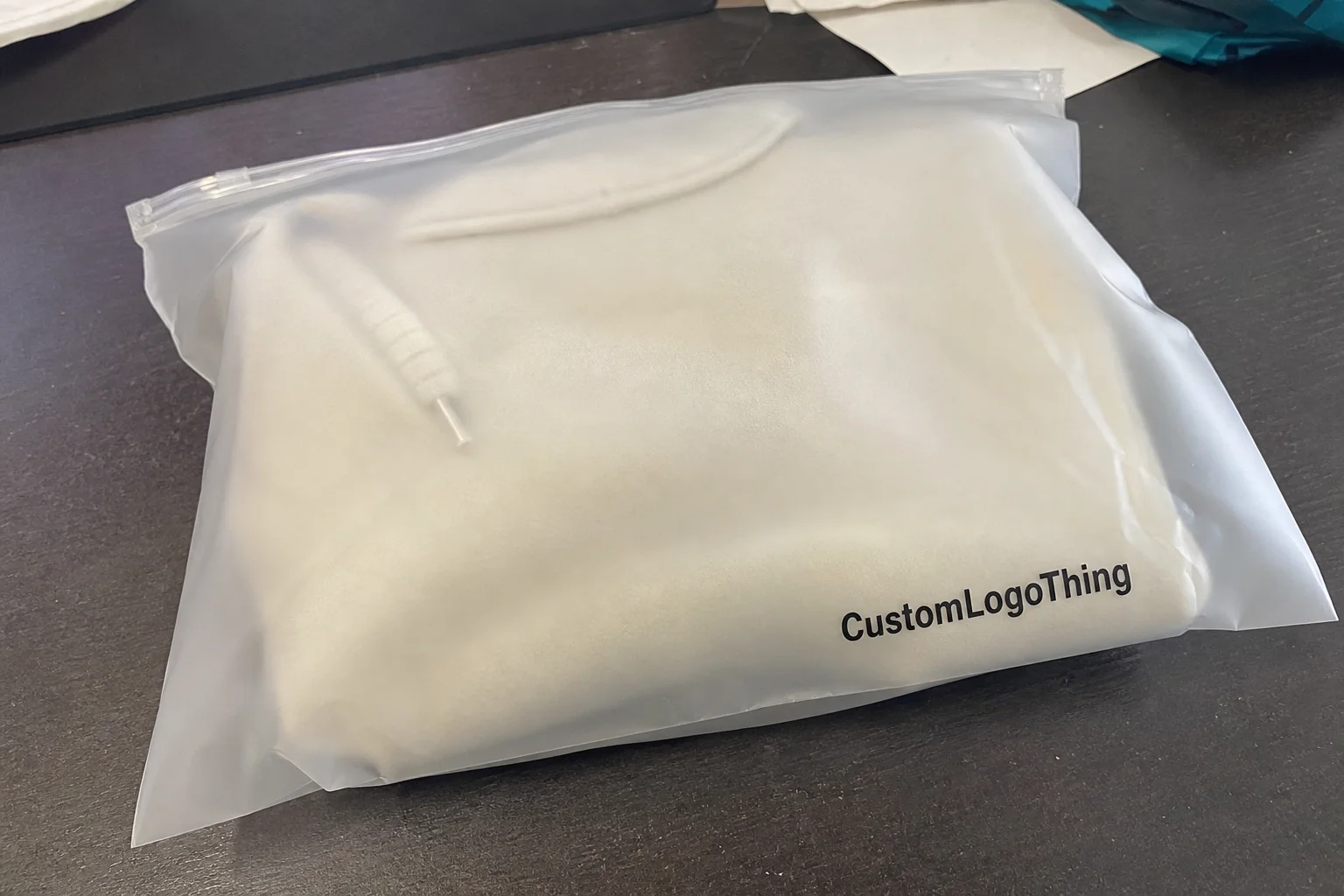
Stock packaging looks easy until the business changes. Then you are stuck with old graphics, wrong dimensions, or a bag that works fine in a warehouse and badly on shelf. That is the hidden cost of “just buy stock for now.” It sounds efficient, and then it quietly becomes waste.
A Slider Zipper Bags Manufacturer low MOQ gives you something more useful: flexibility. You can launch with a manageable quantity, then scale after the product proves itself. If the design needs a tweak, you are not sitting on ten months of packaging that no longer fits the brand. If the product turns seasonal, you can stop before the surplus becomes a storage problem.
Smaller orders also improve learning speed. A 1,000-piece run tells you more than a spreadsheet full of assumptions. You can see whether the bag seals cleanly, whether customers can reopen it comfortably, and whether the print holds up under handling. That feedback matters more than a polished quote.
There is also the waste angle. Packaging is a major part of municipal solid waste streams, and over-ordering custom bags is a very efficient way to create material that never earns its keep. Low MOQ keeps the order closer to actual demand. Less dead inventory, fewer disposal headaches, less regret. A rare win.
Not every supplier can support low MOQ well. Many can make slider zipper bags, but fewer can do it with stable print quality, consistent dimensions, and reasonable minimums. The better suppliers know how to balance machine setup, film usage, and inspection time without pretending those costs disappear.
What controls seal strength, usability, and retail appeal
Slider zipper bags are simple on the shelf and more technical on the production line. The bag body, slider track, zipper seal, side seals, and optional features such as a hang hole or tear notch all affect how the package performs once customers start opening and closing it.
Material choice is the first big decision. PE film is common because it offers good clarity, flexibility, and cost control. EVA blends can add softness and toughness in some structures. Multilayer film is used when the bag needs stronger barrier performance, better puncture resistance, or a more premium feel. If the product will be frozen, the material has to hold up at low temperatures without becoming brittle or compromising the seal.
The application usually decides which structure makes sense:
- Snacks and dry goods: clarity, resealability, and shelf presentation are usually the main priorities.
- Frozen food: low-temperature performance and seal reliability matter more than decorative extras.
- Apparel and accessories: thickness, reusability, and print quality usually carry the most weight.
- Cosmetics and sample kits: appearance, feel, and brand consistency are part of the product value.
- Hardware or parts: puncture resistance and zipper durability usually matter most.
Slider bags and standard zip bags are not identical from a buyer’s point of view. A slider design is easier to open and close, especially for repeat use or for customers who do not want to pinch a zipper line every time. It also tends to read as more premium on shelf. That can justify a higher unit price if the packaging is part of the product experience instead of a hidden utility item.
Finish also changes the impression. Glossy film usually looks brighter under retail lighting. Matte film feels quieter and more modern. Neither is automatically better. The right choice depends on the product and the brand position. Clear film can show contents directly, while opaque panels give more control over how the package reads from the outside.
Before asking for pricing from a slider zipper bags manufacturer low MOQ, be specific about the size, thickness, slider color, print method, and finish. Dimensional clarity matters more than most buyers think. A few millimeters off on the width or gusset can affect fill behavior, shelf fit, and how the bag seals after repeated use.
For packaging performance and transit testing references, buyers often look at resources from The Packaging School / packaging industry resources and the International Safe Transit Association. Those are useful when the bag has to survive not just production, but handling, storage, and shipping too.
Specifications to lock before requesting a quote
Most quoting problems come from vague specs. A supplier cannot price a bag accurately if the dimensions are loose, the artwork file is incomplete, or the buyer changes the intended use halfway through the discussion. Tight specs usually produce tight quotes. Mystery specs produce email chains.
At minimum, confirm these details:
- Width, length, and gusset depth
- Thickness in microns or mils
- Closure style and slider type
- Print coverage and number of colors
- Surface finish such as matte or glossy
- Special features like tear notch, hang hole, or tamper-evident detail
Artwork needs equal attention. If color matching matters, provide PMS references. If the design needs white ink underprint on clear film, say so early. If the bag will contact food, that requirement should be stated before the quote, not after the sample has already been made. The same goes for freezer use, puncture resistance, or any compliance requirement tied to the end product.
Buyers often skip the sample stage and regret it later. A pre-production sample is useful when appearance, print placement, or closure feel is part of the selling point. Photos help, but they do not replace a physical check. The slider may feel stiff, the bag may not close cleanly, or the printed panel may not sit where the artwork expects it to sit. Cheap surprises are still surprises.
For first-time orders, a tighter spec sheet does more than improve pricing. It reduces revisions, shortens approval cycles, and helps a slider zipper bags manufacturer low MOQ give a realistic timeline. Loose specs create back-and-forth. Back-and-forth burns time. Time costs money even if nobody wants to say it out loud.
If you want a better sense of how our approach handles custom work, our About Custom Logo Things page covers the production-first process behind low-MOQ packaging orders.
Pricing, MOQ, and the factors that move unit cost
Pricing for slider zipper bags usually comes down to six things: material grade, size, print coverage, slider style, packaging format, and order quantity. The trick is that quotes can look similar while assuming different things. One factory quotes thinner film. Another excludes freight. A third adds a generous sample allowance and hides the real setup cost in the background. Same number on paper, different story in practice.
MOQ is not random. It is tied to machine setup, film roll usage, print alignment, and how efficiently the production line can run. Standard sizes with light print often allow lower minimums. Specialty structures, custom colors, or heavy ink coverage usually push MOQ higher because the setup cost has to be spread over fewer units. That is just how the math works.
The real question is not “What is the lowest MOQ?” It is “What MOQ gives the best landed cost for this launch?” A smaller run can absolutely make more sense if the product is unproven, seasonal, or still being tested. A slightly higher unit price may still win if it prevents excess inventory, storage fees, and a second round of obsolete packaging six months later.
Typical ranges vary by structure and print complexity, but buyers often see something like this:
| Order profile | Typical MOQ range | Cost drivers | Relative unit cost |
|---|---|---|---|
| Plain stock-style slider bag | 1,000-3,000 pcs | Standard film, simple closure, minimal print | Lower |
| Custom printed low-MOQ bag | 3,000-5,000 pcs | Artwork setup, print coverage, color matching | Moderate |
| Specialty structure or premium finish | 5,000+ pcs | Barrier film, matte finish, special slider or extra features | Higher |
These are general ranges, not fixed rules. But the pattern is consistent. More customization means more pressure on tooling, setup, and inspection time. If a supplier gives an extremely low quote without explaining what is included, that is not clever pricing. That is missing information with a nice font.
The best way to reduce unit cost is usually not dramatic. Standardize the size. Limit the number of print colors. Use a common film structure. A small change, such as moving from four colors to two, can move the price more than buyers expect. The same goes for switching from a custom-matched slider color to a standard one or removing a nonessential gusset feature.
Expect a low-MOQ Custom Order to cost more per piece than a large run. That is normal. The buyer’s job is to decide whether the higher unit price is still the right tradeoff once inventory risk, speed to market, and testing value are included.
Production timeline from artwork to shipment
The production flow is straightforward if the buyer stays organized. It usually starts with inquiry, then spec confirmation, then quotation. After that comes artwork review, sample approval, production, inspection, and shipping. Each step has its own chance to go sideways, and most delays are completely preventable.
Artwork issues cause more trouble than bad intentions ever do. Missing dielines, low-resolution files, incorrect layers, and absent color references can slow the entire job. Late sample feedback does the same. If the buyer changes the film thickness after the proof is approved, the timeline changes with it. That is not a factory failure. That is scope creep wearing a suit.
Lead times depend on the order type. A stock-style slider bag with light customization can move faster than a fully printed custom bag. Simple low-MOQ orders may ship in roughly 12 to 15 business days after proof approval, while more complex runs can take longer, especially if there are sample revisions or material sourcing delays. Freight time is separate. Buyers sometimes forget that and act surprised when production is finished but the order is still in transit.
Ask for three timing details before approval:
- Sample turnaround
- Production lead time after approval
- Expected ship date and transit method
A dependable slider zipper bags manufacturer low MOQ gives milestones instead of cheerful guesses. That matters because good purchasing plans survive ordinary production variation. If a supplier will not talk about tolerances or only offers vague delivery language, that is useful information too.
For shipment and distribution testing, the ISTA standards library is a practical reference point. A slider bag is not a shipping carton, but it still has to arrive clean, flat, and functional. If the bag is dented, distorted, or poorly sealed when it reaches the buyer, it may be technically delivered and still useless.
How manufacturing control lowers risk on small orders
Small orders do not deserve small standards. Some factories get lazy when the order volume is low, which is exactly backward. Low MOQ should mean lower commitment, not lower quality control. The same checks that protect a 50,000-piece run matter on a 3,000-piece launch order too.
Manufacturing control starts with material inspection. Film quality has to be consistent. The slider needs to move properly. The seals need to hold under normal use. Print alignment has to stay within the approved spec. If any of those pieces are off, the bag becomes a problem disguised as packaging.
Seal strength and closure function are the two obvious failure points. If the seal is weak, the bag leaks or opens too easily. If the slider drags or catches, customers notice immediately. That is why first-run inspection matters. Not because it sounds professional. Because the bag has one job, and doing it badly is expensive.
“The best supplier does not hide constraints. They explain them early, quote them clearly, and keep the order within the agreed spec.”
That approach is especially useful for a slider zipper bags manufacturer low MOQ relationship. Small orders are vulnerable to hidden assumptions, especially when buyers think every format can be adapted at the same minimum. A direct manufacturer usually gives better visibility into what is possible, what will cost more, and where the real lead-time risks are.
Sample validation and final inspection are not optional boxes to tick. They are the difference between a clean launch and a return pile. If the sample is off by a few millimeters, the final bag may not close properly, may not fit the intended secondary packaging, or may fail to line up with the retail display format. “Close enough” is a bad quality policy.
Direct manufacturing also helps on traceability. Buyers get clearer visibility into unit cost, easier access to spec discussions, and fewer layers between the order and the people actually running the job. Reseller models can work, but they often add another person to the chain. Another person means another place for a message to get blurred.
If you want to see how we handle common order questions before a quote is issued, our FAQ page is the fastest place to check the basics.
Buyer steps that prevent delays and rework
Prepare three things before you contact a supplier: the bag size and structure, the artwork or logo files, and your target quantity. With those ready, the quote will be more accurate and the review cycle will move faster. Without them, expect extra rounds of clarification and wider pricing gaps.
Ask for a quote that separates unit cost, sample cost, shipping, and any tooling or setup fees. That breakdown makes supplier comparison much easier. It also shows whether the low-MOQ offer is genuinely competitive or just dressed up that way. A quote with hidden charges is not cheaper. It is merely less transparent.
If your design depends on exact color or closure feel, request a pre-production sample or proof. That step usually saves more time than it costs. One sample can prevent a warehouse full of avoidable mistakes, and the savings show up quickly on first-time launches, seasonal packaging, and limited-edition runs where there may not be a second chance.
Confirm the timeline before payment. Confirm the packaging format. Confirm the approval deadline. Then keep the communication tight. Buyers who do those things tend to get cleaner results from a slider zipper bags manufacturer low MOQ.
Good sourcing is mostly boring discipline. Clear specs. Fewer assumptions. A realistic schedule. Honest cost lines. That is the part that protects margin. Not the shiny quote.
FAQs
What should I ask a slider zipper bags manufacturer low MOQ before ordering?
Ask for the minimum order quantity by size and print type, then confirm material options, thickness, and closure style. Also request sample availability, lead time, and freight estimates so you can compare total spend instead of only the base unit price.
Can I get custom printed slider zipper bags with a low MOQ?
Yes. Print complexity affects setup cost and minimums, so fewer colors and standard sizes usually help keep the order smaller. Approving artwork early also cuts down on revisions and delays.
What factors increase unit cost on low MOQ orders?
Custom dimensions, heavy print coverage, specialty materials, and premium slider hardware all raise the price. Those costs are spread across fewer bags, which is why low MOQ always costs more per piece than a larger run.
How long does production usually take for custom slider zipper bags?
Timeline depends on artwork approval, sample needs, material availability, and order complexity. Simple low-MOQ orders can move faster than fully customized printed runs. Ask for milestone dates before placing the order.
What information do I need to request an accurate quote?
Provide size, material, thickness, quantity, and print requirements. Include the intended use, closure preference, and any special packaging needs. If possible, share artwork files or a rough layout so the quote reflects the actual job.

