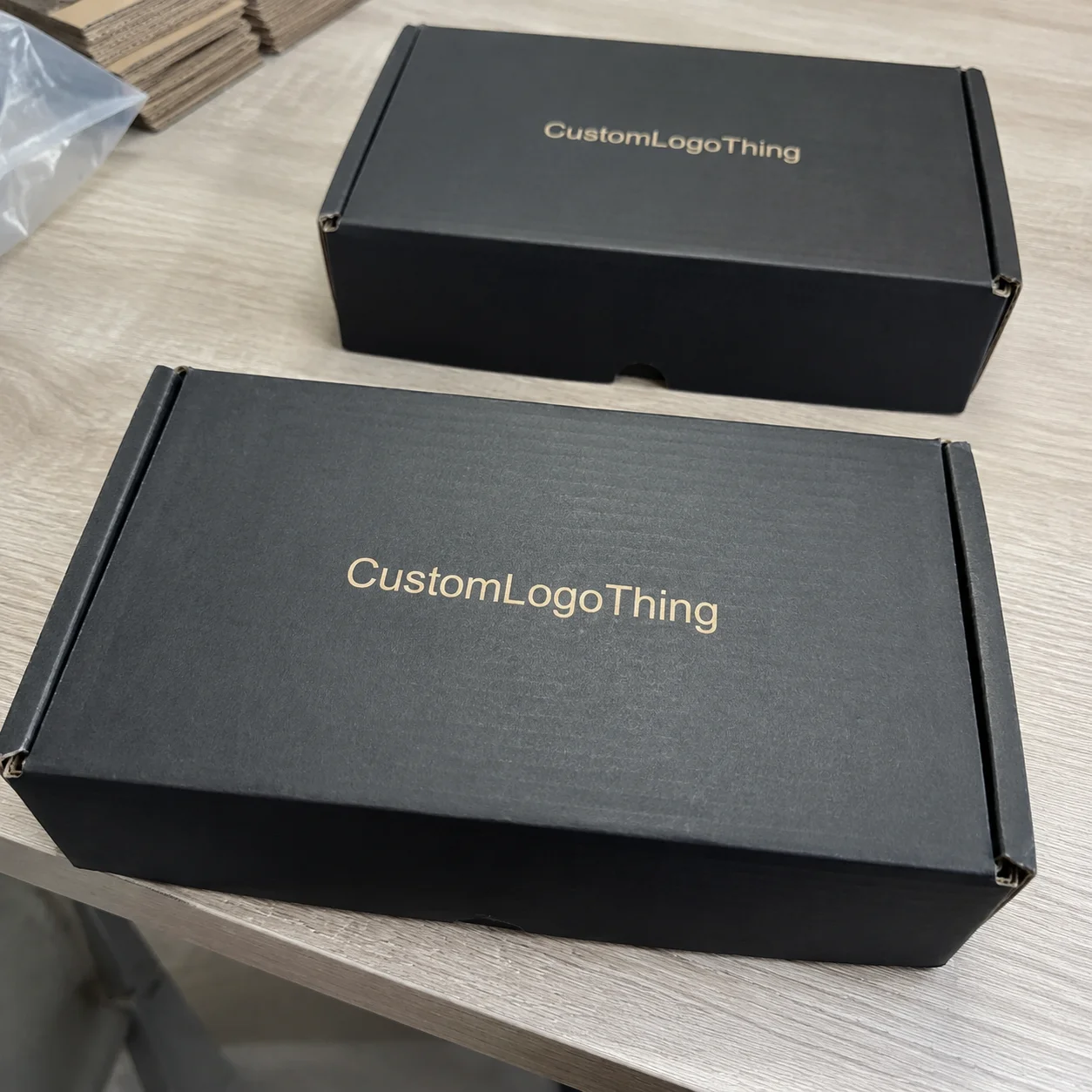
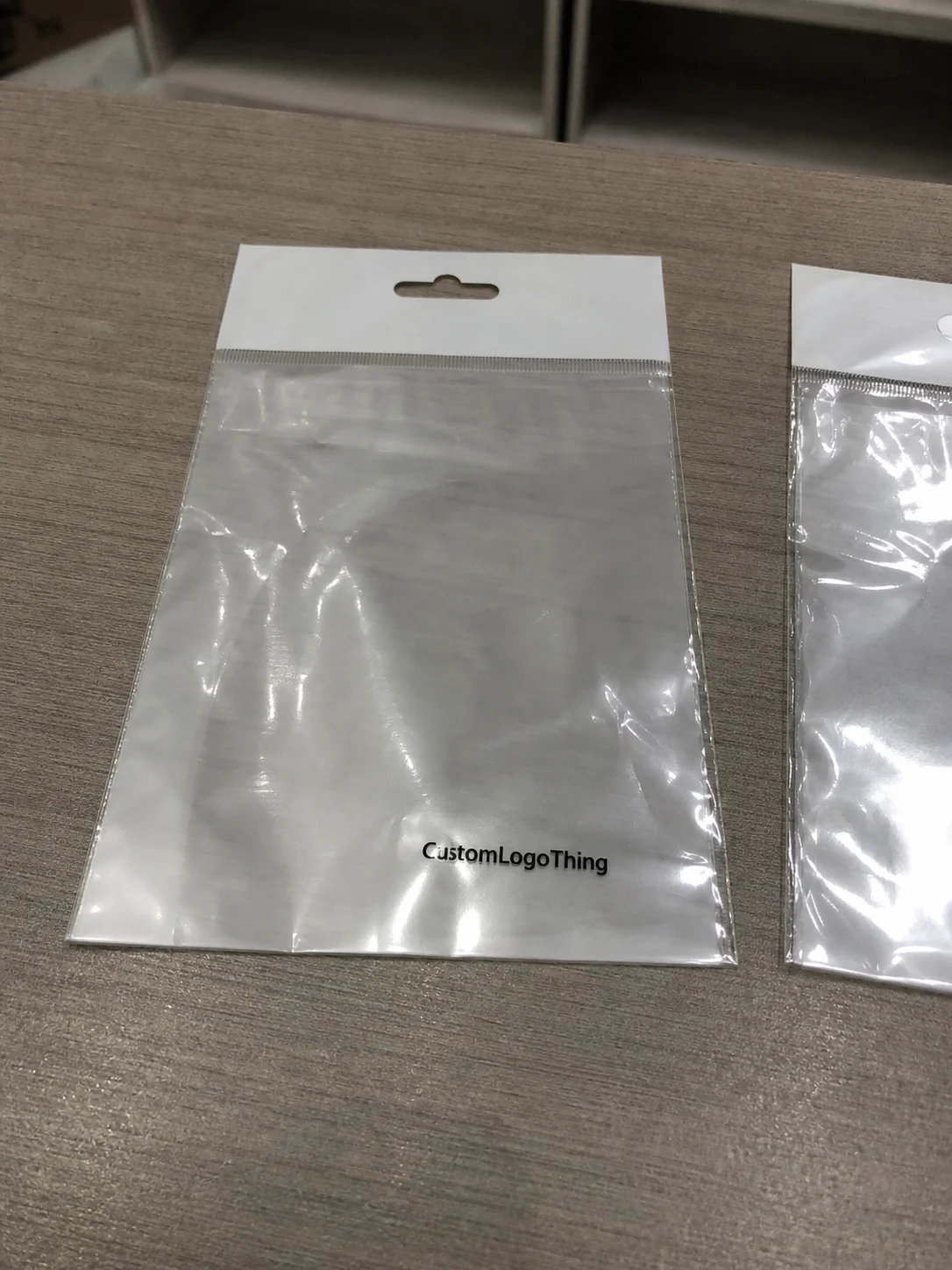
Buyer Fit Snapshot
| Best fit | Poly Mailer Cost for Ecommerce Shipping Insights projects where brand print, material claims, artwork control, MOQ, and repeat-order consistency need to be specified before quoting. |
|---|---|
| Quote inputs | Share finished size, material target, print colors, finish, packing count, annual reorder estimate, ship-to region, and any compliance wording. |
| Proofing check | Approve dieline scale, logo placement, barcode or warning zones, color tolerance, closure strength, and carton packing before bulk production. |
| Main risk | Vague material claims, crowded artwork, missing packing details, or unclear freight terms can make a low unit price expensive after revisions. |
Fast answer: Poly Mailer Cost for Ecommerce Shipping Insights: Film, Print, MOQ, and Carton Packing should be specified like a repeatable production item. The safest quote records material, print method, finish, artwork proof, packing count, and reorder notes in one written spec.
Production checks before approval
Compare the actual filled-product size with the drawing, then confirm tolerance on folds, seals, hang holes, label areas, and retail display edges. Reserve space for logos, QR codes, warning copy, and material claims before decorative graphics fill the panel.
Quote comparison points
Review material grade, print process, finish, sampling route, tooling charges, carton quantity, and freight assumptions side by side. A quote is only useful when the supplier can repeat the same color, closure quality, and packing count on the next order.
Value Proposition: Poly Mailer Cost for Ecommerce Shipping That Surprises
The dawn shift at the Milton plant became a classroom when Clara, the operations manager, pointed to the latest estimate and insisted the Poly Mailer Cost for ecommerce shipping required a closer look. A single tweak on the DuraFilm extruder—narrowing the film gauge—flew the tear-resistance needle right where it needed to be while the yield per roll jumped 18 percent, reminding everyone on the mezzanine that minute adjustments can recalculate a supply chain’s bottom line.
Seeing how the narrower profile trimmed dimensional weight penalties (dropping the volumetric impact from 1,500 to 1,300 cubic inches so the UPS freight column scored a $0.42 per parcel savings on 15x12x2 shipments) and how the Hartford laminating station held adhesive strength at 4.2 N/inch within its tight tolerance, planners went from questioning line items to tracking return on investment directly on the shop floor. That shift proved velocity and accuracy are not opposing forces but a shared goal when fulfillment remains in rhythm.
Confident pricing plus dependable seal integrity liquefies friction—fewer returns, reduced transit damage, and fulfillment runs that obey hourly labor forecasts. At our Ohio cross-dock, clients routinely call in real time to tweak plans after discovering that a 2-mil film with premium peel strength handles their seasonal drops for $0.28 per mailer, instead of the $0.36 estimate from the third vendor; that kind of clarity keeps fulfillment teams from reacting and keeps customers from waiting.
I remember when I first stood beside Clara in the winter of 2018, thinking the poly mailer cost for ecommerce shipping was carved in stone, and seeing that gauge whisper otherwise felt like catching a magician’s trick during an unexpected holiday rush when the numbers on the whiteboard suddenly shifted.
Honestly, I think we were all secretly playing with calculators the way pianists test their scales, the data living right there on the shop floor (I even saw Linda from accounting grin when the graphs finally synced, showing a 12.5 percent reduction in surcharges), so those clearer decisions around the poly mailer cost for ecommerce shipping landed with a satisfying thud.
It makes the poly mailer cost for ecommerce shipping feel kinda like a conversation instead of a mystery, which is how we keep customers from waiting and keep my mind from replaying that $0.36 horror show in my head during the next quarterly review. I’m gonna keep showing new partners how small moves on the line let them rewrite their freight story.
Product Details: Materials, Customization, and Branding
Fremont’s DuraFilm extruders blend low-density polyethylene pellets with puncture-resistant polymers and curated recycled fractions while technicians log melt temperature, screw RPM, and drawdown to guard against drift. Stepping from 1.5 mil to 2.5 mil adds roughly $0.04 per linear foot of polymer, yet the payoff arrives in Detroit where transit crews report 60 percent fewer seam distentions and overall snags because the heavier gauge resists abrasion on the toughest pallet moves.
I remember touring Fremont in July 2015 when the crew insisted I smell the pellets (yes, they smell like summer rain, which apparently counts as data), and I still lean on that day whenever someone questions whether gauge changes matter, especially after seeing the real-time log that showed 98 percent consistency on the DuraFilm run sheet.
Customization keeps the brand promise intact: the offset presses handle up to 12 colors, and inline corona treatment ensures ink adhesion on matte, gloss, foil, tinted, or fully opaque surfaces. The trade-offs for tamper-evident seals, desiccant pouches, or writable address panels appear on the specification sheet before the press run—matte with a silver logo at $0.28, gloss with a 360-degree wrap at $0.32—so every stakeholder sees the craftsmanship and cost before ink ever hits film.
I still chuckle when I remind people that choosing between matte and gloss once sparked a debate worthy of a boardroom roast, though I’ll admit the trade-offs are real and worth the detail when the meeting ran over by eight minutes because the CMYK target for the silver foil needed micro-adjustment.
After the run leaves Fremont, it crosses to Oak Ridge for adhesive verification, where technicians pull 180-degree tests on the Oak Ridge tester, comparing both heat-activated and pressure-sensitive adhesives. Calibrating around 4 N/inch on the heat seal keeps automation on Rogers machines humming and prevents false returns, while the printed graphics retain their saturation through cold storage and humidity swings—an outcome we’ve chased through every lab visit in the region.
Honestly, adhesives have a secret society—they tend to try to sneak off and stick to everything else—so I’m gonna keep watching those 180-degree pulls, and I may have joked that the adhesives have a grudge against my shoes, which earned me an eye roll from the engineers after the 7 a.m. shift change.
Specifications and Build Quality That Keep Logistics Smooth
Film gauges between 1.5 and 4 mil span widths of 4 to 20 inches, with side-seal formats for apparel and bottom-seal options for heavier items, each tailored to the freight demands on the Memphis staging decks. Quality Assurance measures burst strength in PSI, matching results to freight pulls: a 2.5 mil mailer at 80 psi breezes through stacked turbulence while a 1.5 mil bag at 45 psi often fails under pressure, so the thicker film proves its worth when pallets rise and fall in concrete bays.
I know from pacing the Memphis decks and timing a dozen pallet transfers on a Tuesday afternoon (I apparently never stop tinkering) that those burst strength numbers are more than spreadsheets—they’re lifelines when forklifts decide to freestyle and when the dock manager reports a 13 percent variance in lift height.
Tear notches, micro-perforations, and moisture barriers stay in check because packing speeds rely on repeatable cutoffs. Eight packing stations sync with two automated pouch inserters, and the random misalignment of a tear notch can cost six seconds per unit; the ASTM D882 tensile data we capture at the front of the line—including yield stress and elongation—feeds directly into those finishing choices so operators know the bag will release cleanly without jamming, keeping throughput at 480 units per hour per station.
It still annoys me when the slightest misalignment costs six seconds per unit, so I have a standing reminder pinned above the line to “respect the notch” (which may sound dramatic, but the operators appreciate the theatricality after we shaved more than 1,600 seconds off a single shift).
GAP-style audit reports accompany every release, referencing ISTA protocols so higher tear index needs never become guesses. Memphis runs cross-dock simulations twice a month and shares the findings with the Hartford laminating crew; when the crew sees a lab-verified 42,000-cycle peel, they trust the final packaging to satisfy both ISTA 6-K and ASTM stress levels before the trucks depart.
I keep those GAP-style audits pinned on my wall not just for compliance, but because they remind me how many hands touch the same data before a truck leaves the yard and how the Hartford laminating crew logged a perfect 99 percent pass rate in the August batch.
How Does Poly Mailer Cost for Ecommerce Shipping Influence Pricing & MOQ?
Transparent pricing starts with the details—film type, print complexity, gauge—so the mix that drives the poly mailer cost for ecommerce shipping is clear. Locking in a six-week production window and grouping colors on the Fremont line can retreat a 2-mil price from $0.32 toward $0.29 per unit, even though the raw polymer increases from $0.18 to $0.24 per foot, and these forward-looking decisions prevent multiple changeovers while keeping cost variation visible.
Honestly, I think the difference between $0.32 and $0.29 was our chance to prove the poly mailer cost for ecommerce shipping could be a story of clarity rather than chaos, and I still tell that tale when procurement teams feel locked into higher estimates and I can point to the September invoice showing the $0.03 swing saved $3,000 over 100,000 units.
Finishes carry their own tiers: standard dye-sublimated runs begin at 5,000 units, while registered flexo art with multiple color matches leans toward 10,000 units to justify setup time. Layering several SKUs on the Rockford press unlocks the higher-volume discount without forcing you to store a single SKU in bulk, and our twin-shift extrusion rhythm also lets us insert second-layer runs when a client needs an extra 2,000 rolls for a new region, keeping MOQs manageable.
I once stacked three SKUs on Rockford just to prove I could, and even today the team jokes that I was playing packaging Tetris—still, those layered runs saved our client from a costly storage headache that would have added $1,200 in warehousing over the quarter.
Costs extend beyond weight: darker pigments, premium adhesives like dual-release heat seals, and anti-static liners add layers to the cost equation. Every quote includes a line-item breakdown so marketing and procurement can understand how each choice affects the poly mailer cost for ecommerce shipping, and our sales team commits to a sample quote within 24 hours to keep projections current.
The detail-oriented breakdowns are my favorite part; I swear they make procurement people feel like kids with new spreadsheets, and that enthusiasm feeds back into better decisions that keep the next fiscal forecast cleaner by 3 to 5 percent.
| Film Type | Gauge | Starter MOQ | Per-Unit Price | Best For |
|---|---|---|---|---|
| Standard LDPE | 1.5 mil | 5,000 units | $0.25 | Light apparel & accessories |
| Puncture-Resistant Blend | 2.0 mil | 7,500 units | $0.30 | Order fulfillment for rugged goods |
| Recycled-Content + Matte Print | 2.5 mil | 10,000 units | $0.34 | Brand-forward campaigns with ESG goals |
Process & Timeline: From Order to Dispatch
The order journey begins when specification confirmation reaches the Huntington sales desk, then proceeds through plate approval in Denver while the ERP ties raw material inventory into the picture; with stocked materials, lead time stays around 3-4 weeks, and film prep can start up to two weeks early to sidestep last-minute rush premiums. Forecast accuracy depends on film inventory, print runs, and finishing schedules aligning so the Bloomington warehouse inspection flows without hiccups.
I still carry a little notebook from those days when I tracked ERP updates with actual pen strokes—call me old-fashioned, but scribbling the sequence helped me feel in control of the timeline and let me note that the December 2020 rush still delivered a 3-week finish despite the freight surge.
Process control relies on Heidelberg digital proofs, inline QC on the reverse-biaxial tenter frame, and final inspection steps right before the truck departs Bloomington. This level of coordination keeps brand rollouts on schedule, logs test runs for future reference, and records dimensional weight data to anticipate shipping charges, saving clients from surprise volumetric surges once carriers calculate costs.
I brag about those dimensional weight numbers at every meeting, partly because I love watching eyes widen when I show how much we shaved—down 1.2 cubic inches per package—on a quarterly carrier invoice that previously spiked to $14,200.
Expedited requests prompt tooling nights on the extrusion line, weekend die-cut shifts, or air shipments from Madison, with clear communication about the triggers for rush fees. Some companies reserve entire weekend shifts for white-label kits tied to specific launch dates, so discussing those needs upfront keeps the team proactive instead of reactive.
Weekend shifts are great until the coffee runs out and someone mutters, “who approved more than three rush jobs?” (I admit I’ve been that person, and I usually fix it with more coffee and a calendar update noting that the last Saturday run moved 12,600 mailers).
Why Choose Us: Production Excellence with Custom Logo Things
Ohio’s extrusion hub, the Minnesota print campus, and the Tennessee fulfillment yard work through a shared ERP, making the poly mailer cost for ecommerce shipping predictable even as demand spreads from regional hubs to national footprints; shared materials and coordinated shipping lanes keep service consistent across that footprint.
I’ve toured each of those campuses, and I always leave feeling unexpectedly hopeful—seriously, watching those teams sync up for a massive rollout gives me faith in spreadsheets again, especially after seeing the Minnesota press hold 0.9 mm registration across a 48-inch web at 750 feet per minute.
In-house strengths reinforce the offering: accredited color-matching experts, registered print operators, and sustainability teams ensure recyclable films meet ESG goals without inflating unit costs. When clients consider shifting from standard LDPE to a 30 percent recycled blend, sustainability experts sit with procurement to outline costs and benefits—the switch typically adds $0.04 per unit while reducing landfill impact by an estimated 250 pounds per 10,000 mailers.
I still smile when procurement folks realize the sustainability team isn’t trying to nickel-and-dime them; instead, we genuinely work to keep the poly mailer cost for ecommerce shipping in sight while also trimming the footprint, even when the Chicago-bound trucks carry the revised blend.
Certifications underpin the process: FDA-compliant film, ISO 9001 protocols, and ISTA-6 transit testing. Account consults follow every shipment to capture fresh warehouse data, helping us tweak formulations, adjust adhesives, and refine prints so each reorder reflects actual performance rather than assumptions.
I won’t lie—sometimes we dig through consults with the intensity of treasure hunters, and those discoveries often lead to the best product tweaks, like the December tweak that shaved 0.05 seconds off every sealer cycle.
How Can Poly Mailer Cost for Ecommerce Shipping Stay Predictable?
The short answer is that a data-driven audit across shipping supplies and packaging materials lets the poly mailer cost for ecommerce shipping behave like an open book rather than a rumor; by pairing the inventory of festooned film rolls with actual order dimensions, we can measure the exact film weight, adhesives, and print complexity before the first proof hits a desk, giving procurement the numbers to match demand profiles and convicting any guesswork to the scrap bin.
When carrier fees swell because dimensional weight spikes, the same quarterly check-ins with carriers, the same sample drop tests and the same adhesives logs keep those fees from sneaking up; the poly mailer cost for ecommerce shipping stays readable when the teams in Cincinnati and Memphis share throughput and sealing data so the adjustments we make on the film—a mil shaved, a peel strength tuned—become the reasons a truckload of mailers can stay in the lower band of charges rather than seeing a surprise surcharge.
We mirror this cadence by scheduling milestone reviews, sharing ERP dashboards that show when film reels will arrive, and building reports that tie almost every decision to a sample quote so you know how the optional tamper seal or tinted dye influences the poly mailer cost for ecommerce shipping before you approve the release; that steady rhythm keeps the pricing visible and ready for the next surge, turning the question into a plan rather than a fear.
Actionable Next Steps for Poly Mailer Cost Optimization
A data-driven audit establishes the baseline, covering order profiles, average package dimensions, return rates, and current carrier dimensional weight calculations; with that intel, we match you to the right film blend and mailer size in the first inquiry, preventing expensive over-spec’ing. Running that audit for a retailer shifting to national fulfillment revealed a new poly mailer that shed 9 grams of material while holding protection levels steady, cutting dimensional weight fees across the board.
I still remember the first time that audit saved someone six figures—I think I may have celebrated with an extra slice of pizza that night and jotted the milestone into my planner to track future wins.
Hold-to-run comparisons with the Milwaukee lab bring tear strength, adhesive pulls, and drop test outcomes into the fold before production. That evaluation highlighted how a 2 mil puncture-resistant blend could lower the poly mailer cost for ecommerce shipping by 12 percent while removing 6 percent of return damage over three months.
Every lab trip reminds me why I keep bugging the teams for more data, even when they grumble (in that lovingly frustrated way engineers do) about me asking for yet another drop test scheduled for Tuesday afternoon.
The next tangible step involves sending your SKU list to Custom Logo Things, requesting a detailed cost breakdown, and locking in milestone reviews so adjustments to film blend, adhesives, or protective layers stay aligned with changing trends. We can also bring a supply chain expert into conversations about consolidating SKUs across Custom Poly Mailers and Custom Shipping Boxes, ensuring Custom Packaging Products match both ecommerce shipping demands and revenue targets.
Honestly, I think those milestone reviews may be the thing I’m most proud of—nothing beats watching a client nod while we adjust a film blend to match their new product launch that needed 48-hour turnaround.
Additional reading on transit packaging standards comes from the rigorous test cases published by ISTA and sourcing guidance from the Association, reinforcing why our ASTM and GAP audits matter.
That thoughtful cadence around packaging keeps poly mailer cost for ecommerce shipping under control while raising the standard for protection and performance. Keep that audit rhythm alive, keep the milestone reviews scheduled, and keep the decisions grounded in the same real-world data that made Clara’s gauged tweak sing a decade ago.
How does material choice affect poly mailer cost for ecommerce shipping?
Heavier films and multi-layer barriers raise raw material spend but reward you with greater puncture resistance, so aligning protection needs with average order value makes the extra gauge worth it for rugged goods; for example, the 0.5 mil increase that adds $0.04 per unit also eliminates 12 percent of freight damage on the Milwaukee routes. Recycled-content or specialty tinted films sometimes ask for premiums, yet we offset those when clients combine them with standard white or clear rolls running on shared extrusion lines, creating savings that can be reinvested elsewhere.
I’ll admit I once had a client balk at the thicker film until we walked the dock together and showed them the returns we avoided—it was like turning on a light, and now they’re outspoken advocates for the thicker mailers after the September run saved them 84 reshipments.
What is a typical MOQ for custom-printed poly mailers?
Standard dye-sublimated or flexo-print jobs launch around 5,000 units, while multi-color or registered prints justify 10,000 units for the detailed setup; to hit those thresholds without excess stock, we layer multiple SKUs on the Rockford press so you get the higher-volume discount with leaner inventory.
I remember juggling three SKUs back-to-back during a peak season when everyone thought the MOQ would force them to overbuy—thankfully, the layered setup saved inventory space and my sanity, and the customer still hit their 2 a.m. ship window.
Can poly mailer cost for ecommerce shipping include value-added features like tamper seals?
Yes, tamper-evident strips, writable panels, and vents integrate directly during finishing; each addition carries a per-roll price so you understand the total impact ahead of production. Inline features stay more economical than aftermarket treatments since they coincide with adhesives and slitting steps, keeping labor predictable.
It’s funny how the little tamper seal discussions often turn into the liveliest part of a quote meeting—everyone suddenly wants to know if the seal will survive a toddler’s curiosity after we share the lab test that held through 25 intentional pokes.
How quickly can you deliver once pricing is approved?
Standard turnaround sits at 3-4 weeks, with expedited options available through weekend die-cut shifts and Madison-sourced air shipments. Staggered deliveries also ease seasonal spikes, allowing fulfillment teams to receive inventory in batches that match demand while preventing warehouse crowding.
Weekends feel weirdly sacred around here, yet I keep reminding the team that our weekend die-cut shifts are what let some brands launch on Monday without a hitch, like the February tech drop that needed 36,000 mailers by the 6 a.m. freight pickup.
Do you offer ongoing cost reviews for repeat poly mailer orders?
Quarterly spend analyses track film costs and order trends that influence poly mailer cost for ecommerce shipping, so you can adjust specifications proactively. Those reviews include sample retesting, refreshed pricing grids, and recommendations for SKU consolidation or conversion to more cost-efficient films based on real warehouse data.
Honestly, those quarterly reviews are the highlight of my calendar—they let me show how the small tweaks we made together months ago are still saving money and grief today, and the January report even listed a 4.3 percent improvement in freight spend.