A Soft PVC Patch Factory bulk order is rarely just about decoration. Buyers usually want three things at once: a cleaner logo, repeatable output across thousands of pieces, and a patch that can survive handling without fraying, fading, or losing shape. That combination makes soft PVC a practical choice for bags, pouches, uniforms, luggage accessories, and branded retail items that get touched often.
The material stands out because it can hold raised detail and sharp color breaks in a way stitched emblems often cannot. Fine text, small icons, and narrow borders are easier to preserve in molded PVC than in thread. For products that need a strong visual mark on a limited surface area, that difference can decide the whole spec.
Why bulk buyers choose soft PVC patches over stitched emblems
Bulk buyers usually switch to soft PVC when the artwork becomes too detailed for embroidery or too exposed for printed graphics. Thread has a practical limit: very small lettering can blur, and tight curves can lose definition. Soft PVC keeps edges crisp and allows more control over layer height, so the logo remains readable even on compact badge sizes.
There is also a usage advantage. Soft PVC is flexible, water-resistant, and easy to wipe clean. That makes it a better fit than stitched emblems for travel goods, utility pouches, outdoor accessories, and any item that gets bent, rubbed, or exposed to dirt. On a daily-use product, appearance after three months matters more than appearance on day one.
For many brands, the attraction is consistency. A factory-direct run lets the buyer lock size, thickness, color references, and backing type before production starts. That reduces the drift that can happen when samples, molds, and production are handled in separate places. Across a 5,000-unit order, even a small variation in edge width or color tone becomes visible.
Practical rule: if the patch needs to survive flexing, abrasion, and regular cleaning while still reading clearly from a short distance, soft PVC is usually the stronger option. If the goal is texture only, embroidery may be enough.
There is a second reason teams prefer a Soft PVC Patch Factory bulk order instead of splitting the job across vendors: repeatability on reorders. Once a mold is approved and stored properly, the next run is faster and usually less expensive than starting over. That matters for seasonal programs, uniform refreshes, and product lines that reorder the same badge every quarter.
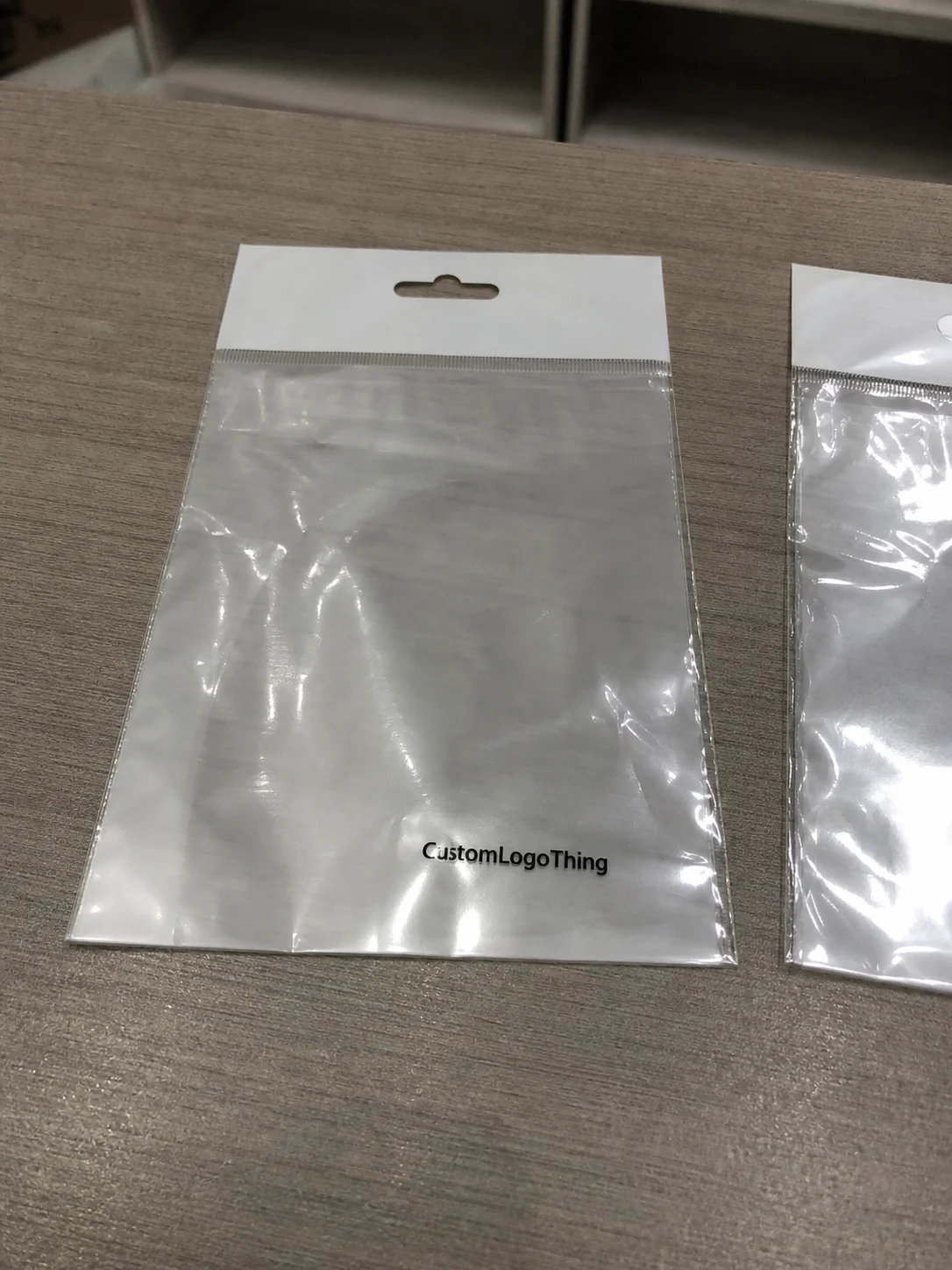
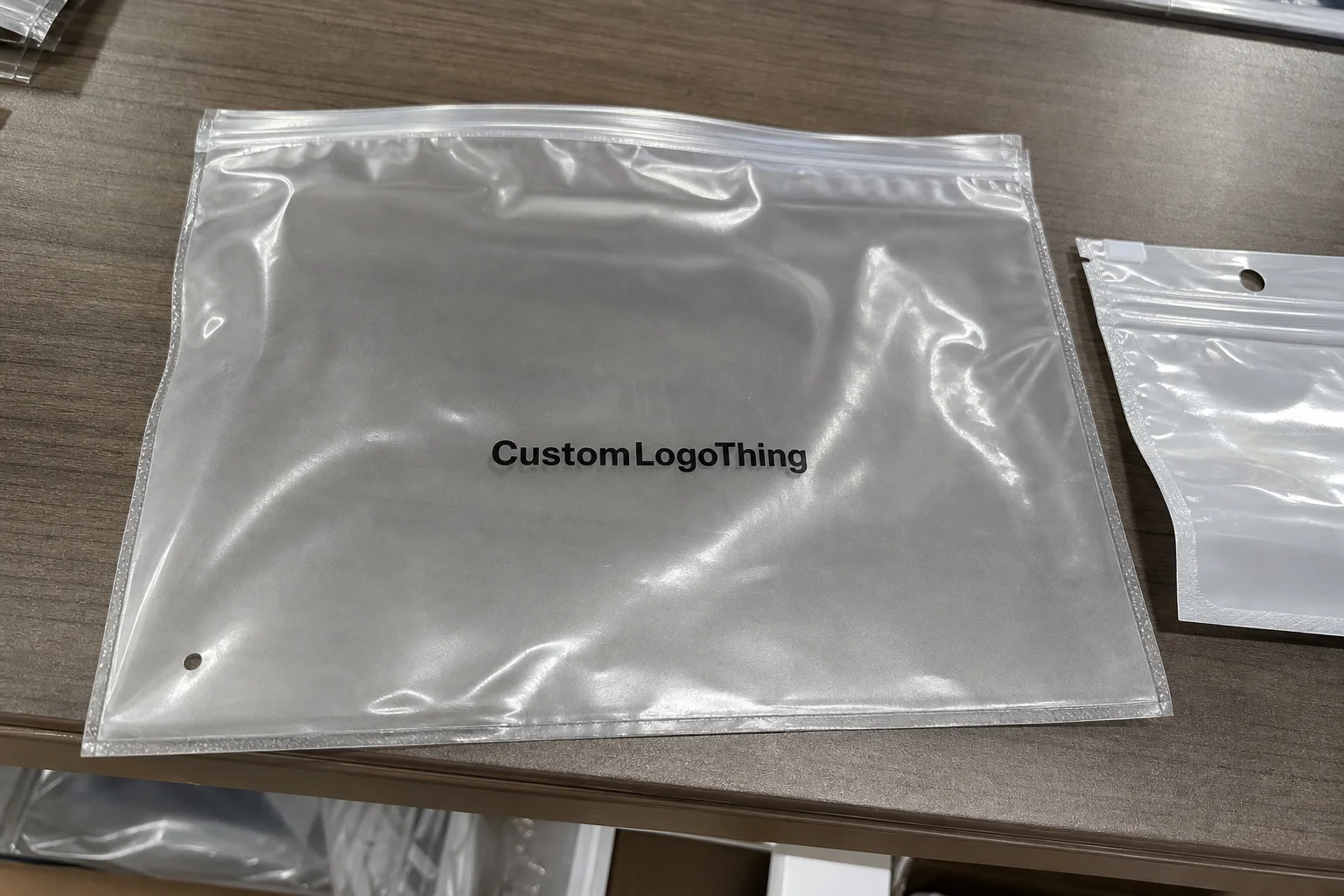
Soft PVC patches are also useful in packaging-adjacent applications. They are commonly applied to branded pouches, carry bags, luggage tags, insulated totes, and retail presentation items. In those settings the patch is part of the product identity, not a standalone accessory. It has to fit the object, not fight it.
Soft PVC patch construction, backing options, and finishing details
A soft PVC patch is formed from molded layers of colored PVC that create a raised face, recessed fields, and a defined border. Buyers usually choose between a flatter 2D build and a more sculpted 3D relief style. A 2D patch is simpler to tool and easier to keep clean visually. A 3D patch can feel more premium, but it also forces more careful artwork separation and often raises the risk of losing tiny details.
Thickness should be discussed early because it changes both appearance and handling. Bulk runs commonly fall between 2.0 mm and 4.5 mm. Thin patches can look neat on light-duty items, while thicker ones feel more substantial and badge-like. The tradeoff is simple: more thickness increases presence, but it can become awkward on tightly folded seams or curved surfaces.
Backing choice should follow the product, not personal preference. Sew-on backing is the most durable for fabric goods and bulk assembly lines. Hook-and-loop works for removable branding and tactical-style gear. Adhesive backing is useful for short-term placement and samples, though it is rarely the best choice for high-wear use. Heat-applied backing works when the substrate can tolerate pressure and temperature. Pin backings are more common for display or collectible pieces than for day-to-day product branding.
| Backing type | Best use | Cost impact | Buyer note |
|---|---|---|---|
| Sew-on | Bags, apparel, soft goods | Low | Reliable for permanent attachment and bulk sewing operations |
| Hook-and-loop | Removable branding, utility gear | Medium | Useful when patch changes are expected |
| Adhesive | Short-term displays, samples | Low to medium | Check surface compatibility before approving |
| Heat-applied | Apparel and fabric programs | Medium | Works best on substrates that tolerate heat and pressure |
| Pin back | Collectible or presentation items | Medium | Less common for high-wear packaging accessories |
Edge finishing is easy to overlook and hard to fix later. Clean outlines, consistent rims, and controlled corners keep the patch from looking rough once it leaves the mold. Overly intricate outlines increase tooling cost and can weaken edge quality. Rounded corners, badge silhouettes, and simplified borders usually give the best balance between brand identity and production reliability.
Artwork limits matter just as much. Thin strokes can collapse, tiny letters can fill in, and close color separations can merge during molding. A good factory will tell the buyer where line widths need to be opened up so the final patch still reads correctly. That is not a design flaw; it is the reality of a molded product.
For buyers comparing soft PVC with other packaging or accessory components, the patch should fit the whole product system. If it sits on a retail bag, travel pouch, or gift item, it needs to support the packaging experience rather than pull attention away from it. In programs that include paper inserts or transit packaging, some buyers also align the patch order with broader packaging and shipping requirements. References from groups such as the Institute of Packaging Professionals and the International Safe Transit Association can be useful when the patch is part of a larger presentation or shipping system.
Specifications buyers should lock before requesting a quote
The fastest quote is the one built on complete information. At minimum, the factory needs dimensions, thickness, color count, backing type, edge style, and target quantity. If those pieces are missing, the quote will be based on assumptions. That makes price comparison messy and usually leads to corrections once the proof is underway.
Artwork quality matters too. Vector files are the standard because they let the factory separate color zones cleanly and scale the design without distortion. AI, EPS, or vector PDF formats are best. If the file includes gradients, micro-text, or hairline strokes, expect simplification before molding. The goal is not to preserve every screen detail; the goal is to produce a patch that reads correctly in the hand.
Color references should be stated clearly. Pantone references remain the most workable system for production matching, even though PVC pigments can shift slightly depending on thickness, surface texture, and light source. If color accuracy is critical, ask for a physical sample or approved swatch before the bulk run begins. A screen image is too loose for serious color control.
Performance requirements should also be written down. Some buyers need UV resistance for outdoor use. Others need wash durability because the patch will be applied to apparel. For bags and travel goods, flex durability and abrasion resistance are usually more relevant than washing performance. The factory should know which condition matters most so the compound and finish are selected correctly.
- Artwork file: AI, EPS, or vector PDF is preferred.
- Target size: give width and height in millimeters or inches.
- Thickness: specify the acceptable range if hand feel matters.
- Attachment method: sew-on, hook-and-loop, adhesive, or heat-applied.
- Packaging: bulk pack, individual polybag, labeled carton, or retail-ready set.
One detail buyers often miss is the relationship between relief and cost. Strong 3D depth can make a design feel more premium, but it also requires more complex tooling and more careful color separation. That extra impact can be worth paying for, but it should be a deliberate choice rather than an accidental result of the artwork file.
Packaging format belongs in the first quote request too. Some programs need patches sorted by SKU, size, or colorway so the receiving team can move quickly. Others want simple bulk cartons because internal sorting happens later. The difference affects labor, labeling, and packing time, which means it affects price as well.
Cost, pricing, and MOQ factors for a soft pvc patch factory bulk order
For a soft pvc patch factory bulk order, the main cost drivers are predictable: mold or setup fee, size, thickness, number of colors, backing type, packaging format, and total quantity per design. Setup is usually the first line buyers notice, but unit price matters more as quantity rises. Once the tooling cost is spread across more pieces, the per-unit number drops.
Setup fees are usually tied to artwork complexity. A simple two- or three-color badge is easier to tool than a patch with many separations, small internal shapes, or layered relief. If the order includes several SKUs, ask whether any tooling can be reused. In most cases, every distinct design needs its own mold, and that difference has a real effect on total spend.
MOQ is not random. It usually reflects the cost of tooling, color mixing, inspection, and packing. More colors or tighter detail can raise the minimum because the labor input goes up. Reorders are often cheaper because the existing mold can be used again, which lowers setup cost and sometimes allows a lower minimum if the factory is holding the tool on file.
Tiered pricing is the only useful way to compare volume. A quote for 1,000 pieces does not say much about the economics at 3,000 or 5,000 pieces. The best comparison is based on the same spec sheet: same size, same backing, same packing, same proof requirement. A lower unit price is not a better deal if it excludes sample handling or packing labor.
| Order variable | How it affects price | Typical buyer decision |
|---|---|---|
| Mold/setup fee | Higher on complex or first-time artwork | Spread over volume, then compare on total landed cost |
| Size | Larger patches use more material and labor | Keep dimensions tight to the branding need |
| Color count | More colors usually means more steps and higher labor | Reduce colors where the logo still reads correctly |
| Backing type | Special backings add material and handling cost | Choose the attachment method that fits the product life cycle |
| Packaging | Individual packing and labeling raise labor cost | Use bulk packing unless retail presentation needs more |
Hidden costs deserve attention. Individual polybagging, barcode labels, branded inserts, and expedited production can change the final total more than buyers expect. Shipping method matters too. A low unit price can look attractive until carton count, freight, and import handling are added back in. That is why the complete quote should show production assumptions, not just patch price.
For teams managing recurring replenishment or multiple product lines, it helps to structure the supplier relationship around repeat volume. Our Wholesale Programs page is useful for recurring purchasing needs, while the FAQ page can answer common ordering questions before a quote is finalized.
Production steps, timeline, and approval milestones
The production sequence is straightforward, but each step matters: artwork review, mold confirmation, color matching, sample making, bulk production, trimming, inspection, and packing. A delay at the proof stage pushes the whole schedule, not just one part of it.
Lead time after approval often falls in the 12 to 15 business day range for straightforward orders. Complex molds, dense artwork, special packaging, or multiple revisions can extend that window. Rush requests are possible in some cases, but speed only works if the design is already stable. If the artwork is still changing, rushing usually increases risk rather than saving time.
There are four approval points that matter most. First is the digital proof, where the buyer checks size, colors, and outline. Second is the sample or pre-production piece, where actual material and relief can be judged. Third is bulk confirmation, where the production run is released. Fourth is shipment sign-off, which confirms packing details and carton counts before dispatch.
These checkpoints are not paperwork for its own sake. They are schedule control. A rushed sample approval can save a few days and create a costly rework later. For logos with multiple layers, fine shapes, or very specific color breaks, a physical sample is usually the safer way to judge readability and edge quality.
Shipping should be discussed early, especially if the patches feed into a launch calendar or a larger assembly schedule. The factory needs the handoff date, not just the order date, so it can plan production batching, inspection timing, and carton release around the receiving window. If the carton count matters for downstream assembly, that detail should be visible before the run starts.
Best practice: lock the proof before tooling is finalized. Once the mold is cut, even a small artwork change can add cost and delay.
Quality control standards that matter in high-volume orders
High-volume quality control should focus on the details that affect use, not just appearance. Color consistency, edge cleanliness, layer alignment, thickness tolerance, and backing adhesion are the first checks that matter. If any of those drift too far, the patch may still be usable, but it will not behave like a production-ready branding component.
Buyers should ask what defect tolerance the factory applies. No mass run is perfectly identical, so the real question is how much variation is acceptable in shade, texture, and dimensions. A patch on a retail bag or uniform accessory needs tighter tolerances than a novelty item. The closer it sits to the customer’s eye, the stricter the inspection standard should be.
First-article approval is especially useful on complex artwork. One approved piece does not guarantee the entire run will be perfect, but it gives the inspection team a clear reference. That reference keeps the line honest once full production begins. Without it, small drifts in color or edge sharpness are easier to miss until packing.
Packing controls matter as much as molding quality. Count accuracy, carton labeling, and protective packaging all affect how usable the shipment is on receipt. A cleanly counted bulk carton is better than a mixed carton that forces extra labor at the dock. If patches need to be sorted by SKU or colorway, that instruction should be written before production starts, not added after packing is finished.
For programs that include paper inserts, cartons, or transit packaging, the patch should arrive ready for the next stage of work. A good QC process protects the patch and the downstream workflow. That is one reason experienced buyers ask for written approval against the final sample before mass production is released.
How to place the order and get a usable quote fast
The cleanest ordering process is also the fastest: send the artwork, confirm size and backing, specify quantity, request a sample if needed, and approve the quote only after the proof matches the intended use. A soft pvc patch factory bulk order moves much more smoothly when the buyer gives complete instructions up front instead of building the order through repeated corrections.
A useful quote request should include the logo file, Pantone references, target dimensions, application method, packaging needs, and delivery address. If the patch will be used on a bag, pouch, uniform, or promotional item, say so directly. That context helps the factory judge whether the thickness, finish, and backing actually fit the application.
When comparing quotes, make sure every supplier is working from the same specification sheet. One factory may offer a lower unit price but exclude packing. Another may include labeling, a sample, or a different backing in the quoted total. Those are not equivalent offers. A fair comparison includes mold fees, MOQ, sample cost, lead time, and shipping assumptions.
If the design is still changing, ask for a mockup before release. That step catches issues with type size, edge radius, and color separation before tooling is committed. For repeat programs, it also helps to forecast reorder quantity early so the next cycle can use the existing mold and avoid paying setup again.
The order process works best when the patch is treated as a production component, not a casual add-on. That mindset produces better artwork, clearer approvals, and fewer surprises in the factory. For a brand that needs durable, repeatable identification on bags and accessories, the details are what make the order worth doing.
For final review, keep the workflow grounded in the same three points every time: complete specs, written proof approval, and clear packing instructions. That is what turns a quote into a usable production plan and a shipment that arrives ready for assembly.
What do I need to send for a soft PVC patch factory bulk order quote?
Send vector artwork if possible, plus target size, quantity, backing type, and any Pantone color references. Include where the patch will be used, because bags, apparel, and promotional items may need different backing or thickness choices. If you have packaging requirements, mention them early so the quote includes individual packing or carton labeling.
What is the usual MOQ for custom soft PVC patches?
MOQ varies by factory, but it is usually set by mold setup economics and the number of colors or design versions. Larger quantities typically lower the unit price because setup costs are spread across more pieces. Ask whether reorders can be produced from the existing mold to reduce future minimums or setup charges.
How long does production usually take after approval?
Timeline depends on artwork readiness, sample approval, and order complexity, but approval to bulk production is usually not immediate. Complex molds, multiple revisions, or special packaging can extend lead time. Confirm both sample timing and bulk shipment timing before placing the order.
Can soft PVC patches be used on plastic bags and travel accessories?
Yes, they are commonly used as branding elements on bags, pouches, cases, and other flexible products. The best backing depends on how the patch will be attached and how much handling or flexing the item will see. For high-touch items, durable attachment methods and clean edge finishing matter more than decorative complexity.
What should I compare when reviewing multiple quotes?
Compare mold/setup fees, unit price, MOQ, included backing, packaging, and approved lead time on the same spec basis. Check whether the quote includes sample charges, shipping, and any artwork revisions. A lower unit price is not always the best value if it excludes key production details or creates delays later.