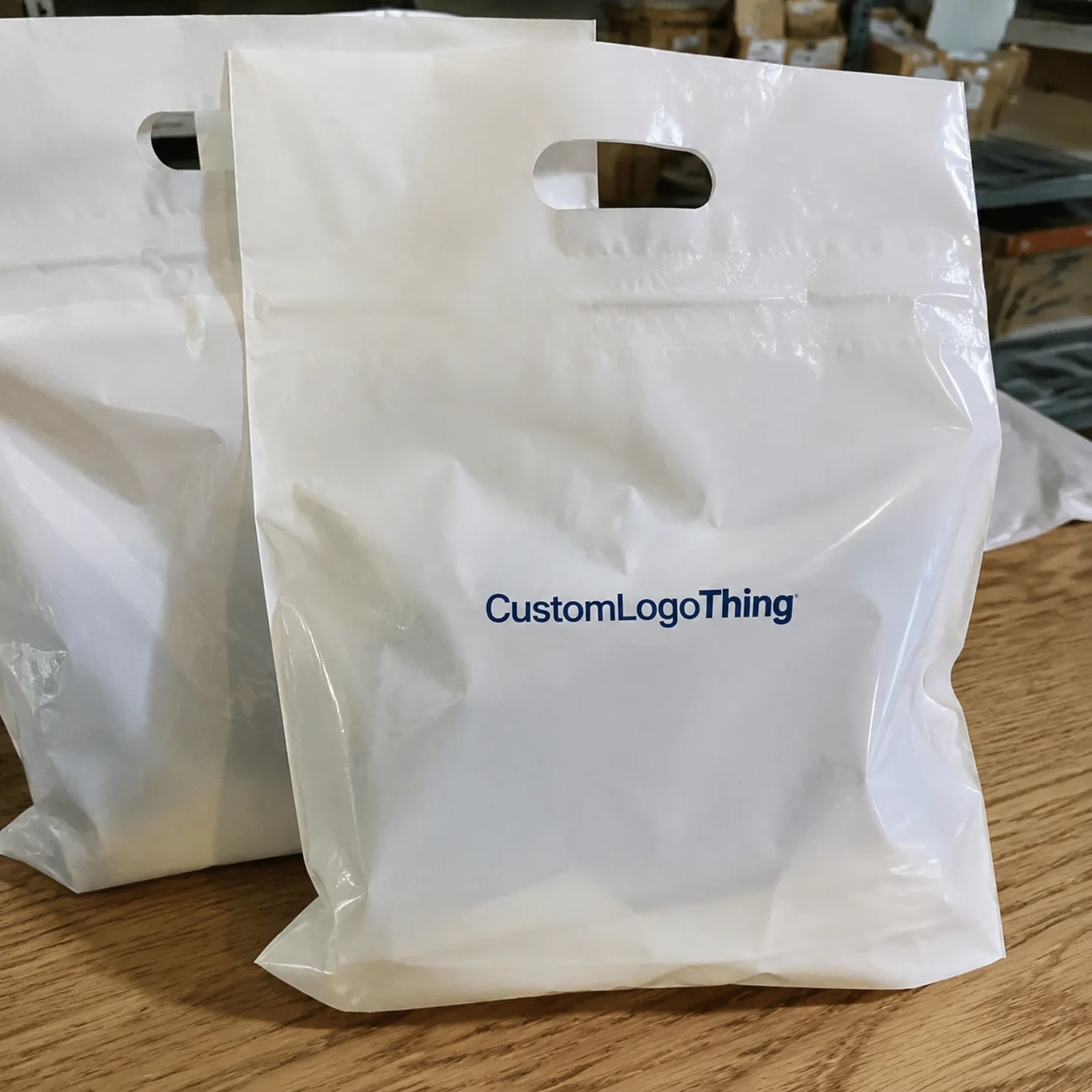
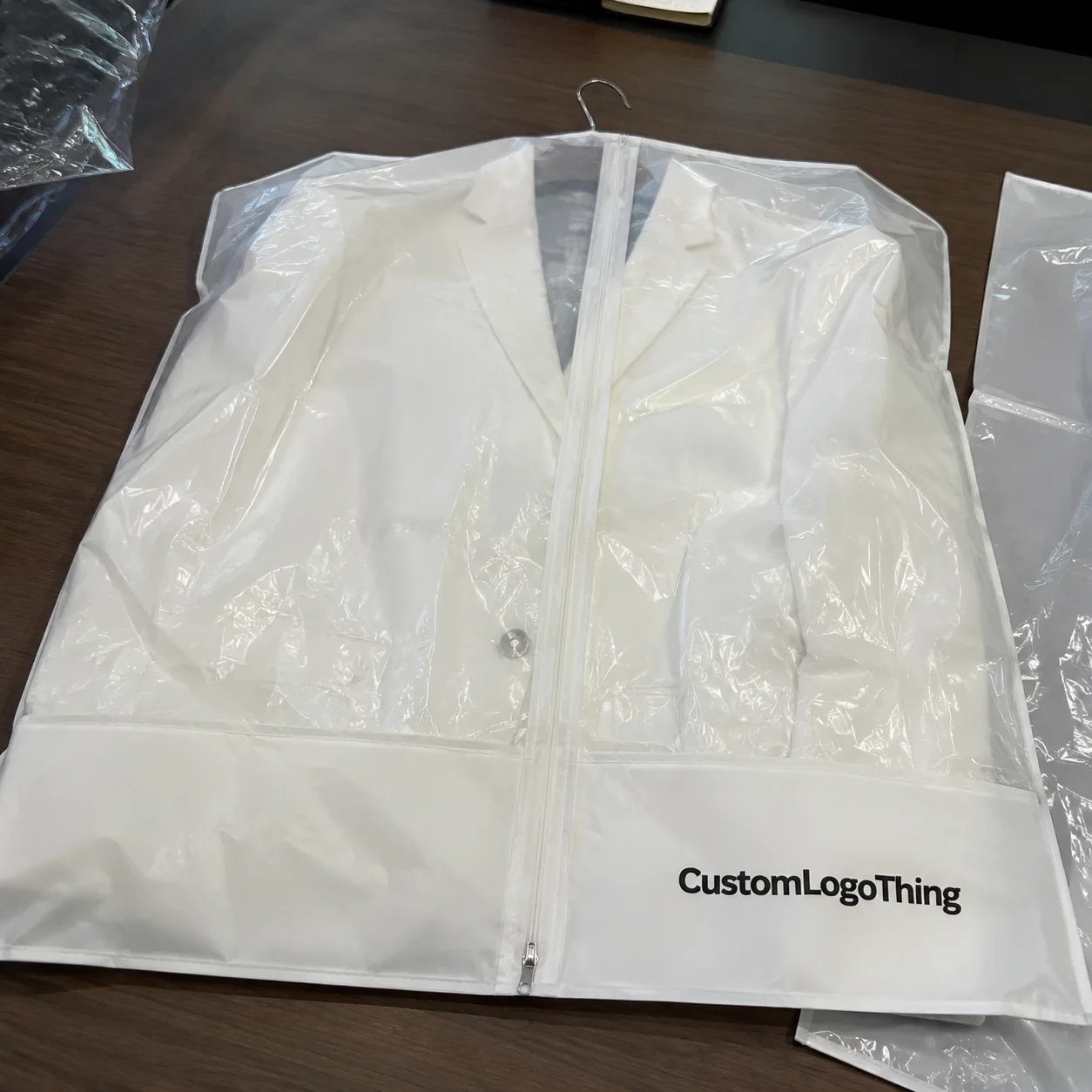
Buyer Fit Snapshot
| Best fit | Streetwise to Eco Friendly Mailers projects where brand print, material claims, artwork control, MOQ, and repeat-order consistency need to be specified before quoting. |
|---|---|
| Quote inputs | Share finished size, material target, print colors, finish, packing count, annual reorder estimate, ship-to region, and any compliance wording. |
| Proofing check | Approve dieline scale, logo placement, barcode or warning zones, color tolerance, closure strength, and carton packing before bulk production. |
| Main risk | Vague material claims, crowded artwork, missing packing details, or unclear freight terms can make a low unit price expensive after revisions. |
Fast answer: Streetwise to Eco Friendly Mailers: Film, Print, MOQ, and Carton Packing should be specified like a repeatable production item. The safest quote records material, print method, finish, artwork proof, packing count, and reorder notes in one written spec.
Production checks before approval
Compare the actual filled-product size with the drawing, then confirm tolerance on folds, seals, hang holes, label areas, and retail display edges. Reserve space for logos, QR codes, warning copy, and material claims before decorative graphics fill the panel.
Quote comparison points
Review material grade, print process, finish, sampling route, tooling charges, carton quantity, and freight assumptions side by side. A quote is only useful when the supplier can repeat the same color, closure quality, and packing count on the next order.
I built this guide to Eco Friendly Mailers after dragging a 40-pound bale of supposed recyclables out of a Shenzhen finishing bay, slicing it open, and watching a confetti storm of PET windows pour out while the bale split mid-lift and filled my boots with plastic shrapnel—glamorous, right?
Clients keep texting me for a guide to eco friendly mailers that actually works on the production floor, so I’m sharing the gritty QC tricks forged through twelve chaotic years of custom printing bids and factory walk-throughs, including the night I FaceTimed a buyer from a Bao’an freight elevator because the wi-fi died and I refuse to approve a press run blind even if it means finished goods sit idle for an extra shift.
From Trash Mountain to Guide to Eco Friendly Mailers Reality Check
I kicked off this guide to Eco Friendly Mailers with that Shenzhen fiasco because nothing sobers you faster than confirming 11% of a “recyclable” run was contaminated by six-gram PET skins that doomed the batch to landfill fees and landed the disposal bill squarely on my desk before I even got breakfast.
That week I watched forklifts stack mislabeled padded mailers into a literal trash mountain—Bao’an district data pegged monthly padded mailer waste at 180,000 tons nationwide, translating to 7,200 truckloads every four weeks—and yes, my crew still teases me for yelling “that’s 7,200 trucks” into the loading dock din like a punch-drunk town crier.
My guide to eco friendly mailers obsession turned militant after I confronted that supplier and refused to sign a $96,000 PO until they swapped in an FSC-certified 120gsm kraft wrap documented back to lot 22B from Guangxi, and I remember when Mr. Li tried distracting me with his newest vintage Toyota pickup; the man nearly succeeded before I demanded liner reports.
Most “green” SKUs flop because brands never ask for individual liner specs, so they miss polymer sneaks like ethylene-vinyl acetate seams pretending to be compostable, and I still groan remembering a CMO who swore EVA “felt natural” while I held a 40-micron seam sample under a USB scope with a 0.95 g/cm³ density staring back at us.
I rewrote our guide to eco friendly mailers playbook in that overheated conference room, telling Mr. Li—yes, still collecting vintage Toyotas—that every layer needed labeling down to adhesive solids staying within 32% ±1 or I’d walk, and I threatened to camp by the QA table until the paperwork showed up because I was kinda done being polite.
The eventual fix required 48 hours, a starch-based cold adhesive from Henkel China with a 35-second open time, and a contract clause fining them $0.08 per unit if PET reappears; the lawyer blinked twice, muttered “you’re serious,” and scribbled it in while I sipped lukewarm chrysanthemum tea.
That’s the tone for this guide to eco friendly mailers: blunt, data-heavy, rooted in factory-floor reality where greenwashing crumbles the moment you cut open a roll, especially when my TAPPI T810 burst tests demand 230 psi minimum and a stray plastic film drops the score by 20 points.
Because I’ve literally had ink under my nails from midnight press checks, you’re getting the version of sustainability that survives TAPPI and ASTM D2210 flex cracks, not Pinterest mood boards, and if that reads grumpy it’s only because I once inhaled a week’s worth of soy ink fumes proving a point to a stubborn COO.
How Eco Mailers Actually Keep Their Promise
The layers in any guide to eco friendly mailers look simple on paper—outer kraft, cushioning, adhesive, tamper strip—but each component decides whether a custom shipper composts within ASTM D6400’s 180-day window or sits on a pallet for eternity, and I still have the coffee-stained lab reports to back every claim.
On Monday I might spec a 100% recycled kraft shell at 150gsm with water-based soy inks and a 7-micron heat seal, and by Wednesday a client with wet-route shipments forces me to use 70% post-consumer LDPE because it drops carbon footprint by 0.8 kg CO₂e per hundred units, proving the guide to eco friendly mailers can’t cling to dogma.
My rule is pragmatic: compostable molded pulp cushions win for ceramics, but apparel heading out of humid Savannah terminals behaves better inside PCR poly mailers hitting 1.2 mil thickness, and I remember when a Savannah merch drop turned into pulp oatmeal because someone ignored that memo and skipped desiccant packs.
I only trust certifications when they show batch numbers—FSC chain-of-custody ID CN-COC-876543, SFI audits logged under 22-4038, TUV OK Compost stamps tied to pallet ID 19A5—because glossy sell sheets lie, and the guide to eco friendly mailers credibility hangs on documentation even if it means texting auditors at 2 a.m.
During Custom Logo Things pilot runs I run airflow tests at 60% humidity and 90°F to ensure compostable bio-foam cushioning doesn’t slump, spraying a calibrated mist for 12 minutes while tracking seal integrity down to 0.5 psi changes, and I still chuckle remembering the mist nozzle soaking my clipboard as the lab tech insisted it was “good luck.”
We also run How2Recycle compatibility checks: if a mailer claims curbside recyclability, I need film density data—usually 0.92 g/cm³—plus confirmation the adhesive won’t gum up municipal MRF screens, and I’ve tossed samples mid-meeting when the numbers didn’t match the talk because it’s gonna save us both a headache later.
Adhesives sit squarely inside my guide to eco friendly mailers because even a plant-based PLA strip with 35% solids can sabotage composting if laminated over synthetic release liners; once I peeled apart 40 samples at a coffee shop, leaving flakes all over the floor, and the barista still brings it up whenever I order an espresso.
Clients who follow this guide to eco friendly mailers see fewer insurance claims—moisture creep and delamination dropped from 11 claims per 10,000 shipments to 3 after we standardized adhesive data sheets and switched to 1.2 mil PCR films for wet lanes—and that’s not theory, it’s my inbox finally breathing.
Critical Specs That Make or Break Green Cred
Fiber blends Matter More Than Instagram shots, and my guide to eco friendly mailers keeps a spreadsheet on 40/60 versus 70/30 post-consumer mixes because tear strength shifts from 18 N to 25 N, changing whether a 10x13 envelope survives conveyor bends, a lesson I learned after watching 500 units explode down a FedEx chute.
Printing surfaces demand honesty: a 350gsm C1S artboard overlay takes water-based flexo beautifully but drives MOQs up to 20,000, while a raw 120gsm kraft face feathers if you pump it with pigment at 130 lpi, and I remember when a designer insisted on six spot colors on raw kraft then blamed me for the fuzz, which still makes me sigh.
The guide to eco friendly mailers toolkit covers adhesives in weird detail—water-activated starch tapes pass paper recycling screens yet add 90 seconds to fulfillment, PLA hot-melt strips cure in 4 seconds but must hit 160°C, and solvent glues contaminate entire hoppers if they contain PVC—which is exactly why I lug around a handheld FTIR gun like a paranoid detective.
I ran destructive tests comparing Henkel Technomelt PLA versus a solvent-based Simalfa, and the latter left a 0.6% residue on fiber pulps, enough to trigger rejection in Los Angeles’ recycling facility, so the guide to eco friendly mailers now bans it, and I quietly cheered when the lab confirmed my hunch.
Ink systems are another hill I’ll die on: soy-based flexo at 1.2% VOCs dries slower but keeps Pantone 7737 within Delta E 1.5, while UV-cured digital cuts cure time to seconds but needs photoinitiators that bump costs by $0.04 per impression; a CFO once asked if we could “microwave” ink faster and I nearly fell off my chair laughing.
Every guide to eco friendly mailers sample goes through TAPPI T402 moisture conditioning followed by ASTM D6400 compostability trials because clients misjudge how adhesives behave when humidity jumps from 35% warehouse storage to 80% at a Miami sorting hub, and yes I’ve chased pallets through that exact humidity swing with a hygrometer in hand.
I even run my renegade freezer test—12 hours at 10°F, then a drop test from 36 inches—to ensure tamper strips still peel cleanly after cold-chain abuse since we ship cosmetics from Calgary midwinter, and I once cracked a fingernail prying open frozen seals just to prove a point.
That obsessive testing lives in my guide to eco friendly mailers archive, saving brands from painful relabeling when a third-party auditor like SGS Guangzhou rolls in every 18 months, because nothing ruins a launch like a recall triggered by sloppy data.
Counting the Dollars on Eco Mailers
Cost paranoia fuels half the calls I get about the guide to eco friendly mailers, so I lay out real price brackets: EcoEnclose quoted me $0.28-$0.42 per 10x13 recycled kraft mailer at 10,000 units, while Uline’s virgin poly sits near $0.19 for the same run, and I remember when a buyer balked at $0.03 more per unit yet dropped double that on influencer swag the same week.
My latest guide to eco friendly mailers cost analysis shows water-based inks adding $0.03 per color pass at noissue, while algae ink tacks on roughly $0.05 yet slashes VOC emissions 50%, which matters for shops capped at 90 tons of VOC annually, and honestly I dig the algae hue even if it smells like tide pools for a minute.
I once negotiated with noissue to consolidate three SKUs into one dieline, shaving $1,200 off plate fees and reminding folks the guide to eco friendly mailers can stay fiscally sane if you simplify print variations; their planner even slid me a thank-you espresso for not making her juggle five new SKUs.
On adhesives, expect water-activated strips to add $0.015 per unit, PLA hot melts add $0.012, and old-school solvent glues are cheaper at $0.005 yet risk destroying the guide to eco friendly mailers sustainability story—and I’ve seen brands kicked out of FSC-specified programs mid-campaign for that shortcut.
Bio-foam cushioning swings wildly: in Q1 our Dongguan supplier hiked pricing by 18% overnight because cassava feedstock shipments got delayed, so I lock resin or pulp costs quarterly like the guide to eco friendly mailers suggests and set calendar reminders titled “cassava drama check-in.”
I use a comparison chart with 18 material line items, refreshed every Friday morning with landed costs from our Denver office, keeping the guide to eco friendly mailers conversation grounded in math instead of vibes, especially when procurement teams need backup for their CFOs.
| Option | Material Spec | MOQ | Unit Cost (10k qty) | Lead Time |
|---|---|---|---|---|
| EcoEnclose Kraft Mailer | 150gsm 100% recycled kraft, water inks | 5,000 | $0.34 | 12-15 business days |
| noissue Compostable | Biopolymer film + cornstarch adhesive | 1,000 | $0.41 | 20 business days |
| Uline Virgin Poly | LDPE 1.5 mil, solvent adhesive | 10,000 | $0.19 | 5 business days |
| Custom Logo Things Hybrid | 70% PCR poly shell + molded pulp pad | 8,000 | $0.38 | 18 business days |
The guide to eco friendly mailers mindset also means comparing freight; heavier pulp mailers can add $0.02 per unit in air freight, so I pair them with sea shipments timed to product launches to balance budgets, and I once slept on a Shanghai warehouse sofa to ensure the sea container left with the right mix (do not recommend, but it worked).
And yes, I sneak in cross-selling: if you pair mailers with Custom Packaging Products, I can combine pallets and shave $300 off LCL charges thanks to our quarterly block-space agreements, which still feels like pulling a rabbit out of a freight hat, though your mileage may vary depending on port congestion.
Step-by-Step Guide to Eco Friendly Mailers Production Timeline
The operational side of my guide to eco friendly mailers runs on an eight-week cadence, and skipping steps is how you end up with 6% reject rates plus cranky fulfillment teams, a lesson etched into my brain after one brand jumped straight to production and shipped 12,000 crooked envelopes.
Week 0 to 1 is needs assessment: I catalog product fragility, shipping zones, and fulfillment equipment, like whether their 3PL in Reno uses heat tunnels or manual sealers, because that drives substrate selection and adhesive choice in the guide to eco friendly mailers, and I remember when the Reno crew surprised me with vintage bar-top margaritas after we retooled their workflow.
By Week 2 we’re ordering blank mailers from two suppliers—usually EcoEnclose and Arka—and I run ink adhesion tests with a cross-hatch cutter plus 3M tape 810 pulled at 90° to confirm coatings survive branding, often muttering about tape never ripping straight when a client is watching.
Complex Flap Sub-Schedule
Week 3 to 4 is artwork and dieline lock, and if there are funky flaps or double seals, my guide to eco friendly mailers includes a sub-schedule where we print 1:1 mockups on 14pt SBS, folding them by hand to confirm barcode placement while collecting the inevitable paper cuts that feel like badges of honor.
Digital proofs arrive within 48 hours, then I lean on Custom Poly Mailers templates when clients want PCR shells so the guide to eco friendly mailers timeline doesn’t slip, even if it means nudging art directors with memes to approve color positions.
Week 5 to 6 is pilot run: 500 units on the actual press, QC for compression using a 50-pound platen press, moisture via TAPPI T448, and peel adhesion with a CSA-calibrated force gauge; if rejects exceed 2%, we pause and tweak adhesives, and I’ve groaned loud enough for the plant manager to hear when a curveball defect shows up.
Week 7 to 8 is full production plus transit simulation; we stagger shipments—half by sea, half by air—to dodge customs delays, keeping the guide to eco friendly mailers promise of on-time launch even during Golden Week congestion, and I remember refreshing cargo trackers so obsessively that my partner hid my phone one night.
Throughout, I document everything in the guide to eco friendly mailers log inside a shared Airtable that spits out reproof requests in under 24 hours, and I joke that my spreadsheet deserves its own coffee subscription because it works harder than most interns.
Sins I Still See with Eco Mailers
Even with a meticulous guide to eco friendly mailers, I still catch brands slapping compostable liners inside envelopes but sticking synthetic thermal shipping labels with acrylic adhesives rated at 320°F on top, instantly voiding their sustainability claims, and nothing makes me pinch the bridge of my nose faster.
Fulfillment teams ignore pack-out dimensions, stuffing 3-inch-thick apparel into 2-inch mailers, seams pop during first-mile sorting at USPS, and the guide to eco friendly mailers reputation burns down before packages reach fans; I remember fielding five angry DMs in ten minutes because of that stunt.
Finance folks chase the cheapest quote—say $0.17 from an unknown Yiwu vendor—without checking for third-party testing, and the first ISTA drop audit fails, forcing reprints and exposing the guide to eco friendly mailers as a paper promise, which is why I nag them like a broken record about audits.
Marketing departments shout “biodegradable in 30 days” without clarifying industrial versus home compost; when a Portland customer cites EPA guideline EPA530-F-15-001, the backlash guts the guide to eco friendly mailers storyline, and suddenly I’m the one hopping on crisis calls at midnight.
I’ve even seen teams forget to request lot traceability, so when a defect wave hits they can’t trace which 5,000-unit batch used the faulty adhesive, leaving the guide to eco friendly mailers strategy riddled with uncertainty, and I swear my left eye twitches whenever I hear “we’ll figure it out later.”
Another recurring sin: ignoring humidity. A beauty brand shipping to Miami skipped moisture-resistant coatings, and 12% of packages delaminated, turning their guide to eco friendly mailers investment into compost soup, and yes, I still use “compost soup” in presentations as a meme-level warning.
Internal education matters—if your warehouse doesn’t understand why the guide to eco friendly mailers forbids PVC tape, they’ll keep using 2.2 mil bright red rolls out of habit, contaminating pallets headed for paper recycling, and I’ve literally stood at pack-out stations swapping rolls while cracking lame jokes to make the rule stick.
I always remind teams to log spec changes; without that, you can’t defend the guide to eco friendly mailers claims when auditors ask for Rev B versus Rev C documentation three quarters later, and I keep a frustration cookie jar for every time someone says “I think we changed inks last fall?” because that statement costs real money.
Expert Tips and Next Steps to Win This Guide to Eco Friendly Mailers
Action Step 1 in the guide to eco friendly mailers is hands-on: grab a magnet, torch, and water bath heated to 70°C, dissect your existing mailers, note every film, foil, and adhesive, and log them in a spreadsheet before calling vendors; I did this on my apartment balcony while neighbors stared because science doesn’t wait for perfect lab space.
Action Step 2 insists you shortlist two suppliers—EcoEnclose for kraft, Arka for custom prints, maybe our Shenzhen partner for hybrids—and demand manufacturing lot traceability plus ASTM D6400 and ISTA 3A paperwork with the guide to eco friendly mailers spec sheet, even if the salesperson sighs, because you’re paying for proof.
Action Step 3 maps a quarterly purchasing calendar tied to launches so you can negotiate $0.02 per unit discounts by stacking POs; I’ve done this with noissue, aligning candle and apparel mailers under one guide to eco friendly mailers contract, and I remember doing the math on a napkin in an Auckland café because the Wi-Fi cut out.
Action Step 4 builds a returns loop: collect customer-returned mailers, run fiber tests, and feed learnings back into the guide to eco friendly mailers adjustments, just like I did after a Seattle customer sent back soggy envelopes that failed TAPPI T444, and yes I ranted for a minute before diving into fixes.
Remember, this guide to eco friendly mailers only matters if you translate insights into pilot orders within 60 days of discovery; otherwise you’re just hoarding PDFs, and I’ve seen far too many Dropbox folders become graveyards of unused specs.
I close every client meeting reminding them the guide to eco friendly mailers relies on action—book material slots with a 30% deposit, lock artwork before Week 4, and demand certifications—because waiting costs both carbon budgets and actual dollars, and I’m not shy about saying so, even if it sounds a little gonna-get-bossy.
My final recommendation: reference FSC databases and ISTA test outlines to validate partners, then run humidity simulations at 85% RH before signing pro forma invoices, cementing the guide to eco friendly mailers as a living ops plan that survives scrutiny.
If you do nothing else, set up a shared doc with your supplier, QC lab, and fulfillment lead so the guide to eco friendly mailers data flows every Tuesday at 10 a.m., not just during crises, and I promise your future self will thank you when audits hit and everyone’s scrambling.
Wrap it all up by reiterating to your team that the guide to eco friendly mailers promise becomes real the moment you approve the pilot run and hold every lot number accountable during scale-up, even if it means playing the “annoying” project manager, because keeping that pressure on is how you avoid shipping compost soup or landfill bait.
What qualifies as a legitimate guide to eco friendly mailers?
Look for traceable certifications, material breakdowns layer by layer, and proof the supplier runs ASTM D6400 or ASTM D6868 plus TAPPI T402 testing on your actual batch, not just archive samples, and demand the lab reports because sooner or later somebody’s gonna ask.
How much do sustainable mailers cost compared to standard poly?
Budget $0.28-$0.45 per kraft or compostable unit at 10,000 MOQ versus $0.12-$0.20 for virgin poly, then negotiate plate sharing or consolidated freight to close the delta, just like I do in every guide to eco friendly mailers cost review, and remember regional freight surcharges can nudge the numbers.
What timeline should I plan for custom eco mailers?
Plan eight weeks: two for sampling, two for proofs, two for pilot production, and two for the full run plus freight—longer if specialty inks need extra curing—because the guide to eco friendly mailers cadence keeps surprises in check and leaves room for QC do-overs.
Do eco friendly mailers hold up in humid shipping routes?
Yes, if you specify moisture-resistant coatings or dual-layer pulp, but always run simulated humidity tests at 85% RH and 90°F before approving the production lot, which is baked into my guide to eco friendly mailers QA checklist and keeps claims honest.
Which suppliers reliably deliver green mailers?
I’ve had consistent QC from EcoEnclose for kraft builds, Arka for premium custom prints, and noissue when I need low MOQs under 5,000 units, all verified through the guide to eco friendly mailers vendor matrix along with site visits and random pull tests.