Matte Poly Mailers Unit Cost Breakdown for Coffee Shops: The Hidden Math
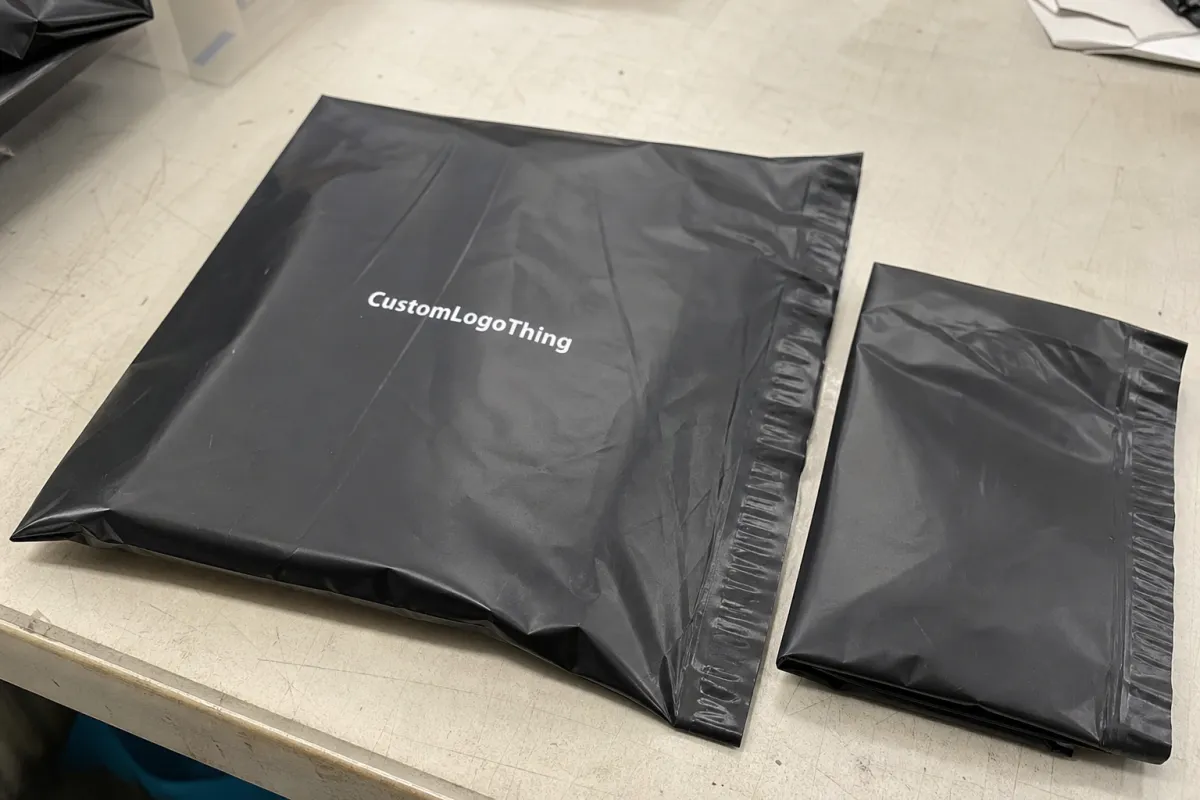
A 12 oz coffee bag, a sticker sheet, and a thank-you card can ship inside a mailer that costs less than the branded label used to seal the finished order. That is why a matte poly mailers Unit Cost Breakdown for coffee shops is not packaging trivia. It is a margin tool for owners who want branded shipping materials without letting the outer bag quietly take too much from every subscription, refill, or online sale.
The cost behind a custom mailer is built from a cluster of small decisions: film gauge, matte finish, print coverage, order quantity, carton packing, freight zone, setup work, and proofing requirements. Change one, and the cost per piece shifts slightly. Change several, and two quotes that look close at first can land 18% to 35% apart once freight, packing efficiency, and specification differences are included.
Coffee shops are unusual mailer buyers because they often ship in bursts rather than steady industrial volume. A cafe may send a few dozen orders after a roast announcement, build a recurring subscription base, offer seasonal blends, and add small retail items to the same fulfillment table. The package also has to look considered. Coffee customers photograph mail days, gift boxes, and countertop setups; a shiny, loose, overlarge mailer can make a careful brand feel less deliberate.
Weight matters just as much as appearance. A rigid corrugated box may feel premium, but it can add 2 to 5 oz before the coffee goes inside, and that difference can nudge postage into a higher bracket depending on the carrier, service level, and final packed weight. Poly mailers keep the shipping profile lean, especially for one- and two-bag orders.
Matte Poly Mailers solve a specific problem: they protect lightweight coffee orders from scuffs, dust, and short moisture exposure while carrying a quieter, more premium brand signal than a plain glossy bag. They are not a universal answer. Flexible coffee bags usually work. Glass jars usually do not. Sharp tins, boxed mugs, and rigid gift sets need more evaluation because a mailer is a skin, not a shell.
Buyer reality: the cheapest mailer is not always the lowest-cost mailer. A slightly thicker film, cleaner carton packing plan, or stable reorder specification can reduce damage claims, rush charges, and proofing delays.
Where Matte Poly Mailers Fit in a Coffee Shipping Stack
A matte poly mailer is a flexible polyethylene shipping bag with a low-glare exterior, pressure-sensitive adhesive closure, and optional custom printing. Coffee shops commonly use them for roasted coffee bags, sample packs, loyalty gifts, sticker inserts, soft merchandise, subscription refills, and small cafe retail e-commerce orders.
Compared with corrugated boxes, poly mailers are lighter, flatter, easier to store, and usually less expensive per shipped order. Compared with kraft padded mailers, they are thinner, more moisture resistant, and easier to keep in stacks of 500 or 1,000 without giving up a full shelf. Compared with glossy poly mailers, matte versions feel softer in the hand and photograph with less reflection. It is a small detail, but coffee packaging is full of small details that customers notice.
The boundary is protection. A matte mailer can resist light abrasion and exterior moisture, but it does not prevent crushing from a heavy parcel stacked on top. Coffee bags with one-way valves typically tolerate normal parcel movement if the mailer is sized properly and the contents do not slide around aggressively. Glass jars, crush-sensitive canisters, metal tins with sharp seams, and gift sets with rigid corners often need padded mailers, inserts, molded pulp, or corrugated boxes instead.
For most coffee brands, the best shipping program uses more than one format. A shop might use Matte Poly Mailers for single-bag subscriptions, compact paperboard cartons for seasonal gift sets, and corrugated shippers for wholesale bundles. That split prevents the common mistake of overbuilding every order around the largest or most fragile product. Browse Custom Packaging Products if you are comparing formats before locking into one structure.
| Packaging option | Typical fit for coffee | Cost and weight profile | Tradeoff to audit |
|---|---|---|---|
| Matte poly mailer | 1-2 flexible coffee bags, samples, stickers, soft merch | Low unit cost; very low added weight | Limited crush protection |
| Kraft padded mailer | Sample kits, small accessories, light protection needs | Moderate cost; higher weight than poly | Bulkier storage and less moisture resistance |
| Corrugated box | Gift sets, mugs, jars, multi-bag bundles | Higher cost per piece and higher postage weight | Better structure, more warehouse space |
| Glossy poly mailer | Budget e-commerce shipments | Often similar or slightly lower than matte | More glare, less boutique feel |
Mailer Specifications That Change Performance and Price
Size selection is the first cost lever. A single 12 oz coffee bag does not need the same footprint as a two-bag bundle, and a sampler kit may need more width but less height. Oversizing looks harmless on a spec sheet until you pay for extra film, extra carton volume, more storage space, and a loose mailer that wrinkles around the product during transit.
The practical check is simple: measure the packed order, not the loose coffee bag. Include the valve profile, sealed top fold, insert card, sticker, receipt, and any protective sleeve. Leave enough room for the adhesive flap to close without tension, but avoid large empty corners that catch, fold, or make the shipment feel unfinished.
Common coffee mailer specs often sit around 2.5 to 3.0 mil film for standard lightweight use, with thicker options considered for heavier bundles, sharper pack profiles, or rougher carrier handling. Gauge affects puncture resistance, hand feel, weight, and final pricing. A thicker film can add a few cents per piece at lower quantities, but it may be justified if customer service logs already show punctures, split seams, or scuffed bags arriving too often.
Closures deserve more attention than they usually get. Standard self-seal strips are economical and work for most roasted coffee shipments. Tamper-evident closures add reassurance when the brand wants a more secure presentation. Double adhesive strips support returns, useful for apparel and some merchandise programs, but less necessary for roasted coffee. Perforated tear strips improve the opening experience, although they can raise tooling fees or setup charges depending on the construction.
Print specifications are where attractive quotes often bend. A one-color centered logo is usually the most efficient branded route. A repeat pattern creates more shelf and doorstep presence while still keeping ink coverage controlled. Full-coverage flood coats, edge-to-edge artwork, tight registration, spot colors, and dense dark backgrounds raise print cost and require more quality-control attention.
Matte surfaces also change how ink appears. They tend to mute color slightly compared with gloss, which can be useful for a soft, specialty-coffee aesthetic, but artwork should be proofed with that finish in mind. A warm cream, charcoal, forest green, or muted rust may look excellent on matte film; a bright brand color that depends on gloss or backlit screens may need adjustment.
Sustainability claims need discipline. Recycled-content film, recyclable PE structures where accepted, and right-sized mailers can all support a better packaging story. Still, local recycling access varies, and many curbside programs do not accept flexible film. The U.S. Environmental Protection Agency publishes useful guidance on recycling claims and materials management at epa.gov/recycle. If the accurate statement is “recyclable where PE film collection is available,” say that. Overclaiming creates risk and erodes trust.
Unit Cost, Pricing, and MOQ Variables Buyers Should Audit
A useful matte poly mailers Unit Cost Breakdown for coffee shops separates the cost stack instead of hiding it inside one neat number. Raw film, matte treatment, printing, plates or digital setup, adhesive strip, carton packing, freight, duties if applicable, and spoilage allowance all affect landed cost. The more detailed the quote, the easier it is to see whether a low price is genuinely efficient or simply missing a line item.
MOQ is the blunt instrument in custom packaging. Unit cost usually falls as order quantity rises because setup time, print preparation, and material purchasing spread across more pieces. But inventory is not free. If a cafe orders 20,000 seasonal mailers for a blend that sells for eight weeks, the lower unit cost may become false savings once storage, obsolete artwork, and tied-up cash are counted.
For planning, a simple one-color matte mailer at 10,000 pieces will often price more efficiently than a low-volume, full-coverage print at 1,000 pieces. Exact rates depend on size, gauge, print method, finish, carton count, and freight lane, so a universal price table would be misleading. What buyers can do reliably is compare practical quantity tiers: 2,500, 5,000, and 10,000 pieces, for example. That view usually shows where the curve begins to flatten and where buying more stops making sense.
Quote requests should include finished size, film thickness, print colors, quantity tiers, shipping destination, and required in-hand date. If artwork is ready, send vector files. If the only available asset is a logo PNG, say so early. Prepress time is a real cost, and unclear files are one of the fastest ways to add delay before production even begins.
Never compare quotes only by factory unit price. One supplier may quote thinner film. Another may exclude freight. A third may pack fewer units per carton, raising shipping costs and storage demands. A fourth may assume a simpler print method than the artwork actually requires. The better comparison is landed unit cost by tier, with assumptions stated plainly enough that a buyer can check them.
| Cost driver | Lower-cost direction | Higher-cost direction | Buyer question |
|---|---|---|---|
| Film thickness | Standard 2.5 mil for light coffee orders | Thicker film for heavier bundles | What packed weight and edges will the mailer face? |
| Print coverage | One-color logo or limited artwork | Full-bleed, dark ink, multi-color coverage | Does the artwork need to cover the whole bag? |
| MOQ | Efficient bulk pricing tiers | Very small custom runs | Can the design serve multiple roasts? |
| Setup charges | Repeat artwork and stable specs | Frequent size or color changes | Will this be reordered exactly? |
| Freight | Compact carton packing and planned shipping | Rush freight or inefficient carton count | What is the landed cost per piece? |
Process, Timeline, and Lead Time From Artwork to Delivery
The buying process is linear, but delays rarely arrive in a straight line. A typical order moves through specification confirmation, artwork check, dieline approval, digital proof, sample or production approval, manufacturing, quality control, packing, and shipment. Skip one step, and the schedule becomes a hope rather than a production plan.
Timeline drivers include custom size, print complexity, material availability, proof revisions, production slot capacity, order quantity, and freight method. A straightforward reorder can move faster because the artwork, size, print assumptions, and carton plan are already approved. A new full-coverage design with multiple proof changes needs more room, especially if color matching is important.
Coffee shops often lose time in ordinary places: incomplete artwork files, missing Pantone references, low-resolution logos, a shipping address without a receiving contact, late proof approval, or a size change after the dieline is approved. None of these problems is dramatic. Each can burn three to five business days before production starts, and several together can push a packaging order uncomfortably close to a launch date.
For launches, work backward from the roast release date. If subscriptions ship on the first Monday of the month, packaging should be in hand before fulfillment prep begins, not the Friday before. Add buffer for counting, storage, test packing, label application, and any internal approval. Coffee is already perishable enough; the mailer schedule should not add another pressure point.
A detailed cost breakdown also supports production planning. If Custom Logo Things knows the expected subscription cycle, seasonal blend calendar, reorder frequency, and retail drop timing, the team can suggest quantity breaks that support the buying pattern without forcing a shop to warehouse a full year of packaging. That is especially helpful for cafes with limited back-of-house space, where cartons of mailers may compete with cups, lids, filters, retail bags, and green coffee samples.
Quality control should cover more than whether the logo appears in the right place. Useful checks include finished size tolerance, seal strength, adhesive alignment, print registration, ink rub resistance, carton count, and visible defects such as pinholes, weak side seams, or scuffed matte surfaces. For transit testing principles, the International Safe Transit Association is a useful authority; its packaging test procedures at ista.org are often referenced when brands move from casual shipping to more formal distribution requirements.
Brand and Print Decisions That Affect Reorder Economics
Design can either protect margin or attack it. Many coffee brands over-customize the outer shipper too early, especially when a new roast program or subscription launch feels like it deserves its own package. The mailer should carry the brand, not the entire roast menu.
An evergreen branded mailer usually improves reorder speed. It works across single-origin drops, espresso blends, decaf, subscriptions, small merch add-ons, and reorder campaigns. Seasonal art can be effective, particularly for holiday gifting, but every artwork change may trigger new proofing, color checks, setup charges, and slower approval. A limited run has to earn that extra complexity.
Print coverage is the visible tradeoff. A small centered logo is economical and clean. A one-color repeat pattern gives more presence without flooding the whole surface. A full-bleed dark matte mailer can look excellent, but it may increase ink use, inspection requirements, and tolerance concerns around scuffing. If a quote jumps sharply, coverage is one of the first places to look.
Variable information belongs somewhere else. Roast name, origin, tasting notes, brew instructions, and release dates change faster than the shipper should. Labels, insert cards, QR codes, and belly bands are better tools for those details. A QR code can point to brew guides, subscription management, origin notes, or a seasonal landing page without turning every new coffee into a new packaging SKU.
Consistency has retention value as well. A recognizable matte mailer arriving every two or four weeks becomes a small recurring brand impression. Not loud, not overdesigned, just familiar. That matters for subscription coffee, where the second, third, and sixth order are often more valuable than the first conversion.
Reorder economics improve when the specification stays stable: same size, same gauge, same print placement, same artwork, same carton pack. Stable specs reduce prepress work, lower the chance of mistakes, and make it easier to compare new quotes against previous orders. If the mailer needs to evolve, change one major variable at a time so the cost impact is visible.
What Custom Logo Things Checks Before Sending a Quote
A useful quote starts with questions, not a price pulled from a spreadsheet. For a matte poly mailers Unit Cost Breakdown for Coffee shops, Custom Logo Things checks product dimensions, packed weight, number of SKUs, fulfillment method, artwork complexity, target budget range, delivery deadline, and whether the requested mailer will actually protect the order.
The format check matters. If the shipment includes a mug, glass jar, metal tin, or rigid gift box with corners, a padded mailer or corrugated shipper may be safer. If the most common shipment is one or two flexible coffee bags with an insert card, a matte poly mailer is often efficient and brand-appropriate. The goal is not to force every order into the same bag; the goal is to match the mailer to the order profile that ships most often.
Quote clarity should be non-negotiable. Buyers should expect quantity breaks, material assumptions, print method, estimated lead time, shipping terms, and any setup, proofing, or plate charges to be stated clearly. If those details are missing, the quoted unit cost is not ready for comparison. A clean quote makes the decision easier even when it is not the cheapest quote.
Custom packaging has production realities that mockups hide. Ink sits differently on matte film than on a screen. Carton packing affects freight. A quarter-inch size change can affect film yield. A dense print may require more inspection. A rushed proof can create an expensive mistake that follows the order all the way into fulfillment.
For coffee shops that need branded packaging but cannot afford vague specifications, Custom Poly Mailers are a practical starting point. The best version is not overbuilt. It balances protection, brand feel, storage requirements, production timeline, and cost per shipped order.
Steps Before You Request a Coffee Shop Mailer Quote
Start with the most common order, not the rare largest order. If 70% of shipments are one 12 oz bag and a card, design around that profile first. Oversizing every mailer for occasional three-bag bundles can inflate unit cost, carton volume, storage needs, and postage exposure on the majority of shipments.
- Measure the packed order: width, height, depth, and any rigid corners.
- Weigh the full shipment with coffee, insert card, label, and mailer if available.
- Choose two or three quantity tiers, such as 2,500, 5,000, and 10,000 pieces.
- Gather vector artwork, Pantone references, and any brand color rules.
- Define the target in-hand date, not only the roast launch date.
- Photograph a typical packed order so fit, slack, and closure stress can be judged.
Ask for landed cost by quantity tier. Factory unit cost is useful, but freight can change the final economics, especially if cartons are bulky, the order is rushed, or the delivery address is far from the production route. A landed comparison gives the better decision signal.
Also decide what belongs on the mailer and what belongs elsewhere. Roast name, origin, tasting notes, and brew instructions usually change faster than the shipper should. Put variable information on labels, inserts, or QR-linked pages, then let the mailer carry the durable brand mark.
Use a matte Poly Mailers Unit cost breakdown for coffee shops as the working document before approving specs, MOQ, and artwork. It keeps the buying conversation grounded: film, finish, print, setup, packing, freight, timeline, and reorder logic all visible before money moves.
FAQ
What is included in a matte poly mailer unit cost breakdown for coffee shops?
A useful breakdown includes film, matte finish, print, adhesive closure, setup charges, packing, freight, and MOQ-based quantity tiers. Coffee shops should compare landed unit cost, not just production cost, because freight and carton efficiency can materially change the final number.
What MOQ should a coffee shop expect for custom matte poly mailers?
MOQ depends on size, print method, material, finish, and supplier production requirements. Higher quantities usually reduce unit cost because setup and production costs spread across more pieces. Buyers should request at least two or three quantity tiers to see where bulk pricing becomes efficient without overbuying inventory.
Are matte poly mailers strong enough for shipping coffee bags?
They work well for flexible coffee bags, sample packs, and lightweight merchandise when the size and film thickness are specified correctly. Rigid, sharp, fragile, or crush-sensitive items may need padded mailers, inserts, or corrugated boxes instead.
How can coffee shops lower the unit cost of custom matte mailers?
Use a practical standard size, limit print colors, avoid unnecessary full-bleed coverage, consolidate artwork across product lines, and order in efficient quantity tiers. Keeping roast-specific information on labels or inserts can reduce redesign costs and make reorders faster.
How long does it take to produce matte poly mailers for a coffee shop launch?
Timeline depends on artwork readiness, proof approval, production complexity, order quantity, material availability, and freight method. Coffee shops should build in buffer time before subscription launches, seasonal drops, or retail promotions to avoid rush costs and prevent packaging from becoming the bottleneck.


