Buyer Fit Snapshot
| Best fit | Sustainable Apparel Mailers Printed projects where brand print, material claims, artwork control, MOQ, and repeat-order consistency need to be specified before quoting. |
|---|---|
| Quote inputs | Share finished size, material target, print colors, finish, packing count, annual reorder estimate, ship-to region, and any compliance wording. |
| Proofing check | Approve dieline scale, logo placement, barcode or warning zones, color tolerance, closure strength, and carton packing before bulk production. |
| Main risk | Vague material claims, crowded artwork, missing packing details, or unclear freight terms can make a low unit price expensive after revisions. |
Fast answer: Sustainable Apparel Mailers Printed: Film, Print, MOQ, and Carton Packing should be specified like a repeatable production item. The safest quote records material, print method, finish, artwork proof, packing count, and reorder notes in one written spec.
Production checks before approval
Compare the actual filled-product size with the drawing, then confirm tolerance on folds, seals, hang holes, label areas, and retail display edges. Reserve space for logos, QR codes, warning copy, and material claims before decorative graphics fill the panel.
Quote comparison points
Review material grade, print process, finish, sampling route, tooling charges, carton quantity, and freight assumptions side by side. A quote is only useful when the supplier can repeat the same color, closure quality, and packing count on the next order.
A plain garment mailer can do its job and vanish; sustainable apparel mailers printed do something more useful. They protect the order and signal that someone paid attention to the package, not only the postage. That first touch matters more than many buyers expect, especially for apparel orders that are folded, stacked, tossed, scanned, and handled a few times before they ever reach a porch, a front desk, or a mailroom shelf.
From a packaging buyer’s point of view, sustainable apparel mailers printed sit in a practical middle ground. They are not dressed up for decoration alone, and they are not stripped so far back that the shipping experience feels disposable. The right mailer can cut waste, sharpen recognition, and keep a garment clean and compact while still fitting real production schedules, freight budgets, and fulfillment constraints. That balance is harder to find than it sounds.
Sustainable Apparel Mailers Printed: What They Are and Why They Stand Out
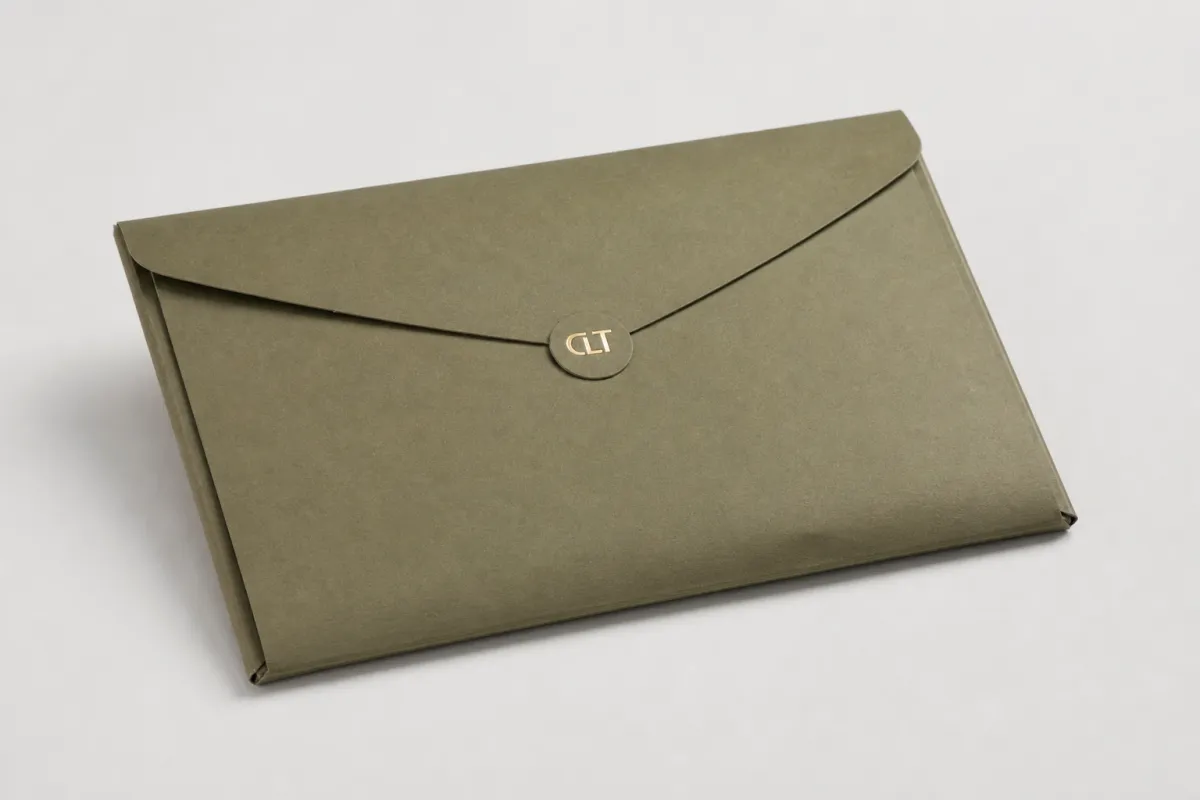
Picture two shipments leaving the same warehouse at the same hour. One arrives in a plain mailer that protects the shirt, but nothing on the outside suggests brand identity, care, or even a second glance in a stack of deliveries. The other uses sustainable apparel mailers printed, and the customer sees a logo, a message, or a simple pattern before the package is opened. That difference is not cosmetic fluff. It changes how the order feels, and it does that without adding inserts, tags, or a second box.
In practical terms, sustainable apparel mailers printed are mailers made with lower-impact materials or resource-conscious structures that still have to perform the ordinary work of apparel shipping. The material must seal properly, resist tearing at the corners, survive folding and stuffing, and keep its shape through compression in trucks and parcel networks. Sustainable does not mean fragile. A well-built mailer can use recycled-content film, paper-based construction, or another lower-impact structure and still protect a folded garment the way it should.
Printing matters because it carries information as well as branding. A clean logo can help a package stand out in a sorting area. A return message or care note can reduce the need for separate printed inserts. A visual system can make repeat orders feel more deliberate. That is why sustainable apparel mailers printed often do three jobs at once: they protect the garment, present the brand, and reduce the urge to add more packaging layers just to say the same thing twice.
Honestly, that is where a lot of buyers misread the category. They treat sustainability as a visual style, when the better approach is to treat it as a set of decisions about material efficiency, durability, and packaging volume. If the mailer is too thin and splits open, the shipment creates more waste, more labor, and more frustration. If it is oversized, you pay to ship air. A better sustainable apparel mailers printed setup solves both problems at once.
When brands ask for help, the conversation usually starts with the garment itself. A lightweight tee has a different packaging profile than a thick sweatshirt or a bundled multi-item order. The print can be simple or elaborate, but the structure has to stay honest. That is why the strongest sustainable apparel mailers printed programs are built around fit, line speed, and transit conditions rather than visual ideas alone.
I once reviewed a launch where the artwork got all the attention and the actual mailer size was an afterthought. The result looked pretty on screen and kinda annoying on the pack line. The folded hoodie had to be shoved into a mailer that was too tight, which slowed the team down and made the closure fail on a few pieces. Nobody remembers the color palette from that project. They remember the repack station.
A mailer that survives the route and still looks intentional at delivery is doing two jobs, not one.
That is the real advantage here. Sustainable apparel mailers printed are not about replacing function with branding. They put both into the same packaging piece so the shipment feels thoughtful without becoming complicated.
How Sustainable Apparel Mailers Printed Work in Shipping
The construction is simple enough to explain, but every part matters. A typical mailer has a body material, a seam structure, a closure system, and a printed surface. In sustainable apparel mailers printed, those parts have to work together so the packer can load the garment quickly, seal it securely, and hand it off without worrying that the artwork will smear or the seam will fail. If one part is weak, the whole shipment feels weak.
The protection role is practical rather than glamorous. These mailers help shield apparel from dust, scuffing, and light moisture while keeping the item compact enough to move efficiently through fulfillment. A properly sized mailer can also reduce void space, which matters because extra air does not protect the product, but it can raise freight cost and packing time. In a busy operation, sustainable apparel mailers printed need to support speed as much as presentation.
Printing methods affect both quality and production flow. Flexographic printing is common for longer runs because once the setup is tuned, output can stay consistent at a strong pace. Digital printing often fits shorter runs, multiple versions, or designs with frequent artwork changes. The choice shapes setup time, color range, repeatability, and cost structure. For sustainable apparel mailers printed, the artwork strategy should match the run length rather than the size of the idea board.
There is also a shipping-system side to this. The mailer has to move through pack tables, label application, carrier sortation, and delivery without creating friction. If it is too slick, too floppy, or awkward to stack, the packing team loses time. If the size is off by even a small amount, garments can shift, wrinkle, or force a second fold. A properly designed sustainable apparel mailers printed program takes the pack line into account from the beginning. That is where the value shows up in daily operations, not only in design mockups.
For parcel testing, I like to see the mailer evaluated against a realistic drop and compression sequence, and the ISTA testing framework is a solid reference point for that mindset. The exact test protocol depends on the route and product, but the principle stays the same: prove the package can survive what the network actually does to it. That matters even more for sustainable apparel mailers printed, because lower-impact materials still have to pass the same hard realities of shipping.
To make that easier to picture, here is the operating logic most teams follow:
- Material: enough strength for handling, folding, and transit.
- Seal: secure closure that resists accidental opening.
- Print: clear branding that holds up under scuffing and storage.
- Size: tight enough to reduce void space, generous enough for the folded garment.
- Workflow: easy to pack, label, and sort without slowing the line.
One detail gets missed often: the printed surface can affect how the whole operation feels, not just how the customer sees it. If the graphics help staff recognize product lines or size groups, that can reduce picking confusion. If the design is too busy, it becomes visual noise. The best sustainable apparel mailers printed designs are readable, efficient, and stable across production runs.
Key Material and Design Factors to Compare Before Ordering
Material choice is where the sustainability story either becomes credible or falls apart. Buyers often start with broad labels like recycled, paper-based, or compostable, but those words alone do not tell you whether the mailer will perform on your actual garment and shipping lane. With sustainable apparel mailers printed, you want to know what the structure is made of, how much recycled content it contains, whether it is certified, and whether the material matches the weight and shape of the product being shipped.
Strength matters more than marketing language. A mailer that tears early can create more waste than a sturdier option that uses material more efficiently. I would rather see a slightly more substantial mailer that survives the full shipping cycle than an ultra-thin version that fails at the seal or the corner. In practice, that means checking tear resistance, puncture resistance, seam quality, and closure reliability. The right sustainable apparel mailers printed option should earn its place by surviving everyday handling, not by sounding polished in a spec sheet.
Closure style is another key point. Some mailers use pressure-sensitive adhesive strips, while others rely on a peel-and-seal format or tamper-evident closure. For returnable apparel programs, the closure may need to work twice. For high-volume outbound orders, it may need to activate quickly and consistently on the line. If the closure forces the packer to fiddle with alignment, throughput slows. If the seal is weak, customer trust takes the hit. The closure is not a small detail in sustainable apparel mailers printed; it is part of the packaging system.
The print surface deserves careful attention too. Dark artwork on brown kraft can look sharp, but the substrate absorbs ink differently than white film. A full-coverage design may look striking, yet it can raise cost and make color consistency harder to hold. A lighter design may be easier to reproduce, but the artwork has to stay legible after rubbing, stacking, and courier handling. A good supplier should be able to show how the print behaves on the chosen material before you commit to a full run of sustainable apparel mailers printed.
For paper-based mailers, certification and sourcing questions matter as well. If the packaging story includes fiber claims, ask for documentation rather than assumptions. If a supplier says the board or liner is responsibly sourced, verify whether that claim is backed by a recognized standard such as FSC. That kind of detail helps brands avoid vague sustainability statements and keeps sustainable apparel mailers printed aligned with a claim they can defend internally and externally.
From an E-E-A-T standpoint, buyers should ask for data, not adjectives. Useful questions include:
- What is the recycled-content percentage, and how is it measured?
- What is the material thickness or basis weight?
- Is the closure tamper evident and suitable for the route?
- Can the print hold up under abrasion and stacking?
- What documentation is available for sourcing or certification?
The more specific the answers, the easier it is to compare sustainable apparel mailers printed on equal terms. That is the real buying discipline: compare material, structure, and performance together, not as separate talking points.
Sustainable Apparel Mailers Printed Cost and Pricing Factors
Pricing is rarely a single number. It is a stack of choices, and sustainable apparel mailers printed are no exception. Base material, mailer size, print colors, coverage area, finish level, and structural extras all push the price in one direction or another. A small logo on a standard-size mailer is usually less expensive than a full-coverage design across multiple sizes. A sturdier recycled-content film may cost more than a basic film, but it may also reduce failures and replacement shipments. The smart question is not just, “What is the unit price?” It is, “What does the packaging cost across the whole job?”
MOQ has a direct effect on unit pricing. Smaller quantities carry higher per-piece cost because setup and production overhead are spread across fewer units. Larger runs can lower the unit price, but they also require more storage and more confidence in the forecast. For sustainable apparel mailers printed, that balance matters. If the brand is testing a new product line, a smaller run may be the safer choice. If the design is stable and demand is predictable, a larger order can improve economics.
Another factor is how much customization is really necessary. A narrow spec can increase cost if it requires special tooling or unusual materials. A standardized size with one or two print colors is often more economical than a custom-shaped piece with elaborate coverage. That does not mean the branding has to look generic. It means the artwork should do its work efficiently. Many brands get a better result from a cleaner design and a strong material choice than from trying to print everything at once on sustainable apparel mailers printed.
Here is a practical price comparison using common market-style ranges for mid-volume orders. These are not universal quotes, because ink coverage, size, freight lane, and supplier capability all move the number, but they are useful for budgeting.
| Option | Typical Unit Cost at 5,000 Units | Typical Unit Cost at 20,000 Units | Best Fit | Main Tradeoff |
|---|---|---|---|---|
| Recycled-content poly mailer | $0.18-$0.30 | $0.12-$0.21 | Light to medium apparel, strong moisture resistance | Less paper feel, sustainability claim depends on recycled-content proof |
| Paper-based mailer | $0.22-$0.40 | $0.15-$0.28 | Brands wanting a natural look and fiber-based message | Less stretch, can be less forgiving with bulky garments |
| Compostable film mailer | $0.28-$0.48 | $0.20-$0.36 | Programs with a very specific end-of-life message | Claims need careful verification, and cost is usually higher |
| High-coverage custom printed mailer | $0.24-$0.45 | $0.16-$0.31 | Brand-heavy presentation with strong visual identity | Higher setup and more sensitivity to artwork complexity |
That table leaves out a few hidden costs that buyers should still budget for: plates, prepress, sampling, freight, and inventory holding. A lower unit price can still be the more expensive choice if freight is high or if the packaging has to be air-shipped to meet launch timing. For sustainable apparel mailers printed, landed cost matters more than the quote sitting on the page.
My advice is simple. Set a target unit cost, then ask suppliers to quote equal specs so you can compare fairly. Ask what happens if the print colors are reduced from three to two. Ask whether a standard size will save enough to offset a small design change. Ask whether the mailer actually reduces damage or secondary packaging spend. Sometimes sustainable apparel mailers printed pay for themselves by preventing a second shipment or a repack.
If you are building out a larger packaging program, it can help to compare the mailer conversation with your broader assortment at Custom Packaging Products and then narrow your apparel-specific options against Custom Poly Mailers. That side-by-side view usually makes the tradeoffs easier to see.
Sustainable Apparel Mailers Printed Process, Timeline, and Lead Time
The best way to keep a printed mailer project on schedule is to treat it like a packaging project, not just an artwork request. The process starts with the application: what garment is shipping, how it is folded, whether it needs return capability, and what the target unit cost is. After that, dimensions, material choice, and print method should be confirmed before anyone asks for a final quote. That sequence saves time and keeps sustainable apparel mailers printed from drifting into expensive revision loops.
Proofing is where many delays begin, so it deserves real attention. A good proof process should cover artwork placement, color expectations, bleed, logo size, and any warning text or barcode area. If the product team is worried about how the mailer will look in the hand, ask for a physical sample or mock-up. Better yet, test the sample with actual folded garments and the same packing motion the team uses every day. A mailer that looks fine on a screen can feel awkward on a bench, and that is a real issue for sustainable apparel mailers printed.
Production usually moves through a familiar sequence: prepress, tooling or setup, printing, curing or finishing, conversion into finished mailers, quality checks, and packing for shipment. Each step has its own timing risk. Artwork complexity can extend setup. Material availability can move lead time if the substrate is not in stock. Factory scheduling can shift the whole calendar if the line is already committed. Freight method matters too, because a production finish date is not the same thing as a delivery date.
For many programs, a simple run may land in the range of 10-15 business days after proof approval, while a more customized order can take longer, especially if the material has to be sourced or the print requires extra setup. Those ranges are not promises; they are a planning baseline. The safer approach is to build schedule padding for launches, seasonal peaks, and replenishment. Sustainable apparel mailers printed work best when inventory is ordered before the shelf is bare.
Here is the part buyers often underestimate: packaging timing affects production confidence. If the mailers are late, the fulfillment team may have to switch to a temporary packout, which can introduce unplanned inserts, plain stock, or rework. That is why I recommend mapping the packaging lead time alongside the launch calendar. If the garment release depends on the mailer, then the mailer is not a side item. It is part of the launch system, and sustainable apparel mailers printed should be scheduled that way.
A useful checklist for the process looks like this:
- Confirm garment size, weight, and fold style.
- Choose the material and closure style.
- Approve artwork, color count, and print coverage.
- Review samples in real packing conditions.
- Approve the final proof and production schedule.
- Plan freight and receiving before the order ships.
The smoother this sequence is, the more likely sustainable apparel mailers printed will arrive on time and fit the operation without surprises. That is what a good packaging process looks like: clear inputs, a realistic schedule, and enough testing to catch the obvious misses before they become expensive ones.
Step-by-Step Guide to Choosing the Right Mailer
Start with the product, not the print. Measure the folded garment, note the usual order mix, and decide whether the mailer needs to hold one item, a bundle, or the occasional return. A tee and a heavyweight hoodie do not ask the same thing from the package. A mailer that is perfect for a slim order can become too tight for a bulkier one, and that is how seal failures and customer frustration begin. For sustainable apparel mailers printed, fit is a design decision.
Next, decide how much visual responsibility the mailer should carry. Some brands want the exterior to do most of the talking with bold graphics and a clear logo. Others want a quieter look that still feels branded and responsible. Neither approach is wrong. The key is to match the print strategy to the brand voice and the production limits. A restrained one- or two-color design can often look cleaner and cost less to produce than a crowded layout. In many cases, sustainable apparel mailers printed get better results from strong contrast and a simple composition than from trying to include everything at once.
Then test samples in actual packing conditions. Check how fast the packer can load the garment, whether the adhesive strip closes cleanly, whether the mailer lies flat on the table, and whether the printed surface feels right in the hand. Ask the team that will use it every day. They will notice the small things quickly. If the edge catches on gloves or the closure is hard to release, you will hear about it immediately. That feedback is valuable, because sustainable apparel mailers printed should work for the people packing them as well as for the customers receiving them.
Once the sample passes the everyday test, confirm the technical details in writing. Dimensions, thickness, recycled-content claims, closure style, print colors, and any supplier documentation should all be part of the spec. If the mailer is going to be used across multiple product lines, standardize the sizes where you can. Fewer SKUs usually mean simpler inventory control and easier reordering. That is one of the quiet advantages of sustainable apparel mailers printed: they can simplify rather than complicate the packaging list if the program is set up well.
Finally, run a small pilot. Ship a representative mix of orders, gather feedback from the fulfillment team and a few customers, and review damage, presentation, and packing speed. A pilot exposes practical issues that an art proof never will. It may show that the mailer is slightly too large, or that a darker ink choice makes it hard to read shipping labels under warehouse lighting. That is why a small test run is so valuable for sustainable apparel mailers printed; it turns theory into field data before you scale.
A simple buying sequence usually works best:
- Measure the garment and confirm the fold style.
- Select a material that matches route, weight, and brand goals.
- Review samples in real packing conditions.
- Verify claims and technical specs in writing.
- Pilot the mailer on a representative order mix.
- Scale only after the results hold up.
That process is not flashy, but it prevents expensive mistakes. And with sustainable apparel mailers printed, boring discipline is usually what produces the best packaging outcome.
Common Mistakes, Expert Tips, and Next Steps
The first mistake is choosing a mailer that is too large. Oversized packaging wastes material, creates more movement in transit, and usually looks less polished at delivery. The second is overcomplicating the print. If every square inch is covered with text, gradients, and tiny logos, the final result can feel noisy and expensive without improving the customer experience. The third is ignoring compression testing. A mailer that looks fine on a table may buckle, crease, or split once it is stacked and routed through parcel handling. Those mistakes are common because they are easy to make when the project is judged mostly by artwork.
Another frequent miss is treating sustainability language as proof of performance. A recycled-content claim does not tell you whether the closure seals cleanly or whether the material holds up under abrasion. A paper-based structure does not automatically mean it is the right fit for a bulky sweatshirt. In the field, the best sustainable apparel mailers printed are the ones that marry credible material claims with actual transit strength. If one side is missing, the result is incomplete.
One expert tip that pays off quickly is to standardize a few core sizes. If your apparel assortment is broad, it is tempting to create a different mailer for every SKU. That usually makes inventory management harder than it needs to be. A tighter set of sizes can cover more of the line with less waste and fewer reorder headaches. Another useful tip is to keep the artwork simple enough that it reads clearly under warehouse lighting and still looks good on a doorstep. For sustainable apparel mailers printed, clarity almost always beats complexity.
It also helps to think about operating conditions instead of only the ideal case. What happens during peak season? What happens if a supplier delay leaves you with less stock than planned? What happens if returns volume rises and the mailer needs a second-life use? These questions matter because packaging programs live inside a real business, not a perfect one. A resilient sustainable apparel mailers printed plan includes backup inventory, reorder points, and enough lead-time cushion to absorb normal variation.
Here are the next steps I would recommend for most brands:
- Build a one-page mailer spec with size, material, closure, and print details.
- Request side-by-side quotes on equal specifications.
- Ask for printed samples and a physical mock-up.
- Test the sample with actual garments and packing staff.
- Run a pilot order before committing to a full rollout.
If you want to compare packaging paths more broadly, start with your current shipping mix and then decide where sustainable apparel mailers printed fit beside other custom formats. Sometimes the right answer is a paper-based piece. Sometimes it is a recycled-content film. Sometimes a standard custom poly mailer is still the best fit for moisture exposure and line speed. The point is to choose the structure that works for the product, the route, and the brand promise, not just the one that sounds best in a meeting.
That is where sustainable apparel mailers printed really earn their keep: they reduce packaging noise, support the brand, and hold up in the shipping system when they are selected with care. If you treat them as a repeatable part of fulfillment rather than a one-time branding exercise, they can improve both customer experience and operating discipline.
What materials are commonly used for sustainable apparel mailers printed?
Common choices include recycled-content films, paper-based mailers, and other lower-impact structures designed to protect folded apparel during shipping. The best material depends on garment weight, moisture exposure, desired print quality, and whether you need a more rigid or more flexible mailer.
How do sustainable apparel mailers printed compare with plain mailers?
Printed mailers add brand recognition and a more finished unboxing experience, while plain mailers focus mainly on basic protection and the lowest possible visual cost. If the print replaces extra inserts or secondary packaging, the printed option can sometimes improve the overall packaging system instead of adding waste.
What affects the price of sustainable apparel mailers printed?
Price is shaped by material choice, size, print colors, coverage, MOQ, setup charges, and the amount of finishing or testing required. Freight and inventory planning matter too, because a cheaper unit price can be offset by higher shipping or storage costs.
How long does it usually take to produce sustainable apparel mailers printed?
Lead time depends on artwork approval, sampling, material availability, print complexity, and the supplier's production queue. A simple run can move faster than a highly customized one, but the safest plan is to build extra time for proofing and freight.
Can sustainable apparel mailers printed handle heavier garments or returns?
Yes, if the material strength, seal style, and size are selected for the actual load and shipping conditions rather than for a lightweight best-case scenario. For returnable apparel programs, confirm whether the mailer can survive a second pass through handling, labeling, and carrier transit.
For apparel brands that want a better shipping presentation without losing sight of cost or durability, sustainable apparel mailers printed are a practical place to focus. The right material, the right size, and the right print approach can protect the garment, support the brand, and keep the shipment efficient from pack table to doorstep. Start with fit, verify the material claims, test the closure under real handling, and scale only after the pilot proves the mailer can do the job. That sequence keeps sustainable apparel mailers printed useful rather than merely attractive.


