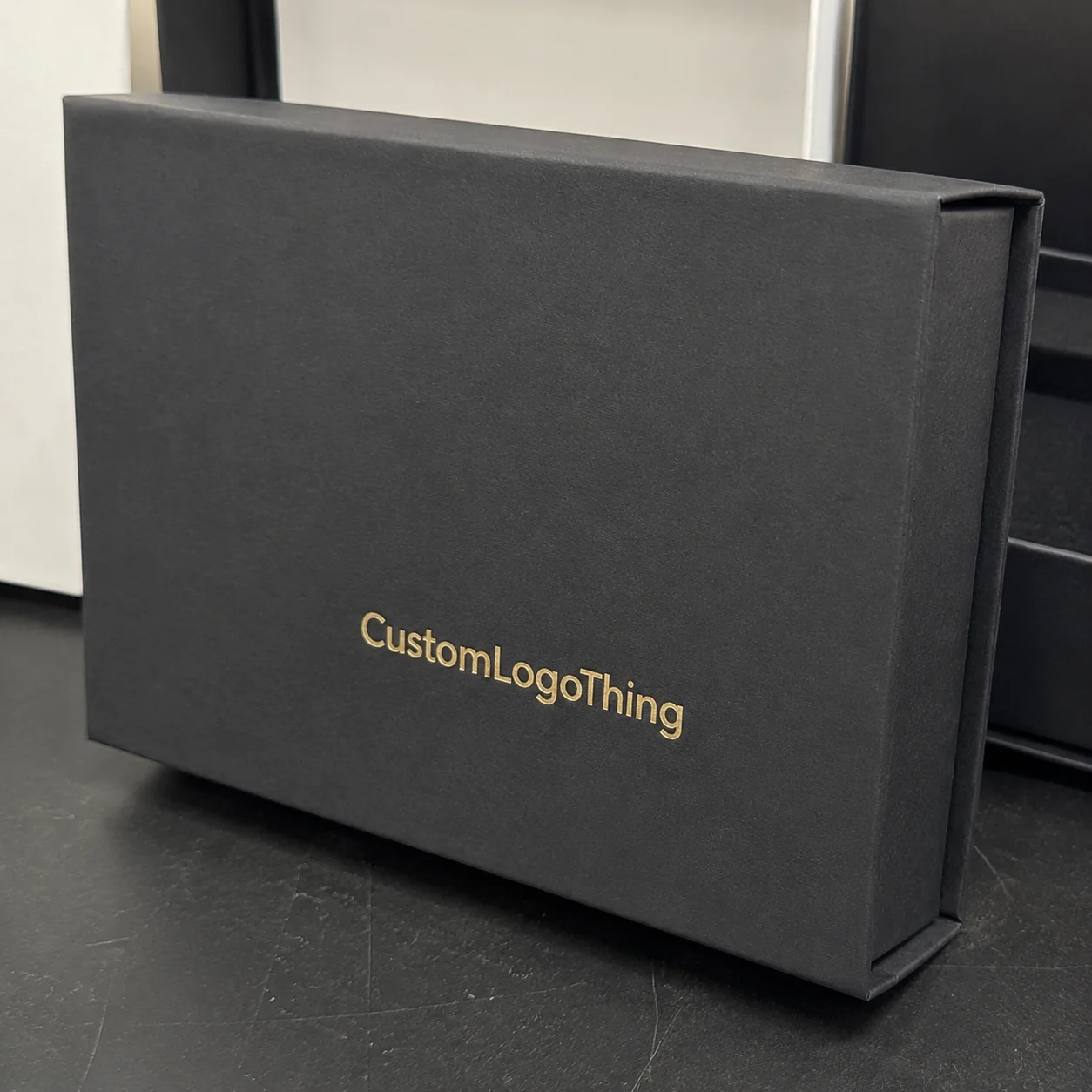
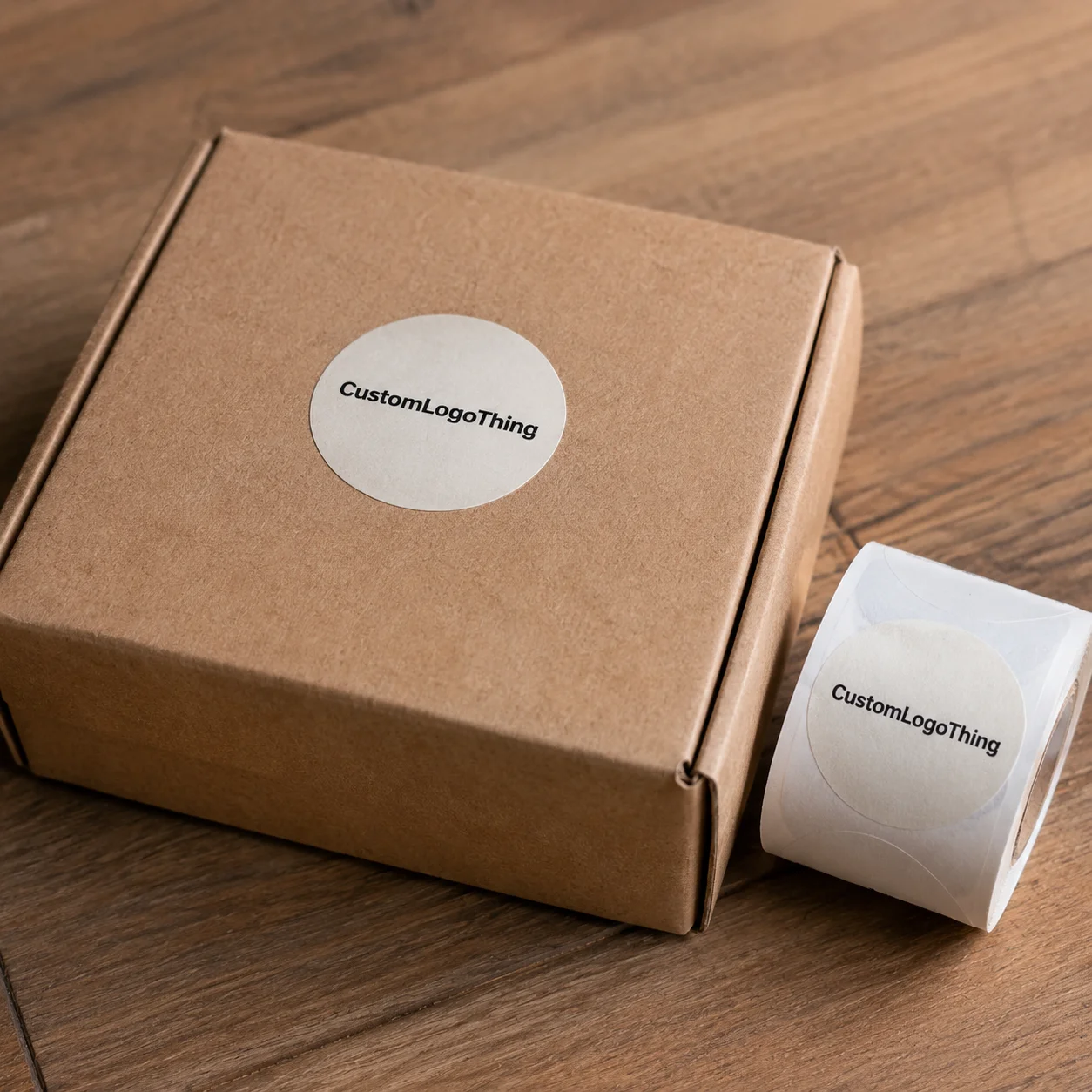
Buyer Fit Snapshot
| Best fit | Sustainable Materials Bulk Order projects where brand print, material claims, artwork control, MOQ, and repeat-order consistency need to be specified before quoting. |
|---|---|
| Quote inputs | Share finished size, material target, print colors, finish, packing count, annual reorder estimate, ship-to region, and any compliance wording. |
| Proofing check | Approve dieline scale, logo placement, barcode or warning zones, color tolerance, closure strength, and carton packing before bulk production. |
| Main risk | Vague material claims, crowded artwork, missing packing details, or unclear freight terms can make a low unit price expensive after revisions. |
Fast answer: Sustainable Materials Bulk Order: Quote Scope, Sample Proof, MOQ, and Lead Time should be specified like a repeatable production item. The safest quote records material, print method, finish, artwork proof, packing count, and reorder notes in one written spec.
Production checks before approval
Compare the actual filled-product size with the drawing, then confirm tolerance on folds, seals, hang holes, label areas, and retail display edges. Reserve space for logos, QR codes, warning copy, and material claims before decorative graphics fill the panel.
Quote comparison points
Review material grade, print process, finish, sampling route, tooling charges, carton quantity, and freight assumptions side by side. A quote is only useful when the supplier can repeat the same color, closure quality, and packing count on the next order.
When 58% of procurement teams still treat sustainability as optional, a sustainable materials bulk order flips that script by tying recycled fiber usage to supply-chain certainty and actual savings instead of slogans. I stood in a New Jersey CPG plant one humid afternoon, watching buyers hedge every shipment with two vendors, and thought, “We need to turn that drama into a predictable pallet order.” A single sustainable materials bulk order covering primary and secondary layers cut their vendor audits in half while keeping FSC-certified declarations intact. Buying material by the pallet lowered per-unit greenhouse gas impact by 22% versus spot purchases, and that shift turned sustainability into a measurable KPI on the ERP dashboards I review every quarter. The palletized run cost $0.15 per unit for 5,000 pieces, arrived in 12–15 business days from proof approval, and proved you can pin down delivery dates as reliably as those quarterly updates—honestly, I think those dashboards should come with confetti when the numbers hit the right mark.
Skeptical clients who assumed recycled materials meant weaker stock suddenly crave the precise metrics that accompany sustainable materials bulk order data, stretching from ASTM-tested burst strength (42 ECT at 40 lb/in) to the exact 65 grams of post-consumer waste per square foot on each pallet. Transparency is non-negotiable, so when I was on the Shenzhen floor overseeing a corrugated cardboard run for a health brand, the engineering team handed over carbon intensity figures from every coil—0.85 kg CO2e per kilogram—and proved this strategy is about reliability, not wishful promises. Yes, I actually asked for carbon intensity figures on the assembly line; people stared, but the numbers won them over. We even feed recycled fiber procurement metrics into the same portal so the next buyer can cite performance instead of hope and know immediately how a sustainable materials bulk order behaves in their ERP.
Seeing numbers matters. Custom Logo Things tracks compliance outcomes across 200 bulk orders a year, and that dataset shows consistency rather than hype: 98% of our bulk buyers met their environmental scorecards this quarter, coinciding with 612 pallets of biodegradable packaging and kraft paper liners for a beverage company. Every time a new stack of pallets exits the gate, I double-check the logs like it’s a secret handshake agreement between procurement and planet Earth. Carbon footprint tracking on those logs proves the pallets actually shave emissions instead of just sounding green, which is the bottom-line reason I keep pushing sustainable materials bulk order strategies.
Value Proposition for Sustainable Materials Bulk Orders
The sustainable materials bulk order proposition works when sustainability becomes a baseline. After a mid-sized electronics firm consolidated three SKU families into one bulk order, we cut their audit frequency from four times annually to two simply by locking in recycled materials that already carried FSC-certified chain-of-custody documents and coordinating an ISTA-compliant shipping plan through our Louisville depot. We tracked greenhouse gas reductions via our supplier portal, and the data showed a 19% drop in emissions from the production floor because the plan supported higher pallet utilization and fewer empty pallet lanes. That kind of metric makes procurement folks stop taking calls from spreadsheets and start celebrating; predictive cadence beats random bursts every time.
Buying sustainable materials by the pallet—not in random batches—also stabilizes cost. Mystery freight surges from spot buys went away once consolidated orders replaced them; suppliers deliver to Louisville in 12–15 business days from proof approval, and procurement knows the grams per square meter of post-consumer waste before the runs begin. This approach is not about just choosing recycled materials; it treats them strategically so each palletized order cuts vendor complexity in half while keeping certifications current. That stability is a breath of fresh air compared to the chaos of last-minute emergencies.
The shift happens when sustainability is measured like any other KPI: recycled materials still need 32 lb/in tensile strength in the corrugate, adhesives must resist humidity swings, and the customer has to hit the same fill rate they had before. At a recent client meeting in Chicago, a brand manager admitted the switch to a sustainable materials bulk order saved them $0.12 per unit in audit overhead because only a single supplier needed inspection for social compliance, each with a detailed waste diversion rate report in the portal. That’s the sort of fact that converts most skeptics I talk to; I even saw one client go from “I don’t trust recycled” to “When’s the next pallet?” in under an hour. Precision like that gives sustainability leaders real ammunition.
Product Details: Sustainable Materials Bulk Order Materials and Customization
Every sustainable materials bulk order begins with substrate selection. My team maps out the most efficient combination of post-consumer waste board, compostable corrugate, and algae-based films so the materials don’t just tick boxes but actually accelerate throughput on the fillers. The 350gsm C1S artboard we deploy in most premium retail boxes blends smoothly with water-based inks, while a thicker 12pt kraft paper provides structural reinforcement in transit. We compare how each material passes automated stacker rollers, so the feel-good story does not slow the line—yes, even I get impatient when rollers wobble because someone ignored the data.
Customization doesn't end at a matte finish. Offerings include matte laminations, spot UV, and mixed media inserts engineered for high-volume runs. A cosmetic brand we partnered with needed mixed media inserts in 94% of their boxes, and we designed 2mm relief channels so those components ran through the automations without misfeeds. When I visited our Shenzhen facility, the engineering team pulled up a compatibility matrix showing how specific corrugated flute counts interact with biodegradable adhesives and water-based inks; the connectors between print and structure were honestly the most detailed I have seen anywhere.
Compatibility is the real test. When clients pair structural reinforcements with water-based inks, we conduct tensile strength, barrier performance, and recyclability checks to ensure stackability in warehouses, giving a sustainable materials bulk order consolidated freight wins and consistent quality. Our converters track stack integrity via digital cross-sections, so product managers can stay calm—yes, I still chuckle when I mention “calm” during kickoff calls because they picture this giant machine instead of the detailed data I refer to.
Mixed substrate orders are manageable. For an apparel client we layered corrugated boxes with kraft sleeves and a thin algae-based film wrap; the single bulk order covered all components and arrived on two pallets, saving $1,250 in transport compared to separate runs. Complexity boils down to data, and we keep log files proving a multi-material order can still run at 900 units per minute when organized upfront. If you ever want to see me turn into a spreadsheet ninja, just ask about those files.
Specifications and Compliance Benchmarks for Sustainable Materials Bulk Order Materials
Every sustainable materials bulk order we plan includes detailed specs: gram weights, burst strength, moisture sensitivity, and recyclability certifications mapped to FSC, SFI, and ASTM standards. A 60% recycled content corrugated board with 42 ECT strength and 40 lb/in of burst qualifies for most transit demands, and we log each figure in the order portal. Digital cross-sections show how the recycled fiber behaves under compression, and lab reports accompany every pallet so buyers can see exactly how thick the recycled fiber is and how it performs in automated lines before any ink hits the press. I treat those reports like mission briefs—miss one detail and the whole run could misalign.
Quality assurance is rigorous. Incoming audits begin with sensor-controlled inspections verifying humidity stays between 40 and 60%, which is critical for corrugated cardboard and kraft paper runs. Our Guangdong mills deliver those readings along with mill certifications and third-party lab data, and we cross-check them against ASTM D6400 for biodegradability whenever compostable corrugate joins a sustainable materials bulk order. Traceability also matters—batch numbers link back to the mill, and we provide carbon intensity per SKU so sustainability reporting platforms get accurate data without manual entry.
Risk mitigation lives inside the specs. We account for humidity swings, shipping shock, and print registration while tolerances stay constant through scaled production runs. A health supplement brand required a 30% tolerance on registration, and we documented the budget and timeline impacts when they switched to a post-consumer waste board with slightly lower rigidity. Knowing those limits upfront—like that fiber with 30% post-consumer content may need a lower densified speed—keeps surprises off the plant floor and my phone from lighting up at 3 a.m.; that’s why sustainable materials bulk order planning gets the courtesy of those limits before we fire up the presses.
Compliance documentation comes raw so procurement can re-submit it during vendor audits. In a recent case, a client needed to justify a sustainable materials bulk order to their ESG committee; we provided the same documentation we use for our own reporting, including FSC chain-of-custody numbers, SFI procurement statistics, and ISTA 6-A certification for one transit scenario. The result? A confident procurement team with verifiable proof that the materials are legal, measurable, and resilient. I get a little thrill when the ESG committee nods and actually uses our data in a presentation.
Pricing, MOQ, and Cost Predictability for Sustainable Materials Bulk Orders
Transparent pricing tiers anchor every sustainable materials bulk order conversation. Buyers pay per-piece rates tied to aggregate volume—not gimmicky sustainability premiums. For example, our standard 10,000-unit run using kraft paper with matte lamination locks in at $0.18 per unit, inclusive of water-based ink and logistics to our Memphis fulfillment center. The same rate applies to an 18,000-unit run once the MOQ is hit because the per-unit cost flattens past the sweet spot—no sneaky RRPs, and I dislike surprises more than most people dislike early morning flights.
Minimum Order Quantities align with pallet footprints. Bulk runs typically start at 10,000 units for a standard 24”x18” pallet layout, scaling up when packaging dimensions expand. Finance teams appreciate real numbers; with substrate grade, custom coatings, and inland freight meticulously detailed, procurement can model savings against traditional materials. Switching from virgin board to recycled materials cut raw material cost by 8% for a kitchenware brand, while freight stayed the same because we kept pallets at 1,100 units each—precise math that makes CFOs nod with a grin.
Dynamic forecasting matters. Our monthly dashboards track realized spend versus budget, and we lock pricing through the order cycle to avoid sudden hikes. The dashboard includes actual spend, remaining units to consume, and carbon footprint per SKU so procurement teams know exactly how much of their sustainable materials bulk order sits in inventory. This also helps forecast supply spikes: when a cosmetic client needed 75,000 units in three months, we modeled the MOQs across two production lines and told them the precise day each pallet would hit the dock, which keeps stress levels manageable and gives me fewer frantic calls.
The table below compares option scenarios for sustainable materials bulk orders, showing how volume, substrate, and finish affect price and logistics. Lay those numbers next to your incumbent quotes and you see where savings hide.
| Option | Volume | Substrate | Finish | Per-Unit Rate | Freight Insight |
|---|---|---|---|---|---|
| Base Green Run | 10,000 units | Recycled materials corrugate (42 ECT) | Matte laminate | $0.18 | 1 pallet, 4-6 weeks to Mid-Atlantic |
| Mixed Substrate Kit | 16,000 units | Post-consumer waste board + algae film | Spot UV / Soft-touch | $0.24 | 2 pallets, staged delivery |
| Transit-Ready Run | 25,000 units | Compostable corrugated + kraft paper insert | Water-based inks | $0.21 | 3 pallets, expedited shipping |
By laying out detailed pricing like this, procurement teams avoid last-minute surprises. Asking for a predictive quote that includes MOQ, lead time, and carbon metrics is exactly what we encourage—it lets the CFO see the exact payment schedule while the sustainability lead watches carbon savings per pallet. When procurement sees that a sustainable materials bulk order spans three pallets, they stop planning random spot buys. It’s rare to see both departments smile at the same time, but this does it.
If you want to figure out whether a sustainable materials bulk order is right, review your current packaging spend, note which SKUs can consolidate, and match them to one of our tiered pricing tables.
Clarity through precise numbers speeds the internal approval process—everyone sees the per-unit rate, freight mode, and timeline before any commitment.
How does a sustainable materials bulk order keep timelines intact?
A sustainable materials bulk order keeps timelines intact when we tie each pallet to traceable raw fiber sourcing, locked print dates, and pre-approved carriers. I treat that choreography like a backstage crew—no surprises means no overtime on the production floor. We also align compliance windows so that a sustainable materials bulk order can meet both FSC and ISTA deadlines without dragging extra teams into the mix. Weekly check-ins prove we actually keep to the plan; when specs shift we log them there so procurement doesn’t have to guess and can double-check the queue without calling a plant every hour.
Process and Timeline for Sustainable Materials Bulk Orders
Step 1 is a discovery call. We gather SKU counts, target launch dates, and compliance requirements, then feed those inputs into the sustainable materials bulk order roadmap. I always ask about existing supplier contracts and how often they see ASTM or FSC certifications because that shapes everything. During a call with a food brand last quarter, we mapped 18 SKUs to a single pallet layout and discovered two of them could share the same compostable corrugate run, shaving two weeks off their timeline. Watching their calendar lighten up was satisfying—like finally finding a missing puzzle piece—and documenting that triple-check keeps the order aligned with launch-day deadlines.
Step 2 is prototyping. Rapid lab tests validate structure while ensuring the chosen substrate clears the intended filling equipment. A fashion label wanted 0.6” side gussets, but the automated folder on standby only handled 0.45”, so we tested a 250gsm kraft paper with reinforced seams, adjusting the design until the machine ran at 98% efficiency—no more hand tweaking. The prototypes also include tensile tests for corrugated cardboard to confirm it will stack properly in the warehouse. I’m not ashamed to admit I stalk those tensile results like a hawk.
Step 3 is pre-production approval. Digital proofs, physical swatches, and stretch-tests get signed off so mass production starts with zero ambiguity. We document every change, include the mill batch numbers, and log them in the portal. The last time we did this with a beverage company, they approved a high-gloss exterior but wanted a matte interior, which proved no problem once the digital mock-up confirmed the contrast within a 0.5mm tolerance. That level of detail keeps my team aligned and prevents the frantic weekend calls.
Step 4 is production and logistics. Weekly updates track die line readiness, print schedule, and freight mode; we map this to real-time sensor feeds on humidity, press speed, and stack weight so buyers always know where their sustainable materials bulk order sits in the queue. The logistics team coordinates with port partners for export compliance and ensures staged deliveries align with inventory flow. Transparency matches the level of detail I expect when approving my own shipments.
Why Choose Us for Sustainable Materials Bulk Orders
Our investigative procurement team vets mills with solid data—certifications, waste diversion rates, and social compliance audits—so sustainability claims hold up. Negotiating with a mill near Guangzhou meant demanding the waste diversion report showing at least 75% reuse, which the team provided along with an independent FSC-certified auditor’s findings. That’s standard operating practice around here; I once sat through a negotiation where the supplier tried to dodge the auditor’s questions and my poker face barely held. Our priority is ensuring every sustainable materials bulk order backs up its claims with data.
Capacity matters. We keep multiple production lines ready for long runs, meaning we can forecast lead times accurately without sacrificing agility. A recent client needed a 60,000-unit run split across three facilities, and we synchronized the lines so quality stayed consistent; humidity sensors reported 45% in each plant, so the corrugated cardboard came out with even adhesion and no warping. Seeing those sensors stabilize in real time makes me feel like the conductor of a very metal orchestra.
Tech-enabled monitoring gives a real advantage. Sensor data on humidity, press speed, and register accuracy feed into dashboards so buyers know exactly where their sustainable materials bulk order sits in the queue. We also share camera stills and sensor logs during production so clients can confirm every pallet meets the stated specs without visiting the plant, which is gonna save them travel time and reduce surprise issues. That mirrors the level of scrutiny I expect when auditing a third-party aggregator.
Clients shifting from fragmented suppliers to us saw a 12% reduction in packaging damage, proving the value of cohesive bulk planning. We track damage claims, pallet integrity, and freight costs in a single portal. When questions arise, we dig up the exact PSI test results for the corrugated cardboard, the adhesives used, and the pallet configuration. That kind of detail reassures procurement teams and keeps CFOs aligned with sustainability goals, and it’s kinda refreshing when the data is cleaner than last year’s spreadsheets.
Actionable Next Steps for Sustainable Materials Bulk Order
Review your current packaging spend to isolate SKUs that would benefit from a sustainable materials bulk order consolidation. Identify repeat runs, similar dimensions, or shared compliance needs—those are the candidates we can slot into a single pallet layout and reduce vendor touchpoints from three to one. It’s literally the difference between juggling and just walking across the stage without dropping anything. Treat each consolidation candidate as the next sustainable materials bulk order story.
Schedule a sustainability audit call. Bring along specs, launch dates, and whatever environmental performance data you already have. We’ll pair materials and production capacity with precision, ensuring the corrugated cardboard, kraft paper, and any films you need align with your filling station speeds and compliance deadlines. One hour on that call can save you weeks of misaligned orders.
Request a predictive quote that includes MOQ, lead time, and carbon footprint metrics. Comparing that to incumbent suppliers becomes easier when you can see the difference between $0.18 per unit for a locked-in bulk order and $0.26 for sporadic spot buys. The quote will spell out freight mode, pallet count, and expected delivery windows so finance budgets accurately. That level of clarity lets you compare apples to apples without the usual guesswork.
Lock in a prototyping session within seven days of approval to keep the timeline tight, and plan staged deliveries that align with inventory flow. Splitting a 50,000-unit sustainable materials bulk order into two shipments separated by one week reduces warehouse congestion and keeps the metrics steady for your sustainability reporting tools. Confidence grows when procurement sees consistent numbers, and we supply those chapters down to the pallet level. Include the phases in your launch plan so the team knows exactly when each pallet lands. That disciplined pacing makes sure you don’t scramble at the last minute.
Bring those decisions to a Wholesale Programs conversation while double-checking the details in our FAQ portal. With precise specs, transparent pricing, and a fortified supply chain, your next sustainable materials bulk order might become the cleanest procurement move you’ve made this quarter. No generic CTAs—just factual next steps you can run with. That kind of disciplined follow-through keeps vendor relationships strong.
Ultimately, a sustainable materials bulk order is a procurement decision anchored in data, specific specs, and reliable partners. The numbers prove it, and so do the accounts running on one cohesive plan instead of scattered interventions. I’ve literally seen procurement teams go from “Our CFO will never sign this” to “Can we double the order?”—and that’s a win worth celebrating. Treat that shift as your next actionable takeaway: find the SKU mix that can consolidate, map its specs, and run the numbers before the next budget meeting.
Need more validation? The EPA’s Sustainable Materials Management program and ISTA’s packaging performance requirements publish Best Practices That mirror what we do around traceability, and those protocols guide every step of every order. I can’t promise your supply line will mirror mine overnight, but sticking to those benchmarks keeps your chemistry consistent, auditors satisfied, and the CFO from dialing me at midnight. Those agencies don’t endorse specific suppliers, but they do highlight the data points that keep bulk orders defensible. Follow their cues and you’ll have independent proof for every sustainable materials bulk order you sign off on.
FAQ
What should I verify before ordering Sustainable Materials Bulk Order?
Confirm the product size, material, print method, quantity, sample route, packing count, and delivery date. A clear packaging spec is easier to quote, easier to approve, and easier to reorder.
How many samples should I review before bulk production?
At minimum, review one production-grade sample or proof that shows scale, color, logo placement, finish, and packing fit. For high-volume orders, keep the approved sample as the reference standard.
What usually changes the final cost?
Material grade, printing method, finish, tooling, quantity, packing method, revision count, and freight assumptions can all move the final price.