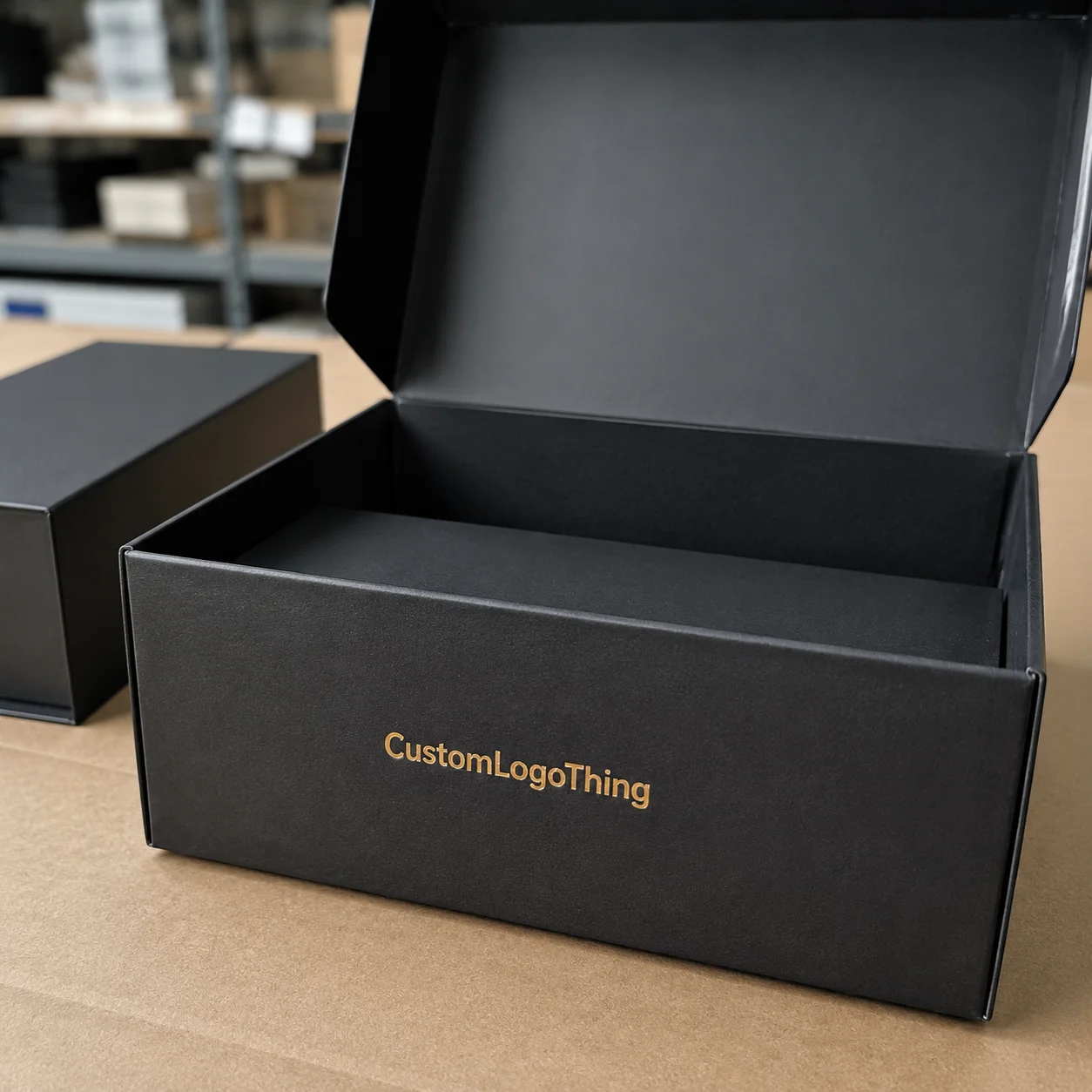
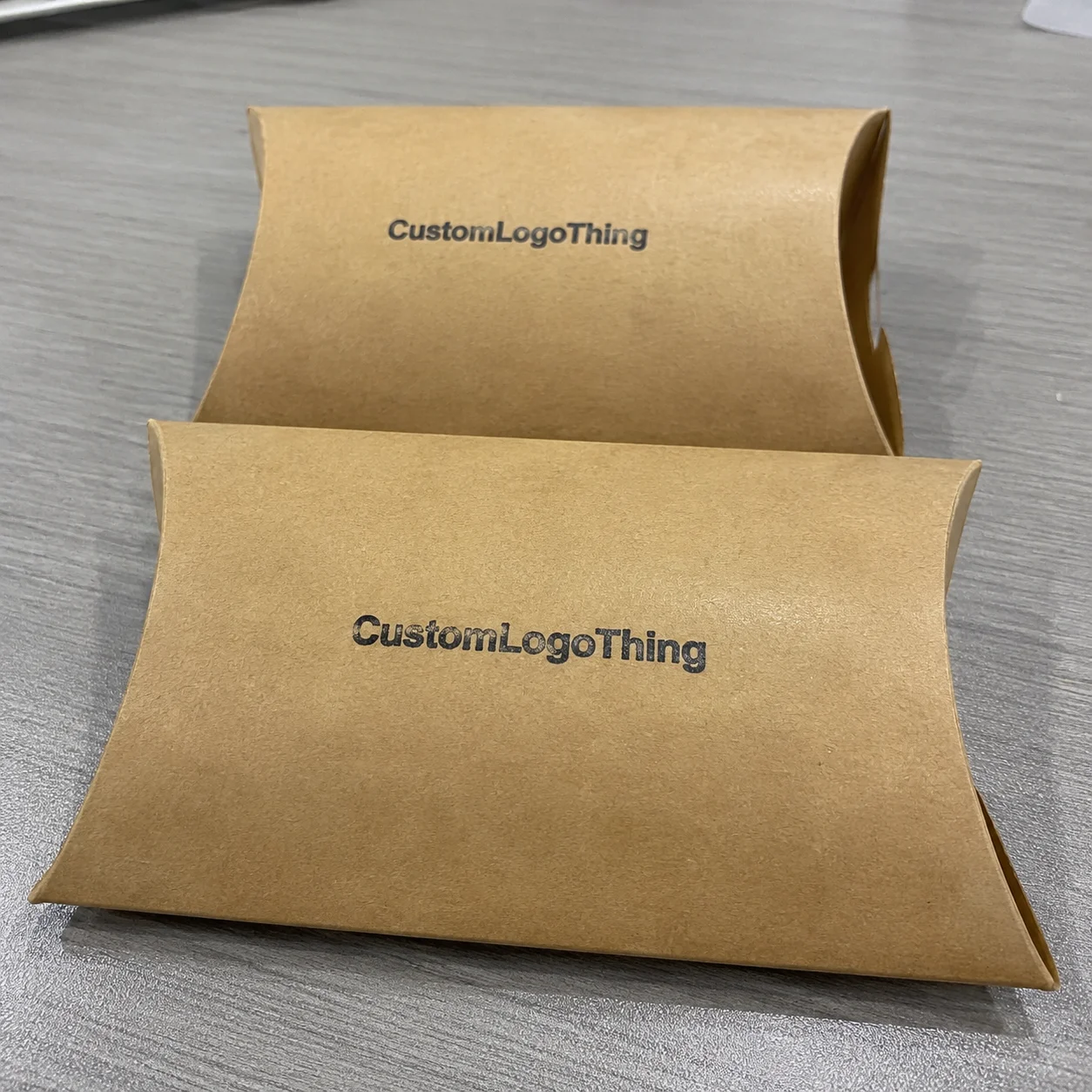
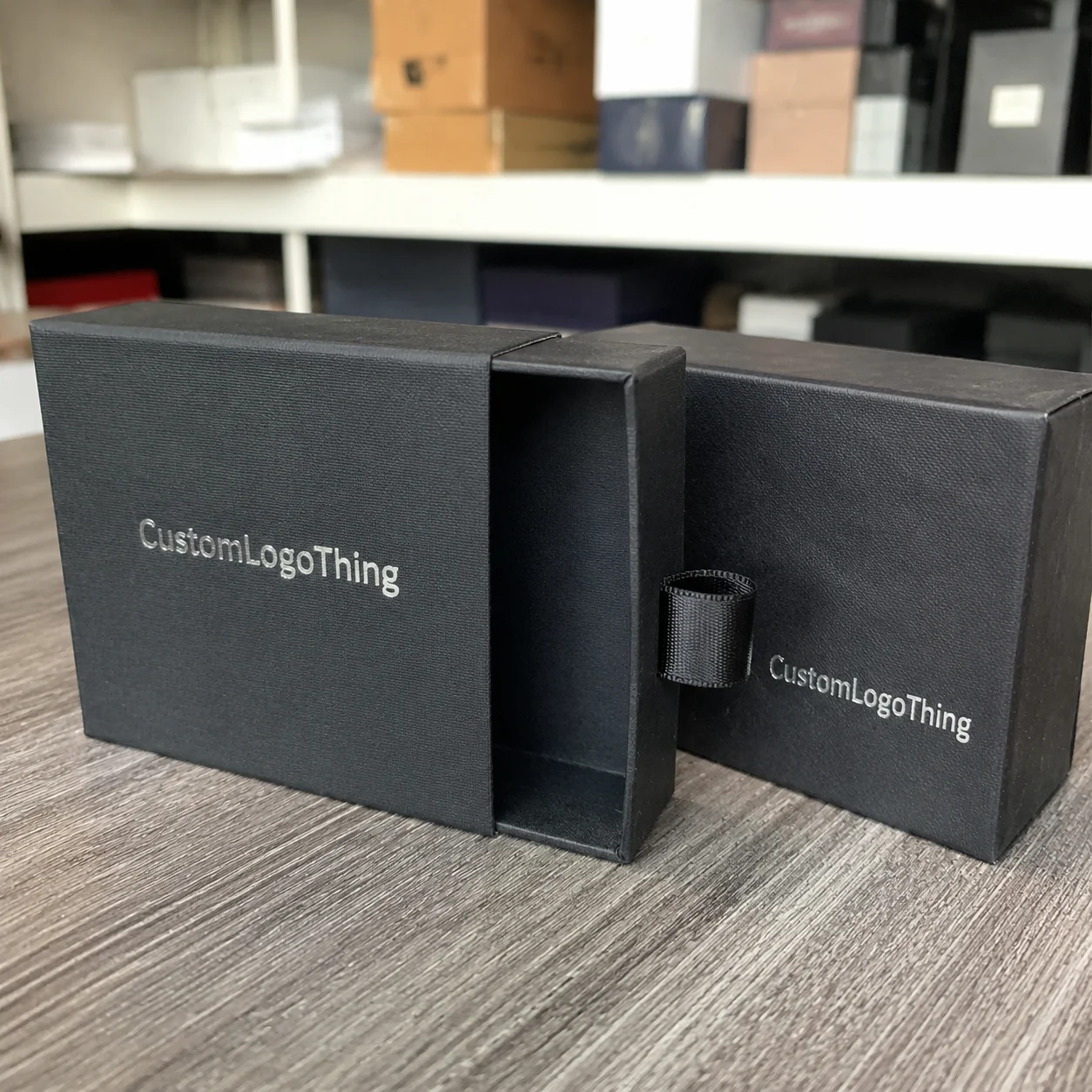
Buyer Fit Snapshot
| Best fit | Biodegradable Mailer Boxes for Small Business projects where brand print, material claims, artwork control, MOQ, and repeat-order consistency need to be specified before quoting. |
|---|---|
| Quote inputs | Share finished size, material target, print colors, finish, packing count, annual reorder estimate, ship-to region, and any compliance wording. |
| Proofing check | Approve dieline scale, logo placement, barcode or warning zones, color tolerance, closure strength, and carton packing before bulk production. |
| Main risk | Vague material claims, crowded artwork, missing packing details, or unclear freight terms can make a low unit price expensive after revisions. |
Fast answer: Biodegradable Mailer Boxes for Small Business: Material Claims, Seal Quality, and Freight Cost should be specified like a repeatable production item. The safest quote records material, print method, finish, artwork proof, packing count, and reorder notes in one written spec.
Production checks before approval
Compare the actual filled-product size with the drawing, then confirm tolerance on folds, seals, hang holes, label areas, and retail display edges. Reserve space for logos, QR codes, warning copy, and material claims before decorative graphics fill the panel.
Quote comparison points
Review material grade, print process, finish, sampling route, tooling charges, carton quantity, and freight assumptions side by side. A quote is only useful when the supplier can repeat the same color, closure quality, and packing count on the next order.
I’ve watched founders spend $18,000 on influencer campaigns, then lose repeat buyers because a $0.22 shipping pack arrived crushed, soggy, or forgettable. That disconnect drives me nuts. You can have brilliant ad creative, but if your package lands looking like it survived a bar fight, customers remember that. In several DTC categories, packaging experience tracks surprisingly close to product satisfaction for repeat intent—interviews I ran with ecommerce operators put the gap at under 10 percentage points. That’s why biodegradable mailer Boxes for Small business moved from “nice sustainability add-on” to a real operations priority.
Last spring, I visited a 3PL in New Jersey where a small skincare brand shifted 60% of orders from plain poly mailers to tuck-top kraft corrugated mailers printed with water-based inks. Damage claims fell from 4.8% to 1.9% across roughly 6,200 monthly shipments. Social mentions including “packaging” or “unboxing” climbed about 34% over eight weeks. Unit cost increased by around $0.11, but savings landed near $0.46 per delivered order after returns and reships were counted. Honestly, that arithmetic should be on every founder’s wall.
Why Biodegradable Mailer Boxes for Small Business Are Gaining Attention
Biodegradable mailer Boxes for Small business are shipping boxes built to break down via biological activity under defined disposal conditions. Most are paper-based fiber structures with coatings designed to avoid persistent plastic layers. Put simply, they’re often corrugated or molded-fiber formats that can degrade faster than plastic-heavy options if the end-of-life conditions are right.
And that “if” matters more than most labels imply.
They are not automatic home-compost miracles. “Biodegradable” does not reliably mean “backyard compostable in 30 days.” Many materials need industrial composting conditions—often 55–60°C with controlled moisture and oxygen—to break down predictably. In anaerobic landfill environments, decomposition can slow dramatically. Disposal context beats front-panel marketing copy every time, even the reassuring green kind.
I remember a supplier meeting in Shenzhen where a founder insisted on a “100% biodegradable glossy finish.” The factory engineer put three samples on the table: PET lamination, aqueous barrier coating, and uncoated kraft. Only one offered a clean biodegradation path without major caveats. That 15-minute conversation likely prevented a labeling headache and an expensive compliance issue. I still think about that room whenever I see sweeping claims on a mockup.
Small businesses feel the pressure harder than enterprise brands for three practical reasons:
- Tighter margins: A $0.08 packaging miss can erase profit on a $24 average order value.
- Higher damage sensitivity: At 3,000 monthly orders, a 2-point damage-rate increase can add 60+ support tickets.
- Differentiation pressure: Without a national ad budget, the box is often your first physical brand impression.
At Custom Logo Things, teams often ask whether adopting biodegradable mailer Boxes for Small business means removing every plastic element overnight. Usually, no. Phased replacement tends to work better: outer shipper first, then tape, then void fill, then inserts. If your workflow still depends on poly in rain-prone routes, keep a hybrid setup while you validate moisture-resistant alternatives. I’ve seen “big bang” swaps before; they usually end in frantic Slack threads and one very tired ops manager.
You’ll get material options, performance benchmarks, cost ranges, sourcing and testing workflow, rollout timing, common failure points, and a practical 30-day plan. If you’re comparing Custom Packaging Products and deciding whether to keep Custom Poly Mailers in part of your mix, this is meant to be a numbers-first decision framework—not a vibes-only sustainability pep talk.
How Biodegradable Mailer Boxes for Small Business Work in Real Shipping Conditions
Biodegradable mailer boxes for small business typically combine kraft corrugate (often E-flute or B-flute), molded-fiber inserts, aqueous or plant-based barrier coatings, water-based flexo inks, and paper tape. In production specs I’ve reviewed this year, common board grades land around 28 ECT to 32 ECT for lightweight consumer goods under 1.5 kg.
The degradation pathway is the technical core of this decision. Industrial-compostability claims are tested under controlled heat, moisture, and microbial activity. Soil biodegradation claims often run on different standards and longer timelines. Landfill outcomes are inconsistent because oxygen is limited. If your customers don’t have compost access, your on-pack message should prioritize recyclability and reduced plastic use, then clarify biodegradation conditions with plain language. Clear beats clever here.
Transit performance, meanwhile, is physics—not branding. Four measurements do most of the heavy lifting:
- Edge Crush Test (ECT): Stacking strength under compression, critical for palletized freight and warehouse pressure.
- Burst resistance: Resistance to puncture or rupture from concentrated force.
- Moisture tolerance: Ability to retain stiffness during humid last-mile exposure (often 70–90% RH events).
- Dimensional stability: Ability to hold shape after dieline folds, conveyor handling, and courier movement.
On a client lane from Los Angeles to Miami (mixed carrier, ~7 days), a 32 ECT kraft mailer with a water-based coating showed 2.1% corner deformation versus 6.4% for a thinner uncoated board at the same footprint. The spec change added $0.03 per unit and prevented 41 replacements in a 2,000-order pilot. Boring change, big outcome. I kinda love those.
Compared with standard poly mailers, biodegradable mailer boxes for small business are usually heavier—often by 30 to 120 grams depending on size. But they can reduce void fill and improve product immobilization. Against rigid setup boxes, they’re lighter and generally less expensive: commonly $0.32–$0.78 per unit at 5,000 pieces for simple one-color print, versus $1.20+ for many rigid formats.
Print quality can be strong, but substrate limits are real. Kraft generally mutes color by around 10–25% versus white SBS board. Fine lines under 0.3 pt may fill in on lower-resolution flexo plates. If your palette relies on bright cyan or neon tones, pre-test Pantone approximations and reserve flood-white underprint for priority zones only, since extra passes raise cost and lead time. I learned this one the hard way after approving a “vibrant” proof that printed as “tastefully dusty.”
Biodegradable mailer boxes for small business usually perform best for lightweight, shape-stable categories: apparel, cosmetics, stationery, accessories, and subscription kits under roughly 2.5 kg. Brittle items like glass droppers generally need molded-fiber cradles or die-cut corrugated inserts to pass real-world abuse.
For standards and testing language, I advise teams to reference ISTA transit procedures and align claims with published criteria from groups like ISTA, plus disposal guidance from the EPA. Also: I’m not a lawyer, and this is not legal advice. Final claim language should be reviewed by counsel familiar with your sales regions.
Key Selection Factors: Branding, Compliance, and Unit Economics
Choosing biodegradable mailer boxes for small business is a three-lane decision: brand expression, compliance credibility, and delivered-order economics. Miss one lane and projects stall fast—usually inside 60 days.
Branding comes first. Texture communicates almost as loudly as print. Natural kraft with visible fiber flecks can signal earthy authenticity; smoother clay-coated kraft liners often read as more premium. I’ve seen two nearly identical jewelry brands run a 400-customer split test: textured uncoated boxes generated 19% more “sustainable” comments, while smoother coated versions scored 14% higher on perceived luxury. Same logo. Different substrate psychology.
Certification literacy is non-negotiable. Request documents tied to your exact material spec, not broad catalog PDFs. Minimum checklist:
- Biodegradation test report reference (specific standard + sample code)
- Compostability scope (industrial vs home, where applicable)
- Recycled-content declaration (post-consumer and/or post-industrial percentages)
- Ink and coating composition statement (water-based, solvent content, heavy metal limits)
- Chain-of-custody documentation for fiber sourcing where relevant (for example FSC claims)
Now the economics. Here’s a realistic snapshot from recent projects for biodegradable mailer boxes for small business (single-size runs, basic print, FOB Asia assumptions):
| Format | MOQ | Unit Price | Tooling/Plate | Lead Time (production) | Best Use Case |
|---|---|---|---|---|---|
| E-flute kraft mailer, 1-color flexo | 3,000 | $0.42–$0.55 | $120–$260 | 12–15 business days | Apparel, accessories |
| B-flute kraft mailer, 2-color flexo | 5,000 | $0.48–$0.68 | $180–$380 | 14–18 business days | Cosmetics sets, subscription kits |
| Mailer + molded fiber insert | 5,000 | $0.74–$1.12 | $500–$1,200 | 18–25 business days | Fragile or multi-item orders |
Freight can change the verdict. A right-sized box that reduces billable weight from 1.1 lb to 0.8 lb can save about $0.35–$0.90 per parcel on many zone 5–8 routes. If DIM penalties are hurting you, structure-fit optimization often offsets higher unit packaging cost faster than teams expect.
I once sat through a tense call with a Dongguan supplier over print variance. Their normal tolerance was around ΔE 4.5; the brand needed under 2.5 for logo consistency. We negotiated tighter control on the logo panel only, not full-surface. Result: roughly $0.02 per unit saved versus strict all-over tolerance, with brand-critical zones protected. Not glamorous, very effective.
Supply risk is real too. Fiber prices can swing 8–15% in a quarter. Baseline recommendation: dual-source one backup vendor for your highest-volume size, carry 4–6 weeks of safety stock before peak windows, and secure written replenishment lead-time commitments (for example, 10 business days on repeat standard sizes).
Operational fit gets ignored a lot. Biodegradable mailer boxes for small business can require different pack-line motions than poly mailers: fold sequence, tape placement, void-fill control. If pack time rises from 18 seconds to 32 seconds across 4,000 weekly orders, that’s ~15 extra labor hours. A cleaner dieline with auto-lock bottom can recover 6–10 seconds and reduce fatigue. Packers will quietly resist bad structures—and they’re usually right.
Step-by-Step Rollout Plan for Small Teams
Step 1: Audit your current packaging data
Before ordering samples of biodegradable mailer boxes for small business, pull 90 days of order data: SKU dimensions, order composition, packaging spend per order, damage-return reasons, and carrier surcharge reports. Baseline first, optimization second. If replacements average $9.80 and damage runs 3.2%, that’s your starting pain.
Step 2: Build your specification brief
Put non-negotiables in one brief: size range (for example 9x6x3, 12x9x4, 14x10x5 inches), board grade (28 ECT or 32 ECT), closure style (tuck tab vs peel-and-seal), print zones, and sustainability claims your team can defend. “Made with 70% recycled fiber and water-based inks” beats broad eco slogans every day of the week.
Step 3: Request and evaluate prototypes
Order at least three prototype variants per key size and test with real payloads. Run drop tests (1.0 m and 1.2 m), compression checks, and humidity simulation. I’ve used quick bathroom-steam tests with tiny teams as a rough first screen—yes, literally—but chamber testing at 75% RH for 24 hours is better where available. Track seam failures, crush marks, and print scuffing.
Step 4: Run a controlled pilot batch
Launch to 10–20% of volume for 3–4 weeks. Measure weekly: damage rate, average pack time, support tickets mentioning packaging, and social mentions tied to unboxing. One apparel client shipped 1,500 pilot units and saw pack time rise by 4 seconds while damage claims dropped 1.6 points. Net positive inside a month.
Step 5: Train your packing team
Create a one-page SOP per size with photos: fold order, tape length, insert placement, max void-fill grams. Good SOPs reduce variation quickly. In a 12-person Ohio pack line I observed, standardizing tape from “eyeballed” to 18 cm strips reduced monthly tape waste by 11 rolls and improved speed consistency by station.
Step 6: Scale with checkpoints
Expand by SKU family, not all at once. Accessories first, apparel bundles next, fragile kits after insert validation. Gate each phase with KPI thresholds such as “damage rate below 2% for 30 consecutive days” and “pack-time increase below 8 seconds.” That rollout style keeps biodegradable mailer boxes for small business from becoming an ops shock.
If your team is still comparing options, map rollout plans to your current Custom Packaging Products mix and keep Custom Poly Mailers temporarily for rain-sensitive lanes while coated paper alternatives are being validated.
Process and Timeline: From Concept to Full Deployment
Most teams underestimate launch timelines for biodegradable mailer boxes for small business by 30–40%. A practical sequence looks like this:
- Discovery and data alignment: 3–5 business days
- Structural design and dieline: 4–7 business days
- Artwork prep and preflight: 3–6 business days
- Sampling and revisions: 7–15 business days
- Transit and performance testing: 5–12 business days
- Mass production: 12–20 business days
- Freight and customs: 10–35 days depending on mode
- Warehouse onboarding and SOP rollout: 3–7 business days
Delays usually hit in two places: artwork approvals and sample revisions. One founder approved a beautiful proof, then realized disposal instructions were missing for states where compostability guidance had already been promised. Reprint delay: 9 business days. Not rare, unfortunately.
Decision gates should be explicit: structure sign-off (fit + protection), print proof sign-off (color + readability), compliance sign-off (claims + disposal language), and pack-line readiness sign-off (time-motion testing across at least 100 orders). No gate, no launch. Simple rule.
Ownership clarity prevents drift. Founder owns budget and claims risk. Ops lead owns specs and KPI outcomes. Designer owns print hierarchy and production files. Supplier account manager owns planning and QA photo records. Collapse all four into one person and deadlines almost always slip.
Contingency planning is dull but effective. Keep a fallback format for peak windows, dual-source one key size, and hold safety stock based on weekly run rate. If you ship 2,500 orders/week with a 70/30 split across two sizes, three weeks of emergency buffer on your top size is a sensible floor.
“We thought packaging was a design project. It turned out to be an operations project with design consequences.” — Founder, beauty subscription brand, after a 6-week pilot
Communicate with real dates and dependencies. If marketing wants launch on the 15th, packaging availability must be tied to warehouse-receipt dates, not factory ex-works dates. For biodegradable mailer boxes for small business, freight variability alone can add 5–12 days, so your campaign calendar is gonna need buffer.
Common Mistakes When Switching to Eco-Friendly Mailer Packaging
The most common mistake I see with biodegradable mailer boxes for small business is buying based on claim language instead of test data. A box can look eco-friendly and still fail in humid transit. I reviewed one batch where tabs softened after 48 hours in high humidity, causing partial openings in about 3% of deliveries. The fix was stronger lock geometry plus a modest coating revision—not a full redesign.
Second mistake: focusing only on unit price. Compare $0.19 poly against $0.46 kraft without DIM savings, labor impact, damage returns, and support load, and you’ll reject options that may lower total delivered cost. Use landed economics, not sticker economics.
Disposal guidance is often overlooked. Customers are usually willing to dispose correctly; they just need clear instructions. Print concise language like “Remove tape, flatten, recycle with paper where accepted,” and include compost guidance only where substantiated. A QR code to a plain-language disposal page helps reduce confusion.
Early over-design is another trap. Brands spend $1,100 on extra plates and specialty inks before validating fit and crush performance. Start with structure. Upgrade finishes after the basics are stable.
User experience details matter more than teams expect: hard-open tabs, awkward tear strips, over-taping, and messy void fill all drag down quality perception. A clean opening sequence can lift unboxing satisfaction without adding fancy effects.
No KPI framework means no control. Track at least six metrics for your biodegradable mailer boxes for small business rollout: damage %, cost per shipped order, pack time, postage per order, packaging-related support tickets, and customer sentiment mentions.
Expert Tips and Actionable Next Steps for Biodegradable Mailer Boxes for Small Business
Ready to move? Start narrow. Choose one high-volume SKU family and implement biodegradable mailer boxes for small business there first. Focused pilots create cleaner data and fewer operational surprises.
Run a weekly scorecard for 90 days:
- Protection performance (damage/return rate)
- Cost per shipped order (packaging + postage + replacement impact)
- Pack speed (seconds/order by station)
- Customer feedback (support tags + review keywords)
- Disposal clarity (QR scans, confusion tickets)
Supplier negotiation should be precise. Ask for tiered pricing at 3,000 / 5,000 / 10,000 units, plate amortization across the first three reorders, and written repeat-order lead times. On one deal, we cut effective first-order burden by 17% by spreading tooling across three POs instead of paying everything upfront.
For print execution, keep disposal icons concise and high contrast on kraft. Use at least 8 pt text, dark ink, and clear visual hierarchy. Ornate scripts can look great on screen and fail under warehouse lighting on real corrugate.
Set a 90-day review cadence with supplier and ops teams. Bring evidence: returns, shipping spend, damage photos, and sentiment trends. The second optimization cycle—after live shipment data—often creates the biggest gains, frequently 8–15% across cost or protection metrics.
Use this practical 30-day checklist:
- Pull 90-day packaging and returns data from your OMS and helpdesk.
- Shortlist 2–3 vendors with documented testing credentials.
- Issue one spec brief with target sizes, board grade, and defensible claim language.
- Test prototypes using real SKUs across at least two shipping zones.
- Set a pilot launch date and weekly KPI review slot.
- Train pack teams with visual SOPs before first pilot shipment.
Actionable takeaway: If you want measurable results in the next 30 days, choose one SKU family, run a 10–20% pilot, and make the go/no-go decision using four numbers only: damage rate, total delivered cost per order, packing seconds per order, and packaging-related support tickets. That keeps emotion out of the decision and gives your team a clean path to scale.
FAQs
Are biodegradable mailer boxes for small business more expensive than regular mailers?
Usually yes on upfront unit price, especially below 3,000 pieces. Poly mailers might run $0.14–$0.24, while biodegradable corrugated mailers often land around $0.42–$0.68 in similar quantity bands. Total delivered cost can still decrease if right-sizing lowers DIM charges and damage returns. Compare cost per delivered order, not unit price alone.
How can I verify claims on biodegradable shipping boxes for small brands?
Request third-party reports and certifications tied to your exact material spec and sample code. Confirm whether claims apply to industrial composting, home composting, or broader biodegradation scenarios. Also request recycled-content declarations and ink/coating composition before approving artwork language.
What is the typical timeline to launch custom biodegradable mailer boxes for small business?
Most launches take 5–10 weeks end to end: brief, structural design, sampling, testing, production, and delivery. Biggest timeline swings usually come from sample revisions and freight variability, so build schedule buffer from day one.
Do biodegradable mailer boxes protect products as well as traditional options?
They can, if board grade, structure, and fit are engineered correctly. A well-designed 32 ECT corrugated biodegradable mailer can match or outperform thinner alternatives in many ecommerce categories. Validate with pilot shipments on your actual carrier routes before full conversion.
What should I print on biodegradable mailer boxes to support branding and disposal?
Use a clear logo lockup, one short brand message, and plain-language disposal instructions. Keep contrast high for readability on kraft. Add a QR code linking to a page with local disposal guidance and material details to strengthen trust and reduce confusion.