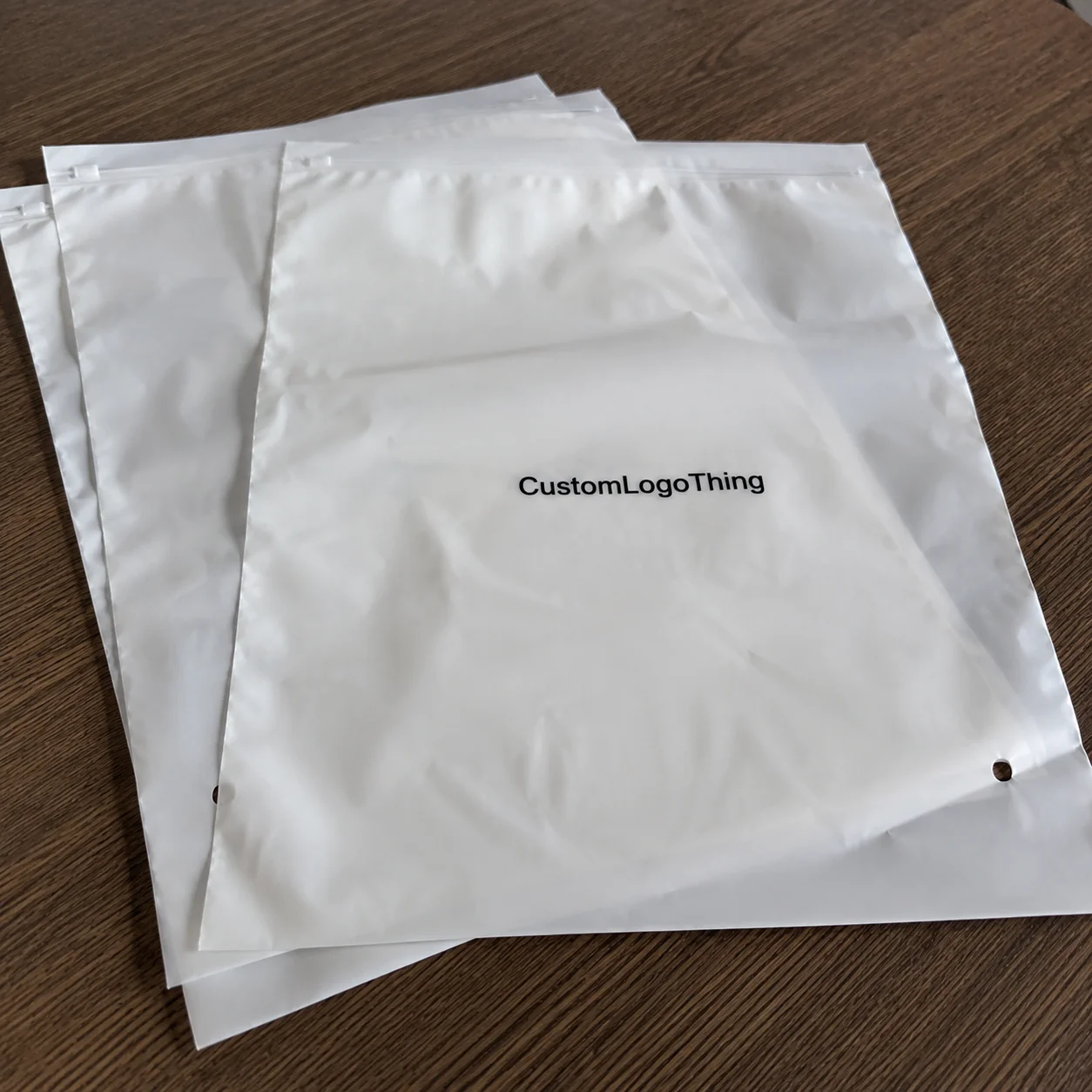
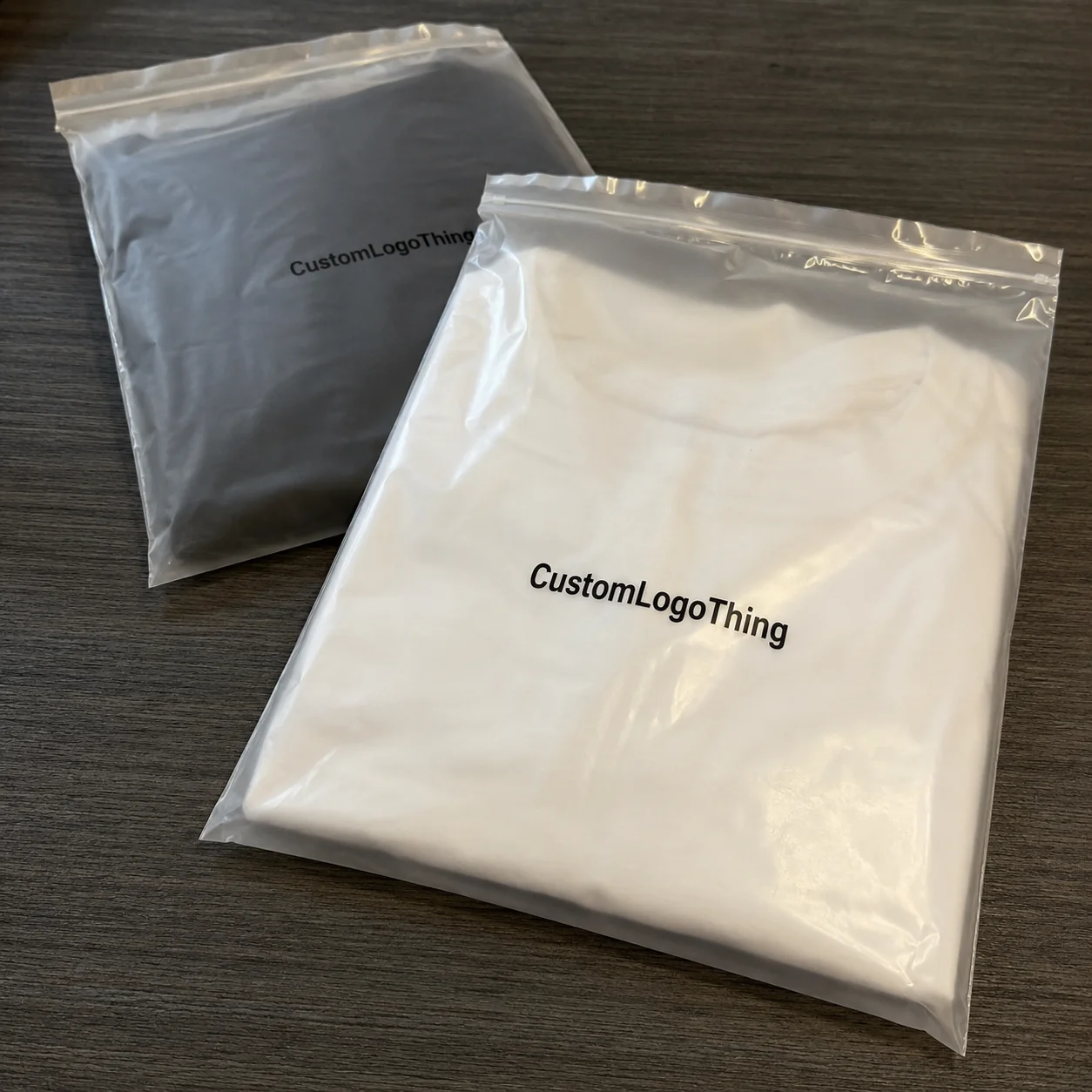
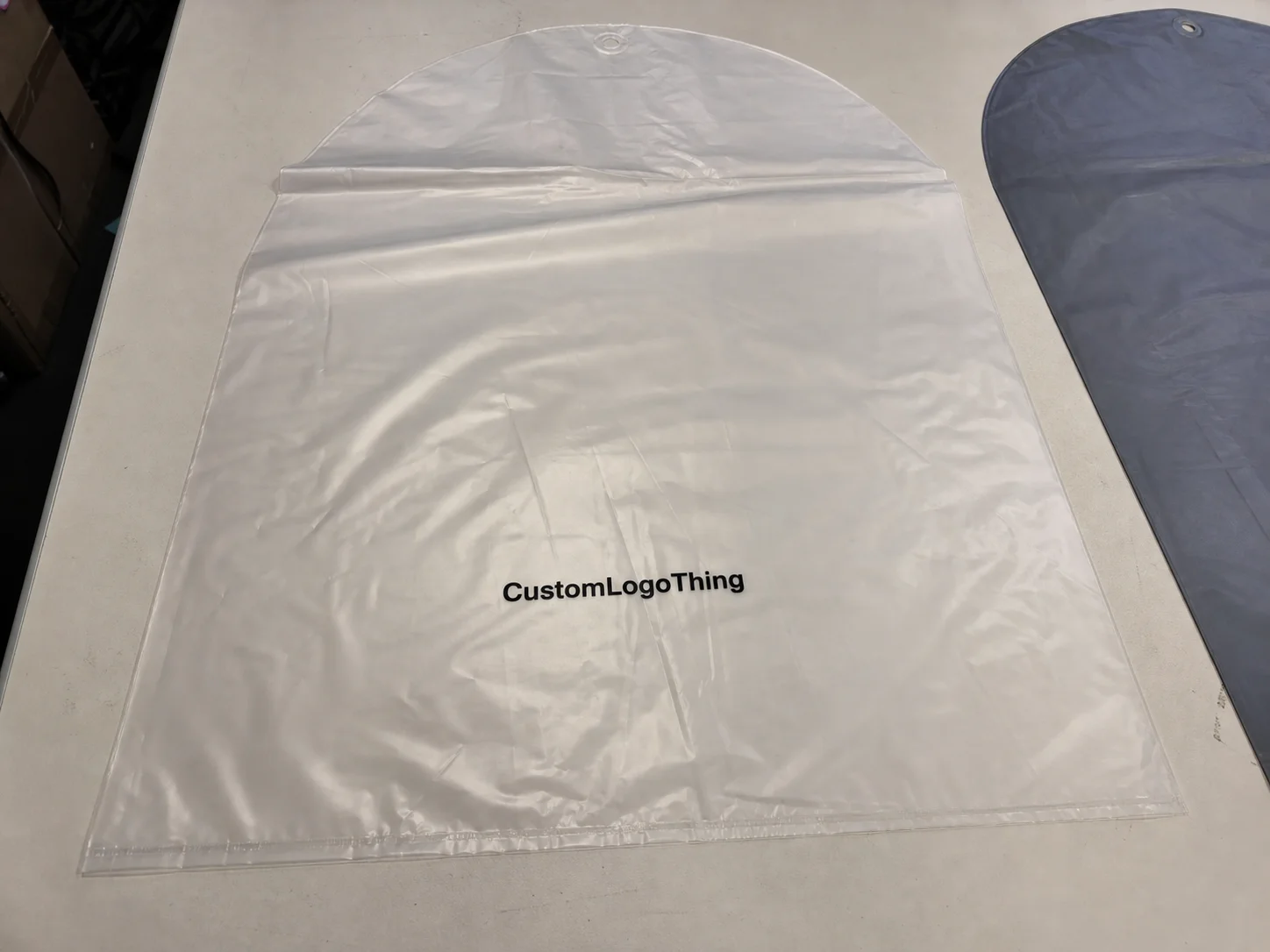
Buyer Fit Snapshot
| Best fit | Black Friday Packaging Prep projects where brand print, material claims, artwork control, MOQ, and repeat-order consistency need to be specified before quoting. |
|---|---|
| Quote inputs | Share finished size, material target, print colors, finish, packing count, annual reorder estimate, ship-to region, and any compliance wording. |
| Proofing check | Approve dieline scale, logo placement, barcode or warning zones, color tolerance, closure strength, and carton packing before bulk production. |
| Main risk | Vague material claims, crowded artwork, missing packing details, or unclear freight terms can make a low unit price expensive after revisions. |
Fast answer: Black Friday Packaging Prep: Material, Print, Proofing, and Reorder Risk should be specified like a repeatable production item. The safest quote records material, print method, finish, artwork proof, packing count, and reorder notes in one written spec.
Production checks before approval
Compare the actual filled-product size with the drawing, then confirm tolerance on folds, seals, hang holes, label areas, and retail display edges. Reserve space for logos, QR codes, warning copy, and material claims before decorative graphics fill the panel.
Quote comparison points
Review material grade, print process, finish, sampling route, tooling charges, carton quantity, and freight assumptions side by side. A quote is only useful when the supplier can repeat the same color, closure quality, and packing count on the next order.
Most brands treat tips for Black Friday Packaging prep like a last-minute supply list. That is how you end up staring at a line of pallets that cannot move because one label spec was wrong and the carton count missed by 800 units. I have seen it happen in a Shenzhen facility, and yes, pallets sat dead for 9 hours while a team argued over a missing box component that cost about $0.03 a unit. Cheap mistake. Expensive lesson. Also a very long afternoon for everyone involved, especially when the warehouse crew was already running 14-hour shifts before the holiday surge even started.
If you want tips for Black Friday Packaging prep that actually save money, you need to think like a logistics person, not a hopeful marketer. Packaging is not just the pretty outer layer. It is inventory, labor, shipping protection, dimensional weight, and customer experience all rolled into one. When it fails, you pay twice: once in the box, and again in the damage control. Honestly, I think packaging is one of the most underestimated parts of peak season planning, even though a $0.15-per-unit mailer change on 5,000 pieces can move the total spend by $750 before freight is even added.
Tips for Black Friday Packaging Prep: Why the Rush Breaks Weak Systems
Here is the plain-English version of tips for black friday packaging prep: forecast what you will ship, source the right packaging, test it, and stage it before the rush starts. That is it. Not glamorous. Very effective. A little boring, actually, which is exactly why it works. If you are working with custom packaging, the boring part is usually the one that protects your margin by 6% to 11% during peak week.
During an audit of a beauty brand’s fulfillment floor in Los Angeles, their actual product sell-through was fine. Their packaging system was the problem. They had custom printed boxes for hero kits, but no backup mailers, no spare inserts, and one SKU of labels that was stuck in a proof loop with the printer. Their sales team was celebrating promotion traffic while ops was repacking orders into plain brown cartons like it was some kind of retail apology tour. I remember thinking, “Well, this is one way to turn a marketing win into a warehouse headache.” Those are the moments that make tips for black friday packaging prep matter more than any glossy campaign, especially when the boxes in question were 350gsm C1S artboard with a matte aqueous coat that looked good on a screen but had not been tested in a real 1,200-order day.
Packaging becomes a revenue lever in peak season because it affects how many orders can move per hour, how much damage gets written off, and how many customers come back. A box that assembles in 8 seconds instead of 22 seconds can save a seasonal team 18+ labor hours over a week on a modest 5,000-order burst. That adds up fast. So do the hidden costs: rush freight at $380 to $1,200 per pallet, repacking labor at $18 to $28 per hour, chargebacks from retailers, and the lovely little bonus of negative reviews when a box arrives crushed. A single 2-cent paper insert that prevents a 3% return spike on 10,000 orders is not a small detail; it is a $300 decision that can save several thousand dollars in avoidable write-offs.
I have negotiated with suppliers who swore a “small delay” was harmless. Then I watched a DTC apparel client miss their ship window by 4 days because a carton spec changed from 32 ECT to 44 ECT and the line had to be reapproved. Four days sounds manageable until you learn the promo calendar does not care about your supplier’s excuses. That is why tips for black friday packaging prep need to start with reality, not optimism. In practical terms, that means a proof approved on Tuesday in Dongguan should not be treated like a guaranteed Friday delivery in Chicago unless your vendor has already quoted the transit, the pallet count, and the customs clearance step in writing.
“We thought the packaging would hold because it looked fine on screen. It did not. The first crushed corner showed up after 300 orders, and then the returns started.” — Ops manager at a skincare brand I worked with
That is the problem with weak systems. They look stable until volume hits. Then every shortcut turns into a bill. The good news? Solid tips for black friday packaging prep are mostly about boring discipline: count, confirm, test, buffer, and stage. If your team can move from proof approval to receiving in 12 to 15 business days for a stock-heavy program, or 20 to 35 business days for a Custom Rigid Box run out of Guangdong, you are already ahead of most brands that wait until the first ad campaign goes live.
How Black Friday Packaging Prep Works from Supplier to Shelf
Good tips for black friday packaging prep follow the actual workflow, not the fantasy version. The real sequence starts with forecasting and ends with a warehouse that knows exactly where each carton, mailer, and insert is going. If one step slips, the whole chain gets noisy. If two steps slip, people start pointing at printers like they personally offended the laws of physics. I have seen that argument happen in Shanghai, Los Angeles, and Dallas, which suggests the problem is less about geography and more about human nature.
Here is how I break it down after years of walking factory floors and sitting through too many proof calls with people who “just wanted a small tweak”:
- Demand forecasting — Use last peak season data, current traffic, promo plan, and inventory sell-through by SKU.
- Dieline and artwork approval — Check dimensions, barcode zones, panel placement, and ink coverage before you sign off.
- Material sourcing — Confirm board stock, paper type, coating, adhesive, and any specialty finish.
- Sampling — Make sure the product fits, the print reads cleanly, and the carton survives handling.
- Production — Lock the press schedule and manufacturing date.
- Quality control — Inspect color, glue lines, die cuts, and count accuracy.
- Delivery and staging — Receive by SKU, zone, or fulfillment line, not in one giant “good luck” pile.
Tips for black friday packaging prep also depend on packaging type. Stock mailers can move in 3 to 7 business days if the supplier has inventory. Custom-printed mailers often need 10 to 20 business days after proof approval. Rigid boxes, inserts, and specialty coatings can stretch to 20 to 35 business days, especially if the vendor is waiting on foil film or a paperboard run. Labels are faster, usually 5 to 12 business days, but only if artwork is final. If it is not, enjoy the suspense. A label set printed on a 60gsm adhesive sheet may leave the plant in a week; a fully laminated carton with spot UV and foil on 8,000 units from Shenzhen may sit closer to the 4-week mark, even before freight is booked.
Minimum order quantities can trap smaller brands. I have seen a startup order 1,000 custom shipping boxes because that felt “safe,” then pay $1.18 per unit when the 10,000-piece tier would have been $0.42. Sure, they saved cash upfront. Then they paid more per box and still had to reorder mid-season. That is a classic packaging own goal. Smart tips for black friday packaging prep look at unit price, setup fees, and reordering pressure together. If your supplier in Hangzhou quotes a 5,000-piece run at $0.31 per mailer and a 20,000-piece run at $0.19, the real question is not “Can we afford the larger order?” It is “Can we afford to run out at 11 a.m. on Black Friday?”
Some brands use a supplier like PakFactory for custom work, Uline for stock materials, and local converters for fast-turn corrugated runs. I am not married to any one vendor, and you should not be either. PakFactory may give better custom print flexibility. Uline may win on same-day stock availability. A local converter in Los Angeles or Chicago might save your launch when a press slot opens up unexpectedly. The point is to fit the vendor to the job. Romantic loyalty to one supplier is cute. On-time delivery is better, and a nearby converter can often move a 2,000-piece corrugated reprint in 12 to 15 business days from proof approval if the paperboard is already in stock.
One workflow I like for tips for black friday packaging prep is simple: estimate volume, confirm pack sizes, approve proofs, lock inventory, and stage by SKU or fulfillment zone. If you cannot explain your packaging plan to a new warehouse associate in two minutes, the system is too messy. That is not theory. That is experience after watching seasonal hires stare at a mixed pallet like it was an advanced math problem. A clean SOP, printed on a single page and taped to the pack station, usually beats a 19-slide deck every time.
| Packaging Option | Typical Lead Time | Typical Cost Range | Best Use |
|---|---|---|---|
| Stock mailers | 3-7 business days | $0.22-$0.65/unit | Fast-moving apparel, accessories, low print needs |
| Custom-printed mailers | 10-20 business days | $0.48-$1.35/unit | Branded packaging for DTC orders |
| Rigid boxes | 20-35 business days | $2.10-$6.80/unit | Premium gift sets, cosmetics, electronics |
| Labels and stickers | 5-12 business days | $0.03-$0.18/unit | Promos, seals, SKU identifiers, package branding |
That table is why tips for black friday packaging prep should be built around urgency and margin, not just aesthetics. A gorgeous rigid box is useless if it arrives after the sale starts. A plain stock mailer with clean labeling and the right insert can outperform an overdesigned package that slows the line. Frustrating? Yes. True? Also yes. In a warehouse sending 7,500 parcels over a five-day promotion, saving 9 seconds per pack can free up more than 18 labor hours, which is often worth far more than a foil stamp.
Key Factors in Black Friday Packaging Prep: Cost, Timeline, and Capacity
Cost is the first place people get lazy with tips for black friday packaging prep. They look at unit price and stop there. Bad habit. Packaging cost includes the box or mailer, setup fees, print plates, proofing charges, freight, customs if applicable, storage, and any emergency air shipment when somebody “forgot” the deadline. I have seen teams save pennies on paperboard and then burn through hundreds on last-minute shipping. The math is not subtle, especially if your carton comes from a factory in Ningbo and your fulfillment center is in Atlanta, because the ocean freight and inland trucking can dwarf a $0.05 print discount in a heartbeat.
I once sat with a buyer who bragged about finding mailers at $0.19 each instead of $0.24. Nice. Then the freight came in at $1,460 because the cartons shipped on a partial pallet from the wrong coast, plus $230 for re-bagging because the poly finish scratched in transit. Suddenly that “cheaper” option cost more than the clean local quote. That is why tips for black friday packaging prep always say landed cost, not fantasy cost. If a vendor in Suzhou quotes $0.15 per unit for 5,000 pieces but adds a 22-day transit and a $420 documentation fee, your spreadsheet should not pretend those numbers vanish.
Quantity changes everything. At 1,000 units, a custom mailer might land at $0.92 per piece. At 5,000, maybe $0.58. At 10,000, perhaps $0.41 if the artwork stays fixed and the supplier can nest the run into a larger paper order. But buying 10,000 when you only need 4,500 can clog your storage, tie up $1,800 to $4,500 in cash, and force you to babysit pallets through peak season. That is not strategy. That is cardboard hoarding. It is also why a container of 350gsm C1S artboard in a warehouse in Los Angeles can quietly cost more in carrying expenses than the box itself if it sits for six weeks before pack-out.
Timeline risk deserves the same respect. Proof revisions can add 2 to 5 business days. Material backorders can add another week. Seasonal congestion at print shops can add 1 to 3 weeks, especially on custom printed boxes with coatings or specialty inserts. If your supplier says “we should be fine,” ask them for a written ship date, not a vibe. I say that with love, and with the kind of weariness that only comes from having heard “we should be fine” approximately a thousand times. In practice, a proof approved on a Monday in Dongguan often turns into a ready-to-ship date 12 to 15 business days later, not because the factory is slow, but because the queue is full and the finishing line is running at capacity.
Capacity is the sneaky one. Your warehouse may have enough inventory, but do you have floor space for 24 pallets of packaging? Can your receiving team handle carton counts and barcode scans during an inbound surge? Can your packaging design reduce dimensional weight enough to save $0.30 to $1.20 per shipment? These questions matter because shipping costs go up fast when a box is oversized by even 1 inch in one dimension. A mailer that shifts from 12x9x2 to 12x10x3 inches can trigger a higher dim weight bracket on carriers that price by cubic size, not by your feelings.
Durability and compliance also sit inside tips for black friday packaging prep. E-commerce mailers need puncture resistance and decent seam strength. Cosmetics may need barrier protection or inserts that keep jars from rattling. Food packaging may need tamper evidence or material compliance depending on the product. If you need sustainability claims, check certification carefully. FSC is useful for paper sourcing, and you can verify standards through FSC. For test methods and transit performance, I trust ISTA more than marketing copy. Their standards exist because boxes get dropped. Repeatedly. Usually right after someone says, “This one should be fine.”
Step-by-Step Tips for Black Friday Packaging Prep
Now for the part people actually want: actionable tips for black friday packaging prep you can use without hiring a consultant who charges $250 an hour to say “start earlier.” Here is the sequence I use with clients when the season is getting close and the pressure is already annoying. These are the same steps I use whether the packaging runs from a local corrugated shop in Chicago or a print plant in Shenzhen with a 3-week production calendar.
1. Forecast demand by SKU
Start with last peak season sales, current growth, ad spend, promo calendar, and any new channel launches. Build a spreadsheet that lists each SKU, estimated unit volume, packaging type, and any insert or label needed. A beauty brand I worked with underestimated a limited-edition set by 38% because they forgot paid social would push that one bundle harder than the hero SKU. Their packaging ran out first, not the product. That is the kind of mistake tips for black friday packaging prep are supposed to prevent. If the SKU sold 2,100 units in November last year and the ad budget doubled from $18,000 to $36,000, your box count should reflect that shift, not a wish.
2. Audit current inventory
Count everything. Mailers, cartons, tape, labels, void fill, corner protectors, tamper seals, tissue, belly bands, and replacement cartons. Count by size, not just by “we have enough.” I have seen a warehouse claim they had 12,000 boxes, only to discover 9,000 were the wrong depth for the upgraded product insert. The boxes existed. The fit did not. Very helpful. Very annoying. A clean inventory audit in a distribution center near Dallas or Rotterdam should take one afternoon with a scanner, not three meetings and a spreadsheet full of optimistic guesses.
3. Decide what deserves customization
Not every surface needs art. Good tips for black friday packaging prep usually reserve custom print for the outer packaging customers see first, then use stock components for the rest. If you sell premium skincare, maybe custom printed boxes go to the hero kit while the filler SKU ships in a plain mailer with a branded seal. That saves money and still keeps package branding intact. A 1-color logo on kraft stock can often save $0.10 to $0.20 per unit versus a fully decorated carton with foil and embossing, and those pennies become real money at 8,000 or 15,000 units.
If your budget is tight, shop your packaging design like a businessperson. A one-color logo on kraft can look sharp for about $0.10 to $0.20 less per unit than a fully decorated carton with foil and embossing. Fancy is not free. Never has been. My personal opinion? Save the hero treatment for the products that actually need it, and stop asking cardboard to do the job of a full brand campaign. If a carton is moving through a fulfillment center in Phoenix at 600 orders a day, its main job is to protect the product and keep the line moving, not win a design award.
4. Sample and test everything
I will die on this hill: sample approval is not optional. Run a drop test, check adhesive strength, confirm print clarity, and make sure the product sits properly inside the package. If you sell glass jars, shake the box. If it rattles, fix the insert. For e-commerce shipping, I like to see at least a basic ISTA-style transit mindset, even if you are not paying for full certification. Your customer is not a test lab. They will simply leave a one-star review and move on. A sample can cost $40 to $120 and save you from a return wave that would cost 10 times that in labor alone.
When I visited a corrugated plant outside Dongguan, the team showed me a carton that looked perfect until the flap score was 2 mm off. Two millimeters. That tiny error made the seal buckle on line. The client lost almost a week arguing about whether the issue was “within tolerance.” That is the sort of detail that turns a “minor issue” into a full-blown seasonal headache. Those are the details that make or break tips for black friday packaging prep. A production sheet that specifies a score tolerance of ±1.5 mm is not bureaucratic fluff; it is the difference between a smooth run and 5,000 cartons needing rework.
5. Lock dates in writing
Do not rely on verbal promises. Lock the production date, proof approval deadline, freight method, receiving window, and backup plan in writing. Ask for an extra 5 to 7 business days before your promo launch. If the supplier misses, you want a cushion. If they hit early, great. That is how grown-up operations work. A dated approval trail in email, plus a signed spec sheet, can save you from the kind of delay that turns a 14-day project into a 27-day scramble.
6. Stage inventory for the pack line
Put the right packaging next to the right fulfillment flow. Label by SKU or zone. Use color-coded bins if needed. Seasonal staff should not be hunting for a 10x8x4 carton at 1:30 a.m. while orders pile up. If they are, your tips for black friday packaging prep are failing in the most avoidable way possible. A staging area in Toledo or Phoenix should be mapped so a picker can find carton A in under 20 seconds, not after a scavenger hunt through unlabeled pallets.
7. Pre-kit what you can
Insert cards, tissue, coupons, bundles, and thank-you notes can be pre-assembled before the rush. I have seen a team shave 14 seconds off each pack-out by pre-kitting a branded sleeve and a folded insert. Multiply that by 3,000 orders and you have bought back hours of labor. Labor is money. Shocking, I know. Even a simple pre-kit station with 500-count trays and a $0.06 insert can reduce line stops enough to make a measurable dent in overtime.
For brands selling through retail too, keep an eye on retail packaging specs. Shelf presence matters if your peak season has a wholesale component. Your product packaging must work both in the warehouse and on the shelf. That dual job is why good package branding is never just decoration. A unit that looks polished in a store in Toronto but collapses in a fulfillment center in Newark has failed both jobs, which is a more expensive problem than most founders expect.
Common Mistakes to Avoid in Black Friday Packaging Prep
The fastest way to ruin tips for black friday packaging prep is to make every classic mistake at once. Yes, I have seen it. Usually in brands that were “fine last year” until they were not. That confidence tends to evaporate right around the first shipping delay. By then, the supplier is in Ningbo, the warehouse is in Atlanta, and everyone is pretending one overnight truck can solve a three-week planning gap.
- Waiting too long and then paying rush freight like it is an extra tax.
- Buying by unit price only and ignoring setup, freight, storage, and rework.
- Skipping samples and discovering the box is too shallow or the logo prints fuzzy.
- Forgetting support materials like labels, tape, void fill, and replacement cartons.
- Overcomplicating assembly so the pack line slows down during seasonal hiring.
- Ignoring sales forecasts and then running out of packaging during the sale window.
The “wait until the last minute” move is the worst one. A client once told me they were “keeping options open” until two weeks before launch. That is not flexibility. That is panic in a blazer. Their custom printed boxes ended up rushed, and the freight bill alone was $940 on a 6-carton shipment because production had to split the order across two schedules. The brand saved nothing. They just paid more in smaller, more annoying pieces. If the packaging plan depends on a 48-hour miracle from a factory in Dongguan, the plan was broken in September.
Another mistake: choosing packaging that looks premium but slows throughput. If a rigid box takes 19 seconds to assemble and a mailer takes 6, you need to know what that means in real labor terms. At 2,500 orders, that is a big difference. I do not care how pretty the box is if the team hates using it and the packing station backs up like a freeway at 5 p.m. No amount of ribbon fixes a bottleneck. In one case, a $1.80 rigid box caused a 17% slowdown while a $0.52 folding mailer moved cleanly through the same station.
One more thing people miss in tips for black friday packaging prep: internal supplies. Labels, tape, dunnage, and replacement cartons disappear faster than the premium items. The main packaging might be on hand, but the line still stops if the label roll runs out. That is why I always tell clients to inventory the boring stuff first. Boring is profitable. A $0.07 tape roll sounds trivial until it stops a 400-order hour and forces a manager to send someone across town in the middle of a shift.
If you need a broader packaging refresh, Custom Packaging Products is where I would start browsing for formats that fit your SKU mix without making the warehouse miserable. And if you want to understand industry waste and material efficiency better, the EPA sustainable materials guidance is worth a look. Paper, plastic, and freight decisions all carry cost. Reality is rude that way, especially when a 40-foot container or a regional truck lane changes the landed cost by hundreds of dollars.
Expert Tips for Black Friday Packaging Prep That Save Time and Money
These are the tips for black friday packaging prep I give when somebody asks, “What would you actually do if this were your brand?” I answer the same way every time: simplify, buffer, and protect the line. The answer does not change whether the packaging is coming from a supplier in Guangzhou or a corrugated plant in Ohio. The math is the same.
First, use one or two core box sizes if you can. I have watched teams survive huge order spikes with just two mailer sizes and a decent insert strategy. Fewer sizes means less training, less picking confusion, and less inventory fragmentation. If your product mix is wild, fine, but do not create 14 box SKUs just because someone in marketing liked mockups. A two-size system can cut staging errors by 30% and save enough floor space to store an extra pallet of tape, which sounds small until you need it.
Second, negotiate early. Ask what volume unlocks a better rate. I have seen a supplier drop a custom mailer from $0.61 to $0.47 per unit after one blunt conversation about a 12,000-piece forecast and a commitment to repeat orders. Not a miracle. Just negotiation. Suppliers respond to clarity. So do buyers. If the vendor in Vietnam knows your Q4 volume before the paper order is placed, they can quote a cleaner rate than if they are guessing from a half-finished brief.
Third, build a safety stock. If your cash flow can handle it, I like 10% to 20% above forecast for high-risk packaging components. That buffer covers reprints, damage, pilot runs, and a surprise promo that gets approved by someone who “just had an idea.” That idea should not kill your ship date. A safety stock of 600 units on a 6,000-unit order is boring insurance, and boring insurance is usually cheaper than emergency air freight out of Shenzhen.
Fourth, choose finishes strategically. A matte box with one strong logo hit can look premium without the added cost of foil stamping, embossing, or a UV flood. The goal is not to impress a design jury. The goal is to ship orders fast and make the customer feel like the brand was deliberate. That is package branding doing its job. On a 350gsm C1S artboard carton, one clean black ink hit can often feel sharper than a five-color design that drives up setup and proof time.
Fifth, pre-kit the small stuff. Thank-you cards, stickers, inserts, and bundled components should be ready before the line gets busy. One beverage client I worked with shaved nearly 11 hours off a weekend run by having inserts pre-counted into 50-piece bundles. They thought it was overkill until they saw the pack line move 22% faster. Suddenly everyone loved checklists. A pre-kit tray setup in Kansas City or Tampa can turn a chaotic shift into a repeatable process with almost no drama.
Sixth, keep a backup supplier or stock plan. If your main vendor slips by 5 days, what happens? Do you have plain stock cartons, a local printer, or an alternate mailer size that still protects the product? I always prefer a backup that feels boring over a rescue plan that sounds heroic and costs double. If your main corrugated plant is in Shenzhen and your backup converter is in Los Angeles, write down the handoff rules before you need them.
Seventh, think about sustainability in a practical way. FSC-certified paper, right-sized cartons, and reduced void fill can help both your margins and your brand story. I am not saying sustainability is magic. I am saying fewer oversized boxes usually means less material and lower dimensional weight. That is measurable. That is useful. That is not marketing fluff. A 1-inch reduction in box height can be the difference between standard parcel pricing and a higher tier, depending on the carrier and zone.
If you want the technical side of package testing, go straight to ISTA. They publish transit test standards because shipping is not gentle. You do not need a miracle box. You need packaging that survives the actual trip. A package that can pass a 24-inch drop test and survive vibration over 300 miles is worth more than a fancy mockup in a slide deck.
Honestly, the smartest tips for black friday packaging prep are usually the least exciting. They are the ones that keep the line calm at 11 p.m. when the seasonal crew is tired, the scanner battery is low, and the last thing you need is a carton mismatch. Calm is underrated. Calm ships orders.
What Are the Best Tips for Black Friday Packaging Prep?
The best tips for black friday packaging prep are the ones that protect speed, reduce waste, and keep your order flow predictable. Start by forecasting demand by SKU, then match each SKU to the simplest packaging that still protects the product and supports package branding. Test samples early, lock supplier dates in writing, and stage inventory so your pack line is not rummaging through unlabeled pallets during the sale.
For most brands, the winning formula is boring but effective: use stock packaging where possible, reserve custom printed boxes for high-visibility products, and hold a small safety stock of labels, tape, inserts, and replacement cartons. That approach helps control lead time, landed cost, and dimensional weight while giving you room to absorb a surprise spike in orders. In other words, the best tips for black friday packaging prep are less about flashy materials and more about disciplined execution.
If you only remember one thing, remember this: packaging that is easy to assemble, easy to store, and easy to replenish is almost always better than packaging that merely looks expensive. That is especially true during Black Friday, when a 6-second packing decision can shape the whole day.
Next Steps for Black Friday Packaging Prep
If you want your tips for black friday packaging prep to turn into actual results, stop keeping the plan in your head. Write it down. Assign names. Add dates. Put numbers next to every packaging SKU. A plan that lives in email threads across New York, Shenzhen, and your CFO’s phone is not a plan; it is a future misunderstanding.
Start with a checklist for each product line. Include packaging type, size, material, print spec, reorder point, supplier contact, proof status, and receiving date. I like one shared sheet with color coding: green for approved, yellow for in progress, red for at risk. Simple beats clever here. If the carton is 9x6x3 inches, note it. If it is 350gsm C1S artboard with a matte finish and a 1-color logo, note that too. Specific beats vague every single time.
Then make the supplier calls. Ask for lead times, MOQ, freight estimates, and sample timelines in writing. If a rep says “we can probably do that,” ask for the version they are willing to put on paper. “Probably” is not a delivery method. A good supplier should be able to give you a concrete answer like “12 to 15 business days from proof approval” or “$0.15 per unit for 5,000 pieces with ocean freight quoted separately.”
Review last peak season data and set a realistic reorder point before the sale begins. If your order volume jumped 28% last year, build from that, not from wishful thinking. If you added a new influencer campaign or wholesale account, factor that in too. Your packaging plan should reflect actual demand drivers, not only historical comfort. A 20% growth bump on a 4,000-order baseline is 800 more boxes, not a rounding error.
Run one full pack-out test with seasonal staff. Time the process. Check where people hesitate. Watch for box-size confusion, label searching, or insert handling delays. The test usually exposes the same problems you would have found at 2 a.m. during the real rush, only cheaper and less humiliating. I have never once watched a dry run and thought, “Well, that was a waste of time.” When a 15-minute test reveals a 7-second assembly bottleneck, you have already saved hours.
Finalize a backup plan for stock packaging, extra labels, and emergency shipments. Keep a little cash reserved for last-mile fixes if needed. And document everything in one shared folder or sheet so your tips for black friday packaging prep do not live in three inboxes and one person’s memory. That is how teams end up “pretty sure” they ordered enough when nobody actually counted. A shared folder in Google Drive or SharePoint is dull, but dull is excellent when the container is due in 14 days.
If you are building branded packaging for peak season and want a cleaner path, Custom Packaging Products is a practical place to compare formats, finishes, and custom printed boxes before the market starts breathing down your neck. The brands that win usually do one thing better than everyone else: they prepare early, confirm details twice, and keep their packaging boring in all the right ways. That is not a slogan. It is a survival tactic.
What are the best tips for black friday packaging prep if I have a small budget?
Prioritize the essentials first: shipping boxes, mailers, labels, tape, and inserts that protect the product. Use stock packaging where you can, and save custom print for the items customers actually see. Compare landed cost, not just unit price, so freight and rush fees do not eat the savings. That one mistake can turn a $0.12 win into a $0.90 headache, especially if the order needs to ship from a factory in Guangdong and land in a fulfillment center in Texas within the same week.
How early should I start tips for black friday packaging prep planning?
Start forecasting and supplier conversations several months before the sale if you need custom packaging. Proofs, revisions, and freight all chew up time faster than people expect. Even if you are using stock packaging, start earlier than feels necessary because everyone else had the same idea, and the warehouse shelves do not care about your optimism. If your packaging needs a 12 to 15 business day turn after proof approval, back up another 2 weeks for fixes and freight delays.
How do I estimate packaging quantity for Black Friday?
Use last season sales, current growth rate, and promo traffic to build a base forecast. Add a buffer for damaged units, replacements, and unexpected spikes. Break the estimate down by SKU so you do not overbuy one carton size and run out of another. A spreadsheet is cheaper than panic freight. Strange how often that gets ignored. If last year you shipped 4,800 orders and this year projections show 6,200, your packaging order should reflect the 1,400-order difference plus a 10% buffer.
What packaging costs should I include in my Black Friday budget?
Include unit cost, setup fees, sample costs, freight, warehousing, and any rush charges. Add labor for assembly, stuffing, and pack-out time if the design is complex. Also count damaged shipments and returns, because packaging failures are still packaging costs even if finance likes to separate them into another column and pretend they are unrelated. A carton that looks cheap at $0.28 can become expensive once you add $0.09 in inserts, $0.16 in freight allocation, and $0.11 in labor.
What is the biggest process mistake in Black Friday packaging prep?
The biggest mistake is failing to lock timelines with suppliers and assuming everything will land on time. A close second is skipping sample tests and discovering fit or durability problems during the rush. The fix is simple: write down approvals, production dates, freight plans, and receiving checkpoints so nothing drifts off into “we thought it was handled” territory. A written plan with a delivery date, a proof sign-off, and a named receiver in the warehouse is much safer than a verbal promise made on a Tuesday afternoon call.