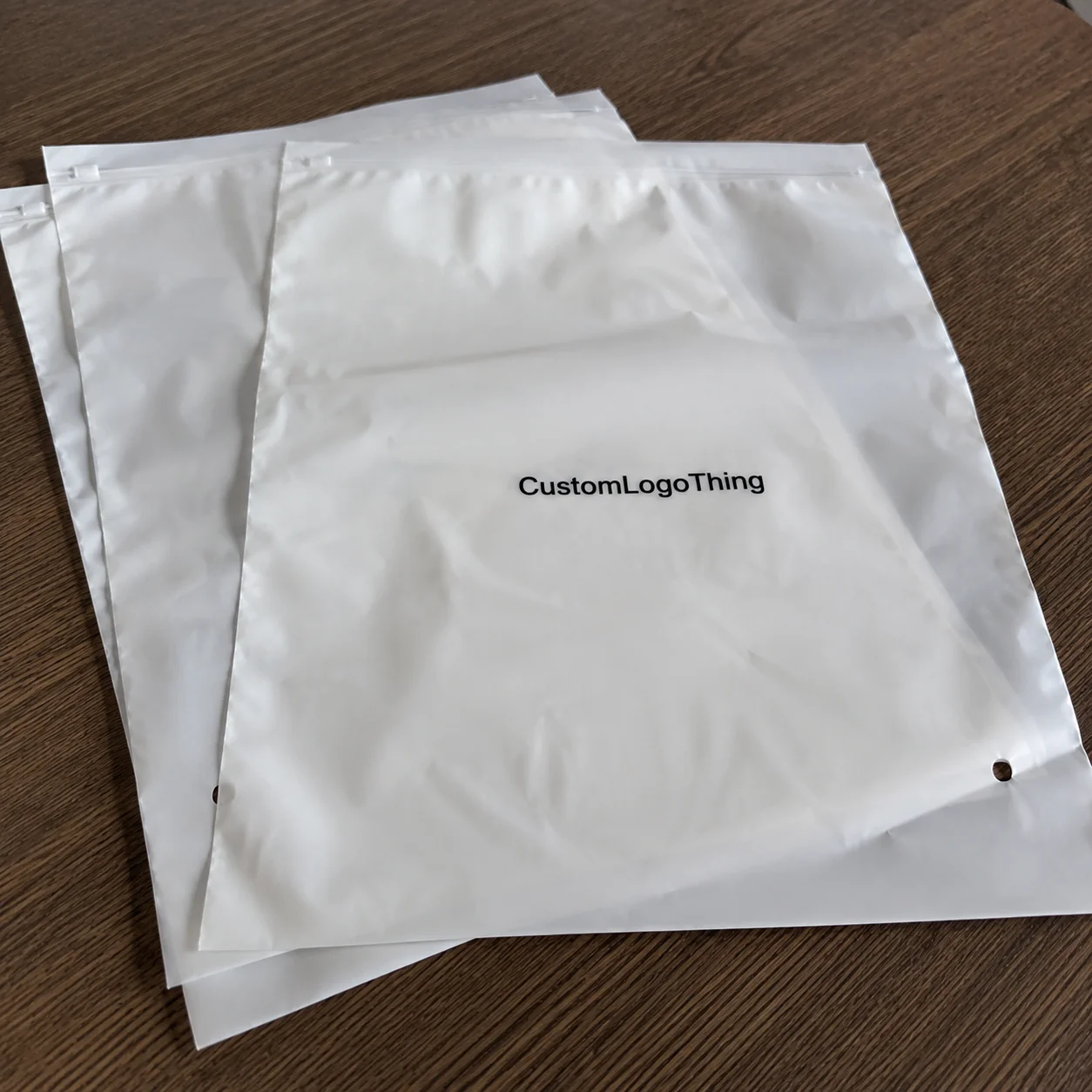
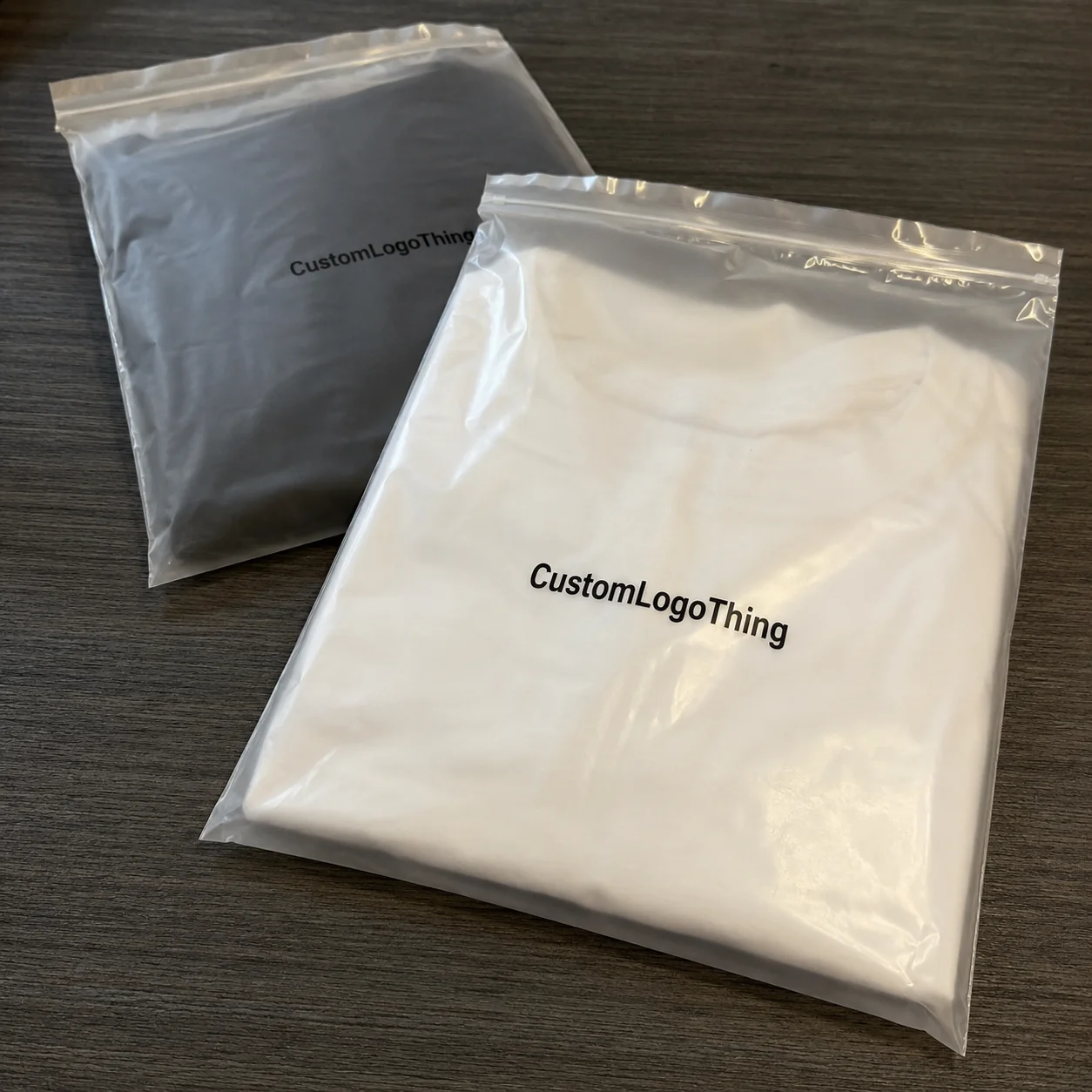
Buyer Fit Snapshot
| Best fit | Black Friday Packaging for Retailers projects where brand print, material claims, artwork control, MOQ, and repeat-order consistency need to be specified before quoting. |
|---|---|
| Quote inputs | Share finished size, material target, print colors, finish, packing count, annual reorder estimate, ship-to region, and any compliance wording. |
| Proofing check | Approve dieline scale, logo placement, barcode or warning zones, color tolerance, closure strength, and carton packing before bulk production. |
| Main risk | Vague material claims, crowded artwork, missing packing details, or unclear freight terms can make a low unit price expensive after revisions. |
Fast answer: Black Friday Packaging for Retailers: Artwork Proof, Packing Count, and Landed Cost should be specified like a repeatable production item. The safest quote records material, print method, finish, artwork proof, packing count, and reorder notes in one written spec.
Production checks before approval
Compare the actual filled-product size with the drawing, then confirm tolerance on folds, seals, hang holes, label areas, and retail display edges. Reserve space for logos, QR codes, warning copy, and material claims before decorative graphics fill the panel.
Quote comparison points
Review material grade, print process, finish, sampling route, tooling charges, carton quantity, and freight assumptions side by side. A quote is only useful when the supplier can repeat the same color, closure quality, and packing count on the next order.
Black Friday Packaging for retailers gets ugly fast when the math is wrong. I’ve watched teams underestimate Black Friday packaging for retailers by 30%, then scramble into spot-market pricing for boxes at $0.41 a unit instead of the $0.18 they budgeted. That little miss turns into late shipments, crushed margins, and a warehouse that looks like a tape dispenser exploded. In one Midwest distribution center outside Columbus, Ohio, a single packaging misforecast pushed freight spend up by $6,800 in five days.
I’ve spent enough time on factory floors in Shenzhen and in backrooms with U.S. retail ops teams in Chicago, Dallas, and Los Angeles to know the same thing happens every peak season: the packaging plan gets treated like a side quest. It isn’t. Black Friday Packaging for retailers is part inventory planning, part labor planning, and part damage prevention. Ignore any one of those, and you pay for it in refunds, re-shipments, and angry emails that start with “why did my order arrive dented?”
There’s also a quieter problem. Teams often assume packaging is a static cost center, like the electricity bill. It’s not. Packaging changes how fast people work, how many units fit on a pallet, and how often a customer gets a bad first impression. I’ve seen a retailer save $0.04 on the box and lose $0.17 in total landed efficiency. That’s the kind of math that makes finance squint and operations mutter a few choice words.
Black Friday Packaging for Retailers: Why It Gets Messy Fast
Black Friday packaging for retailers means packaging built to survive a sudden spike in order volume, a faster pick-and-pack rhythm, heavier promotional loads, and a much higher return rate. It has to work in the warehouse, on the truck, and in the customer’s hands. Pretty is fine. Useful is better. Retail packaging that only looks nice is a liability when a pack line is moving 1,800 units a day from 6 a.m. to 10 p.m.
The holiday spike stresses every part of the packaging system at once. Storage space shrinks because cartons and mailers stack up faster than they leave. Labor gets expensive because temporary workers need simpler pack-out logic. Material availability gets weird because suppliers run short on common sizes. Carrier cutoffs tighten. Damage rates tick up because everyone is rushing. Black Friday packaging for retailers is basically a stress test with invoices attached, and those invoices can jump by 12% to 20% in a single peak week.
Here’s the part people get wrong: they treat product packaging and fulfillment packaging like the same thing. They’re not. A box that sells well in-store may be terrible for shipping. A gorgeous sleeve can add 18 seconds to pack time. I once stood in a client’s warehouse in Newark, New Jersey, while a supervisor told me, “The boxes look premium.” Sure. The boxes also slowed their pack line by 22% and cost them two extra people during peak week. Cute packaging. Expensive mistake.
Retail-ready packaging keeps product moving through fulfillment without drama. It uses the Right Box Size, the right insert, the right tape, and the right label placement. Black Friday packaging for retailers has to be boring in the best way. If nobody notices it, that usually means it’s doing its job. A 350gsm C1S artboard sleeve may look refined, but if it adds 14 seconds at the bench, the warehouse will feel it by lunch.
For brands building branded packaging or custom printed boxes, the trick is balancing visual identity with speed. I’ve seen teams spend $1.20 per unit on fancy finishes and then lose $3.80 per order in extra handling and damage. That’s not branding. That’s expensive theater. A matte 1-color print on a 32 ECT corrugated mailer often beats a foil-heavy structure that requires manual inspection.
“The box is not the hero. The box is the bodyguard.”
If you’re using Black Friday packaging for retailers to protect the customer experience during peak demand, then the goal is simple: keep shipping fast, keep damage low, and keep costs from sneaking up behind you like a tax auditor. In practice, that means less than 2% transit damage, pack times under 40 seconds for standard orders, and enough buffer stock to survive a delayed pallet from a regional plant in Guangdong or a converter in Ohio.
How Black Friday Packaging for Retailers Actually Works
Black Friday packaging for retailers follows a workflow, whether the team admits it or not. First, products arrive inbound. Then the warehouse stages materials for packout. Next comes packaging selection, labeling, and carton sealing. After that, parcels get handed to carriers, and finally they face last-mile delivery, where gravity and conveyor belts do their favorite hobby: causing problems. A typical cycle from receiving to ship confirmation can move in under 90 minutes during a clean shift, or stall for 4 hours if packaging is missing.
Speed lives and dies in the middle of that process. Pre-folded mailers save seconds. Right-sized cartons cut void-fill. Standardized inserts reduce decision-making. Batch-ready tape and label setups keep workers from pausing every 30 seconds. I once visited a facility in Southern California, near Ontario, where they standardized five carton sizes and shaved 11 seconds off every order. That sounds tiny until you multiply it by 14,000 orders. Suddenly, it’s a labor budget line item worth more than $42,000 in saved labor over a two-week peak.
Packaging format depends on SKU fragility and order size. A cosmetics retailer shipping lip gloss or mascara may use slim mailers or light corrugated envelopes with a paper insert. A home goods brand shipping mugs, ceramic planters, or candles usually needs double-wall cartons, molded pulp inserts, or foamless paper protection. Same Black Friday rush. Very different packaging design. A 6-ounce lipstick set and a 2.4-pound stoneware mug do not belong in the same shipper, no matter how tidy the inventory spreadsheet looks.
Operational bottlenecks show up in boring places. SKU mix is a big one. If your catalog has 120 box sizes and no logic to your packaging SKUs, your warehouse team will waste time hunting for the “close enough” carton. Uneven box sizes create gaps, and gaps create filler, and filler creates labor. Missing packaging inventory is even worse. I’ve seen a team in Atlanta run out of mailers on a Thursday afternoon and spend $2,300 on emergency freight from a regional supplier because they didn’t track usage by the hour. That is not a fun conversation with finance.
The best Black Friday packaging for retailers supports a clean workflow:
- Inbound products are counted and staged by SKU family.
- Packaging is sorted by the most common order profiles.
- Labels, tape, and inserts are placed within arm’s reach.
- Packers use a simple decision tree, not guesswork.
- Carrier handoff happens with minimal rework and fewer exceptions.
If your team needs a packaging refresh, I’d start with the basics on Custom Packaging Products. Nothing fancy. Just packaging that fits the job instead of fighting it. A clean 12 x 9 x 4-inch mailer or a 200 x 150 x 60 mm carton can cut wasted void-fill by 15% to 25% in a typical apparel or accessories program.
Key Factors in Black Friday Packaging for Retailers
Four things decide whether Black Friday packaging for retailers helps your margin or drains it: cost, protection, speed, and brand impact. I’d add sustainability too, because customers notice waste faster than they notice your supply chain heroics. A box that arrives in a box the size of a microwave carton for a pair of socks is a public relations problem with corrugate.
Cost is not just unit price
People love quoting the box price. Fine. But the cheapest carton on paper can be the most expensive choice in practice. Real cost includes storage, labor, fill material, damage, and re-shipments. A $0.22 mailer that reduces pack time by 9 seconds may outperform a $0.16 option that causes a 4% damage rate. That’s math, not marketing. At 20,000 orders, those 9 seconds equal about 50 labor hours saved.
When I sat in a purchasing review with a regional apparel chain in Minneapolis, they were obsessed with saving $0.03 per unit. I asked them how much a failed delivery cost. The answer was $8.50 once you counted the replacement item, service labor, and shipping. Suddenly, everyone became interested in “the expensive box.” Funny how that works.
Protection depends on the product and the route
Fragility, stackability, and transit distance shape packaging choice. A domestic parcel traveling 2 states is not the same as a coast-to-coast shipment bouncing through a hub with conveyor drops. Black Friday packaging for retailers has to account for that. If the product can’t tolerate compression, you need stronger corrugated. If it can shift around in transit, you need inserts or better internal fit. A package going from Phoenix to Boston may face 4 to 6 handoffs, not 1.
For packaging standards, I always tell clients to look at ISTA test methods and not just trust a desk drop test. ISTA 3A or 3E-style thinking is a lot closer to reality than “it survived on the conference table.” If you’re shipping retail goods in volume, actual transit testing matters. A 30-inch drop on one corner from a test tower in the factory can tell you more than a dozen hopeful taps on a meeting-room table.
Speed is a packaging decision
Speed sounds like a warehouse issue, but packaging drives it. A mailer with a self-seal strip is faster than one that needs extra tape. A standardized insert is faster than a custom crumple paper arrangement. A carton that fits three top-selling SKUs beats three separate boxes every time. Black Friday packaging for retailers should reduce touches, not add them. One extra fold or one extra label placement can cost 6 to 10 seconds per order.
I’ve seen pack stations move from 42 orders per hour to 57 simply by changing to pre-assembled mailers and moving label printers closer to the bench in a Dallas-area 3PL. No new software. No big capex. Just less nonsense. A $480 printer relocation and a $0.12 self-seal upgrade beat a $14,000 labor overtime bill.
Brand still matters, even in a rush
Retail packaging is not only about survival. Customers still open these boxes. They still notice if the inside looks sloppy, overfilled, or cheap. That doesn’t mean you need a velvet interior and foil everywhere. It means the packaging should look intentional. Clean tape lines. Correct sizing. Inks that don’t rub off. If you’re using custom printed boxes, the print quality needs to hold up under handling, not just in the mockup. A 2-color flexo print on 32 ECT board often survives transit better than a high-gloss finish that scuffs in the first mile.
I’m a fan of smart package branding: one or two strong brand cues, not a parade of expensive finishes. Spot UV, soft-touch lamination, and foil all have their place. But during peak shipping, simple wins more often than flashy. A branded inner wrap, a 1-color logo, and a clean insert can carry the look for $0.11 to $0.19 per unit, depending on quantity and board grade.
Sustainability can save money, not just the planet
People treat sustainability like a separate project. It shouldn’t be. Right-sizing reduces corrugate use and dimensional weight. Recyclable materials can cut disposal issues. Eliminating unnecessary filler means fewer seconds per order. The EPA recycling guidance is useful if your team wants to make sure materials actually belong in a recycling stream instead of a wishful-thinking pile. A 10% reduction in void-fill can save hundreds of pounds of paper per 10,000 shipments.
Black Friday packaging for retailers can support sustainability if the specs are disciplined. Less wasted material. More recycled content where appropriate. Better fit. Fewer damaged items. That’s not charity. That’s operational hygiene. If your outer carton moves from 275gsm to 350gsm C1S artboard for a premium mailer, the spec should be tied to transit risk and not just a marketing mood board.
| Packaging Option | Typical Use | Relative Unit Cost | Speed Impact | Protection Level |
|---|---|---|---|---|
| Poly mailer | Soft goods, apparel, light accessories | $0.08–$0.18 | Very fast | Low to medium |
| Rigid mailer | Flat items, documents, slim products | $0.20–$0.45 | Fast | Medium |
| Single-wall corrugated box | General retail orders, moderate fragility | $0.35–$0.95 | Moderate | Medium to high |
| Double-wall corrugated box | Fragile, heavy, or high-value items | $0.70–$1.80 | Slower | High |
| Custom insert system | Fragile kits, gift sets, premium product packaging | $0.15–$0.60 add-on | Depends on fit | Very high |
Those ranges vary by size, print coverage, board grade, and volume. A 5,000-piece order is not priced like a 50,000-piece order. Anyone pretending otherwise is either new or selling something. A quoted insert price of $0.15 per unit for 5,000 pieces can fall to $0.09 at 25,000 pieces if the tooling is already approved and the print setup is stable.
Black Friday Packaging for Retailers: Pricing, MOQs, and Budget Planning
Black Friday packaging for retailers gets expensive when people budget for only the material. That’s the rookie mistake. Pricing usually reflects printing setup, material grade, box dimensions, color count, finish, and order quantity. A plain unprinted mailer at 10,000 units might land at $0.14 each. A custom printed box with matte lamination and a two-color interior might jump to $0.88 or more. And yes, the quote may be “competitive.” That word has cost me money before, especially on a run out of Dongguan, China, that looked cheap until freight, mold charges, and repacking were added.
Minimum order quantities matter because they decide how much risk sits in your inventory. A small retailer may need a lower MOQ to test a new format without tying up cash. A larger chain usually gets better economics by committing to volume and locking production. I’ve negotiated with suppliers like PakFactory and UPrinting for smaller runs that needed quick turn, and I’ve also dealt with larger converters who wanted tighter specs, longer lead times, and cleaner forecasting. Both models work. Neither forgives sloppy planning. A 3,000-piece prototype run in Los Angeles can make sense if your Black Friday test order is small and your shelf life is short.
Here’s the budget structure I recommend for Black Friday packaging for retailers:
- Packaging materials: cartons, mailers, inserts, tape, labels, void-fill.
- Fulfillment labor: pack time, training, staging, and overtime.
- Contingency spend: rush reorders, replacement stock, carrier-related fixes.
I’ve seen retailers spend $14,000 on packaging and ignore the $19,000 labor drag caused by awkward box selection. That’s why I never judge a packaging quote by itself. Total cost per shipped order is the metric that matters. If a format saves 7 seconds per order across 18,000 orders, that is 35 labor hours, which can mean the difference between staying under budget and paying overtime in week 47.
Custom printed boxes are usually worth it only when the brand value, unboxing experience, or repeat-purchase lift justifies the extra lead time and setup cost. For a premium beauty line, sure. For a discount clearance event? Maybe not. Black Friday packaging for retailers should reflect product economics, not ego. A box with a 1-color exterior and a plain kraft interior can often do the job at $0.26 to $0.39 less per unit than a premium multi-finish box.
One more thing: freight. A box can be cheap from the factory and still end up pricey if it ships poorly. Flat-packed corrugated is efficient. Odd-sized cartons with poor nesting are not. Ask for pallet counts, cube efficiency, and carton dimensions before you approve anything. The supplier should give you those numbers without acting offended. If production is coming out of Vietnam, Shenzhen, or a converter in Poland, ask for the pallet load count, gross cube, and ship window before paying a deposit.
Step-by-Step Process and Timeline for Black Friday Packaging for Retailers
Black Friday packaging for retailers works best when it starts early enough to avoid chaos. My rule is simple: if you’re still discussing box size when the warehouse is already short on floor space, you’re late. A good project usually needs 8 to 12 weeks from concept to dock, and custom print can stretch that to 14 weeks if revisions pile up.
8–12 weeks out: review the data
Start with last season’s damage reports, pack times, and top SKUs. Which products caused the most returns? Which boxes were too tight? Which mailers got crushed? Pull the numbers. Don’t rely on memory. Memory is how teams end up ordering 8,000 of the wrong size because “we used them a lot last year.” Look at order history from Chicago, Miami, and Phoenix separately if those regions ship different SKU mixes.
This is also the time to review packaging design changes. If a product changed dimensions by 6 mm because the supplier altered the insert, that matters. Tiny dimension changes can wreck the fit. A 6 mm increase on length can force a new carton die, a new insert, and a new packing motion if the old box was already tight.
6–8 weeks out: sample and test
Order samples. Test them with real products. Run the tape you actually use. Print labels on the same printers. Fill the boxes the way the warehouse will fill them. If you’re using FSC-certified paper or board, confirm the supplier can document it properly. For sourcing and material claims, I like the clarity available through FSC. It keeps sustainability claims from turning into a legal headache. Sample approval should happen in 3 to 5 business days if everyone responds on time.
I once visited a packaging line where the sample looked perfect until the team tried to place the shipping label. The label wrapped over the seam because nobody tested the actual front panel width. That mistake cost them two weeks. One ruler would have prevented it. Amazing technology. A 4-inch-wide label needs a clear panel, and that should be measured before you approve a run.
4–6 weeks out: approve production and stage storage
Lock the artwork, die lines, and production specs. Confirm board grade, print finish, and pack quantity. Make sure your warehouse has enough space for the incoming cartons or mailers. Black Friday packaging for retailers is useless if it arrives and blocks a fire lane. If your inbound carton count is 12 pallets, reserve at least 160 square feet of clear staging area in the warehouse.
Training matters here too. Create a simple pack guide with photos and one-line instructions. No one in a peak warehouse wants to read a four-page document. A one-page sheet with box codes, label positions, and filler rules gets used more often than a binder that stays in an office drawer.
2–4 weeks out: set replenishment rules
Decide when to reorder. If a carton hits a trigger level, who gets the alert? If a mailer shipment runs late, what is the approved substitute? Substitution rules should be written before the rush, not invented during it. That’s how companies end up using a random oversized box and stuffing it with too much filler, which then increases dimensional weight charges. Brilliant, in the worst way. A clear reorder point at 20% inventory remaining can keep a 10-day stockout from becoming a 3-day crisis.
Peak week: watch the numbers daily
During peak shipping, track pack time, damage rate, carrier exceptions, and packaging consumption every day. If one format is dragging, shift to a faster option. Black Friday packaging for retailers is not a set-it-and-forget-it project. It’s a live system. A 7 a.m. daily check of usage by packaging SKU can catch shortages before the afternoon wave hits.
In one client meeting, a retailer admitted they didn’t know which packaging SKU was consuming the most labor. I asked how they were measuring it. They weren’t. No dashboard. No counts. Just “vibes.” Vibes do not ship parcels. A weekly spreadsheet and a daily count sheet are more useful than a guess from a tired shift lead in hour nine.
Common Mistakes Retailers Make with Black Friday Packaging
The first mistake is ordering too late. That leads to rush freight, higher unit pricing, and fewer choices. A box that should have cost $0.29 suddenly lands at $0.46 because someone remembered it after the supplier’s press schedule was already full. That’s not a supply chain issue. That’s a calendar issue. I’ve seen a 10-day delay in proof approval push production from Shanghai to a more expensive backup line in Malaysia.
The second mistake is using one box size for everything. It sounds simple. It also forces workers to overfill, underfill, or hunt for a different carton every few minutes. Black Friday packaging for retailers works better when the most common order profiles have dedicated formats. One size for every SKU is lazy, not efficient. If your top 20% of SKUs make up 70% of orders, they deserve their own packaging logic.
The third mistake is ignoring carrier guidelines. Dimensional weight surprises can wreck your budget. So can reclassification fees and rejected parcels. If a carton is oversized for the contents, the carrier may price it as a larger package even if it weighs almost nothing. Lovely. Expensive. Predictable. A box that measures 18 x 12 x 8 inches may cost more than a 14 x 10 x 6-inch option even when the product weight is identical.
The fourth mistake is choosing packaging that slows the pack line. Fancy closures, delicate finishes, and extra inserts may look premium, but if they add 12 seconds per order, you’ll feel it by lunch. Black Friday packaging for retailers needs to be fast first, pretty second. Sometimes both. Rarely pretty at the expense of speed. A soft-touch sleeve that needs hand alignment is a bad idea during a 3,000-order afternoon surge.
The fifth mistake is skipping real-world testing. A package can look perfect on a sample table and still fail on a conveyor or in sortation. I’ve watched this happen with rigid mailers that survived hand drops but cracked once they rode through automated handling. If your product is going into parcel networks, test it under actual stress, not showroom stress. A carton should survive at least one vibration test, one corner drop, and one compression check before it ships by the thousands.
The sixth mistake is treating packaging as a last-mile problem only. It starts earlier than that. If the inbound pallet is awkward, if the carton stacks badly, or if the label panel is tiny, the warehouse pays for it long before the carrier sees the box. That’s why packaging choices should be reviewed alongside fulfillment, not handed off like a hot potato.
“A one-minute test can save a six-figure mistake.”
Expert Tips for Better Black Friday Packaging for Retailers
Use a packaging SKU map. That means identifying which products can share the same packaging format so your warehouse stops guessing. A good map can cut decision time and reduce mispacks by a noticeable margin. In my experience, the best Black Friday packaging for retailers is the kind that removes judgment calls from the pack line. A map with 8 to 12 packaging families is often enough for a mid-size retailer.
Standardize tape widths, label rolls, and filler materials. It sounds dull. It is dull. It also makes training easier, which matters when temporary workers show up and need to be productive in one shift instead of one week. I’d rather have five boring, repeatable materials than 19 “nice options” nobody can remember. A 48mm tape roll, a single 4 x 6 label format, and one fill spec can simplify training in New Jersey, Texas, and California at the same time.
Negotiate production windows, not just price. A supplier can quote you $0.31 per unit and still miss your timeline. Ask for a confirmed window from proof approval to ship date. In my old sourcing days, I used to push for 12–15 business days from proof approval on standard custom printed boxes, but that depends on volume and finish. If a vendor can’t tell you when they’ll produce, the price is only half the story. A plant in Shenzhen may promise 10 days, but if artwork revisions take 3 days and the freight booking takes another 4, the real lead time is longer.
Run a pack-speed test before peak season. Measure how long each format takes per order, including taping, labeling, and insertion. Track the difference between a carton with a tuck-in flap and a mailer with a peel-and-seal strip. Two seconds here, four seconds there. Then multiply it by 25,000 orders. That’s real labor money. If one format is 8 seconds faster and you ship 30,000 units, you save about 67 labor hours.
Keep an emergency buffer of the highest-moving items. I’m not talking about a warehouse full of excess stock. Just enough to survive a delayed truck or a bad forecast. A buffer of 500 to 2,000 pieces, depending on volume, can keep one late shipment from becoming a full fulfillment failure. If your top box ships out of a plant in Monterrey, Mexico, keep at least one backup pallet in-region.
When packaging matters to both protection and presentation, I often recommend a hybrid approach: standard shipping structure with a branded inner layer. That gives you package branding without forcing the outer shipper to carry all the visual weight. Smart. Cheaper. Less annoying for the warehouse. A kraft outer box plus a 350gsm printed insert can deliver a premium feel without adding another $0.60 to every shipment.
One more practical tip: build in a quick fail-safe for substitutions. If the preferred mailer runs out at 2 p.m., the team should know whether to move to box B or stop the line and call purchasing. That sounds basic, but I’ve seen more chaos created by missing substitution rules than by broken machinery. Kinda embarrassing, but entirely preventable.
What to Do Next: Build Your Black Friday Packaging Plan
Pull last season’s numbers first. Damage rate. Packing time. Packaging spend. Top 10 SKUs by order volume. If you can’t find those numbers, that’s your first project. Black Friday packaging for retailers should be based on facts, not optimism and a sticky note. A spreadsheet exported from your WMS in under 10 minutes is better than a debate that lasts two hours.
Choose your top three packaging formats based on protection, cost, and speed. Not vibes. Vibes are expensive. One mailer for soft goods, one standard corrugated box for general orders, and one reinforced option for fragile products is often enough for a lot of retailers. That may sound unglamorous. It also tends to ship better. For a 12,000-order program, three formats are usually easier to control than ten.
Request samples from at least two suppliers and test them with real products, real tape, and real warehouse staff. I want to know how the box feels after 300 openings, whether the print scuffs, and whether the label stays flat. That’s the kind of unromantic detail that keeps peak season from turning into a service nightmare. If one sample is $0.24 and another is $0.29, the cheaper one still loses if it adds 5 seconds per order.
Set reorder points and timeline milestones now. Not later. Black Friday packaging for retailers should already be staged before the rush hits. Write the milestones on one page and send them to purchasing, operations, and customer service so nobody pretends they “didn’t know.” A simple calendar with proof approval on October 3, production on October 10, and inbound receipt by October 27 can prevent a November panic.
Finally, write a one-page packaging SOP for peak season. Include box sizes, mailer types, fill material, label placement, substitution rules, and escalation contacts. Keep it short enough that people actually read it. The best SOP is the one that gets used. A one-page sheet posted at each packing bench in Charlotte, Illinois, or Nevada does more than a 14-page document nobody opens.
If your team needs help sourcing packaging, start with Custom Packaging Products and build from there. The point is not to buy more packaging. The point is to buy the right packaging for the pressure you’re about to face. A clean spec, a confirmed lead time, and a sensible MOQ can matter more than a glossy sample in a sample room.
Black Friday packaging for retailers is never just boxes and tape. It’s labor, protection, speed, and margin wrapped together. Get the system right, and the customer sees a clean arrival instead of a mess. Get it wrong, and you’ll learn the true cost of “we’ll figure it out later.” That lesson usually arrives with chargebacks, replacement shipments, and one very expensive spreadsheet.
FAQs
What is the best Black Friday packaging for retailers with fragile items?
Use corrugated boxes with product-specific inserts or molded protection so items do not shift in transit. The best Black Friday packaging for retailers with fragile items should be chosen based on drop risk, compression, and carrier handling, not just appearance. I’d test with real weights, a 24- to 48-inch drop, and a real shipping lane before placing a bulk order. A mug, for example, usually needs more internal support than a soft beauty kit.
How early should retailers order Black Friday packaging?
Start planning 8–12 weeks before peak shipping if you need custom print or new box sizes. If you expect supplier delays or higher-than-normal volume, earlier is better. Build time for sampling, revisions, and freight into the schedule so your Black Friday packaging for retailers arrives with a buffer, not a panic note. For a custom box out of Shenzhen or Dongguan, 12–15 business days from proof approval is a common production window, but freight can add another 7 to 21 days depending on route.
How can Black Friday packaging for retailers reduce shipping costs?
Right-size cartons to reduce dimensional weight charges. Use lighter materials where product protection allows. Reduce pack time and damage claims, because labor and replacements quietly eat margin. A lot of Black Friday packaging for retailers saves money by trimming waste instead of chasing the lowest unit price. Cutting a carton from 18 x 12 x 10 inches to 14 x 10 x 8 inches can materially change carrier pricing on a 3-pound shipment.
What packaging materials work best for Black Friday shipping volume?
Pre-folded mailers, standard corrugated cartons, and consistent void-fill usually work best for high volume. Pick materials that your team can pack fast and repeatably. Avoid formats that require too much custom handling during peak season, because Black Friday packaging for retailers should help speed, not slow it down. A 32 ECT carton, a self-seal poly mailer, and one fill type are easier to manage than a shelf full of special cases.
How do retailers know if their Black Friday packaging is ready?
Run a live pack test with real orders, not just a sample on a desk. Check for damage, pack speed, label placement, and storage efficiency. If your team can pack it quickly and it survives transit, you’re close. That’s the practical test for Black Friday packaging for retailers, and it beats guessing every time. If you can process 50 test orders in under 90 minutes with less than 1% damage, you are in good shape.
Should retailers use custom packaging or standard packaging for Black Friday?
Use custom packaging only where it earns its keep. If a custom structure cuts damage, speeds packing, or protects a premium product, it can be worth the added cost. If it just looks prettier on a mockup, it’s probably not. For many retailers, a standard outer shipper with a branded insert gives the right balance of speed, cost, and presentation.