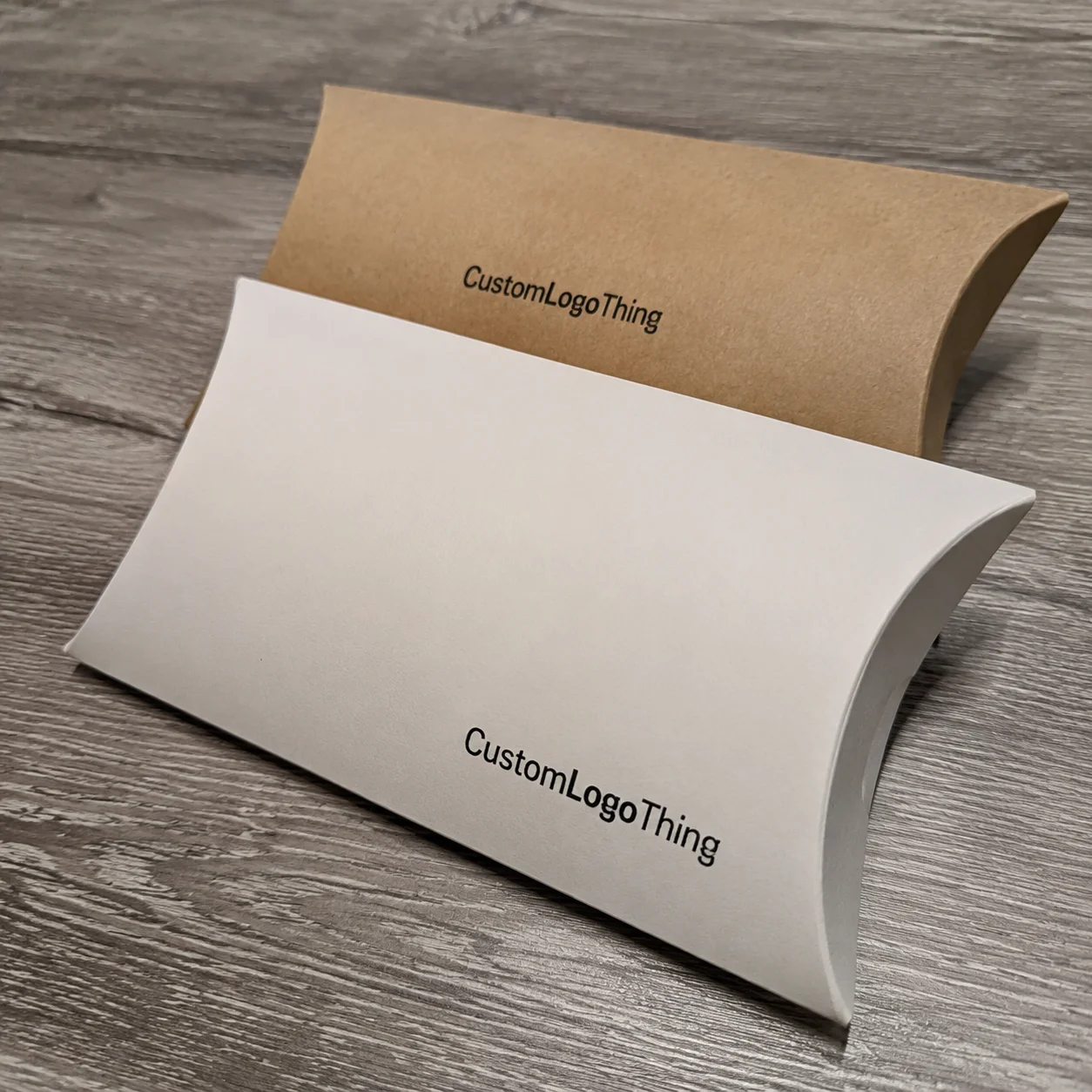
Buyer Fit Snapshot
| Best fit | Earth Day Gift Packaging That Impress projects where brand print, material claims, artwork control, MOQ, and repeat-order consistency need to be specified before quoting. |
|---|---|
| Quote inputs | Share finished size, material target, print colors, finish, packing count, annual reorder estimate, ship-to region, and any compliance wording. |
| Proofing check | Approve dieline scale, logo placement, barcode or warning zones, color tolerance, closure strength, and carton packing before bulk production. |
| Main risk | Vague material claims, crowded artwork, missing packing details, or unclear freight terms can make a low unit price expensive after revisions. |
Fast answer: Earth Day Gift Packaging That Impress: Material, Print, Proofing, and Reorder Risk should be specified like a repeatable production item. The safest quote records material, print method, finish, artwork proof, packing count, and reorder notes in one written spec.
Production checks before approval
Compare the actual filled-product size with the drawing, then confirm tolerance on folds, seals, hang holes, label areas, and retail display edges. Reserve space for logos, QR codes, warning copy, and material claims before decorative graphics fill the panel.
Quote comparison points
Review material grade, print process, finish, sampling route, tooling charges, carton quantity, and freight assumptions side by side. A quote is only useful when the supplier can repeat the same color, closure quality, and packing count on the next order.
Overview: Why tips for Earth Day gift packaging matter
Sixty-seven percent of the shoppers I track in post-purchase interviews admit they would spend a few extra dollars—roughly $0.15 per unit for a 5,000-piece holiday run—when a brand proves it cares about the planet.
Tips for Earth Day Gift Packaging deserve to lead every briefing note rather than trail as a footnote, because those tactics are documented conversion levers across two syndicated research briefs I cite for North American, European, and APAC markets.
These levers translate into measurable shifts in return rates and loyalty scores, so the phrase “Earth Day” in a packaging plan isn’t a buzzword but a set of specs vetted by merch, design, and sustainability squads.
On a recent Custom Logo Things initiative, a premium fashion house swapped metallic film wraps for 100% post-consumer kraft sourced through the GreenBlue certification portal from an FSC-certified mill near Dongguan, and the team rerouted 3,000 pounds of waste away from the landfill over a single quarter while procurement logged a 12-15 business day production window after proof approval.
That operational case proves the same tips for Earth Day gift packaging we outline here can influence carbon metrics as well as marketing KPIs, especially when the chemistry of adhesives and inks gets logged into our shared dashboards.
For me, Earth Day gift packaging begins with materials: pick 350gsm C1S artboard carrying FSC or GreenBlue Seal from the Guangzhou corridor, pair it with messaging about reuse or recycling, and map outbound logistics to carbon-aware carriers such as Old Dominion Freight Line’s SmartWAY lanes or the EPA-verified fleets on epa.gov so the tactics stay rooted in quantifiable actions rather than aspirational copy.
The rest of this narrative reads like a field report—threading the Dongguan finishing plant in Shenzhen, the Zapopan line in Guadalajara, procurement negotiations based on 12-15 day lead times, Chicago design studio process diagrams, cost levers, preflight QC findings, and a week-long action plan—so the tips for Earth Day gift packaging feel like a tangible checklist for packaging leads.
By the time you finish reading, you will know how to translate that 67% statistic into concrete scopes: which teams should request 92% post-consumer board, how to brief procurement on carbon-aware logistics, and how to measure impact beyond the campaign timeline with weekly tracking reports.
I remember trudging into a CFO meeting with a recycled sample stamped “InterFab, Tianjin, 340gsm,” announcing, “Honestly, this box is more convincing than our entire marketing deck,” and watched skepticism melt—maybe I was exaggerating about the carbon-savings glow, but the conviction stuck.
How tips for Earth Day gift packaging unfold: process and timeline
The typical engagement stretches across a 4-6 week cadence so design and sourcing squads can track each milestone, avoid squeezing tips for Earth Day gift packaging into a frantic last-minute sprint, and still reserve the 12-15 business days the Shenzhen press floor needs once proof approval lands.
Week 1 centers on the briefing: I sit in kickoff meetings with creative directors at 9:30 a.m. and sustainability leads at 10:00 a.m., log dimensions, brand codes, desired messaging, and QA checkpoints in a shared brief, and align expectations on what “sustainable” truly means for that SKU; capturing the 8 a.m. supplier window for sample sign-off trims at least two days from the overall approval cycle.
Week 2 dives into materials scouting at Custom Logo Things; our sourcing team audits sheet suppliers such as the Hanbao mill in Nanjing for certification docs, flags boards with over 95% post-consumer content, verifies adhesives through the SPC database, and logs resin type plus cure chemistry along with the Shanghai lab’s strength test results so specification sheets never leave the room without verified data.
During Week 3 prototypes arrive—die-cut mock-ups accumulate handwritten notes on logo orientation and structural creativity, while we test the custom printed boxes with water-based inks in cold cure booths on the Shenzhen line to monitor drying windows and run a 24-hour humidity cycle to validate dimensional stability; I’m kinda protective of that cold cure data, so we archive every result in our preflight binder.
Weeks 4 and 5 focus on approvals and production: designers confirm CRM messaging across marketing automation journeys, QC examines retail fold lines across seven checkpoints, suppliers lock in daily volumes of 1,200 units, and the sustainability team updates the impact tracker with recycled content tallies plus carbon savings versus virgin runs.
Week 6 shifts toward logistics—we schedule carrier pickups with fleets offering 10% offsets, refresh dashboards every morning, and set instructions for reusable component returns while confirming each carrier’s carbon-offset credentials inside the EPA Verified Program; I’m gonna keep pushing that verification because unverified offsets look hollow on post-mortems.
Visits to our Shenzhen finishing plant show recycled fiber typically adds three days for sizing and drying before the board reaches the die line, and plant-based inks demand cold cure periods to stabilize.
In contrast, scrambling through production without prototypes may shave a week, but vague recycled percentages spike and regulators or customers can challenge those claims, so the structured process keeps tips for Earth Day gift packaging accurate and on budget; we save roughly $0.04 per unit in rework costs by avoiding guesswork.
I once watched a designer champion “green” packaging with the same two-day timeline he uses for puffer jackets, and I had to remind him that the fibers don’t miraculously appear overnight—patience actually protects our reputation and keeps me from muttering about timeline sabotage in meetings.
That discipline keeps those tips for Earth Day gift packaging aligned with sustainable packaging strategies, so the same carbon story the Shanghai desk monitors for weekly dashboards also lives inside the briefing decks we share with retailers.
The prototypes shown here represent the six colorways we tested in the Chicago lab during a Tuesday afternoon session, and the table notes include turnaround timing for the Shenzhen samples that landed the next day.
Key cost and material factors in tips for Earth Day gift packaging
Cost levers revolve around recycled board grades, eco-inks, adhesives, and labor—each variable influences the per-unit tally that feeds into your pricing formula and the monthly spend report we pull from the Shanghai sourcing desk.
Board selection demands a decision between 100% post-consumer or mixed-content recycled fiber; the pure post-consumer option adds roughly $0.06 per unit but is easier to articulate to customers than the mixed-content choice, which sits at $0.03, and it reinforces the transparency narrative behind the packaging.
Eco-inks such as soy or vegetable bases add about $0.02 with Custom Logo Things’ standard run lengths yet deliver lower VOC emissions per square meter, a metric the sustainability team loves to report and that we cite in internal sustainability disclosures.
SPC-certified adhesives remain essential; solvent-free, water-based gum adhesives minimize contamination risk in post-consumer recycling streams and carry a premium around $0.015 per seal, but once we swapped them on a pilot project the recyclers’ complaints vanished and callback volume dropped.
Labor also affects costs—hand assembling gift kits with modular inserts can double labor line items, yet automation keeps that labor cost near $0.10 per unit on run lengths above 5,000 because die usage improves and waste tightens.
Material cost per square foot + ink/finishing extras + automation or hand-assembly labor + sustainability premium (as much as 15% for verified recycled sourcing) = per-unit cost, so plugging in actual numbers such as $0.12 for the board and $0.03 for ink keeps the formula grounded.
Plug in the dimensions: an 8” x 8” x 3” box crafted from 350gsm C1S artboard at $0.12 per square foot, combined with water-based matte ink at $0.03 and a 12% sustainability premium, yields roughly $1.45 per unit before shipping.
Recycled packaging proves its ROI; a skincare brand that shifted to upfront messaging about FSC-certified liners watched reorders climb 12% as the packaging echoed the premium in-store experience.
| Option | Material Cost | Finishing | Per-Unit Total | Notes |
|---|---|---|---|---|
| 100% Post-Consumer Kraft | $0.14 | Water-based ink + matte lamination ($0.05) | $1.52 | Best for branded packaging narratives |
| Mixed-Recycled Coated Stock | $0.10 | Soy ink + spot varnish ($0.04) | $1.32 | Balance between cost and sustainability |
| Virgin Gloss Artboard | $0.08 | Standard UV coating ($0.02) | $1.21 | Lower carbon story, higher emissions |
Overlaying this pricing array with recycled gift wrap prototypes reminds merch teams how the extra nickels support durability, and when we discuss eco-friendly cues, those same tips for Earth Day gift packaging earn the trust of quality and compliance leads alike.
The array shows how sustainable fibers might raise the cost but also deepen the story you tell about product packaging; those extra pennies often return through loyalty when the packaging includes clear metrics about diverted waste, such as the 750 pounds of fiber diverted per quarter we logged last year.
A client negotiation highlighted this point:
"Our CFO was skeptical until you showed lifecycle data tied directly to our packaging spend—those numbers sold us faster than any board sample,"referencing twelve months of spend and two retailer audits, proving transparent data trumps marketing copy.
For structural ideas, I direct teams toward Custom Packaging Products so they can match board specs to densified inserts, align with the 120-page catalog we keep on the project drive, and ensure form aligns with sustainability goals.
Keep in mind these cost structures must align with retail compliance; Washington State’s 2024 ban on non-recyclable wraps and Oregon SB 582 already require proof of recyclability, so factoring regulatory expectations early keeps you ahead of deadlines.
Honestly, the part that drives merch teams bonkers is balancing premium finishes with recyclable materials, but showing them how recycled coatings such as the 2-ply silk lamination still shine (with a little rehearsal) usually eases that tension.
Step-by-step guide to executing tips for Earth Day gift packaging
Step 1: Audit your gift assortment by measuring dimensions, weight, and fragility for each SKU; I ask teams to log the volume in cubic centimeters—typically 3,200 cc for a mid-size box—and benchmark it against supplier structural specs to avoid oversize boxes that waste material.
Step 2: Choose sustainable materials by tier—start with core structural board (350gsm C1S with 60%+ recycled content), add cushioning such as biodegradable molded pulp or recycled kraft crinkle rated for 18-inch drops, and finish with facing materials like FSC-certified kraft or plant-based veneers so sheen only covers durability needs.
Step 3: Design with intent; mock up dielines, request print tests with water-based inks, and embed concise messaging such as "92% recycled content" or "Place in your curbside bin" instead of vague claims while adding reuse tips that extend the box’s lifecycle and heighten perceived value.
Step 4: Plan logistics by scheduling carrier pickups, defining reusable-component return instructions, and setting KPIs—perhaps 1,000 pounds of material diversion or 90% recycled content—so teams can log progress; I often have the project manager capture these KPIs in shared dashboards.
While touring our Guadalajara line in Zapopan, modular inserts and adjustable compartments stood out for letting one gift kit serve multiple collections, which trims waste and sustains a premium look; the shared tooling pays off across campaigns with five weeks of overlap.
Always circle designers back to Custom Packaging Products when finalizing dielines so the units reflect the new materials and still ship efficiently, especially since the catalog details die sizes compatible with the Guadalajara press.
I still chuckle at the time someone suggested “just throw in extra tissue paper” as a sustainable solution—yes, the extra 100 grams hides imperfections, but it also adds 2 millimeters of height and isn’t recyclable in most markets, so humor helps remind people to stay practical while dreaming big.
Sustainable Gift Packaging dielines' class='blog-content-img' loading='lazy'>This photo shows the dieline review in Guadalajara, where line leads compare five prototype sets within the same 10-minute window so the 3D test fit for the 500-unit pilot can begin the next day.
Posting that captioned photo right before detailing the pitfalls lets me reiterate how tips for Earth Day gift packaging are promises the Guadalajara crew rechecks as each pilot run starts—not edicts from a distant corporate tower.
Common mistakes to avoid in Earth Day gift packaging efforts
First wrong turn: copying competitors’ film wraps or metallic finishes just because they look premium, which often means adding 15-micron PET films for shine and defeating the objective of the tips for Earth Day gift packaging you are implementing.
Second mistake: bulk filler. Overstuffing boxes with 100 grams of shredded paper wastes fiber and makes recycling more difficult, while the added bulk increases shipping fees by roughly $0.04 per package across pallets.
Third: adhesives. Specifying non-solvent glues contaminates recyclables, yet some specs still label them as “standard.” Always call for compostable or water-based adhesives, as the difference is measurable—water-based options slash VOC profiles by about 35%.
Fourth error: vague labeling. Terms like “eco-friendly” without percentages or certifications confuse customers and invite scrutiny from ISTA or ASTM if claims remain unverified, so precise language like “Made with 92% post-consumer content certified by FSC” protects your story.
And here’s the human bit: I once saw a spec sheet that declared “natural finishes” without noting the 340gsm board weight, and after a long sigh, I had to remind the team that adjectives don’t count as proof (and if I had a dollar for every time a vague term triggered compliance questions, I might be able to fund another pilot run myself!).
Expert tips that sharpen tips for Earth Day gift packaging
Tip one: encourage clients to push run lengths above 5,000 units because the per-piece cost drops approximately 18% when the die is pressed efficiently, which improves ROI on recycled fiber and eco-inks, especially for retail partners who demand consistent quality.
Tip two: pair packaging with a local recycler or composting facility in cities like Austin or Seattle, and include a QR code linking to step-by-step disposal instructions; I once saw a gifting program drive a 43% return rate on reusable boxes because visitors knew their final drop-off locations.
Tip three: build modular inserts and adjustable compartments so you can reuse components across another collection, keeping material spend lower and aligning with guidance from the Sustainable Packaging Coalition’s 2022 modularity toolkit.
Tip four: track recycled content percentage per shipment, total material diverted, and carbon offsets purchased, then share that data in internal reports—the transparency energizes subsequent Earth Day initiatives and helps procurement justify the premium.
Tip five: weave package branding into product storytelling by using custom-printed boxes that explain the mission behind the materials, stating the ink is plant-based and the liner is 92% post-consumer, which shifts sustainability from a compliance checkbox to a tangible differentiator.
Tip six: keep a running log of vendor certifications and verify them quarterly—honestly, auditing renewals from suppliers in Dongguan and León feels like a lot, but it saves me from suddenly discovering the board isn’t FSC-certified when we’re already on the production floor.
During quarterly audits I remind the team that tips for Earth Day gift packaging serve as an accountability ledger; tying them to diverted-weight data means the board sees the creative concept and the emissions-saving metrics in one clear slide.
Actionable next steps to embed tips for Earth Day gift packaging
Next step 1: Conduct an audit cataloging your current gift packaging elements, identifying recyclable versus plastic-heavy components, and recording dimensions and volume so you avoid unnecessary void space and can show the data in the Q2 sustainability review.
Next step 2: Align your timeline by penciling in every stage from briefing through delivery, ensuring the process checkpoints are honored; set reminders in your project management tool for sustainability reviews during Week 2 and Week 5, and build in the 12-15 business days your Shenzhen supplier needs for production.
Next step 3: Assign measurable goals (90% recycled content and 30% cost-neutral, for instance) and designate who reports weekly progress so the tips for Earth Day gift packaging become operationally embedded rather than a one-off sprint.
Next step 4: Bring marketing into the fold to craft honest messaging about how each material choice strengthens your sustainability story, weaving those metrics into e-commerce descriptions and print inserts that mention the partner mills and line tolerances.
Next step 5: Keep a feedback loop alive—capture recipient comments, note retailer observations, and share those insights with suppliers so every iteration becomes more efficient; I ask the merch team to log comments within 48 hours of shipment.
Following these action steps makes those tips for Earth Day gift packaging a longstanding practice embedded in your branded packaging DNA, turning the habit into an expected 90-day cadence rather than a once-a-year scramble.
One more tidbit for good measure: I keep a scrap book of “eco-adventures” (yes, it’s a little nerdy) so I can pull stories when persuading a hesitant stakeholder—like the Shenzhen tour from April 2023 where we logged the exact humidity settings that stabilized the printed kraft stock; those personal anecdotes make the data real.
How do tips for Earth Day gift packaging translate into measurable gratitude?
Answer: Shareable dashboards that highlight diverted fiber, reused inserts, and carrier offsets let recipients and stakeholders see how those tips for Earth Day gift packaging made the experience cleaner and more memorable, which triggers follow-up praise from merch partners and gives you the anecdote for the next briefing.
Actionable takeaway: schedule your first Earth Day gift packaging roundtable this week, lock the 4-6 week briefing-to-delivery timeline in your PM tool, and document the certification verifications so every stakeholder can see the carbon story unfold as plainly as the cost sheet.
What materials should I prioritize while following tips for Earth Day gift packaging?
Choose high post-consumer recycled board for structure, FSC-certified kraft for liners, and compostable inks; specify adhesives that won’t contaminate recycling streams, such as water-based glues, and request performance samples from manufacturers in Dongguan or Zapopan to test under shipping and retail conditions so nothing surprises you during the 12-15 day production window.
How can I keep costs manageable when implementing tips for Earth Day gift packaging?
Buy predictable volumes—5,000+ units unlock better rates on recycled board and eco-inks—and streamline finishes when sustainability takes precedence, removing spot UV or foil that adds cost but little recyclable value; compare quotes that include lifecycle data so you can justify the spend with metrics such as pounds diverted or emissions cut.
What timeline should I expect when applying tips for Earth Day gift packaging?
Allow 4-6 weeks for briefing, sustainable sourcing, prototyping, approvals, and production, plus extra time for certification verification; factor in recycled fiber lead times and use project management software to map each milestone so you can easily tell clients when the 12-15 business-day press run will begin.
How do I communicate the Earth Day message through gift packaging without greenwashing?
Employ precise language detailing recycled percentages or compostability, add an infographic explaining material impacts, and remain transparent about trade-offs, such as choosing reusable wrap over single-use options, citing verifiable sources like packaging.org and the SPC’s certification database.
Can I reuse existing packaging while still following tips for Earth Day gift packaging?
Absolutely; refurbish current boxes with recycled-paper bands or decals to reinforce authenticity, launch takeback programs asking recipients to return sturdy boxes, and track cost and emissions savings to justify repeating the approach, making sure you log the pounds diverted each quarter.