If you are requesting a printed Frosted Zipper Bags quote for tea, the pouch is already shaping how the product will be judged. Tea buyers notice the surface finish, zipper feel, seal quality, and print sharpness long before they read the ingredients panel. Those details influence shelf appeal, giftability, and how confident a customer feels about opening the pack for the first time. A useful quote should reflect the actual bag construction, not a rough estimate that changes once the artwork is checked.
Frosted Zipper Bags work well for tea because they combine a soft matte appearance with the convenience of a resealable pouch. That combination suits loose-leaf blends, herbal infusions, sampler packs, and private label tea sold through retail or direct-to-consumer channels. The best way to get a reliable Printed Frosted Zipper Bags Quote for tea is to send a clear spec sheet from the start: size, quantity, film structure, closure, print coverage, and any extra features such as a window or hang hole. That removes a lot of backtracking and keeps pricing grounded in the real pouch.
Printed Frosted Zipper Bags Quote for Tea: What Buyers Should Expect
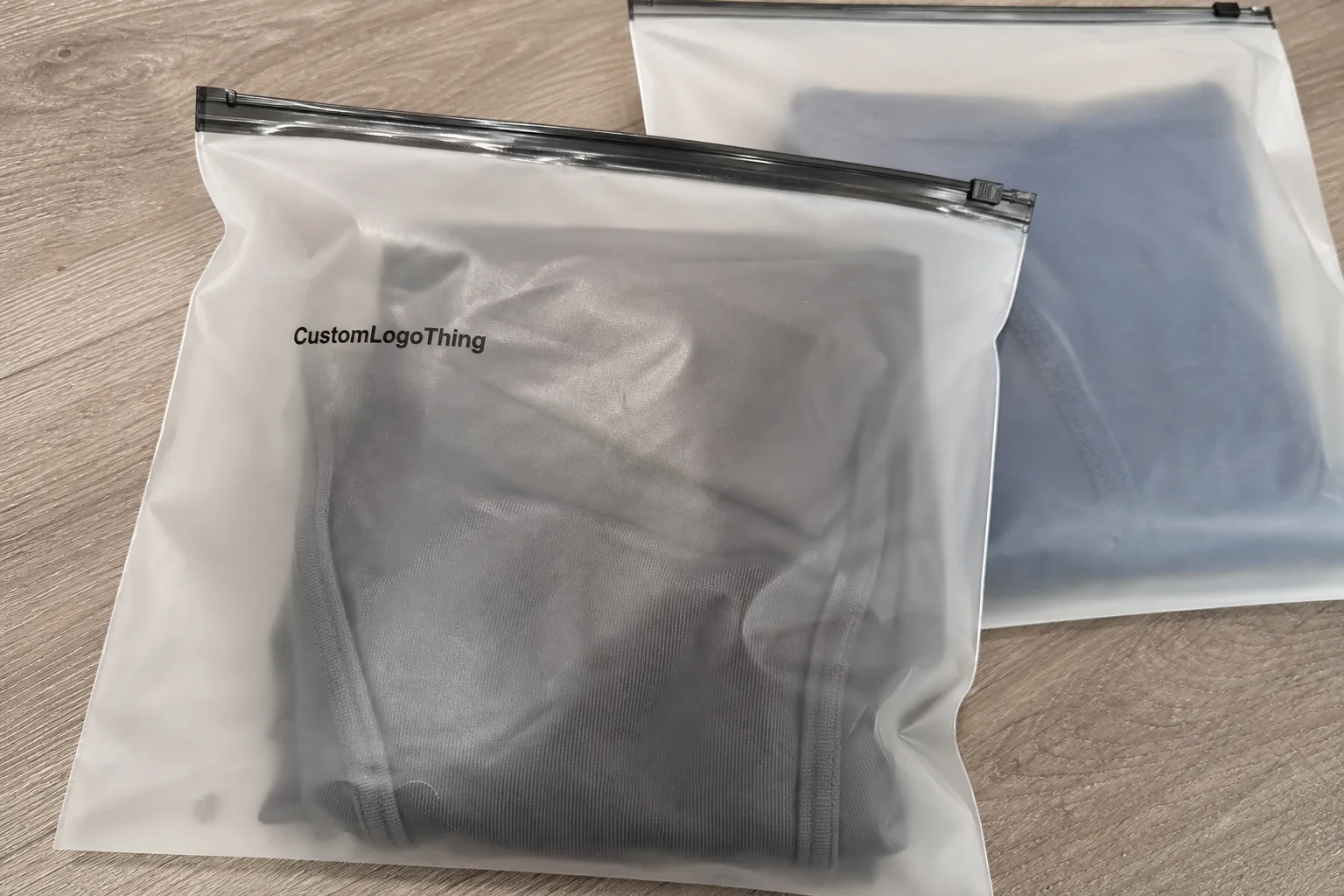
Tea packaging has a specific job. It needs to protect aroma, hold up during handling, and still look refined enough to support the brand. A loose pouch with weak structure or fuzzy print can make even a good tea look ordinary. A properly specified frosted zipper bag does the opposite: it frames the product, protects the contents, and gives the line a consistent retail presence.
The frosted finish matters because it changes the visual tone of the pack. Clear film can feel more literal and product-forward; frosted film is softer, quieter, and usually reads as more premium. That does not mean it is always better. If the tea relies on visible leaf color or texture as part of the selling point, a clear panel may still be useful. The right quote should account for the finish that matches the product story, not just the cheapest option.
For tea buyers, the main question is not simply what the bag costs. It is what the bag needs to do. If the pouch is being used for shelf display, the print area has to be large enough for flavor naming, brand hierarchy, and legal copy without crowding. If it is being shipped in subscription boxes, the zipper and seal need to survive repeated handling. If it is going into high-humidity storage, the film structure needs enough barrier performance to keep the tea stable.
A good quote request usually includes:
- Bag dimensions in width, height, and gusset depth if applicable
- Closure style such as zipper, press-to-close, or heat-seal top
- Print coverage front only, front and back, or all panels
- Quantity for the first run and the likely reorder volume
- Tea type so barrier needs can be judged correctly
A quote becomes much more dependable once the supplier knows the exact pouch structure. A vague email may get a fast reply, but it often produces corrections later when the dieline, seal area, or zipper location is reviewed.
Material, Finish, and Closure Options for Tea Pouches
Frosted zipper pouches are not all built the same way. The visible finish may look similar from one sample to another, but the film layers, seal strength, and print compatibility can vary a lot. That is why two bags that seem close on the surface can end up with very different pricing and performance.
For tea, the film choice is usually guided by three questions: how sensitive is the product to moisture and oxygen, how long does it need to stay fresh, and how premium should it look on shelf. A simple blend sold quickly through a local market may not need the same barrier performance as a delicate herbal tea with strong aroma retention requirements. A thicker bag helps with stiffness, but thickness alone is not the full answer. Layer structure matters more than a single number on a spec sheet.
Closure design is equally important. A resealable zipper supports repeat opening and closing, which matters for consumers who use the tea over several days. A tear notch creates a clean first opening. Some brands add a heat-seal strip above the zipper for tamper evidence, especially when the product will move through retail distribution. Hang holes are useful for peg display, though they have to be planned early because they affect the layout and die line.
Frosted finishes can be used in several ways:
- Full frosted surface for a soft, minimal presentation
- Frosted with window for partial product visibility
- Full coverage printing for strong brand blocking and high contrast
- Minimal print for cleaner, label-led designs
On frosted film, print design needs a little more discipline than it would on white paperboard or opaque labels. Fine text, small nutrition copy, and barcodes should be checked carefully. If white ink is needed as a base layer, the artwork will need to be built for that process. That can improve color vibrancy, but it also adds complexity and cost.
Tea packaging also has to manage practical information without becoming crowded. Brand name, tea variety, ingredients, brew instructions, net weight, and batch coding all need a place. If the front panel is overworked, the pouch stops feeling premium and starts looking cluttered. That is a design problem, but it also affects production because text that sits too close to seals or the zipper may have to be moved before print approval.
One point buyers sometimes miss: the bag is a functional package first and a graphic surface second. If the seal width is too narrow, if the zipper is stiff, or if the gusset collapses poorly, the pack may look good in a mockup and disappoint in use. Good suppliers will flag those issues before production rather than after the order has been printed.
Size, Thickness, and Artwork Specifications That Affect the Quote
The fastest route to an accurate printed Frosted Zipper Bags quote for tea is to provide the core spec set up front. At minimum, that means width, height, gusset depth if used, film thickness, zipper style, and print colors. If you already know whether the job needs CMYK, spot colors, or Pantone matching, include that as well. Every one of those details can move the price.
Size drives cost because more material means more film, more printing area, and more converting time. A compact 100 g pouch and a larger 250 g pouch may both be stand-up bags with zippers, but they are not the same product from a production standpoint. The larger bag may use a different die, different seal geometry, and a different film roll width, all of which change the unit cost.
Thickness matters, but not in a simplistic way. Buyers often assume a thicker bag is always better. That is not always true. In many tea applications, the film structure, seal quality, and barrier layers matter more than a small increase in thickness. A well-built laminate with the right barrier can perform better than a heavier but less suitable pouch.
Artwork has its own cost drivers. On frosted film, muted colors may need a white ink base to stay vivid. Full-panel artwork uses more press time and can require more careful color management. Artwork that extends too close to the zipper or seal zones may need to be adjusted before approval. If the barcode is too low or the copy is too tight to the edge, the layout may fail print review even if it looks acceptable on screen.
These are the specification points that help most during quoting:
- Tea type and whether the pack holds loose leaf, herbal tea, or a blend with delicate aromatics
- Exact pouch size with gusset depth if applicable
- Target film feel if the final structure is still being decided
- Print method and the number of colors or layers required
- Surface finish frosted, partially frosted, or frosted with window
- Artwork file status final, draft, or still under revision
Practical tip: send one approved dieline before asking for final pricing. That gives the supplier a fixed reference for print area, seal width, zipper positioning, and any cutout details. It also reduces the chance of a quote being revised later because the construction was interpreted differently.
| Option | Typical impact on price | Best use case |
|---|---|---|
| Standard size, limited print coverage | Lower unit cost | Core tea SKUs, private label, repeat orders |
| Larger pouch with full-panel artwork | Moderate increase | Premium retail tea, gift sets, display-focused brands |
| Thicker film with white ink and window | Higher unit cost | Aroma-sensitive tea, upscale presentation, stronger shelf appeal |
Pricing, MOQ, and Unit Cost for Custom Tea Bags
When buyers ask for a printed frosted zipper bags quote for tea, the price usually breaks into a few clear buckets: material, printing, setup, finishing, and freight. That is the simplest honest framework. If a supplier gives only one number without explaining the construction behind it, you lose the ability to compare like with like.
MOQ, or minimum order quantity, is often tied to print method, pouch size, and the number of setup steps required. Smaller runs usually cost more per unit because the fixed costs are spread across fewer bags. Once an order moves into a more efficient production band, the unit price typically drops. The breakpoints vary by supplier and structure, but the pattern is consistent across the category.
A realistic working range for many custom tea zipper bags is roughly $0.18 to $0.45 per unit. Simpler constructions with limited print can sit lower, while smaller orders, thicker film, white ink, special finishes, or more complex barrier structures can push pricing higher. That range is only a guide. The actual quote depends on the exact pouch build, not the category name on the product page.
Here is a useful way to think about the main price drivers:
| Quote factor | Lower-cost direction | Higher-cost direction |
|---|---|---|
| Quantity | Higher volume | Small test run |
| Artwork | Few colors, simple layout | Full coverage, multiple print elements |
| Construction | Standard size and zipper | Special window, hang hole, thicker laminate |
| Finish | Basic frosted surface | White ink, spot effects, premium detailing |
Comparing suppliers only by headline price is a mistake. A lower number may reflect a thinner film, a lighter zipper, reduced print area, or less careful prepress review. If the bag is intended for retail, those differences matter. If the zipper fails after a few openings or the print looks washed out under store lighting, the lower quote was not actually the better deal.
For repeat tea lines, ask whether the supplier can keep the same construction across reorders. Consistency matters. A different gusset depth or zipper profile can create stacking issues in warehouse packing and visible variation on shelf. Brands with multiple flavors usually benefit from a locked construction spec, even if the artwork changes from one SKU to another.
Production Steps, Lead Time, and Approval Timeline
Packaging runs move best when the approval path is clean. For a printed pouch order, the usual sequence is inquiry, spec confirmation, artwork review, quote approval, proofing, production, packing, and shipment. If any one of those stages is unclear, the schedule stretches. That is why a precise spec sheet saves more time than a long email thread trying to define the bag after pricing has already started.
Lead time depends on three things more than anything else: artwork readiness, proof approval speed, and the current production queue. A straightforward order may move from proof approval to production in roughly 12 to 15 business days. More complex jobs can take longer, especially if they involve white ink, multiple print colors, special laminate structures, or additional proof rounds. Freight time sits on top of production time and should be planned separately.
Sampling can be useful when the design is still being refined. A digital proof confirms layout, and a physical sample can help check zipper feel, bag stiffness, or how the frosted finish reads in hand. That is especially useful for tea, where shelf presentation and tactile impression carry real weight. A pack may look good on a screen and still need a small adjustment in opacity, text placement, or seal spacing before it is ready to run.
A practical timeline often looks like this:
- Day 1-2: inquiry and specification review
- Day 2-4: quote issued and revised if needed
- Day 4-7: artwork check and proof approval
- Day 7 onward: production, packing, and freight booking
Seasonal tea launches need extra buffer. Freight delays, artwork revisions, and file corrections can all eat into the calendar. If the packaging is needed for a holiday release or a subscription drop, it is safer to finalize the pouch earlier than the internal deadline suggests. The bag may be only one line item in the launch plan, but it can still become the item that holds everything else up.
For shipment and transit planning, formal packaging references can help. ISTA guidance is useful when evaluating how a pouch, carton, or master shipper may behave in transit, and FSC certification matters if the order includes paper-based inserts or cartons that need responsible sourcing documentation. See ISTA and FSC for general reference.
How to Compare Suppliers Before You Approve the Order
Do not compare suppliers on price alone. With tea pouches, a cheaper quote can hide a thinner film, a weaker zipper, reduced print area, or a less careful prepress process. Those details affect how the bag performs, how long it stays presentable, and how the product looks after a customer has handled it a few times.
Ask what the quote includes. Some suppliers price only the pouch itself and treat dieline cleanup, file corrections, proof revisions, and outer packaging as extras. Others include more of the prepress work up front. Neither model is automatically wrong, but the boundaries need to be clear before approval. Otherwise the final cost can drift well past the initial number.
For tea brands with repeat SKUs, consistency is worth checking early. If you plan to reorder every few months, the supplier should be able to maintain the same dimensions, film structure, and print setup. That stability keeps your warehouse process cleaner and helps the shelf presentation stay uniform across flavors. A slightly different pouch profile can create more trouble than most buyers expect.
There are a few functional questions worth asking before you sign off:
- Will the pouch work for retail display and shipping?
- Does the zipper feel secure enough for repeated daily use?
- Is the film suitable for the tea’s moisture and aroma sensitivity?
- Can the layout handle barcode, ingredients, and batch code placement without crowding?
Good suppliers answer these questions directly. They should be able to explain the bag structure, the print method, and the production path in plain language. If the conversation stays vague, the quote may be incomplete even if the number looks attractive.
For broader packaging context, industry resources from PMMI can help teams understand packaging design and production terms, while EPA reference material can be useful when evaluating disposal claims or sustainability language.
Next Steps to Request the Right Tea Packaging Quote
Before you send the request, gather the basics: tea type, bag dimensions, target quantity, surface finish, print files, and any added features such as a window, hang hole, or gusset. If you have a reference pack or a sample image, include that too. Visual direction helps align the frosted finish, text hierarchy, and overall tone of the bag.
If a key spec changes, ask for a revised quote rather than assuming the original number still applies. Size, film structure, and print coverage all affect cost and lead time. A small adjustment may not change much, but it is better to confirm than to discover later that the bag no longer matches the approved price.
The most useful request is a complete one: a production-ready specification that lets the supplier confirm construction, pricing, and schedule without guessing. That is the cleanest way to get a meaningful printed frosted zipper bags quote for tea. The quote should describe the real pouch, not a generic version of it.
In short: the right packaging quote ties together the tea type, pouch design, finish, closure, print coverage, and production timing. When those pieces are aligned early, the order usually moves more smoothly, and the finished bags are more likely to match the intended look and function on the first run.
What details do I need for a printed frosted zipper bags quote for tea?
Provide the bag size, order quantity, film thickness, zipper style, and print artwork. Include whether you need matte frosting, a window, a hang hole, or a gusset. Share the tea type so the supplier can recommend a suitable barrier level and closure.
How does MOQ affect printed frosted zipper bags for tea?
MOQ is usually tied to print setup and pouch size, so smaller runs often cost more per unit. Standard sizes and simpler artwork are easier to price at lower quantities. If you expect repeat orders, ask whether the same construction can be held for reorders.
Why do frosted zipper bags cost more than plain clear tea pouches?
The frosted finish, print setup, and custom finishing steps can add material and production cost. Resealable zipper bags also require more construction than basic heat-seal pouches. Higher barrier films or special print effects can raise the unit cost further.
Can I print brewing instructions on the back of tea zipper bags?
Yes, back-panel printing is common for brewing notes, ingredients, and regulatory copy. The layout should leave room for seals, zipper placement, and barcode zones. A clean dieline helps keep the text readable and properly positioned.
How long does production usually take after I approve the quote?
Lead time depends on proof approval, artwork readiness, and production load. Simple orders move faster than jobs with multiple print colors or special finishes. Build in time for proofing and shipping so the bags arrive before launch or restock.


