Buyer Fit Snapshot
| Best fit | Shipping Shoes in Poly Mailers projects where brand print, material claims, artwork control, MOQ, and repeat-order consistency need to be specified before quoting. |
|---|---|
| Quote inputs | Share finished size, material target, print colors, finish, packing count, annual reorder estimate, ship-to region, and any compliance wording. |
| Proofing check | Approve dieline scale, logo placement, barcode or warning zones, color tolerance, closure strength, and carton packing before bulk production. |
| Main risk | Vague material claims, crowded artwork, missing packing details, or unclear freight terms can make a low unit price expensive after revisions. |
Fast answer: Shipping Shoes in Poly Mailers: Film, Print, MOQ, and Carton Packing should be specified like a repeatable production item. The safest quote records material, print method, finish, artwork proof, packing count, and reorder notes in one written spec.
Production checks before approval
Compare the actual filled-product size with the drawing, then confirm tolerance on folds, seals, hang holes, label areas, and retail display edges. Reserve space for logos, QR codes, warning copy, and material claims before decorative graphics fill the panel.
Quote comparison points
Review material grade, print process, finish, sampling route, tooling charges, carton quantity, and freight assumptions side by side. A quote is only useful when the supplier can repeat the same color, closure quality, and packing count on the next order.
Tips for Shipping Shoes in Poly Mailers: What Actually Works
The first time I saw Tips for Shipping shoes in poly mailers go sideways, a factory manager in Dongguan handed me a pallet of “finished” orders and said, “Open one.” I did. The pair inside had bulged so hard the mailer looked like it had swallowed a cantaloupe. The seam was under stress, the corners were ugly, and the whole run got rejected. Cheap lesson? Not even close. More like a $3,800 lesson once rework, labor, and reshipments hit the books. In packaging terms, that was a very expensive 2.0 mil mistake.
That’s the reality with Tips for Shipping Shoes in poly mailers: the method can save money, but only if the shoe style, mailer size, and packing process actually match. We’re talking about soft goods and low-profile footwear, not a fantasy where every shoe magically turns into a flat envelope item because somebody wanted to shave $0.42 off the shipment. I’ve sat through enough packaging meetings to know that “it should fit” is usually code for “we did not measure anything.” One millimeter of optimism can become a week of customer service calls.
In plain terms, shipping shoes in poly mailers means placing lightweight footwear into a flexible polyethylene mailer instead of a corrugated box. It works best for sneakers without rigid inserts, sandals, slippers, kids’ shoes, and other flat footwear that can tolerate some compression. It’s less friendly to boots, premium leather shoes, sculpted heels, and anything with fragile finishes or ornamentation. Honestly, if a shoe needs to keep its personality intact, a bag is probably not the best roommate. A 3.0 mil bag may be enough for a knit trainer in Austin, Texas; it usually is not enough for a structured boot heading through a sorting hub in Memphis, Tennessee.
A lot of brands confuse package protection with cheap packaging. They are not the same thing. If your shoe can handle a little compression and your customers care more about price than fancy unboxing, tips for shipping shoes in poly mailers can be smart. If the product needs a clean presentation or crush resistance, a box still wins. That’s not me being dramatic. That’s just ecommerce shipping reality, especially when a $0.18 mailer is being compared with a $0.92 double-wall carton.
Here’s the tradeoff, laid out without the fluff: poly mailers usually reduce shipping weight, cut dimensional weight pain, and speed up order fulfillment. But they can also increase scuffs, customer complaints, and returns if you use the wrong size or skip internal protection. Before you switch, look at damage risk, presentation, and the return rate you can actually afford. I’ve seen teams celebrate a postage win on Monday and eat the regret by Friday. If you save $0.31 per order on 10,000 shipments, that looks like $3,100 in annual upside; if damages climb by 1.5%, the math evaporates fast.
Client quote I still remember: “Sarah, we saved $1.18 per order on postage, then lost $4.90 on the return and $2.10 on the replacement packing. Great math, terrible business.”
That’s why tips for shipping shoes in poly mailers should always be tested against your real SKU mix. A size 6 sandal and a size 13 trainer are not the same packing problem. Shocking, I know. (I wish it were; it would make my inbox much quieter.) The right answer in Jacksonville may be wrong in Louisville, where carrier handling, humidity, and route length can change how a bag performs after 48 to 72 hours in transit.
How Poly Mailers Work for Shoe Shipping
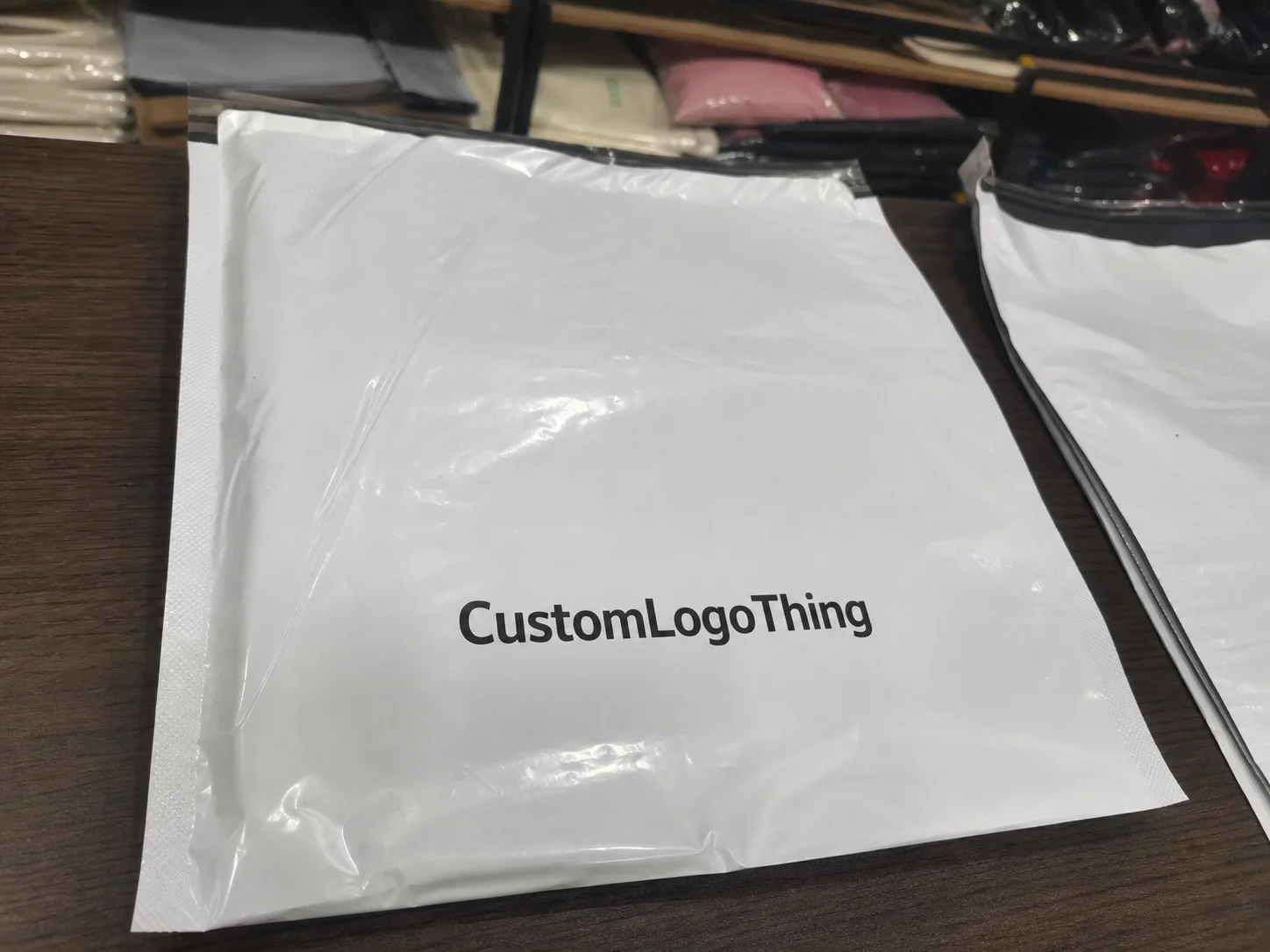
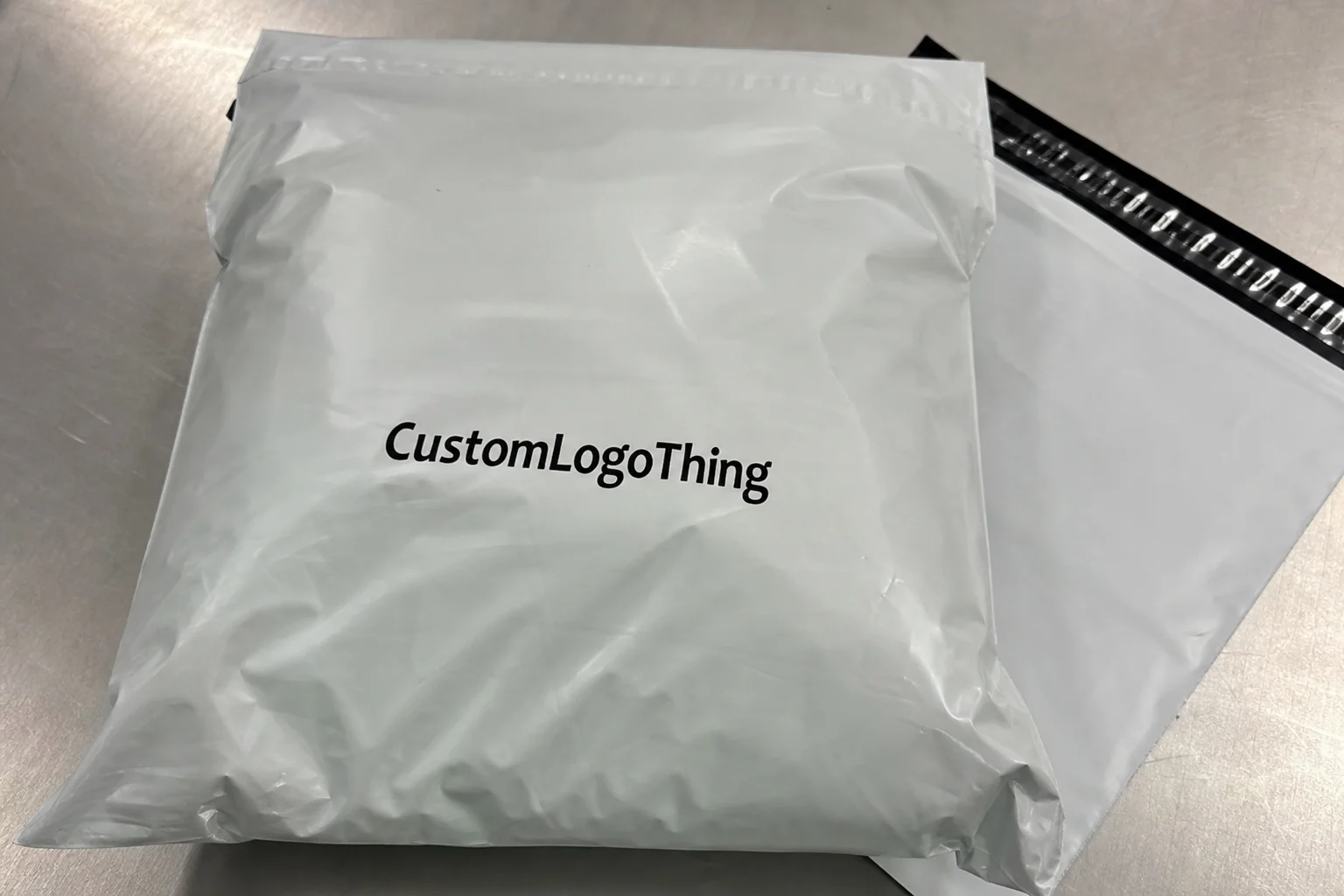
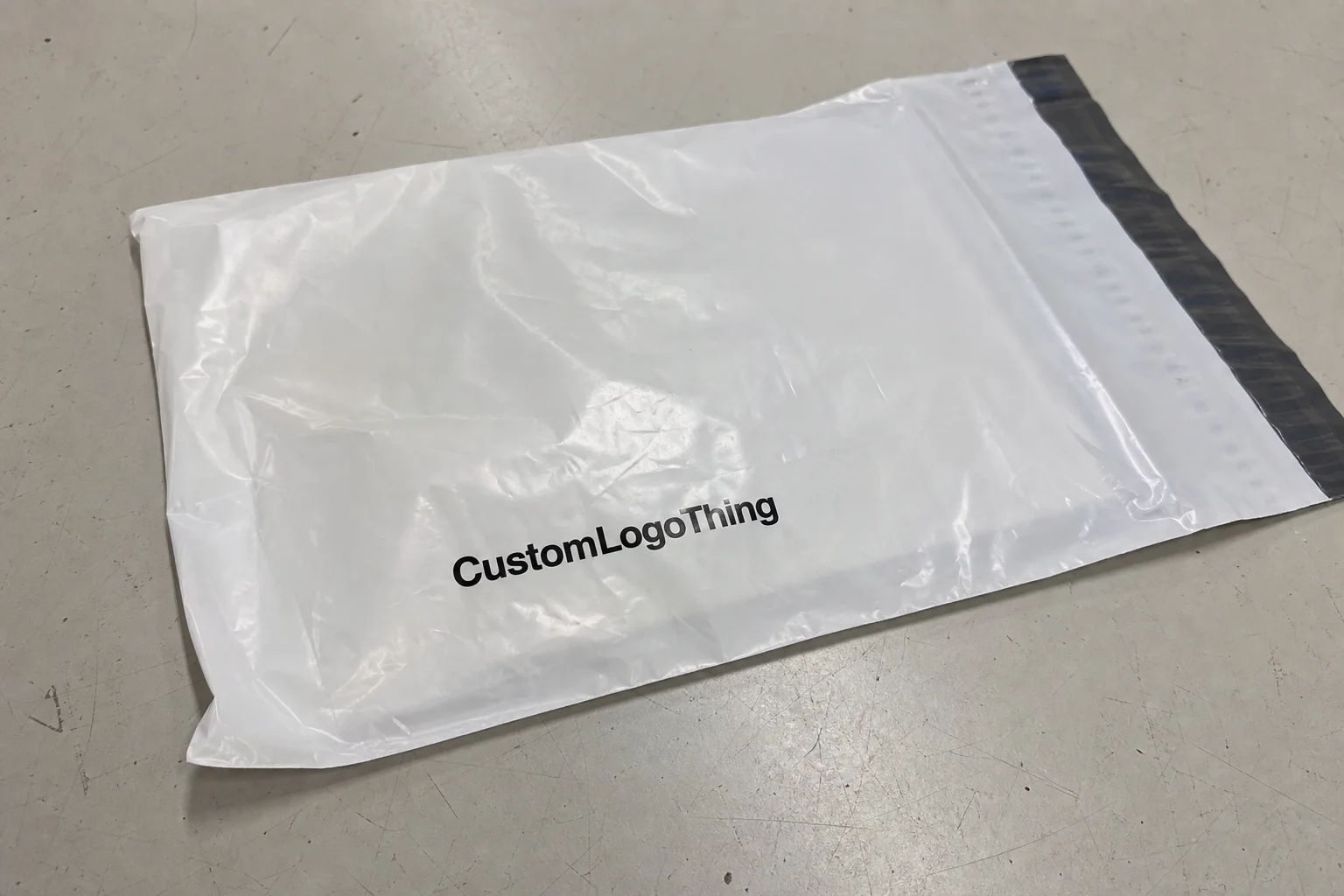
Poly mailers are lightweight polyethylene bags with heat-sealed or adhesive-closed edges. The good ones are water resistant, tear resistant, and light enough to keep shipping weight down by several ounces per order. In bulk, that adds up fast. I’ve bought 2,000-count runs from suppliers where the difference between a 2.5 mil bag and a 3.0 mil bag was only $0.03 per unit, but the extra strength mattered when the parcel hit a rough conveyor line in Shenzhen. A $60 upgrade on a 2,000-piece order can prevent a $600 damage headache.
The biggest advantage is flexibility. A corrugated box holds its shape, which means you pay for empty space too. A poly mailer compresses around the shoe pair, so the package is smaller and often cheaper to move. That matters in transit packaging because carriers price by weight and by dimensional weight. If your shoes fit into a mailer that stays under the carrier’s size threshold, you can dodge some annoying postage jumps. For USPS and major parcel networks, a package that stays under a 12 x 15 inch footprint can be much easier to keep in a lower rate band than a rigid carton that pops up to the next cubic tier.
There are a few versions worth knowing. Standard poly mailers are the cheapest. Padded mailers include a thin cushioning layer, usually bubble or paper-based padding, but they add cost and don’t always solve crush issues. Extra-thick shipping bags, often 2.5 to 3.5 mil, are my go-to if the shoes are light but the route is rough. I’ve seen brands use 3.0 mil opaque mailers for knit sneakers and save enough on freight to justify the better bag in under six weeks. That kind of math gets attention fast, especially from finance people who pretend they don’t enjoy a good chart. A 3.5 mil film in Chicago can cost $0.04 more than a 2.5 mil version, but if it cuts tears by even 0.7%, the upgrade pays for itself quickly.
Shoe shape matters more than people think. A flat sandal with stacked straps packs very differently from a chunky sneaker with a tall heel counter. Toe boxes, heel height, outsole stiffness, and whether the pair nests toe-to-heel all affect packability. If the shoes naturally sit flush together, tips for shipping shoes in poly mailers get easier. If they fight each other like siblings in the back seat, you’ll need more protection or a box. A 1.25-inch heel collar can create the same bulge as an extra 0.5 inch of film thickness if the pair refuses to sit flat.
Inner packaging helps a lot. Tissue paper, thin dust bags, and simple cardboard inserts keep shoes from rubbing against each other and reduce scuffing. I once visited a fulfillment center in New Jersey where they skipped tissue on black synthetic loafers to save $0.01 per pair. The customer reviews were brutal. Black scuff marks showed up on the first 150 orders, and the “savings” disappeared in two days. I still remember the packing lead staring at the returns cart like it had personally insulted him. A 35gsm tissue sheet would have cost less than the coffee in the break room.
For brands already working with Custom Poly Mailers, the real question is not whether poly mailers can be used. The question is whether your shoe line is one of the styles that can live with the tradeoff. If you need more rigid presentation, compare that against Custom Shipping Boxes before you lock anything in. A footwear startup in Columbus, Ohio may tolerate a mailer on a $38 casual shoe, while a $145 premium shoe sold in Seattle may need a box and a stronger insert.
Key Factors Before Using Tips for Shipping Shoes in Poly Mailers
Before you roll out tips for shipping shoes in poly mailers, I’d check six things: size, weight, material type, brand presentation, carrier handling, and your real cost model. Skip one, and you end up fixing problems in customer service instead of packing. I’ve watched that movie. It is not a fun sequel, and the tickets are always more expensive than the trailer suggested.
Size and weight are the first filter
Match the mailer to the packed dimensions of the shoe pair, not the sample pair on your desk. I’ve seen teams order one mailer size because the smallest women’s sneaker fit perfectly. Great. Then men’s sizes came in, the seams started stretching, and the whole inventory plan fell apart. Measure the actual packed pair in its final orientation, then add at least 0.5 to 1 inch of clearance where the adhesive strip closes. In practice, an 11 x 14 inch bag may work for a low-profile women’s sneaker, while a 14.5 x 19 inch bag may be safer for a larger trainer with a thick outsole.
Weight matters too. A lightweight pair of sandals might sit comfortably in a 10 x 13 inch mailer. A heavier sneaker may need a larger, thicker bag or a different format entirely. Most carriers won’t care about your feelings; they care about package dimensions and weight bands. That’s where dimensional weight starts making the budget wobble. Once a parcel crosses a dimensional threshold, a $6.80 postage label can jump to $8.95 or more, depending on zone and service level.
Material type tells you what kind of protection you need
Soft foam soles, knit uppers, and flexible synthetic materials usually behave well in mailers. Leather uppers, patent finishes, metallic coatings, and structured heel counters can scuff fast. In one supplier meeting in Guangzhou, I watched a buyer insist that glossy women’s flats could ship in a thin 2.0 mil bag with no insert. The sample came back with a rub mark on the toe. One mark. Enough to trigger a full pallet inspection. That’s why material type sits near the top of any serious list of tips for shipping shoes in poly mailers. If the upper finish scratches when you rub it for three seconds with a thumb, it probably should not be flying solo in a thin film bag.
Brand presentation changes customer expectations
Some shoppers accept a mailer. Some do not. A branded sneaker label can get away with a clean, opaque mailer and a well-folded tissue wrap. A premium fashion brand with a $140 ticket price usually needs more ceremony. Presentation affects review scores, unboxing videos, and repeat purchases. If your audience expects a box, a bag can feel like a cost-cutting move, even when the product arrives perfectly fine. The difference between a matte black mailer printed in Los Angeles and a plain white bag sourced in Dallas can shape customer perception before the seal is even broken.
Carrier handling is not gentle
Packages ride conveyors, get stacked, dropped, tossed, and crushed under heavier parcels. No, not every route is chaotic, but enough of them are that you should test like the worst case is real. Automated sorting systems and stacked cartons can compress a mailer. That’s exactly why tips for shipping shoes in poly mailers should be validated with real transit tests, not wishful thinking from a spreadsheet. The spreadsheet never has to answer customer emails, which is rude of it. A route from Atlanta to Phoenix can expose bags to more heat and friction than a short regional delivery from Portland to Tacoma.
Cost and pricing need full math
Here’s the part everyone wants to skip. Compare mailer cost, tape or seal cost, labor time, shipping weight, and likely return expense. A standard 2.75 mil poly mailer might cost $0.18/unit at 5,000 pieces. A branded box might cost $0.68 to $1.20/unit depending on board grade and print coverage. But if the mailer creates just a 2% increase in damage claims on a 20,000-order program, your “savings” can vanish quickly. Total landed cost is the only number that matters. I’ve seen a procurement team in Dallas brag about a $0.12 per-unit savings, then lose the margin in two weeks because return labels and replacement labor cost $5.60 per incident.
For businesses doing high-volume order fulfillment, speed matters too. Poly mailers can reduce pack-out time because the team doesn’t need to fold, tape, and void-fill a box. I’ve clocked a line in a Midwest warehouse where moving from boxes to mailers shaved 14 to 18 seconds per order. That sounds tiny until you multiply by 8,000 orders a week. Suddenly, everyone cares. Funny how that works. If labor runs $18 an hour, saving 15 seconds per order is roughly $0.075 in labor alone before you count packing materials.
Timeline and workflow can make or break the switch
During peak promotions, faster packing can be the difference between same-day dispatch and a backlog that turns into angry emails. Poly mailers can help if your shoes are already pre-paired, labeled, and staged by SKU. But if your team has to wrestle with inserts, reseal returns, and recheck sizes every time, the labor savings shrink. Good shipping materials should support the workflow, not slow it down. In a 25,000-unit holiday run, even a 10-second delay per parcel can add more than 69 labor hours.
| Packaging Option | Typical Unit Cost | Protection Level | Shipping Cost Impact | Best For |
|---|---|---|---|---|
| Standard poly mailer | $0.10-$0.22 | Low to moderate | Lowest dimensional weight impact | Sandals, slippers, low-profile sneakers |
| Thick poly mailer, 2.5-3.5 mil | $0.16-$0.32 | Moderate | Good savings with better durability | Knits, flat trainers, kids’ shoes |
| Padded mailer | $0.22-$0.45 | Moderate | Higher than standard mailers | Light shoes needing surface protection |
| Corrugated box | $0.68-$1.50+ | High | Often higher dimensional weight | Boots, premium shoes, fragile finishes |
If you want more packaging basics and sourcing options, I’d also check Custom Packaging Products to compare materials before you commit to one format. The wrong choice looks cheap on paper. It looks expensive after the first return wave. A 350gsm C1S artboard insert can protect a premium shoe better than a flimsy chipboard spacer, and it still costs far less than a full replacement order.
For technical references, the industry has solid standards worth respecting. The ISTA testing methods are a good benchmark for transit performance, and the EPA Sustainable Materials Management resources can help you think through waste and material efficiency. If you source responsibly, FSC matters for paper-based inserts and secondary packaging. Not everything needs a glossy brochure. Sometimes you just need to know what survives a truck ride, a sorting belt, and one bad transfer in Kansas City.
Step-by-Step Tips for Shipping Shoes in Poly Mailers
Now for the practical part. The best tips for shipping shoes in poly mailers are not theory. They’re a repeatable packing process that your team can follow on a busy Tuesday without guessing. Or, frankly, on a Monday when everyone is still trying to remember where they left the tape gun. A line supervisor in Reno once told me the cleanest process was the one a temporary worker could learn in under 20 minutes.
- Choose the right mailer size. Measure the pair after packing it toe-to-heel or sole-to-sole, then match the mailer to that finished footprint. Leave enough room so the seal doesn’t fight the shoes. If the adhesive strip is under tension, you are already losing.
- Add simple protection. Tissue paper, a thin dust sleeve, or a light insert reduces scuffing. For black or glossy shoes, I prefer a soft wrap over nothing. That extra $0.02 to $0.05 usually beats a replacement claim.
- Lay the shoes flat. Keep the thickest part centered so the mailer closes evenly. A crooked pair creates uneven stress and ugly bulging, which is the sort of thing customers notice immediately.
- Secure the pair together. If the shoes shift inside the bag, wrap them lightly or use a small inner bag. This is especially useful for multi-item orders where the shoes share the mailer with socks, laces, or inserts.
- Use a strong adhesive seal. A cheap seal on a cheap bag is how you get an embarrassing split in transit. Reinforce if needed. On heavier pairs, I like a wider strip and a thicker bag.
- Inspect the first run. Test 20 to 50 units before scaling. Check the seams, look for rubbing, and ask your receiving team what arrived looking rough. Your warehouse staff will tell you the truth before your customers do.
When I visited a contract pack-out operation in Mexico City, they were shipping kids’ sneakers in 11 x 14 inch poly mailers with a folded kraft insert and a single strip seal. The team hit 1,200 orders a day with almost no tear issues. Why? The shoes were lightweight, the mailer was 3.0 mil, and the line had a simple standard: no pair shipped unless it could lay flat without forcing the seam. That’s the kind of practical discipline that makes tips for shipping shoes in poly mailers actually work. The difference between a 2.5 mil and 3.0 mil bag was only $0.03 per unit, but it kept the whole operation stable.
Another thing people miss: pack the return experience too. If you accept exchanges, the shipment can come back in the same bag. That means the bag should survive opening and resealing, or you need a return-ready system. Tips for shipping shoes in poly mailers are not just about outbound shipping. Returns are where the cheap choice often gets expensive, and customers are not shy about telling you so. A bag that opens cleanly in Denver and reseals in Phoenix can save you from paying a second mailer, a second label, and a second complaint.
For a brand that wants more control over the presentation, branded mailers can help. A clean print, a matte finish, and a strong adhesive strip can make the package feel intentional instead of lazy. That’s where Custom Poly Mailers can bridge the gap between plain shipping and brand experience without jumping straight into box costs. In many cases, a branded mailer sourced from Shenzhen or Xiamen can arrive 12 to 15 business days after proof approval, which is fast enough for most replenishment cycles.
Common Mistakes When Shipping Shoes in Poly Mailers
I’ve seen every mistake in the book, and most of them are preventable. The worst part is that they usually start with someone saying, “It’s just a pair of shoes.” Sure. And a $2 mistake can become a $12 return the minute the customer opens a damaged package. I’ve had packaging buyers say that with a straight face, then look genuinely surprised when the returns dashboard turned angry red. In one Brooklyn warehouse, a single damaged SKU created 86 support tickets in 48 hours.
The first mistake is using a mailer that is too small. People force the shoes in, the seam stretches, and the bag gets that ugly overstuffed look that screams cheap. If the mailer has to fight the product, the product wins later by tearing the bag open during transit. That is not one of the better tips for shipping shoes in poly mailers. A bag should close with a little slack at the seal, not look like it survived a wrestling match in Nashville.
The second mistake is shipping styles that need box-level protection. Heavy boots, embellished flats, and shoes with fragile surfaces do not belong in flimsy bags. I once watched a brand try to mail suede loafers in a basic black poly mailer with no insert. Two words: surface rub. The damage was subtle enough that the warehouse missed it, but obvious enough for customers to complain. Subtle damage is expensive because it hides until the return window opens. Suede is especially unforgiving, and a 1.5-inch heel counter can create enough friction to ruin an otherwise clean delivery.
The third mistake is skipping internal protection because the outer bag is “cheap.” I’ve heard that line from buyers who then spent three times as much on replacements. A $0.03 tissue wrap can save a $48 product from arriving scuffed. That is not overkill. That is basic math. It is also the sort of thing that keeps customer service from sounding like they’re trapped in a wind tunnel of complaints. If your insert costs less than a dollar a dozen, it is probably not the place to cut.
Another issue is flimsy material. Thin mailers tear on sorting equipment, especially if the shoe has a hard edge or a protruding heel. I like to stress test by shaking the packed mailer for 10 seconds, then pressing on the corners. If it already feels weak in the warehouse, it will not improve in a conveyor system. A 2.0 mil film can work for some soft sandals; it is a poor choice for sharp-edged trainers moving through a regional hub in Indianapolis.
Moisture and dust matter more than many teams admit. If your warehouse sits in a humid area, or if the shipping lane is long and the bag isn’t sealed properly, you can end up with a package that looks dirty before it reaches the customer. That’s a bad look for ecommerce shipping, especially if the product is fashion-oriented or white-colored. A little moisture resistance goes a long way. Opaque film with a decent seal can stop light grime and handling marks before they become a complaint.
And yes, don’t forget return scenarios. If your business sees exchange rates above 12%, test the bag both ways. Some mailers handle outbound shipping fine but turn into shredded nonsense after the first return opening. That is how a supposed savings plan becomes a support ticket generator. I’ve watched a team save $0.26 on outbound packaging and lose $5.40 on return handling. Brilliant, if the goal was pain. If you test in both directions for 100 units, you’ll see problems a spreadsheet in San Jose will never catch.
Expert Tips for Better Shipping Results and Lower Costs
If you want tips for shipping shoes in poly mailers that actually improve margin, start with testing. Not one test. Several. I’d run at least three mailer thicknesses and two or three sizes against your best-selling shoe styles. Compare a knit sneaker, a sandal, and a low-profile kids’ shoe. That gives you enough data to see where the savings are real and where they vanish. Honestly, the first time I ran this kind of comparison, the “obvious winner” lost as soon as we looked at damage returns. That is why I trust results, not hunches. A 30-day trial in Denver told us more than six months of meetings in a conference room ever did.
Supplier choice matters too. I’ve sourced from Uline, PAC Worldwide, and smaller regional print shops, and the price spread can be bigger than you expect. One batch of 2,000 opaque mailers came in at $0.21 each from a national supplier, while a regional converter in Long Beach quoted $0.15 with a 12-business-day lead time and custom sizing. The local option was worth it because our damage rate stayed under 0.8% and we saved on overstuffed shipments. The cheapest quote is not always the lowest landed cost. Amazing concept, I know. A factory in Dongguan also quoted us 5,000 pieces at $0.15 per unit, which looked modest until we realized the right thickness saved more in claims than the discount alone.
Small upgrades can pay off. A stronger seal, a slightly thicker film, or a tinted opaque finish can improve privacy and reduce visible wear. You do not always need to jump to a box. Sometimes the smart move is a better bag, a thin insert, and a tighter packing standard. That’s one of the most practical tips for shipping shoes in poly mailers I can give you. A matte grey 3.0 mil mailer from a supplier in Ho Chi Minh City can feel premium enough for a mid-tier sneaker line without dragging the freight cost into the next bracket.
Calculate total landed cost per order. That means packaging, shipping, labor, returns, replacements, and customer service time. I once helped a client compare a $0.19 mailer against a $0.82 box. On paper, the bag looked like a monster savings. But once we added the 4-minute return handling difference and the higher damage claim rate on glossy shoes, the box came out better for premium SKUs. Math beats ego every time. A difference of $0.63 per unit only matters if the product and the route can survive it.
Fulfillment flow matters too. Pre-stage paired shoes, tissue, inserts, and labels together by SKU. If your team can grab one kit and pack in under 25 seconds, your labor cost drops fast. If they have to walk across the floor for every item, the savings disappear. Good order fulfillment is boring. That’s why it works. In a 9,000-order week, even shaving 12 seconds per order can give you an extra 30 hours of capacity.
Brand tracking should be part of the rollout. Measure complaints, damage claims, and return frequency after changing packaging. If your complaints rise by 1.5% and your savings only improve by $0.11 per order, you have a problem. If the savings are real and service stays flat, keep going. Tips for shipping shoes in poly mailers are useful only if they improve the business, not just the spreadsheet. I like to review the first 250 shipments in a dashboard every Friday at 4 p.m., before the week’s noise starts to blur the pattern.
If you want to build a broader packaging system around this, I’d start with a small assortment from Custom Packaging Products and test the options against actual customer behavior. That’s the difference between educated trial and expensive guesswork. A packaging buyer in Toronto once told me the best rollout was the one that paid for itself in 60 days and never needed a rescue email.
What are the best tips for shipping shoes in poly mailers?
The best tips for shipping shoes in poly mailers are the ones that protect the shoe, keep the package flat, and lower total shipping cost without creating returns. Start by matching the mailer to the packed shoe pair, not the shoe size. Add tissue paper, a dust sleeve, or a thin insert for scuff-prone styles. Use a strong adhesive seal, test the first run, and compare damage rate against the savings from lower postage. If a shoe needs structure or presentation, box it. If it is lightweight and flat, a poly mailer may be the right fit.
Next Steps: Test, Measure, and Roll Out
Start small. Always. A pilot run with your top-selling shoe styles and one or two mailer sizes will tell you more than a month of opinions from the office. I’d launch with 50 to 100 orders per style, then inspect the results for seam stress, transit scuffs, and customer presentation. If you can’t bear to look at the first test batch, you are probably not ready to scale it. A test lot of 75 units in Portland can reveal more than a bulk order of 7,500 units discovered the hard way.
Track four numbers: damage rate, shipping cost, packing time, and customer feedback. If you can compare those figures against boxed shipments, even better. One brand I worked with cut packaging cost by $0.31 per order using mailers, but they only kept the change because the damage rate stayed under 1%. Another brand switched too fast and ended up with a 6% return rate on a single shoe line. That kind of spike will erase your savings faster than a freight invoice in peak season. I still remember the panic in that weekly meeting—there was a lot of coffee and not much optimism. On a 12,000-order month, that kind of mistake becomes a very visible line item.
Build a packing standard. Not a vague “use judgment” note. A real rule set. Example: sandals under 12 ounces in 3.0 mil opaque mailers, knit sneakers in 3.0 mil with tissue wrap, structured fashion shoes in boxes. That kind of clarity makes training faster and reduces mistakes across shifts. It also helps new hires, which matters when turnover hits and your lead packer disappears for two weeks. If you can print the rule on one page and train to it in Columbus or Charlotte, you’ve got a process worth keeping.
Review results weekly. Check the first 100 shipments, then the first 500, then the first full month. Adjust thickness, inserts, and seal strength before expanding the rollout. That’s how tips for shipping shoes in poly mailers stay useful instead of becoming a one-time experiment nobody remembers. The process should be boringly repeatable. If a 3.0 mil bag in week one starts showing seam wear by week three, stop and fix it before the problem becomes a claims report in New York.
If you hit a point where presentation or protection matters more than the cost savings, switch formats for those specific SKUs. You do not have to package every shoe the same way. Smart packaging strategy is selective. Flat, lightweight pairs can stay in mailers. Premium or fragile pairs can go into boxes. The business wins either way if the rules are clear. A $120 leather shoe shipped with upscale branding in a box may deserve different treatment than a $42 casual trainer leaving a warehouse in Phoenix.
For brands deciding between bags and cartons, I always say this: the best packaging is the one that protects the product, supports the brand, and keeps the numbers honest. Sometimes that means mailers. Sometimes it means boxes. Sometimes it means using both depending on the order profile. That is not indecision. That is experience. A warehouse in Louisville can run both paths on the same line if the SKU logic is written well enough.
So yes, tips for shipping shoes in poly mailers can save money, speed up ecommerce shipping, and simplify order fulfillment. Just do the testing, use the right shipping materials, and respect the limits of the product. Otherwise you’re just feeding the returns department. And trust me, that department already has enough to do. A savings of $0.22 per order sounds good until 300 damaged pairs land back on your desk in San Antonio.
FAQ
Are tips for shipping shoes in poly mailers different for sneakers and sandals?
Yes. Sneakers usually need more structure control and scuff protection, while sandals and flatter styles are easier to compress safely. The more rigid the shoe, the more likely you need a box or stronger inner protection. If you’re shipping lightweight sandals, a 2.75 to 3.0 mil mailer can work well. For chunky sneakers, I’d test first and inspect the first 50 units. In a test run of 50 pairs, even 2 damaged units can tell you a lot about the route and the material.
What size poly mailer should I use for shoes?
Pick a mailer based on the packed shoe pair dimensions, not the shoe size printed on the box label. Leave enough room so the seam closes without stretching, but not so much room that the shoes slide around. In practice, I like to size by the final packed footprint and then allow about 0.5 to 1 inch for closure, depending on film thickness. A 12 x 15 inch bag may fit one style perfectly and be a disaster for another, even if both are labeled size 9.
How do tips for shipping shoes in poly mailers affect shipping cost?
They can lower cost by reducing package weight and dimensional charges. Savings may disappear if damage, returns, or re-ships go up. I’ve seen a $0.24 packaging savings turn into a net loss because return handling and customer service time wiped it out. Always measure the full landed cost, not just postage. On a 15,000-order month, even a $0.17 difference per package becomes meaningful if the return rate shifts by a single point.
Can I use poly mailers for retail shoe orders with branding?
Yes, but the brand experience changes a lot versus a rigid box. If presentation matters, use branded mailers, tissue, or inner sleeves to make the shipment feel intentional. A clean printed mailer with a good seal can still look polished, especially for value-focused sneaker or casual footwear brands. A 1-color matte print from a supplier in Guangzhou or Foshan can look surprisingly premium at a unit cost under $0.20 in volume.
What is the fastest way to test if shoes should ship in poly mailers?
Run a sample test with your top-selling shoe styles, then inspect for seam stress, scuffs, and customer presentation. Measure packing time, shipping cost, and damage rate before switching fully. If your trial shows less than 1% damage and the process is faster by even 10 to 15 seconds per order, you’ve got a strong case for rollout. I’d also compare one route with short transit times and one with longer transit times, because a 2-day lane and a 5-day lane can behave very differently.