Buyer Fit Snapshot
| Best fit | Shipping Clothes in Poly Mailers projects where brand print, material claims, artwork control, MOQ, and repeat-order consistency need to be specified before quoting. |
|---|---|
| Quote inputs | Share finished size, material target, print colors, finish, packing count, annual reorder estimate, ship-to region, and any compliance wording. |
| Proofing check | Approve dieline scale, logo placement, barcode or warning zones, color tolerance, closure strength, and carton packing before bulk production. |
| Main risk | Vague material claims, crowded artwork, missing packing details, or unclear freight terms can make a low unit price expensive after revisions. |
Fast answer: Shipping Clothes in Poly Mailers: Material Claims, Seal Quality, and Freight Cost should be specified like a repeatable production item. The safest quote records material, print method, finish, artwork proof, packing count, and reorder notes in one written spec.
Production checks before approval
Compare the actual filled-product size with the drawing, then confirm tolerance on folds, seals, hang holes, label areas, and retail display edges. Reserve space for logos, QR codes, warning copy, and material claims before decorative graphics fill the panel.
Quote comparison points
Review material grade, print process, finish, sampling route, tooling charges, carton quantity, and freight assumptions side by side. A quote is only useful when the supplier can repeat the same color, closure quality, and packing count on the next order.
At one apparel fulfillment center I visited outside Dallas, I watched a packing team put a single T-shirt into a box with two air pillows, a roll of tape, and a folded insert that barely fit the order. The scene looked expensive for no real reason. I remember standing there thinking, why is this shirt getting the luxury hotel treatment? Overpacking like that turns up everywhere, and it is exactly why Tips for Shipping clothes in poly mailers matter so much for modern ecommerce shipping. A well-chosen poly mailer can protect soft goods, reduce dimensional weight, and make order fulfillment faster without turning every shipment into a mini construction project. In practical terms, a 10-ounce tee in a 3-mil mailer can cost less to move than the same tee in a 32 ECT corrugated carton, especially once a carrier starts calculating billable weight by zone.
Custom Logo Things works with brands that ship everything from screen-printed tees to leggings, socks, and undergarments, and I have seen the same pattern repeat for years: the right transit packaging usually solves more problems than a fancier box ever will. Honestly, I think a lot of brands overpay for cardboard because it feels more “serious,” even when the product does not need it. If your product folds flat, does not have sharp hardware, and does not need a rigid presentation, Tips for Shipping clothes in poly mailers can save time in the warehouse and money on the carrier invoice. The trick is knowing where a poly mailer shines and where it starts to fall short, whether your product ships from Atlanta, Los Angeles, or a third-party warehouse in Houston.
Tips for Shipping Clothes in Poly Mailers: Why They Work So Well
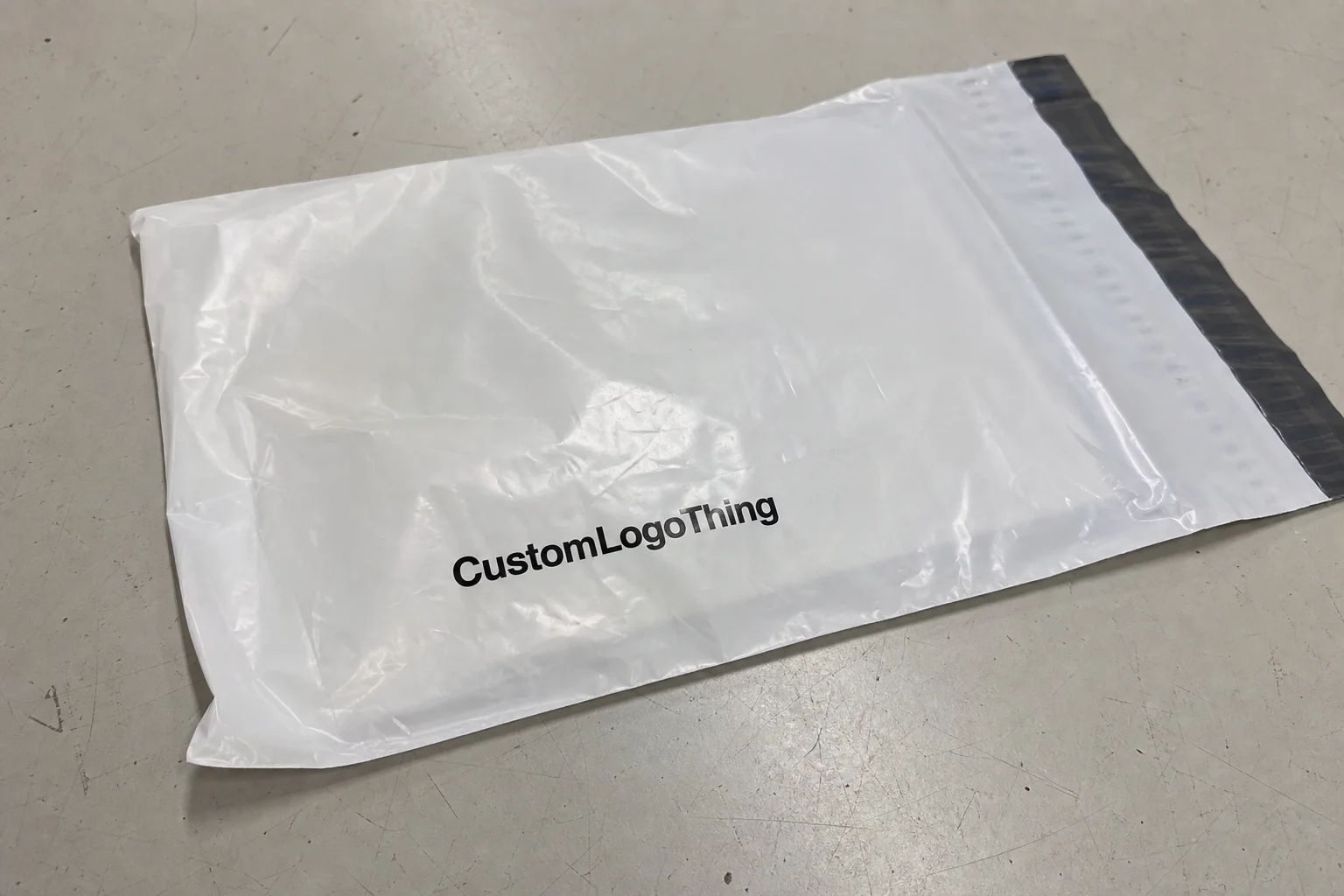
Poly mailers are flexible shipping bags, usually made from LDPE film in the 2.5 mil to 3.5 mil range, with a pressure-sensitive self-seal adhesive strip that closes the package once the liner is peeled away. Some versions include a bubble lining for extra package protection, while plain mailers rely on film strength, clean folding, and careful handling. In practice, tips for shipping clothes in poly mailers work well because clothing is naturally compressible, and most soft goods do not need the structural support of corrugated packaging. A standard apparel mailer might be 12 x 15.5 inches or 14.5 x 19 inches, which is enough room for a folded tee or hoodie without adding unnecessary bulk.
I have seen entire apparel runs move through a manual pack line in seconds because the garments were simple, flat, and consistently folded. T-shirts, leggings, sweatshirts, socks, underwear, and lightweight loungewear are classic candidates for poly mailers because they sit neatly inside a slim package that resists moisture and scrapes better than many people expect. The outer film does not stop a forklift from crushing the parcel, of course, but it does protect against scuffing, light rain, and the rough handling that happens when cartons ride conveyor belts and sortation chutes. In a warehouse near Columbus, Ohio, I watched 1,200 basic apparel orders go out in a morning with almost no repacking because the team had matched the garment profile to the mailer size instead of forcing a box into the process.
That said, poly mailers are not the right answer for every apparel SKU. If the product has structured shoulders, embroidery with thick thread, beading, molded brims, heavy zippers, or delicate surface embellishments, a box or a rigid mailer may be the safer choice. One boutique client I met in Los Angeles kept replacing dented hats because they insisted on using flat mailers for items that needed shape retention; once they moved those SKUs into Custom Shipping Boxes, damage claims dropped noticeably within a couple of weeks. I have also seen a hoodie get packed so aggressively that it looked like it had been attacked by a filing cabinet. Not ideal, and definitely not a strong look for a premium label selling $68 sweatshirts.
Here is the simple rule I use on the factory floor: if the garment can be folded flat without creating a permanent crease problem, poly mailers are worth testing. If the item depends on presentation structure, insert stiffness, or crush resistance, move up to a different format. That is the heart of tips for shipping clothes in poly mailers—not just shipping cheaply, but shipping smartly. A mailer that fits a size medium tee perfectly may be useless for a structured blazer, just as a 350gsm C1S artboard box would be overkill for a pair of cotton socks.
“A poly mailer should match the product, not fight it. If the apparel folds cleanly, the package can be thin, tidy, and efficient. If the product wants a box, forcing it into film usually costs more later.”
For brands comparing shipping materials, it helps to think of poly mailers as one tool in a larger toolkit. Some items need Custom Poly Mailers, some need Custom Shipping Boxes, and plenty of orders benefit from a practical mix of both. The best operations I have visited, whether in Shenzhen, New Jersey, or a small fulfillment room behind a retail showroom, do not ask which package is universally better. They ask which package protects the product and supports the workflow with the fewest extra steps. A factory in Dongguan might quote a mailer run at 5,000 pieces with a 12- to 15-business-day turnaround after proof approval, while a domestic print shop in New Jersey may need 18 business days; that timing difference can matter more than a two-cent unit price spread.
For a useful outside reference on packaging materials and basic shipping performance, the Packaging School and packaging industry resources offer a broad view of material categories and transport considerations. That kind of background matters when you are making packaging decisions that will affect returns, customer satisfaction, and labor time all at once, especially if your team is comparing plain LDPE, co-extruded film, and recycled-content blends sourced from Vietnam or Guangdong.
How Tips for Shipping Clothes in Poly Mailers Save Time and Money
The biggest business case for tips for shipping clothes in poly mailers is simple: lighter and flatter packages usually cost less to move. Carriers often price based on actual weight, but once a package gets bulky enough, dimensional weight starts to matter, and that is where a thin mailer can really help. A 10-ounce shirt in a box may travel at a higher billable weight than the same shirt in a flat 3-mil poly mailer, even before you count the extra tape, void fill, and handling time. On a Zone 5 shipment from Chicago to Phoenix, shaving even 0.4 pounds of billable weight can change the freight class enough to matter across 10,000 monthly orders.
On a busy pack line, the savings show up in labor before they show up in the freight invoice. A packer can usually fold a tee, insert a slip, seal the flap, and apply a label faster than they can assemble a box, tape the bottom, add filler, and close the top. I once watched a warehouse team in Ohio cut their average pack time from 58 seconds to 31 seconds on basic apparel orders after they standardized their fold and switched to the proper mailer size. That may not sound dramatic until you multiply it by 2,400 orders a day. Then it starts looking less like a tweak and more like a payroll conversation with real numbers attached.
There is also less material touch time. Poly mailers skip the need for multiple tape strips, often eliminate the inner dunnage, and reduce the number of SKUs a warehouse has to stock at the packing station. In an order fulfillment room, that matters. Every extra material on the table creates a chance for a mistake, and every mistake has a cost, whether it is a mislabeled parcel, a wasted carton, or an item that gets repacked because the first ship method was too loose. Even a $0.15 per unit mailer, if ordered at 5,000 pieces, can be far cheaper to manage than a carton, tape roll, and void fill system with three separate purchase orders.
If your team is new to tips for shipping clothes in poly mailers, set the process up like a small assembly line. Garments arrive folded the same way, slips go into the same pocket or position, and the label always lands on the same flat panel. Once that rhythm is set, a trained packer can work almost from muscle memory, which is exactly what you want during peak season or a flash sale when your ecommerce shipping volume jumps by 30% in a week. In a December rush in Nashville, I saw one team double throughput simply by moving the label printer two feet closer to the sealing station.
The other money saver is consistency. A semi-automated packing line can move very quickly, but even a manual table benefits from repeatable standards. If the team always uses the same fold size, the same mailer gauge, and the same closing pressure, there are fewer rejects at induction, fewer crushed corners, and fewer customer complaints about sloppy packaging. That is one of the hidden strengths behind tips for shipping clothes in poly mailers: they make good performance easier to repeat. A pack line in Newark using a simple 12 x 15.5 inch mailer and a fold template can often outperform a more expensive station that lacks clear rules.
| Packaging Option | Typical Unit Cost | Pack Time | Best Use Case |
|---|---|---|---|
| Plain poly mailer | $0.08-$0.18 each at 5,000 units | 25-40 seconds | T-shirts, socks, leggings, light knitwear |
| Printed branded poly mailer | $0.12-$0.28 each at 5,000 units | 25-45 seconds | Apparel brands wanting stronger unboxing presentation |
| Padded poly mailer | $0.14-$0.35 each at 5,000 units | 30-45 seconds | Items needing extra abrasion protection |
| Corrugated box | $0.22-$0.65 each at 5,000 units | 45-75 seconds | Structured garments, hats, embellished apparel |
Those prices vary by film thickness, print coverage, resin market conditions, and order volume, but the general relationship stays the same. Poly mailers usually give you a lower total packaging spend than cartons for comparable soft-goods shipments. A 5,000-piece branded run printed in Shenzhen may land at one price point, while the same spec produced in Dallas or Los Angeles may run 15% to 25% higher because of labor and setup costs. If you want to compare packaging formats more broadly, you can browse Custom Packaging Products and see how different transit packaging styles fit different apparel needs.
For a sustainability perspective, the U.S. EPA has solid general information on waste reduction and materials efficiency at EPA recycling and waste reduction resources. I do not treat sustainability claims lightly, because a lighter package is not automatically a greener one if it creates more damage or returns, but right-sizing packaging does usually reduce material waste in a measurable way. If your poly mailer drops from 4.2 mil to 3.0 mil without increasing damage rates, that is a real materials cut, not a marketing slogan.
Key Factors Before Using Poly Mailers for Clothes
Before you lock in tips for shipping clothes in poly mailers for every SKU, step back and look at the garment mix. A 160 gsm cotton tee behaves very differently from a fleece hoodie, and both behave differently from a fashion blouse with a sewn-in collar stand or a jacket with metal hardware. The best package choice starts with the product, not the logo on the mailer. A plant in Ho Chi Minh City may be able to turn out a simple mailer quickly, but speed means little if the item arrives wrinkled or damaged.
The first factor is garment type and fabric weight. Knits, athleisure, basics, and lightweight casualwear usually compress well and recover cleanly after transit. Thicker fleece, bulky sweaters, and structured pieces may still ship in mailers, but only after a proper fit test, because overcompression can create harsh fold lines and a customer disappointment that shows up as a return. I have seen buyers approve a mailer because it looked cheaper on paper, then reject it after their sample room noticed the shoulders were creasing badly in transit. The sample room is usually right, by the way. They have earned the right to be a little annoyed. A 300 gsm hoodie with brushed fleece behaves very differently from a 130 gsm jersey tee.
Mailer size matters just as much as product type. If the folded garment measures 9 by 12 inches, a mailer with a little extra room is helpful, but a huge bag can let the product slide around and look cheap on arrival. Too tight, and you risk strained seams or a seal that does not sit flat. The best tips for shipping clothes in poly mailers usually come down to matching the mailer dimensions to the folded size, then allowing just enough margin for paperwork or a small return slip. A mailer that is 10 x 13 inches may work for one folded tee, while a 14.5 x 19 inch bag is a better fit for two folded sweatshirts.
Film thickness is another practical decision. Standard apparel mailers often sit around 2.5 mil to 3 mil, while heavier-duty versions can run thicker for added puncture resistance. If the product has zippers, snaps, metal trims, or anything with a sharp corner, I would lean toward a stronger film or a padded option. The adhesive strip matters too. A weak closure can fail in hot docks, cold trailers, or humid last-mile environments, and once the seal goes, all the careful folding in the world does not matter. I have seen a seal pop open on a humid afternoon in Miami and the whole package turned into a very expensive shrug.
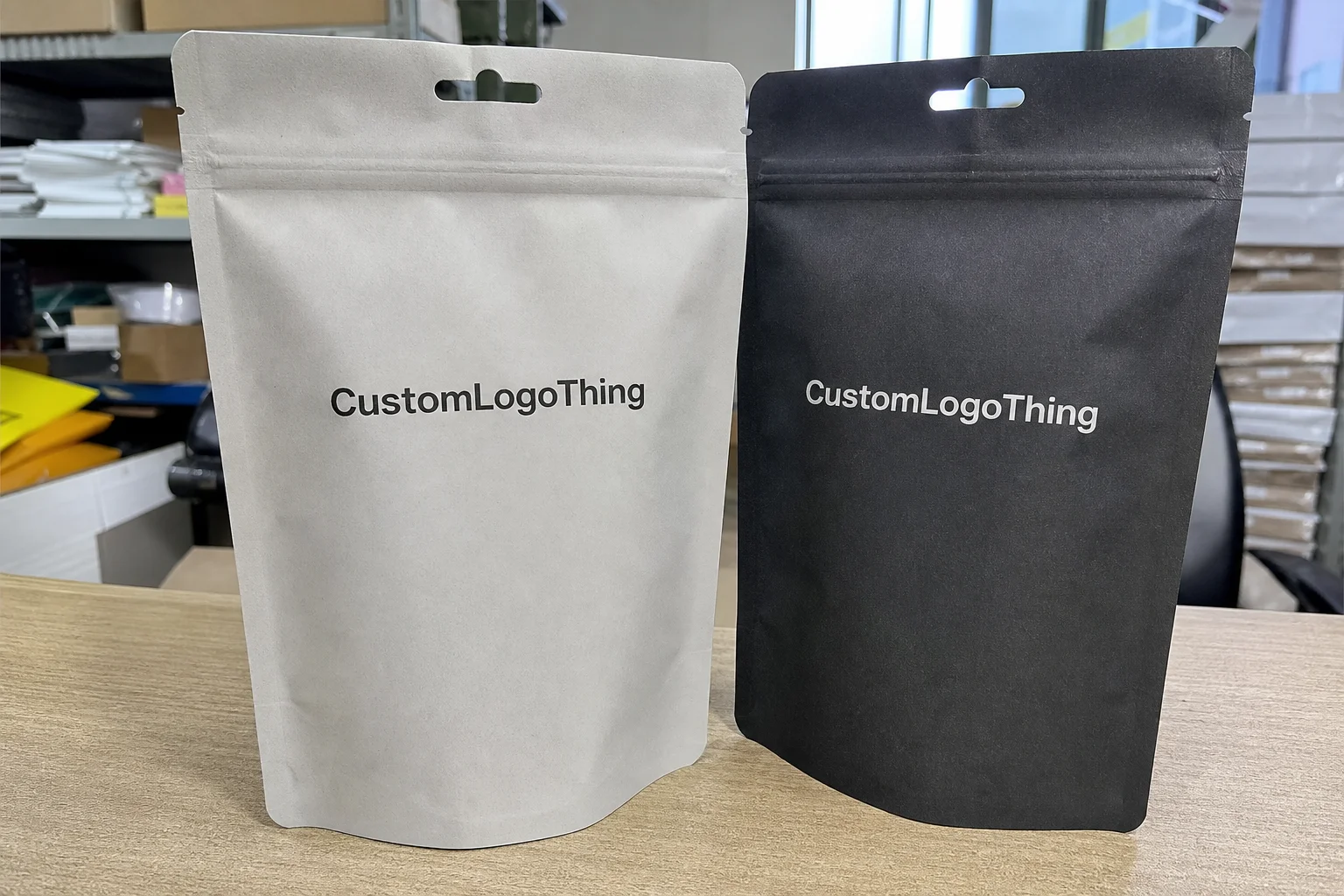
Branding is not just decoration; it changes how customers judge the order. A matte black mailer with crisp white printing feels very different from a glossy clear-front bag with a generic label area. I have sat in supplier meetings where a brand team was prepared to pay more for custom printing because their customers posted unboxing videos, and they were right. For apparel, presentation often influences repeat purchase behavior, especially when the item itself is fairly simple. A branded mailer printed in one or two Pantone colors can cost $0.12 to $0.20 per unit at 5,000 pieces, which is often cheaper than adding a heavier insert card and a box.
Here is a comparison that helps many teams decide whether to stay with standard shipping materials or move up to a more branded format:
| Feature | Standard Poly Mailer | Custom Printed Poly Mailer | Padded Poly Mailer |
|---|---|---|---|
| Brand presentation | Low | High | Medium |
| Protection against abrasion | Medium | Medium | High |
| Unit cost | Lowest | Moderate | Highest |
| Best for | Basic apparel, low-cost items | Branded ecommerce shipping | Items needing extra cushioning |
Durability is the last piece of the pre-use check. Test puncture resistance, tear propagation, and seal strength before you commit to a bulk run. I have seen a bad adhesive batch create more headaches than a bad print run, because a mailer that looks fine but opens in transit will generate claims, returns, and a lot of irritated emails. If your operation ships internationally, the rules can be stricter, so test under the roughest lane you expect to see. A sample batch approved in Toronto may not survive the same way on a humid route through Singapore and Manila.
Step-by-Step: Tips for Shipping Clothes in Poly Mailers the Right Way
The easiest way to use tips for shipping clothes in poly mailers consistently is to treat the process like a simple standard operating procedure. Good packing is not magic. It is a repeatable sequence with a few checks built in, and when those checks are done well, the output looks polished every time. A small team in Portland once told me their biggest improvement came from writing the process on a laminated card that sat beside the label printer. No fancy software, just a clear routine and a $12 clipboard.
-
Choose the right mailer size based on folded dimensions.
Measure the folded garment, not the loose or stretched version. If the finished fold is 10 by 13 inches, select a mailer that gives a small buffer without leaving excessive empty space. In one New Jersey packing room I visited, the team kept three widths on hand for shirts alone because one size never fit all the product variations. I liked that setup a lot—simple, not fancy, just practical. They used 10 x 13, 12 x 15.5, and 14.5 x 19 inch sizes and stopped guessing.
-
Fold garments consistently.
Use a folding board, marked table, or visual template so every tee and sweatshirt lands in the same shape. A consistent fold keeps the package appearance sharp and makes the mailer easier to seal. This is one of the quietest but most useful tips for shipping clothes in poly mailers because a neat fold solves both presentation and speed. If your team can fold a size medium tee to 8.5 by 11.5 inches every time, the rest of the process becomes much easier.
-
Add paperwork and extras without overfilling.
Slip in the packing slip, return card, or tissue paper only if they fit comfortably. A thank-you card is fine, but stuffing the mailer until it bulges is not. The goal is a tidy parcel, not a stuffed envelope that looks like it might burst in the truck linehaul. I have seen one too many mailers bulge like a pillowcase after laundry day. If you add inserts, keep them under 0.5 ounces whenever possible.
-
Remove excess air and close the flap firmly.
Before sealing, press out trapped air so the package stays flat. Then peel the adhesive liner and press across the full seal line, not just the center. I have seen packages fail because someone tapped the flap once and moved on. A proper seal should be held under firm pressure from edge to edge for at least 3 to 5 seconds, especially in humid facilities in Tampa or New Orleans.
-
Apply the shipping label to a smooth panel.
Labels need a clean, flat surface to scan correctly. Avoid folds, seams, and wrinkles. Verify barcode readability before the parcel leaves the packing area, especially if your order fulfillment operation uses automated sortation or carrier manifest scanning. A label that sits 1/4 inch over a seam may scan once and fail twice, which is enough to cause a delay at the hub in Memphis or Louisville.
After those steps, do a fast visual check. The mailer should lie flat, the closure should look even, and the shipping label should not cover the seal or wrap around a fold. That quick scan saves more rework than people realize. I have watched a two-second inspection prevent a half-hour of carrier exceptions later in the day. It is the sort of habit that pays for itself before lunch.
If you are building a station from scratch, start with these tools: a folding board, a label printer, a simple bin system for sizes, and a ruler or gauge card for mailer fit. Those basics keep the workflow clean. The best tips for shipping clothes in poly mailers often come from the simplest setup, not the fanciest machine. A $200 printer and a $30 folding jig can outperform a much more expensive station if the process is disciplined.
For teams that want stronger packaging standards, the International Safe Transit Association offers helpful testing references at ISTA transport testing resources. I like to point apparel brands to ISTA because package protection is not guesswork; it can be simulated, measured, and improved before a full production run. A 12-drop test in St. Paul tells you more than a hundred opinions in a meeting room.
Common Mistakes When Shipping Clothes in Poly Mailers
The most common mistake I see is overstuffing. When a mailer is packed past its intended capacity, the seams stretch, the adhesive line struggles, and the parcel starts looking sloppy. A shirt jammed into a too-small bag may still get delivered, but it will not arrive with the clean, premium feel most brands want. That is why tips for shipping clothes in poly mailers always start with correct sizing. A 9 x 12 inch bag for a folded hoodie, for example, may save pennies and cost dollars later.
The second mistake is using a mailer that is too large. People assume extra space is safer, but too much slack lets the garment move around and wrinkle. In a factory meeting I remember in Atlanta, a brand owner complained that customers thought the apparel was “returned and repacked” because the package looked loose and puffy. The product itself was fine; the packaging just did not fit well enough to create a neat impression. A mailer that is 4 inches too wide can look sloppy even when the item inside is perfect.
Another issue is ignoring hardware and embellishments. If a hoodie has chunky zipper pulls, a denim jacket has rivets, or a dress has sewn-on beads, thin film can become vulnerable to punctures. In those cases, the best move may be a heavier-gauge mailer, a padded version, or a box. Smart tips for shipping clothes in poly mailers are always product-specific, not generic. A 2.5 mil film may be fine for a cotton tee but too light for a garment with exposed snaps.
Seal performance is easy to overlook until it fails. Adhesive strength can change with temperature, humidity, dust, and even how hard the operator presses the flap. I have seen a warehouse in Texas lose enough seals during a hot afternoon that they switched to a different adhesive profile within a week. If your outbound lanes run through hot trailers or cold depots, test under those conditions instead of assuming the sample on your office desk tells the whole story. A seal that holds at 72 degrees Fahrenheit may behave very differently at 104 degrees in a dock yard outside Phoenix.
Label placement is another silent problem. A label across a seam or fold can wrinkle, peel, or fail to scan, which creates carrier delays. Weight accuracy matters too, especially if the package lands near a pricing threshold. If the actual weight and the billed weight do not match, or the dimensions were entered incorrectly, the freight bill can jump more than the shipping team expected. Good tips for shipping clothes in poly mailers include the boring checks, because those boring checks keep costs stable. A 0.2-pound measurement error across 8,000 orders a month becomes a real budget issue.
Finally, some brands skip a quality check because the item seems “too simple” to need one. That is a mistake. Even a basic tee deserves a quick inspection, especially if you are moving thousands of units a week. Once a package leaves the dock, the fix becomes much more expensive. I have seen a $0.11 mailer cause a $6 reshipment and a customer service refund, and the math is not hard to read.
Expert Tips for Better Shipping, Lower Costs, and Cleaner Presentation
My first recommendation is to sample before you commit. Order a handful of mailers from two or three suppliers and compare film feel, seal strength, opacity, and print clarity. A 2.75 mil film from one factory can feel very different from a 2.75 mil film from another, especially if the resin blend or co-extrusion structure differs. That is why I never trust a specification sheet alone; I want to handle the material, fold it, squeeze it, and see how it behaves at the seal line. A supplier in Dongguan may quote a lower price, but if the adhesive line fails after 90 seconds in a humid test chamber, the savings disappear fast.
Second, think carefully about custom printing. For apparel brands, printed mailers often create a stronger first impression without the cost of a carton. A clean logo, one or two colors, and a matte finish can make the package feel more premium while still preserving the cost advantage of a mailer. I have sat with client teams who assumed branded packaging had to mean expensive boxes, but in many cases a well-designed poly mailer delivered the look they wanted at a fraction of the price. A one-color print on a recycled white mailer can be produced at roughly $0.14 to $0.22 per unit at 5,000 pieces, depending on coverage and factory location.
Third, test multiple thicknesses against your actual product mix. A basic 2.5 mil mailer might be enough for socks and tees, but if you handle returns, resale, or cross-border shipments, a thicker construction can be worth the extra fraction of a dollar. Returns often get repacked, and repacked garments experience more handling than first-pass shipments. Better package protection can reduce friction on the second trip. In practice, a 3.5 mil film in a route that touches three hubs can outperform a thinner bag that only looks cheaper on the purchase order.
Fourth, standardize your pack stations. A good station has a size chart, a stack of pre-counted mailers, clear fold templates, and label placement guides. The more repeatable the layout, the fewer mistakes your team makes. In one small fulfillment room I consulted for, we labeled the shelves with garment categories, folded size ranges, and mailer sizes. That simple change cut decision time at the table by a noticeable margin. Even adding a $9 acrylic ruler to the station helped the crew match folds within a quarter inch.
Fifth, be careful with sustainability claims. Recycled-content mailers, thinner gauges, and right-sized packaging can reduce material use, but those claims need to be honest. A mailer with recycled content is useful, but only if it still performs well in transit. I tell brands to avoid overpromising and underperforming; customers notice both. If you want to balance presentation and waste reduction, look at your entire packaging system, not just the outer bag. A 30% recycled-content mailer sourced from California may sound great, but if it tears in the first mile, it is not helping your brand.
Here are a few practical packaging targets I like to see for apparel operations using tips for shipping clothes in poly mailers as a standard:
- Mailer fit within 0.5 to 1.5 inches of the folded garment on each relevant side.
- Seal strength tested under at least 15 to 20 pounds of tug force during QA checks.
- Label scan rate above 99% before outbound handoff.
- Pack time below 40 seconds for basic apparel SKUs once training is complete.
Those numbers are not universal, and your operation may need different benchmarks depending on product complexity, carrier rules, or volume. Still, they give you a practical starting point. If your current process misses all four, the answer is probably not “buy a nicer box.” The answer is usually better standardization, better fit, and better training around tips for shipping clothes in poly mailers. In many cases, the right supplier can produce a custom-size mailer with a 12- to 15-business-day lead time after proof approval, which is often faster than overhauling the entire packaging line.
What to Do Next After Learning Tips for Shipping Clothes in Poly Mailers
The fastest way to put tips for shipping clothes in poly mailers into practice is to start with your top five apparel SKUs. Pick the products that ship most often, then check how they fold, how much air they trap, and whether any hardware could cause punctures. That first audit tells you where mailers make sense and where they do not. A list of five items can reveal 80% of the packaging issues in a typical apparel catalog, especially if the products are clustered around tees, hoodies, leggings, and socks.
Next, measure the folded dimensions of each item. Do not guess. I have seen entire buying decisions made from stretched garment measurements that had almost no relation to the finished pack size. Once you have the true folded footprint, match it to a mailer size and test the seal with the actual shipping label, because label placement can change how the flap sits. If a sweatshirt folds to 11 x 14 inches, test it in a 12 x 15.5 inch bag before ordering 10,000 units from a supplier in Guangzhou.
Then run a small pilot with the people who actually pack the orders. Time the process. Watch for awkward folds, stuck adhesive liners, or labels that end up crooked because the mailer is too soft or too glossy. A one-day trial in a real packing environment is worth far more than a long spreadsheet debate. One client in Chicago saved two weeks of back-and-forth simply by testing 100 orders with the warehouse team before the final purchase order. Honestly, that kind of real-world test beats a conference-room opinion every single time, especially when the sample run costs only $75 to $120 in materials.
Track three numbers for at least two weeks: Packaging Cost Per order, damaged-delivery rate, and average pack time. If those numbers improve, you are on the right track. If one improves while another gets worse, you need to adjust. Maybe the mailer is too thin. Maybe the fit is off by an inch. Maybe the label stock is peeling in cold weather. The data will tell you more than opinions will. I would rather see a 1.2% drop in damage claims than a pretty-looking mailer that adds two minutes of labor per order.
From there, decide whether to stay with the new mailer size, upgrade film thickness, or move some products back into boxes. That decision should be based on actual performance, not habit. Good ecommerce shipping systems are built by testing, not hoping. And that is the real value of tips for shipping clothes in poly mailers: they help you build a packaging process that is lighter, cleaner, and easier to run without sacrificing package protection. A team in Seattle once moved just three SKUs back to cartons and kept the rest in mailers, saving roughly $1,800 per month in materials and labor.
If you are comparing packaging options for apparel, Custom Poly Mailers are a smart place to start, especially for soft goods and high-volume orders. For heavier or more structured items, keep Custom Shipping Boxes in the conversation, because the right transit packaging depends on the product, the route, and the customer experience you want to create. A 350gsm C1S artboard insert may be useful for a premium presentation sleeve, but it is not the right answer for a basic cotton basics line.
Honestly, the brands that win on packaging are the ones that treat shipping as part of the product, not as an afterthought. If you apply tips for shipping clothes in poly mailers with a little discipline, a few samples, and a willingness to measure the results, you will usually end up with lower cost, fewer headaches, and a better-looking parcel on the doorstep. The difference between “good enough” and “efficient” is often just an afternoon of testing and a supplier quote from a city like Ningbo or Hangzhou.
Frequently Asked Questions
What are the best tips for shipping clothes in poly mailers without damage?
Use the correct mailer size so the garment sits flat without excessive compression. Choose a stronger film thickness for items with buttons, zippers, or embellishments, and seal the flap fully across the entire adhesive line. It also helps to place the label on a smooth, clean surface so the barcode scans properly during sorting. For a small apparel brand shipping 500 orders a week, that can mean fewer than 10 damaged parcels instead of 30.
Which clothes should not be shipped in poly mailers?
Avoid poly mailers for rigid, fragile, or high-end structured apparel that can crease or crush easily. Bulky coats, hats with brims, embellished dresses, and items with sharp hardware usually do better in boxes or padded packaging. If the garment can puncture the film, it needs extra protection or a different package style. A denim jacket with exposed rivets and a winter coat with shoulder padding should generally stay out of a standard 2.5 mil mailer.
How do tips for shipping clothes in poly mailers help reduce shipping costs?
Poly mailers are lighter than boxes, which can lower shipping weight and reduce packaging spend. Their flat profile can also cut dimensional weight charges on many carrier networks. On top of that, they speed up packing, which lowers labor cost per order in order fulfillment. A pack line that drops from 58 seconds to 31 seconds per order can save hundreds of labor hours over a quarter.
What size poly mailer should I use for folded clothes?
Measure the folded garment first, then select a mailer with enough room to slide the item in without bending seams too tightly. Leave just enough space for paperwork or tissue, but not so much that the item shifts around inside the package. Test the fit with your most common sizes before buying in bulk. For many tees, a 10 x 13 inch or 12 x 15.5 inch bag is a practical starting point.
Can I use branded poly mailers for clothing orders?
Yes, branded mailers are a smart option for apparel because they create a more polished unboxing experience. Custom printing can be cost-effective when compared with adding inserts or upgrading to rigid packaging, especially at higher quantities. Make sure the print quality and seal performance still meet your shipping standards. At 5,000 pieces, a two-color print can often stay in the $0.12 to $0.28 per unit range, depending on the factory and film thickness.