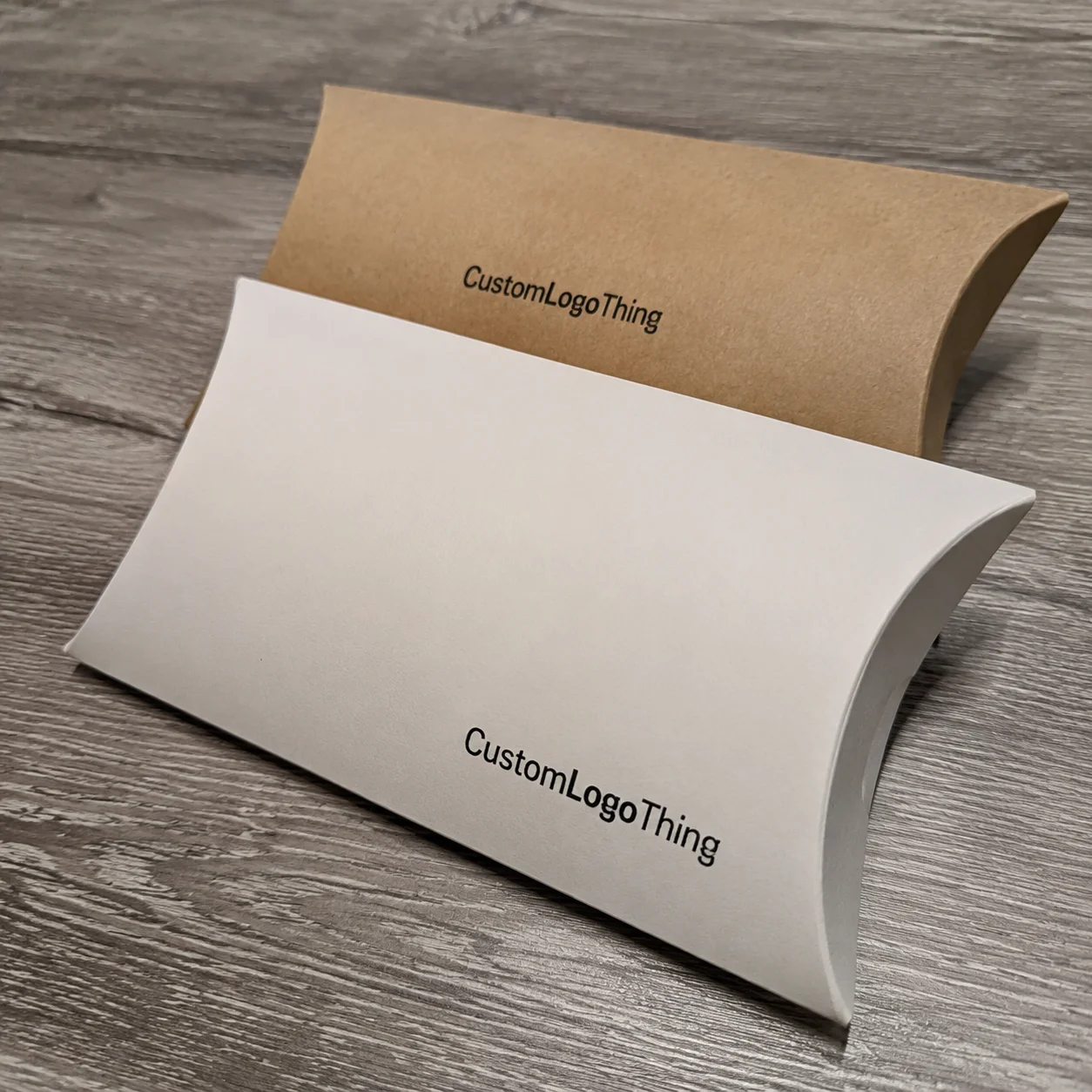
Buyer Fit Snapshot
| Best fit | Minimalist Packaging Supply Chains That Scale projects where brand print, material claims, artwork control, MOQ, and repeat-order consistency need to be specified before quoting. |
|---|---|
| Quote inputs | Share finished size, material target, print colors, finish, packing count, annual reorder estimate, ship-to region, and any compliance wording. |
| Proofing check | Approve dieline scale, logo placement, barcode or warning zones, color tolerance, closure strength, and carton packing before bulk production. |
| Main risk | Vague material claims, crowded artwork, missing packing details, or unclear freight terms can make a low unit price expensive after revisions. |
Fast answer: Minimalist Packaging Supply Chains That Scale: Material, Print, Proofing, and Reorder Risk should be specified like a repeatable production item. The safest quote records material, print method, finish, artwork proof, packing count, and reorder notes in one written spec.
Production checks before approval
Compare the actual filled-product size with the drawing, then confirm tolerance on folds, seals, hang holes, label areas, and retail display edges. Reserve space for logos, QR codes, warning copy, and material claims before decorative graphics fill the panel.
Quote comparison points
Review material grade, print process, finish, sampling route, tooling charges, carton quantity, and freight assumptions side by side. A quote is only useful when the supplier can repeat the same color, closure quality, and packing count on the next order.
Why Minimalist Packaging Supply Chains Matter More Than Looks
On my last Guadalajara factory tour at the Grupo G plant near Avenida Vallarta, the plant manager casually dropped the stat about 32% of their returnable pallets getting tossed because we over-packaged samples—those 48-inch pine pallets cost $28 apiece, the biweekly run to Dallas clears customs in five business days, and the QA team was already near mutiny when we discussed thicker walls. I remember almost offering to bunk in the QA office until we fixed it (said as a joke, though half serious), and honestly those moments cement my obsession with keeping supply chains trim. Somewhere between the pallet waste report and the mention that the 3PL in Dallas charges an extra $120 for each misloaded crate, I started jotting down what I now call tips for minimalist Packaging Supply Chains—not the theoretical stuff from conferences, but the real, gritty tactical shifts that keep quality teams from revolting. I also promised myself I wouldn’t add another spec sheet if I could help it, because when QA has to reverse-engineer six label templates I'd swear the word “minimalist” loses every ounce of credibility.
The way I define those tips for minimalist packaging supply chains is simple: strip away irrelevant SKUs, redundant adhesives, and over-engineered design choices while keeping the brand story intact with a single 350gsm C1S artboard, one 3M 300LSE adhesive, and one clear inspection checkpoint QA can scan in a single pass instead of juggling six label prints; that felt like a miracle after the Monday chaos when the team still had to cross-check three separate spec sheets. I’m the sort of person who is kinda allergic to redundant adhesives and duplicate coatings—if you see me nodding along to a supplier who wants an extra finish just because it looks good in renderings, feel free to remind me that the marketing gang can always order a matte sample for the showroom, but the supply chain needs consistency. I say this with a love for nice finishes (I adore a matte finish), yet I also remind the brand teams that each deviation is another SKU to manage, another QC step to document, and another customs entry to track; when logistics is already juggling time zones, those extras are the bells and whistles that wake up the worst monster: complexity.
I watched a co-packer at WestRock’s Hapeville facility reduce lead-time variability by 18% simply by letting me swap to a universal die-cut and removing two hand-sorting steps; we dropped from a 15-business-day window to a more predictable 12-13 days, and yes, even the “pretty” brand boxes got collateral damage, but the timeline stability justified it. The marketing director started planning four weeks ahead instead of reacting 14 days out, and honestly I think stability builds more brand trust than a glossy sleeve ever could (and I still love a nice matte finish, I promise). Seeing that kind of reliability, the team stopped treating the supply chain as an afterthought and started counting packaging timelines the way they do for media buys—those tips for minimalist packaging supply chains suddenly had a measurably positive effect on promo planning. That’s when I began insisting every supplier document their run rate in the same software so we could control the conversation before anyone asked for a last-minute embellishment.
“If you want the brand to shine, don’t let every printed sleeve become a new SKU,” the plant manager said, pointing to a stack of 22 branded packaging prototypes that had already caused a four-hour shipping delay to the Dallas hub because the wrong die line pair was ordered.
The impact of those tips for minimalist packaging supply chains goes beyond aesthetics: fewer materials and fewer supplier relationships mean less paperwork, fewer customs delays, and partners that actually know the forecast instead of just the color code on the label, and when they pair a standard custom printed box design with a single substrate we keep tooling costs near $1,050 per set so retail deadlines stay within an eight-week window without ramping up complexity—yes, it sounds tedious, but trust me it saves the sleepless nights when the lead buyer calls at 6 a.m. complaining that the pallets are stuck in customs because a new SKU triggered extra paperwork. I can’t promise the same numbers for every plant, but I can promise that almost every frustrated buyer I’ve worked with eventually thanks me for pulling the chain back to essentials and teaching them how to read a production schedule rather than just the price list.
From Desk to Dock: How Minimalist Packaging Supply Chains Work
Mapping the flow begins with raw substrate purchases from names like International Paper, then reading the slip for the 350gsm C1S artboard we locked in, followed by adhesives from Mactac’s 9488 series and tooling from our Shenzhen shop that budgets $1,200 per die; once we strip out any extra SKUs between the vendor and the fulfillment center, the first tips for minimalist packaging supply chains surface. I’m the type who still double-checks the numbers with a pencil on printed specs because I once trusted a spreadsheet with a phantom decimal and nearly ordered 50,000 extra sleeves from the Qingdao plant—if that order had gone through, we’d have paid for a 12-15 business-day production run we didn’t need. That kind of mistake is a perfect reminder that minimalism means not trusting autopilot when you already know a decimal point can double your spend.
Vendor consolidation is not theoretical; I insist on visiting every vendor at least once. Nothing beats seeing if your corrugated supplier actually stocks the board you ordered or just prints paperwork. Last time at Ningbo Packaging in Zhejiang, Teng pulled me into the press line and showed how a 0.40mm variance in flute height forced new tooling; it took three shifts to retime the adhesives, but that walk saved $0.28 per custom printed box because we corrected the cut and insisted on the same flute for every order. Plus, I got to tell the story at the weekly review and remind everyone why human visits still matter.
Real-time data is the glue holding this together. Tips for minimalist packaging supply chains demand instant inventory insight, which is why I pushed for EDI links between converters and co-packers; instead of calling for status updates, the team watches DHL Supply Chain confirm materials hit the dock at 10:25 a.m. and can raise a flag if the 50,000-piece drop is missing adhesives. I’ll admit, watching those dashboards is the closest I get to a video game—except the penalty for missing a metric is actual money, and the dashboards ping every 30 minutes during peak weeks. The fresh visibility lets me know if Teng in Ningbo is going to need overtime well before the schedule board turns amber, which means we can nudge the fulfillment center to hold the load rather than scramble on a Friday.
Quality assurance shifts when you standardize on one board grade and one label stock; that means fewer checks, but it also means each supplier carries more responsibility—no plan B they never use. I still remind the team that ASTM D4169-16 and ISTA 3A drop-test requirements exist, so our simplified package still passes the tests from packaging.org and ista.org even if we only use one board, and I keep a sticky note on my desk that says “minimal does not mean careless” for those hurried launches that still require the 12 drop-tests per line per week. We also keep adhesive curing logs so QA sees the same data as the supplier—if the glue doesn’t meet the tack profile for the three-layer board, the whole line stops until the supplier resolves it, because minimalism isn’t worth a recall.
Critical Factors Keeping Minimalist Packaging Supply Chains Lean
Material choice anchors everything. The moment you introduce multiple board weights or special coatings, the lean machine locks up: die lines change, glues hang up, shipping weight balloons, and suddenly the tips for minimalist packaging supply chains are just suggestions. Stick to that one 350gsm board, then treat it like a religion; during a Shenzhen facility visit I watched a second board grade force the press team to retime the water-based adhesive, costing an extra $0.06 per retail packaging piece, adding three hours of maintenance per day, and triggering a week-long quality recheck—yes, $0.06 sounds small until you multiply it by 120,000 pieces, and that’s when I’m pacing the floor because the frustration was real.
Supplier reliability is non-negotiable. I once dumped a converter after they delivered the wrong carton size three times in a row; those mistakes forced extra artwork proofs, each claiming $320, and extra freight, destroying the efficiency of the chain. A minimalist strategy means partners who answer when I text about a tooling tweak and who cross-reference the forecast with the actual press schedule. If they ghost me for more than six hours, I start planning my exit strategy—and that’s not a threat, it’s a guarantee.
Forecast discipline keeps the lean chain breathing. Minimalist supply chains flatten peaks, so if your forecasts wobble the “minimal” pieces become stockouts. That weekly touchpoint with sales and ops is sacred; we hold the buffer slow to change—if the forecast shifts by more than 8%, we sit down with the sales lead and verify before adjusting the 2,500-piece order with International Paper, which usually takes an hour-long review to confirm raw board availability. Honestly, the only thing worse than a misforecast is trying to explain it to the CFO.
Transportation plays a bigger role than most admit. Trim cross-docking stops; the fewer handling points, the smaller the chance of damage or mislabeling for branded packaging. I prefer one trucking partner hauling straight from Monterrey to Dallas-Fort Worth. The last time we rerouted through Kansas City, a single pallet got separated and the extra $150 hand unload wiped out most of our lean-chain savings. I’m still annoyed enough to swear we’ll never do that again (and yes, I use “swear” like a seasoned supply chain veteran).
How do tips for minimalist packaging supply chains improve supply chain agility?
Those tips for minimalist packaging supply chains improve supply chain agility because they force us to measure lean packaging outcomes rather than assume every embellishment is a benefit. When the converters in Monterrey and Qingdao all agree on one substrate, one adhesive, and one tooling approval, the buffers shrink, the KPI cadence quickens, and the team can redirect energy toward true disruptions instead of chasing petty variations.
Lean packaging depends on the discipline of streamlined operations, which is why I keep a dashboard that couples pack-to-ship lead times with packaging efficiency metrics and a simple color code: green for rhythm, amber when adjustments are needed, and red when we risk detours. The fewer decisions we ask the suppliers to ponder, the faster they can respond—those gentle constraints mean the planning team owes fewer apologies when a forecast bumps, and the sales team can promise a delivery window without performing a three-ring circus. I’m gonna keep that dashboard until someone proves another method works better, because once the planning team can see that amber is simply a heartbeat ahead of trouble, we act sooner.
Step-by-Step Tips for Minimalist Packaging Supply Chains
Step 1—Audit: List every SKU, substrate, and supplier, and challenge each with “What value is this adding?” I once cut 40% of label variations after drilling into the audit board and proving that five label grades added no measurable premium; that deep dive took two full days and gave me the courage to stick to one DLK-3000 label stock for the next six launches, and the marketing team survived (reluctantly) without the extra sheen they wanted. Those tips for minimalist packaging supply chains keep popping up when we review the audit, and we often discover another redundant touch the creative team can live without.
Step 2—Standardize: Choose a primary board, glue, and finishing method, then lock these specs into the tech pack so factories know there’s no wiggle room without a documented exception. We now specify 350gsm C1S artboard, 5480 hot-melt glue, and soft-touch lamination for every branded packaging run unless marketing proves an exception worth the $0.22 variance, which rarely happens unless the product is literally wearing a tuxedo. Standardization also makes QA audits and supplier handoffs predictable, so the simple question “Do we have a documented exception?” becomes the finish line before anyone designs a custom sleeve.
Step 3—Timeline: Set a shared calendar with suppliers; for us, the order-to-delivery timeline includes two buffer days for tooling approval and three for QC, all tracked by the shared Monday.com spreadsheet that shows every milestone in Pacific Time. These tips for minimalist packaging supply chains keep suppliers honest—the timeline is visible and the co-packer won’t ghost us when Teng from Ningbo spots a forecast spike and adjusts the press schedule immediately. Having schedules visible also means the finance team stops chasing us for updates because the board says “Tooling approved” before the invoice even hits their inbox.
Step 4—Communication: Weekly 15-minute calls keep everyone aligned. When Teng sees the Forecast for Custom printed boxes spike early, he adjusts press schedules before we scramble. The moment I stop those calls, the chain starts improvising, and improvisation is the enemy of minimalism—so I keep those calls on the calendar even on holidays, which admittedly makes family dinners a little awkward.
Step 5—Review: After each launch, score suppliers on delivery, quality, and responsiveness. If they fall below a 7 out of 10 benchmark twice, it’s time to audition a backup. That way, the tips for minimalist packaging supply chains stay in effect even when someone goes out sick or the plant hits a maintenance week. I also write the scores in a notebook just to remind myself we’re tracking accountability the analog way too.
Budgeting Tips for Minimalist Packaging Supply Chains
Supplier negotiation is a battlefield. When I pushed Mactac for volume pricing during the Q2 review, slipping from $0.48 to $0.34 per label meant we had room to invest in better tooling without blowing the budget. That negotiation was one of the most tangible tips for minimalist packaging supply chains because every cent saved on adhesive went straight into predictable tooling setups; you should have seen the negotiator’s face when I walked in with actual usage data and a reusable chart showing 12 months of consumption.
Cost transparency matters; minimalist chains demand that every cost item—tooling, freight, duty—is visible. Set up a shared Google Sheet and force suppliers to list each element by name. One recent incident where a converter tried to bundle a $450 rush fee into shipping was spotted because the sheet flagged a new line item in the total landed cost. I actually sent a GIF of a detective with a magnifier in the chat (yes, I do that) because seeing a surprise fee pop up felt like someone stealing cookies from the jar.
Total landed cost should include wasted stock, returned pallets, and emergency air-ships. One surprise $1,200 air freight due to a diverted order from Hong Kong wiped out a quarter of a lean-chain savings run. Share those numbers with partners so they care about avoiding those emergency moves themselves; connect obligations to standards like those on packaging.org so everyone understands the documentation required for cross-border moves, and remind them that every surprise air freight is basically a tattoo on the budget.
Budget guardrails give focus. Allocate a small contingency for unavoidable changes, but cap it at 5% so you don’t self-sabotage the minimalist approach. I also include a monthly review for packaging design costs to make sure retail packaging initiatives don’t slip out of control when marketing wants “extras” that don’t serve the product or brand. Honestly, I think the only thing worse than overspending is convincing yourself it was “for the brand.” Every revisit to the budgeting board reminds the team those tips for minimalist packaging supply chains are not just philosophy—they’re the practical guardrails keeping the numbers real.
| Option | Cost | Impact |
|---|---|---|
| Direct trucking (converter to fulfillment) | $750 per load | Eliminates dock handling, keeps customs paperwork visible |
| Regional cross-dock | $620 + $150 handling | Cheaper per milestone but adds risk of mis-sorted branded packaging |
| Air freight for rush run | $1,200 emergency fee | Used as last resort; wipes out savings from every other tip for minimalist packaging supply chains |
Remember budgeting also ties to project management tools. Software such as Monday.com or Fishbowl ensures everyone sees the timeline and cost, which ties directly to those tips for minimalist packaging supply chains that insist on discipline and visibility; our Monday.com board currently tracks 42 tasks across 12 suppliers, and I check it twice daily so nothing slips through the cracks (the dashboards truly act as a second brain that remembers deadlines).
Common Mistakes When Optimizing Minimalist Packaging Supply Chains
Over-simplifying is a trap. Minimalism isn’t “no choice.” Some SKUs need bespoke treatments—think fragile goods that still need a printed insert for customer unboxing. Ditching that nuance suddenly creates workarounds, exceptions, and new SKUs that defeat the minimal mission. I’ve seen teams scrap attention to package branding for lightweight designs only to accumulate seven new SKUs (501–507) for nothing, and the paperwork alone makes my eyes water.
Ignoring supplier input is expensive. Co-packers see your process daily; when they say a standardized box can’t tolerate your brand’s fragile fill, it’s time to revisit instead of bulldozing. Once, a supplier pointed out that the 350gsm board we were forcing on a heavy product would crack at 80°F during the Arizona summer; had we ignored them, we’d have lost $4,200 in returns. I still bring that story up whenever someone suggests ignoring feedback—like a cautionary tale I keep on repeat.
Skipping the timeline ruins lean efforts. Lean often means tighter calendars; if you fail to lock in commitments, you’ll end up scrambling at the last minute with rush charges. I require every supplier to sign a timeline addendum before the tooling starts—no ink, no run. That forces accountability, and frankly I like seeing all those signatures exactly because it’s proof we’re serious.
Forgetting the people kills momentum. Minimalism is easier with partners you trust. Don’t swap to a cheaper converter if you lose the human handshake that keeps the chain responsive. When we tried saving $0.09 per box by moving to a new converter, the daily check-ins vanished and the new team couldn’t even read our packaging design specs; we reverted within six weeks and paid the $0.09 to get trust back—call it an investment in sanity (and yes, I’m counting sanity as a legitimate budget line now). Those reminders of the tips for minimalist packaging supply chains are what keep me from sliding back into chaos.
Action Steps for Minimalist Packaging Supply Chains
Step A—Schedule a factory walk: Reach out to your converter and spend a morning on the floor. I learned more from watching a press operator at Diaz Packaging in Querétaro sidestep a jam than any KPI dashboard ever told me; that photo of the misaligned die saved us from repeating the same mistake, and the operator’s sense of humor is why I keep coming back.
Step B—Document your current flow: Identify three redundant suppliers or materials and plan a phased removal so you don’t shock the system. That phased approach gave us the confidence to remove a second label supplier without risking the 30,000-piece launch scheduled for October, and I still keep that old supplier on standby, though, you know, just in case.
Step C—Build a cadence: Weekly check-ins, monthly scorecards, and quarterly supplier visits keep momentum. Send the same memo to your team and ask for two tangible wins per sprint so everyone ties back to the tips for minimalist packaging supply chains mission. I also throw in a quick “celebration shoutout” for wins—because nothing says “minimalism” like a little positive reinforcement, and yeah, I know that sounds a bit contradictory, but habits stick when people feel seen.
Follow these action steps and you’ll actually see the promised efficiency—those are the real tips for minimalist packaging supply chains. Honestly, I think the only thing more satisfying than hitting those metrics is when the suppliers start sending me memes in the group chat about how predictable we’ve become, and not gonna lie, that’s when I know we’ve earned the trust back. Takeaway: schedule the audit, lock the specs, and keep the weekly calls—if you execute that trio with the same rigor we use at WestRock and Grupo G, you’ll reduce waste, keep tooling costs steady, and have the confidence to explain every bit of packaging to the CFO.
How do I start applying tips from minimalist packaging supply chains without disrupting fulfillment?
Begin with an audit of current materials and suppliers, identifying the most redundant items. Pilot a simplified SKU with one cooperative supplier, tracking impact on costs and lead time for at least two monthly runs before scaling. Think of it as a slow, respectful breakup with complexity.
What are the core materials to focus on when slimming down a packaging supply chain?
Pick one board grade, one adhesive type, and one finishing option that suits most products. Negotiate with converters like WestRock or International Paper to lock in those specs across orders—insisting on one substrate means tooling stays consistent, and we all sleep better.
Can ERP or project management software help maintain minimalist packaging supply chains?
Yes—tools like Monday.com or Fishbowl ensure everyone sees the same timeline and budget, preempting scope creep. Link the software to order confirmations so suppliers can flag deviations immediately, and yes, I do check those alerts on weekends (don’t judge me, the alerts don’t rest either).
What pricing strategies align with tips for minimalist packaging supply chains?
Focus on total landed cost rather than unit price; include freight, returns, and rush fees. Use volume with one supplier to nudge prices downward and lock in long-term savings. I’ve even created a “savings scoreboard” just to keep the team competitive about it.
How often should I revisit my minimalist packaging supply chain plan?
Review the plan quarterly to catch forecast shifts and supplier performance drops. Use those reviews to adjust forecasts, renegotiate terms, or rotate in backups. I also send a friendly but firm reminder a week before each review—some habits die hard.