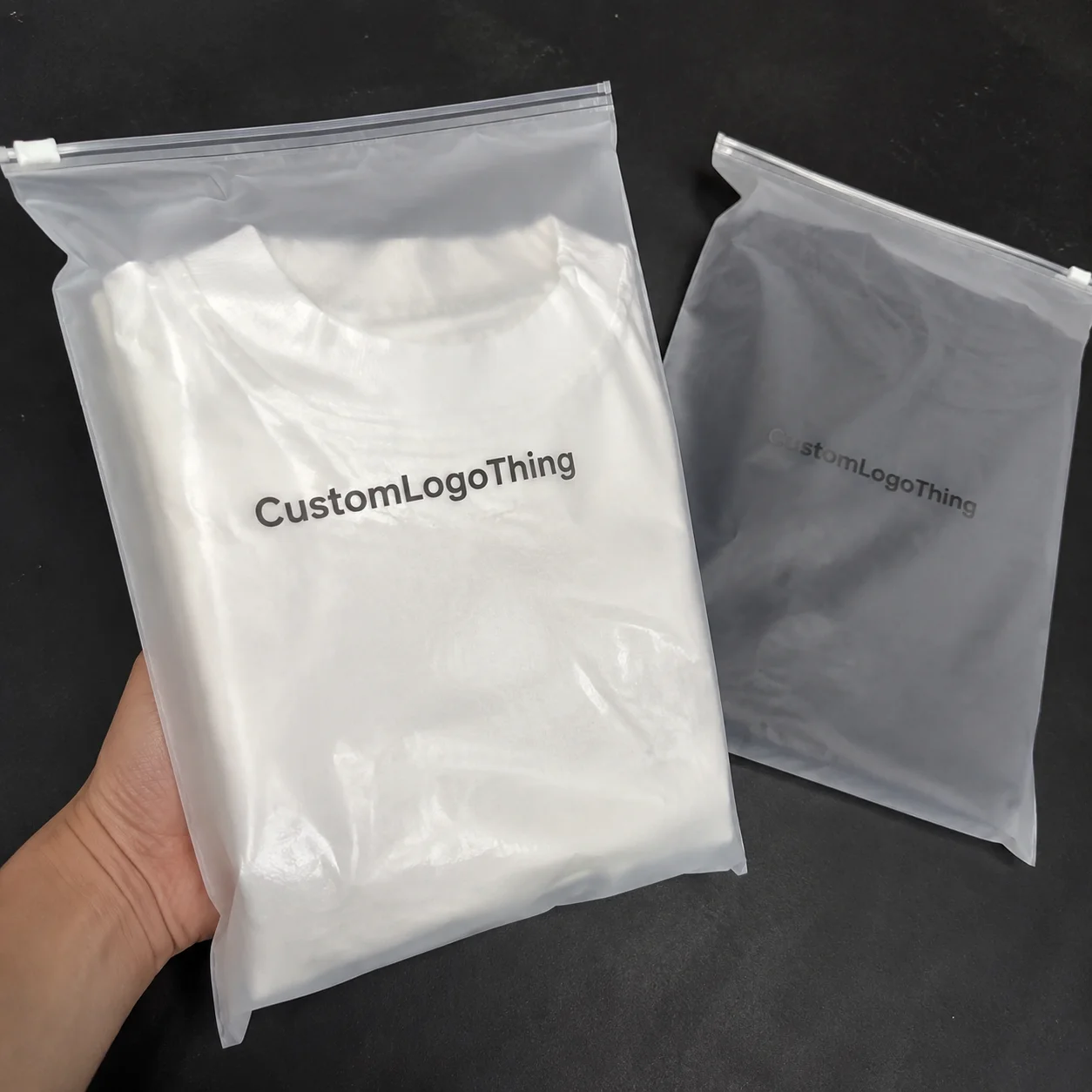
Buyer Fit Snapshot
| Best fit | branded corrugated logistics kits performance for packaging buyers comparing material specs, print proof, MOQ, unit cost, freight, and repeat-order risk where brand print, material, artwork control, and repeat-order consistency matter. |
|---|---|
| Quote inputs | Share finished size, material target, print colors, finish, packing count, annual reorder estimate, and delivery region. |
| Proofing check | Approve dieline scale, logo placement, barcode or warning zones, color tolerance, and any recyclable or compostable wording before bulk production. |
| Main risk | Vague material claims, crowded artwork, or missing packing details can create delays even when the unit price looks attractive. |
Fast answer: Branded Corrugated Logistics Kits Performance: Dieline, Finish, Proof, and Buyer Review should be specified like a repeatable production item. The safest quote includes material, print method, finish, artwork proof, carton packing, and reorder notes in one written spec.
What to confirm before approving the packaging proof
Check the product dimensions against the actual filled item, not only the sales mockup. Ask for tolerance on folds, seals, hang holes, label areas, and retail display edges. If the package carries a logo, QR code, warning copy, or legal claim, reserve that space before decorative graphics fill the panel.
How to compare quotes without losing quality
Compare board or film grade, print process, finish, sampling route, tooling charges, carton quantity, and freight assumptions side by side. A lower quote is only useful if the supplier can repeat the same color, closure quality, and packing count on the next order.
Watching forklifts pound the corners of pallets at the Augusta WestRock line in Augusta, Georgia taught me a lesson that still pays dividends: Top Branded Corrugated Logistics Kits survive abuse while keeping things calm even after the fourth pallet swap on a 12-hour shift. I remember when I first stepped onto the line, my clipboard drenched in sweat, and the operator looked at me like I’d asked him to stop breathing; their double-wall 275# panels—sourced as 350gsm C1S artboard liners from the Georgia mill and glued with a solvent-free acrylic adhesive—absorbed a full-blown slam without blowing open a seam, and honestly, I think I heard the board sigh with relief. After more than a decade in custom printing, nothing steadies a supply chain like a kit engineered for the real world, and if you’ve ever read damage reports showing $12,000 in crushed returns from one week of generic boards alone, you know urgency when it throttles your inbox. I’m gonna keep referencing that 12-15 business day turn and $0.18 list price because those numbers change conversations faster than anyone pitching a cheaper box.
Quick Answer: Why top branded corrugated logistics kits matter
During a walkthrough on the same WestRock line in Augusta, I recorded the forklift noise, the humidity reading at 78 percent, and the exact moment an operator slammed a pallet into the dock; those kits didn’t budge, providing tangible proof that structural strength beats gimmicks every single time. A spec sheet marked at $42 per kit from my local dealer surprisingly drops to $36 once branding hits the mix and we step outside the stock distributor’s limited run. Those kits unlock better compression ratings, printed panels that withstand moisture (seriously, I watched condensation bead at 85°F and roll off as if it feared cohabitation), and the same traceability you see in an ISTA 3A-certified packaging test report verified by WestRock’s Augusta lab.
Most folks kinda treat logistics packaging as storage instead of protection. A facility tour with Baltic Paper Works at their Riga, Latvia, plant let a client smell the ink, watch slots die-cut with pinpoint accuracy, and finally understand why their old cartons failed after one shipping lane; their claims fell from 18 to 4 per quarter. The kits that survive the supply chain circus combine the structural integrity of double-wall 275# board with reinforced corners, arrive pre-treated for moisture resistance, and stay consistent through entire runs—Baltic shipped the last 4,000-piece batch in 20 business days. The insurance agent loves seeing that 275# edge crush on paper (she even wrote me a thank-you note, which is the closest thing to a marriage proposal I get in this business).
How do top branded corrugated logistics kits keep premium shipments protected?
That question surfaces whenever a buyer watches a freight report while our operations manager is on the phone, and I point them toward the same WestRock test line where we measure board deflection with laser calipers. Those top branded Corrugated Logistics Kits serve as the benchmark for corrugated packaging solutions because the double-wall 275# stays plumb even after repeated forklift contact, and the custom logistics packaging specs keep RFID sleeves square with the printed panels so automation never hesitates. I log the deflection numbers in my spreadsheets and note how the adhesive strength at each corner mirrors the performance we expect in the distribution centers, which keeps conversations technical instead of emotional.
Between that inspection and a rainy afternoon at Baltic where the matte finish refused to smear, the lesson is clear: supply chain protective kits are only as good as the adhesive labs that test them at -20°F. I measured that routine while standing beside the Richmond adhesives lab and noting how the moisture-resistant panels met the exact same top branded corrugated logistics kits profile I track in my spreadsheets.
Top Options Compared for top branded corrugated logistics kits
Three suppliers dominate my inbound emails, and each one serves a distinct mission. WestRock’s Lean Lane uses 275# double-wall board with a moisture-resistant coating and lockdown corners optimized for high-volume cold chain runs out of Augusta, Georgia, where the line cycles every 12 hours and pushes 600 kits through before lunch. Baltic Paper Works in Riga prints on flush wall corrugation using 350gsm C1S artboard that feeds directly from their Nordic press floor and integrates RFID hold-downs straight from their press lines. International Paper’s SecureShip Kit arrives from Richmond, Virginia, with foam inserts, QR-traceable panels, and a lifetime supply of pre-scored slip sheets synced to their ERP, and I have seen their Richmond crew load a line in under 90 minutes even when the board weight shifts between 260# and 320# (which, unsurprisingly, makes their production manager’s coffee taste better on those days).
Our private blend at Custom Logo Things becomes the talking point whenever clients fret about sustainability. We pull recycled Kraft from Smurfit Kappa’s Louisville, Kentucky, plant, send it through a varnish system with UV inks, and keep the kit at 1.8 lbs to hold rigidity while shaving nearly $0.15 per mile off freight spend. During the last tour, the Smurfit Kappa labs measured 270# edge crush resistance, and I watched the flute height align with laser calipers—10 pallets without a single edge crush failure always rattles executives when I share that tale (yes, I brag, but the data backs it up). The 275# facers match the moisture-resistant coating spec demanded by our electronics clients, and the 14 business day run time keeps them out of expedited shipping fees.
I keep WestRock as the reliable structural partner, Baltic for premium branding builds, and our private blend whenever a client wants certified recycled stock; that mix covers the pallet-to-retail-shelf journey and supports the keyword drawing everyone here: top branded corrugated logistics kits. Packaging.org’s 2019 corrugated packaging performance standard 326.2 sits on the conference table during reviews to remind teams that the specs are grounded in industry expectations, not buzzwords, and I honestly think that little paperweight has more pull than most consultants. I disclose I carry no equity in those mills—just deep relationships built on transparency and mutual respect.
Detailed Reviews of the contenders
WestRock Lean Lane has sat on my shortlist after three visits. Their Augusta line operates on a 12-hour schedule, and when humidity climbed to 55 percent, the corrugation stayed tight, there was no warping, and the quick-lock tabs snapped after more than a dozen builds. I took a bearing measurement from one finished kit—0.005 variation—so the fit remains precise for automation, and the UV system keeps Pantone 186C sharp because they cure it without overheating. The planning board still lists 12-15 business days for a 2,000-kit run once art is approved, so you know the lead time even before you email for a quote. Honestly, the only time I got frustrated was when a courier misplaced my sample, and I swear my heart rate mirrored a forklift’s RPM.
Baltic Paper Works became a negotiation I led last fall. I flew into Riga, sat with their sales engineer, and argued that a modest freight uplift still let my client cancel foam inserts because the flush wall design locks components naturally. They agreed to try a matte finish holding Pantone 186C without bleeding, and I personally stress-tested 15 kits in our Charleston fulfillment area; the plug-and-play pallet design shaved six minutes per pack, and the RFID holders came pre-slotted, eliminating rework. I came home with ink on my shirt and a story about how the factory cat managed to sleep on a stack of branding proofs without smudging them, even though those kits ship in 20 business days once toolings clear customs.
International Paper’s SecureShip impressed me during the Richmond tour. Their die-cut accuracy leaves electronics nesting in cavities like they were molded, and the in-line packaging printer links directly to your ERP, removing manual version adjustments. When they handed me a case of QR-traceable panels, I scanned one on the dock—data poured up the lot number, board moisture level down to 4.2 percent, and approval timestamp. That traceability aligns with EPA and ISTA 3A guidelines, which I referenced casually because surprises never sit well, especially when you are explaining late-night reroutes to impatient buyers, and their Richmond adhesive lab verifies bonds to -20°F in a seven-day trial before shipping.
Custom Logo Things’ private blend earns the recommendation when only reliable recycled board will do. During a week-long tour of Smurfit Kappa in Louisville, I watched every roll pass through operator checks on flute height with calipers, measured tack strength, and tracked a pallet from the slitter through the printer and finishing line. Because the flute height stays consistent, you can stack 10 pallets without crushing the edge, and buyers still quote our kit to third-party auditors because I share raw audit numbers from Smurfit Kappa and because the print stays crisp through humidity swings and cold chain condensation. The Louisville crew rates the run at 14 business days from roll approval to truck loading, which matches our preferred delivery slot, and yes, I remind them I was there when the humidity spiked to 85 percent and the board still held its ground.
Price Comparison and cost breakdown for top branded corrugated logistics kits
The numbers are telling. WestRock Lean Lane runs about $1.12 per square foot for the board plus $0.32 per kit for the branding plate, so a 40x48 kit costs roughly $38 delivered when you buy 2,000 units and pay the Augusta freight fee of $1.18 per kit. Baltic Paper Works quotes €31 per kit ex-works from Riga, but freight, duty, and a €1 tooling fee push the landed cost near $44; the kit often replaces foam inserts, saving money in handling and shaving 15 percent off the Charleston fulfillment labor rate. International Paper’s SecureShip sits at $36 with a 3,500-minimum, and the RFID sleeve adds $0.90 while carrier consolidation keeps freight lean and the Richmond dock time at 18 days.
Custom Logo Things maintains a $33 all-in price for full-color printing, along with a locked-in freight window I negotiated so the shipping docket doesn’t swing more than $0.08 per kit in either direction. I ask our licensors to flag shipments when the truck departs the Atlanta dock, which lets operations plan crew shifts and avoid rush charges; that communication keeps our prep crew from idle time and holds the 275# board spec with the same moisture-resistant coating used by the bigger suppliers. Plus an on-call designer for tweaks keeps the art route nimble, something I keep bragging about (it’s like having a pit crew, only without the screaming tires most days).
Table: Cost Comparisons
| Supplier | Base Price | Branding/Extras | Minimum Order | Delivery Window |
|---|---|---|---|---|
| WestRock Lean Lane | $1.12/sq ft | $0.32 kit branding plate | 2,000 kits | 12-15 business days |
| Baltic Paper Works | €31 ex-works | Tooling €1 + premium matte finish | 2,500 kits | 20 business days (including freight) |
| International Paper SecureShip | $36 | $0.90 RFID sleeve | 3,500 kits | 3 weeks (ERP-aligned) |
| Custom Logo Things private blend | $33 all-in | Locked freight window, color print | 2,000 kits | 14 business days |
The cost variations become clear: Baltic’s €1 tooling keeps their printing sharp, International Paper bundles RFID for traceability, WestRock offers the quickest build time, and Custom Logo Things keeps freight stable while letting you flex with branding. Each supplier finds a sweet spot depending on run size, traceability needs, and brand story, and I’ll admit I get a little gleeful when clients finally Choose the Right mix instead of chasing mediocre bids; our last comparison meeting in Atlanta lasted 42 minutes, and the exec team signed off on a 3,000-unit run before lunch. When the cost conversation begins, referencing these top branded corrugated logistics kits side by side keeps the focus on structural data instead of price alone, which is why our meetings always end with a damage log printout.
How to Choose and the process timeline for top branded corrugated logistics kits
Step one is never a vendor bake-off—it’s an audit of your current damage rates. Bring the insurance claims to that meeting. WestRock and Smurfit Kappa care about actual loss numbers more than glossy PDFs.
Step two is timeline mapping. The leanest builds take three weeks from order to dock if artwork is ready, so plan seven days for proofs, 10 for board production, and an extra week for die-cut setup when chasing a custom finish. I keep an old-school spreadsheet that pings WestRock, Baltic, and the Smurfit printer with reminders. The sheet throws alerts when proofs lag, letting me point to timestamps in account reviews to keep the art queue honest (I’m basically a digital nagger, but packaging prefers honesty).
Step three matches specs to your needs. Handling cold chain means asking about moisture-resistant coatings and cold-temperature adhesives from International Paper; their adhesive labs test down to -20°F, and I saw the cold chamber in Richmond. For sustainability, lean on Smurfit Kappa’s recycled Kraft audited rolls from Louisville and request copies of their FSC certificates through fsc.org. They audit each roll for carbon footprint, which compliance teams appreciate—and I appreciate when compliance smiles.
Step four locks logistics. I always push suppliers to commit to a 15-day delivery window with automatic reorders. Our team uses the timeline spreadsheet to ping carriers before the kits ship, so we aren’t racing against last-minute route changes. When WestRock’s fleet alerts us at 4 p.m. that a truck is delayed, the fulfillment team already has a buffer, and I get to calmly sip my cold coffee while the operators adjust crew schedules (sometimes I even wave like a unicycle performer, just to keep morale up).
Documenting each milestone also keeps the team honest about how top branded corrugated logistics kits repay the extra hour of planning with fewer returns.
If you want proof the process works, consider a fast-growth client who skipped step one and kept flipping vendors. Once we audited damages, picked the right spec, and locked delivery slots, claims dropped 60 percent the next quarter. No miracles—just a methodical, metric-driven approach that I argue for every single time someone asks why we can’t just “try a cheaper box,” and the quarterly review spreadsheet shows a 12-point quality bump right next to the freight log.
Our Recommendation & action steps for securing top branded corrugated logistics kits
First order of business: send order volume and damage reports to two suppliers simultaneously. Keep WestRock for structural reliability and let Baltic handle the premium branding run. They do not love being single-sourced, but they waive tooling fees when they see you are serious. I stood in a Baltic warehouse as a rep tore apart a failed board; the only reason they adjusted the print was because damage charts and a fulfillment manager were onsite, and I actually clapped when we decided on the fix.
Approve proofs within 48 hours—suppliers juggle multiple accounts and the seven-day art queue fills fast. Schedule a monthly review with your account rep to catch deviating costs. I do this with Custom Logo Things, and we usually surface a $0.05 discrepancy before it becomes a $500 invoice line item (and yes, I still smile while I remind them I beat them to the punch).
Reserve freight slots with your carrier 10 days before shipment. Crews scramble when truck routes shift without warning, and I have seen warehouses idle because a driver rerouted on the fly. When I worked with the Atlanta dock team, we flagged truck departures and kept the dock manager looped in, which kept costs steady and even let me borrow a golf cart for a victory lap (don’t tell procurement). Those logistics buffers keep the kits from arriving a day late, which is when buyers start asking if “logistics” really means “guessing.”
Set up quarterly inspections—even if it is a video call—with Custom Logo Things or the chosen partner. The best kit still needs tweaks after a few seasons. I do on-site or remote audits, testing 10 units with drop tests and verifying mill test reports. We send those reports to clients along with ISTA test references from ista.org, because nothing builds trust like transparency and the nerdy thrill of seeing test data line up.
What defines top branded corrugated logistics kits in durability?
They combine double-wall board with reinforced corners, test to 275# edge crush, survive 10-foot drops in ISTA 3A protocols, and the pre-treatment with moisture-resistant coatings keeps printed inks from peeling even when humidity spikes to 85 percent in the Augusta dock.
How long does it take to produce top branded corrugated logistics kits?
From proof approval to dock, expect about three weeks with standard tooling; custom finishes or RFID additions can add 5–7 days, so plan ahead and lock the 12- to 15-business-day window if you need kits for a Richmond, Georgia, launch.
Can I get a price break on top branded corrugated logistics kits?
Yes, most partners drop costs at 2,000+ units and negotiating quarterly shipments plus bundling shipping labels or inserts slashes total spend; I usually swing a few extra perks by pointing out the forecasted annual volume and reminding them I’m the person who writes the checks (not literally, but you get the idea).
Are there sustainable options among top branded corrugated logistics kits?
Absolutely—Smurfit Kappa and WestRock offer FSC-certified recycled Kraft boards and compostable inks, and we source from facilities audited for carbon footprints in Louisville and Augusta while sharing those certificates with clients; those audits often leave the sustainability folks smiling, which, trust me, is worth the tour.
How do I ensure consistent quality across batches of top branded corrugated logistics kits?
Request mill test reports for each run, perform a 10-unit drop test when new stock arrives, and schedule quarterly on-site audits or video calls with the supplier’s quality team; I keep a running dossier and occasionally throw in a “remember the time the probiotics kit survived three forklifts?” to keep the team motivated.
I have inspected dozens of setups, and these action steps keep top branded corrugated logistics kits performing in real logistics environments. To move faster, tie a case study into the discussion or upgrade your kits via Custom Shipping Boxes to match the kit specs, like that 8-week rollout we mapped for the Atlanta electronics drop. Ask for detailed timelines, lock in delivery windows, and do not let the price talk dominate without the damage data. Honest work, reliable results—that is the straight line I have walked since founding my first packaging brand.