Buy Custom Bucket Hats for Subscription Brand Kits
Learn how Custom Bucket Hats for subscription brand kits work, from fabric selection and decoration methods to pricing, timelines, packaging, QC checks, and reorder planning.
Why Custom Bucket Hats for Subscription Brand Kits Work
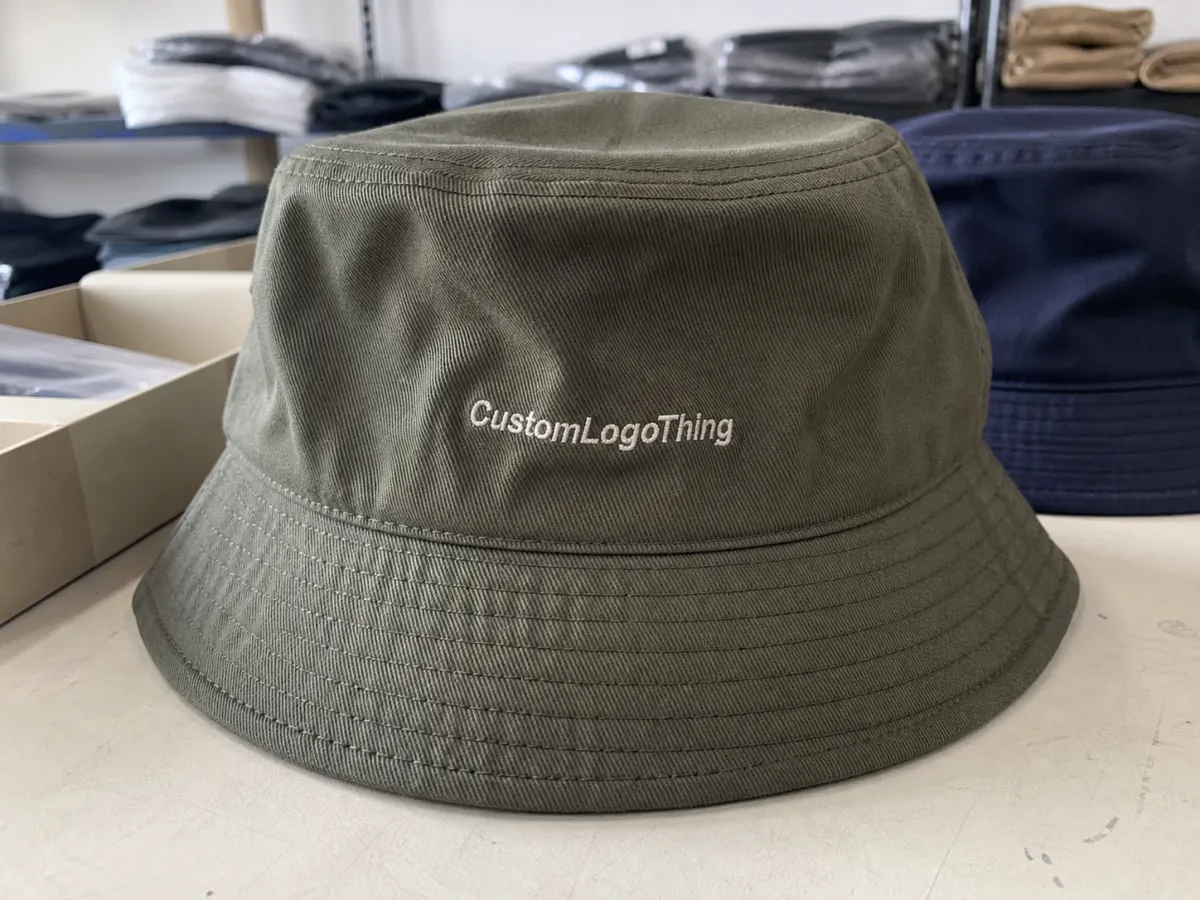
Most subscription boxes get judged quickly. Ten seconds, maybe less. The subscriber opens the carton, scans the contents, decides whether the month feels worth it, and starts forming the renewal decision before the insert card is fully read.
Custom bucket hats for subscription brand kits can stretch that short unboxing moment into weeks or months of visible use. A sticker may land on a laptop. A coupon may be redeemed once. A hat can walk into coffee shops, beaches, school pickup lines, music events, dog parks, farmers markets, and social photos. From a buyer's point of view, that makes the item behave less like a disposable giveaway and more like a small piece of media.
Bucket hats occupy a useful middle lane. They pack softer than structured baseball caps, feel less formal than performance caps, and work across more seasons than knit beanies. Beauty boxes use them around SPF and travel themes. Beverage brands use them for summer kits. Outdoor, pet, music, streetwear, and lifestyle subscriptions use them because the shape is casual, photogenic, and less size-sensitive than many apparel items.
The economics are not automatic. A subscriber wearing the hat in one photo may create more impressions than a paid insert tucked beside samples, but only if the hat looks wearable in the first place. Fabric weight, logo method, minimum order quantity, landed cost, freight route, box fit, and delivery calendar decide whether the piece feels collectible or cheap.
Buyer reality check: a hat inside a subscription box is not just merchandise. It is product packaging, brand identity, unboxing experience, inventory risk, and fulfillment constraint packed into one soft item.
How Bucket Hat Inserts Fit Into the Subscription Box Model
A bucket hat can play several roles inside a subscription program. It may be the hero item in a seasonal box, a six-month loyalty reward, an influencer seeding piece, an anniversary gift, a limited collaboration, or a paid add-on for subscribers who want the upgraded kit. The role should be defined before anyone asks for pricing.
An acquisition box and a VIP retention box do not carry the same economics. A first-time subscriber gift usually needs broad appeal and tighter cost control. A VIP reward can justify stronger retail cues, especially if the perceived value sits around $20 to $35 even while the wholesale cost remains far below that. A collaboration hat may need co-branded labels, better hang tags, and stricter color matching because two brands are exposed if the item looks weak.
Physically, bucket hats are easier to pack than rigid caps. That does not make them foolproof. A brim folded sharply for two weeks in transit can arrive with a crease that no unboxing copy can repair. Test the hat inside the actual mailer or box, with tissue, insert card, product samples, void fill, and any promotional literature in place.
Colorways can support segmentation. A wellness box might send sand, sage, or washed black based on seasonal themes. A membership program might reserve tonal embroidery for annual subscribers. A pet box might use small cohort drops tied to breed size, walking season, or event sponsorship. Strong package branding does not stop at the outside of the carton.
Packaging turns a simple hat into a drop. Common choices include individual poly bags, glassine bags, belly bands, hang tags, woven labels, barcode stickers, tissue wrap, and custom insert cards. For more developed branded packaging systems, the hat should match the tone of the mailer, literature, and any Custom Packaging Products already in the kit.
Campaign thinking beats product thinking. The hat should line up with the email subject line, landing page, box artwork, social prompt, influencer instructions, warehouse plan, and reorder calendar. A subscriber should see one story, not a pile of unrelated components.
Fabric, Fit, Logo Placement, and Packaging Specs to Decide Early
Fabric sets the first impression before the logo is read. Cotton twill is the everyday workhorse: familiar, breathable, and usually sturdy enough for repeat wear. Washed cotton gives a softer, vintage hand feel that suits music, beauty, lifestyle, and wellness boxes. Polyester helps control promotional cost, although thin versions can feel flimsy fast. Canvas adds structure and durability. Nylon fits outdoor, travel, festival, and water-adjacent campaigns.
Fit needs plain decisions, not vague adjectives. Crown depth affects whether the hat sits low or perched. Brim width changes both silhouette and sun coverage. Many adult unisex stock hats sit near 58 cm in circumference, but tolerance matters because a small shift can change comfort. Panel count, sweatband quality, stitching density, and crown structure all influence whether the final piece feels retail-ready or promotional.
Decoration is the next fork. Embroidery gives texture and durability, but tiny type, gradients, thin lines, and complicated seals do not translate cleanly. Woven patches hold more detail and can make a subscription hat feel closer to streetwear or retail merchandise. Screen print works for larger, flatter graphics. Heat transfer can carry gradients and photographic effects, yet the hand feel and wash durability should be tested before bulk approval.
| Logo Method | Best Use | Typical Watchouts | Perceived Value |
|---|---|---|---|
| Embroidery | Simple logos, icons, short words | High stitch counts raise cost; tiny details can blur | High |
| Woven patch | Detailed artwork, co-branded drops, retail styling | Patch shape, border, and attachment need approval | High |
| Screen print | Large graphics and bold one-color art | Best on flatter fabric areas; ink hand feel varies | Medium |
| Heat transfer | Gradients, photographic effects, short-run graphics | Durability and feel should be tested after wear | Medium |
Color is not only a mood board choice. It is a production spec. Pantone targets matter because one cream can look premium while another reads like old inventory. If the hat needs to coordinate with printed boxes, tissue, product packaging, or insert cards, request swatches or lab dips where the order size and timeline support it.
Logo placement deserves the same discipline. A centered front mark is safest. A side label feels more retail. A brim print can look sharp in photos but may distort if the brim curves heavily. Interior sweatband printing is a subtle detail, though it adds cost and may be invisible during unboxing. Avoid stacking every possible branding location onto one hat; over-branding can make a wearable item feel like an ad.
Packaging specs should be settled early: individual bagging, carton count, master carton dimensions, moisture protection, barcode labels, inner pack quantities, and whether hats arrive folded, nested, or lightly shaped. If the brand ships internationally or sells into regulated markets, fiber content, country-of-origin labeling, care labels, and age-related requirements may apply. Standards groups such as ISTA are useful references for transit-testing discipline, even when a soft goods insert does not require formal lab testing.
Pricing, MOQ, and Unit Cost Drivers Buyers Should Compare
The cheapest quote is often not the cheapest campaign. Sampling, freight, duties, packaging, spoilage, rework, missed ship windows, and customer service credits can turn a low unit price into an expensive mistake. Ask for landed cost, not just base product cost.
Primary cost drivers include fabric type, construction, order quantity, embroidery stitch count, patch style, logo locations, custom labels, packaging, inspection level, carton labeling, and freight method. A stock cotton twill hat with simple front embroidery sits in a very different bracket than a custom-dyed canvas hat with a woven side label, printed sweatband, belly band, and co-branded hang tag.
Realistic MOQ depends on the production route. Decorating existing blanks can sometimes start in the low hundreds. Fully custom fabric, dyed colorways, private labels, special trims, or unique construction usually push minimums higher. Supplier setup, fabric availability, and decoration method matter, so treat universal MOQ promises with suspicion.
Unit cost generally falls as quantity rises. Cash exposure rises with it. A subscription brand forecasting 4,200 active subscribers may be tempted to order 6,000 hats to secure a better price break. That can work if growth is predictable. It can also trap cash in excess inventory if churn spikes, the seasonal theme changes, or the campaign underperforms.
| Production Route | Common Quantity Range | Typical Cost Drivers | Best Fit |
|---|---|---|---|
| Stock hat with embroidery | Lower to mid quantities | Stitch count, logo size, thread colors, setup | Fast campaigns and test drops |
| Stock hat with patch and packaging | Mid quantities | Patch type, label, hang tag, individual bagging | Retail-style subscription inserts |
| Fully custom hat | Higher quantities | Fabric dyeing, trims, labels, sampling, inspection | Flagship campaigns and paid add-ons |
A small value cue can outperform a costly fabric upgrade. A woven label, clean hang tag, or sharp belly band may cost less than moving from basic cotton to heavier canvas, yet subscribers may read the finished item as more intentional. Retail packaging does that: it tells people how to value the object before they have worn it.
For custom bucket hats for subscription brand planning, request three quote tiers: good, better, and best. Make the differences visible. Separate fabric, logo method, packaging, lead time, freight estimate, duties, replacement policy, and inspection assumptions. A blended number hides the tradeoffs that matter.
Process and Timeline From Mockup to Subscriber Delivery
The workflow looks simple on paper: brief, spec confirmation, digital mockup, quote approval, sample or pre-production proof, bulk production, quality inspection, freight, kitting, and subscriber delivery. The risk hides in the handoffs.
Stock hats with decoration can move faster because the base product already exists. Fully custom production takes longer because fabric, trims, labels, dyeing, cutting, sewing, decoration, and packaging must line up. Buyers should build the calendar backward from the subscription box ship date, not forward from the day artwork is approved.
Approval checkpoints need owners and dates. Confirm the artwork proof, thread or patch colors, logo placement, sample fit, brim shape, packaging, carton labeling, ship-to address, and final ship date. If the supplier also supports kitting, confirm inner pack quantities and barcode requirements before bulk goods are packed.
Common delays are ordinary and expensive: late vector artwork, Pantone changes after sampling, low-resolution logo files, undecided packaging, missing warehouse instructions, and underestimating customs or freight congestion. A two-day artwork delay can become a two-week delivery issue if it misses a production slot.
A practical calendar includes buffer for sample revisions, quality control, freight variance, and kitting. Subscription boxes punish small delays because one missing component can hold the entire release. Rush orders can work, but they often narrow fabric choices, reduce sample review, raise freight cost, or force simpler customization.
If sustainability claims are part of the campaign, use precise language. Recycled content, responsibly sourced paper components, compostable mailers, or FSC-certified tags need documentation. The Forest Stewardship Council is a useful authority for paper-based packaging claims, especially for hang tags, belly bands, and insert cards.
Step-by-Step Buying Guide for a Low-Risk Hat Drop
- Define the campaign job. Decide whether the hat supports retention, influencer seeding, VIP rewards, seasonal lift, a collaboration, or a paid add-on. One product cannot solve every commercial problem equally well.
- Calculate the required quantity. Start with active subscribers, then add forecast growth, influencer extras, damaged-item replacements, photography samples, warehouse loss, and archive samples. A 3% to 7% buffer is common for many soft goods campaigns, though the right number depends on risk tolerance.
- Choose the base and decoration. Match fabric and logo method to brand position, box size, subscriber climate, and expected retail value. A premium outdoor audience will judge a thin polyester hat harshly. A casual summer beauty box may not need heavy canvas.
- Prepare quote-ready files. Send vector artwork, Pantone references, placement notes, label requirements, packaging instructions, delivery address, and must-arrive date. Fuzzy inputs create fuzzy quotes.
- Request separated pricing. Ask suppliers to break out product, decoration, setup, packaging, freight, duties, inspection, and kitting requirements. This makes vendor comparisons cleaner and exposes hidden cost drivers.
- Approve with a physical checklist. Review color, stitching, logo size, logo alignment, fit, brim shape, label accuracy, packaging, and how the hat looks after being packed inside the real box.
- Lock the production spec. Put the approved fabric, colors, logo method, packaging, carton details, and delivery date in writing. Later revisions should trigger a cost and timeline review.
- Plan the reorder path. Save thread colors, patch files, sample photos, carton dimensions, supplier notes, and inspection findings. A reorder should not require forensic reconstruction.
One more practical point: ask who signs off before bulk shipment. A named approval step does not guarantee perfection, but it reduces the chance that a small decoration issue becomes 5,000 repeated defects.
Common Mistakes That Make Branded Bucket Hats Feel Cheap
The first mistake is buying only by unit price. A low-cost hat may look acceptable in a flat mockup, then collapse on the head, wrinkle at the brim, or pucker around embroidery. Saving $0.40 per unit can feel clever until subscribers describe the hero item as flimsy.
The second mistake is using artwork that was never designed for the selected decoration method. Tiny type, gradients, hairline strokes, and complex seals often break down in embroidery. If the logo needs detail, a woven patch may be the better answer. If the logo must be embroidered, simplify it early.
The third mistake is skipping the box-fit test. A bucket hat can compress, but it still changes the pack-out. If the box no longer closes cleanly, postage can rise, the unboxing experience can suffer, or the brim can arrive crushed. Test the packed box after 24 to 72 hours of compression, not just for five minutes on a desk.
The fourth mistake is ignoring subscriber context. A heavy canvas hat may feel wrong in a summer beauty kit. A thin promotional polyester hat may disappoint a premium outdoor audience. Climate, age range, style expectations, and price tier all shape how the item is judged.
Under-ordering is another quiet failure. Replacements, influencer kits, photography samples, warehouse loss, and late signups consume inventory fast. If the campaign succeeds and the hat becomes the item everyone wants, running out can turn a positive response into a service problem.
Digital-only approval is risky when color, scale, fit, and hand feel matter. A mockup cannot show whether the brim feels limp, the crown sits too deep, or the cream fabric clashes with the insert card. For custom bucket hats for subscription brand programs with meaningful spend, a physical sample is not a luxury. It is risk control.
Packaging should not be treated as cleanup. A good hat stuffed in a loud, crinkly plastic bag can feel cheaper than a modest hat wrapped with a clean belly band and short product story. Review Case Studies to see how presentation choices can shift perceived value across campaign types.
Next Steps Before You Request Samples or a Quote
Before buying custom bucket hats for subscription brand kits, gather the basics: subscriber count, target ship date, budget range, box dimensions, artwork, delivery address, packaging requirements, and any labeling rules. That list sounds simple. It saves days.
Create a one-page product brief with the campaign objective, desired retail feel, fabric preference, logo method, color palette, quantity tiers, must-arrive date, and pack-out notes. If the hat needs to coordinate with printed boxes, tissue, or other package branding, include photos or color references from the full kit.
Ask suppliers for two or three production routes. One could be fast stock customization. One could use upgraded decoration and packaging. One could be fully custom hat production with dyed fabric, private labels, and stronger retail cues. Comparing those routes side by side reveals the real tradeoff between speed, cost, and brand impact.
Then test samples under real conditions. Pack the hat inside the subscription box with every other item. Photograph it under natural light. Wear it. Check how the logo reads from six feet away. Measure whether the box still closes without bulging. Ask direct quality-control questions about stitch tolerance, color variance, replacement policy, carton labels, and final sign-off.
Approve only when the hat supports the brand story, fits the logistics plan, lands within margin, and can be reordered without rebuilding the project from scratch. A strong subscription hat drop starts less like a merch order and more like a small product launch: specs defined, timing controlled, costs measured, and subscriber reaction tracked. That is how a soft item earns its place in the box.
Frequently Asked Questions
How early should I order custom bucket hats for a subscription box campaign?
Plan backward from the subscriber ship date and allow time for quoting, sampling, production, freight, inspection, and kitting. Stock hat decoration can move faster, while custom colors, labels, fabrics, or packaging need more lead time. Add buffer for sample revisions and transit because subscription boxes have little tolerance for late components.
What is a realistic MOQ for branded bucket hats for subscription brands?
Lower MOQs are usually possible when decorating existing blank hats. Higher MOQs are common for custom-dyed fabric, private labels, woven patches, custom packaging, or unique construction. Ask for quantity breaks so you can compare unit cost at your current subscriber count and at your forecasted growth level.
Which logo method is best for custom bucket hats in subscription kits?
Embroidery is durable and premium for simple logos, short words, and icons. Woven patches work well for detailed artwork and a retail-style finish. Screen print or heat transfer may suit larger graphics, gradients, or lower-cost promotional campaigns, but test the feel and durability before approving bulk production.
How can I keep custom bucket hat costs under control without making them look cheap?
Limit the number of logo placements and keep embroidery stitch count efficient. Use a strong stock fabric and invest in a visible value cue such as a woven label, hang tag, or clean belly band. Compare landed cost, not just unit price, because freight, duties, sampling, and packaging can change the final economics.
What should I check before approving custom bucket hats for subscription brand delivery?
Review fabric feel, crown depth, brim shape, logo size, logo alignment, thread color, labels, and packaging. Pack the sample inside the real subscription box with the other items to test crushing, fit, and presentation. Confirm carton labels, quantities, replacement buffer, delivery address, and final ship date before bulk production starts.


