Buyer Fit Snapshot
| Best fit | compostable mailer brands tests for packaging buyers comparing material specs, print proof, MOQ, unit cost, freight, and repeat-order risk where brand print, material, artwork control, and repeat-order consistency matter. |
|---|---|
| Quote inputs | Share finished size, material target, print colors, finish, packing count, annual reorder estimate, and delivery region. |
| Proofing check | Approve dieline scale, logo placement, barcode or warning zones, color tolerance, and any recyclable or compostable wording before bulk production. |
| Main risk | Vague material claims, crowded artwork, or missing packing details can create delays even when the unit price looks attractive. |
Fast answer: Compostable Mailer Brands Tests: Film, Closure, Print, and Fulfillment should be specified like a repeatable production item. The safest quote includes material, print method, finish, artwork proof, carton packing, and reorder notes in one written spec.
What to confirm before approving the packaging proof
Check the product dimensions against the actual filled item, not only the sales mockup. Ask for tolerance on folds, seals, hang holes, label areas, and retail display edges. If the package carries a logo, QR code, warning copy, or legal claim, reserve that space before decorative graphics fill the panel.
How to compare quotes without losing quality
Compare board or film grade, print process, finish, sampling route, tooling charges, carton quantity, and freight assumptions side by side. A lower quote is only useful if the supplier can repeat the same color, closure quality, and packing count on the next order.
A compostable mailer can look clean and responsible on the shelf and still fail once it meets a hot dock, a damp warehouse corner, or a rough carrier route. That tension shows up all the time with top compostable mailer brands: the front panel may promise sustainability, but the real test is whether the seam holds, the adhesive stays locked, and the bag still looks presentable after a week of stacking, sorting, and transit.
Top compostable mailer brands are not all built for the same job, and that is where a lot of purchasing teams get tripped up. The right choice for folded apparel is not always the right choice for premium unboxing, and the strongest sustainability story is not always the most reliable shipping format. The best fit depends on seal strength, compostability type, order volume, print expectations, and how much abuse the mailer has to survive before it reaches the customer.
If I had to start a shortlist right away, I would begin with EcoEnclose, noissue, Better Packaging Co., and Hero Packaging. Each one sits in a different lane. Some are better on documentation and consistency, some are stronger on polished branding, and some are easier for smaller teams to order without running straight into MOQ pressure. A useful shortlist of top compostable mailer brands should be judged on material makeup, certification claims, puncture resistance, print quality, minimum order quantity, and how the mailer behaves after sitting in a warm fulfillment space for several days.
A compostable mailer that opens in transit is not a sustainability win; it is a replacement cost, a customer complaint, and a damaged brand impression all at once.
That is why I would not rank top compostable mailer brands by green claims alone. A mailer that composts well but tears easily is a poor match for apparel. A mailer that seals well but carries vague certifications is a weak fit for brands trying to keep their sustainability story honest. Shipping performance comes first, then disposal story, then price. That order saves headaches, and honestly, it saves a lot of awkward conversations with ops teams later.
Top Compostable Mailer Brands Compared at a Glance
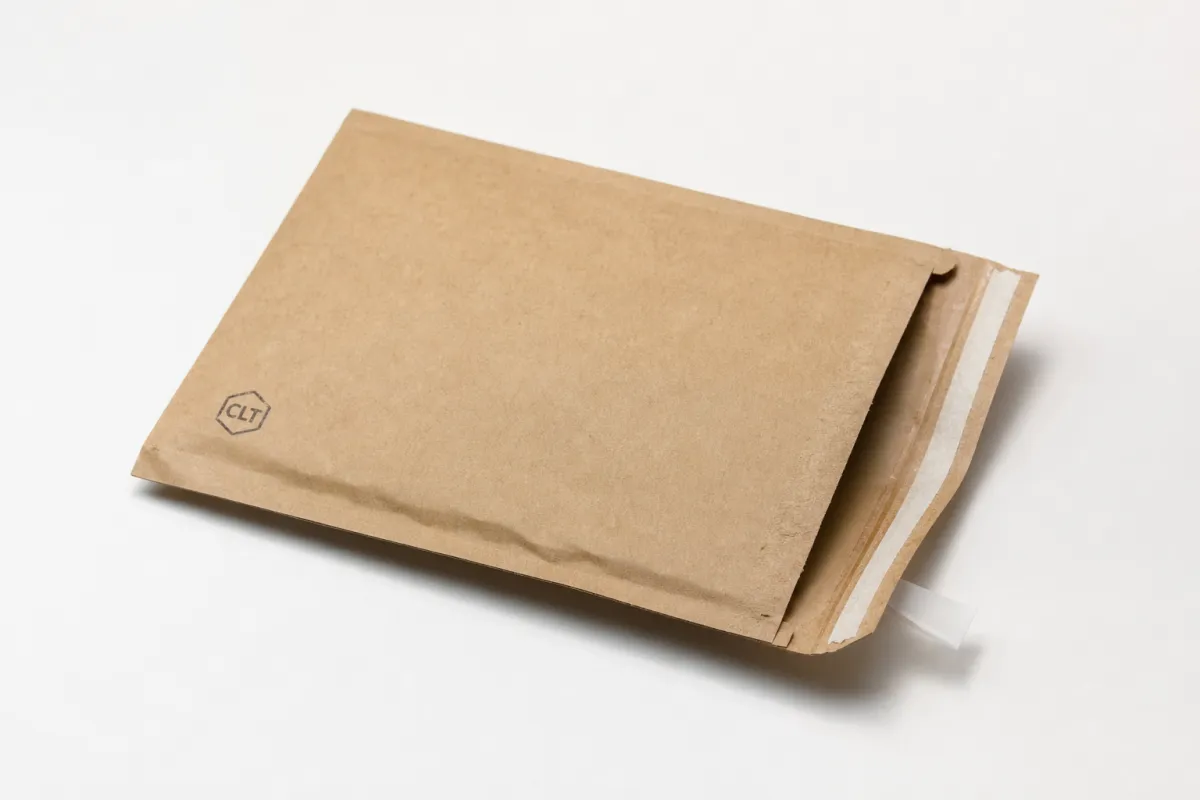
Here is the short version of top compostable mailer brands as a buyer would usually compare them. The goal is not to crown one winner for every shipment. The goal is to match the bag to the product, the shipping lane, and the customer experience you want to protect.
| Brand | Best For | Strengths | Tradeoffs | MOQ and Price Feel |
|---|---|---|---|---|
| EcoEnclose | Brands that need clear specs and dependable DTC shipping | Balanced structure, good documentation, solid seal behavior, practical sizing | Less flashy if you want a highly stylized presentation | Usually mid-priced; often friendlier in the low hundreds than ultra-small custom runs |
| noissue | Premium unboxing and strong visual branding | Clean print, polished look, strong customer-facing presentation | Can feel expensive at small quantities, especially with custom artwork | Often higher at low volume; value improves once reorder flow is steady |
| Better Packaging Co. | Ecommerce brands balancing sustainability and shelf appeal | Good color consistency, practical format choices, credible compostability story | Custom options may not feel as flexible as a purely bespoke converter | Usually lands in the middle; better once you move past trial quantities |
| Hero Packaging | Smaller brands, starter runs, and broad size testing | Approachable ordering, recognizable compostable mailer specialty, broad use case fit | Premium finish may not feel as refined as the higher-end custom choices | Often one of the easier places to start if you need lower friction and modest MOQ |
That table gives a workable way to look at top compostable mailer brands without getting lost in buzzwords. A brand with better print and higher pricing may be worth it if the mailer is part of the unboxing experience. A simpler, tougher option may be smarter if you are shipping folded tees, lightweight knits, or soft goods that do not need a luxury finish. If you want a conventional baseline to compare against, our Custom Poly Mailers page is a useful reference point for size, closure, and branding tradeoffs.
For brands that want to see how packaging decisions show up after launch, our Case Studies page is helpful because it shows the shipping side, the presentation side, and the reorder side together. That matters more than many buyers expect. A compostable mailer is not only a materials decision; it is also a fulfillment decision and, in some cases, a conversion decision.
One quiet truth about top compostable mailer brands is that many are optimized for the sustainability story first and the warehouse story second. That does not make them weak. It simply means buyers need to test thickness, closure design, and storage conditions instead of assuming all compostable film behaves the same way. A mailer stored in a cool, dry room can perform very differently from the same mailer left near a loading door in peak summer.
Detailed Reviews of the Top Compostable Mailer Brands
Below is the buyer's view of top compostable mailer brands, not a glossy sales brochure. I am focusing on the details that matter after the sample arrives: hand feel, seal reliability, puncture behavior, print clarity, odor, and whether the mailer still looks convincing after a little rough handling. That is the part buyers remember when they reorder, because the first shipment teaches you more than any spec sheet ever will.
EcoEnclose
EcoEnclose usually makes sense for brands that want a disciplined balance of documentation and performance. The mailers tend to feel practical rather than flimsy, which is a good thing when you are shipping apparel that gets folded, stacked, and tossed around before it reaches the consumer. In a lot of top compostable mailer brands comparisons, that balance is exactly what makes EcoEnclose easy to live with. The closure behavior is often the first thing I would check, because a clean, steady seal is what keeps the bag from opening when temperatures rise or when the parcel gets compressed in transit.
The tradeoff is visual excitement. If you want a loud, heavily branded unboxing moment, this may feel a little restrained. Still, restrained can be the right call. Buyers who care about eco-friendly packaging, proof of claims, and consistency across reorders often appreciate that the bag feels like a serious shipping tool instead of a marketing prop. That is the kind of detail that can save a team from overbuying a pretty package that is kinda annoying to warehouse.
Verdict: one of the most practical top compostable mailer brands for teams that care about documentation, dependable shipping behavior, and a clean brand presentation.
noissue
noissue is usually the name that comes up when the brand wants its packaging to look polished, current, and unmistakably intentional. The print quality can be a real advantage here, especially if your branding depends on color consistency, crisp logos, or a premium feel that supports a higher average order value. Among top compostable mailer brands, noissue is often the pick for brands that want the packaging to help sell the product rather than just protect it.
The downside is cost. At smaller quantities, the unit price can feel steep, particularly once you add artwork adjustments, sample rounds, and freight. That does not automatically make it overpriced. It simply means the value proposition leans more toward presentation than bare-bones shipping economics. If your customer expects a premium unboxing moment, that extra cost can make sense. If you are shipping volume-heavy basics, it may be harder to justify, especially when every cent on the packing table is already being watched.
Verdict: one of the strongest top compostable mailer brands for polished DTC branding, but not always the most forgiving choice on low-volume budgets.
Better Packaging Co.
Better Packaging Co. tends to land in a very useful middle ground. The reason many buyers like it is simple: it feels like a packaging program built for ecommerce realities, not just for a sustainability headline. In the mix of top compostable mailer brands, this is often the kind of option that works well for brands with steady reorder cycles, clear size requirements, and a need to keep the customer experience tidy without overcomplicating the sourcing process.
What stands out most is the practical fit for apparel and soft goods. The bag can offer enough structure to look neat, but not so much stiffness that it feels bulky or wasteful. The downside is that highly specialized custom work may not feel as flexible as a fully bespoke converter, so brands with unusual sizing, unusual artwork rules, or very specific fulfillment demands should ask detailed questions before committing. If you like process clarity, this brand tends to be easier to live with than a lot of prettier options.
Verdict: a strong candidate among top compostable mailer brands for balanced performance, useful sizing, and dependable everyday ecommerce use.
Hero Packaging
Hero Packaging is often the easiest place for a small or mid-sized brand to start, especially if the team wants a recognizable compostable mailer specialist without wrestling a huge order commitment. That matters more than many people realize. A lot of top compostable mailer brands look appealing until the MOQ forces the buyer to order more than the business can comfortably store, test, or sell through.
Hero Packaging can be attractive for broad product testing because the sizes and formats are usually friendly to startup experimentation. The bag generally makes sense for lightweight apparel, accessories, and soft goods where you want compostability and a clean consumer message without a complex sourcing process. The tradeoff, in some cases, is that the finish may not feel as elevated as the more premium branded options, so luxury positioning needs a careful sample review. For a brand still figuring out its shipping mix, though, that lower-friction path can be a real relief.
Verdict: a practical entry point in the world of top compostable mailer brands, especially when low-friction ordering matters more than a highly customized premium finish.
There is also a bigger strategic point here. The best top compostable mailer brands are not the ones that simply say "compostable" in large type. They are the ones that can survive the shipment your customer actually experiences. That means seal integrity, corner puncture resistance, and a clean open-and-close behavior in the fulfillment line. If a bag is pleasant to touch but unreliable in transit, it is not really a packaging solution. It is a risk with good branding.
From a packaging buyer's point of view, the most useful review question is not "Does it look eco-friendly?" It is "Will it still look tidy after stacking, barcode scanning, carrier handling, and a warm last-mile ride?" That is the difference between a product page and a production run. It is also why I would keep top compostable mailer brands under real-world stress before scaling anything. A sample that survives a clean desk test is nice; a sample that survives an actual warehouse day is the one you can trust.
Cost, Pricing, MOQ, and Unit Cost
Price is where a lot of buyers get misled. A mailer can look inexpensive at the quote stage and still become costly once freight, sampling, setup, and reorders are added in. With top compostable mailer brands, the right way to read cost is to separate unit price from total landed cost. Then add the cost of a failed shipment, because one tear in transit can wipe out the savings from a lower unit rate very quickly.
For small runs, a realistic range for top compostable mailer brands is often somewhere around $0.30 to $0.90 per unit, depending on size, print coverage, and whether you are buying stock or custom. At bulk levels, that number can fall meaningfully, but the exact drop depends on how the brand handles film, printing, and conversion. A plain two-color mailer will usually cost less than a fully printed one. A custom size will usually cost more than a stock format. Freight can swing the result enough to change the winner entirely.
MOQ matters just as much as sticker price. Some top compostable mailer brands are genuinely useful for smaller teams because they allow a modest first order and a clean reordering path. Others are better suited to businesses that already know their annual volume and can plan storage around a larger buy. If your warehouse is tight, buying too much just to save a few cents per piece can be the wrong move. I have seen buyers do that and then spend months working around cartons they did not really have room for.
These are the hidden cost drivers I would watch closely:
- Sampling: paying for multiple versions before final approval.
- Artwork setup: especially when the printer needs separate print plates or proof rounds.
- Freight: bulk mailers are light, but volume still creates real shipping cost.
- Storage: if cartons sit too long or in poor conditions, performance can suffer.
- Damage replacement: the quiet cost that comes from tears, open seams, or poor customer perception.
The simple rule is this: if a more expensive option improves sealing, lowers damage, or supports a premium price point, the true cost per shipment may be lower. That is one reason buyers should compare top compostable mailer brands by outcome, not just by invoice. A slightly higher spend can be completely reasonable if it protects conversion and keeps the brand's sustainability story believable.
Production Steps, Timeline, and Lead Time
Lead time is another place where expectations can drift. A stock order and a custom printed run are very different jobs, and buyers of top compostable mailer brands need to plan accordingly. The first order usually takes longer because artwork, dimensions, seal style, and certification language all need to be settled before production starts. Reorders are faster because the unknowns have already been removed.
A practical production flow usually looks like this:
- Sample request: confirm size, film feel, and seal behavior.
- Artwork review: check logo placement, color limits, and claim language.
- Proof approval: confirm everything in writing before print starts.
- Manufacturing: film conversion, printing, cutting, and packing.
- Freight: domestic delivery or ocean/air movement, depending on source.
For a first custom order, a realistic planning window is often 12 to 20 business days after proof approval, and sometimes longer if you are waiting on artwork changes or certification documents. Stock orders can move faster, often in the 3 to 7 business day range if inventory is already on hand. That is not a hard rule, but it is a workable planning assumption for many top compostable mailer brands.
There are also a few schedule risks worth calling out. Artwork revisions can stall the line for days. Questions about compostability claims can slow signoff. Freight delays can be annoying even when the factory is on schedule. And if you are planning a seasonal launch, a late proof or a missing logo file can create a bottleneck no amount of polite follow-up will fix.
Before you place an order, ask these questions:
- How long does sample shipping take?
- How many days from proof approval to production completion?
- Is the quoted lead time for stock or custom?
- What is the backup plan if artwork changes after approval?
- Can the vendor support a reorder with the same specs and color expectations?
If a vendor gives you vague answers, that is a warning sign. The best top compostable mailer brands should be able to tell you exactly where time is spent, what can slip, and how the schedule changes once the first job is complete. From a fulfillment standpoint, clarity is worth a lot. It is often the difference between a clean launch and a late one.
How to Choose Between Top Compostable Mailer Brands
Choosing among top compostable mailer brands starts with product fit, not branding preference. The bag has to match what is going inside it. A folded tee and a sharp-edged accessory do not need the same film behavior. A customer in a humid climate will not experience the package the same way as someone in a dry one. Shipping lanes matter too. So do fulfillment speed, storage time, and how often the mailers are handled before they reach the customer.
The first decision is compostability type. Home compostable and industrial compostable are not the same promise. Home compostable claims depend on much looser consumer conditions and still need careful verification, while industrial compostable claims depend on access to a proper facility. The EPA composting guidance is a useful baseline if you want a practical explanation of why those pathways differ. Buyers should also check whether the bag references ASTM D6400, ASTM D6868, or EN 13432, because those standards tell you much more than a green-colored film ever will.
Then look at the mechanics. A strong list of top compostable mailer brands should be tested for closure behavior, thickness, stiffness, and puncture resistance. A thin bag may save money but fail on corners or hardware. A thicker bag may feel more durable but use more material than your product needs. The sweet spot is usually a balance, not the heaviest film available. For apparel, many brands do well in the 50 to 75 micron range, though the right answer depends on garment weight and fold style.
Here is a practical test matrix that works well for top compostable mailer brands:
- Load test: pack the heaviest SKU you intend to ship.
- Heat test: leave samples in a warm room or vehicle for several hours.
- Handling test: stack, slide, and restack the mailers to mimic warehouse use.
- Seal test: check whether the closure lifts after pressure and movement.
- Finish test: see whether the print still looks clean after abrasion.
That kind of testing is especially useful if your brand is chasing a lower carbon footprint or trying to support a circular economy story without sounding vague. The best green packaging claims are the ones you can explain clearly to customers. If the message is too broad, it starts to sound like advertising. If it is too narrow, it confuses the buyer. Clear language wins.
One more point on zero waste language: compostable does not automatically mean zero waste in a strict systems sense. It can support a lower-impact packaging strategy, but only if the disposal pathway exists and the bag is selected honestly. That is why top compostable mailer brands should be judged on the real disposal context in the regions where you sell. A good sustainability story does not excuse weak shipping performance, and good shipping performance does not excuse vague claims.
For the packaging buyer, the easiest decision filter is this: choose the brand that supports your customer perception, your fulfillment speed, and your proof points at the same time. If one of those three fails, the packaging program will feel off. The best top compostable mailer brands usually win by keeping all three in balance.
Our Recommendation and Next Steps
If I were narrowing down top compostable mailer brands for a real launch, I would sort them by job rather than by headline claim. For a documentation-heavy brand that wants steady everyday shipping, EcoEnclose is a strong first look. For premium presentation, noissue usually deserves serious attention. For a balanced ecommerce program with sensible repeat ordering, Better Packaging Co. is often a smart middle path. For smaller brands that need a cleaner entry point with less friction, Hero Packaging is often worth a sample order.
That is the cleanest way to think about top compostable mailer brands: not as a single ranking, but as a shortlist built around your product, your price point, and your fulfillment reality. The ideal choice for premium knitwear may not be right for basics. The right option for a startup testing demand may not be the same as the one a scaled brand needs for quarterly replenishment.
Here is the rollout plan I would use:
- Confirm dimensions against the heaviest SKU.
- Request two or three samples from the short list.
- Compare seal strength after heat exposure and repeated handling.
- Check print clarity, color consistency, and logo placement.
- Ask for an apples-to-apples quote that separates unit price, freight, and setup charges.
- Set a reorder threshold before inventory gets low.
Document the results carefully. Track failure rate, customer feedback, shelf behavior, and whether the mailer still looks premium after transit. Those notes are worth more than a polished sales deck because they reflect how the package actually performs in your operation. If you want to review related formats and see how a standard film bag compares, our Custom Poly Mailers page is still a useful internal benchmark. For a broader look at packaged results, the Case Studies page can help you see what changes after a launch.
The final takeaway is straightforward: pick the top compostable mailer brands that protect the product, fit your fulfillment setup, and tell a sustainability story you can defend in plain language. Start with samples, test them in the heat and handling your team actually sees, and choose the option that holds up when the shipping day gets messy. That is the kind of decision that keeps packaging practical instead of performative.
What makes the top compostable mailer brands actually compostable?
Look for clear certification language and a specific composting pathway, not just green-looking marketing on the bag. A real claim should say whether the mailer is home compostable, industrial compostable, or both, and it should reference a standard such as ASTM D6400, ASTM D6868, or EN 13432.
Are top compostable mailer brands strong enough for apparel shipping?
Yes, for most folded apparel and other soft goods, but strength depends on film thickness, seal quality, and how sharp or bulky the contents are. The safest move is to test the heaviest SKU and the roughest shipping lane before you place a full order with any of the top compostable mailer brands.
How do I compare compostable mailer pricing against plastic mailers?
Compare total landed cost, not just unit price, because freight, MOQ, setup, and reorders can change the real number quickly. Then factor in damage reduction and brand value, since a better mailer can reduce replacements and support a higher perceived value for the package itself.
What lead time should I expect for custom compostable mailers?
Stock orders are usually faster, while custom printed runs often need extra time for artwork approval and production scheduling. Ask for sample timing, production timing, and freight timing separately so you can plan launch dates accurately and avoid getting caught short on your first run.
Which top compostable mailer brands are best for small order quantities?
The best small-order choice is usually the brand with the lowest MOQ and the cleanest sample-to-reorder path, even if the unit cost is a little higher. For most buyers, that is the safest way to shortlist top compostable mailer brands without paying for a feature set they do not need.