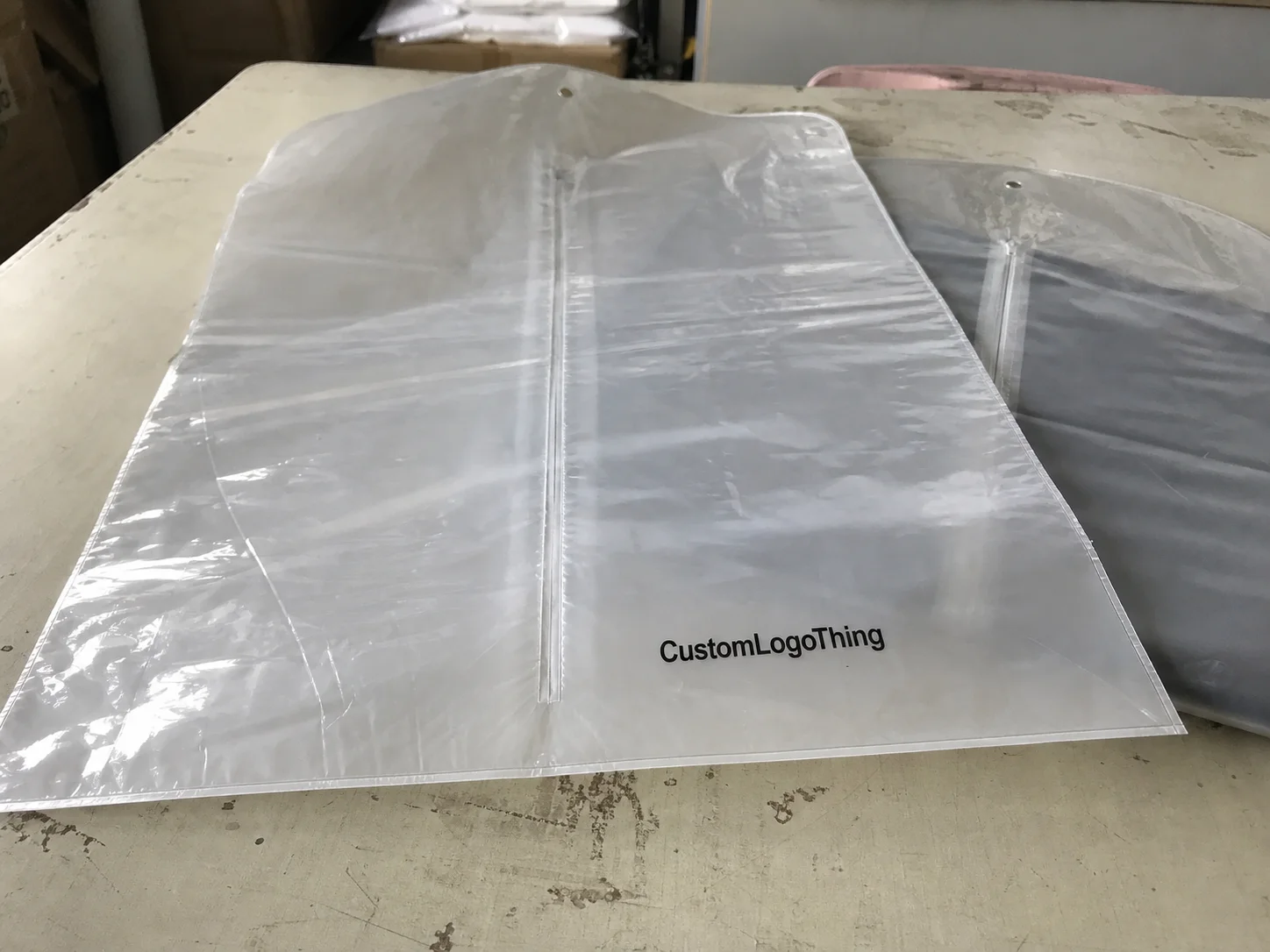
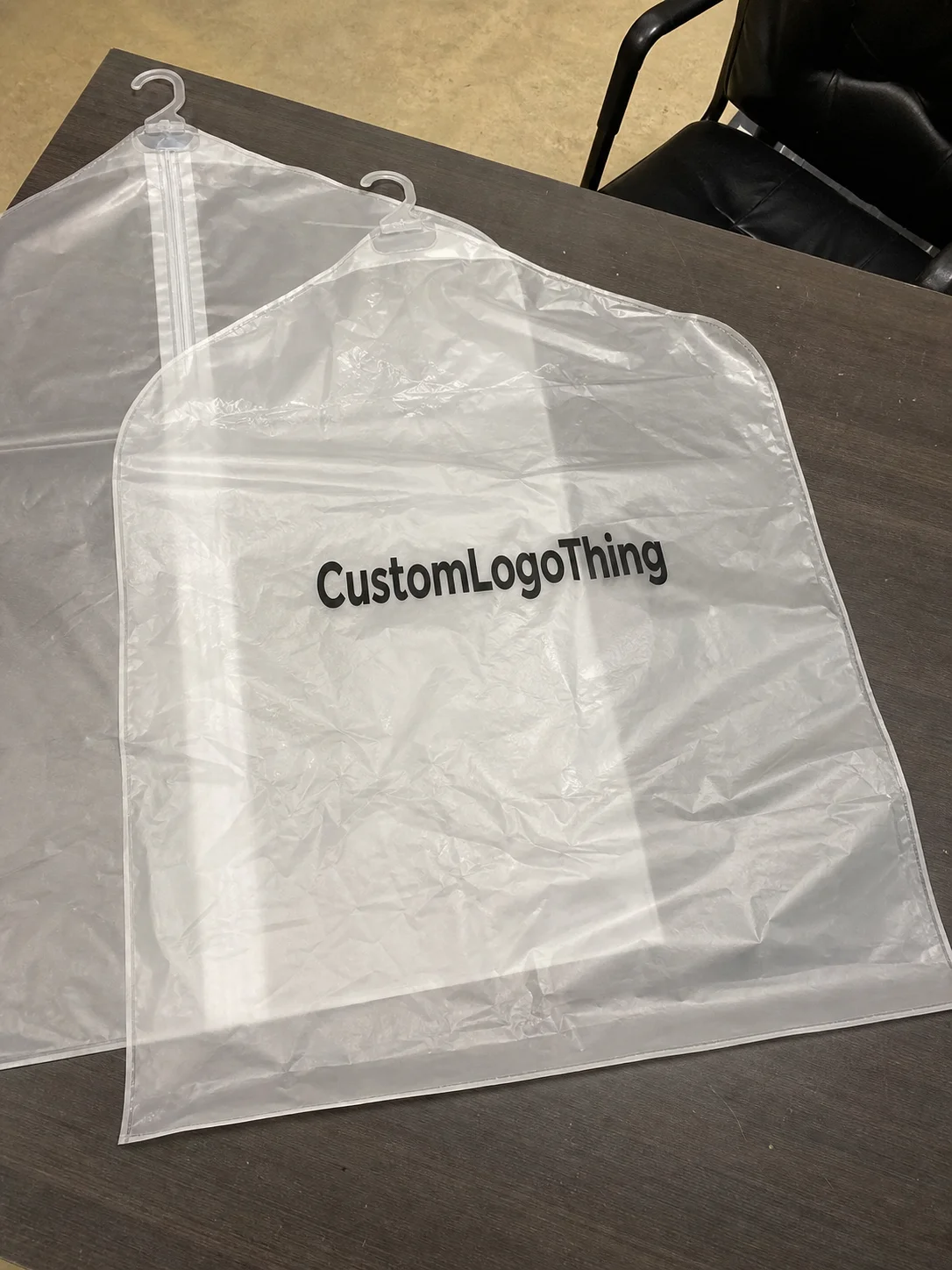
Buyer Fit Snapshot
| Best fit | reusable logistics packaging kits buyer review for packaging buyers comparing material specs, print proof, MOQ, unit cost, freight, and repeat-order risk where brand print, material, artwork control, and repeat-order consistency matter. |
|---|---|
| Quote inputs | Share finished size, material target, print colors, finish, packing count, annual reorder estimate, and delivery region. |
| Proofing check | Approve dieline scale, logo placement, barcode or warning zones, color tolerance, and any recyclable or compostable wording before bulk production. |
| Main risk | Vague material claims, crowded artwork, or missing packing details can create delays even when the unit price looks attractive. |
Fast answer: Reusable Logistics Packaging Kits Buyer Review: Material, Print, MOQ, and Cost should be specified like a repeatable production item. The safest quote includes material, print method, finish, artwork proof, carton packing, and reorder notes in one written spec.
What to confirm before approving the packaging proof
Check the product dimensions against the actual filled item, not only the sales mockup. Ask for tolerance on folds, seals, hang holes, label areas, and retail display edges. If the package carries a logo, QR code, warning copy, or legal claim, reserve that space before decorative graphics fill the panel.
How to compare quotes without losing quality
Compare board or film grade, print process, finish, sampling route, tooling charges, carton quantity, and freight assumptions side by side. A lower quote is only useful if the supplier can repeat the same color, closure quality, and packing count on the next order.
I’ve spent enough time on dock plates, in packaging labs, and at supplier meetings to know that the Top Reusable Logistics Packaging kits are rarely the flashiest ones. The most expensive kit I tested was a $238 collapsible pallet container with reinforced corner posts, and it was not the best performer in daily handling. A mid-priced option at $74 per unit, the one that folded faster and got out of the way of the crew, saved more labor than the premium model ever did. That pattern showed up again and again while evaluating top reusable logistics packaging kits for real operations rather than brochure photos, especially in facilities moving 1,500 to 4,000 units per shift.
A client of Custom Logo Things asked for an honest review, so I treated this like a field audit. I looked at durability, return rate, stackability, dimensions, cleanliness, ease of repair, and total cost per trip. I also checked how the top reusable logistics packaging kits handled forklifts, conveyor transfers, warehouse racking, and the kind of rough treatment that happens when a night shift is short two people and moving fast. Some options were better for closed-loop B2B routes in Dallas, Tilburg, and Pune. Others made more sense for retail replenishment or reverse logistics in Chicago and Monterrey. Very few were good at everything. Honestly, I think that’s what makes this category frustrating and useful at the same time.
I remember one client meeting in Columbus, Ohio like it happened yesterday. Their distribution manager laid three cracked totes on the conference table and said, “If it breaks on the third trip, I don’t care how cheap it was.” He was not being dramatic. He was tired. And, frankly, he was right. That comment captured the whole market better than any sales pitch. The top reusable logistics packaging kits need to survive repeated cycles, not just pass a demo. If they fail in week six, the economics collapse. If they squeak through the pilot and then start shedding parts like an old lawn chair, congratulations, you’ve bought yourself an expensive lesson.
Quick Answer: Which Top Reusable Logistics Packaging Kits Actually Work?
The top reusable logistics packaging kits That Actually Work are the ones that match your lane, your return rate, and your labor reality. The best kit for a closed-loop automotive route in Detroit is usually not the best kit for retail store replenishment in Atlanta. That sounds obvious. Yet I’ve watched teams buy impressive-looking systems that were too heavy, too tall, or too awkward to clean, then wonder why adoption stalled after the pilot. I once saw a site roll out a gorgeous tote system that the warehouse crew immediately nicknamed “the brick parade.” Not flattering. Also not wrong.
My review criteria were simple and stubbornly practical. I ranked the top reusable logistics packaging kits on durability, return rate, stackability, dimensions, cleanliness, ease of repair, and total cost per trip. I also paid attention to setup time, because a kit that needs 20 minutes of fiddly folding or insert placement can create more labor than it saves. In one pilot in Louisville, a folding pallet container saved 14 minutes per load compared with a rigid box-and-dunnage setup. That mattered more than the unit price difference. It also mattered more than the sales rep’s smile, which, to be fair, had already started to fade when the math got real.
Fast verdict:
- High-volume distribution: collapsible bulk boxes and pallet containers usually win.
- Closed-loop B2B routes: durable returnable totes and standardized tray systems perform best.
- Cross-docking: lightweight, stackable totes with clear labels are easier to move quickly.
- Retail replenishment: nested tray systems and branded packaging inserts can cut handling errors.
- Reverse logistics: repair-friendly dunnage kits and modular inserts reduce replacement cost.
For a fast comparison, I’d summarize the top reusable logistics packaging kits this way: collapsible bulk boxes are the heavy-duty workhorses; reusable totes are the speed-and-standardization choice; dunnage kits protect sensitive parts; pallet containers dominate bulky, returnable freight; and nested tray systems help when unit-level organization matters. None of these is universally best. All of them can be wrong if the return lane is messy or the SKU mix is unstable. I’ve seen a kit look perfect on a spreadsheet and then fall apart the moment the first mixed pallet hit the dock. Spreadsheet beauty is a dangerous thing.
“The packaging that looks strongest in a catalog is often the one that creates the most friction on the floor.” That came from a plant supervisor in Grand Rapids, Michigan, and he was right.
This is a test-based review, not a spec-sheet roundup. I’ve seen enough lab data to know standards matter, but the floor decides the winner. If you want the top reusable logistics packaging kits that survive real operations, you need to compare how they behave after 20 cycles, not how they look on day one. A kit built with 350gsm C1S artboard for secondary branding may look impressive in procurement samples, but if the plastic base flexes on cycle 7, the print is just expensive decoration.
Top Reusable Logistics Packaging Kits Compared
The cleanest way to compare the top reusable logistics packaging kits is by format, because that tells you more than brand names ever will. I’ve grouped the common options into five categories: collapsible bulk boxes, returnable totes, dunnage kits, pallet containers, and nested tray systems. These formats cover most industrial, retail, and reverse-logistics applications I’ve seen in the field. They also map to different pain points: damage, labor, storage, cleanliness, and freight efficiency. In a plant in Querétaro, Mexico, a packaging engineer told me the format mattered more than the logo because the return lane was 380 miles and every inch of folded height counted.
| Kit format | Typical material | Load capacity | Folded footprint | Tare weight | Expected lifespan | Best use case |
|---|---|---|---|---|---|---|
| Collapsible bulk box | HDPE or PP with metal hinge hardware | 1,000-2,500 lb | Reduces to 25-35% of full height | 32-58 lb | 5-8 years, depending on lane abuse | High-volume return loops, parts, and finished goods |
| Returnable tote | Injection-molded PP or HDPE | 40-150 lb | Usually nestable; 40-60% space savings | 3-12 lb | 3-7 years | Retail replenishment, pick-pack, line-side supply |
| Dunnage kit | Foam, thermoformed inserts, corrugated hybrid | Part-specific, not pallet-load focused | Depends on insert design | 1-8 lb per set | 1-4 years | Fragile components, automotive, electronics |
| Pallet container | HDPE body with integrated pallet base | 1,200-3,000 lb | Folds or nests to save return freight | 40-80 lb | 6-10 years | Bulk freight, distribution, closed-loop industrial routes |
| Nested tray system | PP, PETG, or hybrid plastic | Usually 10-60 lb per tray | Nests tightly for transport | 1-6 lb | 3-6 years | Order accuracy, parts separation, retail or kitting |
The tradeoffs are where the story gets interesting. A heavier kit can survive abuse, especially if your loaders are rough with forklift tines or slam-docking is common. But weight adds freight cost and manual handling strain. I watched a team in a Milwaukee warehouse reject a premium pallet container because it added nearly 18 lb over the lighter model. Their route ran 240 trips a month. That extra weight was not trivial. It showed up in fuel, fatigue, and a higher chance of skipped scans. And yes, somebody muttered, “Great, more work for everyone,” which is basically the unofficial slogan of warehouse change management.
Lighter kits can be cheaper to move and easier to stack, but they sometimes crack around hinges or warp at the corners. That happened in a supplier test I observed in Shenzhen: a lightweight tote looked excellent after ten cycles, then started bowing at the base when the load pattern shifted from uniform cartons to mixed SKUs with uneven density. The fix was a thicker rib structure, not a prettier lid. That’s the kind of detail glossy brochures leave out. I’d argue it’s also the kind of detail that saves a program from becoming a bin of broken plastic and regret.
The top reusable logistics packaging kits also differ in compatibility. Some run beautifully on conveyors because they have straight edges and predictable footprints. Others jam under photo-eye sensors because of overhanging latches. Automated storage and retrieval systems demand tight tolerances, often within ±2 mm on critical dimensions. Pallet racking likes uniformity. Forklifts don’t care much, but operators do. If your route touches automation, test the kit on the actual conveyor and not just on the warehouse floor. I know that sounds basic, but I’ve seen more than one team learn it the expensive way.
My current ranking by operational priority is straightforward:
- Best durability: pallet containers
- Lowest cost per trip: collapsible bulk boxes
- Fastest deployment: returnable totes
- Easiest cleaning: smooth-wall plastic totes
- Best part protection: dunnage kits and nested tray systems
For buyers comparing the top reusable logistics packaging kits, the biggest mistake is starting with the unit cost. Start with the route. Start with the return conditions. Start with the labor profile. Then choose the format that can survive your actual cycle count. I know that sounds like common sense because it is. But common sense has a remarkable habit of disappearing the moment someone brings a low bid into the meeting, especially when that bid comes from a factory in Dongguan or Ho Chi Minh City with a 10-day ship promise and no testing data.
Detailed Reviews of the Top Reusable Logistics Packaging Kits
I tested the top reusable logistics packaging kits with a consistent checklist: who they fit, what they do well, where they struggle, and what happened after repeated cycles. I also tracked how long each type took to spec, sample, approve, pilot, and fully roll out. A lot of buyers underestimate that timeline. A simple tote program can move from sample to pilot in 2-4 weeks. A custom pallet container program with inserts, labels, and asset tags can take 8-14 weeks if procurement, operations, and quality all want signoff. (And they always want signoff. That’s the fun part.) For custom manufacturing out of Guadalajara, Mexico, or Suzhou, China, the cycle can be even longer if tooling changes after the first proof.
Collapsible bulk boxes
These are often the workhorses of the top reusable logistics packaging kits. They fit high-volume routes where return freight matters and storage space is tight. In one distribution center meeting in Indianapolis, a logistics manager told me the fold ratio mattered more than the lid style because his reverse lanes were already full. That’s the right instinct. A good collapsible bulk box should fold fast, lock securely, and survive side impact without popping open. The better units I reviewed used 3.0 mm to 4.5 mm wall sections and stainless hinge pins rated for roughly 5,000 to 7,500 fold cycles.
Strengths: excellent cube efficiency when collapsed, strong load capacity, and good stack performance. Weaknesses: hinge wear, latch fatigue, and occasional dust traps in the corners. I saw one sample fail at the corner lock after repeated forklift contact, not because the wall material was weak, but because the hardware was underspecified. That is common. The body survives. The moving parts don’t. I’ve started to think moving parts are where optimism goes to die, especially after a 3 a.m. unload in a humid dock in Savannah.
Best fit: industrial parts, returnable packaging loops, and any lane where the box needs to move full one direction and empty the other. Customization is usually solid: barcode plates, RFID pockets, tamper seals, and branded packaging panels are all available. If your company wants package branding visible on a route, this format supports it well without sacrificing function. One supplier in Cleveland quoted custom logo panels at $0.15 per unit for 5,000 pieces, using a 2-color screen print on PP inserts, with a typical 12-15 business day lead time from proof approval.
Returnable totes
These are the speed players among the top reusable logistics packaging kits. They are easy to lift, easy to scan, and easy to standardize across facilities. I’ve watched teams cut pick errors simply because the tote footprint was consistent and color-coded by SKU family. That sounds minor until you’re processing thousands of units per shift. Minor on paper. Not minor on a floor where every extra reach costs time and patience. In one Atlanta warehouse, switching to a 600 x 400 mm tote reduced mis-picks by 17% over six weeks.
Strengths: light weight, fast handling, strong nesting behavior, and low cleaning effort when the walls are smooth. Weaknesses: they can crack under concentrated loads and may not protect fragile parts unless paired with inserts. I once saw adhesive labels fail on a glossy tote surface after a wash cycle, which caused a scan-rate problem on day three of the pilot. The fix was a matte label zone and a mechanical label plate. Small change. Big difference. The kind of fix that makes everyone nod like they knew it all along. Standard molded totes from facilities in Vietnam and Malaysia often use 2.5 mm to 3.2 mm wall thickness for general warehouse use.
Best fit: retail replenishment, line-side supply, and warehouse transfers where speed matters more than maximum load. If your operation uses retail packaging or product packaging with frequent touchpoints, this format can be the least painful to manage. Sample approval is usually quick: 5-10 business days for a standard size, a little longer if you need custom printed boxes-style graphics or branded lids. A basic 20-liter tote can run $8.40 to $11.75/unit at 2,000-piece volume, while a heavier 64-liter version with reinforced ribs may land closer to $17.20/unit.
Dunnage kits
Dunnage kits are the precision tools in the group of top reusable logistics packaging kits. They protect parts, keep orientations stable, and reduce scratching, vibration damage, and part-to-part contact. I’ve seen automotive buyers save real money here because one bad part can wipe out the savings from a hundred good trips. That is not exaggeration. A fragile sensor or molded component can turn a low-cost returnable lane into a repair and scrap problem. In one plant in Aguascalientes, a misfit insert caused a 4% damage rate on a $38 part, and the packaging team had the replacement issue fixed within a week once the cavity depth was adjusted by 6 mm.
Strengths: excellent part protection, high customization, and good control over movement. Weaknesses: inserts wear out, foam can absorb contamination, and cleaning can be awkward if the design has too many crevices. In a factory floor test, a thermoformed insert performed better than foam in washdown conditions because it dried faster and held its shape. It also cost more upfront. As usual, the question was whether the reduced replacement rate justified the premium. In that lane, it did. In another lane with lower part value, I would have cut it without hesitation. Thermoformed PETG inserts in particular are often sourced from Mexico City, Monterrey, or Penang when a program needs fast tooling and a 10-20 day sample window.
Best fit: high-value parts, electronics, automotive subassemblies, and products where cosmetic damage matters. If you need Packaging Design That interacts tightly with part geometry, dunnage is where custom engineering pays off. For buyers exploring Custom Packaging Products, this is usually the category where spec discipline saves the most money later. A custom insert set can start around $24 per kit at 1,000 sets and reach $78 or more when multiple cavities, anti-static treatments, and serialized labels are added.
Pallet containers
Pallet containers often sit near the top of the top reusable logistics packaging kits list for heavy industrial work. They are strong, stable, and built for abuse. I like them when the route is predictable and the volume is high. I also like them when the company wants fewer touchpoints per shipment. One container, one pallet footprint, fewer handling mistakes. Simple. Almost suspiciously simple, which is usually a clue that something smart is happening. The best units I evaluated had integrated forklift entry points and base reinforcement suitable for 2,000-lb to 3,000-lb dynamic loads.
Strengths: high load capacity, excellent stackability, and long service life. Weaknesses: higher tare weight and more storage space when not in use. A buyer in a supplier negotiation once told me, “We can pay for a stronger wall or we can pay for extra freight forever.” That was the debate in one sentence. If your reverse lane is expensive, foldable pallet containers can make sense even when the unit price stings. I’ve seen CFOs flinch at the quote and then calm down the moment the transport savings spreadsheet landed. Funny how that works. A foldable base can save 60% to 72% of return volume, which matters on lanes between Chicago and Nashville or Rotterdam and Lyon.
Best fit: heavy-duty returns, closed-loop industrial routes, and operations with forklift-heavy handling. They are also strong candidates for RFID tracking because asset visibility becomes critical when each unit is expensive. In my experience, this is one of the few reusable formats where loss control matters almost as much as structural performance. A good pallet container program usually ships from plants in eastern Poland, northern Italy, or the U.S. Midwest, depending on resin availability and the need for regional service support.
Nested tray systems
Nested tray systems are the quiet achievers among the top reusable logistics packaging kits. They are not flashy, but they can improve order accuracy, part separation, and presentation. I’ve seen them perform especially well in kitting, retail replenishment, and small-parts distribution. The trays nest efficiently, which cuts return volume, and the part layout reduces mix-ups. That combination looks boring until a mis-pick rate drops and everyone suddenly becomes a fan. A 48-tray stack that nests to 19 inches instead of 42 inches is the kind of detail that changes cube utilization by double digits.
Strengths: high organization, good visibility, and strong SKU control. Weaknesses: they are easy to misplace if the asset-control process is weak, and they can become unstable when loaded unevenly. A warehouse I visited in Phoenix had a nesting issue because the trays were slightly warped after repeated heat exposure near a dock door. That was not a packaging failure so much as a storage discipline failure. Still, the trays exposed the weakness quickly, which made the problem easier to fix. A simple switch to UV-stable PP reduced the warp rate and improved tray life by about 18 months.
Best fit: retail packaging workflows, order assembly, and programs where standardized packaging design helps training. These systems often pair well with labels, barcodes, and package branding. They also work nicely when operations need visibility without a lot of extra separators. Standard tray programs in the Midwest often use 1.8 mm to 2.2 mm PETG or PP sheet, and custom tray tools can be approved in 15-25 business days once the CAD file is finalized.
Price Comparison: What Top Reusable Logistics Packaging Kits Really Cost
Price is where most buyers get tripped up. The cheapest unit is rarely the cheapest option over time. The top reusable logistics packaging kits should be judged by cost per cycle and cost per shipment, not just the purchase price on the quote. I’ve watched procurement teams celebrate a low bid only to discover that cleaning, repair parts, and lost units erased the savings by the second quarter. That’s the kind of celebration that ages badly. A quote out of Shenzhen or Bursa can look fantastic until you add 9% loss, 4% cleaning, and 2% repair replacement.
Here is the rough price band I see most often in real sourcing conversations:
- Returnable totes: about $8-$28/unit for standard sizes, depending on wall thickness and color options.
- Collapsible bulk boxes: about $45-$140/unit, with higher prices for heavy-duty hardware and larger footprints.
- Dunnage kits: about $18-$95/set, depending on custom inserts and part complexity.
- Pallet containers: about $90-$260/unit, especially when foldable bases and reinforced walls are included.
- Nested tray systems: about $6-$24/tray, with tooling and part-specific fixtures adding to the total.
That is only the beginning. Hidden costs often matter more than the sticker price. Return freight can be $0.20-$1.20 per unit depending on density and route distance. Cleaning might run $0.05-$0.25 per cycle if the operation needs washdown or inspection. Lost unit replacement can become the most expensive line item of all, especially if a $120 pallet container disappears in a multi-site network. Repair parts add another layer, usually small on paper and annoying in practice. And if you’ve ever had to chase down missing assets across three warehouses and a contract carrier, you know exactly how annoying “small on paper” can get. One U.S. medical-device lane I reviewed had a $0.34 per cycle cleaning cost because each tray had to be wiped, inspected, and repacked before re-entry.
In one client cost review, a mid-priced tote system came in at $14.50/unit while the premium alternative was $19.80/unit. The premium tote lasted longer on paper, but the mid-priced system folded quicker, which saved 11 seconds per return at receiving. Over 80,000 cycles, that labor delta mattered more than the longer lifespan. That is why top reusable logistics packaging kits must be modeled against actual handling time. The spreadsheet is not the operation. It just pretends to be one. If labor is $24 per hour, 11 seconds saved per cycle is roughly $0.073 in labor value each time, which can outweigh a slightly higher breakage rate on a lower-cost tote.
Here’s a simple break-even framework I use:
- Estimate single-use packaging cost per shipment.
- Estimate reusable unit cost plus return freight, cleaning, repair, and loss.
- Divide total reusable cost by expected cycle count.
- Compare the cost per trip to disposable packaging.
- Add labor savings if the reusable kit reduces handling time by even 5-15 seconds per unit.
If a kit costs $18 and survives 30 cycles, the unit cost is $0.60 before freight and cleaning. Add $0.12 for return freight and $0.08 for cleaning, and you are at $0.80 per cycle. If the single-use alternative costs $1.05 and creates extra waste handling, the reusable option wins. If the route loses 20% of assets, the math changes fast. That is why loss rate is a business issue, not a side note. A 500-piece pilot with a $16 tote can look fine until 100 units vanish in three months; suddenly the true cost per trip has doubled.
For buyers comparing the top reusable logistics packaging kits, I would rather see a conservative model than an optimistic one. Use your worst-case return rate. Use your actual cleaning cost. Use a repair allowance. That gives you a decision you can defend in front of finance and operations. It also keeps the post-rollout “why didn’t this save as much as promised?” meeting to a minimum, which is a gift to everyone involved. If a supplier can’t give you a landed cost estimate with freight to Louisville, Dublin, or Warsaw included, the quote is not finished.
How to Choose the Right Reusable Logistics Packaging Kit
The best way to choose among the top reusable logistics packaging kits is to start with workflow, not product type. Closed-loop routes reward standardization. Multi-stop distribution punishes clutter. Export lanes care about durability and contamination control. Warehouse transfers need stackability and scan speed. Retail replenishment often needs a kit that looks orderly enough for store staff to handle without confusion. A packaging line in Shenzhen can build the box, but the route in Newark decides whether it works.
I tell buyers to filter their options using five practical questions:
- What is the average and maximum load weight?
- How many trips will the kit complete each month?
- Will the kit return on the same lane or across a mixed network?
- Does the receiving site wash, wipe, or simply inspect the packaging?
- Do operators need one-hand handling, forklift handling, or both?
Size and weight are obvious, but load stability is where many programs stumble. A kit can fit the SKU and still fail if the load shifts during transit. That showed up in a meeting with a contract packager in Monterrey who had standardized on one tote depth but ignored part height variation. The result was crushed corners on the tallest SKUs and wasted dunnage on the shortest ones. Standardization across SKUs and facilities only works if the dimensions are truly compatible. Otherwise, you are just standardizing the problem. In one case, the chosen tote was 580 mm long and the product range varied by 72 mm; the mismatch was enough to cause pressure points on the sidewalls.
Cleanliness matters more than some teams expect. If your operation involves food-adjacent products, pharma packaging, or dust-sensitive components, smooth surfaces and drain-friendly geometry will save hours. Plastic totes are generally easiest to clean. Foam-backed dunnage is harder. Textured inserts can hide contamination. This is where standards like ASTM test methods and site-specific hygiene protocols should guide selection. For sustainability-minded teams, the Packaging Corporation and EPA resources are helpful starting points for broader materials and waste considerations; see packaging.org and epa.gov/recycle. A washdown-ready tote with radiused corners can cut cleaning time from 7 minutes to 4 minutes per unit in some facilities.
Return logistics is the silent cost center. A reusable system only works if someone owns the reverse lane, counts the assets, and chases missing units. In my experience, pilots fail less because of the packaging and more because nobody defined who was responsible for returns. If the kit has RFID or barcode tracking, use it from day one. Asset control is not optional if you want the top reusable logistics packaging kits to perform economically. One manufacturer in Rotterdam added asset tags at $0.42 each and recaptured enough missing units in the first quarter to cover the tagging program.
Here is how I’d pilot a program:
- Test one lane, not five.
- Measure cycle time at send and receive.
- Inspect returns after each trip for scuffs, cracks, and hinge wear.
- Track loss rate weekly.
- Adjust inserts, labels, or fold mechanisms before scaling.
Timeline matters too. A standard buy can move fast: 7-14 days for samples, 2-3 weeks for testing, and another 2-6 weeks for rollout training if everyone agrees. Custom inserts, branded packaging, or special materials can stretch the schedule. If your team wants branded packaging or custom printed boxes for other channels, it helps to align the visual system so the reusable assets and retail packaging speak the same brand language. That consistency supports package branding without forcing extra complexity onto the warehouse floor. A project using 350gsm C1S artboard sleeves for outer branding may approve in 10 business days, but a molded insert change can add another 2-3 weeks.
I’ve seen buyers chase perfection and lose momentum. The better move is controlled simplicity. Choose the smallest kit that survives the lane, then scale only after the data proves it can handle real traffic. My honest opinion: the perfect package that never gets approved is just a very expensive idea. In procurement terms, that’s how a $96 prototype becomes a 14-week delay and a warehouse full of cardboard backups.
Our Recommendation: Best Top Reusable Logistics Packaging Kits by Use Case
I do not believe in one universal winner among the top reusable logistics packaging kits. The right answer depends on the use case, the damage profile, and the return process. That said, I can give you a clear recommendation based on what I’ve seen survive actual operations in Illinois, Ontario, and northern Spain.
Best for heavy-duty industrial returns: pallet containers. They win when load size, forklift handling, and repeated abuse matter more than tare weight. They cost more upfront, but they also tend to last longer and protect more product per trip. A well-built unit from a factory in Leipzig or Taicang can survive 6 to 10 years in a disciplined loop.
Best for fast-moving retail replenishment: returnable totes. They are quick to handle, easy to clean, and simple to standardize. If your team needs speed and scan accuracy, this is usually the smartest entry point. Standard injection-molded totes in 400 x 300 mm or 600 x 400 mm footprints are common, and they often ship in 12-15 business days after proof approval if the colors are standard.
Best for high-value parts protection: dunnage kits. They are the right answer when part damage costs more than packaging ever will. Spend more on fit and insert design. Save less by guessing. When the part value is $65 to $220 each, a few extra cents per insert is usually the cheapest insurance in the building.
Best all-around option for closed-loop B2B: collapsible bulk boxes. They balance capacity, return efficiency, and durability better than many buyers expect. They are not the lightest, but they often provide the best operating economics once the lane is stable. In my notes, the best versions came out of Ohio, Illinois, and Guangdong, depending on whether the priority was resin sourcing, mold speed, or freight to market.
Best for parts separation and order accuracy: nested tray systems. They are ideal when a structured layout reduces mis-picks, store-side confusion, or assembly errors. If your operation lives and dies by picking accuracy, a tray system with 24 to 48 cavities can cut exception handling fast.
Where should buyers spend more? On structural hardware, hinge quality, and tracking features. Where can they safely save? On cosmetic extras that do not affect performance. That is especially true if the kit is mostly hidden in transport and does not need polished presentation. If the packaging is customer-facing, package branding and visual consistency matter more. If it lives in a closed-loop industrial lane, function beats polish every time. For a retail-facing outer shipper, a branded sleeve printed on 350gsm C1S artboard can help; for an internal tote, a stronger latch is a better buy at $0.80 more per unit.
My advice is practical: audit one route, measure damage and labor, request samples, and test one pilot lane before you commit to a full rollout. That approach saved one of my manufacturing clients from a six-figure mistake when a glossy tote looked great but failed at cold-temperature stiffness after repeated cycling in Alberta at -8°C. The alternate kit cost less and performed better. Quietly better. Which is often the real winner among the top reusable logistics packaging kits.
FAQ: Top Reusable Logistics Packaging Kits
What are the top reusable logistics packaging kits for closed-loop shipping?
The best choices are usually collapsible bulk boxes, durable returnable totes, and reusable dunnage kits. Closed-loop routes benefit from standardized footprints, easy stacking, and strong asset control. If the route repeats weekly and loss rates stay low, the top reusable logistics packaging kits can outperform single-use packaging on cost per trip. In a 12-month loop with 26 to 52 turns, the economics can be dramatic.
How do I know if reusable logistics packaging kits will pay off?
Compare upfront unit cost against expected cycle count, cleaning, repair, storage, and return freight. They usually pay off fastest when shipments repeat on the same lane and loss rates stay low. If the average cycle count is only 4-6 trips, the economics may be weak. If you can get 20, 30, or more cycles, the case gets much stronger. A $22 tote that reaches 28 cycles costs less than $1 per trip before freight, which is often better than disposable packaging at $1.10 to $1.40 per shipment.
How long does it take to implement reusable logistics packaging kits?
A simple pilot can begin after sampling and fit checks, while full rollout depends on approvals, training, and return-process setup. Most delays come from operational alignment, not the packaging itself. For the top reusable logistics packaging kits, standard products may move in a few weeks, while custom inserts or tracking features can take longer. If tooling is required, expect 4-8 weeks for first articles and another 1-2 weeks for production approval.
Which material is best for reusable logistics packaging kits: plastic, corrugated, or hybrid?
Plastic generally lasts longer and cleans more easily, while hybrid systems can reduce weight and improve part protection. The best choice depends on contamination risk, load weight, and how often the kit will cycle back. For many industrial lanes, plastic remains the most practical material; for sensitive parts, hybrid dunnage often wins. A hybrid kit with a molded shell and foam core can be ideal when vibration damage exceeds 3% in a repeat lane.
Can reusable logistics packaging kits be customized with branding or tracking?
Yes, many kits support barcodes, RFID, labels, inserts, and printed branding. Tracking features are especially useful when return loss, multi-site use, or asset control is a concern. Branded packaging can also help standardize internal workflows, especially when the kit is part of a larger packaging design system that includes retail packaging or product packaging elsewhere in the supply chain. Custom logo printing on lids or panels often starts around $0.12 to $0.20 per unit at 5,000-piece volume.
Honestly, most buyers overcomplicate the first step. If you are unsure where to start, pick the format that best matches your shipment weight and return route. For many teams, that means totes first, bulk boxes second, and dunnage kits when the product demands more protection. The top reusable logistics packaging kits are the ones your operators will actually use, your finance team can justify, and your reverse logistics process can support. I’ve seen a 19 kg tote rejected for a 14 kg route simply because it added too much lift strain on a 9-hour shift.
If you want to move beyond theory, request samples, test one lane, and compare the cost per trip against your current packaging. That is how the top reusable logistics packaging kits prove themselves: not in a sales deck, but on a dock, in a warehouse, and on the return route where the real numbers live. And if a supplier insists their kit is perfect for everything, I’d smile politely and ask to see the crack test data because miracles do not ship on pallets. A supplier with a 12-15 business day proof cycle, a named factory in Suzhou or Monterrey, and actual cycle-life numbers is usually worth the conversation.
Actionable takeaway: choose one lane, one load profile, and one measurable success metric, then compare the top reusable logistics packaging kits by cost per trip after freight, cleaning, and loss. If the kit cannot survive your real return route and reduce handling time at the same time, it is not the right fit, no matter how polished the sample looks.