Tote Bags Custom Logo: How to Order the Right Bags
If you are sourcing tote bags custom logo for retail, events, or product packaging, the bag is part of the brand experience as soon as someone picks it up. That means the print, construction, and size all need to work in real use, not just in a mockup.
The best tote programs usually come down to a few practical decisions: the right substrate, a print method that suits the artwork, a handle style that matches the load, and dimensions that fit the actual contents. Buyers who line those pieces up early avoid most production problems.
Tote bags look simple until you compare real options side by side. A lightweight nonwoven bag, a Cotton Canvas Tote, a laminated woven bag, and a recycled paper carrier all behave differently in the hand, under load, and under ink. The best choice is usually the one that fits the job and the budget without adding avoidable risk.
What Buyers Should Know First
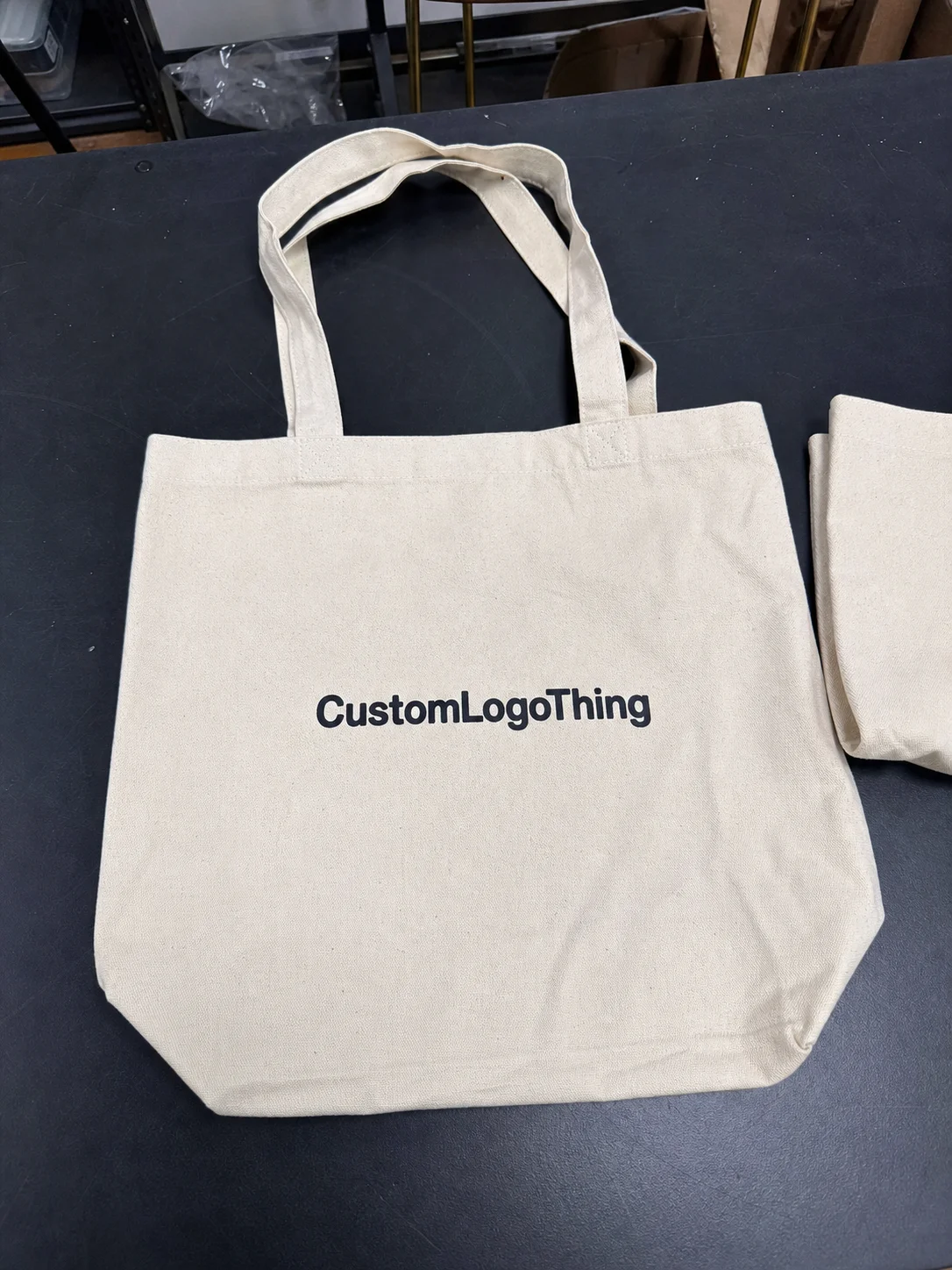
Paper totes, woven polypropylene, nonwoven polypropylene, cotton, canvas, and laminated materials each solve a different problem. A light nonwoven tote is usually the economical choice for promotions and trade shows, where the bag needs to be easy to hand out and simple to print. A heavier woven or laminated bag makes more sense when the customer will actually reuse it, especially for retail packaging, groceries, or event kits that need to survive more than one trip.
Logo placement deserves more care than many buyers expect. A flat mockup can look balanced, but the real bag may have seams, gussets, folds, or handles that reduce the visible print area. Once the bag is filled, artwork can shift visually, especially if the logo sits too close to a seam or wraps into a gusset.
In practice, the right bag usually depends on use case:
- Retail checkout: prioritize strength, clean print, and a size that fits common purchases.
- Trade shows: prioritize visibility, light weight, and a design that reads at a distance.
- Premium gifting: prioritize finish, handle comfort, and color consistency.
- Grocery or carry-out: prioritize load capacity, reinforced handles, and repeated-use durability.
Buyers also need to be realistic about how the bag will be handled after it leaves production. If it will be folded into cartons, packed into kits, or stacked in a warehouse, the material and construction should tolerate that handling. That affects damage rates and the final impression just as much as decoration does.
How Production Works
The production path for custom logo tote bags is direct once the artwork and specifications are clear. A normal workflow begins with quoting, then artwork review, proofing, sampling if needed, production, finishing, packing, and shipment. When one step is underspecified, the timeline usually stretches.
Print method choice affects both cost and appearance. Screen printing is a strong fit for bold spot colors and simple logos. Flexographic printing is efficient for higher volumes and straightforward graphics. Heat transfer can work for certain materials and more detailed artwork, while digital methods are sometimes used for shorter runs or more complex color builds.
Construction decisions matter just as much. Sewn seams, heat-sealed edges, reinforced handles, and gusset depth all determine where the print can safely go. A bag with narrow front panels or stiff side panels may require smaller artwork or a shifted placement to keep the imprint clean. If a supplier does not discuss printable area, seam lines, or handle interference, they are probably only looking at the artwork file.
Prepress is where quality is either protected or lost. Vector files keep logos crisp. Pantone references help with color control. Thin details can disappear if the substrate is textured or the print method is not suited to fine lines. Safe zones, bleed, and handle clearance should all be checked before a proof is approved.
For teams that need a broader packaging program, it helps to compare tote choices alongside other Custom Packaging Products so the bag, insert, carton, and label work from the same visual system.
Cost, Pricing, and MOQ Factors
Pricing for tote bags custom logo orders usually comes down to a handful of variables buyers can actually influence. Material is the biggest one. Size comes next. After that, the main cost drivers are handle type, print colors, print coverage, one-side versus two-side decoration, and any special finishing such as lamination, reinforcement, or surface coating.
MOQ, or minimum order quantity, exists because setup has real cost. Screens, plates, color registration, make-ready, and proofing all take time. That is why a 500-piece run may look expensive on a per-unit basis while a 5,000-piece run spreads the same setup cost across a much larger quantity.
Here is a practical pricing snapshot. These are typical ranges, not guarantees, since exact pricing depends on size, decoration, freight, and material availability at the time of order.
| Bag Type | Typical Use | Common MOQ | Approx. Unit Price | Notes |
|---|---|---|---|---|
| Nonwoven polypropylene | Promotions, trade shows, events | 500-1,000 | $0.32-$0.58 | Good value, light feel, works well with simple spot-color logos |
| Woven polypropylene | Heavier retail or grocery use | 1,000-3,000 | $0.55-$1.10 | Better structure, stronger handles, often reused more often |
| Cotton or canvas | Premium retail, gifting | 500-2,000 | $1.20-$2.80 | Natural hand feel, strong brand perception, may need more careful artwork planning |
| Laminated woven PP | Premium carry, branded packaging | 1,000-3,000 | $0.85-$1.60 | More rigid, better shelf presence, useful for higher-impact package branding |
Buyers should also ask about costs that do not always stand out in the first quote. Plate fees, screen charges, sampling, freight, insert packing, and rush production can change the real landed cost in a meaningful way. A quote that looks lower on paper can become the more expensive option once those pieces are counted.
The cheapest-looking bag is not always the cheapest choice. In many programs, a restrained one-color design on a better substrate delivers more value than a busy multi-color layout on a flimsy bag that will not hold shape. That is especially true for retail packaging, where durability and presentation work together.
If material claims or recycled-content sourcing matter to your team, ask whether the bag or paper component can be backed by chain-of-custody documentation such as FSC where appropriate. For shipping and carton handling, some buyers also want transit assumptions aligned with ISTA methods so the packaging is tested for distribution, not only for a desk-side inspection.
Process and Timeline
The cleanest production schedules begin with a complete request. Good buyers send target quantity, bag size, material preference, print colors, artwork files, delivery date, and destination in one pass. That gives the supplier enough detail to quote accurately and reduces the back-and-forth that usually slows a custom project down.
A realistic timeline often includes quote request, artwork submission, proof approval, material procurement, production scheduling, quality checks, and shipment. Stock bags with simple printing can move quickly. Custom-sized bags, specialty films, or imported components take longer because the bag has to be built around the specification, not the other way around.
The delays that show up most often are the ones buyers can control: incomplete artwork, slow color decisions, sample approval that sits for days, production queue congestion, and freight interruptions. If the tote supports a store opening, seasonal push, or trade show, it should be treated as part of the launch schedule rather than as an accessory that can arrive whenever it arrives.
A practical planning rule helps here: back-schedule from the event date and leave space for at least one proof correction. A rushed tote order rarely saves money, because express freight and rush labor can wipe out any savings from the original quote.
For teams coordinating several packaging elements, it is often useful to compare the tote timeline against the rest of the retail packaging solutions so cartons, inserts, and shipping materials land together instead of arriving in pieces.
Key Specs to Compare
Two bags can look nearly identical in a mockup and behave very differently in use. Material weight and structure come first. A lightweight nonwoven tote feels promotional and flexible, while a laminated or reinforced bag feels stiffer and more durable. That difference changes how the bag carries weight, how it folds, and how the logo reads on the surface.
Handle style is another detail buyers often underestimate. Die-cut handles, sewn webbing handles, rope handles, and reinforced carry handles all create a different user experience. A more comfortable handle may reduce the printable field, so the art layout needs to respect the actual construction, not just the flat art board.
Gusset width and seam strength matter because they affect both capacity and print placement. A wider gusset gives more room for product, but it also changes the way the front panel presents once the bag is filled. Seam placement matters for the same reason. If a seam crosses the logo field, the print can look off-center even when the bag was made correctly.
Print limits should be reviewed before the order is locked. Ask about color count, printable area, resolution, ink adhesion, and whether matte, gloss, or metallic effects are available on the chosen substrate. If the logo depends on exact color matching, send Pantone references early. If the artwork is simple, keep it simple.
- Material weight: lighter for giveaways, heavier for repeated carry.
- Handle build: comfort and load capacity should match the use case.
- Bag dimensions: fit the actual products, not an imagined ideal size.
- Print area: confirm what is truly visible after seams and folds.
- Finish: choose matte, gloss, or natural texture based on the brand feel.
One useful way to think about the order is as part of a larger packaging system. If your program already uses Custom Printed Boxes, labels, or inserts, the tote should feel like it belongs in the same family.
Common Mistakes Buyers Make
The most common mistake is putting too much text on the bag. A tote is usually seen from several feet away, often while someone is walking or carrying another item. Tiny contact details, long taglines, and thin gradients tend to disappear. Bold logos and clear spacing hold up better, especially once the bag has been folded and reopened a few times.
Another error is choosing the style by appearance alone. A bag can look good in a mockup and still be the wrong fit if it is too flimsy, too small, too stiff, or too expensive for the actual use. Buyers who skip the functional review often end up reordering because the first run looked fine but performed poorly.
Proof review is where many avoidable problems are caught, but it is also where people rush. Check logo placement near seams. Check front-versus-back orientation. Check color shifts. Check whether the art is centered on the printable panel rather than merely centered in the file. A proof that looks fine on a screen can still fail if it does not respect the bag structure.
Receiving and storage are worth thinking through as well. Ask about carton counts, palletization, moisture sensitivity, and stacking limits. If the bags will sit in a warehouse, be packed into kits, or move through several distribution points, they need to tolerate that journey without damage or deformation.
If the bag only looks good in a mockup, it is not finished. A practical tote has to print cleanly, hold up under load, and arrive in a form your team can store, ship, and hand out without friction.
For a broader sourcing check, many teams compare their tote order against other branded packaging pieces before approving the final build. That is where a catalog of custom packaging products helps, because the tote can be evaluated alongside the rest of the rollout instead of as an isolated purchase.
Expert Tips for Better Artwork and Value
Use bold logos and high contrast. That is still the most reliable way to make a tote readable at a glance. A strong one-color mark or a simple two-color layout often outperforms a crowded full-color design, especially on textured material or on a bag that will be reused often.
Ask for a substrate sample when feel or color accuracy matters. Cotton, laminated polypropylene, and nonwoven materials do not take ink the same way, and the tactile impression can change the way the brand is perceived. If the bag is part of a Premium Retail Packaging program, a sample is usually worth the time.
Durability is not just about strength. It is also about visibility over time. A tote that gets reused ten times creates more brand exposure than a bag that tears on the first day. If long-term use matters, choose a construction that supports repeated carry.
Plan the design around the real dimensions. Leave room for seams and handles. Keep the most important elements in the safest print zone. If the logo needs to sit low on the bag, confirm that the gusset and bottom fold will not distort the image once the tote is filled.
The most effective buyer mindset is to evaluate the tote as part of a bigger branded packaging system, not as a one-off souvenir. If the bag, carton, label, and insert all point in the same visual direction, the whole experience feels tighter and more intentional. That is why many teams pair tote orders with other branded packaging options instead of treating each item separately.
For the most balanced result, focus on three things that usually matter most in tote bags custom logo programs: a material that fits the use, a print method that matches the art, and a lead time that leaves room for proof corrections. Get those three decisions right, and the rest of the order becomes much easier to manage.
Frequently Asked Questions
What material is best for tote bags custom logo orders?
Choose the material based on use. Nonwoven polypropylene is usually the economical option for promotions and events. Woven PP or laminated bags make more sense for heavier loads and longer reuse. Cotton and canvas are the usual choice for a more premium feel. If the bag will be used often, durability and handle strength matter as much as print quality.
How does the printing method affect the final look?
Screen printing is strong for bold spot colors. Flexographic printing is efficient for larger runs and simple artwork. Digital or transfer methods can handle more detailed graphics on certain materials. The right method depends on artwork complexity, color count, and the substrate itself.
Why do quotes vary so much for custom tote bags?
Pricing changes with material, size, print colors, coverage area, quantity, and setup fees. Two quotes can look similar at first but differ once plate charges, sampling, freight, and rush fees are included. That is why buyers should compare specifications line by line before they compare only the final number.
How long does production usually take for logo tote bags?
Timeline depends on stock availability, artwork approval, and print method. Stock bags with simple printing may move faster, while custom materials or high-volume orders often take longer. The safest move is to confirm the lead time before you lock in an event or launch schedule.
What artwork should I send for the best results?
Vector artwork is usually preferred because it scales cleanly and keeps edges sharp. Send Pantone colors if color matching matters, and note any placement preferences, size limits, or front-and-back differences so the proof reflects what you actually want to receive.


