Toy Retailer Shipping Envelopes Proofing for Poly Mailers
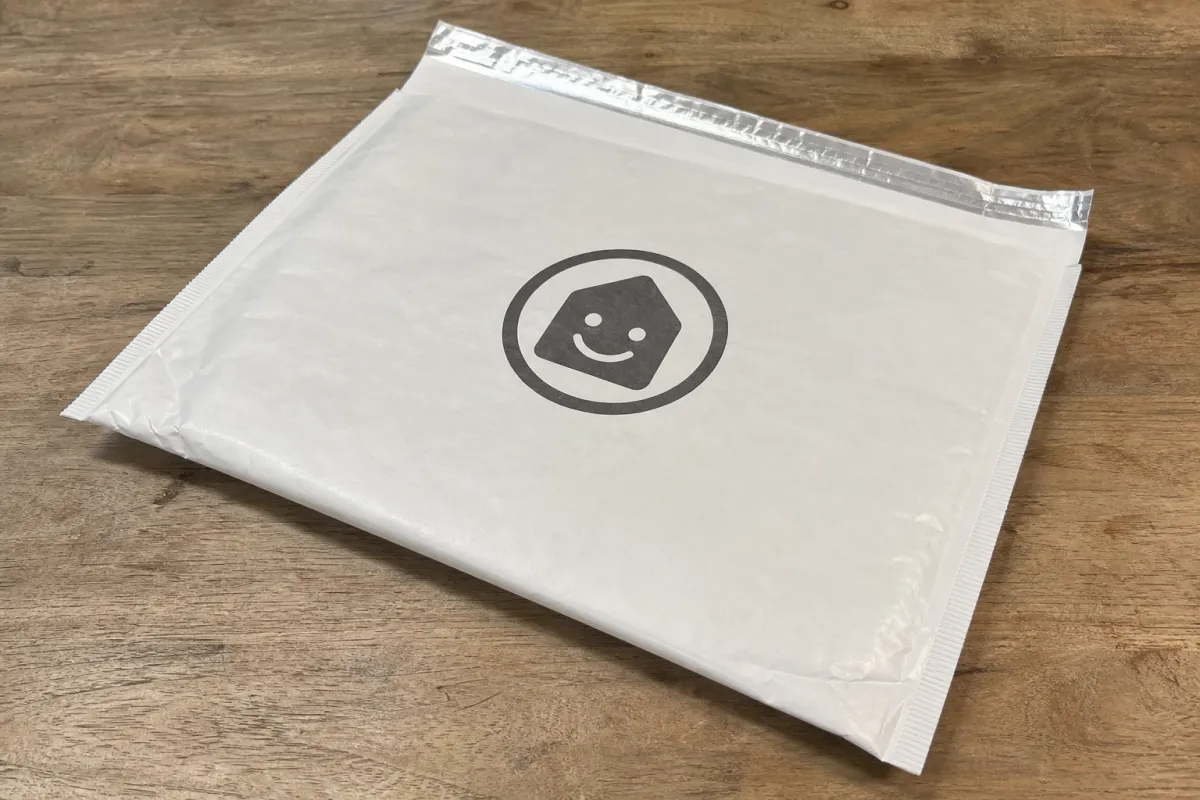
Toy retailer shipping envelopes proofing is the step that keeps a polished mailer from turning into a pack-out headache once it is filled with boxed toys, plush items, or accessory kits that change shape, pressure, and seal behavior the moment they meet real product. A flat mockup can look dead-on on a screen and still kinda buckle, bulge, or split when a rigid corner pushes against the seam.
For a toy retailer, toy retailer shipping envelopes proofing is not just about approving artwork. It is the checkpoint between a concept and a mailer that actually works in fulfillment, ecommerce shipping, and transit packaging. Fit, closure, print clarity, and package protection all need to be checked against the real merchandise instead of a drawing.
Toy lines are trickier than many buyers expect. One week the order might be plush items with soft edges, the next it might be rigid toy sets with blister packs, batteries, inserts, and promotional cards that create pressure points. Toy retailer shipping envelopes proofing helps sort out those differences before the full run starts, which matters because the same envelope may need to handle gift-ready presentation, mixed-SKU launches, and seasonal surges without slowing packers down.
The part most people underestimate is simple enough: the best-looking mailer on paper is not always the best mailer in a warehouse. I have seen buyers approve a sample that looked perfect on a desk, then watch it wrinkle at the corners the second the actual toy went in. When toy retailer shipping envelopes proofing is treated as a real production trial instead of a quick design stamp, the team usually catches the things that cost money later, such as wrong dimensions, weak seal area, poor barcode placement, or artwork that disappears after the mailer is folded and taped.
That is why the rest of this discussion focuses on the practical side of toy retailer shipping envelopes proofing: how the sample works, which measurements matter, what drives pricing, how long the process usually takes, and where buyers tend to make avoidable mistakes. If you are comparing Custom Poly Mailers with other Custom Packaging Products, this is the stage where the details start to matter more than the mockup.
A proof is only useful if it behaves like the real shipment. If the sample cannot survive the product, the label, and the packing line, it is not ready yet.
Toy Retailer Shipping Envelopes Proofing: Why It Matters
Toy retailer shipping envelopes proofing matters because toy products rarely arrive as neat, uniform rectangles. Even a small difference in thickness can change the way the envelope closes, and once the seal area gets stressed, the whole package can feel less secure. In practice, toy retailer shipping envelopes proofing catches the difference between a mailer that merely fits and one that can survive the rough handling that happens between the packing table and the customer’s doorstep.
One of the most common surprises is how a poly mailer behaves after it is stuffed with a boxed toy or an assortment pack. The envelope can look generous when empty, then become tight at the corners, uneven at the top flap, or visibly distorted at the seams once the actual item goes inside. Toy retailer shipping envelopes proofing shows whether the material gauge and size still make sense after the product is loaded, and that is where many standard-size assumptions break down.
Toy retail also brings more variation than many other categories. A retailer may ship puzzle sets, plush toys, action figures, educational kits, and small promotional bundles from the same program. Toy retailer shipping envelopes proofing helps confirm whether one size can handle that spread or whether the buyer needs two sizes to keep packing speed high and avoid returns caused by crushed packaging or torn seams.
Branding matters too. A toy mailer is often seen before the box is opened, so print quality, logo placement, and warning text all carry weight. When toy retailer shipping envelopes proofing is done well, it can confirm that the design still reads clearly on film, that the graphics land where they were intended, and that the mailer still looks polished after the product is inserted. Standards groups like ISTA place a lot of emphasis on package performance under realistic shipping conditions, and that is the right mindset here.
There is also a cost angle that buyers should not ignore. A poor proof can lead to expensive rework, wasted inventory, or a last-minute size correction that ripples through production. Toy retailer shipping envelopes proofing gives the buyer a chance to fix those issues while the order is still flexible, which usually costs far less than correcting a full run after it has been printed and packed.
Toy retailer shipping envelopes proofing is not a formality. It is a practical safety net for package protection, production speed, and brand presentation, and it is especially valuable when the retailer is balancing marketing expectations with the realities of shipping materials and dimensional weight.
How Toy Retailer Shipping Envelopes Proofing Works with Poly Mailers
The process usually starts with three different kinds of proof, and they answer three different questions. A digital proof shows layout and artwork placement. A flat sample shows material, print appearance, and basic construction. A physical pack-out sample is where toy retailer shipping envelopes proofing becomes real, because it checks how the mailer behaves with an actual toy product inside it.
That physical sample is the one I trust most for a toy buyer. Put the real SKU into the envelope, close the flap, and see what happens at the seam, corners, and top edge. Toy retailer shipping envelopes proofing should show whether the product slides too loosely, presses too hard against the film, or leaves too much empty space, which can create shift and abrasion during handling. If the item is boxed, soft, or partially rigid, all three conditions need to be tested separately.
Print proofing should be treated just as seriously. Logos can move when the material is folded; barcode placement can drift into a crease; white ink can look slightly different on film than on paper; and CMYK colors can shift once they are viewed on a glossy or matte poly surface. During toy retailer shipping envelopes proofing, I would always check warning copy, returns instructions, and any promotional messaging in the same physical state the customer will receive it, because what looks centered on a monitor may be off by enough to matter in production.
A good sample review also includes a simple shipping simulation. That does not have to be fancy. A light drop test, a rub or abrasion check, and a compression test under a stacked carton or tote can reveal a lot. Toy retailer shipping envelopes proofing often shows whether the mailer is fine on a table but vulnerable once it is placed in a master carton, a conveyor tote, or a delivery bag. For products that may be sensitive to rough handling, that quick test is worth more than a dozen abstract opinions.
One more thing: toy retailer shipping envelopes proofing can answer a basic business question very quickly, which is whether a stock size is good enough or whether a custom dimension is the smarter move. Standard sizes keep things simple, but a custom fit can reduce excess material, improve pack-out speed, and cut down on movement inside the envelope. If you are also comparing Custom Shipping Boxes for some toy lines, this is where it becomes clear which items truly belong in mailers and which need more structure.
From a supplier’s point of view, the best proof request is specific. Provide the SKU dimensions, packed weight, insert count, flap overlap target, artwork files, and the exact fulfillment scenario. Toy retailer shipping envelopes proofing goes much smoother when everyone is looking at the same use case instead of guessing at it after the sample has already been made.
For environmentally conscious programs, you can also use the proof stage to check recycled content claims, mono-material behavior, or reduced-material design. The EPA offers useful guidance on packaging and waste reduction at epa.gov, and that matters if the buyer wants to lower material use without sacrificing shipment performance.
Key Factors That Shape Fit, Protection, and Branding
Toy retailer shipping envelopes proofing starts with product geometry, not just a simple length-and-width number. A toy can be thin but wide, compact but heavy, or flat with one awkward rigid tab that creates a pressure point. Corner shape, accessory attachments, blister packs, and inserts all affect the final fit, so a buyer should measure the packed item exactly as it ships rather than only as it sits on a shelf. That is the difference between a mailer that feels right and one that stresses the contents from the moment it is sealed.
Material choice matters just as much. Film gauge, opacity, seal type, and puncture resistance all influence the final decision, and the right choice depends on how the product behaves inside the envelope. A softer plush item may do fine in a lighter film, while a toy with hard edges may need a thicker gauge and a more forgiving seal area. Toy retailer shipping envelopes proofing reveals those differences early, before the order locks in a material that looks fine on paper but underperforms in transit.
Branding is not only about color. It is about registration, panel space, legibility, and how the artwork sits once the mailer is actually loaded. A logo that looks beautifully centered on a flat proof can shift when the film is stretched, folded, or closed. That is why toy retailer shipping envelopes proofing should include the final logo size, warning labels, and any artwork that needs to be read quickly in a busy fulfillment line. Buyers often forget that the packer needs to work fast, and a cluttered design can slow the whole operation.
Operational setup changes the answer too. Manual packing gives the team more room to adjust the product inside the mailer, but it may also make inconsistent sealing more likely. Automated fulfillment demands more repeatability, which means the envelope needs enough tolerance to work every time without fiddling. Toy retailer shipping envelopes proofing should reflect how the line really works, because a mailer that performs well in a sample room may still be awkward on a high-volume table.
Sustainability and compliance can affect the spec as well. A buyer might want less material, recycled content, or a structure that is easier to sort after use. That can be smart, but it should never come at the expense of package protection. If the program has FSC expectations for any paper components or inserts, verify those requirements early through FSC rather than treating them as an afterthought. Toy retailer shipping envelopes proofing is the right moment to confirm that the sustainability goal still holds up under load.
In practice, the best results come from balancing four forces at once: fit, protection, branding, and handling speed. If one of those is ignored, the mailer usually suffers somewhere else. Toy retailer shipping envelopes proofing is the simplest way to make that tradeoff visible before the full run starts.
- Fit: check actual packed dimensions, not catalog dimensions.
- Protection: look for pressure points, puncture risk, and seal stress.
- Branding: verify print placement, color behavior, and barcode visibility.
- Operations: confirm the mailer works in real fulfillment conditions.
Process and Timeline: From Sample Request to Approved Run
The cleanest toy retailer shipping envelopes proofing process begins with measurement discipline. Gather the product length, width, thickness, and packed weight, then add notes about rigid corners, tabs, accessories, inserts, or shrink-wrapped bundles. If the item ships in a kit, measure it as a kit. If it ships in a box first and then a mailer, measure that full stack. Those details save time because they help the supplier recommend the right envelope size on the first try.
Next, send the artwork files and the business intent together. Tell the supplier whether the mailer is for everyday ecommerce shipping, seasonal gifting, launch kits, or a promotional bundle that needs stronger shelf appeal. Toy retailer shipping envelopes proofing works best when the request includes target quantity, color count, finish preferences, and any handling notes for the pack line. A vague brief usually leads to a vague sample, and vague samples rarely solve real production problems.
The review cycle should be practical, not theatrical. Inspect the sample, check the closure, compare the product fit, and mark only the changes that matter. If the envelope is too tight, change the size. If the logo sits too close to a fold, move it. If the adhesive or seal feels weak, ask for a stronger closure or a different construction. Toy retailer shipping envelopes proofing should not reopen the whole spec unless the sample reveals a fundamental mismatch.
Timeline depends on revision count, print method, and whether the mailer is stock or custom. A simple digital proof can be turned around quickly, but a physical sample needs production time plus freight time. Toy retailer shipping envelopes proofing often adds a few days because someone has to receive the sample, inspect it, and send feedback. If the order is tied to a seasonal launch, the safest move is to start early and leave room for one revision round even if you hope not to use it.
As a rule of thumb, a straightforward proof cycle might take a short digital review, then a physical sample approval window, then final production lead time after sign-off. Complex branded work, specialty film, or custom sizing can extend that window. Toy retailer shipping envelopes proofing should be scheduled with a cushion rather than squeezed into the last week before launch, because the delay is usually not the printing itself; it is the missing measurement, the late artwork change, or the extra round of sign-off that nobody budgeted for.
If you want to keep the process orderly, use one spec sheet and keep it updated. Track the size, gauge, seal type, print requirements, revision notes, and approval date in the same place. Toy retailer shipping envelopes proofing becomes much easier when everyone is working from one version instead of three different email threads.
Cost and Pricing: What Drives Unit Cost, MOQ, and Setup
Pricing for toy retailer shipping envelopes proofing usually comes down to a handful of variables, and the first one is size. Larger envelopes use more film, more ink coverage, and more shipping space, which raises both unit cost and freight impact. Gauge comes next, because thicker film costs more but can improve puncture resistance when a toy has hard edges or a rigid insert. For a buyer, this is where the proof stage can save real money by proving that a slightly smaller or simpler format still performs well.
Print complexity matters too. A plain mailer is one price tier, a lightly printed branded mailer is another, and a fully custom piece with multiple colors, special finishes, or added handling marks is a different conversation entirely. Toy retailer shipping envelopes proofing helps separate what is visually nice from what is actually needed. If the goal is a clean retail look with only one logo panel and a barcode, the spec can stay lean. If the goal is a high-impact launch mailer, the artwork may justify a more detailed build.
MOQ and setup charges can hit smaller retailers harder than larger ones. A modest run with a custom dimension can carry more setup burden per unit, while a larger roll-out spreads that cost more efficiently. Toy retailer shipping envelopes proofing is valuable here because it can show whether a stock size is good enough or whether the custom size really earns its keep. That decision affects not only the unit price, but also the waste rate, the pack-out speed, and the amount of dimensional weight you pay to move air.
To make the pricing picture easier to compare, ask for quotes on the same exact spec: same size, same film, same print count, same closure, and same packaging method. A cheap quote that hides a smaller gauge or a different seal is not really cheaper. Toy retailer shipping envelopes proofing should feed an apples-to-apples comparison, because that is the only way to judge total value instead of just the headline number.
| Mailer Option | Typical Use | Price Range Per Unit | Proofing Focus |
|---|---|---|---|
| Plain stock poly mailer | Simple ecommerce shipping, non-branded orders | $0.12-$0.22 | Size fit, closure strength, basic package protection |
| Lightly printed custom mailer | Branded fulfillment with one to two print areas | $0.18-$0.32 | Print placement, color consistency, seal performance |
| Fully custom branded mailer | Retail presentation, launches, promotional kits | $0.28-$0.55 | Artwork alignment, material thickness, handling durability |
Those ranges are not universal, because film grade, order size, freight method, and market conditions all move the numbers. Still, they give a buyer a realistic frame for toy retailer shipping envelopes proofing conversations. If the sample reveals that a thicker gauge is necessary, it is better to know that before the run than after the first shipment comes back with tears or crushed corners.
Another point worth watching is dimensional weight. A mailer may be light, but if it is oversized, it can still cost more to ship than expected. Toy retailer shipping envelopes proofing helps decide whether a tighter fit can reduce air volume without making the packer’s job harder. That balance is practical, not theoretical, and it often decides whether the program feels efficient or awkward.
If you are comparing mailers with other transit packaging options, remember that the cheapest material is not always the least expensive solution. A lower-cost envelope that causes rework, returns, or damaged product can be far more expensive than a slightly better-built version. Toy retailer shipping envelopes proofing is the point where those hidden costs become visible.
Common Mistakes to Avoid Before You Place the Order
The first mistake is proving only the hero SKU. That one item may fit beautifully, but the bulkiest, sharpest, or most awkward toy in the line is usually the real test. Toy retailer shipping envelopes proofing should always include the product most likely to stretch the material, because the sample only matters if it reflects the worst realistic case, not the best one.
A second mistake is approving artwork without pack-out testing. A design can look perfectly centered when the mailer is flat, then drift once the product is inserted and the top flap closes under tension. During toy retailer shipping envelopes proofing, that shift is often where barcode problems, clipping, or logo crowding show up. If the graphics need to be read quickly by warehouse staff or end customers, the proof should be evaluated in its loaded state every time.
Buyers also miss operational details that matter more than they expect. Barcode scannability, return label space, adhesive strength, suffocation warnings, and line speed all affect how useful the mailer really is. Toy retailer shipping envelopes proofing should include those details because a mailer that looks sharp but slows the packing line is not a strong solution. If it needs to be opened, loaded, sealed, and stacked hundreds of times a day, even small friction points become annoying fast.
Time is another easy trap. Revision rounds, physical sample freight, and internal sign-off can stretch longer than the buyer planned. If the launch date is fixed, the pressure can force rushed choices that should have been tested more carefully. Toy retailer shipping envelopes proofing works best when the schedule has some breathing room, especially if there is a seasonal sales spike, a new product launch, or a retailer compliance review waiting behind it.
The last mistake is comparing unit price only. That is rarely the full picture. Setup charges, freight, waste rate, minimum order quantity, and print corrections can change the real cost significantly. Toy retailer shipping envelopes proofing should help you compare total value, not just the number on the first line of the quote. A lower sticker price is not much help if the mailer performs poorly in transit or forces extra labor on the fulfillment floor.
Use one practical rule: if the mailer cannot be filled, sealed, labeled, and shipped without a fight, the proof is not finished yet. That applies whether the program is small or large, branded or plain, seasonal or steady.
Expert Tips and Next Steps for a Cleaner Proof
Start with a simple checklist. Measure the real product, gather the actual artwork files, choose the heaviest or most awkward SKU, and request a physical pack-out sample instead of relying only on a flat mockup. Toy retailer shipping envelopes proofing is much more reliable when the supplier sees the item the same way the warehouse will see it: packed, labeled, and ready to move.
Create one spec sheet and keep it clean. Include size, film gauge, seal type, print requirements, finish preferences, and revision history, then share that same document with purchasing, operations, and design. Toy retailer shipping envelopes proofing gets easier when nobody is guessing which version is final. A shared spec also keeps the conversation focused on actual changes rather than memory.
Run a small pilot if you can. Hand a short stack of samples to the packing team and watch how they behave with real product, real tape, real labels, and real time pressure. The people who close mailers every day are usually the first to spot friction, awkward fold behavior, or a seal that does not feel right. Toy retailer shipping envelopes proofing becomes stronger when it includes that practical feedback before the full order is approved.
Confirm the details in writing. Ask for the sample type, revision limits, production lead time, freight assumptions, and approval steps so there are no surprises after sign-off. Toy retailer shipping envelopes proofing should be a clear process rather than a moving target. If the supplier says a certain closure or film structure is not ideal, treat that as useful information instead of a nuisance.
From a packaging buyer’s point of view, the smartest move is often to think about the whole system, not just the envelope. Sometimes a mailer is the right answer; sometimes a sturdier box is better; sometimes the product needs a different insert or a smaller accessory pack before the mailer makes sense. That is where the broader range of Custom Packaging Products can help, because the right transit packaging choice usually depends on the item, the shipping lane, and the labor available to pack it.
Toy retailer shipping envelopes proofing is the final checkpoint before volume production. Measure carefully, test the real product, compare the loaded sample, and move from sample to sign-off in a deliberate sequence. Do that well, and the finished mailer will feel intentional, protect the product better, and hold up more reliably once it reaches the customer.
FAQ
What does toy retailer shipping envelopes proofing include for poly mailers?
It usually includes a physical fit check, an artwork review, seal testing, and a quick look at how the mailer holds up with the real toy product inside. For retailers, toy retailer shipping envelopes proofing should also verify barcode placement, warning copy, and whether the closure still feels secure after the envelope is fully packed. The whole point is to catch problems before production, when changes are still simple.
How many sample rounds are normal during toy retailer shipping envelopes proofing?
One digital proof and one physical sample is common for straightforward orders, but printed or custom-sized mailers may need a second revision round. If the toy assortment has several shapes or weights, it is smart to test the heaviest or most awkward SKU before approving the run. Toy retailer shipping envelopes proofing goes more smoothly when the schedule allows room for one round of fine-tuning.
What should a buyer measure before approving a poly mailer proof?
Measure the product length, width, thickness, and packed weight, then add notes about rigid corners, hanging tabs, inserts, or accessory packs. Also confirm the needed flap overlap, seal area, and label space so the mailer closes cleanly without crushing the item. Those measurements give toy retailer shipping envelopes proofing the best chance of landing on the right size the first time.
How does proofing affect cost and MOQ?
Proofing can reveal whether a stock size will work or whether a custom size is needed, and that decision directly affects unit cost and setup charges. More print colors, special finishes, and higher-performance film usually raise pricing, while a simple proof can help avoid costly reprints later. MOQ may also shift depending on the construction, print method, and material availability.
How long should toy retailers expect the process to take?
A digital proof can happen quickly, but a physical sample needs shipping time, and revisions can add several more days. Production lead time depends on whether the mailer is stock or custom, how many print changes are needed, and how full the supplier's schedule is. The safest approach is to start toy retailer shipping envelopes proofing well before a seasonal launch or promotion deadline.
Takeaway: before you approve the run, test the heaviest toy, the exact printed mailer, and the real packing sequence; if any one of those three fails, revise the spec and run the sample again.


