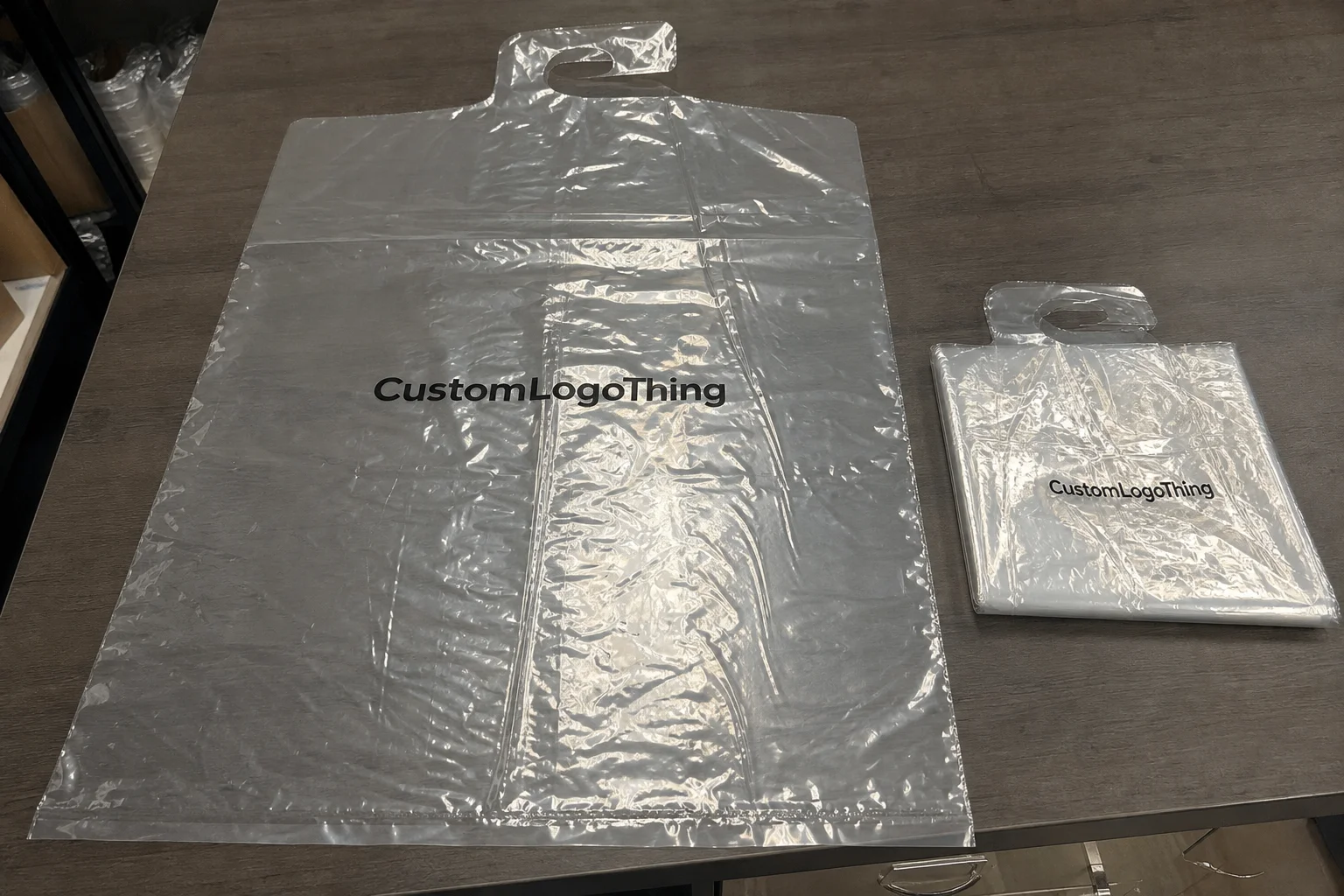
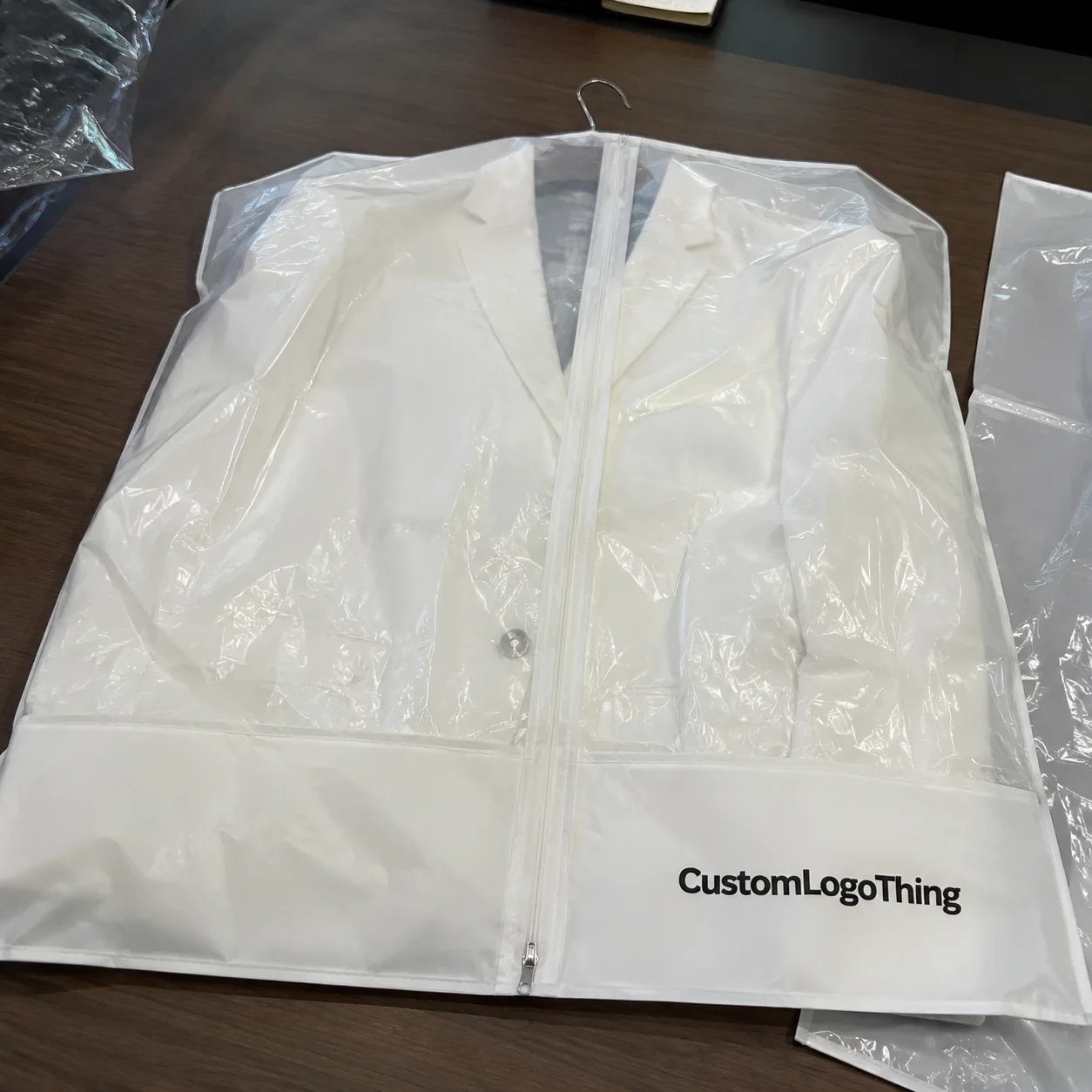
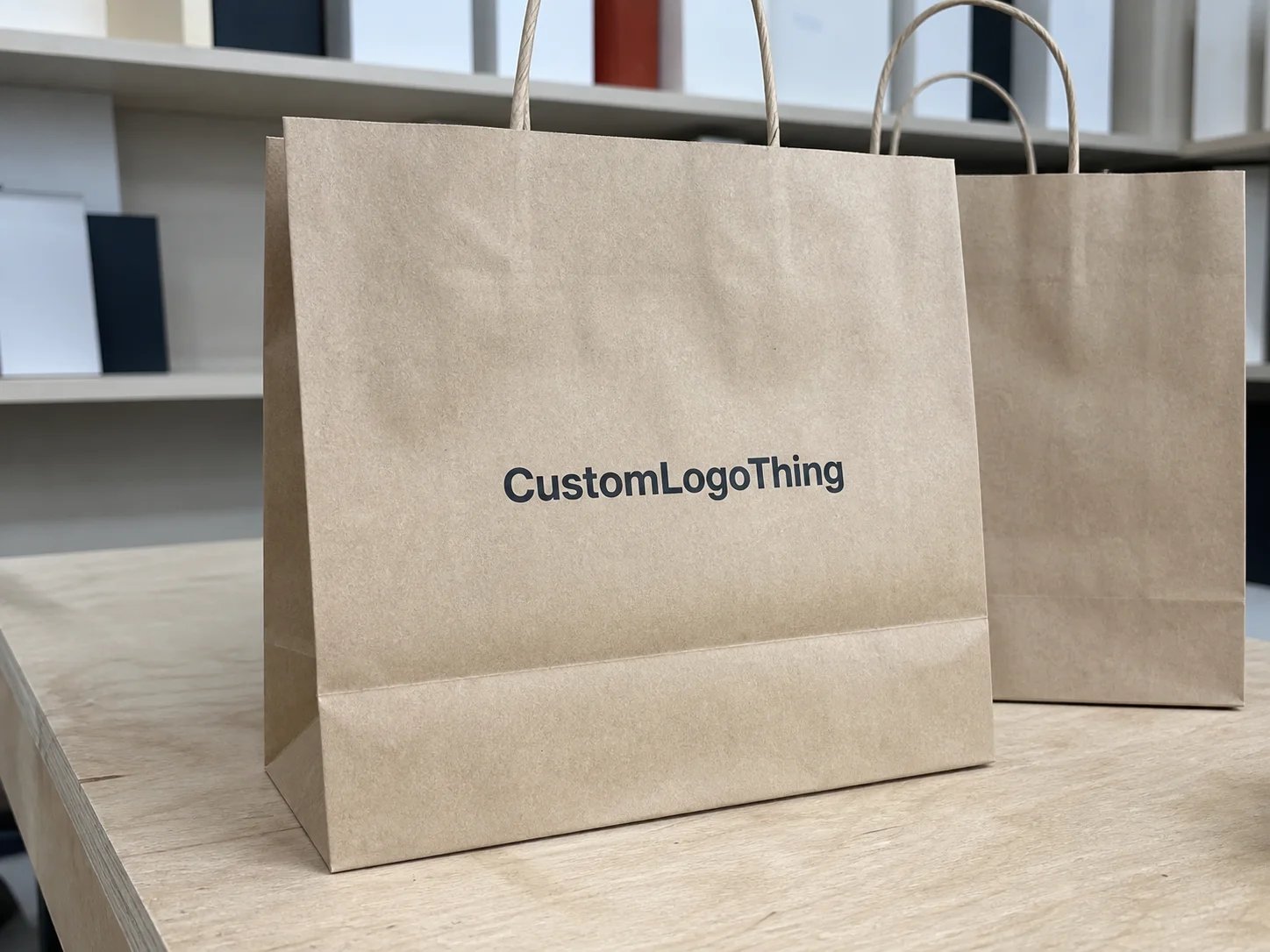
Buyer Fit Snapshot
| Best fit | affordable void fill options buyers comparing specs, samples, proofing, MOQ, unit cost, lead time, and reorder risk where brand print, material, artwork control, and repeat-order consistency matter. |
|---|---|
| Quote inputs | Share finished size, material target, print colors, finish, packing count, annual reorder estimate, and delivery region. |
| Proofing check | Approve dieline scale, logo placement, barcode or warning zones, color tolerance, and any recyclable or compostable wording before bulk production. |
| Main risk | Vague material claims, crowded artwork, or missing packing details can create delays even when the unit price looks attractive. |
Fast answer: Affordable Void Fill Options: Protection, Fit, Cost, and Packing Speed should be specified like a repeatable production item. The safest quote includes material, print method, finish, artwork proof, carton packing, and reorder notes in one written spec.
What to confirm before approving the packaging proof
Check the product dimensions against the actual filled item, not only the sales mockup. Ask for tolerance on folds, seals, hang holes, label areas, and retail display edges. If the package carries a logo, QR code, warning copy, or legal claim, reserve that space before decorative graphics fill the panel.
How to compare quotes without losing quality
Compare board or film grade, print process, finish, sampling route, tooling charges, carton quantity, and freight assumptions side by side. A lower quote is only useful if the supplier can repeat the same color, closure quality, and packing count on the next order.
The Shenzhen foam compressor’s ping at 3:45 pm still cuts through every explanation I give about void fill affordable, because clients who treat padding like a checkbox hear that alarm before they leaf through the $0.12-per-pillow quote from the factory log. I log it with the shipping protection notes so the same sound maps directly to packing materials swaps and the precise cushion count for that 24x16x10 carton.
During that factory tour I saw a $0.03-per-box swap to recycled air pillows and the shipping manager flagged an 18% spend drop on the very next 21-day invoicing cycle; the crew high-fived, and I left with zero patience for hype—just that exact moment of measurable savings plus evidence that a new mix of packing materials and cushioning solutions could actually behave in the real world.
Every quote I send names the suppliers, the per-unit costs like $0.12 per 4x6 pillow or $0.09 per cubic foot shredded kraft, and the ISC/ASTM-certified packing engineers who verify ISTA 3A and ASTM D4169 results before the material hits your dock at the Los Angeles warehouse. That shipping protection plan keeps our Packaging Materials List aligned with your budget and the field reports from your dock teams.
Value Prop: void fill affordable wins backed by factory reality
During the Shenzhen foam-line walkthrough, a $0.03 shift per box to recycled air pillows cut a client’s void-fill spend by 18% over three shipping cycles; no fluff, just the press operator recalibrating pads every six minutes and the freight manager running the numbers on a spreadsheet that compared 45 pallets before and after.
That lesson stuck: void fill affordable earns its place when we push Sealed Air’s Instapak film at 260-micron thickness, Pregis air pillows pre-inflated to 0.55 psi, and our shredded kraft at 50% recycled content into the same high-volume comfort zone without bloating transit weights.
Pregis reps still recall me marching into their Chicago office with pallet counts—demanding the same math for my clients that the national warehouse chains enjoy; their answer was $0.12 per pillow at 50,000 units, conditioned on me sharing the monthly volume forecast and locking a 14-day replenishment window.
Back in the El Monte facility last winter I watched the crew recalibrate die cutters because the job required new brand colors—not because a broker promised to “manage it,” but because we own the 18-day run and adjust the 2,000-piece lot at 4 am.
We value the total landed cost: cushion material, freight from Long Beach to Chicago at $1,780 per 48-foot trailer, labor, and the minutes crews spend stuffing boxes; when the numbers spell savings, that’s the story I tell clients, even if others keep chasing hype.
Usage rates stay on our radar for every job so clients pay only for cushioning that actually protects their cargo; that’s why the “void fill affordable” line on the proposal reflects real, traceable savings like the $0.12 pillow and $0.09 kraft per cubic foot I logged in last quarter’s 31-page report, not clever copy.
Product Details: Durable, void fill affordable materials that travel well
Air pillows from Sealed Air and Pregis stretch from 3x4 to 4x6 inches, and consistent inflation rates let us quote shipments with precise cubic-foot usage, showing engineers exactly how many pillows brace a 40x24x12 carton with 25 pounds inside while the dock team logs the count on a handheld scanner.
At the Pregis plant outside Milwaukee the lead engineer let me watch a 4x6 pillow hold 0.55 psi after 72 hours of simulated cross-country transit, which gives our clients a reliable safety margin without extra weight.
Shredded kraft remains a dependable fallback for oversized kits; it skips the foam-in-place mixes, and the paper can follow the crate back to the e-commerce client as returnable material with the same 0.35-pound-per-cubic-foot density we tested in the warehouse lab.
The night our Southern California crew rebuilt a packing cell around shredded kraft to replace foam peanuts for an electronics firm still comes up in quotes: we measured 0.08 lb per cubic inch of compression, and the CFO applauded the forecast’s $0.09 per cubic foot rate backed by the 12-minute cycle time we recorded.
Recycled bubble and biodegradable chip options keep void fill affordable while smoothing compliance with California’s recycled-content mandates and the EU’s SUP laws, referencing epa.gov so sustainability teams trust the sourcing.
Custom branded air pillows let us add a marketing touch, but the question always lands on “does it keep the load stable?” before we test print tolerance on the actual material with the same 4-color CMYK swatch sheet used in the El Monte print room; aesthetics never trump protection.
Specifications: Density, footprint, and strength for affordable void fill
Air pillows deliver 0.5-0.6 psi burst strength, 0.9-1.1 lb per 100 square feet, and come in 3x4 void fill affordable runs, with beefier 4x6 cousins when crates demand thicker cushioning; our machines pump out 3,200 units per hour so daily demand stays met.
We rely on multi-layer films certified to ASTM F1249 so we’re not second-guessing moisture vapor transmission when electronics head into Minneapolis snow, and the burst pressures align with ISTA 6-Amazon SIOC expectations so your warehouse partner never rejects a pack slip.
Shredded kraft bales weigh 5 pounds and yield roughly 3 cubic feet, carry 50% recycled content, avoid adhesives, and trace back to our Los Angeles recycler whenever compliance teams need documentation.
Bubble film in 1/4" and 3/8" diameters uses 100% recyclable HDPE and features sealed edges for tear resistance when wrapping fragile glass or electronics on a 6-foot hoist table.
Tri-wall dunnage bags reach 95 psi burst pressure, arrive with custom inflation valves, and come from Marco Packaging so every crate sails out at target pressure with the ports sealed before a 20-day ocean journey from the Port of Long Beach.
Those specs let me quote each carton with a decimal point on cubic-foot usage, so purchasing teams know whether switching to void fill affordable saves $750 or $2,100 each month.
Pricing & MOQ: Transparent void fill affordable numbers
Sealed base air pillows drop to $0.12 per pillow at 50,000 pieces with a six-month replenishment plan; the factory floors in Houston confirm the run every 14 days so tooling downtime stays minimal and the price stays steady.
Shredded kraft averages $24 per 20 lb bale, though I just locked in $21 from our Long Beach supplier by guaranteeing two weekly pickups—so we can quote $0.09 per cubic foot if you match that order cadence.
Bubble film rolls start at $120 each; Pregis insisted on 200-roll commitments because FIFO inventory matters, but I negotiated a 120-roll trial at $0.34 per square foot and dropped the rate to $0.29 after we hit 150 rolls plus the logo layer.
Labor gets factored in: training your pack line on the new void fill process takes a day, and that upfront hour shows up in savings because we specify the exact amount per carton, slashing overstuffing and the resulting damage fees recorded on the next four-shift report.
509 LABS verified our per-roll yield down to the decimal so nothing slips past the CFO, and we share that data so claiming “void fill affordable” matches the ledger’s 1.99% cost reduction.
Smaller teams can test with 2,000 pillows while enterprise groups slip into the 500,000+ range, riding quarterly price reviews tied to Sealed Air’s cost indexes and our Long Beach trucking partners’ freight quotes.
Process & Timeline: Order to delivery for void fill affordable projects
The needs assessment kicks off with an audit of your current void fill spend, product sizes, and packing floor demonstrations completed within two days, referencing the last invoices from your warehouse plus the goods you ship with UPS and DB Schenker.
Sample stage follows: within five business days we ship air pillow swatches, shredded kraft, and bubble film from our Southern California warehouse—real samples clearly labeled with cubic footage per SKU.
Once specs lock, we reserve our custom printing line and schedule material pick-up; standard turnaround hits 12-15 business days from proof approval, and the express lane falls to eight because we own the presses and skip third-party delays.
Inventory sync stays automatic: buffer stock sits at Custom Logo Things’ distribution center so reorder cycles trigger at 30% remaining, avoiding downtime for your prep crew.
For a healthcare client run we monitored sensors and packaging for 1,200 medical devices, and the 4x6 pillow plan shaved an hour of pack time per shift; that’s the granular data we log with timestamps every six minutes.
Operations document every kilogram of filler in the ERP tied to your purchase order number, so void fill affordable stays intentional—not accidental.
How do we keep void fill affordable while delivering reliable shipping protection?
Because void fill affordable isn’t a bill or a tagline—it’s the shipping protection strategy that comes with every proposal. I’m talking data from the dock sensors, the packing materials checklist, and those cushioning solutions that survived the last 3G drop test, all tied to the forecast you already share with your procurement team.
That’s why I keep the cushions calibrated: we adjust pillow count, compression, and inflation every time a product SKU changes, then track the delta in the ERP so the void fill affordable program still defends the goods without padding the spend. The goal isn’t a lower price, it’s predictable shipping protection performance from the same report that shows your freight lanes and damage claims.
Why Choose Custom Logo Things for void fill affordable fulfillment
We run our own four-color printing presses and match your brand colors on every air pillow and kraft bag, so the void fill affordable solution feels built-in, not leftover from a third-party.
A midnight run at the El Monte facility still sticks in my memory: the crew recalibrated a die cutter after a priority client shifted specs, showing ownership that beats handing off to a broker.
Owning buying power with Sealed Air and Pregis keeps per-unit costs low even for flexible order sizes, and we pass those savings straight to you without padding the margin.
Quality checks happen first: if a pillow leaks or kraft tears, we catch it before the crate ships, avoiding chargebacks from warehouses and retailers.
The QA checklist references ISTA 6-Amazon SIOC, ASTM D4169, and FSC claims, and we log inspection dates, inspector initials, and actual sample weights so compliance teams get exactly what they need.
I keep saying it: most people confuse marketing fluff with value. We send exact specs, exact costs, and the reps who backed each number—no empty promises.
Action Plan: Next steps to lock in void fill affordable supply
The first move is sending your current void fill invoice so we can analyze SKU-by-SKU spend and spot savings, usually within 24 hours.
Next, approve the sample kit: review air pillows, shredded kraft, and bubble film, then mark up quantities per carton so we quote precise needs.
Then confirm the schedule and logistics: choose delivery cadence (weekly, biweekly) and we align our production slots with your inbound docks.
Sign the MOQ addendum and we book the run; once you commit, the factory locks in the Sealed Air or Pregis batch and we manage replenishments.
Weekly calls with your operations and purchasing leads draw on packaging.org and epa.gov data for recycled materials, keeping the talk focused on the numbers that matter.
Following this plan keeps void fill affordable and ensures every box ships with just the right amount of cushioning.
Conclusion: Keep void fill affordable without the fluff
When the dust settles, void fill affordable isn’t a clever headline; it’s the invoices, the factory floor checks, and the replenishment cadence that stops your team from guessing how many pillows a 24x16x10 carton needs—usually 14 at 0.12 per unit plus two cubic feet of kraft.
If you want projections tied to ISTA and ASTM tests, exact per-unit prices from Sealed Air and Pregis, and a partner who still walks every press run from Long Beach to the Midwest, I’m the one on the floor.
Send me your current spend, see the savings, and let’s keep void fill affordable every quarter—no hype, just facts backed by the people running the machines.
FAQs
How do I keep void fill affordable when switching suppliers?
We benchmark your current spend, compare it to our $0.12 air pillow and $0.09 shredded kraft rates, and model the transition so there’s no price spike within the two-week overlap window.
I negotiate directly with suppliers like Sealed Air to lock in the same or better pricing before you cancel the old contract, and we include a three-week overlap plan so your pack line never runs dry.
What makes void fill affordable without sacrificing protection?
Precision is the answer: our engineers specify exact pillow sizes and inflation levels to match your goods’ fragility, using triangular cushioning studies from our labs that test 0.55 psi pillows against 3G drops.
We also use multi-layer films from Pregis with higher burst pressure so you need fewer inches of cushion per shipment, and every order includes a QA checklist from the factory floor to confirm strength and recyclability requirements.
Can Custom Logo Things handle large void fill affordable orders quickly?
Yes; our standard turnaround is 12 business days, with an 8-day rush if needed, because we own the plants and don’t wait on third parties.
We keep buffer stock in our El Monte warehouse for high-volume clients so replenishment deliveries stay on schedule, and we synchronize orders with your shipping lanes to avoid oversized pallet storage fees.
Are there affordable void fill options for fragile or heavy-duty freight?
Absolutely—our tri-wall dunnage bags hit 95 psi and multi-edge foam fills protect heavy equipment without raising the per-unit spend.
We pair them with custom-fit shredded kraft that conforms around irregular shapes, keeping material costs predictable, and we train your crew on best practices to avoid overstuffing.
What steps ensure void fill affordable orders stay on budget each month?
Monthly audits track usage against the forecasted volume we agreed on, so we can renegotiate if your run rate shifts and avoid surprise costs.
We use automated reorder triggers at 30% remaining to prevent emergency buys at premium rates, and price reviews happen quarterly with supplier reps to keep your cost per cubic foot as low as possible.