Cosmetics Refill Plastic Bags Carton Packing Guide Basics
A refill pouch can look clean, modern, and responsible on a bathroom shelf. Then it can arrive with lotion in the shipping carton and a cap imprint pressed into the front panel. That is the gap a useful cosmetics refill plastic Bags Carton Packing guide needs to close: not just how the pouch looks, but how the pouch behaves after filling, stacking, vibration, parcel drops, warehouse picking, and customer handling.
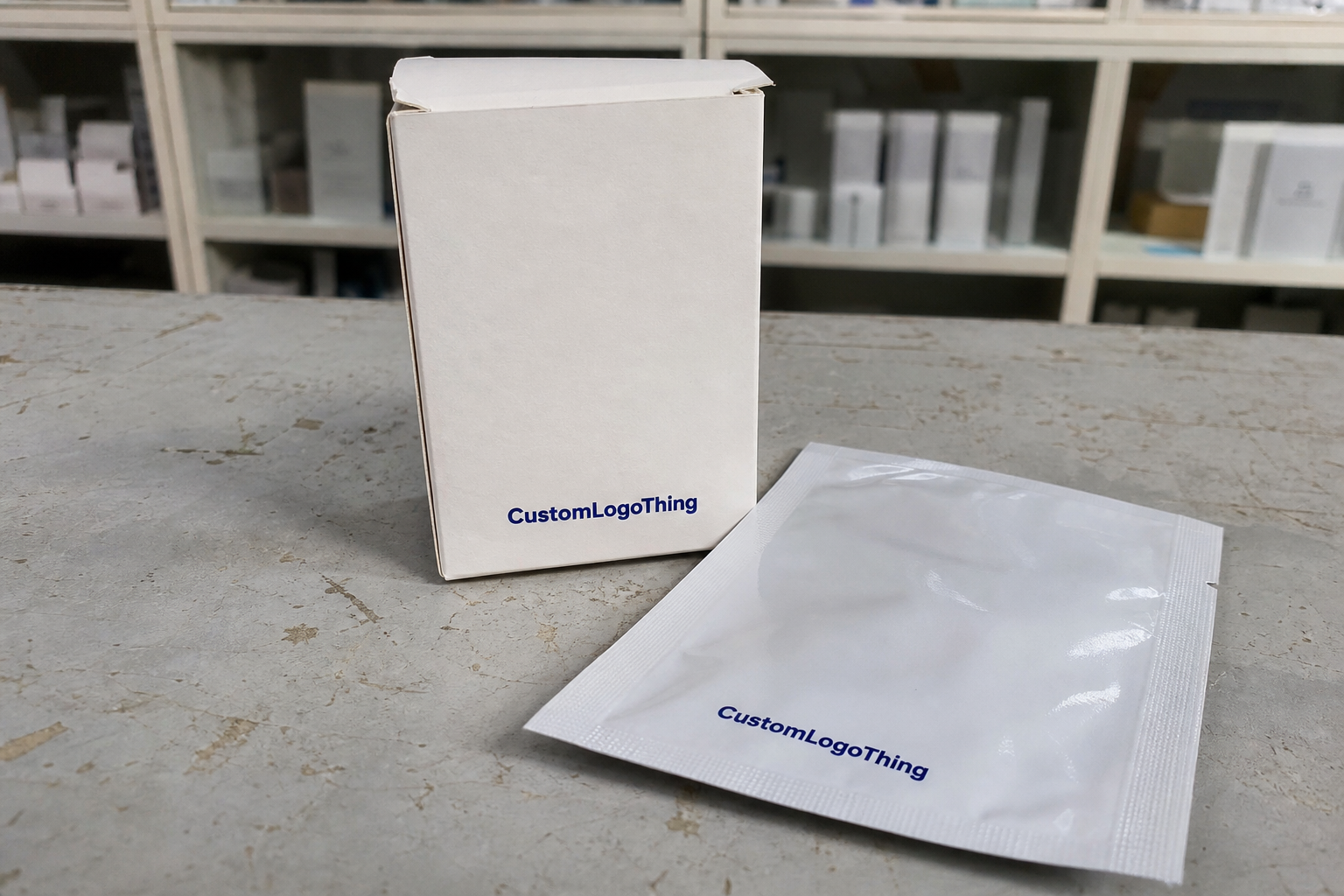
Cosmetic refill plastic bags are flexible pouches for liquids, creams, gels, lotions, shampoos, conditioners, hand soaps, body washes, cleansing concentrates, masks, and similar personal care formulas. They may be flat, bottom-gusseted, side-gusseted, stand-up, or spouted. Some are sold as single refill units. Others sit inside folding cartons, shelf-ready cartons, master shippers, or display packs.
The format has momentum for rational reasons. A well-designed pouch often uses far less plastic by weight than a rigid bottle, improves cube efficiency in a carton, and takes up less pre-fill storage space. The environmental claim, though, needs discipline. Lower packaging weight is easier to defend than broad recyclability language, especially when laminated films, mixed materials, caps, labels, and local collection rules enter the picture.
Carton packing is not an afterthought. It affects leakage risk, pouch shape retention, barcode readability, retail presentation, pallet stability, fulfillment speed, and the customer’s first impression when the box opens. A raised spout may need a rotated packing pattern. A soft pouch panel may need a divider. A premium matte finish may scuff unless the carton count and friction points are checked.
This guide covers the practical decisions behind cosmetic refill pouches and their cartons: material selection, filled dimensions, carton count, production timing, unit cost drivers, quality checks, and the specification details worth preparing before asking a packaging supplier for pricing.
How Refill Pouches and Carton Packing Work Together
A cosmetic refill plastic bag usually has a printed or unprinted laminated film body, heat-sealed edges, and a flat or gusseted profile. It may also include a spout, cap, tear notch, hang hole, handle, degassing feature, or shaped edge. The film looks simple in the hand. It is not simple.
One layer may provide print quality. Another adds stiffness or puncture resistance. Another improves oxygen, moisture, or aroma barrier. The inner sealant layer has to melt and bond consistently during pouch conversion, then hold against pressure after filling. A pouch wall is closer to a laminated engineering system than a decorative wrapper.
Cosmetic formulas are not always easy guests. Fragrance oils can migrate. Surfactants can creep toward weak seals. Alcohol can stress certain structures. Essential oils, preservatives, acids, actives, pigments, and exfoliating particles can change compatibility. A structure that works for mild hand soap may fail with a high-fragrance hair mask or a sanitizer gel.
The carton performs a different job. It groups units, protects pouches from compression and abrasion, carries retail or warehouse information, improves pallet stacking, and gives distributors a dependable count. For e-commerce, the carton can decide whether the brand gets a clean delivery photo or a refund request with a wet box.
Orientation is often underestimated. Pouches may be packed upright, lay-flat, head-to-tail, nested, or separated with dividers. Liquids shift during handling. A carton that feels snug on the packing bench can behave differently after vibration, corner drops, and two weeks under stack pressure. A 50 ml sample pouch and a 1 liter conditioner refill are not variations of the same packing problem; they are different physics.
Inner protection can be minimal or deliberately engineered. Lightweight pouches may need only a well-sized corrugated carton and a paper pad. Heavier refills may need dividers, trays, corrugated inserts, molded pulp, or localized cushioning around spouts and caps. If one leaking unit could damage neighboring cartons, a liner bag inside the master carton is cheap insurance compared with cleanup, relabeling, and rejected inventory.
Practical rule: do not size the carton from flat artwork dimensions. A pouch that looks thin before filling may balloon after filling, especially with lotion, gel, conditioner, or other viscous formulas. Base carton dimensions on filled samples whenever possible.
The strongest packing plan is built from filled behavior, not flat drawings. That one habit prevents many late-stage problems: caps under compression, distorted seals, scuffed panels, leaning stand-up pouches, and cartons that no longer match the approved pallet pattern.
Key Material and Specification Factors to Confirm
Start with the pouch specification. A supplier needs fill volume, target fill weight, finished dimensions, film thickness, gusset style, spout diameter, cap style, seal width, artwork coverage, surface finish, and whether the pouch must stand upright after filling. For many cosmetic refills, film thickness may sit around 90-160 microns. Small pouches may use less. Large refills, oily formulas, and tougher distribution routes often need more stiffness, stronger seals, or better puncture resistance.
Material choice is a chain of tradeoffs. PE can support some mono-material recycling goals, but it may feel softer and require careful stiffness and seal testing. PET gives print clarity and dimensional stability. Nylon improves puncture resistance, which can matter for heavy liquids and cartons with tight counts. EVOH adds barrier for oxygen-sensitive or fragrance-retention needs. Foil gives strong barrier protection but blocks transparency and complicates many recyclability claims. None is automatically superior.
Compatibility testing is where optimistic packaging claims meet chemistry. A small filled test can reveal swelling, odor transfer, delamination, oil bloom, cap stress, seal creep, or panel distortion before thousands of units are made. If the formula contains essential oils, high fragrance load, alcohol, exfoliants, strong colorants, active ingredients, or unusual pH, disclose that early. “Standard cosmetic liquid” is too vague for safe material selection.
Carton specs need equal precision. Decide whether the order needs a retail folding carton, an inner carton, a master shipper, or all three. Retail cartons often use 300-400 gsm paperboard, such as SBS or C1S board, depending on print finish and rigidity targets. Shipping cartons may use E-flute, B-flute, C-flute, or double-wall corrugated depending on product weight, carton dimensions, stacking height, and parcel risk.
Testing standards keep subjective arguments under control. For distribution hazards, many teams reference ISTA procedures covering drop, vibration, compression, and transport simulation. For paper and corrugated sourcing claims, FSC certification may be relevant when a brand wants responsibly sourced fiber in folding cartons, inserts, or master cases.
Artwork and compliance details should be resolved before final dieline approval. Ingredient panels, batch code zones, net contents, country-of-origin language, warnings, refill instructions, recycling marks, and barcode placement all need to remain readable after filling and packing. A barcode placed too close to a gusset fold may scan well on a PDF and fail on a curved, filled pouch.
The shipping route changes the specification. Direct-to-consumer parcels need drop protection and leak containment. Retail programs need clean facing panels, consistent case counts, and shelf-ready efficiency. Salon distribution may prioritize quick picking and durable master cartons. Export cartons need stronger compression values, moisture awareness, and clear outer markings. The route is not a logistics footnote; it is part of the package design.
Production Steps and Timeline From Sample to Carton
The cleanest projects follow a practical sequence: specification review, material recommendation, pouch drawing or dieline, artwork setup, sample approval, film production, pouch conversion, carton production, packing trial, inspection, and shipment. Flexible packaging and cartons are connected, but they usually move through separate production steps. Timing has to be coordinated, not assumed.
Stock film with a label can move faster than custom printed laminate. A standard white or natural cap can move faster than a custom color cap. An existing pouch size can move faster than a new size requiring tooling, trial runs, or extra testing. For planning, simple samples may take 5-10 business days if materials are available. Printed proofing can add several days. Full production depends on printing method, material availability, carton complexity, order quantity, and inspection requirements.
Sampling should test more than appearance. Fill the pouch if possible. Check hand feel, filled shape, cap torque, seal quality, carton fit, barcode placement, and how the pouch behaves after light compression. A stand-up pouch can look stable when empty and lean forward after filling if the bottom gusset, film stiffness, or width is wrong.
Artwork causes more delays than many buyers expect. Missing bleed, low-resolution logos, unconfirmed Pantone colors, late regulatory copy, and barcode files supplied after dieline approval can stop production. Coating choices add another layer. Matte lamination, soft-touch film, aqueous coating, varnish, metallic ink, and spot UV all affect cost, lead time, scuff resistance, and recyclability discussions.
Filling coordination matters even if the packaging supplier is not doing the filling. The buyer or co-packer still has to confirm fill temperature, fill speed, seal method, cap torque, headspace, and post-fill dimensions. Warm-filled product can temporarily soften some materials. Foamy formulas may need extra headspace. Thick conditioners may require a wider spout or slower filling to avoid contamination around the seal or cap area.
A useful cosmetics refill plastic Bags Carton Packing guide treats pouch and carton as one system. Approving pouch specs first and carton specs weeks later can work, but it invites surprises. The better sequence is to approve pouch and carton concepts together, then check filled samples before locking the production order.
Cost, Pricing, MOQ, and Unit Cost Drivers
Cost comes from several buckets: film structure, pouch size, print coverage, number of colors, spout and cap style, carton board grade, carton print method, inserts, tooling, freight, and inspection. A small unprinted flat pouch with a pressure-sensitive label sits in a different cost universe from a fully printed stand-up spouted pouch packed inside a printed retail carton with dividers.
MOQ matters because custom printed film and carton production become more efficient as quantity rises. Setup time, plate or cylinder work, color matching, die setup, and machine changeover must be spread across the order. Small runs can make sense for a launch or seasonal scent, but the unit cost may be much higher than at 10,000, 25,000, or 50,000 pieces.
| Packaging Option | Typical Use | Cost Behavior | Buyer Watchout |
|---|---|---|---|
| Unprinted pouch with label | Small launches, test SKUs, seasonal scents | Lower setup cost, higher labor per unit | Label edges can scuff, lift, or wrinkle on flexible surfaces |
| Fully printed refill pouch | Retail-ready packs or larger repeat orders | Better unit economics at higher quantities | Artwork changes after print approval can be expensive |
| Spouted stand-up pouch | Shampoo, conditioner, soap, lotion refills | Spout and cap add cost but improve pouring | Cap protection must be built into the carton layout |
| Pouch plus printed retail carton | Premium shelf presentation, gift sets, retail programs | Higher material and assembly cost | Carton dimensions must match the filled pouch shape |
As a rough planning range, small custom refill pouches may land around $0.12-$0.35 per pouch at moderate quantities. Larger spouted cosmetic pouches can move into the $0.35-$0.90 range or higher, depending on film, print, cap, and order volume. Printed folding cartons might add $0.18-$0.55 each at 5,000 pieces. Corrugated master cartons are usually priced by board grade, size, print, and order quantity. These are planning ranges, not promises; real pricing follows the specification.
Carton count changes total cost in ways that are easy to miss. Fewer pouches per carton may reduce damage, make fulfillment easier, and keep caps from pressing against each other. Higher counts may lower carton and freight cost per unit, but compression, abrasion, and handling weight rise. A case holding 24 small 100 ml pouches is not comparable to one holding 12 one-liter refills.
Hidden costs often sit outside the pouch quote. Overbuilt material, rushed artwork revisions, incorrect carton size, excessive air space, heavy caps, dimensional freight weight, relabeling, extra labor, and failed drop testing can erase savings. For a cleaner quote, send volume, target dimensions, material preference, print quantity, carton pack count, delivery location, and whether filled testing or third-party inspection is required.
Step-by-Step Packing Plan for Cosmetic Refill Orders
A serious packing plan starts with the formula. Confirm viscosity, fill temperature, fragrance level, oil content, solvent content, pH if known, and any chemical sensitivity that could affect film choice. Thick, stringy, foamy, warm-filled, or oil-rich products often need more clearance and better process control than buyers expect.
- Confirm filled product behavior. Record fill volume, target fill weight, headspace, formula type, and whether the product will be filled hot, warm, or at room temperature.
- Choose the pouch format. Flat pouches suit economical refills, stand-up pouches improve shelf presence, spouted pouches help controlled pouring, and large gusseted pouches suit bulk refill programs.
- Build the carton around the filled pouch. Decide inner count, master count, and pallet layer after checking the actual filled size, not the empty pouch drawing.
- Validate protection details. Review cap orientation, divider need, compression strength, leak containment, and whether pouches rub during vibration.
- Review pouch and carton artwork together. Confirm handling marks, barcodes, batch code areas, refill instructions, ingredient panels, and customer-facing panels.
- Approve samples after a filled test. Empty samples are useful for print and hand feel, but they do not prove bulge, crease, leak, or stack performance.
For heavier liquid refills, a simple overnight stack check is worth doing before signoff. Fill the pouches, wipe the caps clean, pack them in the proposed carton count, place reasonable weight above the carton, then inspect the next day for cap pressure, corner wear, oil bloom, panel scuffing, carton bulge, and seal stress. It is not a substitute for ISTA-style testing. It does catch obvious failures early.
If the product ships by parcel, test the outer carton with realistic void fill and shipping labels applied. Parcel handling brings corner drops, side impacts, vibration, conveyor contact, and occasional upside-down travel. If the product goes through retail distribution, check pallet pattern, case count, master carton markings, and whether warehouse staff can open the case without slicing a pouch.
Different routes, different damage patterns. One carton design rarely handles every channel equally well.
The goal is to make decisions visible before production. Once printed film, caps, and cartons are finished, changing carton count, spout orientation, or case dimensions becomes expensive and slow.
Common Mistakes That Cause Leaks, Damage, or Delays
The first mistake is choosing pouch material by appearance alone. Gloss film, soft-touch finish, a clear window, or a frosted panel can all look premium. The structure still has to match the formula. Fragranced, oily, alcohol-containing, acidic, or active-heavy products deserve compatibility testing before a full run.
The second mistake is sizing cartons from flat pouch dimensions. Empty pouches lie politely on a table. Filled pouches swell, lean, and shift. A carton that is too tight can squeeze the cap or distort seals. A carton that is too loose allows rubbing, corner wear, and crushed spouts during vibration.
The third mistake is ignoring spout and cap protection. The cap is often the highest point of the pack, so it takes direct pressure during stacking or parcel drops. A small corrugated pad, rotated packing pattern, molded insert, or divider can solve a problem that would otherwise appear as leakage complaints.
The fourth mistake is approving artwork too early. Before final approval, confirm the fill area, seal area, hang hole, spout position, gusset folds, barcode quiet zone, batch code space, and carton-facing panel. Artwork that looks centered on a flat dieline may sit differently once the pouch is full.
The fifth mistake is mixing too many SKUs without a carton coding plan. Similar scents, sizes, and formulas can look nearly identical inside master cartons. Use outer carton labels, SKU codes, batch numbers, scent names, and orientation marks so warehouse teams are not forced to guess during pick-and-pack work.
The sixth mistake is delaying freight planning. Pallet patterns, carton weight, dimensional weight, courier limits, retail routing rules, and fulfillment shelf space all shape the final carton. A carton can protect the pouch perfectly and still be too bulky, heavy, or awkward for the real shipping program.
Actionable Next Steps Before You Request Samples
Before requesting samples, gather the information a packaging team needs to make a useful recommendation. That includes formula type, fill volume, target pouch dimensions, annual quantity, first order quantity, preferred pouch style, print requirements, carton count, shipping method, destination, and whether the pack is intended for retail, salon distribution, or e-commerce.
- Formula details: lotion, gel, shampoo, conditioner, soap, oil blend, concentrate, mask, or cream, plus viscosity and pH if available.
- Fill conditions: hot fill, warm fill, room-temperature fill, fill speed, cap torque target, and any post-fill cooling or settling time.
- Pouch requirements: flat, stand-up, spouted, gusseted, transparent window, matte finish, gloss finish, label-ready, or fully printed.
- Carton requirements: inner count, master count, retail carton need, corrugated grade, divider need, barcode position, and pallet target.
- Commercial details: first order quantity, reorder plan, delivery location, sample deadline, inspection needs, and freight preference.
Ask for pouch and carton samples together whenever possible. The best-looking pouch is not automatically the safest carton pack. The lowest pouch price may not produce the lowest landed cost after freight, damage, labor, storage, and returns are included.
For a sharper comparison, create two carton scenarios. One can favor protection, perhaps with lower counts and dividers. The other can favor freight efficiency, with tighter cube use and higher counts. Compare total landed cost, not only empty pouch price. A few cents saved on material disappears quickly if damage rises by even 1-2% on a liquid refill program.
A basic internal trial helps before the production clock starts. Fill sample pouches, cap them, wipe them clean, pack them in the proposed carton count, shake gently, stack overnight, and inspect for leaks, panel scuffing, cap pressure, carton bulge, and seal stress. If anything looks questionable, fix it while the cost of change is still low.
Turn this cosmetics Refill Plastic Bags Carton packing guide into a working spec sheet before asking any supplier for pricing. The result is usually cleaner recommendations, fewer vague assumptions, and a quote that reflects the actual pouch, carton, filling method, and shipping route your cosmetic refill program needs.
FAQ
What should a cosmetics refill plastic bags carton packing guide include before I request a quote?
Include pouch volume, filled dimensions, film preference, spout and cap style, artwork needs, carton pack count, shipping method, destination, and product type, such as lotion, gel, soap, shampoo, conditioner, or cosmetic concentrate. If the formula contains fragrance oils, alcohol, active ingredients, exfoliants, or unusual viscosity, mention that early so the supplier can recommend a safer film structure and testing approach.
How many cosmetic refill plastic bags should go in one carton?
The right count depends on filled pouch weight, cap position, carton strength, fulfillment method, and whether cartons ship by parcel, pallet, or retail distribution. Small pouches may pack in higher counts, while heavier liquid refills often need lower counts, dividers, or a cap-safe layout to reduce compression, rubbing, and leak risk.
Are refill plastic bags for cosmetics cheaper than bottles?
They can be cheaper in material weight and freight efficiency, especially for repeat-use refill programs, but total cost depends on film structure, spout, cap, printing, carton protection, order quantity, and filling labor. Compare the filled pouch, carton, freight, storage, and expected damage rate together instead of comparing only the empty pouch price against an empty bottle.
What film material works best for cosmetic refill pouches?
There is no single best film for every cosmetic product. Lotions, gels, soaps, shampoos, conditioners, concentrates, and oil-rich formulas may need different barrier, stiffness, puncture resistance, and sealant layers. Common structures may use PE, PET, nylon, EVOH, foil, or other laminates depending on chemical compatibility, shelf life, print quality, and recyclability goals.
How long does custom cosmetic refill pouch and carton production take?
Timing depends on artwork readiness, material selection, sampling needs, custom printing, spout availability, carton printing, and whether filled testing is required before production approval. The smoothest projects approve pouch specs and carton packing specs together, because carton dimensions should be based on the filled pouch rather than the flat empty bag.