Buyer Fit Snapshot
| Best fit | Void Fill Affordable projects where brand print, material claims, artwork control, MOQ, and repeat-order consistency need to be specified before quoting. |
|---|---|
| Quote inputs | Share finished size, material target, print colors, finish, packing count, annual reorder estimate, ship-to region, and any compliance wording. |
| Proofing check | Approve dieline scale, logo placement, barcode or warning zones, color tolerance, closure strength, and carton packing before bulk production. |
| Main risk | Vague material claims, crowded artwork, missing packing details, or unclear freight terms can make a low unit price expensive after revisions. |
Fast answer: Void Fill Affordable: Material, Print, Proofing, and Reorder Risk should be specified like a repeatable production item. The safest quote records material, print method, finish, artwork proof, packing count, and reorder notes in one written spec.
Production checks before approval
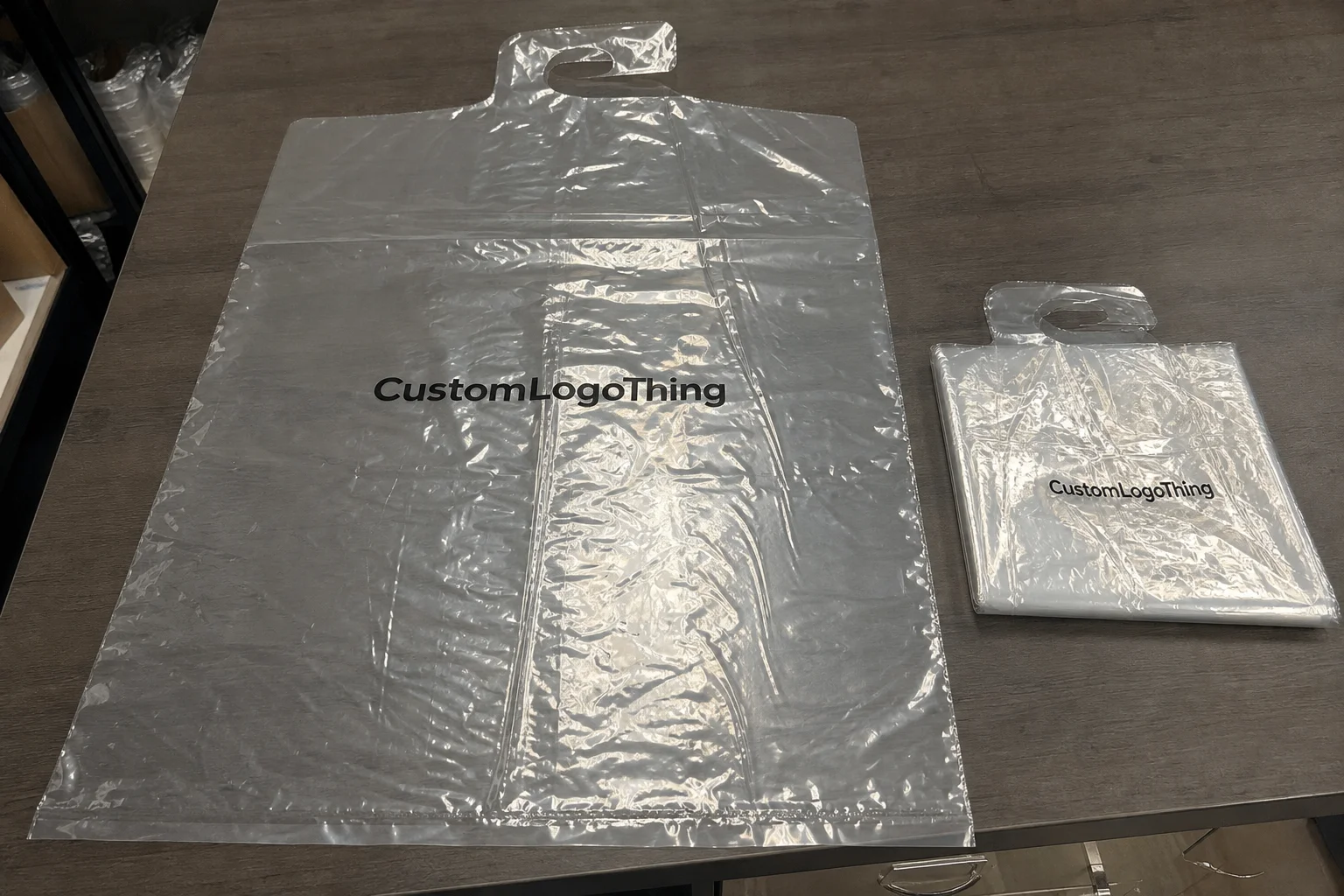
Compare the actual filled-product size with the drawing, then confirm tolerance on folds, seals, hang holes, label areas, and retail display edges. Reserve space for logos, QR codes, warning copy, and material claims before decorative graphics fill the panel.
Quote comparison points
Review material grade, print process, finish, sampling route, tooling charges, carton quantity, and freight assumptions side by side. A quote is only useful when the supplier can repeat the same color, closure quality, and packing count on the next order.
void fill affordable choices can protect a shipping budget far better than the cheapest carton rate ever will, and I’ve watched that lesson play out on factory floors in Los Angeles, Dallas, and Grand Rapids where a bargain box setup turned into the most expensive shipment on the dock once breakage, repacks, and labor were added back in. If you ship at any kind of volume, void fill affordable is not about grabbing the lowest-priced filler from a catalog page; it is about matching the material to the product so the carton holds everything still, protects corners, and keeps the pack station moving without wasting square footage or payroll minutes. Honestly, I think that distinction gets lost way too often in procurement meetings, probably because a spreadsheet looks calmer than a broken shipment claim (which, as you can imagine, is not calm at all).
I remember one afternoon in a Southern California fulfillment center in Ontario, watching a team packing ceramic mugs into oversized mailers with almost no fill at all. The boxes looked tidy enough on the conveyor, but after a few lane changes and one rough sortation drop, the breakage bin filled faster than the outbound pallet. That is the part many buyers miss: void fill affordable has to be judged against damage rates, rework, and customer complaints, not just the unit price printed on the quote. I still think about that floor sometimes because the supervisor was trying so hard to “save money,” and the dock was basically arguing back in the loudest possible way.
The practical truth I have seen in negotiations with converters in Chicago and carton trials with brand owners in Charlotte is simple enough. A slightly better paper weight, a more reliable dispenser, or a more stable pillow film can make the whole operation cheaper. void fill affordable should mean total landed cost, because the carton, the fill, the labor, the freight, and the claims process all sit in the same cost stack. If one layer fails, the savings disappear fast, and then everyone starts pretending they never liked the original idea in the first place.
Why Affordable Void Fill Can Lower Damage Costs
On a shipping line, empty space is never really empty. It becomes product movement, corner impact, compression against box walls, and sometimes a crushed presentation when the parcel lands on a belt edge or rides through a sorter chute in facilities from Phoenix to Savannah. That is why void fill affordable matters so much: the right filler stops movement before damage starts, and that can reduce both visible breakage and the hidden costs that come with customer service calls, replacement shipments, and labor spent repacking. I’ve seen a five-cent material decision turn into a ten-dollar headache more times than I care to count.
In my experience, the cheapest carton is almost never the cheapest shipment. I’ve stood beside supervisors at a Midwest distribution center in Joliet who were trying to cut costs by switching to thinner cases and less fill, only to watch the return rate climb because the products settled into the bottom seam during transit. The box itself saved a fraction, but the shipping outcome cost much more. That is exactly why void fill affordable should be measured against the full order cycle, not against the invoice line alone. Otherwise, you’re basically celebrating a discount while the claims team quietly develops a twitch.
Affordable protection also reduces variability. Pack stations often have three or four associates packing the same SKU slightly differently, and one of them overfills the carton while another leaves too much headspace. That inconsistency drives wasted material and uneven protection. A well-chosen void fill affordable solution gives the team a repeatable pack-out, which matters as much as the material spec when you are trying to control claims and keep throughput steady. I’m a fan of anything that makes the Monday shift look like the Thursday shift (in a good way, not in the “why is this pallet leaning?” way).
Product type matters too. A 6-ounce skin cream jar does not need the same fill strategy as a 3-pound hardcover gift set, and a 12-inch apparel box should not be packed like a glassware shipper. If you match void fill affordable to weight, fragility, and transit distance, you usually end up spending less than the buyer who orders by habit and hopes for the best. That is the honest answer I give in client meetings, even when the answer is less glamorous than the one they were hoping for.
“We stopped losing money on replacements the week we changed the pack-out, not the week we bought the cheapest fill.” — operations manager at a multi-site beauty fulfillment center in Edison, New Jersey
For readers who want to dig into packaging performance standards, I often point them to ISTA for distribution testing guidance and to the Packaging School and Packaging Association resources for broader industry references. Testing matters because a void fill that looks fine on a pallet can fail under vibration, drop, or compression if the shipment profile is harsher than expected. The pallet never lies; it just waits until the carrier does something rude.
Void Fill Affordable Product Types and Where Each One Fits
When buyers ask me about void fill affordable options, I usually start by separating the materials into two buckets: materials that merely occupy space, and materials that also cushion. That difference sounds simple, but it changes the whole decision. Void fillers like kraft paper and loose-fill can keep a product from shifting, while cushioning materials such as air pillows or foam can help absorb shock in more fragile packs. Some jobs need both, and trying to force one material to do everything is how you end up with a “solution” that behaves like a shrug.
Paper void fill is often the most flexible starting point. It works well for cosmetics, small household goods, books, apparel, and subscription kits because it conforms around irregular shapes and is easy to adjust at the pack station. In a Dallas-area e-commerce operation I visited, one operator could crumple and dispense kraft paper fast enough to hit their line target without adding another machine lane. For many brands, paper remains one of the most void fill affordable choices because it balances material cost and labor practicality, which is not a combination I dismiss lightly.
Air pillows are another common option, especially when storage space is tight. They ship flat, which helps with warehouse footprint, and they inflate on demand. That makes them attractive for multi-warehouse brands and seasonal peaks. They are not the answer for every SKU, though. Heavy products can crush them, and oddly shaped items may need extra support around the corners. Still, in the right box geometry, air pillows can be a very void fill affordable way to reduce freight on inbound packaging inventory and keep the pack station uncluttered. I have a soft spot for anything that arrives flat instead of taking over half a rack like it owns the place.
Corrugated inserts and die-cut paperboard partitions are better when a shipment needs structure rather than loose cushioning. I’ve seen glass bottles, luxury candle jars, and electronics components travel safely in well-designed corrugated inserts because each item has its own pocket. Those inserts usually cost more than basic paper fill, but they can reduce damage enough to justify the spend. If a brand wants void fill affordable and also wants a premium unboxing feel, corrugated can sometimes outperform cheaper loose-fill because it eliminates extra packing steps and makes the box behave like it knows what it is doing.
Foam options still matter in specific use cases, especially for items with delicate surfaces or unstable geometry. Polyethylene foam and related forms can provide better shock absorption than paper in some cases, but they bring tradeoffs in storage, recycling perception, and unit cost. I do not recommend foam by default, but I will recommend it when the product is genuinely vulnerable and the damage cost is high. That is how void fill affordable should work: right-fit material, not a blanket rule handed down from a desk that never packs orders.
Loose-fill materials can fill odd voids quickly, and they are often used for low-volume shippers or mixed-SKU operations where packers need flexibility. The downside is mess, migration, and inconsistent density. In one contract packing facility near Atlanta, I watched loose-fill migrate to one side of the carton during a long transit lane, leaving a small electronics accessory pressed against the wall. The carton looked full at pack-out, but it was not full where it mattered. That is the sort of problem that turns a supposedly void fill affordable choice into a returns issue, and nobody enjoys being the person who has to explain that to customer service on a Friday afternoon.
Different products fit different materials:
- Cosmetics: kraft paper, molded paper inserts, or air pillows around rigid cartons.
- Books: paper fill or corrugated edge protection, depending on box fit.
- Glass: corrugated partitions, paper fill, and sometimes foam for premium or highly fragile pieces.
- Electronics: air pillows plus inserts, or structured corrugated with anti-shift control.
- Apparel: kraft paper or lightweight paper fill for presentation and movement control.
- Subscription kits: paper or mixed paper-and-insert systems that keep contents centered.
The difference between cushioning and void filling is where a lot of buyers go wrong. Void filling stops movement. Cushioning absorbs impact. A fragile object in a loose carton usually needs both. That is why a void fill affordable solution may still include a second component, because spending a little more on structure can eliminate the expensive cost of breakage in transit. I’d rather explain a slightly higher material line item than a flood of replacement orders (which, frankly, have no respect for my calendar).
Machine compatibility matters too. A paper dispenser, an air pillow inflator, or a corrugator-style on-demand system changes labor math fast. If the pack station is already tight, the wrong device can slow the line by 15 to 20 percent. I have seen that happen in a Phoenix fulfillment center where a good material choice was undermined by a bad dispenser layout. So yes, you want void fill affordable, but you also want it to fit the way your team actually packs, not the way a product sheet imagines they pack.
Material Specifications That Affect Performance
The spec sheet is where smart buyers separate true void fill affordable options from bargain materials that only look cheap. Thickness, density, tensile strength, compression recovery, and expansion ratio all affect whether a filler protects the product or merely occupies air. A filler can be inexpensive per unit and still perform poorly if it collapses under load or fails to hold shape after shipment vibration. I’ve opened samples that looked fine, felt fine, and then failed the simplest field test like they had stage fright.
For paper-based materials, basis weight and ply count are the first numbers I look at. Heavier basis weight usually means better stiffness and more consistent fill, though the exact feel depends on caliper and fiber structure. A 40 lb kraft roll will not perform the same as a 60 lb roll, even if both are marketed as paper void fill. In practical pack-out terms, that difference can change the amount of paper needed per order, which is why void fill affordable decisions must be based on performance tests, not just roll price.
With air pillows, dimensions and seal integrity matter most. A pillow that is 8 x 4 inches with a thin seal line may not hold up the same way as a larger chambered pillow with a stronger bond. When I toured a converting line in Greensboro, North Carolina, I watched the QA crew reject a run because seal width had drifted enough to create weak spots in the chain. That sort of defect can turn a low-cost fill into a waste stream overnight. If you want void fill affordable and dependable, ask for seal specs and compare them against your shipping profile. Otherwise you end up with a batch of very expensive air bubbles (which is exactly as silly as it sounds).
Compression recovery is another detail buyers overlook. If the filler rebounds after pressure, it keeps the carton contents centered. If it stays crushed, the headspace returns and the product starts moving. That matters most for mixed freight and long parcel routes. On the floor, you can see the difference after a few test drops: the better material springs back enough to maintain protection, while the weaker one compacts and leaves the item rattling. This is one of the reasons I push clients toward sample testing before they commit to a full void fill affordable purchase.
Expansion ratio comes into play with on-demand systems and foam-style fills. If the material expands too aggressively, the packer may use too much and waste inventory. If it expands too little, the carton ends up underfilled. I always ask for the actual output range, not just the advertised number. Good suppliers can tell you the practical fill behavior by box size, and that is the kind of detail that makes void fill affordable work in the real world rather than only in a quote.
Here is the rule I use when I help a buyer compare samples:
- Pack the real product, not a test block.
- Use the real carton dimensions, including void at the top and corners.
- Run a short drop and shake test that reflects your carrier mix.
- Measure material usage per order, not per minute.
- Check whether the packer can repeat the result three times in a row.
That last point is key. A filler that works once is not enough. A void fill affordable option needs to be consistent enough that five different associates can produce the same protection level on a busy shift without constantly asking a supervisor for guidance. If the team needs a meeting every time they pack a box, the material wasn’t affordable in the first place.
If you want a more formal framework for package validation, ASTM-based testing and ISTA distribution methods are worth reviewing, especially if your goods are going through multiple handoffs or parcel networks. For sustainability references, I also point buyers to EPA resources when they ask about material disposal, but I always remind them that local recycling rules vary by municipality and by material stream.
Pricing, Unit Economics, and MOQ Considerations
Let’s talk straight about money. The first quote line for void fill affordable may show a low unit price, but that is only the beginning. You also have to account for dispenser cost, freight, storage footprint, labor time at the pack station, and the cost of damage if the material underperforms. I have seen finance teams focus so hard on unit price that they missed a higher total order cost by several thousand dollars per month. That is the sort of thing that makes a nice-looking quote feel a little bit insulting later.
For example, a paper void fill roll at $0.18 per packed unit sounds inexpensive, but if it requires a slower pack method and adds 12 seconds per order, the labor cost can erase the savings. Meanwhile, a slightly more expensive air pillow system at $0.22 per order may save time and lower claim rates. That is exactly where void fill affordable becomes a unit-economics decision rather than a shopping decision. Personally, I would rather pay a couple cents more than ask a labor team to do origami under pressure.
Minimum order quantities can swing the math quite a bit. Stock items may allow a few hundred units, while custom sizes or printed materials often require larger runs. If you need branded cartons and branded void fill in the same program, the MOQ can move the price band dramatically. I have negotiated with suppliers who were willing to reduce minimums on a trial basis for a pilot launch in exchange for a signed forecast, but only when the buyer provided realistic monthly volume projections and a growth plan. That is why asking for tiered quotes is one of the smartest moves in a void fill affordable sourcing process.
Freight also matters more than many buyers expect. A low-cost filler that ships in bulky pallets from a distant converter can cost more landed than a slightly pricier material sourced closer to your warehouse. Storage footprint matters too. Air pillows and flat stocks can save rack space, while bulky loose-fill bags can crowd a small back room and force extra replenishment touches. If your pack station is already cramped, the cheapest material may not stay cheap for long. That is why I always say void fill affordable must be measured in delivered cost per packed order.
Some of the common pricing variables include:
- Printed branding: custom logos, repeat patterns, or messaging on paper or film.
- Custom sizes: box-matched dimensions or specific chamber lengths.
- Material grade: lighter stock versus heavier basis weight or upgraded film.
- Pallet quantities: the price often improves as volumes increase.
- Multi-warehouse drops: split freight can change landed cost.
I worked with a subscription beauty brand in Austin that needed a void fill affordable solution for seasonal spikes. Their core volume was stable, but holiday shipments tripled for six weeks, and they could not afford to double inventory in every warehouse. We compared paper rolls, air systems, and a compact corrugated insert. The final choice was not the absolute cheapest material; it was the one that let them store more units in less room while keeping damage claims below their target threshold. That is the kind of tradeoff a buyer should expect to make, even if the answer is a little less dramatic than everyone wanted.
Honestly, too many sourcing conversations get stuck on one number. A lower quoted price is nice, but if it comes with a higher rejection rate, extra training time, or more frequent packing errors, it is not really void fill affordable. It is just inexpensive material with expensive consequences. I’ve had to say that more than once, and it never gets less awkward (though it does save everyone money later, which helps).
Ordering Process and Typical Production Timeline
The ordering path for void fill affordable materials is usually simpler than custom printed cartons, but the details still matter. A clean process usually starts with spec review, then sample approval, then production scheduling, and finally shipment. If any of those steps stalls, the whole rollout slows, and fulfillment teams end up scrambling with temporary materials that were never intended for long use. That is how a “temporary fix” becomes a permanent headache.
The fastest quotes usually come from buyers who provide carton dimensions, product weight, shipping method, and monthly volume up front. If you can also send photos of the product, the current pack-out, and any problem shipments, the estimate gets sharper. I’ve seen quoting go from vague to highly accurate in a single call just because a client sent three images of their existing pack station. That kind of detail helps the supplier recommend the right void fill affordable format without guessing, and guessing is how people end up buying the wrong thing in a really confident tone.
Sample turnaround should happen early, not after the entire supply plan is locked. A sample that arrives in three or four business days can save you from a costly mistake later. I remember a meeting with a small electronics seller in Nashville who wanted to launch immediately with a filler that looked good on paper but failed the shake test on the actual SKU. They changed direction before scaling, and that one adjustment kept them from starting with bad damage data. That is why I push for validation before volume on every void fill affordable program.
Lead times vary based on stock availability, custom dimensions, printing, and freight method. Stock paper or stock air pillows can often move faster, while custom runs may need more planning time. Peak-season congestion can also stretch shipping windows, especially if the supplier is already moving large parcel volumes through the same lane. If your warehouse is tight on space, coordinate the delivery date carefully so the material lands before your existing stock runs out. That sort of planning keeps the pack line from slowing down, and it prevents emergency purchases that rarely qualify as void fill affordable. Emergency buying, in my experience, is basically a tax on bad planning.
Here is a simple timeline that often works well for buyers:
- Day 1 to 2: send product specs, carton sizes, and usage estimate.
- Day 3 to 5: receive quote and material recommendation.
- Day 5 to 10: review sample or trial pack-out.
- Day 10 to 15: confirm order, artwork, and production slot.
- After approval: typically 12 to 15 business days from proof approval for production and freight scheduling on standard custom runs.
That timeline is not universal, of course. It depends on stock levels, customization, and freight lane conditions. But in most packaging programs I’ve managed, the earlier the team shares actual use data, the easier it is to land on a void fill affordable solution without delays or rework. The rough edges disappear faster when everybody is working from the same measurements.
Why Choose Our Packaging Support for Void Fill
What I appreciate about a good packaging partner is simple: they help you buy the right material instead of pushing the priciest one on the list. That sounds obvious, but in procurement rooms and vendor calls, it is not always how things go. The best support for void fill affordable starts with listening to the product, the carton, the carrier mix, and the packer’s actual workflow before recommending paper, air, inserts, or a mixed solution. If someone skips that part, I get suspicious very quickly.
From my years walking converting lines in Greenville, South Carolina, and distribution floors in northern New Jersey, I can tell you that consistency is just as valuable as raw price. If the material arrives at the same spec, the same dimensions, and the same pack behavior every time, operations can plan better and train faster. Quality checks matter here. A roll that is a little too soft or a pillow film that varies by chamber width may not show up in a quote, but it shows up fast in production. That is why reliable supply is a big part of making void fill affordable at scale.
We also know that the pack station is not a showroom. It is a working area with tape guns, label printers, scales, and people under time pressure. A good recommendation should reduce waste, not add steps. Sometimes that means a simpler paper format. Sometimes it means a dispenser that speeds up packing by a few seconds per order. Sometimes it means recommending a corrugated insert so the team stops overstuffing cartons with too much loose material. That practical approach is how void fill affordable becomes real savings instead of a slogan.
“The best fill choice was the one our team could pack consistently at 6 a.m. on Monday, not the one that looked cheapest in the spreadsheet.” — procurement lead at a regional fulfillment center in Columbus, Ohio
Custom Logo Things understands that buyers need responsive quotes, sample support, and clear communication, especially when a launch date or replenishment window is tight. If you want a plain answer, you should get one. If a material is not right for your item, it is better to know that before the purchase order is cut. That is the kind of partnership I respect, and it is how I’d want void fill affordable sourcing handled for my own operation.
How to Get Started With the Right Void Fill Order
The fastest way to move from research to a real quote is to gather a few concrete details first. Measure the box length, width, and height. Note the product weight, fragility, and whether the item can shift inside the carton. Estimate monthly volume, then identify any seasonal spikes. If you already have pack-out photos or a sample carton from your current setup, send those too. Those simple steps make the difference between a generic proposal and a void fill affordable recommendation that actually fits your operation.
I also recommend testing two materials against real shipments before you commit to volume. A paper option and an air option, for example, can reveal very different labor and damage results even if they appear similar in a sales sheet. Put them through a short run, watch the packers, and inspect returns if you can. The right choice is usually the one that lowers total cost per order while keeping the pack line stable. That is the practical meaning of void fill affordable. I know that sounds a little too simple, but the simple answer is often the one that survives contact with the warehouse.
Use a few simple metrics to judge success:
- Damage rate: how many units arrive broken, dented, or shifted.
- Pack speed: seconds per order at the station.
- Storage space: how much room the material uses in the warehouse.
- Per-order cost: material, labor, freight, and claims together.
- Repeatability: whether different packers get the same result.
If the product is fragile, heavy, or shipped long distance, do not assume the lowest-cost filler will hold up. I’ve seen that mistake too many times in facilities where purchasing was disconnected from operations. A box that travels 80 miles locally may survive a different kind of test than one that moves through a national parcel network with multiple handoffs. That is why void fill affordable has to be selected with real shipment conditions in mind, not just a cheerful quote and a hope.
For procurement teams and operations leaders, the next move is straightforward: send the product details, carton sizes, and volume estimate, ask for a material comparison, and request sample options that can be tested in-house. If you have a target damage rate or a maximum pack-out time, include that too. Clear goals make it easier to identify a true void fill affordable solution instead of a quick fix that only looks good on paper.
Void Fill Affordable: decision table
| Decision area | Best fit | What to verify | Risk if skipped |
|---|---|---|---|
| Board or flute choice | Product protection, stacking strength, and shipping distance | Caliper/flute, crush resistance, and sample fit | Weak structure or oversized cartons increase damage and freight cost |
| Print and finish | Retail presentation, unboxing, and shelf recognition | Color proof, coating, scuff resistance, and logo placement | A good dieline can still look cheap if finish and color drift |
| Packing method | Hand packing, ecommerce fulfillment, or retail-ready cartons | Inner count, master carton, label position, and warehouse handling | Good packaging slows operations if pack-out is ignored |
Frequently Asked Questions
What is the most void fill affordable option for lightweight products?
For lightweight, non-fragile items, paper void fill or kraft paper often gives the best balance of low cost and easy packing. The right answer still depends on how much empty space is inside the carton and whether the item shifts during a drop test. If speed matters, a dispenser system can lower labor cost even when the material price is slightly higher, which is often what makes it truly void fill affordable.
How do I choose void fill affordable enough for fragile shipments?
Start with product fragility, box size, and transit distance, then compare paper, air pillows, and corrugated inserts. Fragile items usually need both immobilization and cushioning, not just a cheap filler that occupies space. Request samples and test actual pack-outs before buying in bulk, because the cheapest-looking option is not always the most void fill affordable once damage is counted.
Does a lower-priced void fill always save money?
No. A cheaper material can increase damage, returns, repacking labor, and customer complaints. The real comparison is total shipping cost per order, including freight, storage, and labor at the pack station. A slightly better material often pays back through lower claim rates, which is usually the difference between cheap and truly void fill affordable.
What MOQ should I expect for affordable void fill orders?
MOQ depends on the material type, whether it is stock or custom, and how it ships from the manufacturer or converter. Stock items may have lower minimums, while custom sizes, printed options, or private-label packaging usually require larger runs. Ask for tiered pricing so you can compare pilot quantities against full production volumes, especially if you are trying to keep the program void fill affordable during launch.
How fast can void fill affordable products ship after ordering?
Stock materials can often ship faster than custom items, especially when the order is placed early and freight is straightforward. Lead time depends on sample approval, production queue, and whether the order needs custom dimensions or branding. Providing carton specs and monthly usage upfront usually shortens quoting and fulfillment time, which helps keep the whole process void fill affordable and predictable.
Final thought: the best void fill affordable choice is the one that protects the product, fits the pack station, and lowers total shipping cost without creating a labor headache. I’ve seen operations save money with paper, with air, and with corrugated inserts, but only when the material matched the item and the process. If you are ready to compare options, start with your box dimensions, product photos, and monthly volume, then ask for a real sample test before you buy. That is the cleanest path to void fill affordable shipping protection That Holds Up under pressure.