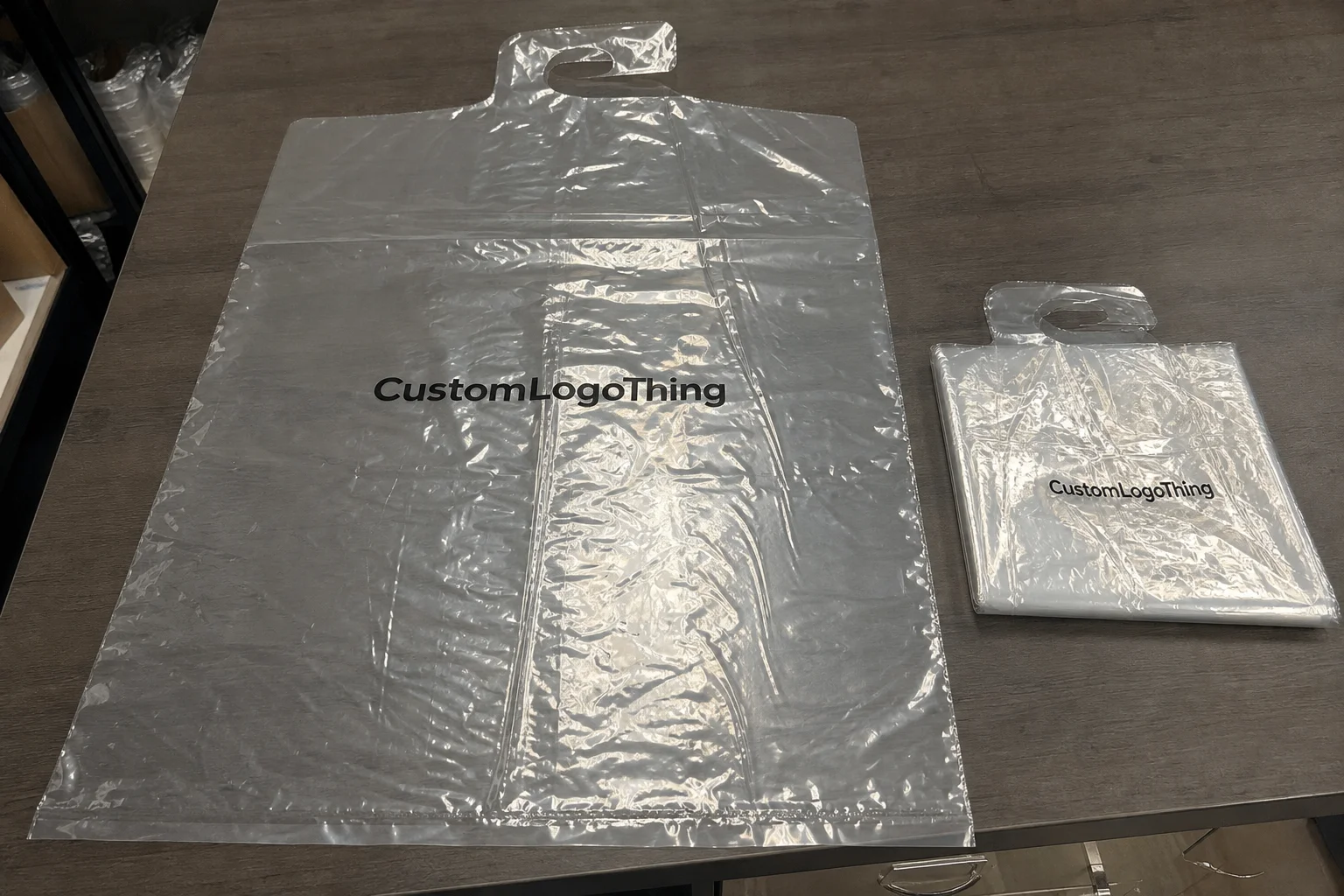
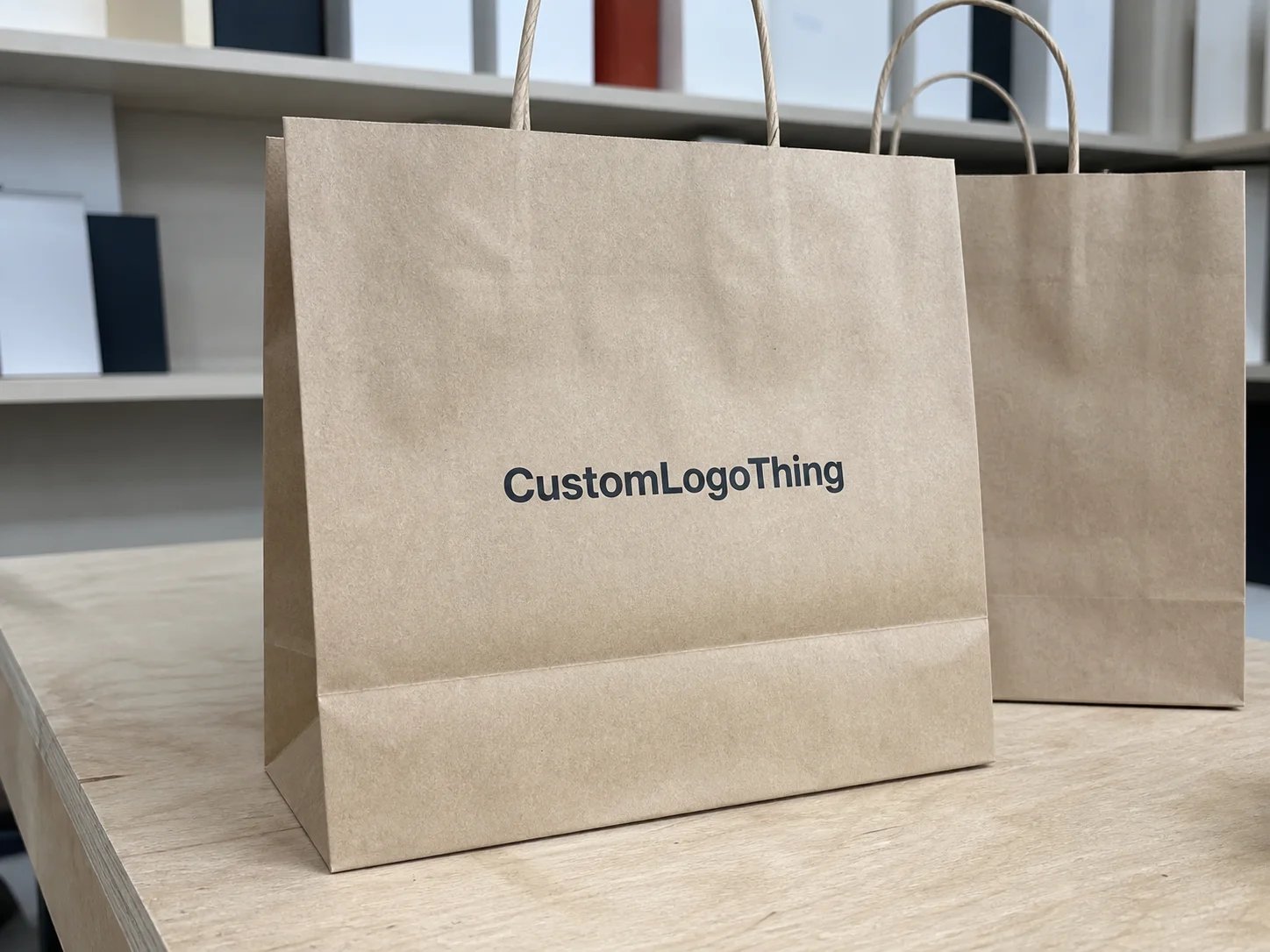
Buyer Fit Snapshot
| Best fit | Void Fill Manufacturer projects where brand print, material claims, artwork control, MOQ, and repeat-order consistency need to be specified before quoting. |
|---|---|
| Quote inputs | Share finished size, material target, print colors, finish, packing count, annual reorder estimate, ship-to region, and any compliance wording. |
| Proofing check | Approve dieline scale, logo placement, barcode or warning zones, color tolerance, closure strength, and carton packing before bulk production. |
| Main risk | Vague material claims, crowded artwork, missing packing details, or unclear freight terms can make a low unit price expensive after revisions. |
Fast answer: Void Fill Manufacturer: Material, Print, Proofing, and Reorder Risk should be specified like a repeatable production item. The safest quote records material, print method, finish, artwork proof, packing count, and reorder notes in one written spec.
Production checks before approval
Compare the actual filled-product size with the drawing, then confirm tolerance on folds, seals, hang holes, label areas, and retail display edges. Reserve space for logos, QR codes, warning copy, and material claims before decorative graphics fill the panel.
Quote comparison points
Review material grade, print process, finish, sampling route, tooling charges, carton quantity, and freight assumptions side by side. A quote is only useful when the supplier can repeat the same color, closure quality, and packing count on the next order.
I’ve watched a $48 shipment turn into a $312 headache because of 2 inches of empty space. That kind of failure sticks with you. Packaging people see it all the time, and the outside world usually doesn’t. Still, the bill lands somewhere. That is why a good Void Fill Manufacturer matters more than most brands realize: the damage often starts before the carton even leaves the dock, right when the product begins moving inside the box. In a 2023 audit I reviewed for a Dallas-area ecommerce team shipping 8,000 parcels a month, the difference between a loose pack-out and a tuned one was 1.7 percentage points in damage rate, which translated into roughly $11,400 a quarter.
When I visited a fulfillment site in Columbus, Ohio, a supervisor showed me a return stack taller than a pallet jack handle. Half the claims were not from forklifts or rough courier handling; they came from cartons packed with loose gaps, where one corner got punched every time the box tilted. A knowledgeable void fill manufacturer can help prevent exactly that kind of damage, and in my experience, that is where the real money sits. Not in the glossy brochure. In the ugly returns pile. That Columbus site shipped 14,500 orders a week, and even a 2% drop in claims saved enough to fund a new pack station. Not bad for something some teams still call “just filler.”
Many buyers think void fill is just stuffing. It is not. The right material can improve shipping performance, reduce returns, and make the unboxing look deliberate instead of improvised. The wrong material does the opposite, even if it looks fine on a sample table. For brands shipping fragile goods, subscriptions, cosmetics, electronics, or mixed-SKU retail packs, the choice of void fill manufacturer affects cost, labor, and customer perception all at once. A 350gsm C1S artboard insert paired with paper fill can protect a premium set far better than crumpled kraft alone, especially in cartons sized 12" x 9" x 6".
For context, packaging organizations like the U.S. EPA recycling guidance and ISTA test standards both point to the same basic truth: transit performance matters, and so does the material story behind it. A packaging spec that looks cheap on paper can be expensive in the returns ledger. I’ve seen that happen too many times, usually right after someone says, “It should be fine.” Famous last words. On a 50,000-unit run, even a $0.04 difference per pack-out can move annual cost by $20,000.
What a Void Fill Manufacturer Actually Does
A void fill manufacturer produces materials designed to eliminate empty space inside shipping cartons. That sounds simple, but the function is more specific than most buyers assume. Empty space allows products to accelerate, strike walls, rub against each other, and concentrate force at edges and corners. One box of glass jars can survive a 36-inch drop; the same box with 3 inches of movement can fail on a much smaller impact because momentum builds before contact. Physics is rude like that. If the carton is 18" long and the product is only 10" across, the extra 8" becomes a problem unless the fill is doing real work.
In plain language, a void fill manufacturer makes the buffer that holds a product in place. Common product families include paper void fill, air pillows, foam solutions, molded inserts, and biodegradable options such as starch-based loose fill or paper-based alternatives. Some manufacturers specialize in one family; others mix systems. The important part is not the label. It is whether the fill type fits the product, the carton, and the shipping lane. A supplier in Shenzhen may specialize in high-volume air pillow film, while a plant in Wisconsin may be stronger on recycled paper formats and cut-and-fold custom inserts.
There is also a difference between void fill, cushioning, and blocking/bracing. Void fill prevents movement by occupying empty space. Cushioning absorbs shock and distributes impact, often around the product itself. Blocking and bracing stop heavy products from shifting within larger cartons or crates. A void fill manufacturer may offer all three, but the buyer should know when each one is doing the job. Otherwise you end up paying for a solution that does the wrong job beautifully. A 14-ounce candle jar does not need the same architecture as a 22-pound countertop appliance.
“If the box rattles in your hand, the damage has already started.” That is what a plant manager told me during a line audit in Pennsylvania, and he was right. A solid pack-out should feel almost boring. If it sounds like maracas, you have a problem. On that Wilkes-Barre line, they reduced audible movement by swapping a 2.5-inch void for a die-cut paper brace and 18 grams of paper fill per unit.
The business case is straightforward. Better fit means fewer damage claims, fewer replacement shipments, lower labor rework, and a stronger presentation at delivery. In a subscription box, the filler is part of the brand story. In a B2B spare-parts shipment, it is part of operational reliability. A strong void fill manufacturer understands both sides. The romantic side and the spreadsheet side. A pack-out that adds 12 seconds but cuts breakage from 4.3% to 1.9% is usually worth the trade.
Many teams underprice this decision because void fill does not seem glamorous. Yet it can affect breakage rates by several percentage points. On a volume of 50,000 parcels a month, even a small improvement can mean thousands of dollars saved. That is not theory. That is what shows up in a claims spreadsheet, right next to the line item nobody wants to own. At $0.15 per unit for 5,000 pieces, the material bill may look harmless; the replacement freight for shattered products in Atlanta, Phoenix, and Newark tells a different story.
How Void Fill Works in Real Shipping Conditions
Void fill works by reducing movement, and reduced movement lowers damage. That is the physics in one sentence. If a product cannot build momentum inside a carton, the forces at impact are smaller. Less abrasion. Less corner crush. Less edge chipping. A dependable void fill manufacturer designs for that simple fact, then chooses materials that behave well under vibration, compression, stacking, and drop events. ISTA 3A and 3B style testing usually exposes the weak point within 5 to 10 drop cycles.
Carton size matters more than people expect. A box that is 20% too large can invite product migration during handling, especially on conveyor systems and parcel networks with multiple transfers. Product weight matters too. A 2-pound candle set behaves differently from a 28-pound device in a double-wall carton. Fragility matters again. Ceramic, glass, printed labels, polished surfaces, and precision components each fail in different ways. A good void fill manufacturer will ask for dimensions, not just a product photo. If they only want a pretty SKU shot, I get suspicious fast. A 9" x 6" x 4" item in a 12" x 9" x 8" carton needs a very different fill strategy than the same item in a snug 10" x 7" x 5" shipper.
Different materials behave differently in transit. Paper void fill conforms tightly and often works well for mixed-size shipments because it can be packed around irregular shapes. Air pillows are light, fast, and efficient for filling large empty areas, especially with low-density goods. Foam can provide precision fill, which matters for delicate components or premium products where movement tolerance is close to zero. A seasoned void fill manufacturer will not pretend one option fits every carton. Paper typically costs less per cubic foot than foam, while air pillows can cut pack time by 15 to 25 seconds on high-volume lines in Charlotte or Memphis.
I remember a client meeting where the ecommerce team wanted the cheapest filler, and the operations lead wanted the fastest line speed. We tested 3 configurations over 200 shipments: crumpled paper, air pillows, and molded paper inserts. The paper solution cut breakage by 18% on their ceramic items, but the air pillow option improved pack rate by 22 seconds per carton. That kind of tradeoff is normal, and honestly, it’s the part of packaging work that makes people stare at a whiteboard like it personally insulted them. A smart void fill manufacturer helps you measure it instead of guessing. In that test, the paper pack-out cost $0.11 per order, the air pillow setup $0.08, and the molded insert $0.19 before labor.
Single-item shipments and multi-item boxes are not the same beast. In a single-item carton, the main job is to prevent the product from floating. In a multi-item shipment, product-to-product contact can create chain-reaction damage. One item slips, another shifts, labels scuff, and then a hard corner starts punching into a weaker panel. The best void fill manufacturer will often recommend partitioning, bracing, or hybrid fill rather than simply adding more material. A box with six skincare SKUs packed in Los Angeles needs different internal geometry than a one-bottle wine set headed to Minneapolis.
For ecommerce, the priority is usually speed and damage prevention at parcel scale. For retail replenishment, presentation can matter because the product might be opened on a store floor. For industrial shipments, weight distribution and stack performance may dominate. In subscription packaging, customers may value neatness and compostability as much as protection. That is why a void fill manufacturer should be evaluated on use case, not just catalog breadth. A 1,200-unit seasonal beauty launch in Brooklyn may justify a custom sleeve; a 25,000-unit fulfillment stream in Reno may not.
For additional packaging background, the Packaging School and PMMI ecosystem often points to the same lesson I have seen in plants: a packaging spec is only as good as the way it performs under real handling, not under a desk lamp. The desk lamp is where bad ideas go to look affordable. A carton that passes on paper but fails after 48 hours in a humid dock in Tampa is not a win, no matter how tidy the spreadsheet looked on Tuesday.
Key Factors to Evaluate Before Choosing a Manufacturer
The first question is compatibility. A void fill manufacturer should be able to match material behavior to product type, box size, and shipping lane conditions. A fragile glass bottle traveling by parcel ground across winter routes in Minnesota needs a different strategy than an acrylic display kit moving on pallet freight in Southern California. Temperature swings, humidity, static, and vibration all matter, and the right material should be chosen with those conditions in mind. A carton leaving Fargo in January behaves differently than one leaving Miami in July.
Sustainability is another major filter, but it needs precision. Recyclable is not the same as compostable. Paper-based void fill may be curbside recyclable in many markets, but local rules vary. Biodegradable materials can still confuse customers if disposal instructions are unclear. If you care about post-consumer disposal, ask the void fill manufacturer for written guidance, not marketing language. I have seen brands print “eco-friendly” on a pack-out sheet and then discover three different disposal pathways depending on municipality. The customer service inbox did not enjoy that experiment. A supplier in Portland may know Oregon rules well, but your Atlanta customers may need a different instruction card.
Cost is more layered than unit price. A quote of $0.18 per unit for 5,000 pieces may look attractive, but it is only one slice of the economics. Add machine investment, floor footprint, operator labor, replenishment frequency, freight density, and damage reduction. A void fill manufacturer that sells a slightly pricier consumable may still win if it cuts packing time from 55 seconds to 38 seconds or reduces breakage by 2%. That math changes fast at scale. On 60,000 shipments a month, 17 seconds saved per carton equals nearly 284 labor hours.
Custom versus standard is another decision point. Standard stock systems are often faster to adopt, especially if the pack-out is stable and the box dimensions are consistent. Custom solutions make sense when the product is unusually shaped, the presentation is premium, or the damage history is stubborn. I once helped a fragrance brand switch from loose paper to a die-cut insert plus light paper fill. The unit cost rose by $0.07, but the returns rate on crushed cartons fell enough to justify the move within one quarter. A capable void fill manufacturer should help you model that kind of tradeoff. In that case, the final spec used 24pt SBS for the insert, plus 18 grams of kraft paper per carton.
Quality controls matter because a filler that performs on sample day may behave differently after 60 days in storage or after multiple humid summer weeks on a dock. Ask about caliper consistency, basis weight, air retention, tear strength, and lot-to-lot variation. For paper materials, ask for recycled content percentages and any FSC-related claims. If a void fill manufacturer cannot explain test methods, I get cautious quickly. A vague answer here usually means trouble later. A paper spec with a 48# basis weight today and 42# next month is not a stable supply plan.
Minimum order quantities and supply consistency can create hidden pain. Some suppliers can make 1,000 units fast but struggle at 20,000. Others need lead time but are rock-solid once in production. Ask about backup capacity, raw material sourcing, and how they handle spikes before peak season. A void fill manufacturer that cannot keep inventory flowing will become a bottleneck, no matter how nice the sample looks. If your peak lands in November, you need to know whether their plant in Monterrey or Chicago can actually cover the surge.
Technical support separates true partners from commodity sellers. If the supplier can help with operator training, machine settings, carton optimization, and ISTA-style test planning, that is worth real money. The right void fill manufacturer should be comfortable discussing what happens after the purchase order. That is where the real work starts, and where a lot of suppliers suddenly get very quiet. A 2-hour onsite training in Nashville can prevent a week of overpacking and a truckload of waste.
Step-by-Step: How to Source the Right Void Fill Solution
Start with a packaging audit. Measure product dimensions, outer carton dimensions, current void levels, and damage rates by SKU. Pull 90 days of returns data if you have it. If not, start with 30. A strong void fill manufacturer can work from this data, but only if the data is honest. I have seen teams underestimate breakage because they only counted customer complaints, not warehouse damages caught during receiving. That is a very expensive blind spot. In one New Jersey warehouse, the hidden damage rate was 1.4% higher than the customer-facing return rate.
Next, request samples from at least 3 material types. Do not judge them by hand alone. Test them against real shipments. Pack a representative mix: one heavy item, one fragile item, one odd-shaped item, and one multi-SKU box. Ship them through your actual carrier mix, whether that is parcel ground, regional courier, or LTL. A void fill manufacturer worth working with will usually encourage that type of field test. If they discourage it, I’d ask why. A 200-box pilot from Houston to Denver will tell you more than a sales meeting ever could.
Then map the timeline. A simple stock paper solution might move from first conversation to rollout in 12 to 15 business days after proof approval, depending on inventory and approvals. A custom die-cut or machine system can take longer, especially if installation or operator training is needed. Discovery, sampling, pilot shipments, approval, production setup, and rollout should all be written down. A reliable void fill manufacturer will not hide the timeline in vague language. If they say “soon” or “quickly,” push for dates: sample ship date, test window, approval cutoff, and production start.
Operator ease is critical. If packers hate the material, they will overuse it, underuse it, or bypass it. I once watched a seasonal team at a Midwest fulfillment center pack premium candles with a paper fill system that looked perfect in the SOP but jammed because the roll was too stiff for their dispenser settings. They solved it by adjusting pre-tear length and retraining new hires in 20-minute blocks. The supplier mattered, but so did the floor reality. A practical void fill manufacturer should understand labor behavior, not just spec sheets. A 42-minute onboarding session can be the difference between compliant use and chaos.
Build a decision matrix that scores protection, cost, sustainability, throughput, and storage footprint. Weight the criteria according to your business. If you ship high-value electronics, protection may deserve 40% of the score. If you ship lower-value apparel, labor and presentation may weigh more. The advantage of a structured process is that it prevents the loudest opinion in the room from winning by default. A disciplined void fill manufacturer will respect that process. If they can’t talk through a 1-5 scoring model, they may not be the right fit for procurement in Chicago, Toronto, or Bristol.
- Audit current cartons, fill usage, and damage data.
- Sample 2 to 4 material options from a void fill manufacturer.
- Test real shipments with actual carriers and routes.
- Measure breakage, labor seconds, and material use per order.
- Roll out only after pilot results are stable.
That sequence sounds basic, but many brands skip step 3 and pay for it later. A void fill manufacturer should be willing to support pilot testing with technical sheets, usage recommendations, and, when needed, machine setup guidance. If they are not, I start wondering whether they are selling a solution or just moving inventory. I’ve been in enough procurement meetings to know those are not the same thing, no matter how much everyone pretends they are. A pilot in Atlanta during a rainy week and one in Denver during dry weather can produce very different results.
Common Mistakes Buyers Make When Sourcing Void Fill
The first mistake is using too much material. More fill is not always better. Excess material can raise costs, slow packers down, and create a waste-heavy look that customers notice immediately. I have opened parcels where the product was technically safe, but the customer experience felt sloppy because the carton was stuffed to the brim. A thoughtful void fill manufacturer should help you find the minimum effective amount, not encourage overpacking. I have seen a brand burn through 1,200 extra rolls a quarter because nobody set a fill-depth target.
The second mistake is picking the wrong fill type for the product. Air pillows may work beautifully for lightweight goods but fail to stabilize an odd-shaped ceramic item. Paper may conform well but not provide enough shock absorption for a dense, delicate component. Foam may solve the fit problem but create disposal friction or increase cost. A void fill manufacturer can only do so much if the buyer chooses by habit instead of by performance data. A 6-ounce candle and a 6-pound machine part are not in the same category, even if both fit in a 10" x 8" carton.
Oversized cartons are another common trap. Some teams keep the box size because it is already in inventory, then throw extra filler into the gap. That is a tax on inefficiency. Right-sizing the carton often produces better results than stuffing a too-large box. I’ve seen a 16% drop in filler usage after a brand changed its master carton dimensions by only 1.5 inches. A good void fill manufacturer should be part of that box-sizing conversation, because the box itself is often the problem. In one Ohio plant, moving from a 14" carton to a 12.5" carton saved 8 grams of paper per order.
Another miss is ignoring machine downtime or storage footprint. A machine that creates air pillows or paper void fill might reduce consumable cost, but if it requires 9 square feet of space, regular maintenance, and spare parts stock, the total picture changes. Labor training matters too. If a new hire needs 3 days to become comfortable with the equipment, that has value. A competent void fill manufacturer will talk about total cost, not just per-piece pricing. If they only talk pennies, I start hearing alarm bells. A small footprint in Milwaukee may be worth more than a lower roll price from a supplier 1,500 miles away.
Seasonality gets overlooked constantly. Summer humidity can soften paper performance in some storage environments. Winter static can create handling issues with certain films. Rough holiday carrier networks can increase shock and compression. If your tests were done in April and your peak launches in November, you do not have the full picture. A serious void fill manufacturer should recommend testing across temperature and handling conditions, not just perfect indoor samples. A November pilot in Chicago, with temperatures swinging from 28°F to 54°F, is more honest than a climate-controlled lab run.
There is also a branding mistake: assuming customers do not notice filler. They do. They may not name it, but they feel the difference between thoughtful pack-out and random stuffing. In premium categories, the fill becomes part of the opening ritual. In sustainable brands, it becomes a proof point. In low-margin categories, it can become the difference between profit and return. A capable void fill manufacturer helps you avoid all three kinds of failure. Even a 7-second slower unboxing can be forgiven if the product arrives pristine; the opposite is much harder to fix.
Expert Tips for Better Protection, Lower Costs, and Cleaner Operations
Use damage claims and returns data like a detective, not a report card. Look for patterns by SKU, destination region, carrier, and carton size. If 70% of damages come from 15% of shipments, your biggest opportunity may be narrow and highly profitable. A smart void fill manufacturer can help match material choice to those specific pain points instead of proposing a universal fix. A cluster of failures into Seattle, Portland, and Spokane may point to one lane issue rather than a product problem.
Match material density to fragility. Dense products often need tighter bracing or molded support. Light products may only need quick void occupation to stop shifting. I’ve seen teams spend more than necessary because they used the same fill for everything, from glass diffusers to folded apparel. That is lazy packaging, and it shows up in the ledger. A well-chosen void fill manufacturer should push you toward SKU-level thinking, even if that means having a slightly more annoying conversation than everyone planned. A 14-ounce jar in a 200-pound pallet load is not the same problem as a 4-ounce serum bottle in a 1-pound mailer.
Standardize pack-out rules. If five packers create five different carton builds, your damage rate becomes impossible to read. A clear fill depth, carton size chart, and photo reference can reduce variation dramatically. At one client site, we reduced packing inconsistency by introducing a 4-photo SOP and color-coded cartons. The result was not just cleaner operations; it was more reliable damage performance. A void fill manufacturer can contribute those standards if asked. Even a simple diagram showing 2-inch fill depth versus 4-inch fill depth can cut waste by 10%.
Hybrid systems often outperform single-material thinking. Right-sized cartons plus a targeted paper fill, or molded inserts with a small amount of air cushioning, can lower waste and improve protection at the same time. The trick is not to chase theoretical perfection. The trick is to find the lowest-cost pack-out that survives actual shipping abuse. That is where a practical void fill manufacturer earns its keep. In one test, a molded pulp insert plus 16 grams of recycled paper beat a full air pillow solution by 23% on corner crush resistance.
Ask for technical sheets, performance comparisons, and sample builds before you commit. I would also ask for disposal guidance in plain language, not marketing copy. If the material is recyclable in many curbside programs, say so clearly and list the caveats. If it needs store drop-off or special handling, say that too. Transparency builds trust. A respectable void fill manufacturer should be comfortable with that level of clarity. If not, I’ve had better luck getting a straight answer from a broken label printer. A spec sheet with basis weight, caliper, and test method beats a one-line promise every time.
For companies with sustainability reporting obligations, ask whether the material aligns with FSC sourcing, recycled content documentation, or internal packaging reduction goals. If your brand reports on material usage, you will want supplier documentation that is audit-friendly. For standards-based testing, ISTA protocols remain a useful reference point, especially when comparing solutions under controlled drop and vibration conditions. A void fill manufacturer that understands both performance and documentation is easier to trust. A plant in Vancouver, BC, or Eindhoven can often provide better traceability than a broker with no mill records at all.
One more practical point: don’t let the cheapest quote hide the highest failure rate. I have watched procurement teams save $0.03 per shipment, then spend $1.87 replacing damaged products. That math is brutal. A good void fill manufacturer should be evaluated on total landed protection cost, not unit price alone. If a supplier can’t talk in those terms, I usually assume they’re not the one. On a 40,000-order month, that difference can become $74,800 in avoidable waste.
Next Steps for Choosing a Void Fill Manufacturer
If you are deciding on a void fill manufacturer, keep the process simple: audit, sample, test, compare, and scale. That sequence prevents emotion from outranking evidence. It also gives you enough data to justify the choice internally, whether you report to operations, finance, or sustainability. A 2-page summary with measured results from Cleveland, Dallas, and Salt Lake City will usually carry more weight than a sales deck with stock photos.
I recommend building a short scorecard with four columns: price, lead time, sustainability, and protection performance. Add a fifth if needed for operator ease. Score each void fill manufacturer using the same shipments, the same box sizes, and the same route conditions. If one option wins by a wide margin on breakage but loses slightly on consumable cost, that may still be the best choice. A 1% damage reduction can Matter More Than a penny saved per unit. The savings on replacement orders usually wins that argument for you. In many cases, that penny difference is erased by one avoided reshipment to Seattle or Boston.
Run pilot shipments before you commit. Track breakage, filler usage, pack time, and customer feedback. If the pilot shows inconsistent results, do not assume the supplier will fix it later without data. Document the final spec sheet so every shift builds the same way. A void fill manufacturer can recommend the system, but your team must lock the process in place. Otherwise the line turns into a choose-your-own-adventure novel, and nobody asked for that. A final pack-out standard with carton size, fill depth, and approved material grade can save weeks of confusion.
When you are ready to reach out, send box dimensions, product photos, rough monthly volume, and shipping data. Those four inputs help a supplier make a far better recommendation than “we need something protective.” If you want to compare packaging approaches for branded shipments, the team at About Custom Logo Things can also help frame how protective packaging and presentation work together. A supplier that receives a 14" x 10" x 6" carton spec plus lane data from Miami, Nashville, and San Diego can usually quote faster and more accurately.
The best void fill manufacturer is not the one with the loudest pitch. It is the one that understands your product, your labor model, your carrier profile, and your disposal story. That combination is rare, which is exactly why careful sourcing pays off. A plant in Michigan with a 12-day lead time and stable quality may beat a cheaper quote from a brokered source with no proof of consistency. The difference is not abstract; it shows up in claims, reviews, and rework.
Conclusion: a strong void fill manufacturer does far more than supply material. It helps stop movement, reduce breakage, clean up pack-out habits, and protect the customer experience from the inside of the carton outward. If I had to boil the whole topic down to one sentence, it would be this: empty space is expensive. The right void fill manufacturer turns that empty space into controlled protection, and that is a difference worth measuring. On a 100,000-unit annual program, even a $0.02 improvement per order can free up $2,000 before you count fewer replacements. Start with the carton dimensions, the damage data, and one honest pilot; then let the numbers pick the filler.
Void Fill Manufacturer: decision table
| Decision area | Best fit | What to verify | Risk if skipped |
|---|---|---|---|
| Board or flute choice | Product protection, stacking strength, and shipping distance | Caliper/flute, crush resistance, and sample fit | Weak structure or oversized cartons increase damage and freight cost |
| Print and finish | Retail presentation, unboxing, and shelf recognition | Color proof, coating, scuff resistance, and logo placement | A good dieline can still look cheap if finish and color drift |
| Packing method | Hand packing, ecommerce fulfillment, or retail-ready cartons | Inner count, master carton, label position, and warehouse handling | Good packaging slows operations if pack-out is ignored |
FAQs
What does a void fill manufacturer do for ecommerce shipping?
They produce materials that fill empty space in boxes so products do not shift during transit. Their solutions help reduce damage, returns, and poor unboxing experiences. A void fill manufacturer may offer paper, air, foam, or custom systems depending on the shipment needs. For a 10,000-order month in Chicago, that can mean the difference between 120 claims and 45 claims.
How do I choose the best void fill manufacturer for my products?
Compare product fragility, box sizes, sustainability goals, and shipping volume. Request samples and test them in actual shipments before making a decision. Also evaluate lead times, minimum orders, and whether the void fill manufacturer supports installation or pack-out training. If they can walk you through a 12- to 15-business-day proof-to-production timeline, that is a good sign.
How much does void fill usually cost?
Pricing depends on material type, order volume, customization, and whether equipment is required. A stock paper option might be $0.15 per unit for 5,000 pieces, while a custom molded insert could land closer to $0.28 to $0.45 per unit depending on tooling. The cheapest unit price is not always the lowest total cost once damage reduction and labor are included. Ask any void fill manufacturer for a total Cost Comparison That includes consumables, storage, and shipping impact.
What is the typical process and timeline for switching void fill suppliers?
Most projects move from audit to samples, then pilot shipments, then full rollout. Timeline depends on customization, approvals, inventory availability, and whether new machines are needed. A simple stock solution can move quickly; a custom system from a void fill manufacturer usually takes longer. A standard transition can take 12 to 15 business days from proof approval, while a custom tool or insert program may take 4 to 6 weeks.
Is paper void fill better than air pillows or foam?
It depends on the product, box size, and sustainability priorities. Paper often works well for quick conformity and recyclable packaging goals. Air pillows can be efficient for light products, while foam may be better for precision protection. The right void fill manufacturer should help you test all three against real shipments. A ceramic set shipped from Newark to Phoenix may favor paper or molded pulp, while apparel from Austin may do fine with air.