Buyer Fit Snapshot
| Best fit | void fill manufacturer for packaging buyers who need material clarity, print proof, packing fit, cost control, and repeat-order reliability where brand print, material, artwork control, and repeat-order consistency matter. |
|---|---|
| Quote inputs | Share finished size, material target, print colors, finish, packing count, annual reorder estimate, and delivery region. |
| Proofing check | Approve dieline scale, logo placement, barcode or warning zones, color tolerance, and any recyclable or compostable wording before bulk production. |
| Main risk | Vague material claims, crowded artwork, or missing packing details can create delays even when the unit price looks attractive. |
Fast answer: Void Fill Manufacturer: Protection, Fit, Cost, and Packing Speed should be specified like a repeatable production item. The safest quote includes material, print method, finish, artwork proof, carton packing, and reorder notes in one written spec.
What to confirm before approving the packaging proof
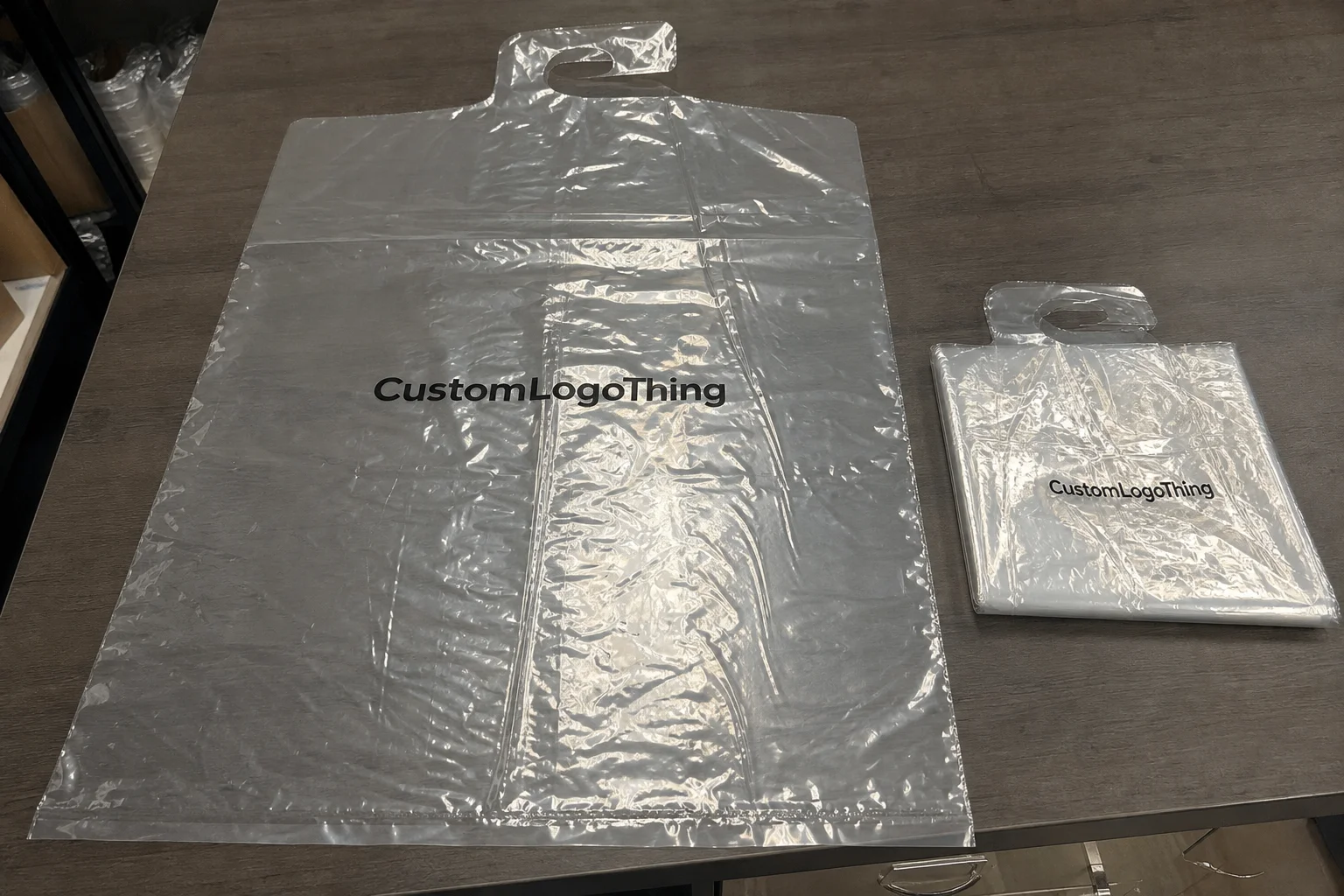
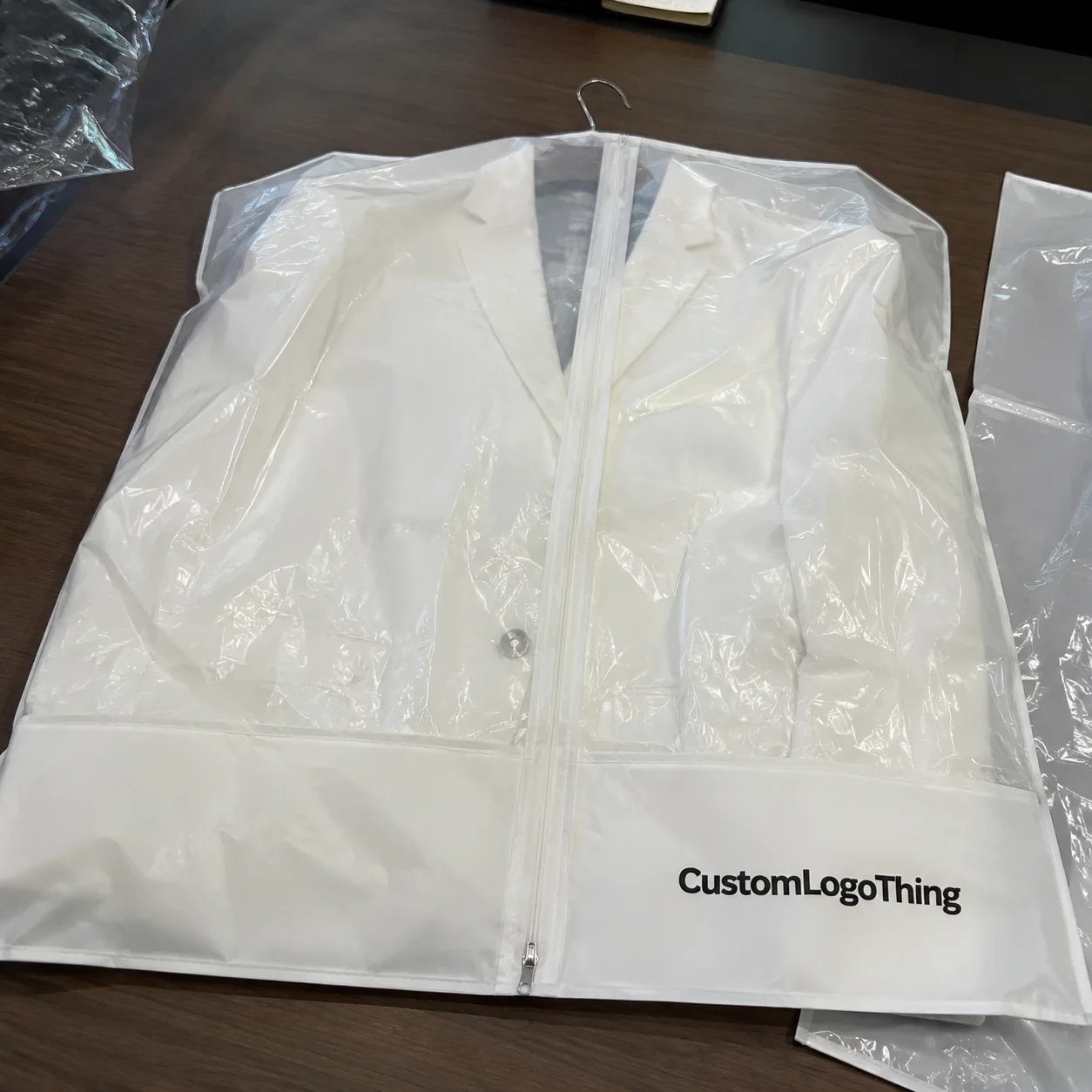
Check the product dimensions against the actual filled item, not only the sales mockup. Ask for tolerance on folds, seals, hang holes, label areas, and retail display edges. If the package carries a logo, QR code, warning copy, or legal claim, reserve that space before decorative graphics fill the panel.
How to compare quotes without losing quality
Compare board or film grade, print process, finish, sampling route, tooling charges, carton quantity, and freight assumptions side by side. A lower quote is only useful if the supplier can repeat the same color, closure quality, and packing count on the next order.
I’ve stood on enough packing floors to know this: a surprising amount of breakage has nothing to do with a weak carton and everything to do with empty space. A capable Void Fill Manufacturer solves that problem by keeping products from shifting, rattling, and smashing into each other during transit, and that can mean the difference between a clean delivery and a stack of claims sitting on somebody’s desk.
For Custom Logo Things, that matters because packaging is never just packaging; it is protection, presentation, speed, and cost control all rolled into one box. If you’re comparing a void fill manufacturer for paper void fill, air pillows, molded fiber, or foam systems, you need more than a price sheet. You need a partner who understands how your products move through the supply chain, from a fulfillment bench in New Jersey to a parcel sorter in Texas or a cross-dock in Southern California.
And just to be plain about it, no one material wins every time. I’ve seen paper do a beautiful job on mixed-SKU ecommerce orders, and I’ve seen air pillows make a line fly during a holiday rush. I’ve also seen the wrong choice create extra waste, extra labor, and a little bit of grief nobody asked for.
What a Void Fill Manufacturer Actually Does
A void fill manufacturer makes or supplies the materials and systems used to occupy the empty space inside a shipping carton. That empty space is the problem. When a bottle, candle, cosmetic jar, electronics accessory, or promo item can slide more than a few inches inside the box, the package starts behaving like a drum in the back of a delivery truck, and vibration does the rest.
Void fill is not the same thing as cushioning, wrapping, or dunnage, even though people use the terms loosely on the shop floor. Bubble wrap hugs the product. Tissue or paper wrap covers it. Dunnage can mean reusable inserts, bags, or blocking. Void fill sits in the open spaces around the item or items, and its job is to stop movement, spread out shock, and help the carton hold shape under pressure. A strong void fill manufacturer should be able to explain that difference in plain English, not just in sales language.
In my experience, the better suppliers usually offer more than one format. I’ve seen paper void fill made from kraft rolls, air pillows produced from polyethylene film, foam-in-place systems that expand around the product, molded fiber solutions for heavier protection needs, and recycled-content options designed for operations trying to cut plastic use. A capable void fill manufacturer often helps a shipper decide which one fits the product, the labor model, and the sustainability target instead of pushing only one material.
Why does that matter? Because the right void fill affects protection, carton presentation, line speed, and even dimensional weight efficiency. If you overstuff a carton, you may waste material and increase ship costs. If you underfill it, you get returns, broken product, and frustrated customers. A lot of buyers focus on the first invoice and forget the second and third cost layers, which are damage and labor.
For a broader look at packaging material categories, the Institute of Packaging Professionals has useful educational resources, and the EPA recycling guidance is helpful when recycled content or curbside recyclability matters to your brand.
So, choosing a void fill manufacturer is really about matching your product’s weight, fragility, carton geometry, packing environment, and brand priorities. The material itself is only one part of the decision.
How Void Fill Works in Real Shipping Operations
Inside a carton, void fill works by limiting movement. A product that cannot slide into a corner, bounce against a side panel, or drop onto another item has a much better chance of arriving in one piece. That sounds simple, but the physics inside a parcel are messy. A box may see vibration on a conveyor, compression under stacked freight, and sudden drops when it is tossed onto a cart or sorted into a tote.
I remember walking a fulfillment line in Ohio where a team was shipping small ceramic planters, and the damage rate was oddly high even though the box board looked fine. The issue was not the corrugated strength. It was the 2 to 3 inches of empty headspace above the product. Once the operator added paper void fill and standardized the fold pattern, the breakage dropped almost immediately. That is the kind of fix a good void fill manufacturer helps identify.
Manual packing stations and automated systems handle void fill differently. At a manual bench, the operator tears or dispenses paper, pulls air pillows from a stack, or adds a preformed insert by hand. In a warehouse with higher volume, a dispenser or automated void fill machine may feed kraft paper or inflate pillows at the station. A strong void fill manufacturer should know the difference between a 40-order-per-hour boutique pack table and a 400-order-per-hour fulfillment lane.
Different materials behave differently under stress. Paper void fill tends to compress and interlock, which makes it useful for mixed SKU cartons and moderate movement control. Air cushions are light and fast, which can help with labor efficiency, but they do not always perform as well under sharp edges or heavy top-load situations. Molded materials usually bring better structural control, especially for heavier or fragile products, but they may require more planning on footprint, storage, and unit cost. If your void fill manufacturer cannot explain those tradeoffs clearly, keep looking.
Carton size matters too. A 10 x 8 x 6 inch box behaves very differently from a 16 x 12 x 12 inch shipper. Product fragility matters. Packing speed matters. And consistency matters most of all. I’ve seen multi-shift operations where day crew packed tightly and night crew barely filled corners, and the damage reports always showed up weeks later after the root cause had already been forgotten. A dependable void fill manufacturer can help build a standard that every shift can follow.
“The carton didn’t fail us. The empty space did.”
Key Factors That Affect Void Fill Selection and Pricing
Pricing is where many buyers get tripped up. A void fill manufacturer may quote material at a low per-unit cost, but the real number includes freight, storage, equipment, labor, maintenance, and waste. A roll of kraft paper might look inexpensive, yet if it slows the line by 8 seconds per pack, the labor cost can overtake the material savings very quickly.
Material type changes the cost structure. Kraft paper and recycled paper are usually straightforward to budget, especially in standardized formats. Polyethylene air pillows can be light and efficient in shipping, but the film price, inflation equipment, and replenishment logistics all affect total cost. Starch-based options can satisfy certain sustainability goals, though humidity and storage conditions need careful review. Foam systems often provide excellent protection, yet they usually involve more setup, more consumable planning, and sometimes more training. A smart void fill manufacturer should show you the whole picture, not just a unit price.
One client I worked with in a cosmetics packing room was comparing two suppliers. One was about 12% cheaper per carton on paper. The other included a dispenser, training, and a packout audit. After a month, the slightly higher-priced option was actually cheaper because the operators packed 15% faster and breakage dropped from 2.1% to 0.6%. That is why a void fill manufacturer should be evaluated on total packaging cost, not a single line item.
Minimum order quantities can change the economics as well. Some suppliers want pallet-level commitments, while others will support smaller test runs. Lead times matter if you have seasonal spikes or multiple fulfillment sites. Custom sizing and print options add complexity. Service support gets ignored far too often, yet it can save a week of downtime if a dispenser jams or a new operator needs help during a weekend launch. A good void fill manufacturer will explain these hidden variables before you sign anything.
Sustainability requirements can influence both price and brand value. Recycled content, FSC-certified paper, and locally sourced materials may cost a bit more in some cases, but they can reduce freight miles, support ESG reporting, and improve customer perception. If you need paper-based solutions, FSC information is available directly at fsc.org. Just remember that “eco-friendly” is not a free pass; the material still has to protect the product in real shipping conditions.
Here’s the short version: the right void fill manufacturer helps you compare material cost, machine cost, labor cost, freight cost, and damage avoidance as one equation. That is where the real savings live.
How to Choose the Right Void Fill Manufacturer
The best selection process starts with a packaging audit, not a sales call. If I were sitting across from a buyer in a conference room near a converting line, I’d ask for carton sizes, damage patterns, daily pack-out volumes, ship methods, and the top five SKUs by return rate. A serious void fill manufacturer should be willing to build the recommendation around those numbers.
- Document your current condition. Measure product dimensions, average void space, fragile points, damage claims, and how many cartons leave each pack station per hour. If you ship 1,200 orders a day, note how many use small, medium, and large boxes.
- Request samples and run real tests. I prefer drop tests, vibration checks, and pack-speed trials using the actual cartons and actual products. If a material only works in a controlled demo, it is not ready for a warehouse floor. A qualified void fill manufacturer should support that testing.
- Compare capabilities, not just products. Look at material availability, dispenser compatibility, recycled-content options, machine service, and account responsiveness. If the supplier cannot explain maintenance intervals or part replacement lead times, that’s a warning sign.
- Plan implementation carefully. Ask about installation timing, operator training, replenishment planning, and support during the first 30 to 60 days. A better void fill manufacturer will treat rollout as a process, not an invoice.
During a supplier review I attended in a Midwest fulfillment center, the winning vendor was not the cheapest on paper. They were the one who arrived with sample rolls, a dispenser demo, and a clear explanation of how the system would fit beside a label printer without crowding the pack bench. That practical thinking matters. A void fill manufacturer should fit your floor, not force your floor to fit them.
One more thing: ask for performance standards. If a supplier mentions ISTA test methods, parcel transit simulation, or ASTM material references, that’s a good sign they understand the broader protection environment. If your operation ships fragile goods, the ISTA testing standards are worth reviewing because they give structure to damage resistance conversations that otherwise get fuzzy fast.
In my experience, the best void fill manufacturer is the one That Helps You make a measured choice instead of an emotional one. Fancy samples are nice. Measured results are better.
Common Mistakes Buyers Make When Sourcing Void Fill
The biggest mistake is buying on unit price alone. A material that is $0.03 less per carton sounds attractive until it adds 10 seconds of labor or increases breakage by 1.5%. Then it becomes expensive very quickly. I’ve seen this happen on promotional kits, glass bottles, and small electronics accessories more than once, and the fix usually costs more than the original savings.
Another common error is selecting a material because it appears sustainable on a website, then discovering it fails in humid storage, collapses under load, or creates more waste than expected. A void fill manufacturer should be able to discuss how the material behaves in your actual climate and distribution lane, especially if you ship through hot trailers, cold docks, or mixed regional networks.
Machine compatibility is another one people underestimate. If the film gauge, paper width, or dispenser speed does not match your line, you get jams, operator frustration, and inconsistent pack quality. I’ve watched a high-volume station lose almost half its efficiency because the inflation unit was placed too far from the operator’s natural reach. A good void fill manufacturer helps avoid those mistakes before installation.
Overpacking and underpacking are both costly. Too much void fill raises material use and can increase dimensional weight. Too little allows motion and damage. The sweet spot is usually found by testing, not guessing, and every void fill manufacturer worth your time should be comfortable showing you that balance.
Skipping pilot tests is the last big miss. Real products, real cartons, and real ship routes tell the truth better than a sales sample ever will. If a supplier is unwilling to test, that says a lot.
Expert Tips From the Packaging Floor
My first recommendation is simple: build a void fill spec sheet. List product fragility, carton sizes, acceptable damage thresholds, preferred ship methods, and the exact pack stations that will use the material. If you are shipping 8-ounce glass jars and 2-pound gift sets from the same facility, they should not share the same assumptions. A disciplined void fill manufacturer will appreciate that detail.
Second, standardize a few carton-and-fill combinations instead of letting every picker improvise. I’ve seen too many teams use whatever was closest to the bench, and that kind of drift creates inconsistent results fast. A void fill manufacturer can help define two or three approved combinations for the highest-volume SKUs, which usually makes training easier and results more repeatable.
Third, ask for line-speed data, yield figures, and maintenance expectations Before You Buy equipment. If a dispenser claims it can support 30 cartons per minute, ask under what conditions and with what operator training. Also ask how often the rollers, blades, or inflation elements need attention. Those details Matter More Than polished brochures. A serious void fill manufacturer will answer them directly.
Fourth, test void fill as part of the full packaging system. The carton design, inserts, tape, and seal pattern all influence outcome. I’ve seen cases where a stronger box or a better seal reduced the need for aggressive void fill altogether. That is why the smartest void fill manufacturer conversations happen alongside corrugated engineers and operations managers, not in isolation.
And finally, expect support after the sale. Training new staff, solving jams, and planning for seasonal spikes should be part of the relationship. If a supplier disappears after the PO clears, that is not the kind of void fill manufacturer you want backing your shipping operation.
If you want to learn more about the broader packaging approach Custom Logo Things supports, start with our About Custom Logo Things page and see how we think about packaging as a practical business tool, not just a supply expense.
What to Do Next: Build a Better Void Fill Plan
Start with your damage data. Pull the last 3 to 6 months of claims, note the product categories involved, and measure average carton void space on the worst offenders. If one SKU is failing in a 12 x 10 x 8 inch carton with 4 inches of headspace, that is a clue you can act on immediately. A qualified void fill manufacturer should help you read those numbers, not just collect them.
Next, build a shortlist of suppliers and ask each one for samples, dispenser demos, or material trials using the same test criteria. Keep the comparison fair: same carton, same product weight, same drop height, same pack-speed target. That way you are comparing performance, not presentation. A thoughtful void fill manufacturer will be comfortable with a side-by-side test.
Then pilot the best option in one packing area before rolling it across every facility. I’ve seen too many changes fail because they were forced into five locations at once with no owner and no feedback loop. Assign one person to track damage rates, labor time, and material usage for the first 30 days. Once you have that data, you will know whether the new void fill manufacturer relationship is actually improving the operation.
In the end, the best void fill manufacturer is the one that improves protection, packing efficiency, and total cost together. Not one of those things. All three. If you get that balance right, your cartons ship cleaner, your team packs faster, and your customers notice the difference even if they never think about the empty space that used to be there.
Frequently Asked Questions
What does a void fill manufacturer make?
They produce or supply materials and systems that fill empty space inside shipping cartons so products do not move around during transit. Common options from a void fill manufacturer include paper, air pillows, foam systems, and molded protective materials.
How do I choose the best void fill manufacturer for my business?
Start with your product weight, fragility, carton sizes, and daily pack volume. Then compare each void fill manufacturer on material performance, machine compatibility, service support, sustainability options, and total cost.
What factors affect void fill pricing?
Material type, order quantity, freight, equipment needs, labor savings, and waste levels all affect pricing. A void fill manufacturer that looks cheapest per unit is not always the lowest total-cost option once damage and packing time are included.
How long does it take to implement a new void fill system?
A simple material swap can happen quickly, while an automated system may require testing, setup, and training. The timeline from a void fill manufacturer depends on equipment complexity, warehouse readiness, and how many pack stations are changing.
Is eco-friendly void fill always the better choice?
Not automatically, because the material still has to protect products effectively in real shipping conditions. The best void fill manufacturer choice balances recyclability, recycled content, performance, and the realities of your supply chain.