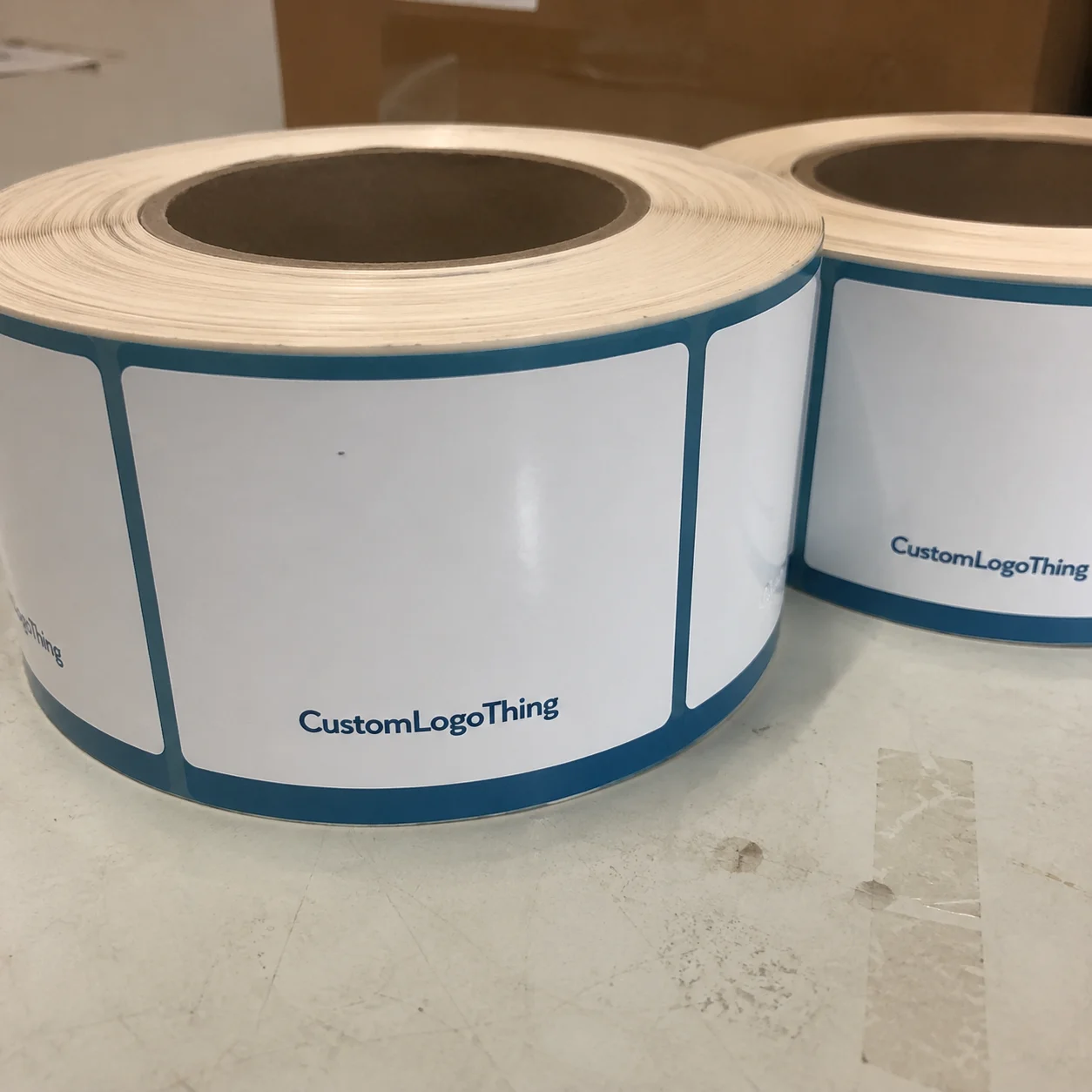
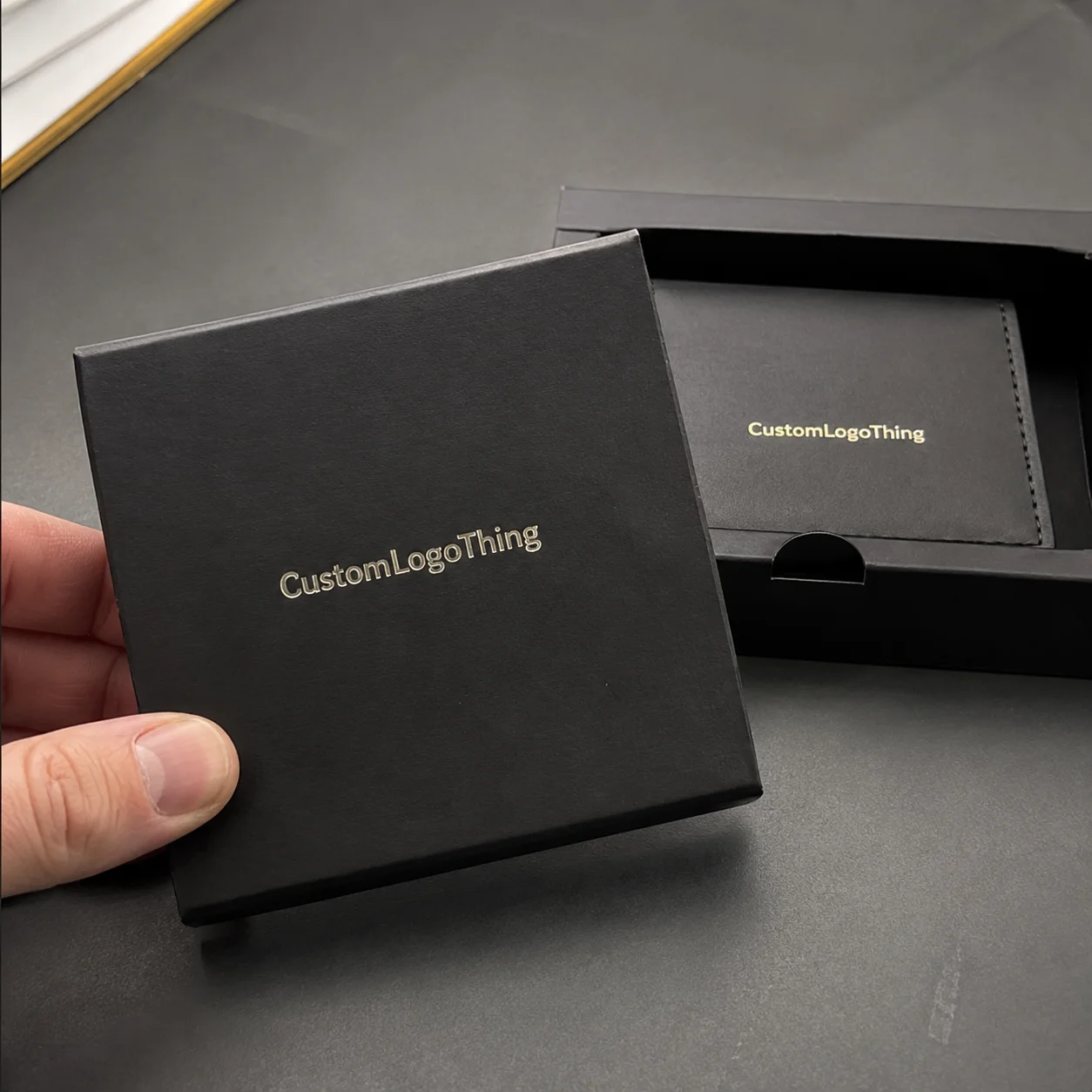
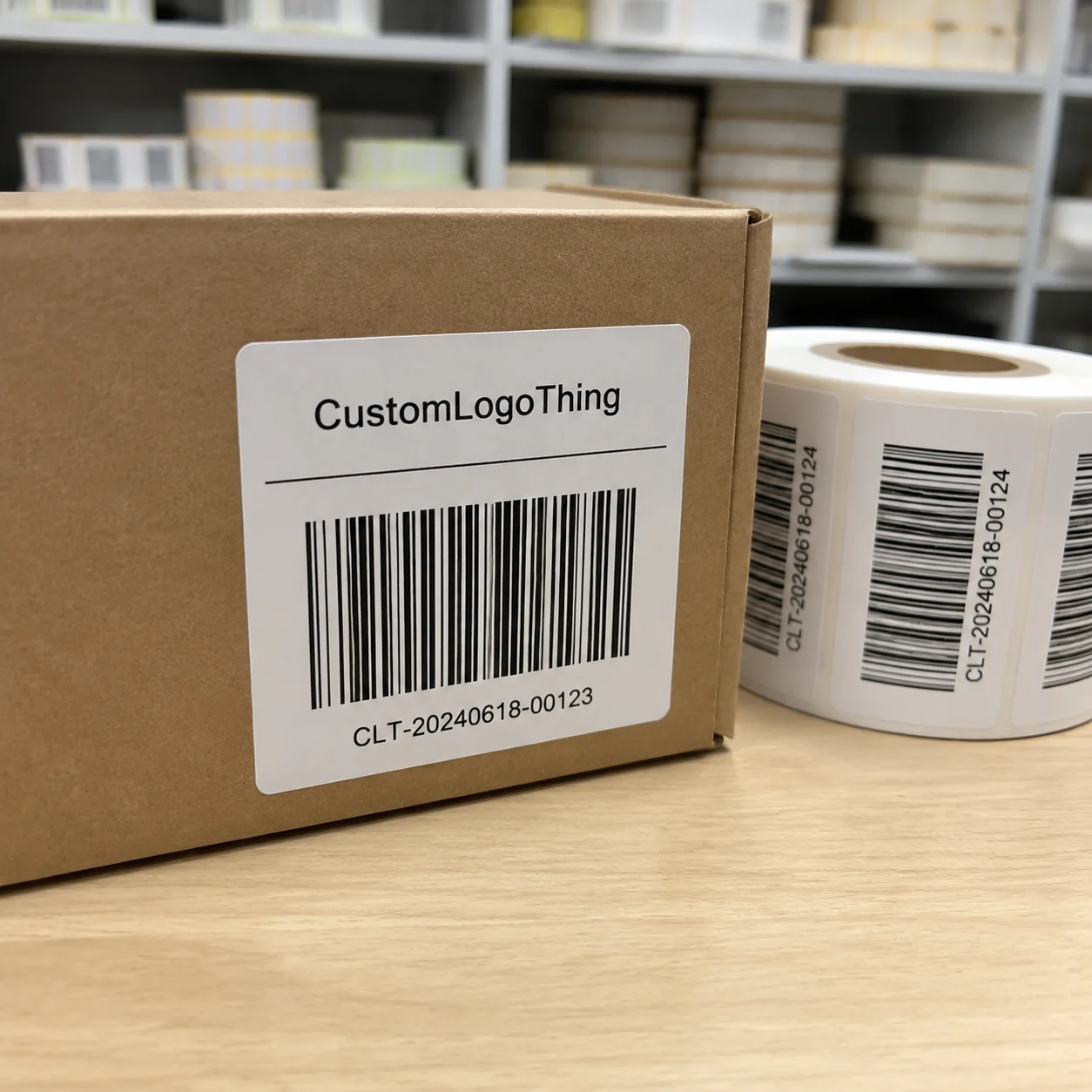
Walgreens custom address Labels for Clothing orders can do more than identify a shipment. Apparel sellers use them to organize pack-out tables, mark returns, seal inserts, and keep small-batch fulfillment consistent without changing the whole packaging system.
For Walgreens custom address labels for clothing orders, the difference between a label that helps and one that creates waste usually comes down to fit: right size, right adhesive, right finish, and a file that prints cleanly at production scale. If any one of those is off, the label becomes a reprint problem instead of a packaging asset.
Why These Labels Pull Double Duty for Apparel
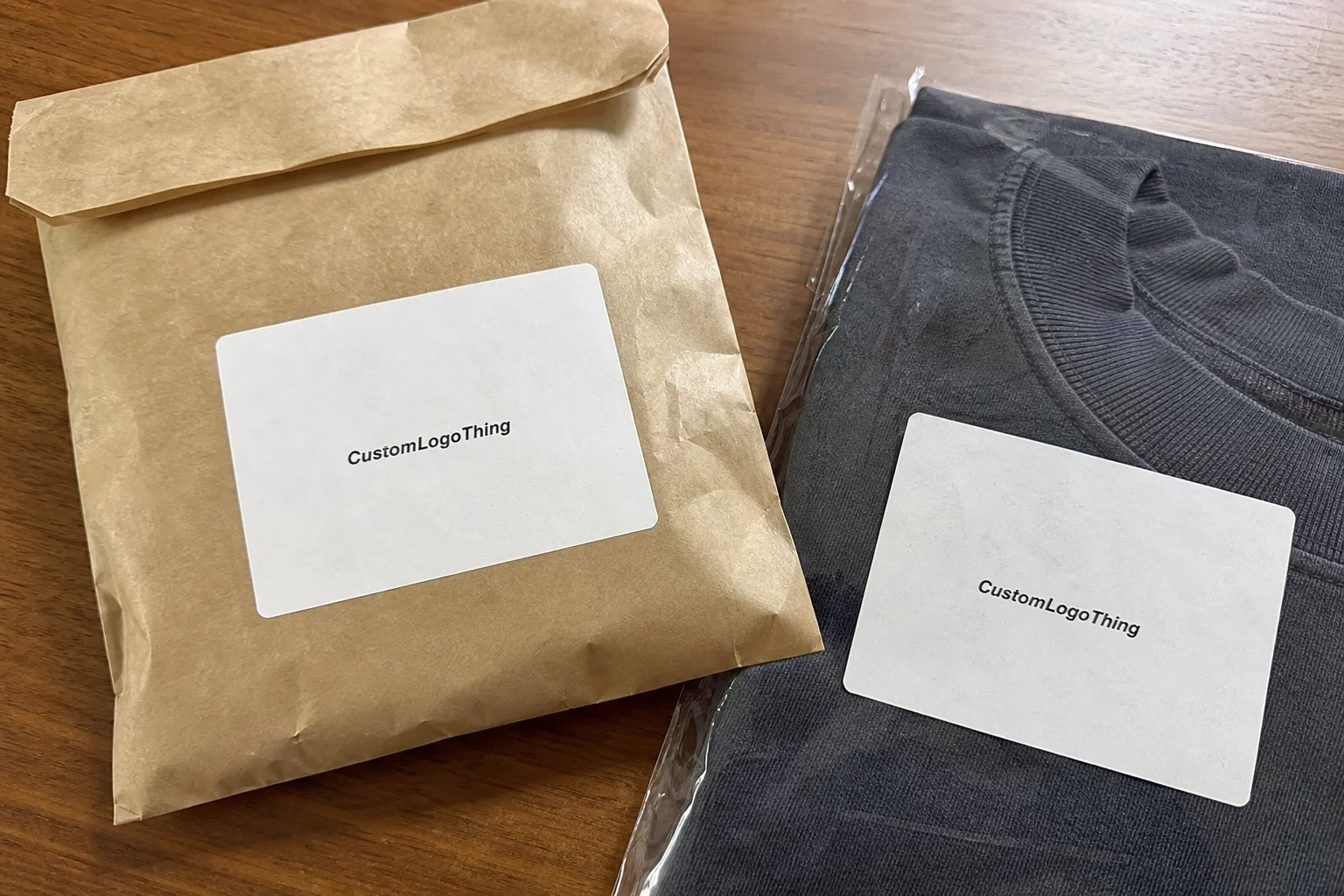
Clothing operations use labels differently than office mailers do. A shipping label may also need to support sorting, batching, inventory control, or a branded presentation on a mailer.
That flexibility matters for boutiques and independent brands because one printed item can cover several packaging tasks. A label can identify a size run, mark a seasonal collection, or close tissue wrap, which helps a small team stay organized without adding more packaging parts.
Surface compatibility is the first practical test. A label that works on smooth paper may lift from textured kraft, wrinkle on a narrow surface, or scuff on glossy poly. The surface, stock, and adhesive have to work together.
The lowest quote is not the best value if the label fails on the package.
For apparel brands, the goal is simple: keep packing fast, keep the presentation clean, and avoid rework.
Walgreens Custom Address Labels Fit Into Clothing Labeling
These labels fit into a clothing workflow because they can be placed where the team already handles the order: outer mailers, shipping cartons, return inserts, tissue wrap, or storage bins for size runs. The production path is straightforward: artwork review, proof approval, printing, cutting, and repeat use.
One format can serve several roles if the layout is planned well. A brand might use the same size label as a shipping panel, SKU sticker, inventory marker, or packaging seal. Fewer formats usually means fewer packing errors.
The boundary to keep clear is packaging versus garment labeling. Address-style labels belong on the package or packaging components. They do not replace sewn-in care labels, fiber content tags, or hang tags.
For smaller brands, consistency often matters more than decoration. A label placed in the same spot every time makes fulfillment easier to train and faster to execute.
That is why the real buyer questions are practical ones: does the size fit the package, does the adhesive hold, and is the file easy to reorder without changes? If the answers are yes, the label can become part of a stable apparel workflow.
2026 Trends, Pricing, and New Options for Apparel Labels
In the proof rounds I reviewed for apparel brands this year, the biggest change was not artwork complexity. It was ordering behavior. Walgreens custom address labels for clothing orders are being bought in shorter runs more often because SKUs, promotions, and seasonal drops change faster, and teams want less leftover stock on the shelf.
That shift has pushed a few clear 2026 trends. Matte paper is still the default for clean brand presentation, but more sellers are asking for synthetic or water-resistant stock on poly mailers and return-heavy shipments. Recycled-content facestocks and FSC-certified paper are also getting more attention from buyers who need packaging decisions to support sustainability claims across the rest of the line.
Pricing has become more segmented as well. Standard paper labels are still the lowest-cost option, but total landed cost now matters more than the unit price alone. Freight, proof edits, labor, and waste can erase savings from a cheap run if the labels scuff, lift, or force manual rework. For current packaging mixes, it often makes sense to compare label choices with the rest of your custom packaging products before locking in one spec.
Short-run customization has also improved. Variable data, barcode-ready layouts, and tighter reorder templates make it easier for smaller brands to keep one approved format and swap only the details that change. If your team also uses Custom Labels & Tags for garment-level ID, keep that spec separate so packaging labels do not get confused with product labels.
Cost, Pricing, MOQ, and Unit Cost Tradeoffs
Pricing depends on size, stock, adhesive, print coverage, finish, and quantity. A standard paper run and a multi-color film label are not in the same cost bracket, even when they serve a similar purpose.
Walgreens custom address labels for clothing orders usually get cheaper per unit as quantity rises, but bigger orders only help if the artwork and packaging plan will stay stable long enough to use the stock. If the logo, shipping copy, or seasonal layout may change soon, overbuying can turn savings into inventory waste.
Minimum order quantity creates the same tradeoff. A startup may want a short run to test packaging, while a busier retailer may want a larger batch to lower per-label cost. The right choice depends on reorder rhythm, artwork stability, and how quickly the labels will move through the system.
| Option | Typical Use | Approx. 2026 Unit Cost | Buyer Note |
|---|---|---|---|
| Standard paper label | Mailers, inserts, internal sorting | $0.03-$0.08 at 5,000+ | Best for dry, short-cycle use |
| Premium paper with matte finish | Branded packaging, boutique presentation | $0.05-$0.12 at 5,000+ | Cleaner look, less glare |
| Synthetic film label | Poly mailers, handling-heavy shipments | $0.08-$0.18 at 5,000+ | Better resistance to rubbing and moisture |
| Short-run custom size | Testing, launches, special promotions | $0.12-$0.28 at lower quantities | Useful if the artwork may change soon |
Hidden costs matter too. Proof revisions take time, rush production adds fees, multiple designs increase setup, and manual application adds labor that never appears on the quote. A slightly higher quote can be the better buy if it reduces scuffing, misapplied labels, or reprints.
Production Process, Timeline, and Lead Time for Your Order
A label order usually moves through artwork review, proof approval, material selection, print setup, production, finishing, packing, and shipment. Once the proof is approved and the file is clean, the job usually moves faster because there are fewer correction points later.
Delays usually come from avoidable issues: low-resolution files, missing bleed, unclear trim size, and mismatched quantities. Specialty stock can add time too, especially if the material is not part of a standard production run.
Standard shapes and common materials generally turn around faster than custom sizes or specialty finishes. For Walgreens custom address labels for clothing orders, the real schedule risk in 2026 is usually proofing, not printing. A clean file can move quickly, while a design that needs several revisions can push shipping dates back even if the press time itself is short. Shipping time is separate from production time, and that matters for launch dates and restocks.
Ordering early is one of the cheapest ways to reduce risk. A late reorder can hold up the packing line; an early one usually disappears into routine.
For brands coordinating several packaging components, it helps to review other Custom Packaging Products at the same time so label size, carton style, and insert plan all match. Packaging failures usually come from several small mismatches, not one large mistake.
Material, Adhesive, and Finish Choices That Actually Hold Up
Material choice is where many label orders either work quietly or become a recurring problem. Paper labels are usually the economical choice for dry, short-cycle packaging. Film-style materials cost more, but they hold up better when the package sees friction or moisture.
Adhesive matters just as much as face stock. A label may look fine on the roll and still fail on dusty kraft, coated cartons, or glossy poly bags. If the package surface is not considered early, the print quality becomes almost irrelevant.
Finish changes both appearance and performance. Matte reduces glare and usually feels more restrained on apparel packaging. Gloss can intensify color, but it may show fingerprints or handling marks sooner.
Shape and size are practical choices, not just visual ones. A label that is too small can make text and barcodes hard to read. A label that is too large can wrinkle around a fold or create a lifting point on a narrow surface.
2026 buyers are also asking more often for removable adhesives on temporary SKU labels, recycled-content facestocks for lower-waste packaging, and synthetic films when the outer mailer is likely to get handled multiple times before delivery. Those options are useful only when they match the actual use case. For example, a return-label panel on a poly mailer needs a different adhesive profile than a branding seal on tissue wrap.
If sourcing matters, there are credible references worth checking. The FSC provides a recognized framework for responsible forest management, and the ISTA standards help evaluate how packaging behaves under distribution stress. Those references do not pick the stock for you, but they sharpen the conversation.
Use the material that matches the end use. A shipping label has different demands than a brand seal or internal inventory marker, and the right stock depends on the actual package surface and handling conditions.
Common Ordering Mistakes That Create Waste or Reprints
The most common mistake is ordering a label that looks good on screen but fails on the package. A mailer may be narrower than expected, slightly curved, or too textured for the chosen stock.
Skipping proof review is another costly error. Small text, QR codes, barcodes, and address blocks can shift or crop if the file is not built correctly. A design that looked tidy in software can become hard to scan or read once it is printed at production size.
Material selection also gets mishandled. Some brands choose a label for appearance and then discover the adhesive is too weak for the surface. Others assume paper will survive handling and then find the print scuffed before the package reaches the customer.
Internal naming can create waste too. If one label style has three different names inside the team, the wrong file gets reordered or old stock gets mixed with new stock. That becomes more likely as clothing businesses add colorways, sizes, and seasonal drops.
Overordering is another pattern that shows up often. Volume discounts are tempting, but promotions, fast-turn collections, and packaging refreshes can make a large run obsolete before it is used up.
If the team also uses Custom Labels & Tags for garment-level identification, keep those separate from shipping or packaging labels in both purpose and layout. Clear boundaries make training easier and reduce confusion.
Expert Tips for Cleaner Artwork, Better Tracking, and Less Waste
Start with readability, then build the design around that. Small text should stay legible at the actual print size, not just in the artwork file. If the layout gets crowded after scaling, the problem is usually too much information.
A strong information hierarchy helps: brand or identifier first, then the address or SKU data, then secondary details such as return information or batch numbers. That order lets the packer read the label quickly during a busy fulfillment run.
Keep one master spec for repeated orders. Include the final size, approved file path, placement note, and stock choice. A stable spec saves time and lowers the chance of reordering the wrong version.
Use barcodes or QR codes only if they serve a real function. If they improve picking accuracy, customer service lookup, or inventory tracking, they earn their spot. If they are there only because they look technical, they add clutter.
Quality control should happen before and after print. Check artwork for bleed, trim, and legibility before approval. Check the first printed samples for color, edge quality, adhesive behavior, and scanability if codes are included.
Next Steps Before You Request a Quote
Before asking for pricing, collect the exact use case, package surface, preferred size, quantity, and whether the label is for shipping, branding, or inventory control. Those five details shorten back-and-forth and make the quote more accurate.
Prepare a clean mockup or artwork file. It does not need to be elaborate, but it should show enough detail for proofing and dimension checks. If the layout shows where the label sits on the package, it becomes easier to judge whether the size, adhesive, and finish make sense together.
Think about reorder rhythm before you choose quantity. A brand that reorders every month does not need the same volume strategy as one that prints seasonally and holds stock for a long stretch.
Set one internal rule for placement and storage. If the team applies labels in the same spot every time and stores them in a dry, clean place, the finished result stays more consistent. That consistency affects the package the customer sees, not just the sticker that leaves the roll.
For clothing sellers who want a practical and repeatable packaging system, Walgreens custom address labels for clothing orders can be a sensible starting point. They work best when material, adhesive, and size are chosen for the actual package surface, and when the order is planned carefully enough to avoid waste and reprints. For teams building out the rest of the packaging stack, our custom address labels buying guide and broader custom packaging products page can help keep the full order aligned.
Are Walgreens custom address labels for clothing orders a good fit for apparel packaging?
Yes, if the goal is to identify shipments, seal mailers, mark SKUs, or keep apparel packaging organized without moving into sewn-in garment labels. They work best when the size, adhesive, and finish match the exact package surface, such as poly mailers, cartons, or insert cards.
What material should I choose for custom address labels on apparel orders?
Use paper for low-cost, dry, short-cycle packaging and film-style stock when you need more resistance to rubbing, moisture, or handling. Matte finish usually reduces glare, while gloss can sharpen color but may show wear sooner.
How can I lower the unit cost on a label order?
Larger quantities usually reduce unit cost, but only if the labels will be used before the artwork or packaging changes. Keep the design straightforward, avoid unnecessary specialty finishes, and make sure the file is clean so proof revisions and reprints are less likely.
What turnaround should I expect for a small label run in 2026?
Standard orders with approved artwork usually move faster than custom sizes, specialty finishes, or jobs that need multiple proof rounds. Transit time is separate from production time, so both should be checked before committing to a launch schedule.
Can custom address labels replace clothing care labels or hang tags?
No. Sewn-in care labels and hang tags serve different compliance and merchandising roles. Address-style labels are better suited to shipping, inventory, and packaging tasks, while garment labels belong on the product itself.