Buyer Fit Snapshot
| Best fit | Brand Color Psychology Packaging projects where brand print, material claims, artwork control, MOQ, and repeat-order consistency need to be specified before quoting. |
|---|---|
| Quote inputs | Share finished size, material target, print colors, finish, packing count, annual reorder estimate, ship-to region, and any compliance wording. |
| Proofing check | Approve dieline scale, logo placement, barcode or warning zones, color tolerance, closure strength, and carton packing before bulk production. |
| Main risk | Vague material claims, crowded artwork, missing packing details, or unclear freight terms can make a low unit price expensive after revisions. |
Fast answer: Brand Color Psychology Packaging: Artwork Proof, Packing Count, and Landed Cost should be specified like a repeatable production item. The safest quote records material, print method, finish, artwork proof, packing count, and reorder notes in one written spec.
Production checks before approval
Compare the actual filled-product size with the drawing, then confirm tolerance on folds, seals, hang holes, label areas, and retail display edges. Reserve space for logos, QR codes, warning copy, and material claims before decorative graphics fill the panel.
Quote comparison points
Review material grade, print process, finish, sampling route, tooling charges, carton quantity, and freight assumptions side by side. A quote is only useful when the supplier can repeat the same color, closure quality, and packing count on the next order.
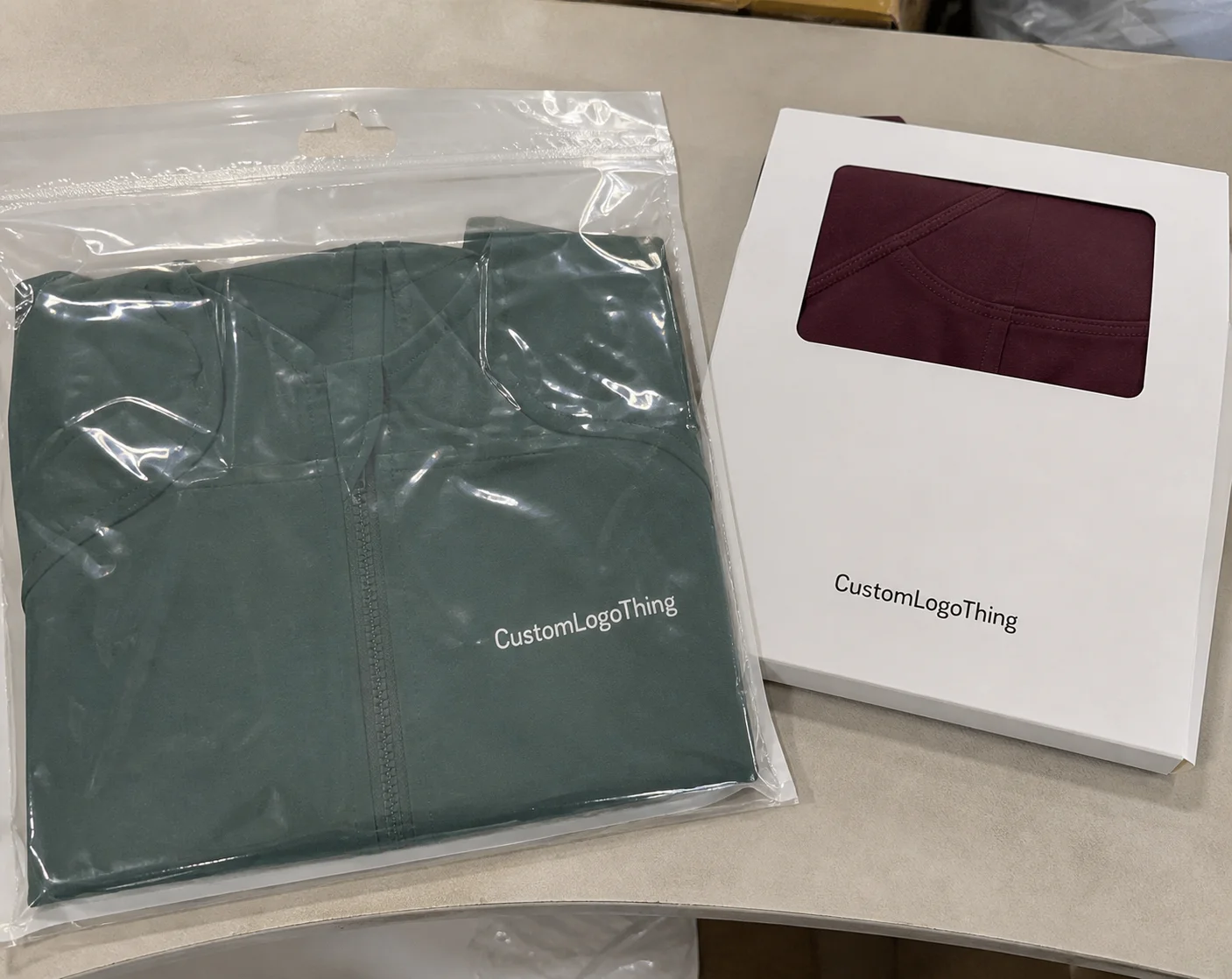
I watched two mailer box runs come off the same press in Dongguan: same dieline, same 32 ECT corrugated board, same logo size, same $0.41 landed unit cost at 10,000 pieces. One variable changed—color. Run A used muted gray (Pantone Cool Gray 8 U). Run B used saturated coral (Pantone 7416 U). Forty-five days later, the coral boxes generated 28% more tagged unboxing posts, and that SKU reordered first. That is what is Brand Color Psychology packaging in practice: not mood boards, not “pretty design,” but measurable behavior tied to color decisions.
When I first started tracking this seriously, I honestly thought I was over-indexing on color. I wasn’t. If anything, I was underestimating it. Plain-language definition: what is Brand Color Psychology packaging is the deliberate use of packaging color to trigger emotional cues—trust, urgency, calm, indulgence, safety, premium value—before a shopper reads copy or studies structure. People process color in milliseconds. Font hierarchy and inserts matter, absolutely, but color usually gets the first word (and sometimes the last).
I’ve seen the same pattern across almost every format we print at Custom Logo Things: DTC mailers, folding cartons, Rigid Setup Boxes, pressure-sensitive labels, stand-up pouches, tissue wraps, insert cards, and basic shipping over-labels. Shelf, doorstep, TikTok unboxing—color can nudge a buyer toward “this feels right” or “this looks cheap.” Sometimes the swing is dramatic. Sometimes it’s subtle but profitable, which is my favorite kind of subtle.
You’ll get a practical breakdown here: how what is brand color psychology packaging works, which variables move outcomes, which specs prevent costly drift, realistic cost and lead-time ranges, budget-killing mistakes, and a rollout plan you can execute in weeks instead of quarters.
What Is Brand Color Psychology Packaging? (And Why It Sells)
Plenty of people hear “color psychology” and think vague Pinterest advice. That assumption quietly drains margin. What is brand color psychology packaging is a commercial system: choose specific colors, apply them on specific substrates, pair them with specific finishes, and influence perceived value and trust at the buying moment.
Here’s the short formula I use with clients:
- Color choice sets emotional tone (safe, bold, clinical, indulgent).
- Material + finish modifies that tone (matte, gloss, uncoated, soft-touch, foil).
- Hierarchy directs attention (logo first, variant second, CTA third).
- Consistency builds recognition across channels.
A skincare founder in Austin told me, “Our formula didn’t change, but customers suddenly called us premium.” Packaging did change. We shifted from bright white SBS with cool blue gradients to warm off-white uncoated stock, a restrained sage accent, and one copper foil hit on the logo. Unit cost increased by $0.09 at 5,000 units. Average order value rose 11% in eight weeks. No magic there. Just what is brand color psychology packaging executed with discipline.
Why it sells is straightforward: buyers make snap judgments. Amazon thumbnails, retail aisles, PR kit unboxings—color often decides whether someone leans in or scrolls away. During shelf tests in a San Diego natural foods chain, I timed attention windows at roughly 2 to 4 seconds from 4 feet for new brands. That’s not much time to explain anything.
Scope matters more than most teams expect. What is brand color psychology packaging doesn’t end at the outer box. If your mailer signals “clean and premium” while your label goes neon and your insert introduces six unrelated hues, your brand identity cracks. Strong package branding runs end-to-end: outer, inner, label, tissue, sticker, insert, and digital product image.
Color strategy isn’t anti-creative. It gives creative teams guardrails so they can build distinct branded packaging that still converts. I love bold design. I just love profitable bold design more.
How What Is Brand Color Psychology Packaging Works in the Real World
The chain usually looks like this:
- Color perception (what the eye notices first)
- Emotional signal (what the brain feels: trust, excitement, calm)
- Brand interpretation (premium, budget, clinical, fun, artisanal)
- Purchase confidence (safe to buy or risky to buy)
- Action (add-to-cart, pick up, or ignore)
That chain powers what is brand color psychology packaging. Color associations matter, yes, but they’re never one-size-fits-all. Blue often reads trustworthy in fintech. In craft granola, heavy blue can read sterile. Red can feel energetic in sports nutrition and alarming in baby care if saturation gets too aggressive.
I ran a pouch project for a pet supplement brand in Phoenix that requested a “natural green.” We tested the same green on three materials: matte BOPP laminate, kraft-look film, and gloss PET. On kraft-look film, it read earthy and premium. On gloss PET under store LEDs, it looked nearly neon and cheap. Same code. Different substrate. Different reaction. That’s exactly why what is brand color psychology packaging has to include material testing.
Add hierarchy and performance usually improves. A strong system tends to include:
- One primary brand color (recognition anchor)
- One to two support colors (category or tone support)
- One accent color (CTA, flavor burst, key claim)
- Neutral space (white, black, kraft, or tint) so the eye can breathe
Hierarchy collapses, visual noise rises. I’ve watched founders insist on “using all our favorite colors.” Predictable result: weaker logo recall, lower shelf pull, longer prepress cycles. Also more Slack pings than anyone needs.
Finish shifts perception too. Matte black with spot UV logo can signal luxury. Uncoated black ink on absorbent kraft can look flat and dusty. Neither option is automatically wrong; positioning and price point decide. What is brand color psychology packaging intersects with tactile psychology here—how a package feels in hand reinforces what color already suggested to the eye.
Channel context changes targets. A palette that works at 6 feet on shelf may fail at 150x150 thumbnails. E-commerce often needs stronger contrast and cleaner color blocking. Social video unboxings can punish tones that shift under warm home lighting. Retail still depends on distance legibility and aisle lighting behavior.
I tell clients this during kickoff: what is brand color psychology packaging is not a mood. It’s a performance framework. If it can’t survive shelf light, phone cameras, and reorders across two suppliers, it isn’t a system yet.
What Is Brand Color Psychology Packaging in Packaging Design?
What is brand color psychology packaging in packaging design is the intentional use of color to influence how people judge quality, safety, and value before they process detailed information. In plain terms: color primes the decision, then copy and structure close it. That makes color strategy one of the highest-leverage parts of packaging design and consumer perception, especially in crowded categories.
Key Factors That Change Color Psychology Outcomes
Good teams still miss outcomes because they ignore variables. A handful of factors can swing results fast.
Audience variables
Age, culture, category familiarity, and budget sensitivity all matter. A minimalist ivory-and-slate palette that signals “clinical quality” to 35+ supplement buyers may look “boring” to Gen Z energy drink shoppers. In one bilingual U.S./Mexico program, we kept core navy and adjusted accents by region after local panels read one hue as medicinal in one market and celebratory in the other.
Category codes
Every category carries visual norms. Beauty often uses soft neutrals and metallic accents. Kids snacks run saturated brights. Electronics favor monochrome plus one accent. Breaking those codes can differentiate a product—or kill comprehension. I once advised a premium olive oil startup against dropping green entirely for trendy lavender. We compromised: deep green base, lavender accent ring.
Substrate and print method
Color behaves differently on 18pt SBS, 350gsm C1S artboard, E-flute corrugate, kraft liner, PP label stock, and flexible pouch films. Print process matters too: flexo, digital, offset, and gravure render tones differently. That’s why what is brand color psychology packaging includes process-level decisions, not just hex values pulled from Figma.
Color accuracy mechanics
CMYK conversion drift can be severe, especially with bright oranges, violets, and some greens. If consistency is critical, lock Pantone references and define approved CMYK fallback builds. Set Delta E tolerances (many teams target dE < 2 for hero colors), run contract proofs, and remember a rule that never fails: monitor color is not print color. Everyone agrees with this and then somebody still approves from a laptop late at night. It happens.
For standards and material credibility, I recommend referencing FSC for responsible fiber claims and aligning shipping validation with ISTA protocols when structure updates happen alongside color refreshes.
Brand architecture across SKUs
Single-SKU brands can survive on one dominant color. Multi-SKU portfolios need a system: one master anchor plus controlled variant coding. I often start with a 70/20/10 split (70% master brand, 20% category block, 10% flavor/function cue). Shelf recognition stays intact while expansion stays possible.
Compliance and readability
Dark backgrounds with tiny gray legal text trigger complaints and reprints. Keep barcode quiet zones clean, maintain strong contrast for ingredients and warnings, and hold minimum type size (often 6pt+ depending on stock and press). What is brand color psychology packaging still has to be readable, scannable, and legally usable.
If your team is planning refreshes, review our Custom Packaging Products page to match color strategy with the right format before design lock.
Step-by-Step: Build a Brand Color Psychology Packaging System
Step 1: Define the emotional target in one sentence
Skip vague labels like “modern” or “cool.” Use precision: “Confident clinical trust with a warm human tone.” I ask teams for one sentence with two emotional poles and one practical cue. That sentence guides print decisions. Without it, what is brand color psychology packaging turns into taste debates.
Step 2: Audit competitors and adjacent categories
Capture 25 direct competitors and 10 adjacent brands. Map dominant hues, saturation ranges, and whitespace behavior. In one wellness audit I ran, 17 of 25 competitors leaned on pastel teal. We moved to muted terracotta plus cream and doubled shelf-distinctiveness scores in a quick in-store intercept. Was it a perfect lab test? No. It was directional field data, and it was useful.
Step 3: Choose a print-safe palette
Lock:
- Primary color (Pantone + CMYK + HEX)
- Secondary color set (2–3 max)
- Accent color rules (where, how much, minimum size)
- Neutral set (white/black/kraft tint values)
A practical example from a recent project:
- Primary: Pantone 2965 C | CMYK 100/69/8/54 | HEX #003A63
- Secondary: Pantone 7527 C | CMYK 6/7/16/17 | HEX #C6BBAF
- Accent: Pantone 1585 C | CMYK 0/61/97/0 | HEX #FF6A13
That’s the nuts-and-bolts core of what is brand color psychology packaging.
Step 4: Prototype across actual materials
Print on the exact substrate and coating planned for production. If the final pack is 350gsm C1S with matte lamination, proof that exact stack. Approving on glossy photo paper and hoping for a match is expensive optimism. I’ve seen a “perfect” navy shift purple on uncoated kraft labels because absorption wasn’t tested early.
Step 5: Run small-batch validation
Before committing to 50,000 units, run 500–2,000 unit pilots. A/B test two color routes in live channels. Track email CTR, add-to-cart, conversion, and return comments tied to perceived quality. This is where what is brand color psychology packaging becomes measurable. If sample size is tiny, treat conclusions as directional, not absolute.
Step 6: Document usage rules
Create a packaging color style guide with hard rules:
- Logo minimum contrast ratio targets
- Primary color usage percentage by panel
- Accent restrictions (CTA only vs flavor only)
- Do/don’t examples by format (box, label, pouch)
- Barcode and legal panel background constraints
Step 7: Scale with QC checkpoints
Add approved drawdowns to purchase orders. Require first-article photos under standardized lighting (5000K if possible). For larger runs, schedule a press check. On one 80,000-unit job in Shenzhen, catching cyan-heavy drift at sheet 600 prevented a $14,700 reprint claim and a three-week delay. Not glamorous, but it works.
If you want proof this works across categories, review our Case Studies and compare before/after metrics for custom printed boxes, labels, and multi-SKU rollouts.
Cost and Timeline: What Better Color Strategy Actually Costs
Let’s talk money, because guesswork gets expensive fast. What is brand color psychology packaging includes real cost layers, and smart teams budget them early.
| Cost Item | Typical Range | Notes |
|---|---|---|
| Color strategy + design exploration | $1,500–$7,500 | Depends on SKU count and number of routes (usually 2–4 concepts) |
| Prepress setup | $150–$900 per SKU | File prep, trapping, separations, and press profiling |
| Hard proofs / drawdowns | $80–$350 each | Must be on final substrate for accurate decisions |
| Extra spot color | +$120–$400 setup + $0.01–$0.06/unit | Varies by run size and process (offset/flexo) |
| Finish upgrades (spot UV, foil, emboss) | $300–$2,500 setup + unit uplift | Perceived value often rises, and lead time usually does too |
Short-run digital testing (250–2,000 units) often costs more per unit but reduces total risk. Example: 1,000 digital mailers might land at $1.20 each. Offset at 20,000 units could drop to $0.42 each, but only after plates, setup, and scheduling. Certainty level—not ego—should drive that decision.
Hidden costs are brutal: rushed approvals, uncalibrated files, and split suppliers operating without shared standards. I’ve seen teams save $600 by skipping contract proofs, then spend $9,800 on a corrective rerun because oranges arrived muddy brown. That’s the kinda “savings” nobody wants on a QBR slide.
A disciplined timeline usually looks like this:
- Brief + emotional target: 2–4 business days
- Color route development: 5–10 business days
- Mockups + internal review: 3–7 business days
- Hard proofs: 4–8 business days
- Pilot run: 7–12 business days
- Full production: 12–25 business days (longer with specialty finishes)
- Inbound QC + release: 2–5 business days
So yes, what is brand color psychology packaging has a budget line. Done well, it protects margin, improves product packaging consistency, and cuts reprint risk.
Common Mistakes Brands Make With Color Psychology Packaging
I made a few of these early in my career, so this is practical, not preachy.
- Approving from a laptop screen only. Screen RGB lies. Print proofs on final stock or expect surprises.
- Copying competitors too closely. If your retail packaging blends in, CAC rises because shelf does less work.
- No hierarchy. Six colors with equal weight is chaos, not strategy.
- Poor contrast. Legal copy, dosage, warnings, and ingredients must be readable at speed.
- Trend chasing. Pastel-everything dates quickly if it clashes with brand position.
- Ignoring channel consistency. Great in hand but weak in thumbnails still means lost sales.
- Packaging and ads disconnected. Conflicting palettes erode trust.
“We thought color was subjective until our second proof round fixed readability and conversions went up 14%.” — DTC founder, home fragrance client, 6-SKU rollout
The biggest mistake is treating what is brand color psychology packaging as a one-time design event. It behaves more like an operating system. It needs documentation, QC, and periodic performance reviews.
Expert Tips and Next Steps for What Is Brand Color Psychology Packaging
Start narrow. Pick one hero SKU and run a controlled color refresh before touching the full catalog. You’ll get cleaner performance data and fewer confounding variables.
Build a weighted scorecard. My default split is emotional fit (30%), shelf visibility (25%), print reliability (25%), and unit cost impact (20%). A route that looks great but fails reliability gets cut. Simple.
For first production, schedule a press check if budget allows. If it doesn’t, require calibrated press photos with drawdown comparisons. Put Delta E tolerances in writing on the PO. Handle that before production, not after cartons land at your warehouse and everyone’s scrambling.
Supplier negotiation tip from a real call last quarter: I requested side-by-side drawdowns from two plants, same Pantone target, same substrate, viewed under D50 light. One plant had a visibly tighter match and quoted a 1.8% higher unit price. We still chose them because reorder consistency savings were larger than the unit premium.
Track outcomes like adults: conversion lift, repeat purchase rate, UGC volume tied to unboxing experience, and refund comments mentioning quality perception. If it isn’t measured, it’s decoration—not optimization.
Here’s a two-week action plan you can actually run:
- Audit current packaging colors across all touchpoints.
- Shortlist two revised palettes tied to one emotional target.
- Print substrate-accurate proofs (no screen-only approvals).
- Run a small A/B pilot batch and track conversion + feedback.
- Lock standards in a one-page color usage guide.
Actionable takeaway: if you do only one thing this month, run a side-by-side physical proof test of your current hero color on your real production substrate under D50 and retail LED lighting, then measure readability and perceived quality with 10 target customers. That single step will show you where your color system is helping sales—and where it’s quietly costing you money.
What is brand color psychology packaging in simple terms?
What is brand color psychology packaging is the strategic use of packaging colors to shape buyer perception before they read details. Strong color choices can increase trust, perceived quality, and purchase confidence, especially when paired with the right substrate, finish, and visual hierarchy.
How do I choose packaging colors if my brand sells in multiple countries?
Start with universal anchors first (core brand color and logo treatment), then validate local interpretation with regional teams or customer panels. A single symbolic meaning rarely holds globally. Keep the master color stable and localize accent colors only where necessary.
How much does color-focused packaging design usually cost?
Cost depends on scope, SKU count, proof rounds, print process, and finish complexity. Most projects include separate line items for strategy/design, hard proofs, and production setup. Small test runs often reduce full-run reprint risk and can save money overall.
How long does a brand color psychology packaging project take?
A typical flow includes strategy, route development, physical proofing, pilot batch, and full production. A simple refresh can move in 3–5 weeks; multi-finish, custom-structure programs may take 6–10+ weeks with press scheduling and revision cycles.
Can I use CMYK only, or do I need Pantone for packaging color psychology?
CMYK works for many cost-sensitive jobs. Pantone is usually better for strict consistency across suppliers and reorders. If brand precision matters, define Pantone masters plus approved CMYK conversions and tolerance targets.