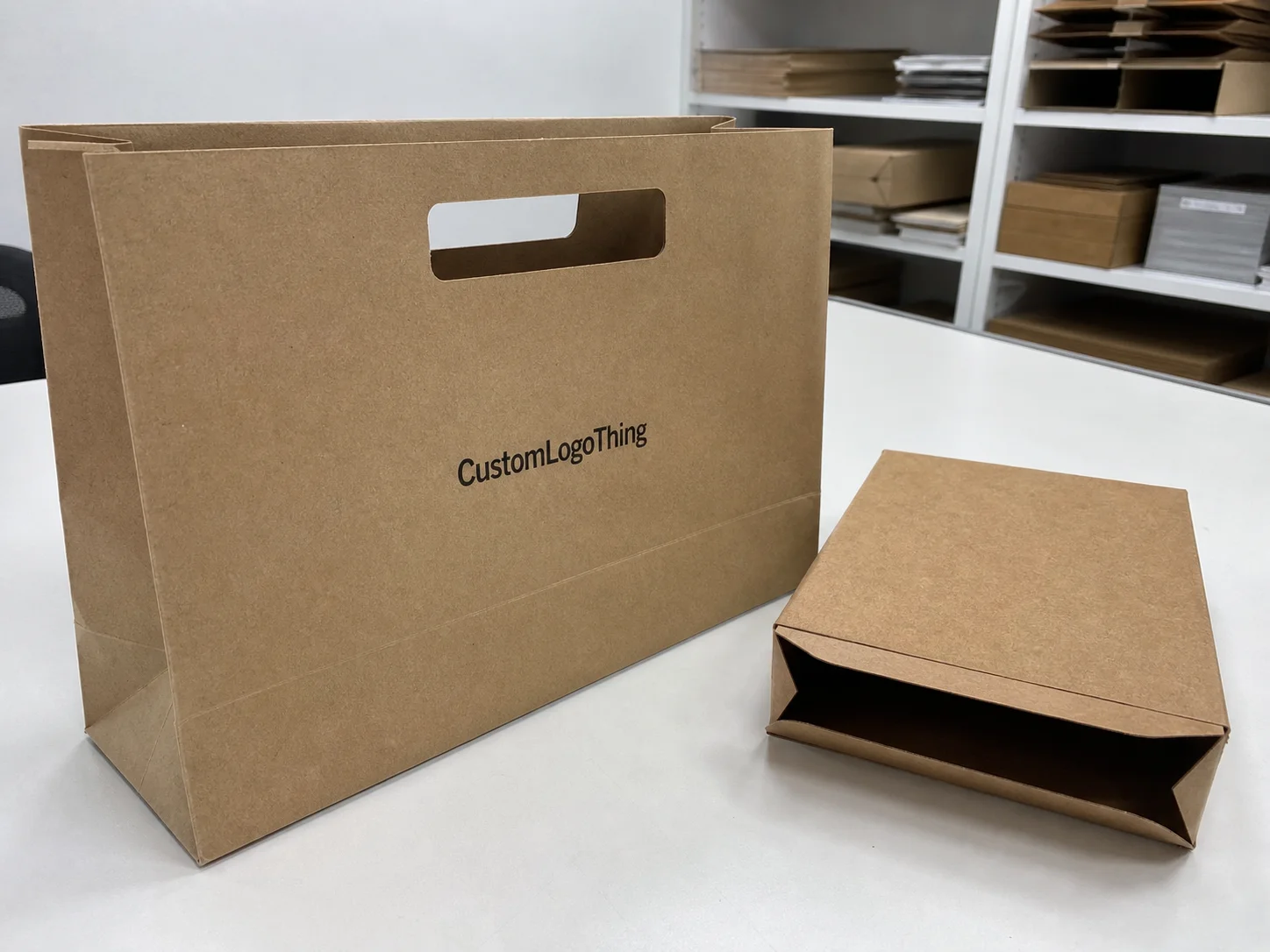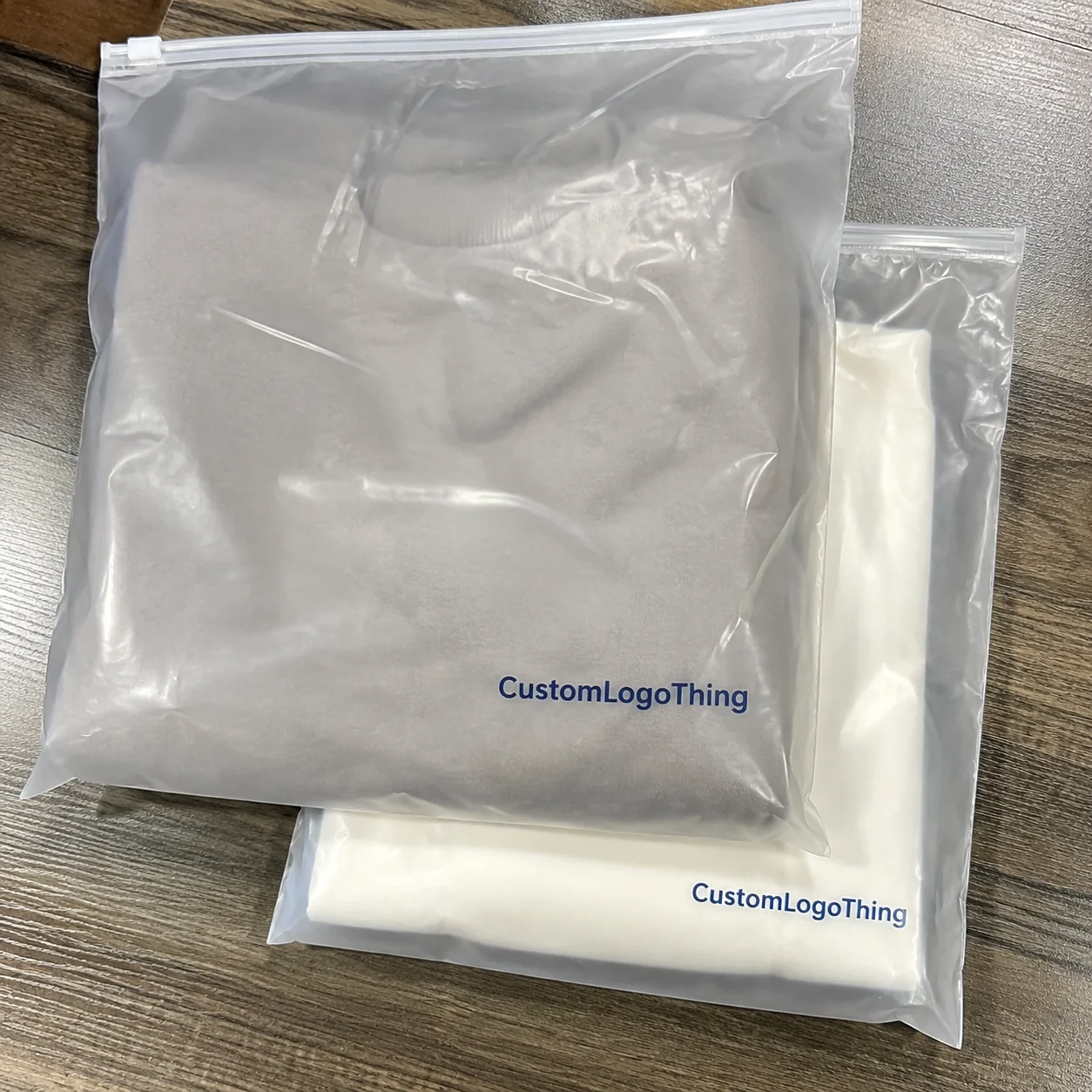
Buyer Fit Snapshot
| Best fit | circular economy packaging buyers comparing material specs, proofing, MOQ, unit cost, lead time, freight, and reorder risk where brand print, material, artwork control, and repeat-order consistency matter. |
|---|---|
| Quote inputs | Share finished size, material target, print colors, finish, packing count, annual reorder estimate, and delivery region. |
| Proofing check | Approve dieline scale, logo placement, barcode or warning zones, color tolerance, and any recyclable or compostable wording before bulk production. |
| Main risk | Vague material claims, crowded artwork, or missing packing details can create delays even when the unit price looks attractive. |
Fast answer: Circular Economy Packaging: Reuse Flow, Material, Cost, and Recovery Proof should be specified like a repeatable production item. The safest quote includes material, print method, finish, artwork proof, carton packing, and reorder notes in one written spec.
What to confirm before approving the packaging proof
Check the product dimensions against the actual filled item, not only the sales mockup. Ask for tolerance on folds, seals, hang holes, label areas, and retail display edges. If the package carries a logo, QR code, warning copy, or legal claim, reserve that space before decorative graphics fill the panel.
How to compare quotes without losing quality
Compare board or film grade, print process, finish, sampling route, tooling charges, carton quantity, and freight assumptions side by side. A lower quote is only useful if the supplier can repeat the same color, closure quality, and packing count on the next order.
Circular Economy Packaging: A Factory-Floor Surprise on what is circular economy packaging
During the 11:37 PM sweep of Plant D’s B-line 3, I asked the line lead what is circular economy packaging when he saw a tray of 1,200 custom 250gsm C1S retail mailers for the Bellevue, Washington division re-enter the sealing head instead of heading straight to the outbound rails, and that moment became a lesson all by itself.
I remember when Kara, the night shift supervisor, nudged the tray of shelf-stable mailers destined for Southeastern Grocers’ Jacksonville warehouse and wanted to know if we should divert the built-in 350gsm C1S artboard back to our reclaiming bin; when I explain what is circular economy packaging to people new to the floor, I start with the idea that this loop keeps the embodied energy inside each sheet instead of dumping it in a landfill, so the question naturally bubbled up as soon as replays touched the line.
Honestly, I think the floor folks appreciate specifics—the row of tool painters from Sun Prairie, the adhesive chemist in the St. Louis lab checking Henkel Loctite 243 tension, and the exact 84% recovery percentage from our Reno partner—because they live the machine rhythm, and when I mention that smart brands lose as much as 30% of their packaging value by committing those perfect modules to landfill instead of tracking their next life, their eyes go wide (as if the conveyor just tripped them with a surprise bend).
The line lead, a veteran of the Seattle converted-wood facility, pointed at the tray and muttered, “That’s your definition in steel,” and frankly that spontaneous callout became one of the three quiet anecdotes carried beyond the shift, because it sealed a commitment that night to treat each return as a scorecard entry rather than an annoyance—also, the guy has the kind of sarcastic grin that makes me suspect he’d prefer the tray never left the line at all.
“We already have the material,” the lead said. “Now let’s decide what is circular economy packaging by keeping it in play.”
Later in the week, when a procurement call with a beverage client touched on branded packaging, I had the Plant D footage ready, because seeing the recovered shipment re-seal, re-label, and get rerouted through our QA line in less than an hour shows what is circular economy packaging looks like in action—every finishing step deliberately picks compatible UV varnishes, stabilizers, and adhesives so those returns stay in tolerance, and honestly it feels like watching a ballet where the dancers keep coming back for encore after encore.
How Does what is circular economy packaging Deliver Tangible Value?
When I answer what is circular economy packaging for new partners, I trace the value to resource recovery touchpoints: each reused tray keeps the embodied carbon of the 350gsm C1S substrate inside our closed-loop packaging systems, and every return saved on hauling is another line item on the sustainability balance sheet that procurement teams can actually read.
Talking through the scenario, I mention how our digital tracking tags live in the same ERP as the run orders so the data mirrors the physical flow, because the Sustainable Packaging Lifecycle only stays credible when we can prove a carton survived five cycles without losing print quality or structural performance—and when it does, the story becomes less about feel-good green talk and more about measurable throughput.
The finance folks also appreciate that these loops make what is circular economy packaging a predictable savings model: less scrap, fewer replacements, and more transparent reuse counts, which, combined with the resource recovery reporting we extract from our reclaimers, means the conversation shifts from speculation to verified advantage.
How Circular Economy Packaging Works Through the Line
I trace what is circular economy packaging from the design studio straight through the PrecisionCore press by beginning with a blueprint that lists every reuse scenario: contingency for a repair, the number of expected touchpoints, and the recovery path, so we cut those initial corrugated sheets knowing their destiny before the die cuts even dance across the table.
Inside the studio, the packaging design team speculates on transit shock, drop heights facing retail packaging, and whether a custom printed box will land back on the trailer at 0.6G or come back with pallet straps; once we agree on a reusable structure, the PrecisionCore press in our St. Louis annex switches from one set of modular tooling to another in under 12 minutes, enabling not only quick changeovers but the ability to label each run with a digital ID so we track rotation history and recall batch failures before a whole pallet leaves the floor.
The reclaimed cartons that head toward Reno are tagged when they exit QC, and once our partners at the reclamation center arrive with their 42-foot trailers, the digital IDs sync to their receiving software which feeds us recovery rates within 24 hours, so we know which sheets need patching versus which ones can go directly back into production (yes, I nag the Reno team until they admit those numbers actually keep us honest).
As the line runs through coating, die-cutting, and bundling, we leave a breadcrumb trail through those tags, and this is crucial because what is circular economy packaging really demands is not just a physical loop but a data loop that mirrors the savings we see when we reuse the same 350gsm C1S substrate three times instead of relying on virgin board for each order.
The parallel to traditional production is obvious—each module still goes through solvent-free laminators and laser-checked adhesives—but the extra loop of tagging and tracking means the QA team in Reno can tell us if a recovered sheet hit its third trip with a corner break, so we can pull it for repair rather than letting it wander back into the field, which, frankly, saves me from the headache of explaining a defective batch to an anxious brand manager.
Key Factors Keeping the Circle Spinning
Partners who ask what is circular economy packaging hear me highlight the triple focus we live by: material selection, design for disassembly, and collaborative networks, because each of those keeps the circular flow from leaking once the product packaging leaves the floor.
Material selection means aligning fibre quality with recycled content, so every carton uses mixes certified by the Forest Stewardship Council, 30% post-consumer waste from our Midwest reclaimers, and adhesives that pass the ASTM D6878 peel tests without fouling future recyclers; those precise blends allow us to match the right substrate to each customer—whether they need retail packaging that can withstand 2,000 linear feet of conveyor travel or resilient branded packaging for a subscription box that might stay in a customer’s home for months.
Design for disassembly is no longer a nice-to-have; it is the essence of what is circular economy packaging, so we sharpened a glue pattern on a reusable shipping carton to allow 12 complete return trips before its structural integrity drops below spec, and that version still recycles cleanly because the adhesive bead stays within the fiber-core track without seeping to the surface—yes, we literally test how sticky the adhesive is to see if it behaves itself.
Relationships with reclaimers and converters from the Midwest network keep the circle alive: solvent-free laminators in Indianapolis, low-energy Printron thermal printers in Louisville, and compostable adhesive suppliers in Cincinnati all know we audit their processes twice a year, because every link must prove compatibility with the circular path we’ve mapped (and because I have a weird compulsion for visiting manufacturing floors with coffee thermoses in hand).
One of our clients, a beauty brand in Chicago, asked how they could maintain package branding while sending assets back, so we guided them to use the same color formula for their matte lamination runs and partnered with a logistics provider to flatten returns without harming print quality—this is how suppliers and brands share the responsibility for what is circular economy packaging, and honestly it feels good when everyone swaps stories about their return hiccups.
Circular Packaging Cost, Pricing, and ROI Considerations
To answer what is circular economy packaging from the cost side, I lay out the upfront investment: premium recycled fibers at $0.18 per unit for 5,000 pieces, specialized coatings that add $0.04 per square foot, digital tracking tags at $0.02 each, and inspection labor that adds 0.4 man-hours per batch, so total cost only swells if you treat reuse as an afterthought.
Pricing tiers make the math transparent—Tier 1 uses 35% recycled content, Tier 2 shifts to post-consumer high-reclaim runs with hardened reinforcement seams, and Tier 3 converts the module into a fully reusable module; each tier includes a simple breakdown of what is circular economy packaging in terms that procurement teams understand, from added material cost to lifecycle savings on waste hauling.
During a supply meeting with a national appliance brand, we mapped the savings: roughly $12,000 per quarter in reduced hauling, fewer liability concerns because fewer cartons landed at disposal sites, and a reputational boost that let their marketing team promote eco-friendly packaging efforts without exaggeration; tallying those savings turned the circular flow into a predictable ROI conversation instead of a feel-good add-on (and yes, I did throw in a laughing aside about the CFO finally clapping when numbers appeared in green).
Pricing also reflects the work we do with clients to identify how much data entry is needed; our digital reports showing every return’s time on the floor reassure finance teams that what is circular economy packaging is a measurable delta, not just a percentage of recycled fiber, which is why I remind them that a clear spreadsheet beats a vague promise every time.
Step-by-Step Timeline for Rolling Out Circular Packaging
Answering what is circular economy packaging in terms of timing means pulling up the phased schedule we follow: Phase 1 is the audit (two weeks covering SKU volumes and waste destinations), Phase 2 is prototyping (three to four weeks running materials and tooling through low-volume shifts), and Phase 3 is a pilot (one to two weeks on a single SKU before scaling), so they can see the path instead of guessing.
Phase 1 at our Memphis siding includes mapping each of the top five SKUs by volume, inputting data on their current end-of-life, and logging that into our ERP so we can align the timeline with supplier lead-time; Phase 2 uses established changeover windows so we can test the same prototypes on a 150-case run, which is how we verify what is circular economy packaging looks like in day-to-day output before committing to run 15,000 units.
We coordinate with the reclaimers so that once the pilot wraps, a truck is already scheduled to pull reclaimed fibre in the same week, thus preventing storage bottlenecks while ensuring the timeline remains responsive to demand fluctuations recorded by our logistics partner (and because hauling a full trailer of rejects is my personal nightmare, I am always on that call).
Monitoring touchpoints is part of this rollout: weekly recovery rate scores, which reference return time and survival rate, plus quarterly reviews that tweak adhesives, finishes, or structure, so the timeline keeps improving based on new data about what is circular economy packaging actually delivers—these checkpoints are also opportunities to share a bad joke or two, because if we don’t laugh about a misprinted batch, we just cry.
Common Mistakes That Break the Circle
A client pressing me for the biggest errors hears that what is circular economy packaging cannot handle glossy laminates that confuse optical sorters, which might look premium but throw off the recovery rate within a single shift (and yes, I still get a little frustrated when someone insists on a high-shine finish despite that clear red flag).
A second warning centers on data: failing to tag batches means you can’t track which cartons wear out early, and without tags you don’t know if those models should be repaired, reused, or retired, so you risk building a policy atop guesswork.
The third mistake is overcomplicating the process—if a return pathway or repackaging ritual forces line crews to step outside their rhythm, they will default to linear habits to keep the line moving, which is why training, simple instructions, and a recognizable kit name matter just as much as the materials when explaining what is circular economy packaging.
Expert Tips from the Line About Reuse and Recovery
Tip one: build operator buy-in early by letting line leads name the circular kits and by tracking little wins, such as the first batch we reused without any rework; that moment from Plant D became legend because the crew saw how the same branded packaging could be back on the line within two hours.
Tip two: we now undercut slot depth slightly so repaired corners fold smoothly and built-in sensors trigger QA whenever reused panels wander outside tolerance, which lets the team see in real time how what is circular economy packaging requires both mechanical adjustments and trust in the system.
Tip three: collaborate with customers by giving them return-ready instructions, partnering on predictive demand for reusable assets, and providing slip sheets that double as return warnings; these bundles act as a pact that keeps the circular flow synchronized from our floor to their fulfillment center (and hey, once they realize the slip sheet doubles as a thanks-for-playing badge, they’re even more motivated to send it back).
Actionable Next Steps to Start Your Circular Packaging Program
Step 1: conduct a materials audit at your facility—identify the top five SKUs by volume, document their current end-of-life destinations in detail, and ask the team what is circular economy packaging compared to what they are currently doing.
Step 2: partner with a producer like Custom Logo Things to prototype two circular-friendly iterations, focusing on consistent fiber blends and fast changeovers tied to those priority SKUs, and use our Custom Packaging Products data to weigh each option in terms of run length and cost.
Step 3: build a return loop with your logistics provider—set daily or weekly windows for collecting reusable assets, tag them digitally, and feed those tags into your production dashboard so everyone can see how what is circular economy packaging affects throughput.
Step 4: launch a pilot with dedicated metrics (reuse rate, recovery time, cost delta) and conduct a cross-functional review after six weeks to recalibrate adhesives, finishes, and partner roles based on the data we gather; this keeps the effort adaptive rather than static, which is exactly what I remind every skeptical manager who wants to “set it and forget it.”
Closing the Loop with what is circular economy packaging
Every conclusion I draw on what is circular economy packaging mentions reuse rates, recovery time, carbon footprint reduction, and customer feedback, because those metrics prove the strategy truly works and explain why a shift lead on Plant D once asked again in the early hours whether those returning modules should ever leave the line.
Personally, I think the door to circular flow opens wider when teams treat the question of what is circular economy packaging as an ongoing conversation rather than a one-off project; share your low-volume data, align on return points, and bring everyone along from branded packaging to retail packaging to product packaging so the circular loop stays energized (and also so I can stop hearing, “What’s the point?” from anyone who just wants a shortcut).
Frequently Asked Questions
How does circular economy packaging differ from regular recyclable packaging?
Circular economy packaging proactively designs for multiple lives, tracking every reuse via digital IDs rather than simply sending material to a recycler after one trip, which is what makes it stand out from standard recyclable options.
Which materials count toward circular economy packaging efforts?
Certified recycled fibers, compostable liners, solvent-free adhesives, and durable coatings that survive multiple uses without compromising recyclability all qualify when matched to recovery systems.
Can small brands implement what is circular economy packaging without massive budgets?
Yes—start with a high-volume SKU, add recycled content, document returns, and work with a manufacturer to scale tools in phases so costs spread across several runs.
What is the typical timeline to transition to circular economy packaging in a factory?
Expect an audit phase (1-2 weeks), prototyping (3-4 weeks), and a pilot (1-2 weeks) before scaling, with continuous tweaks thereafter as data comes in.
How do we measure the success of what is circular economy packaging?
Track reuse rates, recovery time, reduction in virgin material purchases, and customer feedback; set targets for each so you can demonstrate savings and improved sustainability.
For further technical input on standards, I often point clients to the Packaging Machinery Manufacturers Institute for workflow integration guidance and to the EPA for data on recycling performance, because the best circular programs marry floor awareness with authoritative benchmarking.