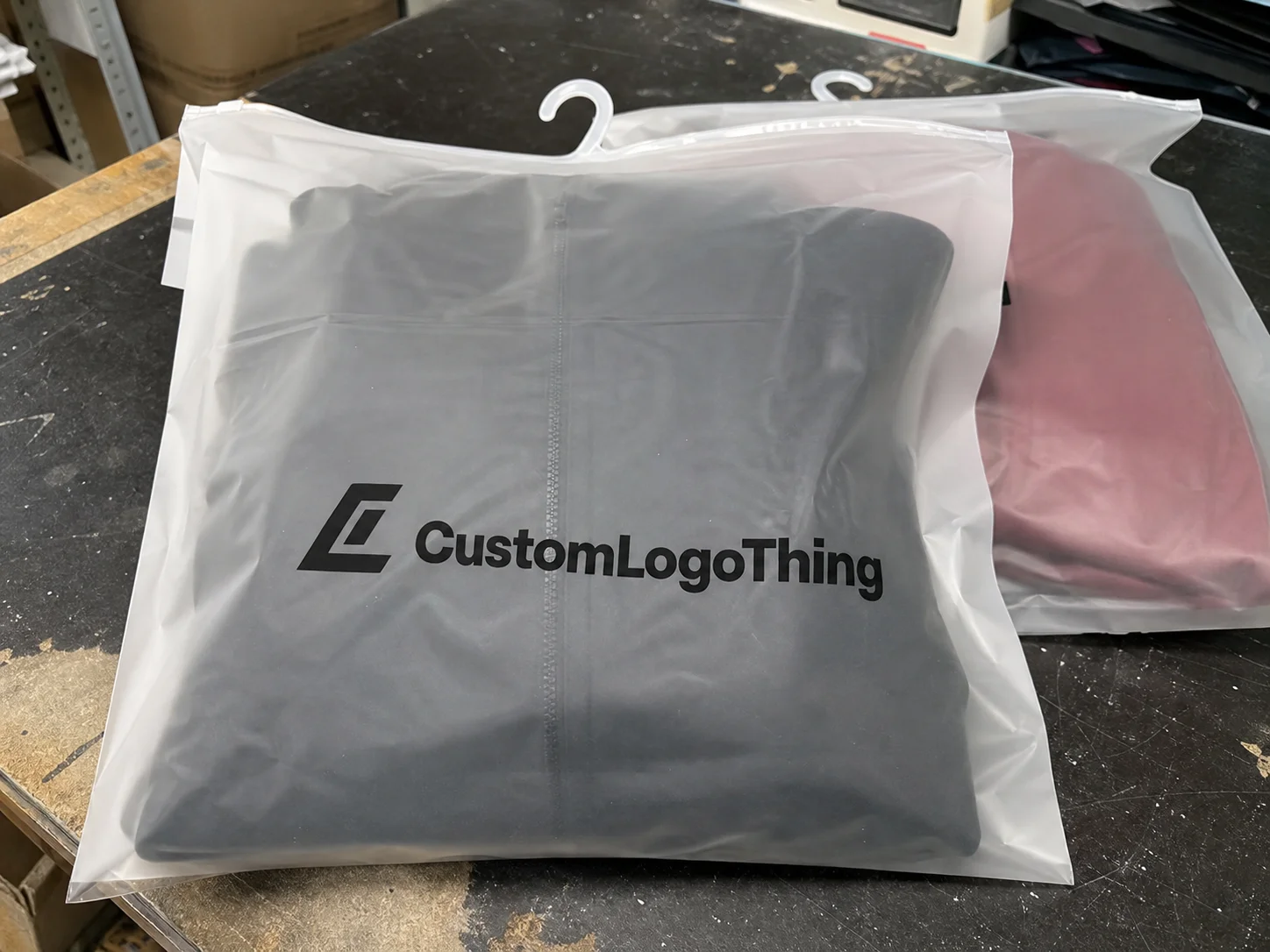
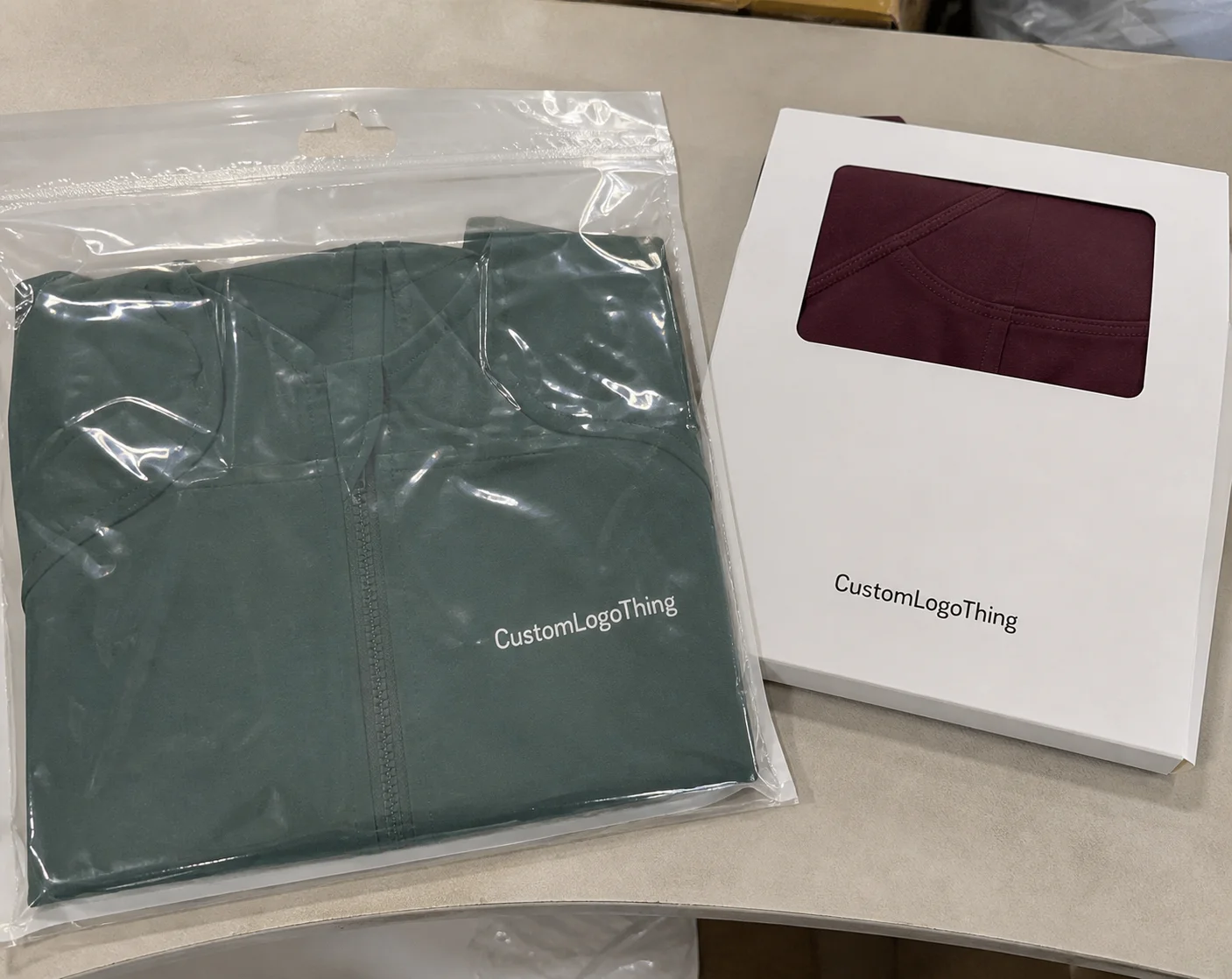
Buyer Fit Snapshot
| Best fit | Custom Packaging projects where brand print, material claims, artwork control, MOQ, and repeat-order consistency need to be specified before quoting. |
|---|---|
| Quote inputs | Share finished size, material target, print colors, finish, packing count, annual reorder estimate, ship-to region, and any compliance wording. |
| Proofing check | Approve dieline scale, logo placement, barcode or warning zones, color tolerance, closure strength, and carton packing before bulk production. |
| Main risk | Vague material claims, crowded artwork, missing packing details, or unclear freight terms can make a low unit price expensive after revisions. |
Fast answer: Custom Packaging: Production Review should be specified like a repeatable production item. The safest quote records material, print method, finish, artwork proof, packing count, and reorder notes in one written spec.
Production checks before approval
Compare the actual filled-product size with the drawing, then confirm tolerance on folds, seals, hang holes, label areas, and retail display edges. Reserve space for logos, QR codes, warning copy, and material claims before decorative graphics fill the panel.
Quote comparison points
Review material grade, print process, finish, sampling route, tooling charges, carton quantity, and freight assumptions side by side. A quote is only useful when the supplier can repeat the same color, closure quality, and packing count on the next order.
What is custom packaging? I still remember standing on a corrugator floor in New Jersey with a client who had two boxes that looked nearly identical from ten feet away, yet one crushed at the corners after a 38-pound drop test and the other held up cleanly because the board grade, flute profile, and closure style were all different. That’s the part most people miss when they ask what is custom packaging: it is not just a printed box with a logo, it is a package engineered for a specific product, a specific shipping path, and a specific customer experience. And yes, I do mean engineered. Packaging people can be annoyingly exact about this—I’ve been that person.
For brands that sell online, in retail, or through wholesale channels, what is custom packaging usually means a package built around fit, protection, branding, and efficiency rather than whatever stock size happens to be on a shelf. In my experience, the difference between decent packaging and smart packaging often shows up in the warehouse first, then again when the customer opens the box at home. A package can look beautiful and still fail if the internal clearance is off by 3 mm or if the coating scuffs during transit. I once watched a gorgeous carton get rejected because the tuck flap was just a little too eager to pop open. Beautiful? Absolutely. Functional? Not even close.
Below, I’ll break down what is custom packaging, how it’s made, what drives cost, and how to choose materials and finishes without overspending. I’ll keep it practical, because I’ve spent enough time with die cutters, folding-gluing lines, and shipping teams to know the theory only matters if it survives the factory floor. In a plant outside Chicago, I watched a 15,000-unit run stop for 42 minutes because one glue wheel was set 1.2 mm too high; that is the kind of detail that turns packaging theory into packaging reality.
What Is Custom Packaging? A Simple Definition with a Real-World Hook
At its simplest, what is custom packaging can be answered this way: it is packaging designed for a specific product, brand, use case, and delivery method instead of a generic off-the-shelf carton. That can mean a folding carton sized for a serum bottle, a corrugated mailer built for subscription deliveries, or a rigid box with a shoulder-and-neck construction for premium gifting. It is not one thing; it is a family of packaging formats shaped around a real business need. A cosmetics startup in Austin may need a 60 mm x 60 mm x 120 mm carton, while a tabletop electronics brand in Seattle may need an 18-point corrugated mailer with a custom insert. Same concept, very different execution.
There are three layers to understand. First is structural customization, which covers the shape, size, closure, inserts, and overall box architecture. Second is print customization, which covers artwork, brand colors, typography, and panel coverage. Third is finishing customization, which includes foil stamping, embossing, spot UV, soft-touch lamination, matte or gloss coatings, and specialty textures. So when someone asks what is custom packaging, I usually say, “It’s a packaging system, not just a printed shell.” A supplier may quote a 350gsm C1S artboard carton with matte aqueous coating for one project and a 32 ECT corrugated mailer for another; both are custom, but neither solves the same problem.
That matters because a custom packaging program can include folding cartons, rigid boxes, corrugated shippers, mailer boxes, sleeves, inserts, trays, partitions, and specialty retail packaging. I’ve seen beauty brands use a 350gsm C1S folding carton with a paper insert for shelf display, while a supplement client used a double-wall corrugated shipper with molded pulp inserts for warehouse efficiency. Both were custom packaging, but the engineering goals were completely different. One was heading to pharmacy shelves in Denver; the other was going through a parcel network out of Dallas with a 2-day service level.
Honestly, I think the strongest definition of what is custom packaging is “packaging that earns its keep.” It protects the product, supports package branding, reduces damage, and helps the customer feel like the brand paid attention. A generic carton can move product, sure, but custom printed boxes can do all of that while also creating a recognizable retail packaging presence and a better unboxing moment. If the box makes people smile before they even see the product, that’s not fluff. That’s strategy. A company selling a $28 candle from Portland and a $220 serum from Los Angeles do not need the same box, but both need packaging that justifies the trip from warehouse to customer.
On the factory floor, I’ve watched this play out with candle brands, apparel startups, and electronics companies. One client brought in a stock mailer and a custom mailer with the same outer dimensions; the custom version used a better lock-tab, a tighter tuck, and an uncoated kraft board that showed less scuffing during pallet wrapping. Same size. Very different performance. That’s the kind of detail that answers what is custom packaging better than any textbook definition. In Shenzhen, a production manager once pointed to a 0.8 mm board variance and said, “That’s the difference between a return and a five-star review,” which sounds dramatic until you see 1,200 cartons stack cleanly on a pallet and 1,200 cartons fail the same way.
“We thought the box was the box,” one client told me after a failed shipment run. “Then we changed the board and the inserts, and breakage dropped by almost 40%.” That’s not unusual; it’s exactly why packaging design deserves real attention.
How Custom Packaging Works From Brief to Finished Box
The process starts with a discovery brief, and if you want a good result, that brief needs real numbers: product dimensions, weight, shipping method, retail display needs, target budget, and quantity. When a customer asks what is custom packaging, I often reply with another question: “What does the package have to survive, and what should it say about your brand?” Those two answers shape almost every decision afterward. A 500-unit test run in Nashville has a very different risk profile than a 50,000-unit roll-out shipping through Atlanta and Indianapolis.
Next comes dieline development. A dieline is the flat structural drawing that shows folds, flaps, glue areas, cut lines, and panel dimensions. If the dieline is wrong, the graphics can be perfect and the box still won’t assemble cleanly. I’ve seen artwork teams spend a week polishing front-panel graphics only to discover the tuck flap overlapped a barcode zone because the structural file was approved too quickly. In custom packaging, structure comes first, graphics second, and fit always matters. A good dieline usually includes allowances for board thickness, glue tabs, and a 1 to 2 mm tolerance so the finished box actually closes instead of merely looking good in Adobe Illustrator.
After the structure is mapped, the supplier helps select materials. For example, a folding carton might use 300gsm to 450gsm paperboard, a mailer might use E-flute or B-flute corrugated, and a premium rigid box might use 1000gsm to 1400gsm greyboard wrapped with printed paper. The choice depends on product weight, crush resistance, print quality, and budget. That’s one reason what is custom packaging is never answered by “just pick the nicest box.” The right substrate has to match the job. A 12-ounce jar shipped from Cleveland needs very different protection than a lightweight sachet sold on a retail peg in Miami.
Then the artwork is prepared. Offset printing is common for high-volume cartons with sharp image detail, while digital printing works well for shorter runs and faster revisions. Flexographic printing shows up often on Corrugated Shipping Boxes, especially when the design is simpler and the run is large. After printing, boxes move through die cutting, creasing, folding, glueing, and finishing steps such as lamination, foil stamping, or embossing. If the line is running well, quality checks happen at multiple points: color control, crease accuracy, glue integrity, board warp, and carton squareness. In one plant in Ohio, I watched a 6-color offset job hit a Delta E of 1.8 after a press adjustment; that level of control matters when your brand color has to match across 20,000 units.
I’ve stood beside an operator at a folding-gluing line where a 1.5 mm misalignment on the crease was creating a subtle lean in the assembled carton. Most shoppers would never have noticed, but the retail buyer did. That’s the thing about custom packaging: the details that save the sale are often boring little production details, not flashy artwork. And frankly, that’s a little rude to the people who spend hours agonizing over a Pantone match—but here we are. One misread registration mark in Dongguan can turn a premium sleeve into scrap in less time than it takes to drink a coffee.
In a good factory, the process also includes sample approval and functional testing. Teams may do compression tests, drop tests, and shipping simulations based on standards such as ISTA procedures, then compare the results against the product’s fragility and distribution path. If you want outside references, the industry organizations at packaging.org and ista.org are useful starting points for testing and packaging best practices. A standard 24-inch drop test can expose a bad corner fold faster than a 30-minute design review ever will.
That’s the practical side of what is custom packaging: brief, structure, material, print, finishing, testing, production, and final pack-out. Each stage has a chance to improve the outcome, but each stage can also introduce cost if the specs keep changing. I’ve seen projects wobble for weeks because someone decided the logo should be 8% larger after approvals were already signed. Tiny decision, huge headache. A revision after proof approval can easily add 3 to 5 business days, and if a foil plate or cutting die has to be remade, the delay can stretch into the next production window.
Key Factors That Shape Custom Packaging Design and Cost
Whenever a brand asks what is custom packaging going to cost, I start with the biggest drivers: material, size, print complexity, finish level, order quantity, insert requirements, and shipping footprint. A small folding carton with one-color print and no coating will sit in a very different price band than a rigid box with foil, embossing, and a custom insert. That sounds obvious, but brands still underestimate how fast upgrades add up. I’ve had more than one founder stare at a quote and say, “How did the box get more expensive than the product?” Which, to be fair, is a very understandable reaction when the product is a $14 skincare tube and the packaging quote comes back at $1.92 per unit.
Quantity is one of the most powerful levers. At 5,000 pieces, a folding carton might land around $0.42 to $0.78 per unit depending on board and print; at 25,000 pieces, the same carton may drop materially because setup, make-ready, and material buying become more efficient. To be more concrete, I have seen a 350gsm C1S carton with 4-color offset print and matte aqueous coating priced at about $0.15 per unit for 5,000 pieces on a very simple structure in East China, while the same category with a foil logo and embossing moved closer to $0.31 per unit. Rigid boxes are a different animal: a premium two-piece setup with wrapped board, insert, and specialty finish can easily run $1.75 to $4.50 per unit in moderate quantities. Those are real-world ranges, though your design, supplier, and market will shift the numbers.
Higher quantities usually lower unit cost, but only if the design is stable. If the artwork changes every few weeks, the economics get messy fast. I’ve had supplier negotiations where the client wanted a complex foil pattern, four PMS colors, soft-touch lamination, and a custom insert, all on a 2,000-piece order. It can be done, but the unit price will reflect that setup burden. Custom packaging rewards planning and consistency. It does not reward creative chaos, sadly for everyone who loves creative chaos. In practical terms, a proof cycle in Guangzhou might take 2 to 4 business days, while a second revision can reset the schedule and add another week if plates or dies need adjustment.
Product fragility also shapes the spec. A 6-ounce candle in a rigid gift box does not need the same board strength as a glass serum bottle shipping in a corrugated mailer through parcel carriers. I’ve seen products crushed in transit because the brand chose a box based on shelf appearance alone. If the package has to survive drop risk, vibration, pallet stacking, or warehouse handling, the wall construction and internal protection need to match the route. A molded pulp insert in a carton shipping from Toronto to Montreal may be overkill for one category and exactly right for another.
Branding goals matter too. If you want premium unboxing, you may choose a rigid box with a magnetic flap, a soft-touch exterior, and a custom insert. If you care more about sustainable retail packaging, you might choose kraft paperboard with minimal ink coverage and a recyclable format. If you need speed through fulfillment, a right-sized mailer that is easy to pack may be better than a beautiful but awkward structure. Good packaging design is never just about looking good on a mockup. I’ve seen a Miami apparel brand save 11 seconds per order simply by switching from a two-piece setup to a self-locking mailer with a tear strip.
Lead time and tooling are easy to overlook. A new die line, cutting die, embossing tool, or foil plate adds upfront cost and time. Simple digital jobs may move in 7 to 10 business days after proof approval, while offset printed cartons with finishing can take 15 to 25 business days, and more complex rigid packaging can stretch longer if sampling or revision cycles run late. If you’re mapping out what is custom packaging for a launch, those dates matter as much as the unit price. A realistic production window from final proof approval is typically 12 to 15 business days for standard cartons made in Shenzhen or Suzhou, while a Custom Rigid Box program in Ningbo or Wenzhou may need 20 to 28 business days depending on the wrap and insert.
Here’s a quick comparison that brands often find useful:
| Packaging Type | Typical Use | Relative Unit Cost | Common Lead Time | Notes |
|---|---|---|---|---|
| Folding carton | Cosmetics, supplements, retail product packaging | Low to medium | 7-15 business days | Good print quality, efficient for shelf display; 350gsm C1S or 400gsm artboard is common |
| Corrugated mailer | E-commerce and subscription shipments | Low to medium | 8-18 business days | Better for shipping strength and warehouse handling; E-flute and B-flute are common choices |
| Rigid box | Premium gifting, luxury branded packaging | Medium to high | 15-30 business days | Best for presentation, but labor and materials cost more; greyboard usually runs 1000gsm to 1400gsm |
| Custom insert system | Fragile or multi-part products | Medium | Depends on sample approval | Can reduce breakage and improve product fit; molded pulp, EVA foam, or paperboard may be used |
Packaging decisions also connect to sustainability, and that affects cost in subtle ways. Recycled board, FSC-certified paper, minimal coatings, and right-sized dimensions can all support a cleaner environmental story, but they need to be balanced against performance. The EPA has useful information on packaging waste and recycling pathways at epa.gov, and FSC certification details are available at fsc.org. If a brand wants credible sustainability messaging, those references help keep the conversation grounded. In practice, switching from a mixed-material setup to a paper-only insert can cut disposal complexity for customers in California, Oregon, and British Columbia.
What Is Custom Packaging for Different Product Types?
When brands ask what is custom packaging for their category, the answer changes depending on the product. A lipstick, a sweatshirt, a protein bar, and a Bluetooth speaker all have different protection needs, label requirements, and presentation goals. The core principle stays the same, but the details change quickly. A skincare line in New York may want shelf-ready cartons with ingredient copy, while a DTC home-goods brand in Austin may prioritize crush resistance for a 1,000-mile parcel route.
For cosmetics, folding cartons are common because they offer clean retail presentation and enough printable surface for branding, ingredients, and regulatory copy. I’ve worked with beauty clients who used a 400gsm C1S carton with a matte aqueous coating and a paperboard insert to stop vial movement. For candles, rigid boxes or sleeve-and-tray structures are popular when the brand wants a giftable look. For food, the conversation shifts to barrier properties, compliance, and shelf life, so packaging material and ink selection deserve extra care. A snack bar wrapper in Chicago may need moisture resistance, while a tea box in Vancouver may need crisp typography and a clean seal line more than heavy structure.
Apparel brands usually favor mailer boxes, poly mailers, or corrugated shippers depending on whether the priority is retail presentation or shipping efficiency. Electronics often need inner protection, partitions, or molded inserts because one broken corner or a loose accessory can trigger returns. Supplements sit somewhere in the middle; they need clear labeling, shelf impact, and stable packaging that resists scuffing and handling across distribution. That’s why what is custom packaging should always be answered in context, not in generalities. A 2-piece box for a smartwatch in San Jose is a very different object from a 6-panel mailer for a hoodie in Philadelphia.
Subscription boxes are a category of their own. They usually need a mailer-style structure that is easy for fulfillment teams to assemble, but the interior presentation still matters because every month the customer is opening it fresh. I’ve seen brands lose a lot of goodwill because the inside looked cheap even though the outside was beautifully printed. The customer remembers the reveal, not just the shipping box. I remember a subscription brand that spent so much on the lid art and so little on the inside tray that the unboxing felt like opening a fancy restaurant menu and finding a paper napkin. Ouch. A monthly box can ship from a fulfillment center in Ohio, but if the first impression feels thin, the repeat order rate often feels thin too.
Here’s the practical truth: product packaging has to support both operations and emotion. If warehouse teams need 14 seconds to pack one order instead of 7, that matters at scale. If customers get a cleaner opening moment because the inserts hold the product upright and the colors match the brand palette, that matters too. Good custom packaging does both. In a 20,000-unit program, a 4-second pack-out improvement can save roughly 22 labor hours per week if the volume stays steady, which is not a small number when labor in Los Angeles or Chicago is already expensive.
Step-by-Step Guide to Creating Custom Packaging
If you’re moving from curiosity to action, here’s the process I recommend when a client asks what is custom packaging and wants to build it properly. Start with the product itself. Measure the item in three dimensions, note the weight in grams or ounces, and identify any fragile areas, closures, hanging tabs, or accessories. If your product includes a pump, cap, charger, or spoon, those details matter because the box has to fit the real-world version, not just the product render. A bottle that measures 48 mm on paper may actually need 52 mm of internal clearance once the cap, shrink band, and label are all included.
Then define the shipping and presentation requirements. Will the package ride through parcel networks, sit on a retail shelf, or arrive as a premium gift? Those use cases are not interchangeable. A DTC box may need stronger corrugation and more crush resistance, while retail packaging may prioritize shelf appeal and barcode placement. If the brand’s priority is branded packaging, say that clearly; if the priority is protection, say that too. A 32 ECT mailer may be perfectly fine for a lightweight subscription item shipping from Louisville, while a heavier product going through FedEx Ground from Atlanta may need 44 ECT or a double-wall spec.
Next choose the format. A folding carton works well for many lightweight consumer goods. A corrugated mailer makes sense for direct-to-consumer shipments. A rigid box suits premium positioning. If the product is odd-shaped, a custom insert or sleeve may be the smartest route. This is also the moment to compare options from a supplier like Custom Packaging Products, because looking at a few formats side by side often clarifies tradeoffs faster than a long email chain. In practice, comparing a tuck-end carton versus a roll-end mailer can reveal a 15% difference in pack-out speed before production ever starts.
After that, confirm the board, print method, and finish. A 350gsm artboard with matte aqueous coating behaves differently from a kraft corrugated mailer with flexo print. A digital prototype may help you validate graphics quickly, but a production sample is still worth it before a large run. I’ve watched teams approve artwork on a PDF and then discover the barcode sat too close to a fold, which is a costly mistake if the cartons are already in production. I still get a little twitchy when someone says, “It looked fine on screen.” Of course it did. Screens are great at hiding problems. A sample from a plant in Dongguan or Xiamen will show you the real edge wrap, the real crease memory, and the real ink density.
Sampling should not be rushed. A structural sample checks fit, insert placement, closure strength, and assembly speed. A printed proof checks color, text clarity, bleed, and panel alignment. If the product is sensitive, test it in the package and ship a few samples through real carriers. I’ve seen companies skip this and pay for it later in returns and replacement shipments. That’s why what is custom packaging is really a process of validation, not a one-time design task. A one-day delay in approval can save a three-week delay in rework, which is a trade I’ll take every time.
- Gather specifications — product dimensions, weight, material, and shipping method.
- Choose the packaging format — carton, mailer, rigid box, or insert system.
- Build the dieline — confirm folds, cuts, glue tabs, and insert space.
- Prepare artwork — set bleed, safe zones, and color targets.
- Review samples — check fit, strength, finish, and print accuracy.
- Approve production — lock the specs before mass manufacturing starts.
Timeline depends on all of those steps. A simple digital mailer may go from brief to shipment in roughly 10 to 14 business days if artwork is ready and sampling is straightforward. A more complex printed rigid box with custom inserts might take 20 to 35 business days, especially if there are two or three rounds of revisions. In packaging, rushed decisions tend to cost more than careful ones. If the supplier is in Shenzhen, proof approval on Monday and shipment by the third week of the month is realistic for many standard carton programs; if the factory is in Ningbo and the structure is new, add a few days for tooling and QC.
One factory in Guangdong taught me this lesson in a very practical way: the operator placed a finished carton next to a sample that had been approved only by photo, and the photo version looked fine until we saw the actual 2 mm shift in foil alignment. That tiny difference changed the whole premium feel. Real samples beat screen approvals every time. I’ve never trusted a pretty PDF as much as a real carton in my hands, and after enough near-misses, I doubt I ever will. A carton that looks good in a San Francisco boardroom still has to survive a pallet wrap in a warehouse near Long Beach.
Common Mistakes Brands Make When Choosing Custom Packaging
The biggest mistake I see is designing for looks and forgetting the rest. A box can be elegant on a render and still fail because the flaps pop open in transit, the insert rattles, or the board dents when palletized. If you’re trying to understand what is custom packaging in practical terms, the answer includes performance under stress, not just graphic appeal. A package that cracks on a 24-inch drop test in Atlanta is not “slightly imperfect”; it is expensive.
Another common error is measuring the product too loosely or too tightly. I’ve seen brands forget to account for a pump top, a zipper pouch seam, or a foam insert that steals internal space. A 1/8-inch clearance issue may seem small, but it can cause scuffing, crush the closure, or make assembly miserable for fulfillment teams. Those are the kinds of details that separate a thoughtful package from an annoying one. In one case, a 72 mm bottle needed a 75.5 mm internal cavity, not 74 mm, because the label overlap and cap shoulder were both forgotten during the first round.
Artwork mistakes create their own problems. Missing bleed, low-resolution logos, incorrect Pantone expectations, and unclear white-ink layers can all lead to delays. If a supplier is working from a compressed JPEG instead of a print-ready file, the result will not be as sharp as the brand hoped. I’ve had supplier meetings where the client wanted a metallic gold effect, but the file was set up as flat yellow; that gap between expectation and file prep can burn a week very quickly. A file saved at 72 dpi may look acceptable on a laptop in Brooklyn and still print like a blur on a carton in Suzhou.
Brands also over-specify finishes. Not every package needs foil, embossing, spot UV, and soft-touch lamination all at once. Sometimes that combination looks expensive but feels disconnected from the product price point, especially if the item is a $12 consumable. I usually advise clients to pick one or two hero details and let the rest of the package breathe. Good package branding has restraint. A $0.89 carton with one crisp foil mark often feels more intentional than a $1.60 carton wearing every finish the supplier has in the catalog.
Ignoring testing is another costly misstep. If a package won’t survive a 24-inch drop, a compression stack, or a messy warehouse line, the final customer will be the one to discover it. When that happens, returns go up, replacement costs grow, and the brand’s reputation takes a hit. This is why what is custom packaging should always include a validation step, even on modest budgets. A test run of 50 units in Phoenix or Memphis can expose a flaw before 5,000 units are already boxed and labeled.
Finally, some brands choose packaging that is too complex for their fulfillment flow. If your team packs 1,500 orders a day, a box that takes an extra 10 seconds to assemble is not a small issue. It can add labor and slow dispatch enough to create a real operational bottleneck. I’ve seen that happen in more than one warehouse, and it usually starts with someone falling in love with a structure that looked great in a presentation but was awkward in the line. Pretty boxes are nice. Pretty boxes that make everyone grumpy are not. A design that saves 10 seconds per pack on a 30-day month can free up roughly 125 labor hours, which is the kind of math that gets people’s attention in Kansas City or Dallas.
“The sample looked beautiful on my desk,” a founder once told me, “but the warehouse team hated it.” That sentence has saved a lot of money when said early enough.
Expert Tips for Better Results and Smarter Ordering
If you want better results, start with the product and supply chain first, then layer in design. That sounds simple, but many teams do the opposite. They make a gorgeous mockup, then discover the box is too expensive, too fragile, or too slow to assemble. When someone asks what is custom packaging done well, I say it is design informed by operations, not design isolated from them. A launch planned in Miami can fall apart if the packaging lead time out of Guangzhou is 21 business days and the marketing team booked photos for next Tuesday.
Standardize wherever you can. If two products can share the same outer carton size with different inserts, that may simplify inventory and reduce SKU confusion. I’ve watched fulfillment managers breathe easier when they can keep three box sizes instead of nine. It also helps buying, because larger repeat runs often improve pricing and reduce the number of open orders sitting on the factory schedule. A shared 200 mm x 140 mm x 60 mm mailer across three SKUs can save more money than a flashy finish ever will.
Order samples early and test them like a customer would. Put the product in the box, tape it, stack it, shake it, ship it, and open it again. Check for scuffs, loose movement, print rub, and corner wear. If possible, ask the fulfillment team to pack five to ten units and tell you what slows them down. Their feedback is often more valuable than a polished slide deck. The warehouse crew will tell you the truth fast, which is refreshing and mildly terrifying. If a team in New Jersey says a closure tab needs 2 extra mm, listen to them.
For premium finishes, I like selective use. A single foil logo, a spot UV mark, or a textured wrap can create visual interest without pushing the budget too far. If the brand is selling a $40 product, a heavy embellishment package may feel out of sync. On the other hand, if the product is luxury-priced, those details can support the positioning in a real and measurable way. That is the practical side of what is custom packaging as a branding tool. I have seen a jewelry box in Los Angeles go from “nice” to “retail ready” with nothing more than a single silver foil stamp and a 1400gsm rigid base.
Sustainability should be designed in, not tacked on at the end. Right-sizing reduces void fill and shipping waste. Recyclable board and paper-based inserts can simplify disposal for the customer. Minimal inks, fewer mixed materials, and avoiding unnecessary lamination can also improve recyclability. I’m not saying every package should be bare kraft; I am saying the material story should match the brand promise and the actual disposal path. A paper-only mailer from Portland is easier to explain than a mixed-material box that asks the customer to separate three layers of plastic and board.
One last thing: ask for factory photos, sample videos, and production details. If the supplier can show die cutting, folding-gluing, coating, and pack-out work in their own facility, that gives you a better read on capability than a polished sales pitch does. I’ve visited enough plants to know the real story shows up in the pressroom, the converting line, and the QC table. A shiny brochure can hide a lot. A stack of warped cartons cannot. In a factory in Foshan, the QC table told me more in five minutes than a thirty-slide presentation ever could.
If you want a simple decision rule, use this: the more fragile, premium, or experience-driven the product is, the more important custom packaging becomes. That’s the short answer to what is custom packaging from a brand strategy standpoint. A $9 candle in a kraft mailer and a $250 watch in a rigid box are not competing on the same terms, and their packaging should not either.
What To Do Next After Learning What Is Custom Packaging
Now that you’ve got a practical answer to what is custom packaging, the next step is to turn the idea into a spec sheet. Gather your product dimensions, exact weight, shipping method, target quantity, budget range, and any must-have features such as inserts, matte coating, foil, or tamper evidence. If you can, include a photo of the product next to a ruler; that one small detail saves a surprising amount of back-and-forth. A picture taken in a warehouse in Phoenix with a tape measure in frame is often more useful than a paragraph of adjectives.
Compare at least two formats before you commit. For example, a folding carton might be better for shelf presentation, while a mailer might be better for ecommerce fulfillment. If your brand is still deciding, ask your supplier to quote both. That comparison often reveals where the real costs sit and where the biggest operational savings may be hiding. A quote for a 350gsm carton in Shenzhen and a corrugated mailer in Dongguan can uncover a 19% difference in total landed cost once inserts and freight are included.
Here’s a quick checklist to have ready before requesting quotes:
- Product dimensions and weight
- Retail or shipping use case
- Quantity target
- Preferred material or board type
- Print colors and finish preferences
- Insert or partition needs
- Target budget per unit
- Desired timeline for sampling and production
If you’re still sorting out the options, ask for structural samples before full production and review them with your warehouse, sales, and marketing teams. That cross-check is worth the time. I’ve seen brands save thousands simply because a fulfillment supervisor noticed that a carton would slow pack-out by 6 seconds per unit. Small details add up fast. A team in Denver catching a flaw before a 10,000-unit run can save more than the sample cost by lunch.
So, what is custom packaging in the end? It is the intersection of protection, presentation, and production reality. Get those three right and you get packaging that works hard for the brand. Get them wrong and even a beautiful box turns into an expensive mistake. If you’re ready to move forward, start with product specs, request samples, and talk through what is custom packaging with a supplier who knows how to balance branded packaging, performance, and budget. A good partner will ask for board specs, run counts, and shipping lanes, not just your logo file.
FAQ
What is custom packaging and how is it different from stock packaging?
Custom packaging is built around your product, brand, and shipping needs, while stock packaging is a pre-made standard size with limited branding options. In practice, custom packaging often improves fit, protection, and presentation, especially for fragile, premium, or direct-to-consumer products. A stock carton may save time on day one, but a custom carton in 350gsm C1S or E-flute can cut damage and improve the customer experience when the product ships from Miami, Chicago, or Los Angeles.
How much does custom packaging usually cost?
Pricing depends on size, material, print method, finishes, inserts, and order volume. Higher quantities usually reduce per-unit cost, while premium features like rigid board, foil stamping, embossing, or specialty coatings increase the price. For example, a simple folding carton at 5,000 units may be around $0.15 to $0.42 per piece for basic specs, while a premium rigid box can run $1.75 to $4.50 per unit depending on the factory and finish level.
How long does custom packaging take to produce?
Timeline depends on sampling, artwork approval, tooling, and production volume. Simple printed mailers may move faster than rigid boxes or complex multi-part packaging, especially when revisions are needed or the supplier has to create new tooling. A straightforward carton often takes 12 to 15 business days from proof approval, while a rigid box with inserts may need 20 to 35 business days if the project is made in Shenzhen, Ningbo, or Dongguan.
What materials are commonly used in custom packaging?
Common materials include corrugated board, paperboard, rigid board, Kraft paper, and specialty substrates depending on the product and use case. The right material is chosen based on strength, print quality, sustainability goals, and whether the package is for retail or shipping. A 350gsm C1S artboard carton, a B-flute mailer, and a 1200gsm greyboard rigid box solve different problems, even if they all carry the same logo.
Do I need a prototype before ordering custom packaging?
Yes, a prototype or structural sample helps confirm fit, strength, and appearance before full production. Sampling reduces the risk of expensive errors in sizing, artwork alignment, and product protection, which is why I always recommend it whenever the budget allows. A sample in hand beats a PDF every time, especially if production is happening in Guangzhou, Suzhou, or Xiamen and the first full run will be 10,000 pieces or more.