Buyer Fit Snapshot
| Best fit | To Printing Care Instructions on Poly Mailers projects where brand print, material claims, artwork control, MOQ, and repeat-order consistency need to be specified before quoting. |
|---|---|
| Quote inputs | Share finished size, material target, print colors, finish, packing count, annual reorder estimate, ship-to region, and any compliance wording. |
| Proofing check | Approve dieline scale, logo placement, barcode or warning zones, color tolerance, closure strength, and carton packing before bulk production. |
| Main risk | Vague material claims, crowded artwork, missing packing details, or unclear freight terms can make a low unit price expensive after revisions. |
Fast answer: To Printing Care Instructions on Poly Mailers: Film, Print, MOQ, and Carton Packing should be specified like a repeatable production item. The safest quote records material, print method, finish, artwork proof, packing count, and reorder notes in one written spec.
Production checks before approval
Compare the actual filled-product size with the drawing, then confirm tolerance on folds, seals, hang holes, label areas, and retail display edges. Reserve space for logos, QR codes, warning copy, and material claims before decorative graphics fill the panel.
Quote comparison points
Review material grade, print process, finish, sampling route, tooling charges, carton quantity, and freight assumptions side by side. A quote is only useful when the supplier can repeat the same color, closure quality, and packing count on the next order.
On one winter morning at a converter in Shenzhen, I watched a pallet of 12,000 poly mailers get rejected not because the bag color was wrong, but because the care copy was so faint that under warehouse lighting it looked like a ghost line. Nobody wants to be the person explaining that to procurement at 7:30 a.m. That kind of miss is exactly why the guide to printing care instructions on Poly Mailers matters. Packaging can answer a customer’s question before they open the bag, or it can create a return, a complaint, and a reprint all in one shot.
In my experience, the best packaging jobs solve problems quietly. A solid guide to printing care instructions on Poly Mailers helps brands show care directions, handling notes, or garment reminders right on the shipping bag, which reduces confusion and makes the whole order feel more intentional. For Custom Logo Things, that can mean a simple outer message that reinforces the product label, or a more detailed layout that pairs a printed reminder with an insert and a hang tag from Custom Packaging Products.
Honestly, I think a lot of teams overcomplicate this. They treat the mailer like a billboard and then wonder why customers can’t find the one line that actually matters. The truth is less glamorous: the message just has to be readable, durable, and placed where someone can see it without squinting like they’re reading a recipe in a dim kitchen.
Why the Guide to Printing Care Instructions on Poly Mailers Matters
Many people assume a poly mailer is only a transit shell, but in practice it is often the first branded surface a customer touches. A clear guide to printing care instructions on poly mailers can reduce confusion about washing, drying, storage, or handling, especially for apparel, soft goods, handmade items, or specialty textiles that need more than a generic “wash cold” note. If the outer package tells the buyer how to treat the item from the start, the product is less likely to be handled carelessly before it even reaches the closet.
I’ve seen this firsthand during a client meeting for a boutique athleisure brand that was getting repeated complaints about stretched seams after shipping. The problem was not the fabric. It was that the packaging gave no handling guidance, and warehouse staff, retail buyers, and end customers all treated the item like a simple commodity. Once the brand moved to printed care instructions on the mailer, plus a matching insert, the complaint rate dropped in two months, and the packaging felt more premium without adding much complexity to the line.
The difference between printing care instructions directly on the mailer and using labels, inserts, or hang tags comes down to visibility and permanence. A direct print is fixed on the bag and cannot peel off, which is useful for shipping bags that must survive friction, stack pressure, and rough transit. Labels can work for short runs or variable data, but they can lift at the edges if the adhesive is not matched to the film. Inserts are great for longer instructions, care charts, or multilingual guidance, while hang tags are better when the product is displayed in retail before shipping. A practical guide to printing care instructions on poly mailers should treat these as complementary tools, not competing ones.
The customer-experience benefit is simple: a package that communicates clearly feels more trustworthy. If the buyer sees care notes before opening the seal, they know the brand has thought about the product beyond the sale. That small sense of order matters more than many teams realize, especially for DTC apparel, baby goods, uniforms, and handmade accessories where the care message is part of the brand promise.
On the production side, the most common printing methods are flexographic printing, rotogravure, and digital printing, with some shops using a hybrid spot color workflow for brand-critical elements and CMYK only where gradients or multicolor art are needed. Flexo is still the workhorse for high-volume mailers because it runs quickly on rolls of LDPE film, while digital printing is often more practical for lower quantities or frequent artwork changes. A good guide to printing care instructions on poly mailers should make room for all three, because the “best” method depends on quantity, detail level, and budget.
How the Guide to Printing Care Instructions on Poly Mailers Works
The production flow usually starts with artwork setup, and that’s where many jobs either stay clean or become expensive. The file needs the brand logo, care copy, any icons, the correct bleed, and a readable text size that survives transfer to flexible film. On a press-ready file, I like to see the care block separated from the decorative art so the operator can check the text position quickly during startup. A strong guide to printing care instructions on poly mailers always begins with file discipline, because sloppy artwork causes slowdowns later.
Once the art is approved, the plant moves into plate making for flexographic printing or cylinder preparation for rotogravure. Digital printing skips the plate step, which is one reason shorter orders can move faster, but it still needs prepress checks for color, resolution, and file integrity. In one factory in Dongguan, I watched a line stall for nearly half a shift because the customer supplied a PDF with a 5.5-point care note sitting too close to a fold zone. The file looked fine on a monitor. On the press, it disappeared into the seam. I still remember the operator staring at it like the PDF had personally betrayed him.
Material compatibility matters just as much as the artwork. Most poly mailers are made from LDPE, co-extruded film, or recycled blends, and each one behaves a little differently under ink, heat, and tension. Gloss films often show brighter color but can reveal scratches more easily, while matte finishes give a softer look but can reduce contrast if the design is too pale. Recycled content is increasingly common, but it can introduce speckling or surface variation that affects print finishing and line clarity. A careful guide to printing care instructions on poly mailers should call out these substrate differences early, not after the proof is already approved.
Clear text depends on contrast, font choice, and placement. As a rule, I like to keep care text above 7 pt for small outer-message blocks and closer to 9 pt when the mailer is glossy, tinted, or likely to be read under dim warehouse light. Sans-serif fonts with medium stroke weight usually hold up better than thin serif styles, especially on flexible film that may stretch by 1 to 2 mm during sealing or load handling. The best print teams also test the message where it will be seen: front panel, back panel, or near the seal flap.
Multilingual instructions and care symbols can be added without turning the bag into a billboard, but the layout has to be disciplined. I prefer a hierarchy with one short headline, one main care line, and one supporting icon row. If you need English, French, and Spanish on the same package, the trick is to compress the wording, not cram the design. Symbols based on recognized garment care language can help, but they should match the actual product guidance, not replace it blindly.
Real-world production constraints show up fast once the line starts moving. Ink adhesion can fail if the surface energy of the film is off. Smudging can happen if curing or drying is too fast for the ink load. Registration tolerance matters when care instructions sit near a logo or barcode, because a 1 mm shift can make a tidy layout look careless. The best guide to printing care instructions on poly mailers acknowledges that flexible packaging is not paper; it moves, breathes, and stretches.
For teams comparing suppliers, it helps to know how different print systems behave. Packaging plants that do strong work in offset printing on cartons are not always the right fit for film mailers, because poly requires different ink control and film handling. If you are sourcing from a supplier with broad Manufacturing Capabilities, ask how they handle film corona treatment, drying tunnels, and QC on print repeat. Those details tell you more than a polished sales deck ever will.
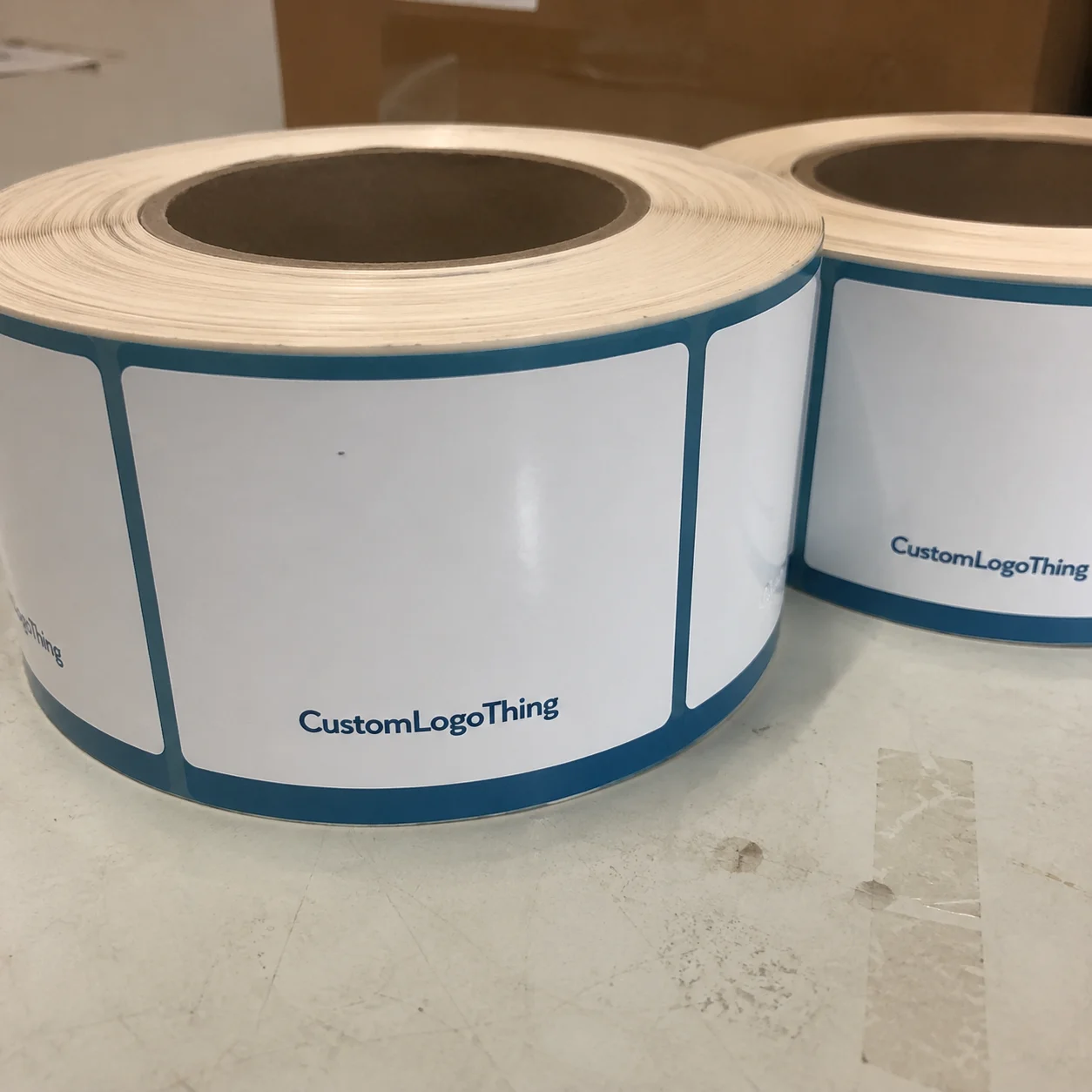
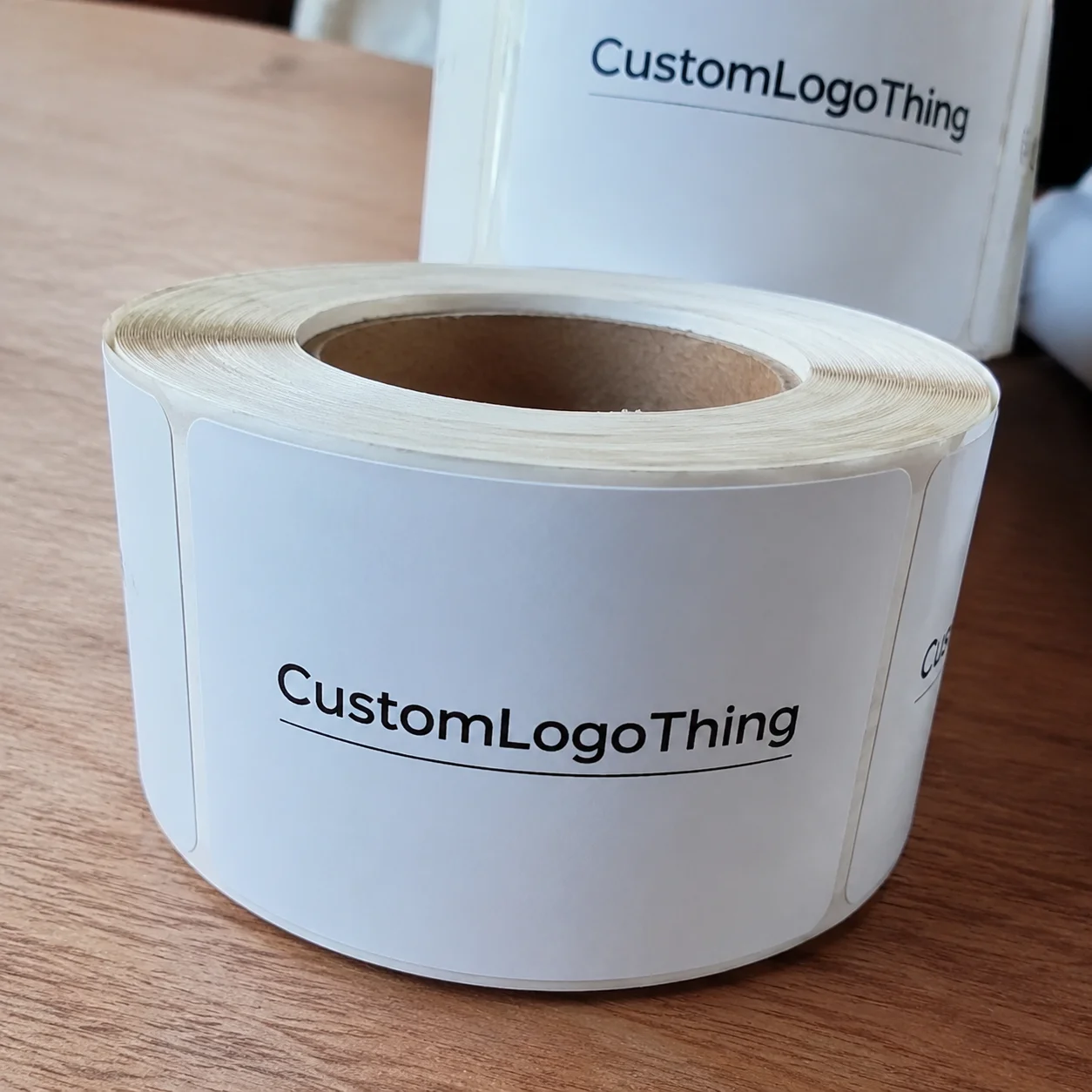
Printed Poly Mailers on a production table showing care instruction placement, contrast, and flexible film surface behavior" class="blog-content-img" loading="lazy">
Key Factors That Affect Print Quality, Cost, and Timeline
Cost is usually driven by four big variables: number of colors, coverage area, quantity, and setup work. A one-color black care message on a white mailer is far cheaper than a four-color CMYK design with a large printed back panel and multiple multilingual care blocks. Setup fees, plate charges, and press preparation are often the hidden part of the budget, especially on low-quantity orders. For a run of 5,000 mailers, I have seen pricing land around $0.18 to $0.32 per unit depending on size, film thickness, and print complexity, while larger orders can drop meaningfully once setup is spread across more bags. That is one reason a thoughtful guide to printing care instructions on poly mailers should talk about total spend, not just unit price.
Order volume changes the math in a very real way. A 50,000-piece job might have a lower per-unit print cost, but the upfront cash outlay can be much higher because you are paying for tooling, proofs, and often more rigorous QC. Smaller runs are easier to test, but they usually carry a premium because the press setup gets divided over fewer units. If a brand is unsure about demand, I often suggest a trial order of 3,000 to 5,000 pieces before committing to a much larger production lot.
Turnaround time is tied to proof approval, plate making or file preparation, press scheduling, curing or drying, and shipping from the factory. On a straightforward one- or two-color job, you may see 12 to 15 business days from proof approval before the product leaves the plant, though special finishes, imported films, or last-minute copy changes can extend that. If a supplier is promising very fast delivery without asking for final artwork and spec confirmation, I would be cautious. A solid guide to printing care instructions on poly mailers should make room for realistic lead times, because the factory floor does not bend to wishful thinking.
Artwork complexity affects both cost and speed. Fine print requires tighter setup tolerances and more operator attention. Multiple languages mean more lines to check. Care icons add visual value, but they also increase proofing time if the symbol set needs to be audited against brand standards or garment requirements. If you use CMYK plus spot color accents, your vendor may need more press passes or a more controlled color workflow, which can raise both the quote and the lead time.
Compliance and content are another part of the equation. If the care message must align with garment-care symbols, recycling notes, or country-specific labeling language, the content may need legal or merchandising review before it goes to press. I have sat in supplier negotiations where the print vendor could have delivered in 10 days, but the brand spent 6 days arguing over whether “cool iron” should appear as text or symbol. That kind of delay is common, and it is one reason the guide to printing care instructions on poly mailers has to cover approval discipline as well as print technique.
Operational factors matter too. Some factories can run digital printing quickly but cannot match the lower unit economics of high-volume flexographic printing. Others have excellent press capacity but require a higher minimum order quantity, sometimes 10,000 pieces or more. Warehouse packing speed also plays a role, because if care instructions are custom printed on the mailer, every case must be checked for orientation and run consistency before it leaves the facility.
| Printing Method | Best For | Typical Strength | Typical Tradeoff |
|---|---|---|---|
| Flexographic printing | Medium to high-volume mailers | Lower unit cost at scale, strong repeatability | Plate cost and setup time |
| Digital printing | Short runs, versioned designs, fast testing | No plate charge, easy artwork changes | Higher unit cost on larger runs |
| Rotogravure | Very high-volume premium runs | Excellent consistency and rich color | Higher cylinder investment |
| Spot color workflow | Brand-critical logos and simple care copy | Sharp text and controlled brand color | Less flexibility than full CMYK art |
If you are shopping for custom packaging, it helps to compare quotes against the actual print system being proposed. A lower price from a supplier that does not control ink adhesion or final inspection can cost more later through reprints and damaged customer perception. I always tell buyers to ask for a sample pack of Custom Poly Mailers before signing off on a large run, because the sample will reveal contrast, seal behavior, and color accuracy faster than any spreadsheet.
Step-by-Step Guide to Printing Care Instructions on Poly Mailers
Step 1: Define the care message. Decide exactly what needs to appear on the mailer and what belongs elsewhere. A short shipping-bag reminder might say “Machine wash cold, line dry, do not bleach,” while the full product guidance can stay on an insert or label. This is the heart of the guide to printing care instructions on poly mailers: use the outer package for the most visible reminder, not every possible detail. If your item is a delicate knit or specialty fabric, the mailer should reinforce the main action in 10 to 15 words, not replace the full care label.
Step 2: Build print-safe artwork. Use a clean hierarchy with brand name, care copy, and any icons separated clearly. Keep important text away from seals, folds, tear notches, and the bottom gusset if the bag design includes one. I usually recommend a minimum clear margin of 6 to 8 mm around the care block, because flexible film can shift during production and packing. If you are preparing files for a supplier, ask for their dieline, preferred color profile, and line-art thickness requirement before finalizing the file.
Step 3: Match the print method to the job. Flexographic printing is often the right choice for recurring orders with simple care text, especially if you are printing in one or two colors. Digital printing makes more sense when you need several versions, short runs, or seasonal messaging. Rotogravure is usually best when the brand wants premium consistency at very high volume. The right answer for a guide to printing care instructions on poly mailers is not “the fanciest press,” but the one that fits your quantity, timeline, and design complexity.
Step 4: Review proofs carefully. This is the step where a lot of brands save themselves real money. Check spelling, symbol accuracy, line breaks, copy alignment, and color contrast under bright light and dim warehouse light. If the proof includes a “wash cold” icon, make sure it actually matches the wording and that no garment-specific exception has been dropped. I once saw a proof pass with “tumble dry low” on a mailer for a product that should have been air-dried only. That kind of error is small on paper and expensive in customer service.
Step 5: Approve production with a sample in hand. If possible, ask for a physical pre-production sample or press proof. Hold it, fold it, and place it under the same lighting used in your warehouse or receiving area. A well-made sample should show crisp text, stable color, and a clean seal area with no visible ink transfer. This is where a supplier’s experience with print finishing becomes obvious, because the edge quality and ink cure tell you whether the line is under control.
Step 6: Test the mailers in real conditions. Pack a few units, seal them, stack them, rub them against another carton, and ship them through a small internal test loop. If your team can, run a simple abrasion check with 10 to 20 cycles of handling and inspect for smearing, scuffing, or text fade. Industry standards like ISTA testing are not just for cartons and pallets; the same thinking helps evaluate whether your printed poly mailer can survive transport without losing legibility.
One more practical note: ask your supplier how they handle color management. A good vendor should be able to speak plainly about CMYK builds, spot color matching, ink density, and acceptable variation. If they cannot explain where a care instruction block sits on the press sheet or roll repeat, that is usually a red flag. Brands that work with experienced teams inside a facility that knows both film and print, like those offering Manufacturing Capabilities, tend to get more consistent results because the packaging and print teams are talking to each other instead of working in silos.
Common Mistakes When Printing Care Instructions on Poly Mailers
The first mistake is making the text too small. If the mailer is folded, stacked, or viewed from arm’s length, a 5-point note can disappear instantly. I have stood on factory floors where operators could barely read the care line even with the bag flat on a table, which is a warning sign before anything has shipped. A practical guide to printing care instructions on poly mailers should insist on readable type, not just technically printable type.
The second mistake is weak contrast. Gray text on a frosted gray mailer might look elegant in a design mockup, but it can be unreadable once the bag is in a dark warehouse or on a retail backroom cart. White ink on a tinted film can work beautifully if the opacity is right, but white can also look thin if the press density is not dialed in. Contrast is one of the easiest things to get wrong and one of the easiest to fix in prepress.
Another common issue is crowding too much information into one panel. If the brand logo, website, QR code, handling note, return text, and wash instructions all fight for the same 4-inch space, the package becomes visual noise. The better approach is to prioritize the care message, keep the brand visible, and move secondary information to an insert or the back panel. The best guide to printing care instructions on poly mailers makes the shipping bag useful without turning it into a wall of copy.
Ignoring substrate behavior causes a surprising number of failures. Matte, gloss, and soft-touch films can all print differently, and recycled blends may show more surface irregularity than virgin film. Ink that looks stable on a sample sheet might crack slightly when the bag is flexed across a seal, especially if the film is thinner than expected. A supplier should explain whether the print is intended for low-stretch handling or more demanding e-commerce use.
Proof mistakes are another expensive trap. Misspelled fabric names, incorrect temperatures, or symbol mismatches can sneak through when teams rush approvals or rely on one person to sign off. I once had a buyer send me a final proof where “dry clean only” appeared in tiny type under a QR code, and nobody caught it until after 20,000 bags were already in production. That kind of error costs far more than a one-day proof delay.
Finally, many teams assume every film finish behaves the same. That is not the case. Gloss can highlight ink but also show scuffs. Matte can reduce glare but make dark text look softer. Soft-touch finishes, if used, can feel premium but may require tighter adhesion control and careful handling during print finishing. A strong guide to printing care instructions on poly mailers should teach buyers to ask how the finish interacts with ink, not just how it looks in a photo.
Expert Tips for Better Results and Smarter Ordering
My first tip is simple: design for readability before style. A beautiful poly mailer that no one can read is not doing its job. Keep the care copy short, use strong contrast, and make the most important line visible at a glance. If icons help, keep them standardized and limited to two or three symbols so the layout stays clean. That advice sounds basic, but in real plants it separates the packaging that gets approved from the packaging that gets reworked.
Second, align the mailer message with the product insert and the label. If the mailer says “wash cold,” the insert should not say “warm wash acceptable” unless there is a specific product reason. Consistency matters because customers notice contradictions, and customer service teams pay for those contradictions later. A coordinated guide to printing care instructions on poly mailers treats the outer bag as one part of a messaging system, not a standalone piece.
Third, ask the manufacturer for exact material specs and print recommendations. I like to see film gauge, layer structure, closure type, and the suggested ink system before I approve a quote. If a vendor can tell you that their 2.5 mil co-ex film holds flexo well but a recycled blend needs more contrast margin, that is a good sign they have actually run jobs like yours. Suppliers who know their pressroom usually give better advice on digital printing versus flexographic printing, which saves money and frustration.
Fourth, compare total landed cost, not just the unit rate. Add up setup, plates, shipping, sample freight, expected spoilage, and the cost of a reprint if the first run misses color or legibility targets. Sometimes a quote that is $0.02 higher per unit is the cheaper choice once freight and QC risk are included. I learned that the hard way years ago on a 30,000-piece order where the “cheap” supplier saved $420 upfront and cost the client nearly $2,100 in rework. That was a lovely little budget lesson nobody asked for.
Fifth, decide whether the care message should be standardized or custom. Standardized language works best for basic apparel and everyday accessories, especially when the care needs are consistent across SKUs. Custom language makes sense for specialty knits, handmade goods, or items with material-specific constraints. If your brand sells bamboo blends, leather trims, or delicate finishes, the copy may need to be tighter and more exact than a generic retail instruction block.
From an environmental standpoint, buyers should also think about material choice and end-of-life messaging. If the bag uses recycled content or a mono-material structure, say so only if it is accurate and supported by the supplier. For guidance on recycling and material stewardship, the EPA’s packaging resources at epa.gov are a useful starting point, and FSC-certified paper inserts can support broader sustainability claims when paper components are involved. Just keep the claims honest. Packaging trust disappears fast if the copy sounds greener than the material actually is.
One final practical note from the factory floor: ask for a sample run whenever the design uses white ink, metallic ink, or very small type on a colored film. Those combinations are the easiest to approve on screen and the easiest to regret later if the ink film thickness or cure rate is not right. A careful guide to printing care instructions on poly mailers respects those production realities and saves the brand from expensive surprises.
What to Do Next After Planning Your Poly Mailer Print
Start by reviewing the care copy with three questions in mind: is it clear, is it accurate, and does it match the rest of the packaging system. That sounds basic, but I have seen brands send copy to press before someone checked whether the garment was actually machine washable or whether the product needed a dry-clean note. Build a small checklist with size, material, finish, colors, quantity, timeline, and proof approval so nothing gets missed when the order moves from sales into production. If you want a broader packaging reference set, Custom Packaging Products can help you compare mailers, inserts, and related components in one place.
Then request a quote from a packaging manufacturer that can show similar work, not just a catalog of generic bags. Ask for samples of comparable mailers, especially if your design involves a colored background, small care text, or a special finish. A useful quote should include lead time tied to your target ship date, not just a vague promise. If you have a launch date or retail drop, that timing needs to be written into the order confirmation before you pay a deposit.
I also recommend testing one prototype order in-house before you scale. Pack 20 to 50 pieces, run them through actual sealing and sorting, and ask a few people from operations to read the care copy under normal light. You will learn quickly whether the text is too small, the contrast is off, or the wording needs trimming. A prototype can save thousands of dollars, and it often reveals details that a PDF proof cannot.
Once the final mailer is approved, treat it as part of a coordinated system with labels and inserts. The outer package can carry the quick reminder, while the insert handles exceptions, symbols, or longer care guidance. That combination works especially well for fashion, home textiles, and handmade goods where the buyer expects some instruction but does not want to read a full manual on the shipping bag. That is the practical heart of the guide to printing care instructions on poly mailers: turn one shipping surface into a useful, readable brand touchpoint.
For brands that want a dependable production partner, the best next move is to share artwork, quantity, substrate preference, and target ship date with a supplier that understands film, presswork, and finishing in one workflow. I’ve seen that kind of coordination cut rework dramatically, especially when the buyer is clear about expectations from day one. Use this guide to printing care instructions on poly mailers to turn a simple shipping bag into a better customer experience, one that feels deliberate the moment it lands on the doorstep.
FAQ
What is the best way to print care instructions on poly mailers without making the design cluttered?
Keep the message short, prioritize the most important washing or handling instructions, and use icons only when they genuinely improve clarity. In most cases, placing the care text in a dedicated lower panel or side block keeps the branding clean while still making the message easy to read on a 10 x 13 inch or 12 x 15.5 inch mailer.
Which printing method works best for poly mailers with care instructions?
Flexographic printing is often best for larger runs with simple, repeatable copy because the unit cost drops as volume rises. Digital printing is a strong choice for shorter runs or multiple versions, while rotogravure suits very high-volume premium jobs that demand excellent consistency.
How much does printing care instructions on poly mailers usually cost?
Pricing depends on quantity, number of ink colors, artwork complexity, and setup charges. As a rough reference, small-to-mid-volume orders can land around $0.18 to $0.32 per unit for a 5,000-piece run, while higher volumes usually lower the per-unit price because plate and setup costs are spread across more mailers.
How long does it take to produce custom poly mailers with printed care instructions?
Timeline usually depends on proofing, plate or file preparation, production scheduling, and shipping. Simple jobs may move in roughly 12 to 15 business days from proof approval, but revisions, special finishes, or rush requests can extend the process by several days.
Can care instructions printed on poly mailers replace product care labels or inserts?
They can reinforce care guidance, but they should not replace required garment labels or detailed product instructions when those are needed. The best approach is often to use the mailer for a short, visible reminder and keep full care details on the product label or insert so the customer sees the same message in more than one place.