Buyer Fit Snapshot
| Best fit | Post Consumer Kraft Fiber projects where brand print, material claims, artwork control, MOQ, and repeat-order consistency need to be specified before quoting. |
|---|---|
| Quote inputs | Share finished size, material target, print colors, finish, packing count, annual reorder estimate, ship-to region, and any compliance wording. |
| Proofing check | Approve dieline scale, logo placement, barcode or warning zones, color tolerance, closure strength, and carton packing before bulk production. |
| Main risk | Vague material claims, crowded artwork, missing packing details, or unclear freight terms can make a low unit price expensive after revisions. |
Fast answer: Post Consumer Kraft Fiber: Artwork Proof, Packing Count, and Landed Cost should be specified like a repeatable production item. The safest quote records material, print method, finish, artwork proof, packing count, and reorder notes in one written spec.
Production checks before approval
Compare the actual filled-product size with the drawing, then confirm tolerance on folds, seals, hang holes, label areas, and retail display edges. Reserve space for logos, QR codes, warning copy, and material claims before decorative graphics fill the panel.
Quote comparison points
Review material grade, print process, finish, sampling route, tooling charges, carton quantity, and freight assumptions side by side. A quote is only useful when the supplier can repeat the same color, closure quality, and packing count on the next order.
What is post consumer kraft fiber? Clients have asked me that question while standing in front of a sample wall in Shenzhen, staring at brown board like it might explain itself. I remember one buyer picking up three shades of kraft, squinting, and saying, “They all look brown to me.” Honestly, that moment captures the whole industry mood pretty well. The short answer is simple enough: kraft paper fiber used by consumers, then recovered, sorted, cleaned, and turned into new packaging grades. The longer answer matters, because recycled claims get fuzzy fast, and fuzzy claims are exactly the kind that make compliance teams reach for the aspirin. On a typical 5,000-piece run, the difference between a commodity recycled board and a documented post-consumer grade can be as small as $0.03 to $0.08 per unit, but that gap can change once certification, freight, and die tooling show up on the invoice.
I still remember standing in a paper mill near Dongguan while a bale inspector opened a shipment labeled “recycled mixed paper.” Half the bale was office waste, not true post-consumer material. That is the distinction people miss when they ask what is post consumer kraft fiber. The phrase sounds small. It is not. That sourcing detail affects traceability, print behavior, strength, and whether a sustainability claim survives an auditor with a clipboard and no patience. I have seen people nod through a meeting like they understood all of it, then call me two days later asking why their “post-consumer” paperwork looked suspiciously thin. Welcome to packaging, where one label can create six follow-up emails. In Guangdong, where a lot of folding carton conversion happens, that documentation gap can delay an order by 3 to 7 business days before production even starts.
Custom mailers, folding cartons, retail sleeves, and inserts all raise the same question sooner or later: what is post consumer kraft fiber buying you besides a greener line on the spec sheet? It is a pricing issue, a branding issue, and sometimes a headache issue. I have watched buyers fall in love with the natural brown look, then panic when a deep navy logo prints softer than expected. Paper has opinions. It always has. And no, it does not care that your brand deck had a very nice mood board. A natural kraft carton in 300gsm stock can look beautiful in a showroom in Los Angeles, then reveal every ink shift once it gets photographed under 5000K lighting in a New York studio.
What Is Post Consumer Kraft Fiber?
So what is post consumer kraft fiber in plain English? It is kraft paper made from fiber that already served a consumer use, then got recovered and repulped into a new paper product. Think cereal boxes, office paper, shipping cartons, and other used paper streams collected after the end user is done with them. The recovered fiber gets sorted, cleaned, and formed into fresh kraft stock for packaging. In practical sourcing terms, mills in regions like Zhejiang, Jiangsu, and Fujian often quote this material by GSM, caliper, and recycled-content ratio, not by marketing phrase alone.
That distinction matters because “recycled” is a sloppy umbrella term. What is post consumer kraft fiber refers specifically to fiber that came from consumer-use waste, not factory offcuts or trim scrap. Post-industrial scrap is useful, yes, but it is not the same thing. If your marketing team wants to say “contains recycled content,” fine. If they want to say “contains post-consumer recycled content,” the paperwork has to match. Someone will ask eventually. Usually the person who signs the compliance form, which is never the person who wrote the original copy. On a standard certification audit, a missing chain-of-custody record can take 1 to 2 weeks to resolve, especially if the mill is in southern China and the buyer is in Europe or North America.
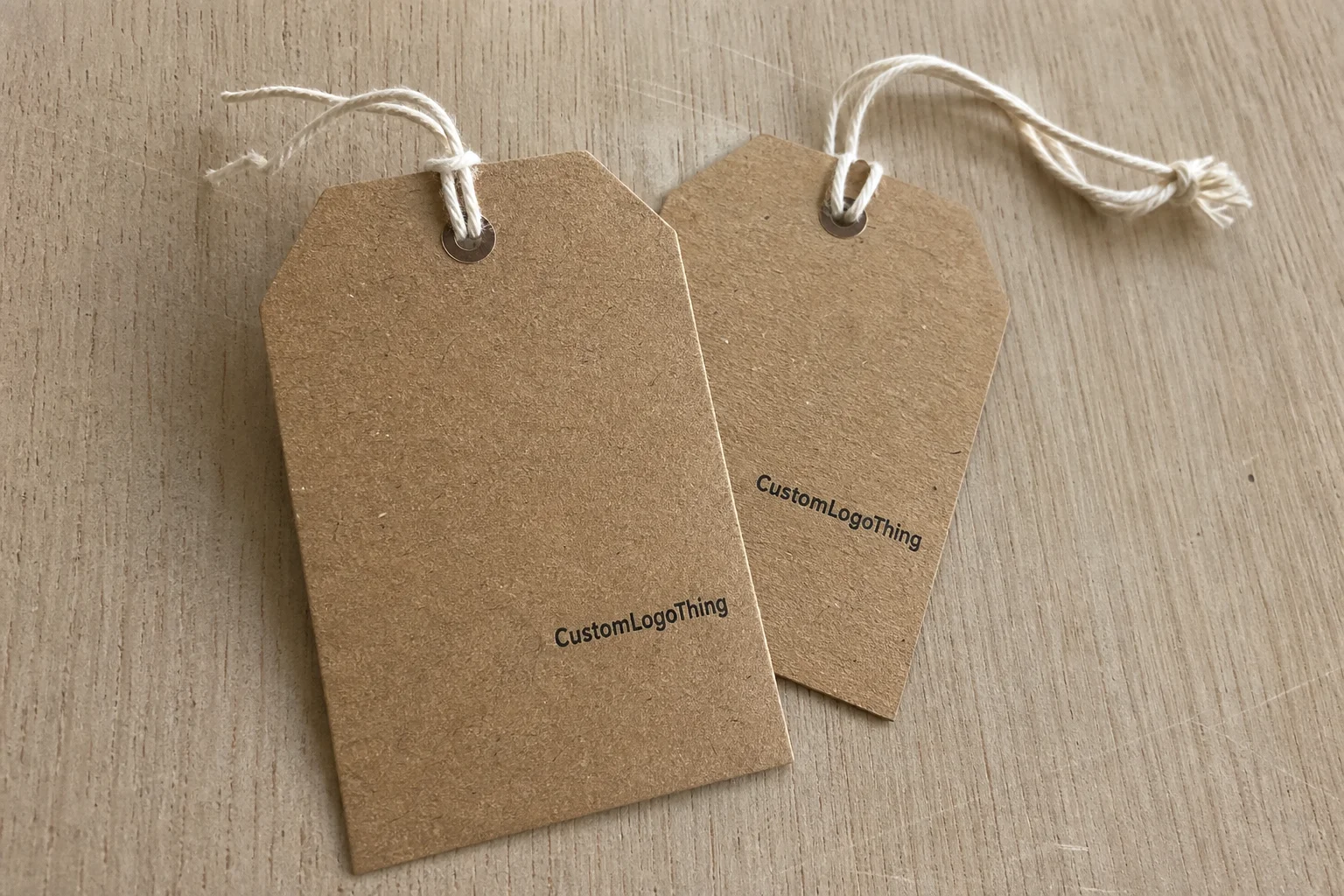
In packaging, what is post consumer kraft fiber usually shows up as brown kraft board, mailers, corrugated liners, sleeves, inserts, and lightweight cartons. The material often has a natural speckled appearance. That is normal. It can look excellent when the design respects the material instead of fighting it with bright solid fills and five spot colors pretending to be luxury. I once reviewed a natural kraft sample with a designer who wanted a full-coverage silver background on top of it. I had to pause and take a breath. Some ideas sound expensive because they are expensive. A better fit for this material is often a 350gsm C1S artboard-style structure for premium cartons or a 250gsm kraft liner for inserts, depending on the product weight and transit distance.
“I can tell within 30 seconds whether a buyer understands what is post consumer kraft fiber or just likes the sustainability copy.” That is what a mill rep told me after a very long sample review in Taiwan. He was not wrong.
Here is what it is not: it is not virgin kraft, it is not a magical eco-sticker, and it is not a guarantee that the rest of your packaging is well designed. A poorly sized carton made from what is post consumer kraft fiber can still waste material, crush in transit, or cost more than it should because someone guessed the caliper instead of specifying it. Sustainability without engineering is just expensive branding. Or, if I am being less polite, it is the kind of thing that makes operations people quietly sigh into their coffee. On a 10,000-unit order, a mis-specified board that is 0.2 mm too thin can increase the crush rate enough to erase the savings from choosing recycled stock in the first place.
Buyers care because what is post consumer kraft fiber affects real numbers. Print quality changes with the surface. Strength changes with the fiber mix. Certification claims change with the paper source. Pricing changes with recovered fiber availability and mill capacity. The smartest buyers treat material selection like procurement, not decoration. That approach saves money faster than any glossy sustainability deck ever will. A good quote might come back at $0.15 per unit for 5,000 pieces on a simple insert, while a more complex mailer with special creasing and a one-color print can land at $0.24 per unit even before freight from Shenzhen or Dongguan is added.
If you want a broader industry baseline, the EPA recycling resources and FSC’s chain-of-custody guidance at fsc.org are solid starting points. Not glamorous. Very useful. Also a lot less annoying than discovering, three weeks before launch, that your recycled-content claim has a documentation problem. In many sourcing projects, that problem costs more than the paper itself; a reprint in Shenzhen or Xiamen can easily run $2,000 to $8,000 depending on quantity and whether tooling needs to be adjusted.
How Post Consumer Kraft Fiber Works
What is post consumer kraft fiber doing from a production standpoint? Recovery comes first. Consumers toss paper products into recycling bins, curbside pickup, or commercial collection streams. Material recovery facilities sort the load by grade. Clean corrugated, office paper, and mixed paper are separated as well as the local system allows. That “as well as” part is where quality starts to vary. Human systems are messy. Anyone who has ever tried to sort a sample room after a trade show knows exactly what I mean. In large metro areas like Shanghai or Toronto, the collection stream is usually cleaner than in smaller regional hubs, which is why the source city matters when you compare quotes.
From there, the recovered material goes to a mill and gets repulped. The paper is mixed with water, broken down into fiber slurry, screened, and cleaned. If the stream needs it, de-inking comes next. Not every kraft grade needs the same level of de-inking, but contamination removal always matters. Staples, plastic labels, glue, food residue, and tape are all the little villains that end up in the reject pile. I have watched a mill operator pull melted sticker residue out of a line and mutter something I will not repeat here. I laughed later. Not in the moment. The moment was too sticky, literally and emotionally. A typical repulping cycle can run several hours at the mill, but the real variable is the contamination rate, which can shift from 2% to 12% depending on the input bale quality.
Once cleaned, the fiber is refined and formed into new sheet stock. Fiber length matters. Shorter fibers generally reduce strength, which is why not every what is post consumer kraft fiber grade performs the same way. Cleanliness and fiber integrity affect tear resistance, burst strength, stiffness, and how the sheet behaves on folding and gluing equipment. A nice-looking swatch means nothing if it jams your auto-folder for three hours. I have seen a production floor turn from calm to chaos over a “small” stiffness mismatch. Small problems in paper are rarely small once the machine starts moving. For example, a carton specified at 300gsm but delivered at a lower caliper can fold differently on a 1,200- to 1,500-box-per-hour line, which slows production and increases waste.
What is post consumer kraft fiber also sits in a different category than post-industrial fiber. Post-industrial material comes from production scrap, trimmings, and manufacturing waste. That can be useful, but it usually has less contamination and a more controlled source. Post-consumer material is recovered after use, which makes it more traceable from a consumer-waste perspective but also more variable. Industry loves making simple ideas sound complicated, then charging you for the confusion. I wish I were exaggerating. A plant in Dongguan may quote one recycled blend with 80% post-consumer fiber, while a converter in Ho Chi Minh City may offer a similar-looking sheet that is mostly post-industrial trim with only 20% consumer content.
Here is a simple recovery chain:
- Consumers discard paper products after use.
- Collection systems move the material to a sorting facility.
- The mill removes contamination and repulps the fiber.
- Refined stock is turned into kraft paper or board.
- The paper becomes mailers, cartons, inserts, or wraps.
For custom packaging, timing matters too. A typical source-to-production timeline for what is post consumer kraft fiber can run like this: 3-7 business days for sourcing and quoting, 5-10 business days for material sampling, 2-4 business days for artwork proofing, then 12-18 business days for manufacturing after approval. That is a normal range, not a promise engraved on stone. If freight is involved or the mill is backed up, add time. If your artwork gets revised four times because six people “just have one more comment,” add more time. I have seen a simple carton take three extra weeks because nobody agreed on whether “earth brown” was too dark. It was too dark. That was the answer. Nobody thanked me for it, but they used it anyway. For projects in North America, add another 5 to 9 business days for ocean freight if the order ships from Guangzhou or Ningbo.
For brands that need shipping verification, I always ask whether the intended packaging must meet performance tests like ISTA transit standards or ASTM material checks. If a supplier says what is post consumer kraft fiber is suitable for your product, ask them which test method they used and what the failure thresholds were. That is not being difficult. That is buying packaging like a grown-up. Frankly, it is less painful than dealing with a crushed shipment and a very angry operations manager. In many cases, a carton should be tested for compression, drop, and vibration before the final 10,000-piece run leaves a factory in Guangzhou, Suzhou, or Hangzhou.
Key Factors That Affect Quality and Cost
What is post consumer kraft fiber worth to you? The answer depends on several things, and the market is annoyingly good at changing them without warning. Recovered fiber availability is one. Contamination rate is another. Certification requirements also matter. A paper grade with FSC chain-of-custody paperwork, recycled-content documentation, and stricter moisture tolerances will cost differently than a plain commodity sheet. That surprises first-time buyers more than anyone else. I have seen the look on their faces when two quotes that seemed identical turned out to be separated by paperwork, freight, and one very stubborn mill minimum. In places like Jiangsu or Vietnam’s Binh Duong region, the same grade can move by 10% to 18% depending on whether the mill has excess capacity that month.
I have had procurement teams ask why what is post consumer kraft fiber is sometimes cheaper than virgin kraft, then turn around and ask why it is more expensive the next quarter. Both happen. When recovered fiber supply is strong and mills have capacity, prices can be competitive. When demand spikes or sorting quality drops, costs climb. Packaging fiber pricing is not a moral universe. It is a supply chain. A messy one, with moods. If a supplier is quoting from a mill in Qingdao one week and a backup plant in Foshan the next, the variation can show up as a $0.02 to $0.05 unit swing on a 5,000-piece order.
For context, a custom 2-piece folding carton in a standard what is post consumer kraft fiber grade might land around $0.18 to $0.32/unit at 5,000 pieces depending on size, print coverage, and finishing. The same structure in a higher-spec board with tighter print registration could be $0.27 to $0.48/unit. If you move to a simple mailer or insert, the unit cost can fall, but setup charges, shipping, and die costs still matter. That is where buyers get fooled. They stare at sheet price and ignore the rest of the invoice. Then they email me later asking where the savings went. It went to reality, which has the annoying habit of arriving with line items. A die-cut fee of $120 to $350 and a proofing charge of $25 to $75 can look small until they are spread across a short run.
Printability plays a major role in the conversation around what is post consumer kraft fiber. Natural brown tones are beautiful if your brand can work with them. Speckling can add texture and an honest recycled look. Kraft absorbs ink differently from coated white board, though. Fine serif type can fill in. Small reverse text can disappear. Metallic inks can look dull. If your brand lives on bright gradients and tiny legal copy, test before you buy 20,000 units and discover the limits the hard way. I have made that point in meetings so many times that I can practically say it in my sleep. A sample printed in Shenzhen on a 250gsm uncoated kraft sheet can look completely different from the same artwork run on a 350gsm C1S artboard in Dongguan.
Strength matters too. What is post consumer kraft fiber is often strong enough for mailers, folding cartons, and many corrugated applications, but moisture sensitivity is real. If your product ships through humid regions, cold-chain routes, or warehouse environments with poor climate control, ask for caliper, burst strength, and Cobb values where relevant. I once had a client in Singapore learn the hard way that a paper-based carton that looked great in a dry showroom can soften fast in a damp back-of-house receiving area. The line between “eco” and “failed shipment” is thin if nobody tests. And if the box smells like wet cardboard in a luxury retail setting, good luck recovering that first impression. A carton with a Cobb value below 40 g/m² may hold up better in humid markets like Hong Kong or Jakarta than a looser sheet with no moisture spec at all.
| Material Option | Typical Use | Approx. Unit Cost at 5,000 pcs | Strength / Print Notes |
|---|---|---|---|
| What is post consumer kraft fiber board | Mailer, insert, folding carton | $0.18 - $0.48 | Natural look, good recycled story, test print density |
| Virgin kraft board | Retail carton, premium shipper | $0.22 - $0.55 | More consistent color, usually cleaner print surface |
| Post-industrial recycled board | General packaging | $0.16 - $0.42 | Often more uniform than post-consumer material |
| Coated white SBS-style board | Premium retail packaging | $0.28 - $0.65 | Best for bright graphics, less natural recycled look |
Supplier choice also shifts the numbers. Mills such as Billerud, WestRock, and DS Smith may quote different grades, minimums, and lead times for what is post consumer kraft fiber depending on region and paper machine availability. A quote from one mill can look brilliant until you realize freight from their plant to your converter adds $0.06/unit and the MOQ is 12,000 sheets. I once negotiated a West Coast replenishment order that looked great on paper until the inland trucking line item wiped out half the margin. Fun times. Not. The spreadsheet was smiling at me like a liar. In Europe, freight from a mill near Hamburg or Rotterdam can be far lower than a truck-plus-ocean route from East Asia, which is why the manufacturing region should be part of the quote from day one.
There is also the matter of certification. If your brand wants FSC labeling or documented recycled content, that can increase admin time and sometimes the price. Not always by much, but enough to matter on high-volume runs. If the supplier cannot provide chain-of-custody records, you may be buying a nice story instead of a compliant material. I have seen that mistake create reprint costs north of $8,000 when legal teams asked for proof after launch. Very educational. Very expensive. Also very quiet in the room when everyone realizes the “easy” option was not actually easy. In some projects, the paperwork adds 2 to 4 business days before the purchase order can even be released.
How to Choose the Right Kraft Fiber
What is post consumer kraft fiber supposed to do for your packaging? Start there. Not with a material catalog. Start with the actual packaging job. A mailer needs different performance than a retail sleeve. An insert has different needs than a shipping box. If you choose the fiber first and the structure second, you are working backward. I have seen brands do it because the recycled story sounded good in a meeting. Then they paid to redesign the packaging three months later. Charming. A beauty brand in Paris may want a 250gsm insert and a premium 350gsm C1S artboard carton, while a subscription box in Dallas may do better with a 280gsm kraft mailer and a reinforced corner fold.
Step one is defining the use case. Is it a mailer, folding carton, sleeve, insert, or lightweight e-commerce box? That decision affects caliper, stiffness, folding behavior, and print method. Step two is setting the sustainability goal. Do you need a target recycled content percentage? FSC mix certification? Lower virgin fiber use? Compostability is a different conversation entirely, and no, what is post consumer kraft fiber is not automatically compostable just because it looks earthy and has a nice Instagram life. I wish packaging behaved as neatly as a social post. It absolutely does not. A target like 60% post-consumer content is more actionable than a vague “eco-friendly” request, and it gives the mill something measurable to quote.
Step three is asking for spec sheets and samples. I want GSM, caliper, brightness, recycled-content breakdown, and surface finish in writing. If the supplier only sends a pretty swatch and a vague sentence about “eco-friendly kraft,” I assume they are either lazy or trying to sell me a story. Then I ask for another sample from a different mill. One sample is luck. Two samples start to tell the truth. Three samples usually tell me who can actually ship on time. A clean spec sheet might show 300gsm, 0.42 mm caliper, uncoated finish, and 70% post-consumer fiber, which is a lot more useful than a poetic adjective.
Step four is certification proof. If your claims need to stand up in front of compliance, ask for documentation before the order moves. That can include FSC chain-of-custody details, recycled-content declarations, and relevant test records. If the supplier says what is post consumer kraft fiber is “basically the same” as recycled kraft, keep asking. That sentence has caused more claim confusion than I care to count. It is the paper equivalent of saying, “Trust me.” I never do, and I do not recommend you start. A supplier in Shenzhen or Ningbo should be able to provide PDFs within 24 to 48 hours, not “after the shipment leaves.”
Step five is testing with your actual artwork. I cannot stress this enough. A swatch without your logo is theater. Your real file will show you whether the type is legible, whether the dark brown background swallows fine details, and whether the ink density feels premium or muddy. We once tested a folding carton for a beauty brand using a deep green logo on natural kraft. Nice idea. Terrible contrast. We changed the ink to black and added a small blind emboss. Order saved. Egos slightly bruised. Everyone survived. And yes, one person still insisted the original would have “grown on people.” It would not have. A proof approved in Guangzhou on Tuesday can save a 15,000-piece run from a very expensive color correction on Friday.
Quick comparison points
- GSM: impacts stiffness and feel.
- Caliper: impacts box rigidity and protection.
- Brightness: impacts print contrast and color accuracy.
- Recycled-content proof: impacts claim support.
- Moisture resistance: impacts shipping durability.
If you are sourcing what is post consumer kraft fiber for ecommerce, ask for drop-test guidance and carton compression data. If your product is retail-facing, ask for print mockups and shelf mockups. If you are shipping supplements, cosmetics, or fragile accessories, ask for insert performance too. That little piece of paper can make or break the unboxing experience, and no, the consumer does not care that your sustainability report was beautiful. They care that the product arrived intact. Consumers forgive a lot. A crushed item is not one of those things. In a 2,000-unit pilot, a simple compression test can reveal whether the board survives 6 to 8 weeks in storage or fails after one humid week in transit.
Common Mistakes Brands Make With Post Consumer Kraft Fiber
The biggest mistake I see with what is post consumer kraft fiber is mixing up “recycled content” with “post-consumer content.” Those are not the same claim. Recycled content can include post-industrial scrap. Post-consumer content comes from used consumer products. If you blur those lines in a sustainability statement, someone in compliance is going to notice, and they will not be delighted. I have been in that room. The silence is never cheerful. In the worst cases, the legal review adds 5 to 10 business days to launch, which is enough to miss a retail window in Chicago, London, or Seoul.
Another common mistake is choosing the paper before the packaging structure. I have watched teams approve what is post consumer kraft fiber because they loved the brown aesthetic, then discover the box needed more stiffness than the chosen grade could deliver. The fix was a thicker board, which raised cost by 14% and changed the fold behavior. You can avoid that by designing from function outward, not from a Pinterest board inward. That’s the part people hate hearing, which is probably why they need to hear it. A switch from 250gsm to 350gsm can solve the crush issue, but it can also require new creasing and longer setup time at a factory in Dongguan or Suzhou.
Moisture is another underpriced problem. People love to talk about recycled fiber and forget that paper is still paper. If your product is going through humid warehouses, long ocean freight, or refrigerated distribution, test it. Burst strength and moisture sensitivity are not side issues. They are the difference between a package that looks good in the mockup and one that survives the route. I have seen a shipment look pristine at departure and arrive with corners sagging like it had a bad week. A carton that performs well in a dry 22°C showroom may fail after 14 days in a 30°C port warehouse.
There is also the shelf-appeal trap. What is post consumer kraft fiber has a strong natural aesthetic, but that does not mean every brand should lean into raw brown and call it premium. Some brands need clarity, contrast, and white space. Others need texture and understated print. I had a client in specialty coffee insist on very dark brown kraft for a retail sleeve, then complain the logo disappeared under store lighting. Right. Because dark brown on dark brown is a choice. Not a good one, but a choice. The product looked like it was trying to hide from customers. A better route would have been a lighter 300gsm kraft board with a black one-color print and a matte varnish.
And then there is order quantity. Too small, and your unit cost gets ugly fast. Too large, and you sit on inventory because the launch date changed. For what is post consumer kraft fiber projects, I usually prefer a pilot order of 500 to 2,000 units when the structure or print is new. It is enough to reveal problems without tying up too much cash. Going straight to 15,000 units because “we’re confident” is how people end up with expensive storage and a very motivated finance team. I have seen warehouses full of confidence. They are not as inspiring as they sound. A warehouse in Los Angeles or Rotterdam can charge $0.35 to $0.80 per pallet per week, which adds up fast.
Expert Tips for Better Results and Faster Approvals
If you want better results with what is post consumer kraft fiber, simplify the artwork. High contrast usually wins. Black, white, and one accent color often outperform busy graphics on natural kraft. Fine lines, tiny reversed type, and delicate gradients can look muddy. I am not saying minimalist design is always better. I am saying kraft paper is not going to pretend to be coated art paper just because your designer believes hard enough. I have tried diplomacy; kraft still wins. A one-color print on a 280gsm brown board in Dongguan often looks cleaner than a four-color build that was never meant for uncoated stock.
Ask suppliers for tolerance ranges early. I want to know acceptable variation in color, caliper, and print registration before we lock the job. That avoids the awkward moment when the first production run comes back with a 6% shade shift and everyone acts shocked. It was never shocking. It was undocumented. A lot of packaging problems are like that: not surprises, just badly discussed facts. If the supplier says color variation of Delta E 2 to 3 is normal on recycled kraft, that is a much better conversation than discovering it after 8,000 units have already been packed.
Build time for physical samples into the schedule. For a custom what is post consumer kraft fiber carton, I like to allow 5-8 business days for material samples and another 3-5 business days for revised proofs if the first round needs work. If the supplier is offshore and the job is highly customized, add a cushion. I have had a client lose a full retail window because they wanted sample approval by committee and the committee met only on Thursdays. That is not a sourcing strategy. That is a calendar problem wearing a suit. For a project with a mid-July launch, I would want proof approval by early June, not the week before freight booking.
Use a checklist. Mine usually includes:
- Thickness: GSM and caliper in writing.
- Recycled content: exact percentage and source type.
- Finish: matte, uncoated, or coated.
- Foldability: die-cut and crease performance.
- Print method: offset, flexo, digital, or screen.
- Claim support: FSC, chain-of-custody, or recycled-content docs.
Negotiate like someone who reads the whole quote. Do not obsess over the sheet price and ignore setup fees, plates, freight, and packaging. A supplier can quote what is post consumer kraft fiber at a lovely Price Per Unit, then bury you in tooling or delivery costs. I have seen a $0.04 difference in sheet price become meaningless after a $580 plate charge and a $240 freight adjustment. Numbers have a way of telling the truth when sales language does not. On a 5,000-piece run, those “small” charges can change your landed cost by 8% to 12%.
One more thing: ask for a test run if the product is important. Not every job needs it, but if you are launching a national roll-out or making claims you care about, a small pilot catches problems cheaply. That is the difference between a controlled correction and a panic reorder. I will take boring and accurate over exciting and expensive every single time. My opinion? Boring is underrated in packaging. Boring gets delivered. A pilot in one warehouse in Dallas or one fulfillment center in Frankfurt is far cheaper than correcting a bad full launch after 20,000 units have shipped.
Next Steps: How to Source It the Smart Way
What is post consumer kraft fiber supposed to do for your business? First, audit your packaging SKUs. Identify which products genuinely benefit from it and which ones still need virgin fiber or a different board grade. A luxury skincare carton and a heavy-duty mailer do not share the same needs. I know that sounds obvious. You would be amazed how often it gets ignored in the rush to sound sustainable. The phrase “we want everything recycled” shows up in meetings right before someone discovers the structure can’t survive a 2-foot drop. In practice, a cosmetic box in 250gsm kraft may be perfect for a 120g serum bottle, while a shipping mailer for a 1.5kg item may need a corrugated liner and a stronger flute.
Then request two to three material options from suppliers. Compare them on performance, cost, documentation, and print behavior. Ask for actual spec sheets, not recycled marketing language. If a supplier cannot explain what is post consumer kraft fiber in their own quoted grade, keep moving. A good vendor can tell you the source type, approximate recycled percentage, lead time, and trade-offs without sounding like they are reciting a perfume ad. If they sound like they are selling a lifestyle instead of paper, I get suspicious fast. The best quotes usually include manufacturing location, such as Shenzhen, Dongguan, or Suzhou, plus the exact board spec, like 300gsm uncoated kraft or 350gsm C1S artboard.
Run a small pilot order before you commit to the full roll-out. That pilot should test transit durability, print contrast, and assembly speed. For ecommerce packaging, I want the pilot moved through real warehouse handling. For retail cartons, I want at least one mock shelf test under normal lighting. People underestimate lighting. A packaging sample under bright studio LEDs and the same sample under a store shelf can look like two different products. Physics is rude that way. So is fluorescent lighting. It has never made anyone look better. A 500-piece pilot in Hong Kong or Los Angeles can tell you more than a perfect mockup ever will.
Document internal approvals before launch. Marketing needs to agree on claim wording. Operations needs to agree on dimensions, pack-out, and lead times. Compliance needs to see the paperwork. If everyone is aligned before production, reorder time drops and mistakes shrink. If they are not aligned, you will spend half a day in email threads debating whether “post-consumer” needs a hyphen while the supplier waits for a deposit. I have lived that sentence, unfortunately. Once was enough. A clean approval chain can shave 2 to 3 business days off the schedule, which matters if your freight pickup is booked for Thursday afternoon.
Finally, create reorder triggers. Write down the final specification, approved sample reference, and minimum inventory point. When the next order comes up, you want a clean path back to the same what is post consumer kraft fiber grade without re-litigating the whole project. That alone saves weeks and prevents the classic “it looked different this time” conversation, which is the packaging version of a slow headache. Worse, it usually happens right before a launch, which is a spectacularly bad time to discover memory is not a process. If your reorder point is 2,000 units and lead time is 15 business days from proof approval, you can avoid an emergency freight charge that might add $0.10 to $0.18 per unit.
If you are sourcing custom packaging through Custom Logo Things, I would start with a short spec sheet, two sample options, and a pilot quantity in the 500 to 2,000 range. That keeps risk low and gives you real data instead of nice guesses. In packaging, guesses are expensive. And for some reason, they always seem to get more expensive after everyone has already said, “It should be fine.” A simple brief with the target city, board weight, print colors, and delivery date can cut back-and-forth emails from 12 messages to 4.
FAQs
What is post consumer kraft fiber in simple terms?
It is kraft paper fiber made from paper products that consumers already used and discarded. That recovered material is sorted, cleaned, pulped, and remade into new packaging paper. In a typical mill in Guangdong or Zhejiang, that conversion can take several stages of screening before the sheet is ready for packaging use.
Is post consumer kraft fiber the same as recycled kraft paper?
Not exactly; recycled kraft can include post-industrial scrap, while post consumer kraft fiber comes specifically from used consumer products. If you need a stronger sustainability claim, ask for the exact recycled-content breakdown, including the post-consumer percentage and the mill location.
Does post consumer kraft fiber cost more than virgin kraft?
Sometimes yes, sometimes no; pricing depends on recovered fiber supply, mill capacity, and certification requirements. For custom packaging, setup fees and order volume can matter more than the raw sheet price, especially on 5,000-piece or 10,000-piece runs.
What packaging works best with post consumer kraft fiber?
It works well for mailers, folding cartons, sleeves, inserts, and lightweight shipping boxes. For wet, oily, or high-abrasion applications, you need to test durability before committing, ideally with the exact GSM and caliper you plan to order from a factory in Shenzhen, Dongguan, or Suzhou.
How do I verify a supplier’s post consumer claims?
Ask for spec sheets, recycled-content documentation, and chain-of-custody or certification records when relevant. Request samples and compare the material to the written claim before you place a full order, and confirm the lead time in business days rather than vague calendar estimates.
So what is post consumer kraft fiber? It is a useful, real packaging material with a legitimate sustainability story, specific sourcing requirements, and very real performance trade-offs. If you treat what is post consumer kraft fiber as a design and procurement decision instead of a buzzword, you will get better print results, cleaner claims, and fewer production surprises. That is the point. If someone in a meeting says “it’s just brown paper,” let them say it twice, then ask for the spec sheet, the test data, and the chain-of-custody record. In packaging, the samples always end up having the last word.
Related packaging resources
Use these related guides to compare specs, costs, quality checks, and buyer decisions before making the final call.