Buyer Fit Snapshot
| Best fit | Price per Unit Custom Poly Mailers Bulk projects where brand print, material claims, artwork control, MOQ, and repeat-order consistency need to be specified before quoting. |
|---|---|
| Quote inputs | Share finished size, material target, print colors, finish, packing count, annual reorder estimate, ship-to region, and any compliance wording. |
| Proofing check | Approve dieline scale, logo placement, barcode or warning zones, color tolerance, closure strength, and carton packing before bulk production. |
| Main risk | Vague material claims, crowded artwork, missing packing details, or unclear freight terms can make a low unit price expensive after revisions. |
Fast answer: Price per Unit Custom Poly Mailers Bulk: Film, Print, MOQ, and Carton Packing should be specified like a repeatable production item. The safest quote records material, print method, finish, artwork proof, packing count, and reorder notes in one written spec.
Production checks before approval
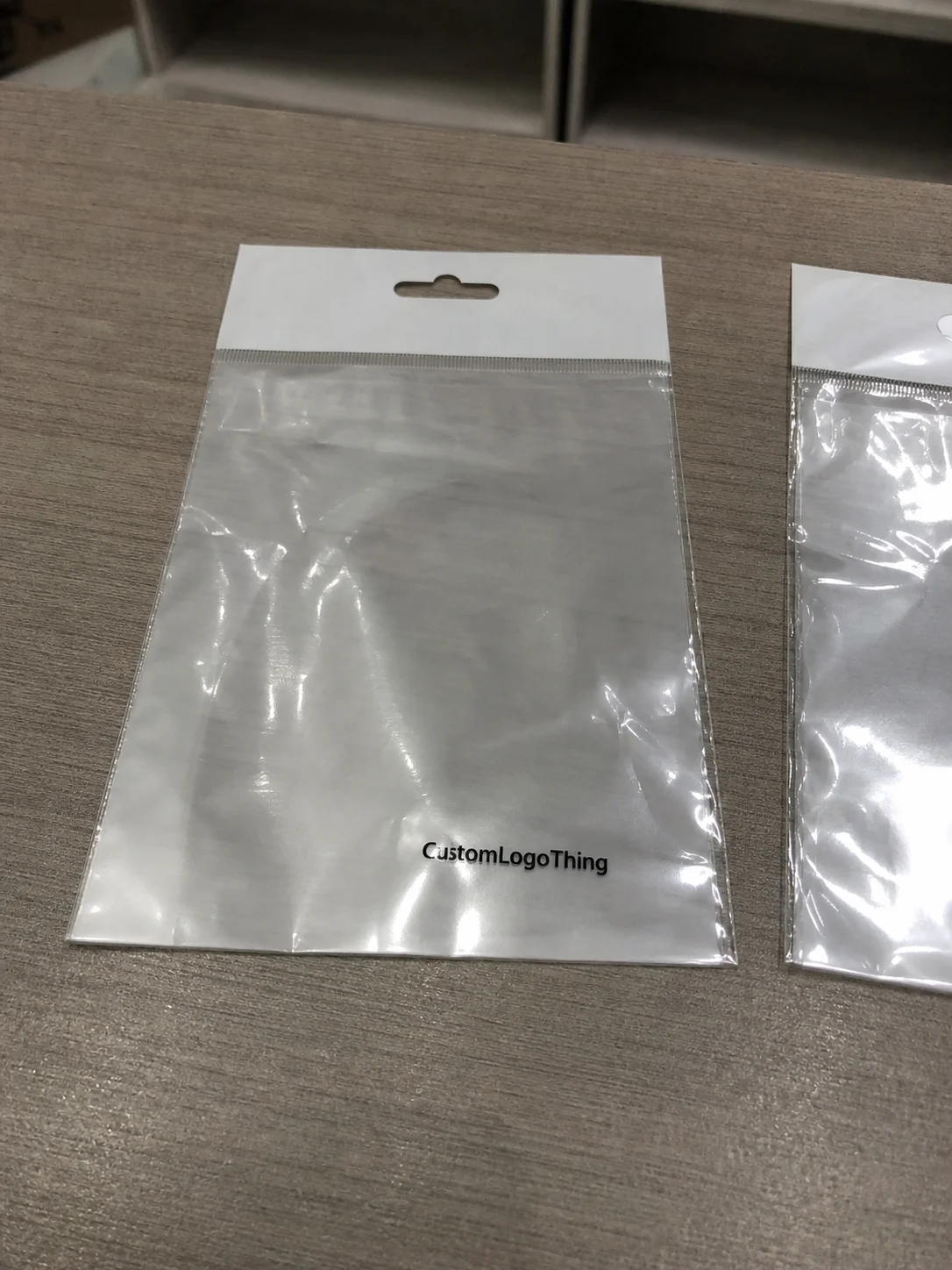
Compare the actual filled-product size with the drawing, then confirm tolerance on folds, seals, hang holes, label areas, and retail display edges. Reserve space for logos, QR codes, warning copy, and material claims before decorative graphics fill the panel.
Quote comparison points
Review material grade, print process, finish, sampling route, tooling charges, carton quantity, and freight assumptions side by side. A quote is only useful when the supplier can repeat the same color, closure quality, and packing count on the next order.
Price per unit Custom Poly Mailers bulk quotes can look low right up until the factory adds thicker film, extra colors, freight, and setup fees that show up after you’ve already burned half a morning on the order. I remember one Shenzhen supplier scribbling a $0.08 unit price on a notepad, then casually adding a $240 plate charge and a $380 shipping surprise like it was weather news. Not a bargain. More like a trap wearing a discount sticker. For a 5,000-piece run shipped to Los Angeles, that kind of surprise can turn a quote from $0.08 per unit into a landed cost closer to $0.15 per unit before customs or local delivery are even counted.
the team is Sarah Chen, and after 12 years in custom printing, I can tell you this: the real price per unit Custom Poly Mailers bulk is never just the bag cost. It’s the bag, the print method, the size, the thickness, the adhesive, the carton packing, and the freight from point A to your dock. If you compare only one number, you’re comparing fiction. For buyers at Custom Logo Things, that usually means wasted time and avoidable reorders on branded packaging that should have been right the first time. Honestly, I think that’s the packaging version of buying a cheap umbrella in a storm and acting shocked when it folds backward. A 10 x 13 inch, 3 mil mailer made in Dongguan, for example, will price very differently from a 14 x 19 inch, 4 mil mailer coming out of Ningbo.
I push people to ask for a full landed quote, not a shiny headline number, for a reason. In one client meeting, a subscription apparel brand brought me three quotes for the same price per unit Custom Poly Mailers bulk order. Two looked nearly identical. The third was “cheaper” by 11%. Once we dug in, the cheap quote used thinner 2.2 mil film, a weaker seal, and no carton optimization. One truckload later, the savings were gone. Math has a cruel sense of humor (and it rarely returns your emails). When the order volume hit 20,000 pieces, the supplier with the lower sticker price still lost once the buyer added $520 in freight and a $90 setup fee.
Price Per Unit Custom Poly Mailers Bulk: Why the Cheapest Quote Usually Costs More
The lowest quote often comes from somewhere inconvenient. Thinner LDPE film. Lower-grade adhesive. Fewer quality checks. Freight that gets “recalculated” after approval. we have seen it more than once on factory floors, especially with first-time buyers who only ask for unit price and never ask what’s inside the bag. we have also seen people celebrate a low quote and then spend the next two weeks untangling it like a phone charger in a jacket pocket. A warehouse in Atlanta learned this the hard way after a 12,000-piece shipment arrived with flap lift on nearly 8% of cartons because the seal strip was too short by 6 millimeters.
The smarter way to evaluate price per unit custom poly mailers bulk is to compare four things at once: material thickness, print coverage, order quantity, and shipping method. If one supplier quotes 3 mil with one-color logo print and another quotes 2.5 mil with full-bleed coverage, those are not comparable. The same goes for a 5,000-piece order versus 20,000 pieces. Unit price drops with volume, yes. Setup cost, proofing, and freight still matter. A batch of 5,000 pieces might sit at $0.15 per unit, while 20,000 pieces can fall to $0.11 per unit if the size, ink coverage, and packing density stay identical.
Here’s what buyers miss most:
- Plate charges for flexographic printing. Usually $60 to $180 per color, depending on complexity.
- Artwork setup fees for dielines, file cleanup, and print prep. we have seen $35 to $120.
- Bag size changes, which add material usage fast. A 14 x 19 inch mailer costs more than a 10 x 13 inch mailer because you’re literally buying more film.
- Outer carton packing density, which affects freight. A tight pack of 500 bags per carton saves space. Bad packing burns money.
- Adhesive upgrades for stronger tamper evidence. That can add a few cents per bag, which sounds tiny until you order 30,000.
Too many buyers shop for price per unit custom poly mailers bulk the way they shop for coffee. Lowest sticker price. End of story. That works until a bag splits at the seam or the adhesive fails in humid transit. Then they’re paying for reprints, customer complaints, and replacement shipments. Great savings. Terrible business. the production team receives why people do it, though. The quote looks neat, your spreadsheet looks calmer, and then the universe decides to test your patience. In Miami in August, a 2.2 mil bag with a weak peel strip can fail faster than a cheaper notebook in rain.
“The cheapest mailer is expensive the moment it tears, peels open, or makes your brand look sloppy.” That’s what I told a fashion client after their first bulk shipment arrived with weak seals and crooked print alignment. We were looking at 7,500 bags produced in Shenzhen, and the issue showed up on the first pallet, not the last.
For buyers comparing suppliers, the fair quote should include the bag spec, print spec, quantity, packaging method, and delivery terms. If those five pieces aren’t written down, the number is basically a guess. we have negotiated with factories like Shenzhen Yutong and several long-running LDPE converters in Dongguan and Xiamen, and the best ones never hide the spec sheet. They know the product will speak for itself. If a supplier can quote a 3 mil matte-white mailer with one-color black ink, 5,000 pieces, and FOB Shenzhen, then you can actually compare it against another offer line by line.
If you’re also building a broader product packaging system, it helps to view mailers alongside Custom Packaging Products and not as an isolated line item. The mailer should match your broader package branding, whether you’re using cartons, tissue, inserts, or Custom Printed Boxes. A mailer printed in Guangzhou with a 1-color logo can still feel premium if your inserts and cartons use the same Pantone 286 C or a comparable navy tone.
Product Details: What You’re Actually Buying in Custom Poly Mailers
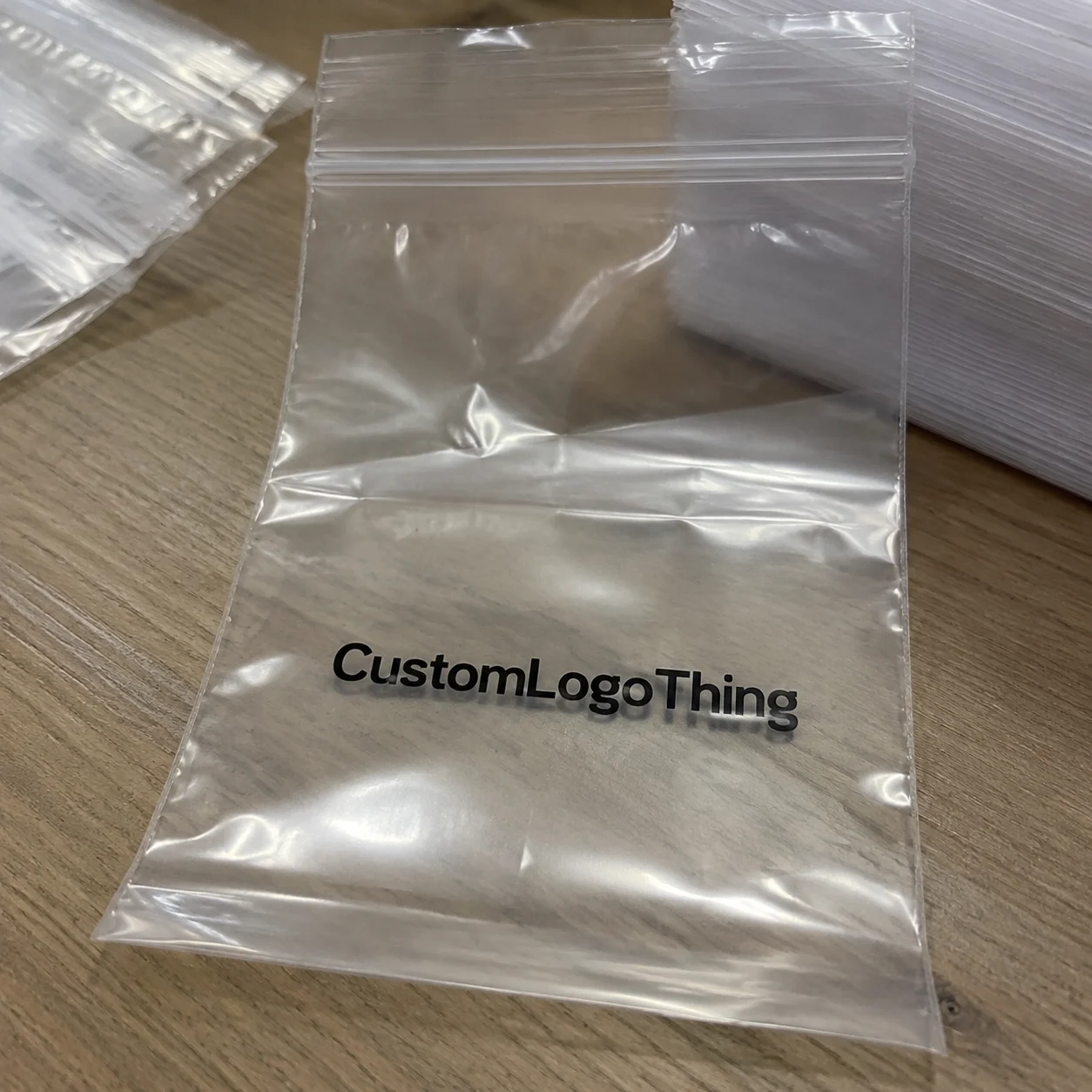
A custom poly mailer is usually a co-extruded LDPE or PE bag with a self-sealing adhesive flap, printed on the outside and used to ship lightweight goods. Most of the time, the structure includes an outer printable layer, an inner layer for privacy, and a pressure-sensitive seal strip. Simple on paper. Not always simple in production. we have watched perfectly “simple” jobs turn into a three-hour discussion because someone wanted the logo five millimeters larger. Five. Millimeters. The printer was not amused, and frankly neither was I. On a 12 x 15 inch mailer, even that tiny change can push the print closer to the flap and force a new plate layout.
For e-commerce brands, this is one of the cheapest ways to add visible branding without moving into a full carton program. Apparel, socks, cosmetics, swimwear, supplements, and small accessories all ship well in poly mailers if the weight and fragility are appropriate. A lot of brands use them because they balance speed, price, and presentation. That’s the sweet spot for retail packaging that still needs to survive transit. A 6-ounce folded t-shirt in a 2.5 mil mailer from Foshan can ship cleanly, while a boxy accessory set may need 3 mil or stronger.
When I visited a factory in Guangdong, I watched operators run a batch for a skincare subscription brand that wanted a matte black outer finish, white logo print, and black inner layer for privacy. The buyer thought the “black bag” was one material choice. It wasn’t. The matte finish alone changed the film cost, and the opaque inner layer added another step. That’s why price per unit custom poly mailers bulk changes so fast once design gets involved. A matte black, 3 mil, two-color mailer made in Shenzhen may cost $0.13 at 10,000 pieces, while a glossy white version of the same size can land closer to $0.10.
Common custom options include:
- Logo printing in one color or multiple colors
- Matte or glossy film
- Opaque, white, gray, pink, black, or custom color film
- Recycled content or PCR blends
- Tamper-evident adhesive with strong peel resistance
- Dual seal options for returns or re-use
Stock mailers are cheaper because the factory already made them. Custom-printed bulk mailers cost more because someone has to prepare the file, create the plate or print screen, match the color, and run your order separately. That extra work is where branding value lives. If your packaging matters, then yes, you pay for it. That’s not a scam. That’s manufacturing. A custom run out of Guangzhou with a die-cut flap, for instance, will need more setup time than a generic unprinted bag sitting in inventory.
For buyers who want to compare mailers to other formats, I usually explain it like this: custom poly mailers are efficient brand carriers, while custom printed boxes are more structural and premium. You don’t choose one because it sounds fancy. You choose based on product weight, shipping method, and the kind of unboxing experience you want. Some brands even combine them: box for retail, mailer for fulfillment. Smart. Practical. No drama. A 350gsm C1S artboard box, for example, behaves very differently in transit than a 3 mil poly mailer, even if both carry the same logo.
If you’re sourcing through our Custom Poly Mailers category, the main job is matching your product dimensions and branding goals to the right film, seal, and print format. That’s where the pricing starts to make sense. A 9 x 12 inch bag for a flat apparel shipment will not price like a 14 x 20 inch gusseted bag for bulkier items, and the difference can be as much as $0.04 to $0.07 per unit depending on quantity.
Specifications That Change Price Per Unit Custom Poly Mailers Bulk
Size is the first thing that changes price per unit custom poly mailers bulk. A 6 x 9 inch mailer uses less material than a 14 x 19 inch mailer, and material usage is the biggest raw cost driver after print coverage. Bigger bag, bigger price. Nothing mysterious there. A 6 x 9 inch unprinted bag might start near $0.06 at high volume in Shenzhen, while a 14 x 19 inch printed version can climb to $0.18 or higher because of the extra film area alone.
Thickness matters just as much. I usually see three common ranges:
- 2.5 mil: good for light apparel and lower-risk shipments
- 3 mil: the most common balance of cost and durability
- 4 mil: heavier-duty, better for sharper corners or higher-value items
If you’re shipping a 6-ounce t-shirt, 2.5 mil might be fine. If you’re mailing denim, boxes of accessories, or anything with sharp packaging edges, I’d lean toward 3 mil or 4 mil. Yes, that raises the price per unit custom poly mailers bulk. It also lowers the odds of damage. Replacing one failed shipment can wipe out the savings from 500 cheaper bags. we have watched brands learn that the hard way, and nobody looks happy opening that spreadsheet. A boutique in Austin once saved roughly $120 on a 5,000-piece order and then paid more than that to resend 61 damaged packages.
Print specs change price too. One-color logo print is the most efficient option. Two colors cost more. Full-bleed coverage costs more again because the ink coverage is heavier and the setup is more demanding. Registration has to stay tight, especially on glossy film where misalignment is easy to spot. If you want a metallic effect, a soft-touch finish, or a custom PMS match, the quote will reflect that. A one-color logo on a matte white 3 mil mailer might cost $0.12 per unit at 10,000 pieces, while a full-bleed black-and-white design can reach $0.17 or $0.18 per unit.
Here’s a quick comparison of common options and how they affect price per unit custom poly mailers bulk:
| Spec | Typical Use | Cost Impact | Notes |
|---|---|---|---|
| 2.5 mil, one-color print | Light apparel, socks | Lowest | Best for lower-weight items and simpler branding |
| 3 mil, two-color print | Most e-commerce orders | Moderate | Good balance for durability and brand visibility |
| 4 mil, full-bleed print | Premium branding, heavier goods | Highest | More material, more ink, more setup |
| PCR recycled film | Sustainability-focused brands | Varies | Can increase cost depending on resin market and color consistency |
Adhesive strength sounds boring until packages reopen in transit. Then it becomes exciting in the worst way. I ask factories for peel testing because weak adhesive can destroy a strong order. Strong seal, proper flap length, and consistent pressure-sensitive glue matter more than many first-time buyers realize. A 30 mm adhesive strip can behave very differently from a 20 mm strip, especially in humid shipping routes through Houston or Singapore.
Recycled content is another cost variable. PCR film can support sustainability claims, but it is not always the cheapest choice and not always the cleanest-looking choice either. Color consistency can vary. The odor can be different. The film handfeel can change. we have stood on lines where the production team had to slow down just to keep the print from drifting on recycled resin. Good for the planet? Potentially. Free? Definitely not. A 30% PCR blend from a converter in Ningbo may add $0.01 to $0.03 per bag depending on market resin prices and how strict the color tolerance is.
For buyers who care about standards, I like to reference testing and material guidance from authority bodies such as the ISTA shipping test framework and the EPA pages on packaging and waste reduction. If your mailer needs to survive distribution abuse, test it. Don’t guess. A 1-meter drop test in Chicago tells you more than a glossy mockup ever will.
What Affects Price Per Unit Custom Poly Mailers Bulk Quotes the Most?
If you want the short version, here it is: size, thickness, print coverage, quantity, and freight are the biggest drivers of price per unit custom poly mailers bulk. The longer version is more interesting, because each factor changes the quote in a different way. Size drives material usage. Thickness changes resin cost and durability. Print coverage changes setup and ink use. Quantity spreads the fixed costs. Freight can erase every nice number in the first four lines if it’s not calculated properly.
Think of it like this. A 10 x 13 inch 3 mil mailer with one-color print is not the same product as a 14 x 19 inch 4 mil mailer with full-bleed artwork, even if both are called “custom poly mailers.” The first may sit around $0.11 to $0.14 per unit at scale. The second may land closer to $0.16 to $0.20 per unit, depending on market conditions and the shipping lane. Same category. Different math. Different outcome.
Location also matters. Factories in Shenzhen, Dongguan, Foshan, and Ningbo may quote differently based on resin access, labor patterns, and transit to port. That doesn’t mean one city is better than another. It means the landed cost changes from one production hub to the next. we have seen a buyer save on factory price only to spend more getting cartons moved to the port because the supplier was inland and the schedule was tight.
Then there’s packaging efficiency. A tightly packed carton reduces dimensional weight. A loose pack can quietly inflate freight. If one supplier puts 500 bags per carton and another puts 250, the quote may look the same until the shipment hits the carrier’s calculator. That’s how price per unit custom poly mailers bulk becomes a freight story instead of a production story.
Finally, there’s proofing. Small jobs often get treated casually, but proofing is where expensive mistakes get caught. A misaligned logo, a wrong Pantone, or a reversed flap can kill a run before it starts. A $20 or $30 proof is cheap compared with reprinting 10,000 bags. In one case, a proof caught a typo in the website address and saved a client from a full re-run of their entire mailer order.
So yes, the unit cost matters. But the real question is whether the supplier has built the price around your actual spec or around a generic placeholder. That’s the difference between a useful quote and a decorative one.
Pricing & MOQ: How Bulk Orders Are Actually Quoted
Manufacturers quote price per unit custom poly mailers bulk based on size, thickness, print coverage, and quantity tier. That part is standard. What changes is how they package the quote. Some quote just factory price. Some include shipping. Some bury proofing. Some give you a number that looks good until you realize it excludes cartons, tax, and anything else mildly inconvenient. I once saw a quote that looked beautifully competitive until we realized the supplier had somehow “forgotten” ocean freight. A classic little surprise. Very festive. For a Shanghai-to-Long Beach shipment, that omission added almost $700 to the landed total on 15,000 bags.
The best bulk pricing model is simple:
- Unit price
- Setup or plate charge
- Proofing or sample fee
- Freight
- Duty or tax, if applicable
If the supplier cannot show you those five items clearly, the quote is incomplete. That affects price per unit custom poly mailers bulk more than the headline number does. I’d rather see a real $0.18 unit with transparent freight than a fake $0.12 quote padded later by fees and guesswork. A buyer in Dallas once chose the cheaper number and later discovered the freight line was missing a $310 surcharge because the cartons exceeded the originally promised pallet count.
MOQ usually starts in the low thousands for custom work. A 3,000-piece run is common for straightforward one-color printing. For more complex work, especially full-color or special finishes, the MOQ might move to 5,000 or 10,000 pieces. Lower MOQs are possible, but the unit price climbs because the setup cost gets spread across fewer bags. A 3,000-piece order in Dongguan with one-color print might come in at $0.19 per unit, while 10,000 pieces can drop to $0.13 per unit if the design stays unchanged.
I had a cosmetics founder ask me for a 1,000-piece custom run with three print colors and a matte finish. I told her the math straight: the price per unit custom poly mailers bulk would be ugly at that quantity. We moved to 5,000 pieces, cut the per-bag cost by a meaningful amount, and the brand saved enough to invest in better packaging design for inserts. That’s the kind of decision that improves the whole package, not just one line item. The final landed price fell from roughly $0.24 to $0.16 per unit once the order scaled.
Here’s a practical pricing framework you can use when comparing suppliers:
- Under 3,000 pieces: expect higher unit cost and limited flexibility
- 3,000 to 10,000 pieces: common bulk range with decent cost control
- 10,000+ pieces: best unit economics if storage and cash flow allow it
For repeat buyers, Wholesale Programs can improve consistency, but only if the specs stay stable. Change the size, change the film, change the print, and you’re back to re-quoting. That’s not a bad thing. That’s how manufacturing works. A repeat 20,000-piece order with the same 12 x 15 inch, 3 mil spec can hold pricing far better than a constantly changing art file and a new carton count every quarter.
One more thing: always ask whether the price includes outer carton packing and bag count per carton. we have seen one supplier pack 250 bags per carton and another pack 500. Same bag price. Very different freight cost. Carton efficiency can move the true price per unit custom poly mailers bulk more than people expect. A carton count shift from 250 to 500 bags can reduce pallet count by half on a 10,000-piece order.
Process & Timeline for Custom Poly Mailers Bulk Orders
The order flow is straightforward if everyone does their job. First, request a quote with exact bag size, film thickness, print colors, quantity, and shipping destination. Then the supplier checks production fit. After that comes artwork approval, sample or digital proof, production, inspection, and shipment. Simple. Not always fast. A buyer in Melbourne sending a request on Monday morning and approving artwork by Wednesday can still expect the line to need a few days to schedule the run.
Typical timing depends on where you’re buying from and how complex the art is. For many bulk orders, I’d plan on 3 to 5 business days for quoting and proofing, 7 to 15 business days for production after approval, and then shipping time on top of that. If you’re shipping by ocean, build in much more buffer. If you need air freight, your freight cost rises fast. That’s the tradeoff. From proof approval to finished bags, a standard Shenzhen run often takes 12 to 15 business days before the cartons leave the factory gate.
Delays usually come from the buyer side, not the factory side. Blurry logo files. Late color changes. Missing dieline approvals. Waiting to release payment. Or the classic: “Can we just move the logo one inch to the left?” After the plates are already made. No, actually. You cannot. You can, but you’ll pay for it. In one case, a single artwork revision added $85 to the setup bill and pushed the schedule back two days in Foshan.
Here’s a real factory-floor example. I was in a run for a home goods brand that needed black mailers with silver print and a returns seal. Production was fine until the artwork team sent a revised logo after proof approval. That one change cost two more days and a recheck on registration. Nobody was happy, but the factory did the right thing and stopped the line. I respect that. Bad output costs more than a short delay. The order was 8,000 pieces, and the team caught the issue before the second pallet was sealed.
If your launch date is fixed, work backward. Give yourself room for proofing, one revision, quality inspection, and transit. That is the difference between a calm warehouse team and panic in the receiving dock. And yes, panic is expensive. A New York launch scheduled for the 15th should ideally have bags approved by the 1st if ocean freight is involved, or by the 8th if you’re paying for faster air shipment.
Before shipment, good suppliers should inspect:
- Film thickness with measurement checks
- Print alignment and color consistency
- Adhesive seal strength
- Carton labeling and bag counts
- Overall appearance for scuffs, wrinkles, or ink issues
If you’re aligning your mailers with broader retail packaging, the timing should also sync with your cartons, inserts, and any product packaging refresh. No point ordering the perfect mailer if your store launch kit arrives in mismatched parts. A 350gsm C1S artboard insert package, for instance, should land close enough to the mailer schedule that your fulfillment line isn’t waiting on one missing component.
Why Choose Us for Price Per Unit Custom Poly Mailers Bulk Orders
At Custom Logo Things, I care about two things: clear specs and honest pricing. That’s it. If the price per unit custom poly mailers bulk quote is incomplete, it’s not helpful. If the material is too thin for the product, it’s not a real solution. I’d rather tell you the number you can trust than sell you a nice-looking headache. we have had enough of those in this industry to last several lifetimes. A 10,000-piece order from our partner factories in Guangdong or Zhejiang should come with a spec sheet, not a shrug.
We work with factory relationships that let us compare multiple production paths before quoting. Sometimes the best option is a standard 3 mil film with one-color print. Sometimes the right answer is a slightly heavier bag with tighter seal tolerance because the product is sharper or heavier. we have negotiated enough production runs to know that “cheap” and “cost-effective” are not the same thing. One saves money now. The other saves money after the shipment lands. A 4 mil bag made in Dongguan might cost $0.02 more per unit, but it can also prevent a 2% damage rate on higher-value shipments.
We also check for the stuff that actually matters:
- Film thickness verification
- Adhesive performance
- Print placement and registration
- Packaging inspection before shipment
- Carton count accuracy
That matters because a lot of bulk suppliers sell on promises. I prefer measurable specs. If a quote says 3 mil, the production team recommends 3 mil. If it says tamper-evident seal, the production team recommends the seal to hold under pressure and during transit. If it says custom printed, the production team recommends the print centered and readable. Strange request, apparently. On a 12 x 16 inch mailer, print drift of even 3 to 4 millimeters is enough to make a brand look inconsistent.
We also understand that bulk buyers need repeatable pricing. One-off gimmicks are useless if you’re replenishing inventory every month. That’s why we build quotes for consistency, not just the first order. If you’re planning a series of shipments, price per unit custom poly mailers bulk should stay predictable enough for you to forecast packaging spend without guessing. For example, a repeat 25,000-piece annual plan can often hold within a few cents per unit if the specification stays locked.
And yes, there’s room for smarter brand presentation. When your mailers match your cartons, inserts, and outer wraps, your package branding feels intentional. That’s why many clients pair mailers with Custom Poly Mailers and other Custom Packaging Products. If you’re growing into a wholesale supply model, Wholesale Programs can help you keep ordering discipline instead of bouncing between random vendors. The result is cleaner forecasting and fewer emergency reorders.
we have had clients come to me after getting burned by inconsistent suppliers. One apparel founder told me, “The first shipment looked premium. The second looked like a different brand.” That happens when factories change film lots, ink ratios, or bag dimensions without telling you. I don’t work that way. Not if our team can help it. A 7,000-piece order from Xiamen should not arrive with the flap shifted or the black film washed out compared with the test run.
As a packaging supplier, I’d rather be specific than slick. If you need eco-conscious options, we can discuss recycled content and compliance-oriented choices. If you need shipping resilience, we can talk about seal strength and test methods influenced by standards like FSC where applicable to associated packaging materials, or shipment protocols informed by ISTA testing. Facts beat fluff every time. In practical terms, that means naming the resin blend, the film gauge, and the production city before the quote ever gets signed.
Next Steps: Get an Accurate Bulk Quote Without Wasting Time
If you want a real price per unit custom poly mailers bulk quote, send the specs that actually move the number. Bag size. Quantity. Thickness. Print colors. Finish. Shipping destination. If you leave those out, you’ll get a vague estimate and then everybody wastes time pretending that estimate was serious. I have, on more than one occasion, watched a perfectly good sourcing conversation get derailed by one missing dimension and a lot of optimism. A quote for 8 x 10 inch, 2.5 mil mailers to Dallas is not the same as a 12 x 15 inch, 4 mil order going to Rotterdam.
Before you request pricing, prepare this checklist:
- Exact bag dimensions in inches or millimeters
- Thickness target such as 2.5 mil, 3 mil, or 4 mil
- Print colors and logo file format
- Finish: matte, glossy, opaque, recycled, or specialty
- Quantity and any future repeat order forecast
- Ship-to location and preferred delivery method
Then compare at least three quotes using the same spec sheet. Same size. Same thickness. Same print coverage. Same destination. That’s the only way to judge price per unit custom poly mailers bulk properly. Otherwise you’re just comparing shopping cart screenshots. A fair comparison might show one supplier at $0.14 per unit FOB Shenzhen, another at $0.16 per unit delivered to Chicago, and a third at $0.12 per unit that suddenly becomes $0.19 once freight is added.
Ask for a sample or digital proof before production. A $20 proof can save you from a $2,000 mistake. we have seen color drift, wrong flap placement, and unreadable logo scaling all get caught before production because someone took proofing seriously. Those are the boring wins that protect margins. In one case, a proof caught a missing web address on a 10,000-piece run, and the correction cost one day instead of a full reprint.
If you’re working on a brand refresh, this is also the right moment to check whether your mailer needs to match the rest of your branded packaging. Sometimes the answer is yes. Sometimes a simple, sturdy mailer is enough. The goal is not to spend more. The goal is to spend correctly. A clean white mailer from Shenzhen with a single black logo can outperform an overdesigned option if the product and customer expectations are modest.
Once you have your landed quote, lock the order schedule and confirm the artwork deadline. Don’t “kind of” confirm it. Confirm it. Production calendars fill up, and the factory is not going to hold space because a marketing team is still debating font choices. I say that with affection, and from experience. A 15-day production window can disappear quickly once a factory in Dongguan books a 50,000-piece batch ahead of yours.
Ready to move? Send the specs, request landed pricing, confirm the proof, and make sure the shipment timing works with your warehouse schedule. That’s how you get a fair price per unit custom poly mailers bulk order without drama. Not magic. Just good sourcing. If your target is 5,000 pieces at $0.15 per unit, you can get there only by aligning thickness, print coverage, and freight before production starts.
FAQ
What affects the price per unit custom poly mailers bulk the most?
Quantity, size, material thickness, and print coverage usually move the price per unit custom poly mailers bulk the most. Freight and setup fees can also change the real landed cost even when the unit price looks low on paper. I always ask for a spec-matched quote so the numbers are actually comparable. For example, 5,000 pieces of 10 x 13 inch 3 mil mailers may price near $0.15 per unit, while 20,000 pieces of the same spec can fall closer to $0.11 per unit.
What is a normal MOQ for custom poly mailers bulk orders?
MOQ usually depends on the size, print method, and finish, but custom orders often start in the low thousands. Smaller MOQs are possible, but the price per unit custom poly mailers bulk is usually higher because setup costs get spread across fewer bags. That’s manufacturing math, not a vendor trick. A 3,000-piece order in Guangdong with one-color print may be reasonable, while a 1,000-piece run with two colors and matte film will almost always cost more per bag.
Can the production team receives a lower price per unit custom poly mailers bulk by using fewer print colors?
Yes. Fewer print colors usually reduce setup complexity and can lower the quote. A one-color logo is generally cheaper than multi-color artwork or full-bleed coverage, and that difference shows up fast in price per unit custom poly mailers bulk quotes. On a 10,000-piece order, moving from two colors to one can shave a few cents per unit and simplify proof approval.
How long does it take to produce custom poly mailers in bulk?
After artwork approval, production timing depends on the order size and the factory schedule. Plan for proofing, production, inspection, and shipping time so you are not scrambling at the last minute. For many bulk orders, the total lead time is long enough that planning backward from your launch date is the smart move. A typical run from proof approval to finished shipment is often 12 to 15 business days at factories in Shenzhen or Dongguan, before freight is added.
What should I ask for before approving a custom poly mailer quote?
Ask for a full landed quote with unit price, setup fees, freight, and any extra charges. Request a proof or sample, confirm thickness and dimensions, and make sure the quote matches your exact specs. That’s the only way to judge price per unit custom poly mailers bulk fairly and avoid expensive surprises later. A quote for $0.13 per unit is not useful if it does not include cartons, shipping, or a clear ship date from the factory in Guangzhou.