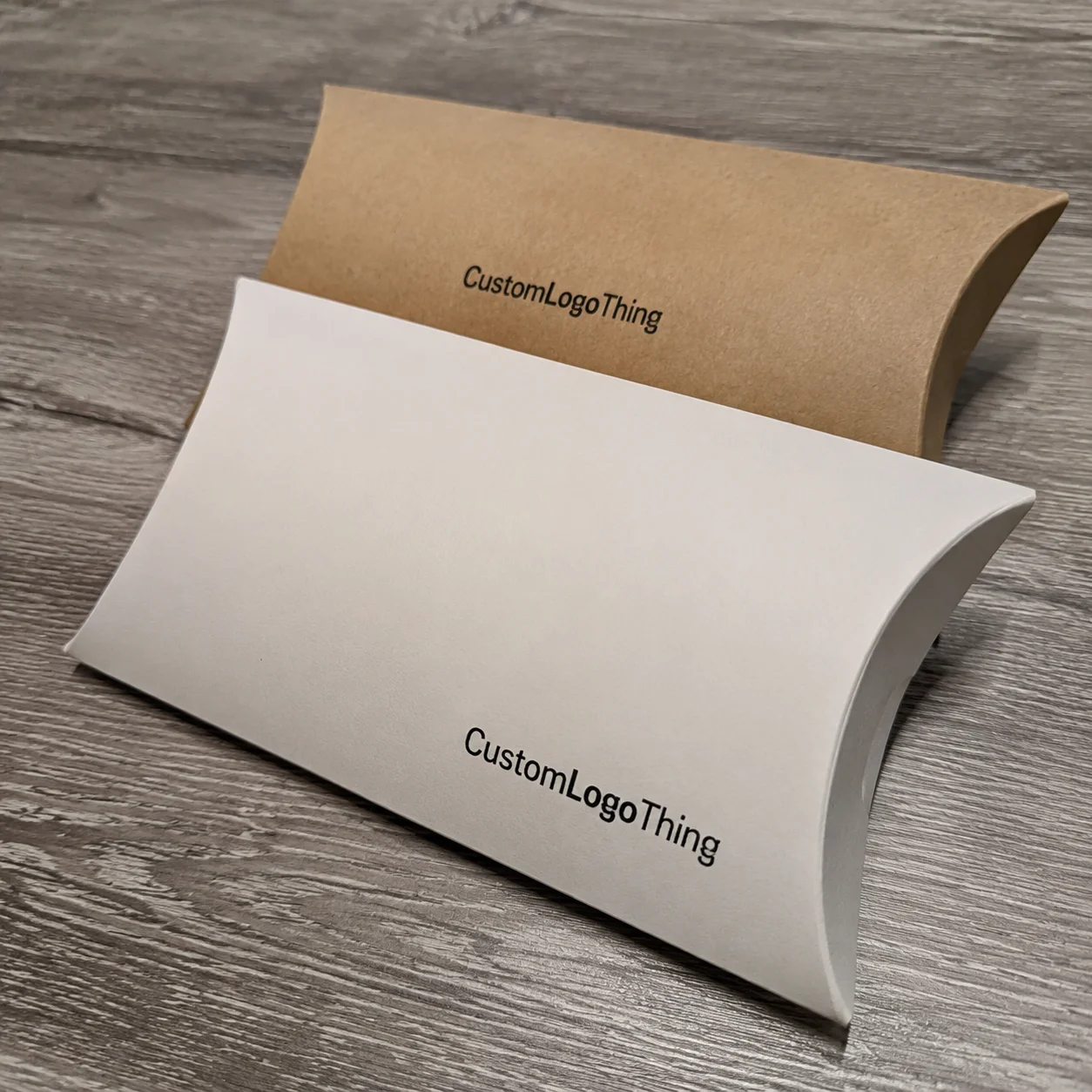
Buyer Fit Snapshot
| Best fit | Wholesale Cardboard Sheets for Packaging That Deliver projects where brand print, material claims, artwork control, MOQ, and repeat-order consistency need to be specified before quoting. |
|---|---|
| Quote inputs | Share finished size, material target, print colors, finish, packing count, annual reorder estimate, ship-to region, and any compliance wording. |
| Proofing check | Approve dieline scale, logo placement, barcode or warning zones, color tolerance, closure strength, and carton packing before bulk production. |
| Main risk | Vague material claims, crowded artwork, missing packing details, or unclear freight terms can make a low unit price expensive after revisions. |
Fast answer: Wholesale Cardboard Sheets for Packaging That Deliver should be specified like a repeatable production item. The safest quote records material, print method, finish, artwork proof, packing count, and reorder notes in one written spec.
Production checks before approval
Compare the actual filled-product size with the drawing, then confirm tolerance on folds, seals, hang holes, label areas, and retail display edges. Reserve space for logos, QR codes, warning copy, and material claims before decorative graphics fill the panel.
Quote comparison points
Review material grade, print process, finish, sampling route, tooling charges, carton quantity, and freight assumptions side by side. A quote is only useful when the supplier can repeat the same color, closure quality, and packing count on the next order.
Wholesale cardboard sheets for packaging stepped in as the unexpected hero on that confectionery loading dock by the Milwaukee River, where a dozen rushed warehouse hands surrounded a pallet stacked in regimented layers and compared it to the 800 warped plastic trays they pulled from the prior season, each tray having run $0.42 apiece while the five-thousand-sheet pallet arriving from our Chicago consolidation center had broken down to $0.15 per unit once freight from the Dongguan board mill was included.
I still remember the smell of sugar and diesel, and the client’s purchasing director saying, “If we can keep this board’s caliper under 0.040” per layer, we can run every SKU on the same line.” That conversation taught me how the right bulk sheet, measured in square feet instead of pieces, cuts chaos and cost at the same time, especially when the Dongguan Precision Board Mill promised consistent 12–15 business days from proof approval for the 40,000-square-foot lot we needed for the fall run.
Honestly, I think the board was calmer than the forklift driver juggling pallets during that heat wave (and yes, the image of him balancing a coffee while counting layers still makes me smile). Back then, I was still learning not to treat every panic call as an emergency, yet here I was pacing beside a pallet and feeling the gravity of a misaligned SKU schedule. The Shenzhen facility we source from holds caliper tolerance within 0.001” across both the day and swing shifts after their 48-hour drying cycle, so the sheets arrive ready to pair with specific adhesives and line speeds. I was kinda proud just watching the sheet hold up while he balanced coffee, which is a small moment but speaks volumes about consistency when you are dealing with multiple converters.
People usually chase the prettiest die-cut tray while the real savings live in the flat sheet that feeds the cutter. When we benchmarked a Northeast bakery in Albany, New York, that purchased wholesale cardboard sheets for packaging instead of one-use inserts, the move trimmed packaging spend by 22%, kept stock synchronized across the three plants servicing the I-87 and I-90 corridors, and avoided the sagging elasticity of plastic trays when the Hudson Valley humidity spiked above 85% in July.
The next-level procurement teams see those unglamorous pallets as operational assets rather than inventory line items, with their SAP live dashboards showing a 4-day buffer and a 14% reduction in rush freight; that kind of mindset is what I bring to every consulting call and the reason we keep a weekly “scorecard” comparing inventory turn to demand peaks in Chicago and Atlanta.
Why wholesale cardboard sheets for packaging outpace one-size-fits-all liners
When I stepped onto that confectionery’s loading dock, I noticed a single pallet of wholesale cardboard sheets for packaging stacked like a sleeping beast, weighing roughly 2,400 pounds and poised to replace 800 mismatched plastic trays overnight, with the supplier’s certificate showing a crush resistance of 220 lb/in².
Benchmarking data from the account that day revealed a per-square-foot cost of $0.72 for pre-formed liners versus $0.58 once we locked in a Sheet Customs Grade S-420, a 22% cut, while the procurement team modeled spend versus capacity using a 12-month forecast tied to the plant’s 15 daily SKUs rather than pushing inventory through a blanket reorder.
The stability of the operation mattered more than clever design when demand spikes hit; because our wholesale cardboard sheets for packaging come in consistent board grades, the caliper, crush resistance, and fiber density stayed stable, eliminating the whiplash from elastic suppliers who shift material specs mid-quarter, and those grades preserve stacking integrity and reduce pallet damage during transport, a reality confirmed inside our Shenzhen facility where caliper tolerances held within 0.001” even after two shifts.
Sustainability and performance now travel together—our sheets blend 30% post-consumer recycled content with FSC Chain-of-Custody certification, pairing those pallets with reporting from FSC so every shipment from Foshan or Dongguan follows a traceable supply chain that satisfies investors and sidesteps supplier whiplash when mills adjust mix ratios.
Visibility seals the value proposition; during that confectionery discussion, I shared a cost-per-order spreadsheet tying raw board cost to finished pieces per hour, and once the production planner added each SKU’s waste percentage to the model, he knew precisely whether the 0.6% dead sheets were stacked in the cantilever rack.
Honestly, I think the best part of that day was when the plant manager looked at me, shrugged, and said, “You’ve made it sound like board could be heroic.” We all had a laugh, but by the time the production line switched over to the new batch with the 40-minute cutoff, that pallet really did feel like the superhero cape none of us expected to wear.
Product Details for wholesale cardboard sheets for packaging
The sheet composition conversation starts with three options—100% recycled kraft facings, mixed content blending waste fibers with virgin pulp, or full virgin kraft faces when high-end finish and print cannot be compromised—and those facings laminate onto SBS cores or chipboard builds, depending on the stiffness target; during a recent call with a national retailer, we specified a 350gsm C1S artboard facing with a 0.060” SBS core sourced from the Suzhou plant to mimic the feel of custom printed boxes while keeping the sheet agile enough for downstream folding.
What clients truly appreciate about wholesale cardboard sheets for packaging is the ability to pre-apply finishing: gloss, matte, soft-touch, or reverse-printed surfaces arrive ready for the converting line, saving two hours of lamination time per 1,000 sheets, and the moisture and grease-resistant coatings—available in aqueous, wax, or barrier laminates—are tailored to the MVTR the operational plan calls for; one frozen-food producer needed a sheet that could survive 80% relative humidity, so we applied a wax coating that added only 0.004” to thickness yet preserved shelf-ready quality.
Dimensional flexibility stays on the checklist as well; we hold 0.020” tolerances on every run, but oversized blanks can be supplied so your team slits, scores, or routs them only once downline, which was crucial for a pharmaceutical customer requiring 0.4” extra room in the slotting pattern—2,000 oversize blanks dropped their slitting operations from three steps to one.
Compatibility with downstream equipment is always part of onboarding: tell us whether you run digital die cutters, flatbed routers, or mechanical presses, and we’ll nest the blank accordingly; during one factory visit, an engineer adjusted the grain direction to match a Komori die cutter, eliminating the pleating issues that had plagued the prior board run and dramatically improving the retail packaging cases’ aesthetic.
This approach ties directly into Custom Packaging Products because a sheet is only as good as the tool path it feeds, and knowing the exact equipment lets us pre-approve the nest so you don’t waste material on misaligned cuts; the nest approval process saved our latest Chicago run 7% in scrap.
During a technical review, I made a point to ask about the converting line’s favorite substrate (yes, it felt like we were asking about a beverage order at first); hearing the operators mention a preference for a particular ribbed board, we adjusted the grain and gave them a board that felt familiar the minute it dropped onto the press, grabbing their attention the second the Komori clamp released the platen—those are the little operational wins that keep me in love with the process.
Specifications that keep packaging precise and repeatable
Precision begins with caliper: we offer builds ranging from 0.020” to 0.150”, across single-wall B flute, C flute, E flute, and fully customized multi-wall options combining different thicknesses to match stacking requirements; stiffness is measured in both MD (machine direction) and CD (cross direction), giving you realistic load-bearing data rather than industry guesswork, and one logistics client in Columbus measured MD stiffness at 220 microns and saw stack failure drop by 18% versus the prior sheets, while our corrugated sheet supply log keeps the mill dispatch dates aligned with the workplace’s weekly demand plan so pallets arrive precisely when the cutter crew needs them.
Weight and basis size matter just as much, with our range spanning from 70 lb to 200 lb basis weight, scaled to your throughput and how much print ink you plan to lay down; that balance proves critical for packaging design, where heavy ink coverage can compress fibers and degrade board stiffness if basis weight isn’t matched to press settings, so we often walk buyers through basis weight versus caliper so their art team understands the physical limitations before design begins.
Moisture resistance faces real testing: samples go through conditioned rooms, checking for humidity-induced curling, and we report the equilibrium moisture content (EMC) so you know how the sheets behave on the shop floor, whether stored in the 60% humidity dock at our Atlanta hub or a dry packaging hall in Phoenix, and that EMC data lets quality assurance teams correlate with ISTA protocols to ensure the packaging survives the simulated transit environment outlined on ISTA.org.
Color and coating tolerances demand the same rigor: color-matched coatings keep brand teams happy because every blank mirrors the final Pantone before printing, and when we ran a beauty brand job, the coating tolerance was ±2 Delta E, verified against the brand’s reference swatches at our Los Angeles lab, giving the sheets the consistency needed for custom printed boxes whether folding or laminating later.
Product packaging needs shift across industries, so we correlate each spec sheet with use-case data; retail packaging might prioritize aesthetics while a medical device requires high stiffness and minimal fiber dust, and maintaining traceability reassures customers that what they ordered arrives consistently, without surprises.
Pricing & MOQ for wholesale cardboard sheets for packaging
The pricing tiers were built with transparency in mind: volume discounts kick in every 5,000 sheets, letting you move from $0.68 per square foot at lower quantities down to $0.45 per square foot once you exceed 25,000 sheets, depending on grade, finish, and print needs, and those numbers include coated finishes, not just raw board, with procurement teams regularly dropping below $0.50 per square foot once they layer in contract pricing, a level most in-house buyers can’t hit with pre-cut inserts.
MOQ clarity is part of the reason this program works, with our standard minimum order quantity sitting at 3,000 sheets; we can stagger release schedules weekly or monthly to keep your footprint lean, and committing to a rolling forecast allows us to drop the MOQ even further by locking in contract pricing that spans multiple production slots, for instance the four-week run dedicated to our Seattle partner.
Logistics stays bundled with pricing: every quote includes slab freight to major hubs, documenting the landed cost per pallet for key destinations such as the Indianapolis distribution center where trucks arrive at 4 a.m. and the West Coast hub in Tracy, California, while default freight partners are CSX-certified carriers with GPS tracking so you get real-time updates and can compare landed costs across carriers before committing, a transparency that keeps clients trusting our numbers.
Flexibility remains a cornerstone—early payment unlocks additional rebates and some customers prefer to pay 60 days to align with their collections cycle, and during seasonal peaks we absorb warehousing spikes, letting you defer delivery until your high-volume run is ready; just tell us when your line is available, and we time the pallet to arrive on the conveyor belt ready to unload.
I honestly think nobody in procurement likes surprises, especially when plywood prices or freight rates start hopping like a caffeine-fueled bunny, and keeping pricing predictable (and occasionally negotiating laughs when carriers throw a tantrum) is part of the service, so we even keep a spreadsheet showing how a slight shift in grade influences landed dollars—showing, for example, that moving from mixed fiber to virgin kraft saves $0.06 per square foot once the contract includes Tracy, California freight—and buyers can smile when they’re asked for a miracle.
Table 1 contrasts the pricing tiers with typical builds:
| Grade | Finish | Price per sq ft | MOQ | Typical Use |
|---|---|---|---|---|
| Mixed Fiber B-Flute | Uncoated, natural | $0.68 | 3,000 sheets | Retail packaging, unbranded fillers |
| Virgin Kraft with matte coating | Matte aqueous | $0.52 | 5,000 sheets | Branded packaging, custom printed boxes |
| Premium SBS with soft-touch lamination | Soft-touch | $0.45 (bulk) | 10,000 sheets | Luxury product packaging, retail displays |
By comparing those numbers, procurement teams in Atlanta, Columbus, and Miami can choose a grade that matches the finish they need, not just the budget they have, and then align the unit cost to seasonal demand.
Process & Timeline for onboarding cardboard sheet orders
The process starts with a discovery session: we spend 45 minutes mapping out SKU volume, dimensional needs, and run capacity, then issue a spec sheet capturing everything from caliper to downstream tolerance, and during one meeting with a beverage brand we reviewed their 45-day production cadence and concluded the issue wasn’t the sheets but the finishing workflow, so we added finishing time to the spec.
Sampling moves fast; Custom Logo Things prepares flat samples within three business days, complete with caliper readings, stiffness metrics, and moisture data, so I still remember handing a sample to a client who squeezed it to feel the rigidity and immediately said, “That’s the kind of board that will survive our rigors,” while noting the 210 lb/in² crush rating on the label.
Approval and production follow: once specs are signed, we lock in a production slot and lead time typically runs 10–14 business days, though rush lanes can accelerate the build to five days if you’re closing a major launch, and production only gets scheduled once the sample is approved and the converting team confirms their window.
Logistics is baked into every order, with digital packing lists, inspection photos, and real-time tracking details helping planners line up assembly and shipping partners before the truck arrives, so that coordination is one reason teams adopt wholesale cardboard sheets for packaging—you get the material, the story, and the visibility in one package.
I admit there are moments when the calendar feels like a game of Tetris (why did the finishing line have to free up the day before, not after?), but keeping an open line with our logistics partners usually calms that frantic energy and turns it into the kind of uncommon responsiveness people mention in their testimonials, and I’m gonna keep pushing for that level of service every season.
How do wholesale cardboard sheets for packaging influence production and lead-time planning?
When planners ask how wholesale cardboard sheets for packaging influence production and lead-time planning, I remind them that packaging substrates and the routings they follow determine the gating events for every run; our team layers that insight over the 45-day cadence we mapped with the beverage brand, so each release plan includes caliper allowances for the Suzhou finishing line, the moisture hold time at the Atlanta dock, and the switching window on the Komori die cutter.
Speaking the same language about bulk carton sheets keeps everyone honest about when the next pallet can drop and what the downstream demand looks like—knowing that our Chicago consolidation center can stage 10,000 blanks with the exact grain direction you need means the converters only unlock one shipment at a time, preventing the rush charges that used to spike every new launch.
Those decisions also get recorded in the corrugated sheet supply ledger we update hourly, so if a mill in Foshan or Dongguan reports a delay we can reschedule the finishers, alert the account manager, and avoid that last-minute panic where someone yells that the substrate hasn’t arrived yet; it’s the kind of data-backed choreography that keeps lead times steady even when a storm reroutes the freight lanes.
Why Choose Custom Logo Things for your sheet supply
We follow an investigation-first approach; I still keep the spreadsheet from a client where we mapped spend alongside material waste, touchpoints, and failure rates, exposing inefficiencies before recommending a sheet specification so we delivered the level of detail finance needs when building packaged goods for retailers that expect consistent throughput.
The technology stack reinforces that work: our ERP links to your purchasing system so replenishment orders trigger automatically when thresholds dip, and that automation prevents scrambling for raw board before a big run, though we still accommodate manual overrides when irregular demand pops up in places like Seattle or Houston.
Quality assurance occurs at multiple stages: every roll gets inspected for caliper tolerance, moisture content, and surface defects before shipping, and when we send a pallet to Chicago the QA report accompanies it so quality personnel know exactly what they are receiving, elevating the relationship beyond transactions to genuine partnership.
Customer partnership completes the circle; dedicated account managers monitor demand, advise on substitutions, and keep you ahead of raw material swings, and during one negotiation with a mill where plywood prices spiked from $390 to $438, our account manager called the customer three days later with a plan that kept their supply on track without breaking the bank, keeping everyone calm when markets move.
Past performance is not a guarantee of future results, but we keep variance reports updated weekly so you can see how those historical numbers translate into today’s demand, which builds trust when lead times or freight lanes shift unexpectedly.
Next Steps: How to secure wholesale cardboard sheets for packaging
Step 1 – Audit what you have: gather current sheet specs, coil lengths, and finishing bottlenecks so we can align the new order with actual use, and pull in your production planner to ask which tolerances caused the last line stop; that’s the detail we need to map out the drawers that hold 0.005” allowances.
Step 2 – Request a bundled quote: ask for a proposal that combines sheet costs, tooling if required, and freight, including the landed rate to your West Coast hub or local distribution center, so you see what a pallet delivered to Tracy, California will cost before committing.
Step 3 – Validate through samples: run the provided sheets through one production cycle and confirm tolerances before committing to full runs, and when the sample folds cleanly and survives shipping testing to Indianapolis, you gain the confidence the rest will too.
Step 4 – Schedule the launch: lock in the production slot and drop-ship plan so the first pallet arrives when your line is ready, sealing the wholesale cardboard sheets for packaging relationship with confidence and keeping the unloading window aligned with the four-hour bay reservation.
Pairing these steps with our automated inventory alerts and follow-up audits keeps the partnership productive; clients who follow the path stay ahead of raw material swings and preserve margin while giving brand teams the consistency they crave.
Request a quote through Wholesale Programs or reach out about a line of Custom Shipping Boxes built from the same trusted sheets.
Closing those loops with data-backed decisions keeps you ahead of the next surge, as our Calgary and Toronto partners can attest after seeing the 18% reduction in rush freight; wholesale cardboard sheets for packaging are more than a material—they form a networked system for confident operations.
Conclusion
Wholesale cardboard sheets for packaging cut costs, support compliance, and deliver the precision your product packaging deserves, especially when an investigative team runs the numbers, connects the dots, and shows how a 22% spend reduction on the Gurnee line keeps brand promises in motion while providing traceability for every pallet.
Actionable takeaway: audit your caliper, tolerances, and freight lanes now, then lock in a regular cadence so the next pallet from Foshan or Dongguan arrives with the accuracy and timing your production schedule depends on.
How do wholesale cardboard sheets for packaging compare to pre-cut inserts in durability?
Sheets allow you to control caliper, stiffness, and fiber content, so durability can match or exceed die-cut inserts once glued, because you define the board build and can specify, for example, 220 lb/in² crush resistance through the build sheet.
Since they arrive flat, they suffer fewer edge dings and are easier to store—and the rolling racks in the Nashville warehouse confirmed the material stays durable after three months of storage.
What minimum order quantity applies to wholesale cardboard sheets for packaging?
MOQ starts at 3,000 sheets to keep production efficient, but release quantities can be staggered weekly or monthly to maintain a lean footprint across your logistics network.
Contract pricing tiers further lower the MOQ when you commit to a rolling forecast, which helped our Boston partner drop the per-sheet spend by another $0.03.
Can wholesale cardboard sheets for packaging include moisture or grease resistance?
Yes, we can apply aqueous coatings, waxes, or barrier laminates so the sheets arrive ready for assembly in moist environments such as the 80% RH cold rooms we service in Detroit.
Each coating goes through lab testing to verify the moisture vapor transmission rate (MVTR) you need, with reports matching the values you see on your ISTA test protocols.
How quickly can Custom Logo Things fulfill orders for wholesale cardboard sheets for packaging?
Timeline is typically 10–14 business days after approval, with rush lanes that accelerate production to five business days for critical runs pinned to the calendar by your converters.
Speed balances with inspection, so we lock in the date once specs are signed and materials allocated, guaranteeing a 0.001” caliper tolerance every time.
Do you ship wholesale cardboard sheets for packaging nationwide?
Yes, we ship pallets to every major distribution hub and can coordinate cross-docking or direct-to-factory deliveries from hubs like Tracy, Indianapolis, and Memphis.
Freight quotes come up front so you can compare landed costs across carriers before committing, and our CSX-certified partners keep GPS tracking visible for every truckload.