Buyer Fit Snapshot
| Best fit | wholesale kraft paper inserts for sustainable packaging for packaging buyers comparing material specs, print proof, MOQ, unit cost, freight, and repeat-order risk where brand print, material, artwork control, and repeat-order consistency matter. |
|---|---|
| Quote inputs | Share finished size, material target, print colors, finish, packing count, annual reorder estimate, and delivery region. |
| Proofing check | Approve dieline scale, logo placement, barcode or warning zones, color tolerance, and any recyclable or compostable wording before bulk production. |
| Main risk | Vague material claims, crowded artwork, or missing packing details can create delays even when the unit price looks attractive. |
Fast answer: Wholesale Kraft Paper Inserts for Sustainable Packaging should be specified like a repeatable production item. The safest quote includes material, print method, finish, artwork proof, carton packing, and reorder notes in one written spec.
What to confirm before approving the packaging proof
Check the product dimensions against the actual filled item, not only the sales mockup. Ask for tolerance on folds, seals, hang holes, label areas, and retail display edges. If the package carries a logo, QR code, warning copy, or legal claim, reserve that space before decorative graphics fill the panel.
How to compare quotes without losing quality
Compare board or film grade, print process, finish, sampling route, tooling charges, carton quantity, and freight assumptions side by side. A lower quote is only useful if the supplier can repeat the same color, closure quality, and packing count on the next order.
Wholesale Kraft Paper inserts solve a problem outer packaging cannot touch: a product can survive a strong carton and still arrive scuffed, tipped, or cracked because it moved inside the box. I have seen this happen more than once on a receiving dock. The carton looks fine, the label is intact, and the failure is hidden until the lid comes off and the contents tell a different story.
That is why wholesale kraft paper inserts matter. They give the interior a fixed structure, hold parts in place, and make the unboxing feel deliberate instead of improvised. For brands shipping fragile goods, curated gift sets, or retail-ready kits, the insert is doing real work, not just filling space.
The value shows up quickly once orders start moving. A properly fitted insert cuts down on rubbing, keeps items from knocking together, and can reduce the need for void fill, extra tape, and last-minute packing fixes at the table. It also fits neatly into paper-based packaging programs, especially for companies trying to replace foam or plastic without giving up protection. That is the practical appeal of wholesale Kraft Paper Inserts: they solve a shipping problem and keep the package looking composed.
Why Wholesale Kraft Paper Inserts Solve a Hidden Shipping Problem
Plenty of damage claims start with a carton that looks perfect from the outside. The corrugated wall may be spec'd correctly, the label may survive the route, and the box may show no visible abuse, yet the item inside shifts just enough to nick a finish, split a lid, or crack a bottle. That hidden failure point is what wholesale kraft paper inserts are built to address. They limit movement inside the pack, which is where many problems begin.
A packaging buyer is usually looking for more than an attractive sample. The real test is whether the product stays upright, centered, and supported from packout to doorstep. Wholesale kraft paper inserts shape the interior around the product so it does not wander inside a generic cavity. That gives the line a steadier workflow, reduces packing guesswork, and makes the box less dependent on loose fill to compensate for a poor fit.
Presentation matters too, and not in a cosmetic-only way. A product seated correctly in its carton reads as premium before the customer lifts the lid. Candle sets, skincare kits, glass bottles, specialty food gifts, and accessory bundles all benefit from that sense of order. Wholesale kraft paper inserts keep the interior tidy, which gives the package a more intentional feel and cuts down on the visual clutter that comes with overpacking.
Sustainability enters the conversation for a reason, not as a marketing line. Many brands are moving toward recycled content, FSC-certified paperboard, and paper-first systems because those materials fit better into paper recycling streams than mixed-material packaging. Depending on the build, wholesale kraft paper inserts can support a more recyclable package design, and in some cases reduce total material use by replacing extra void fill or a secondary tray. That matters for brands trying to simplify the bill of materials without weakening protection.
For shipping teams, the gain is plain: less movement, fewer touchpoints, cleaner assembly. For brand teams, the gain is just as clear: a more polished presentation that still feels grounded in real performance. That is why wholesale kraft paper inserts keep showing up in direct-to-consumer kits and retail shipping programs. They solve a hidden problem the outer box never had a chance to fix.
Wholesale Kraft Paper Inserts: Product Details, Materials, and Common Uses
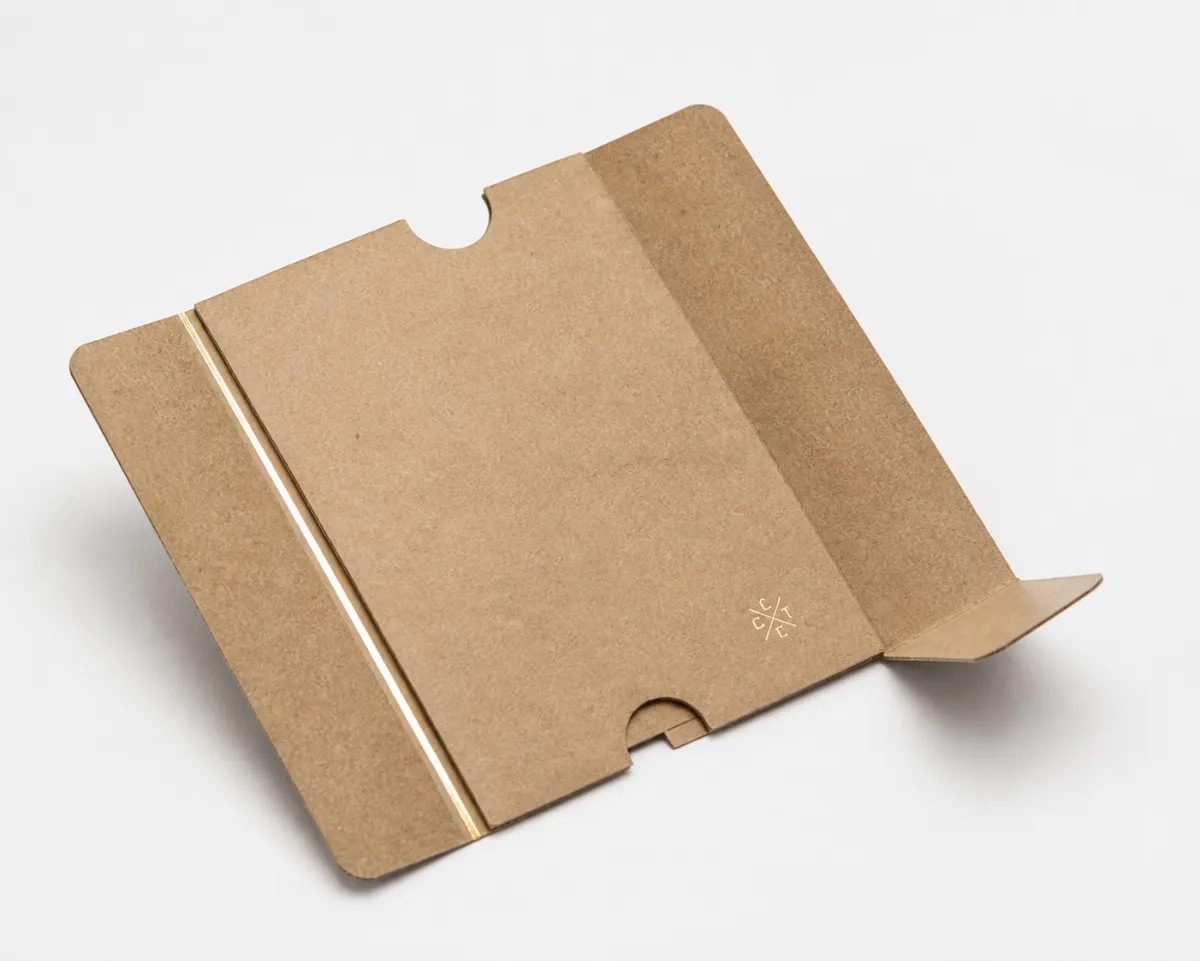
At the simplest level, a kraft paper insert is a formed paper-based component that holds items securely inside a carton or mailer. Depending on the product, wholesale kraft paper inserts may be die-cut, scored, folded, interlocked, or layered so the structure matches both the item and the box geometry with as little wasted space as possible. The better designs do not just hold the product; they guide it into place so packers can load it quickly and consistently.
Material selection changes the outcome. Some wholesale kraft paper inserts use straightforward kraft paperboard for lighter goods, while others use thicker folded structures when the insert needs more stiffness, stronger edge support, or better resistance to compression in transit. Layered or laminated builds can help when the product is heavier or the insert must span a wider gap inside the carton. More material is not always the answer, though. Overbuilding raises cost, adds bulk, and creates unnecessary waste.
The most common use cases are predictable for a reason: they are the places where shape control and visual simplicity matter most. Wholesale kraft paper inserts are often used for:
- Cosmetics and skincare sets with glass bottles or jars
- Candles and home fragrance kits
- Wellness and supplement bundles
- Specialty food gifts and sampler packs
- Light electronics accessories such as cords, chargers, or small devices
- Retail-ready gift boxes that need a tidy presentation
Those categories work because the insert can separate components, keep fragile surfaces from contacting each other, and present each item in a dedicated cavity without the industrial look that some plastic trays create. Compared with foam, molded plastic, or mixed-material trays, wholesale kraft paper inserts often match sustainability goals better and create a cleaner unboxing experience because the inside of the box feels arranged rather than improvised.
There is a supply-chain benefit as well. Paper-based systems are easier to explain to customers, easier to standardize across product families, and easier to keep consistent when the same insert shape is used across multiple sizes, flavors, or seasonal kits. In packaging programs where the inside of the box needs to look as refined as the outside, wholesale kraft paper inserts often become the simplest durable option.
If you are comparing materials, think in three directions at once: shipping stress, appearance, and disposal. Corrugated cardboard protects the outer walls. Kraft paper inserts manage the interior. Used together, they can create a package that is efficient, visually clean, and easier to align with FSC-certified sourcing goals when that certification matters to the brand.
Specifications: Sizes, Calipers, Fit, and Print Options
Good wholesale kraft paper inserts begin with exact measurements. The first numbers that matter are the finished product dimensions, the carton interior dimensions, the product weight, and the way the item sits inside the box. A bottle that stands upright needs a different insert geometry than a flat accessory kit or a stack of components. If the fit is wrong, even strong material cannot rescue a weak structure.
Caliper and stiffness are the next decisions. A light insert may only need enough body to resist flex and keep its shape through packout, while a taller or heavier product may need thicker board, additional folds, or locking points that spread the load. The right choice depends on the distance between support points, the shape of the product, and whether the insert has to absorb vibration during parcel transit. Many wholesale kraft paper inserts fall somewhere between simple single-wall paperboard and thicker folded constructions that behave more like engineered packaging components than flat sheets.
Structure options are broader than many buyers expect. Common choices include single-piece die-cuts, fold-lock sleeves, divider layouts, and multi-cavity inserts for bundled products. Some designs cradle one item in the center of the box, while others split the carton into chambers so components cannot strike each other. For fragile glass or polished surfaces, the insert may include tabs, lips, or retention folds that keep the product from rising or tipping. Wholesale kraft paper inserts work best when the structure matches the product's actual movement, not just its outline.
Print and finish options are usually restrained, but they still shape the final impression. Unprinted kraft remains the most natural look and often suits brands that want a quiet, earthy presentation. A one-color logo, a brief care note, or a small brand mark can add polish without changing the character of the material. Some teams ask for a subtle printed zone so the inside of the box carries branding without overpowering the product. That tends to work well when the rest of the pack is minimalist and paper-forward.
Here is a practical comparison of common insert approaches for buyers evaluating wholesale kraft paper inserts:
| Insert Option | Typical Use | Approx. Unit Cost | Strength/Presentation |
|---|---|---|---|
| Simple unprinted kraft fold | Light products, accessory kits, basic mailers | $0.08-$0.18 | Good fit, clean look, efficient to pack |
| Die-cut kraft divider insert | Small sets, bottles, jars, multi-item kits | $0.14-$0.32 | Better separation and repeatable packout |
| Thicker layered structure | Heavier items or higher crush risk | $0.22-$0.48 | Higher stiffness, more engineered support |
| Printed branded insert | Gift packs, premium retail boxes, DTC unboxing | $0.18-$0.45 | Strong presentation with modest branding |
Those numbers are directional, not fixed. The final spec depends on sheet size, nesting efficiency, cut complexity, and whether the design needs extra retention features. Even so, they give buyers a useful starting point, and they show why wholesale kraft paper inserts are often chosen for programs that need a balance of cost, appearance, and predictable fit rather than the lowest possible component price.
For performance testing, many teams borrow methods used in parcel and distribution work. Packaging engineers may review vibration, drop, or compression risks using ISTA test procedures, especially for goods that need to survive a rough shipping network. That does not mean every insert needs a full lab program, but it does mean the design should be shaped by real transit conditions, not just a clean desk sample. A nice-looking dieline can still fail if the product has room to bounce around inside the cavity.
Cost, Pricing & MOQ for Wholesale Kraft Paper Inserts
Pricing for wholesale kraft paper inserts turns on a few variables buyers can manage early. Size is the obvious one. A larger insert consumes more board and usually takes up more sheet area during die cutting. Complexity matters just as much, because every cut line, fold, lock tab, and cavity adds tooling considerations and can affect yield. Print requirements shift the equation too, especially if artwork needs registration or if the insert is being produced with a branded finish instead of plain kraft.
MOQ, or minimum order quantity, follows setup economics. Simple unprinted wholesale kraft paper inserts can sometimes run in more flexible quantities because the structure is easier to cut, nest, and assemble. Custom die-cut work usually carries higher minimums because the production team has to justify the setup time, tooling, and material waste. The exact threshold changes by structure, but buyers should expect a highly custom insert to need more volume than a plain folded divider.
Unit price tells only part of the story. A lower-cost insert that slows packing, creates a higher damage rate, or forces the team to add loose fill can become more expensive in real use. A better-fitting insert may cost a little more per unit and still save labor, reduce breakage claims, and improve presentation. That is why wholesale kraft paper inserts are usually evaluated as a packaging decision rather than a single line item.
Here is a practical way to compare order types before requesting a quote:
| Order Type | Setup Complexity | MOQ Tendency | Best For |
|---|---|---|---|
| Plain kraft fold insert | Low | Lower | Basic protection and simple packout |
| Custom die-cut insert | Medium | Moderate to higher | Products with specific cavities or retention needs |
| Printed branded insert | Medium to high | Moderate to higher | Retail and premium unboxing programs |
| Layered or reinforced insert | High | Higher | Heavier goods or fragile components |
For a realistic budget conversation, buyers often see simple wholesale kraft paper inserts start under twenty cents per unit on larger runs and rise as the structure becomes more engineered or more heavily printed. That spread is normal. The final quote depends on board grade, sheet yield, assembly requirements, and whether the insert can ship flat or needs extra finishing steps. If you want a quote that reflects the actual job, send product dimensions, carton interior dimensions, target quantity, shipping destination, and whether samples are needed first.
Design efficiency is easy to miss, and it can move pricing without changing the user experience at all. A layout that nests well on a sheet can reduce cost while keeping the same feel in the hand. That is why wholesale kraft paper inserts should be reviewed with both the product and the manufacturing layout in mind. Better nesting tends to mean better pricing, and better pricing is easier to defend when the insert still performs as intended.
Process and Timeline: From Quote to Production Run
A clean production path matters as much as the material. For wholesale kraft paper inserts, the normal workflow starts with inquiry and specification review, then moves into structure recommendation, proof or sample approval, production, inspection, and shipment. When the input is complete, the process moves at a steady pace. When dimensions are vague or product photos do not show the real packing orientation, the schedule tends to slow.
Lead time depends on how complete the brief is at the start. A buyer who sends finished product dimensions, box dimensions, quantity, and a photo of the current packout gives the production team a strong base. A buyer who sends only a rough product description often needs more back-and-forth before the insert can be finalized. Wholesale kraft paper inserts are straightforward to manufacture once the structure is locked, but the definition stage is where most of the schedule risk lives.
Delays usually come from a few predictable places. Unclear measurements are a common one, especially when the stated box size does not reflect the usable interior space after flaps, partitions, or closures are accounted for. Artwork revisions can also slow the job if printed branding is being added. Sample feedback matters too; if the first sample sits unreviewed, the production slot can slip. The safest timeline is the one built on early decisions and quick approvals.
Repeat orders are easier. Once wholesale kraft paper inserts have been approved, future runs can move faster because the structure, tolerances, and fit are already set. That matters for brands with stable SKUs or seasonal programs that return in waves. A repeat run is not the same as a fresh development cycle, and it should not be priced, scheduled, or managed that way.
If the order sits inside a broader wholesale packaging program, it helps to keep every spec in one place and coordinate the insert with the outer carton, printed materials, and fulfillment method. Our Wholesale Programs page is a useful starting point for buyers who want to align multiple components instead of solving each piece separately.
“The fastest insert order is usually the one with the clearest measurements. Once the dimensions, product weight, and desired fit are locked in, wholesale kraft paper inserts are far easier to quote, sample, and run without avoidable revisions.”
In practical terms, a simple run may move from approved proof to shipment in about 10-15 business days, while more custom wholesale kraft paper inserts can take longer if the structure is new, the print is involved, or multiple sample rounds are needed. That range is not a promise; it depends on the exact build, current production load, and how quickly approvals come back. Still, it gives buyers a useful frame for planning. If the cavity is even a little off, you are gonna feel it later in rework or damage, which is why that early sample stage pays for itself.
Why Choose Wholesale Kraft Paper Inserts from Our Team
The best insert supplier is not just the one that can cut paper. It is the one that asks the right questions before anything gets cut. Good wholesale kraft paper inserts start with the product, the carton, and the shipping method together, because those three details determine whether the insert protects the item or merely fills space around it.
Experienced packaging support matters here. A heavier bottle may need a different cavity profile than a rigid accessory box. A glass jar may need edge control that a cosmetic tube does not. A premium set may need a presentation-first layout that still survives parcel transit. Wholesale kraft paper inserts should be built around those realities, not around a generic template that gets adjusted later with tape, filler, or a field fix.
Material guidance is part of the job too. A buyer may ask for thicker board because the product feels fragile, but more caliper is not always the right answer. Sometimes a better fold direction, a tighter retention tab, or a revised cavity size does a better job of support without inflating the structure. That sort of judgment separates a passable insert from one that truly fits production and shipping needs.
Presentation receives equal attention. The inside of the box should feel clean, not crowded. Kraft paper is good at that because it gives the package a natural, understated look while still supporting a more responsible materials story. For many brands, wholesale kraft paper inserts are part of a broader move toward biodegradable packaging, or at least toward simpler paper-forward structures that are easier to explain to customers and retailers. If the brief calls for recycled content or FSC-certified material, those requests can often be built into the spec from the start.
My own view is simple: buyers get better results when they stop asking only, “How cheap can this insert be?” and start asking, “How can this insert protect the product, speed up packing, and fit the brand?” That shift usually leads to a better structure, fewer compromises, and a more dependable program. Wholesale kraft paper inserts are strongest when they are treated as engineered packaging components rather than disposable fillers.
A few practical reasons brands return to wholesale kraft paper inserts:
- They create consistent packout across shifts and fulfillment sites
- They reduce product movement without relying on plastic trays
- They support cleaner unboxing for premium and retail-ready goods
- They can be aligned with paper-based sustainability goals
- They often simplify the overall packaging bill of materials
There is no perfect insert for every product. That is the honest answer. Yet for a large share of shipped goods, wholesale kraft paper inserts deliver the right mix of protection, presentation, and material practicality. A little humility helps here: if a design is being forced to do three jobs it was never meant to do, the problem is usually the spec, not the paper.
Next Steps for Ordering Wholesale Kraft Paper Inserts
If you are ready to move, start by gathering the details that let a supplier quote accurately. Product dimensions, carton interior dimensions, product weight, target quantity, print needs, sample photos, and shipping destination should all be part of the first message. The more complete the brief, the faster wholesale kraft paper inserts can be matched to the real packaging setup instead of a guess.
It also helps to decide how the product should sit. Does the insert need a friction fit, a top-lock structure, or a multi-piece layout that separates components? Should the item be centered, recessed, or held near the top for display? Those choices affect the die line, the board thickness, and the amount of retention needed to keep the item stable during transit. Wholesale kraft paper inserts work best when the fit method is clear before production begins.
Before full production, review a sample, proof, or dieline. That step protects everyone. A sample reveals whether the cavity is too loose, whether the folds interfere with closure, and whether the final assembly feels efficient at the packing station. A paper insert can look right on a drawing and still feel wrong in the hand, which is why the approval stage matters so much for wholesale kraft paper inserts.
If you are comparing alternatives, keep the decision tied to the full packaging system. Corrugated cardboard protects the outer shell. Kraft paper inserts manage the interior. The product itself determines how much retention is needed. Shipping method determines how much vibration, drop, or compression the pack must survive. That is the real picture, and it is why wholesale kraft paper inserts should be selected with the full shipping route in mind, not just with a sample box on a desk.
Here is a simple action plan:
- Measure the product and the box interior carefully.
- Share photos of the current packout if you have them.
- Request a quote with quantity and print details.
- Approve the sample or dieline before release.
- Move into production once fit, pricing, and lead time all make sense.
For brands that want a cleaner, more controlled internal packaging system, wholesale kraft paper inserts are a practical answer. They are not flashy, and that is part of the point. They protect the product, keep the presentation neat, and support a packaging strategy built on paper-based, recyclable thinking rather than unnecessary complexity. If the goal is a better packout with less waste and a more polished customer experience, the clearest next step is simple: measure carefully, sample once, and specify the insert around the actual product instead of around a guess.
What are wholesale kraft paper inserts used for?
They hold products in place during shipping so items do not rattle, shift, or rub against the carton walls. They also help create a cleaner unboxing presentation, especially for retail-ready or gift-style packaging. Many brands choose them as a paper-based alternative to foam or plastic trays.
How do I size wholesale kraft paper inserts for a custom box?
Measure the finished product first, then measure the inside of the box so the insert is built around the actual usable space. Account for clearance, product orientation, and any closures or flaps that reduce internal room. If possible, share photos of the packed product because visual context helps refine the fit faster.
What affects MOQ for kraft paper inserts wholesale orders?
Tooling complexity, insert size, material thickness, and print requirements all influence the minimum quantity. Simple unprinted designs usually have more flexible order quantities than custom die-cut structures. Higher nesting efficiency can improve pricing and help make larger runs more economical.
Are wholesale kraft paper inserts recyclable?
Many kraft paper inserts are recyclable because they are paper-based, but local recycling rules still matter. Mixed materials, heavy coatings, or plastic lamination can reduce recyclability, so the structure should be chosen carefully. If recyclability is a priority, keep the design as paper-forward and minimal as the product allows.
How long does a wholesale kraft paper inserts order take?
Timing depends on how complete the specification package is and whether a sample or proof is needed first. Simple repeat orders can move faster because the structure and tolerances are already approved. Custom inserts with new artwork, complex folds, or multiple approval rounds need more lead time.