Buyer Fit Snapshot
| Best fit | Custom Kraft Paper Inserts projects where brand print, material claims, artwork control, MOQ, and repeat-order consistency need to be specified before quoting. |
|---|---|
| Quote inputs | Share finished size, material target, print colors, finish, packing count, annual reorder estimate, ship-to region, and any compliance wording. |
| Proofing check | Approve dieline scale, logo placement, barcode or warning zones, color tolerance, closure strength, and carton packing before bulk production. |
| Main risk | Vague material claims, crowded artwork, missing packing details, or unclear freight terms can make a low unit price expensive after revisions. |
Fast answer: Custom Kraft Paper Inserts: Design, Cost, and Production should be specified like a repeatable production item. The safest quote records material, print method, finish, artwork proof, packing count, and reorder notes in one written spec.
Production checks before approval
Compare the actual filled-product size with the drawing, then confirm tolerance on folds, seals, hang holes, label areas, and retail display edges. Reserve space for logos, QR codes, warning copy, and material claims before decorative graphics fill the panel.
Quote comparison points
Review material grade, print process, finish, sampling route, tooling charges, carton quantity, and freight assumptions side by side. A quote is only useful when the supplier can repeat the same color, closure quality, and packing count on the next order.
Custom Kraft Paper inserts are one of those packaging details that quietly decide whether a box feels considered or just packed. The outer carton can look polished, the print can be sharp, and the logo can be perfectly placed, but if the product rattles around inside, the whole experience drops fast. I have seen beautifully printed boxes lose their polish the second the lid lifts and the contents shift in a noisy little clatter. That is the part a lot of brands miss. They invest in the visible layer and forget the piece that actually holds everything together.
From a packaging buyer’s point of view, Custom Kraft Paper inserts do three jobs at once: they protect the product, shape the reveal, and keep the pack line from turning into a mess of loose filler. That combination matters for branded packaging, product packaging, and retail packaging alike. A good insert makes the unboxing feel intentional. A bad one makes a premium product feel oddly cheap, which is a weird way to save money.
In plain terms, these are folded, cut, or formed paper components that hold items in place inside a carton, gift box, or shipper. They are not foam. They are not plastic trays. They are not random paper stuffing tossed in because the order needed “something.” Custom Kraft Paper Inserts have to be sized to the product, the box, and the shipping method. That is where the real work starts, and it is also where the mistakes usually start if the spec is rushed.
What Custom Kraft Paper Inserts Are and Why They Matter
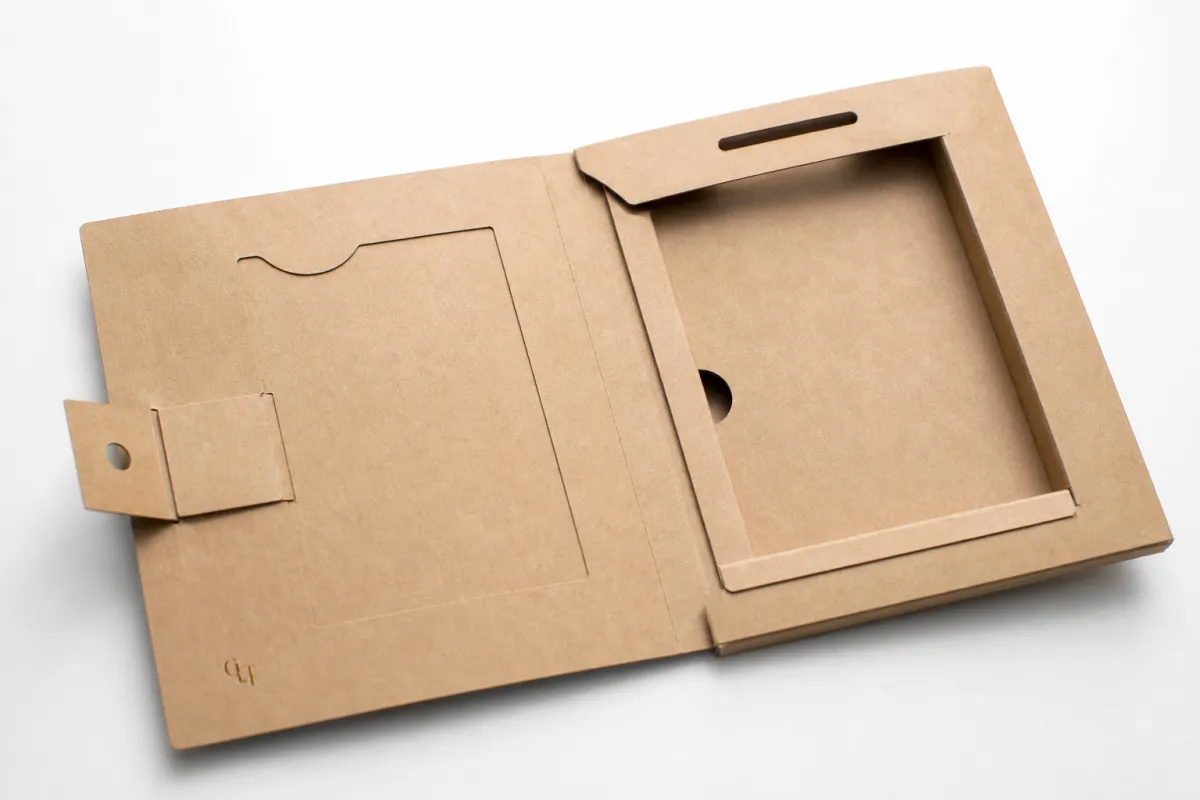
Custom kraft paper inserts are shaped paper components designed to cradle a product, separate multiple items, and keep everything from shifting in transit. That sounds basic because, honestly, it is basic. The challenge is getting it right for the exact item you are shipping. A candle, a glass serum bottle, and a wireless charger all need very different support, even if they fit into the same outer box on paper.
Kraft matters because it reads as natural, sturdy, and honest. It does not pretend to be something it is not. For handmade brands, eco-focused labels, and minimalist package branding, that look is useful. It supports the story without shouting over it. You can pair it with custom printed boxes, or keep the outer packaging simple and let the insert do the subtle branding work.
The protection side is easy to underestimate. A box can survive the warehouse and still arrive with damaged corners, scuffed labels, or broken product if there is empty space inside. Custom kraft paper inserts reduce movement, spread pressure more evenly, and help the product sit where you intended. That cuts returns, lowers damage claims, and saves customer service from dealing with avoidable complaints. I have watched teams chase down “mystery damage” for weeks before realizing the problem was not the carrier at all; it was the empty air inside the box.
There is also a presentation angle. A box that opens to a neatly aligned insert feels deliberate. A box that opens to loose filler feels rushed. That difference matters in ecommerce, subscription kits, and gift packaging, where the first 10 seconds shape the customer’s impression of the brand. Good inserts make even a modest product feel composed.
If you are deciding between paper, foam, and plastic, the answer depends on the product and the shipping abuse it will take. Kraft is not the strongest material in every case, and it is not the cheapest in every case either. But for many products, custom kraft paper inserts hit the practical middle: decent protection, a cleaner sustainability profile, and a look that fits modern kraft paper and corrugated cardboard packaging without trying too hard.
Custom kraft paper inserts also make sense when you want consistency across a line. One insert style can work for a set of related products, which helps operations. That is useful for brands selling bundles, kits, or seasonal sets where the outer package stays similar but the contents change. The insert keeps the system stable, and once that system is dialed in, the pack line feels a lot less fussy.
A good insert should disappear into the experience. The customer notices the product, not the chaos around it.
If you want the insert to feel like part of the brand rather than an afterthought, the structure, fit, and finish all have to line up. That is where custom kraft paper inserts earn their keep.
How Custom Kraft Paper Inserts Work in Real Packaging
There are a few common structures, and each solves a different problem. Custom kraft paper inserts can be die-cut with pockets, scored into fold-lock tabs, built as wrap sleeves, or formed into layered compartments. A simple bottle holder is not the same thing as a multi-item kit tray, and a single-piece insert is not the same as a two-layer display pack. The structure has to match the product geometry, or the whole thing gets awkward fast.
Think about motion first. If a product can bounce, tilt, or rotate inside the box, you need a way to stop that. Custom kraft paper inserts can clamp around a cylindrical item, hold a flat accessory in a pocket, or separate components so they do not knock into each other. That is especially useful for fragile products, odd-shaped items, and sets with multiple pieces that would otherwise collide in transit.
Here are the most common use cases I see across ecommerce and branded packaging:
- Cosmetics and skincare bottles that need upright support.
- Candles and jars that benefit from snug side walls.
- Electronics accessories that ship as small bundles.
- Subscription kits with several SKUs in one box.
- Gift sets where presentation matters as much as protection.
- Retail packaging inserts that keep shelves neat before the product is even opened.
The visual role is not minor either. Good custom kraft paper inserts guide the eye. They can expose products in sequence, create a layered reveal, and make the open-box moment feel slower and more deliberate. That is a packaging design move, not just a logistics move. And yes, customers notice when the packaging was designed on purpose. They may not say it out loud, but they feel it.
In practical terms, the process usually starts with the product dimensions, the final box size, and the shipment method. Then the insert structure gets mapped around those numbers. If the product is heavy, the insert may need thicker board or more locking points. If the product is light but delicate, the insert may need tighter retention and more surface contact. Custom kraft paper inserts are only useful if they fit the real product, not the sketch.
This is also where the outer carton matters. An insert designed for a rigid box behaves differently from one designed for a corrugated mailer. The walls, board strength, and internal clearance all change the result. I have seen a perfectly good insert fail simply because the carton tolerance was off by a few millimeters. That is not dramatic. It is just packaging, and packaging is a lot less forgiving than the mockup makes it look.
If you are already sourcing Custom Packaging Products, the insert should be planned alongside the box, not after the box is approved. That order saves time, and it saves you from awkward “close enough” decisions later.
Custom kraft paper inserts are especially useful when you need a clean, repeatable internal layout across several products. That matters for DTC ecommerce bundles and seasonal sets, where the same outer packaging may hold slightly different contents. The insert becomes the control point that keeps everything looking tidy.
Key Factors That Affect Fit, Strength, and Finish
If the insert fails, it usually fails for one of five reasons: wrong size, wrong material, weak structure, poor assembly method, or bad assumptions about shipping. Custom kraft paper inserts need to be judged on all five, not just on how they look in a mockup. Pretty drawings do not stop a glass bottle from breaking.
Start with product dimensions and weight. Those two numbers drive nearly everything else. A lightweight accessory can sit in a thinner folded insert, while a heavier object may need thicker kraft board, more locking points, or extra panel depth. Fragility matters too. A product with a glass face or sharp corners needs more than a loose sleeve. Custom kraft paper inserts should match the failure mode you are trying to prevent.
Then look at the board itself. Kraft board thickness, ply count, and recycled content all affect stiffness and appearance. Higher recycled content can give you a slightly rougher surface or less crisp scoring, which is fine if the brand wants a natural look. It is not fine if the insert needs very tight folds. That is the tradeoff. Material honesty is useful, but only if it works on the line. Otherwise the design looks good in a spec sheet and kind of annoying in production.
Structure also changes cost and speed. Snap-in tabs can be fast to assemble but may need tighter tolerances. Glued joints can feel cleaner and hold better, but they add a production step. Flat-packed designs ship efficiently and store well, yet they may take a few extra seconds per unit to build. Custom kraft paper inserts sit inside those tradeoffs. You are never choosing “best.” You are choosing what is best for your product, your volume, and your labor.
Print and finish are another decision point. Some brands want blank kraft because the texture does the talking. Others want one-color logos, minimal icons, or a small message printed inside the insert. Full-coverage print is possible, but it can hide the natural kraft look and push the piece closer to a custom printed boxes aesthetic. If you want a cleaner, more premium feel without overdoing it, less ink is usually smarter.
On the sustainability side, buyers often ask whether the insert can be recycled with the rest of the paper stream. Usually the answer depends on inks, adhesives, coatings, and local recycling rules. The EPA has plain-language recycling guidance on paper and packaging recovery, and it is worth checking instead of assuming every “eco” claim holds up. That kind of detail matters for branded packaging because customers can spot vague claims a mile away.
For sourcing standards, FSC certification is worth understanding if you want responsibly managed fiber. The FSC site explains chain-of-custody basics clearly. If a supplier says the board is FSC-certified, ask what that actually covers. Board source, conversion, and final product are not always the same thing. Packaging buyers learn that lesson the hard way, usually after the sales pitch sounds better than the paperwork.
Moisture resistance is another thing people forget. If the product ships in humid conditions or sits in a warehouse for weeks, kraft can soften or warp. That does not mean it is a bad material. It means you may need a coating, a different board spec, or a better outer carton. Custom kraft paper inserts are part of the system, not the whole system.
Process and Timeline for Custom Kraft Paper Inserts
The smoothest projects follow a basic path: discovery brief, product measurements, structural concept, prototype, revision, tooling, and production. Custom kraft paper inserts are physical products, so the prototype stage is where the real work happens. Renderings help, but they do not tell you whether the product slides around or the tabs fight the assembly team. A polished PDF can hide a lot of headaches.
Start by sending actual product samples if you can. If you cannot send samples, at least provide accurate dimensions, weights, and photos from multiple angles. For custom kraft paper inserts, the difference between a 1 mm and 3 mm gap can matter. That gap changes rattle, retention, and the amount of force needed to pack the unit. In other words, it changes how the packaging behaves under pressure.
Once the structure is drafted, a physical sample should be tested with the real product and the real outer carton. Do not approve the insert based on an isolated tabletop fit. Put it into the actual shipping box, close the lid, shake it, tip it, and if the product is fragile, run it through a basic drop test. Not every project needs formal lab testing, but if the product value is high, standards like ISTA and ASTM give you a better baseline than guesswork. For general shipment testing guidance, the ISTA organization is a useful reference point.
Timeline depends on complexity. Simple flat custom kraft paper inserts can move from concept to approved sample in roughly 7-12 business days, then into production in another 10-15 business days if the factory schedule is normal. More complex multi-part structures often need 2-3 prototype rounds and can stretch to 3-5 weeks before full production starts. Shipping method matters too. Air freight shortens transit time but pushes up cost. Ocean freight is cheaper and slower, which is not exactly shocking.
There are also a few checkpoints that save grief later:
- Confirm the final product dimensions, not the “target” dimensions.
- Verify the inner carton size after the box is manufactured, not before.
- Test the insert with the product packed exactly as the warehouse will pack it.
- Check the assembly time per unit so labor does not quietly blow up the budget.
- Approve the final dieline before tooling or production starts.
That last one matters more than people want to admit. A tiny dieline error can multiply across thousands of units. Custom kraft paper inserts are not forgiving when the cut line is wrong. They either fit or they do not, and there is rarely a graceful middle ground.
If you are already comparing packaging options through Custom Packaging Products, this is the point where the insert spec and the carton spec should be locked together. One without the other is how you end up paying twice to solve one problem.
Custom Kraft Paper Inserts Pricing, MOQ, and Quote Factors
Pricing for custom kraft paper inserts is usually driven by size, board weight, die-cut complexity, print coverage, assembly method, and quantity. That is the short version. The longer version is that every design choice touches at least one production cost. Bigger inserts use more material. More folds take more labor. More cuts increase tooling complexity. More print means more setup and more waste during make-ready.
For a buyer trying to compare quotes, the most useful question is not “What is the cheapest option?” It is “Which option gives me the protection and presentation I need without adding nonsense?” That is a better filter. A slightly simpler insert can save more money than a fancier finish ever will. Custom kraft paper inserts rarely lose deals because they are too plain. They lose deals when they are too expensive for the job.
MOQ is usually tied to tooling, setup, and the amount of hand assembly needed. A simple one-piece insert may support a lower minimum order quantity than a multi-layer structure with glue and folding steps. If you need a very small run, expect a higher unit price. That is normal. Small quantities do not magically make tooling cheaper just because the order feels “custom.”
Here is a rough comparison that helps frame the tradeoffs. These are not promises; they are practical ranges that move with region, board spec, and production setup.
| Insert Type | Best For | Typical Unit Cost at 5,000 pcs | Assembly Level | Tradeoff |
|---|---|---|---|---|
| Flat die-cut kraft insert | Light products, simple kits | $0.12-$0.22 | Low | Fast and economical, but limited cushioning |
| Fold-lock tray insert | Cosmetics, candles, accessories | $0.18-$0.32 | Medium | Better retention, slightly more pack time |
| Compartment kit insert | Multi-item sets, subscription packs | $0.24-$0.42 | Medium to high | Good separation, more cutting and folding |
| Multi-layer protective cradle | Fragile or higher-value products | $0.30-$0.60 | High | Strong fit, but labor and tooling rise fast |
Those numbers can shift if you add print, heavier board, specialty coatings, or manual assembly. A one-color logo may add only a small amount. Full-coverage print or extra finishing can push costs up enough that the insert starts behaving like a premium component rather than a utility piece. Custom kraft paper inserts are usually most efficient when the design stays disciplined.
Quote transparency matters a lot. A proper quote should show tooling, sampling, unit price, assembly, packing, and freight separately. If everything is lumped into one number, you have no way to tell where the money is going. That makes comparison painful. It also makes revision pricing a surprise later, which is never fun.
Watch for hidden costs too. Revision fees can appear when the dieline changes after sampling. Rush charges show up when production gets compressed. Re-sampling costs can hit if the first version misses the fit. And if the insert is tricky to assemble, warehouse labor may cost more than the insert itself over time. That is the part people forget when they get seduced by a low unit price.
Custom kraft paper inserts should be priced with the whole pack in mind: the insert, the outer carton, the assembly step, and the damage rate. If a slightly more expensive structure reduces breakage or speeds packing, it can pay for itself quickly. Packaging math is not glamorous, but it is usually honest.
Common Mistakes Brands Make With Kraft Paper Inserts
The biggest mistake is designing around the mockup instead of the real product and real box. That sounds obvious, and somehow it still happens all the time. Custom kraft paper inserts built from guesswork tend to miss one of three things: clearance, retention, or assembly speed. Any one of those can cause trouble. All three together create a mess.
Overbuilding is the second common problem. If the insert uses too much material, it can become hard to assemble, expensive to ship, and annoying for the packing team. Thicker is not automatically better. More folds are not automatically stronger. You can absolutely design a paper insert that feels overengineered in the worst possible way. I have seen brands do it, then act surprised when the warehouse complains.
Under-testing is the third problem. A sample that sits nicely on a desk is not the same as a unit that survives transit. Custom kraft paper inserts need at least a basic abuse check. Shake the box. Drop it from a realistic height if the product can handle that test. Send samples through the same carrier service you plan to use. If the insert fails there, it failed in the only place that matters.
Branding mistakes are more subtle. Printing too much on kraft can make the graphics look muddy, especially if the ink coverage fights the natural texture of the board. Printing too little can make the insert feel accidental. The sweet spot is usually restrained. A small logo, a short message, or a simple icon system often looks better than a crowded panel. Kraft paper has a clear visual language. If you bury it under too much ink, you lose the point.
Another mistake is treating the insert like a pure design exercise. Packaging design matters, but operations matter more. If the insert takes 20 seconds longer per pack, that labor adds up quickly. At 10,000 units, even a few extra seconds per unit can become a real cost. Custom kraft paper inserts should help the line, not slow it down for the sake of elegance.
Brands also make sustainability claims too casually. “Recyclable” is not a magic word. The answer depends on inks, coatings, local recovery rules, and how the insert is used with the rest of the package. If you want your product packaging story to hold up, the material spec has to match the claim. Otherwise customers see through it, and they usually do not forgive sloppy claims.
Finally, people forget that inserts are part of a system. The insert, outer box, filler, label, and shipping method all interact. If one part changes, the others may need a reset. That is why custom kraft paper inserts should be reviewed alongside the full packout, not in isolation. A tidy insert inside a weak carton is still a weak system.
Expert Tips and Next Steps for Better Custom Kraft Paper Inserts
If you want the best result, start with a prototype-first mindset. Test one product, one box size, and one assembly path Before You Order volume. That approach sounds slower, but it usually saves time. Custom kraft paper inserts are easier to fix on a sample bench than after 8,000 units are already in motion.
Ask for a packaging engineer to review the design if the product is fragile, expensive, or strangely shaped. Not every insert needs engineering review, but high-risk products do. A few minutes of technical scrutiny can prevent a lot of returns. That is especially true for glass, ceramics, liquids, and mixed-component kits where one bad movement can ruin the whole pack.
Keep the design honest. Kraft looks best when it feels functional, clean, and purposeful. It does not need to cosplay as luxury foam. In fact, the most effective custom kraft paper inserts usually look simple because the structure is doing the work. That is the appeal: good packaging without unnecessary theater.
Here is the practical action plan I would use if I were setting up a new insert program:
- Measure the product and the inner carton carefully.
- Decide the protection level: light retention, transit protection, or premium reveal.
- Choose the structure that matches the product shape and pack line speed.
- Request a sample or prototype before committing to volume.
- Test the insert in transit, not just on a desk.
- Lock the final dieline and assembly method before production starts.
If you are comparing formats across a broader packaging line, it can help to review the insert against your other packaging components, not just the product itself. Browse our Custom Packaging Products if you want to see how the insert fits into a wider system of branded packaging, cartons, and presentation pieces. That is usually where the smartest decisions happen, because the insert only looks good in isolation until it has to work with the rest of the packout.
For brands that want a more premium look without drifting into wasteful packaging, custom kraft paper inserts are a strong middle ground. They protect, they organize, and they make the unboxing feel deliberate. They also keep your cost structure more grounded than a lot of people expect, assuming the design is not bloated for no reason.
The clearest takeaway is simple: compare 2-3 structural options, test custom kraft paper inserts in real shipping conditions, and lock the best fit before you place the full order. That process is boring in the best possible way. It saves money, it reduces damage, and it keeps the product looking like someone cared enough to package it properly.
Frequently Asked Questions
What are custom kraft paper inserts used for?
Custom kraft paper inserts are used to hold products in place, reduce movement, and improve presentation inside a box. They are common in cosmetics, candles, gift sets, accessories, and ecommerce kits. They can also help reduce returns by protecting fragile items during shipping.
How do custom kraft paper inserts compare to foam inserts?
Custom kraft paper inserts are usually lighter, easier to recycle, and better suited to a natural brand look. Foam can offer more cushioning, but it often costs more and creates a less eco-friendly impression. For many products, kraft is enough if the structure is designed correctly.
What affects the price of custom kraft paper inserts?
Size, board thickness, die-cut complexity, print coverage, and assembly method all affect cost. Higher quantities usually lower the unit price, but tooling and sampling still need to be included. Rush timing and design revisions can also add cost quickly, which is why locked specs matter so much for custom kraft paper inserts.
How long does it take to produce custom kraft paper inserts?
Simple inserts can move quickly once dimensions are approved and samples are signed off. Complex structures need more prototype rounds, so the process takes longer. The biggest delays usually come from artwork changes, fit revisions, or factory scheduling, not from the paper itself.
What should I send to get an accurate quote for custom kraft paper inserts?
Send product dimensions, product weight, photos, and the inner carton size. Share your target quantity, shipping method, and whether you need print or a blank finish. If possible, include a physical sample of the product so the fit is based on reality, not guesswork. That is the fastest way to get a quote on custom kraft paper inserts that actually means something.

