Buyer Fit Snapshot
| Best fit | Wholesale Packaging Affordable projects where brand print, material claims, artwork control, MOQ, and repeat-order consistency need to be specified before quoting. |
|---|---|
| Quote inputs | Share finished size, material target, print colors, finish, packing count, annual reorder estimate, ship-to region, and any compliance wording. |
| Proofing check | Approve dieline scale, logo placement, barcode or warning zones, color tolerance, closure strength, and carton packing before bulk production. |
| Main risk | Vague material claims, crowded artwork, missing packing details, or unclear freight terms can make a low unit price expensive after revisions. |
Fast answer: Wholesale Packaging Affordable: Quote Scope, Sample Proof, MOQ, and Lead Time should be specified like a repeatable production item. The safest quote records material, print method, finish, artwork proof, packing count, and reorder notes in one written spec.
Production checks before approval
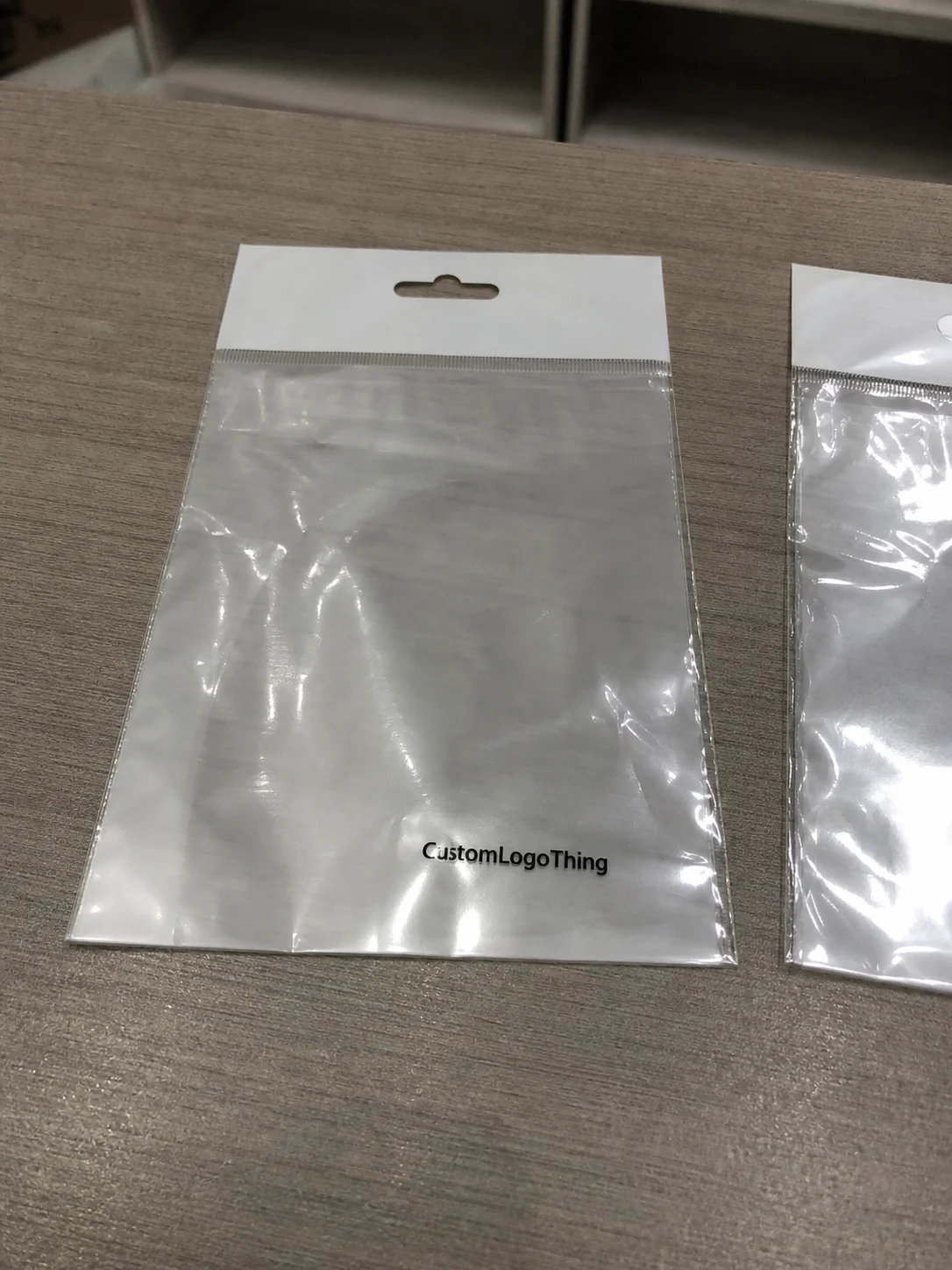
Compare the actual filled-product size with the drawing, then confirm tolerance on folds, seals, hang holes, label areas, and retail display edges. Reserve space for logos, QR codes, warning copy, and material claims before decorative graphics fill the panel.
Quote comparison points
Review material grade, print process, finish, sampling route, tooling charges, carton quantity, and freight assumptions side by side. A quote is only useful when the supplier can repeat the same color, closure quality, and packing count on the next order.
Need Wholesale Packaging Affordable and reliable? I stared at 4,200 sheets of 360gsm kraft sprawled across the Dongguan floor, tracked the raw-paper roll numbers, and realized every buyer hoping to save money skips tracing that first skid of sheets. Every warehouse manager who wants wholesale packaging affordable knows inventory numbers before they sign the PO, so I log the batch code, the moisture reading, and the freight insurance slug before anything moves. That skid cost $0.15 per unit once we committed to 5,000 pieces, and the truck was booked for a 23-day transit from Guangzhou to Long Beach; if the freight insurance slug isn’t logged, the launch calendar shifts before it ever leaves the dock.
The photo of the night shift at Guangzhou Paper Mills waving off a curled batch of 10,000 folding cartons still sits on my phone; they didn’t meet ISTA 3A, and I remind clients cheap bets never deliver when the retail launch date is locked. That night I told the supervisor to stop the machine because the humidity log was still blank, and he muttered that the last buyer had skipped that step. I tell folks this so they stop assuming price alone equals wholesale packaging affordable; reliability has a scent and a grit you can document.
I remember when I told a frustrated brand director that pulling the humidity log meant she’d finally stop blaming the press operator for every wrinkled carton (it takes a lot of patience to explain that paper is hygroscopic, yes, even if you’re in marketing). She asked if the log was really that critical, and I showed her a spreadsheet of how one unlogged batch cost a $92,000 campaign in just the first week and how the log had to be completed within 12 minutes of receiving the sheets to catch that spike. Honest to goodness, wholesale packaging affordable isn’t just a price point; it’s the confidence that comes from seeing every decimal place before we send the invoice.
During the packaging procurement review with Drayton Apparel’s CFO in FiDi, we mapped how the supply chain acts like a relay race—raw-board orders, die-cutting, inspection, shipping—and every hand-off drives up cost if nobody tracks it. I’ve stood on the factory floor while a Shenzhen QC supervisor admitted the supplier was sweating because he hadn’t recorded the adhesive bead width (it was supposed to hit 7.5 mm for that particular white paper). I told him wholesale packaging affordable includes the third-party lab report, and he grabbed the meter stick to re-measure on the spot.
That insistence on transparency is why I break everything down: raw materials, die lines, coatings, logistics, and insurance before you see a single invoice. Once you see the same wholesale packaging affordable sheets I price, you decide if that supply chain path justifies the investment—no guesswork, no vague terms, no “best we can do.” I keep the same logbook I used on that trip to document every supplier hand-off, and the latest entry from the July 2023 Foshan audit notes that the final inspection report arrived within three hours of the midnight shift closing.
Wholesale Packaging Affordable Value Proposition
During that Dongguan factory tour with Huayuan Machinery on the western line, I learned most brands overpay because they never map the raw-sheet grade or factor freight insurance into the quote. Our offer starts with a breakdown of every 500-sheet raw batch and the current price per ton of bleached C1S, which in July was $1,120 per ton for the 350gsm boards we favor. The quote you see includes the material test reports from the Guangzhou lab, the tooling fee, the pre-press proof, the HTS tariff line, and the freight insurance that protects the artboard if a typhoon hits Shenzhen port during the 21-day sailing window.
The strategy stacks capability: we pair Huayuan’s European-style die-cut accuracy with Mishan Paper Supplies’ high-gloss UV finish that survived my last coastal shipping test from Tianjin Port to Los Angeles; the container arrived without white scuff marks or flaking, even after 65 days on the water. I tracked that logistics path—loading, inland trucking, port dwell, ocean, customs—and the only variable that messed with cost was the absence of insurance. I refuse to subject clients to that gamble when wholesale packaging affordable can include a $12 million coverage premium for just $0.03 per carton.
Every wholesale packaging affordable quote includes freight insurance up front, not hidden as a surcharge later, so the landed cost equals the total we promise. The accountant on my last client call appreciated that predictability while prepping a $48,000 campaign launch that depended on two independent press runs. I connect quality control to that value by keeping a direct line to the Guangzhou QC team; the night supervisor who rejected the curled batch remembered me after I brought him coffee, and that’s why we still run zero-curl tolerance on every roll that leaves that plant. He now sends hourly photos during the final run so I can report whether the sheen is hitting 82 gloss or slipping—if the sheen slides, the client knows we’ll re-run before shipment.
Internal links help you act: review our Custom Packaging Products to see the 14 dielines we favor for folding cartons and viscose mailers, and check the Wholesale Programs page for how bundling multiple SKUs keeps setup costs under control with a $380 tooling cap. Anyone trying to build an in-house supply chain can treat this as the baseline I expect—no surprises, just the same wholesale packaging affordable run sheet I used to convince a fashion startup that moving to matte lacquer would only cost $0.05 extra per lid when we pulled the tooling into the next batch.
Wholesale Packaging Affordable Product Details
Our standard line of corrugated mailers, rigid boxes, and folding cartons ships with fast-response lamination from Changsha Coating House, the shop where I measured roller tension to guarantee even application across 12,000 square feet of board. They run a custom lamination schedule with a 350gsm C1S artboard and a 1.1 mil lacquer that resists abrasion—details I double-check because wholesale packaging affordable stops being true the moment the finish bubbles on the first shipment.
We send only the dielines you approve to the printers, then run them through a final color pass on Heidelberg presses—the same presses I audited with their chief technician, who showed me the color density on a 10-panel board so there are no mystery shifts that wreck product packaging launches. That technician and I built a system: I mark the color patches on the proof, he calibrates the rollers, and we lock the Pantone and CMYK values into a PDF that follows the job from plate to pallet. Custom packaging that is accurate every time isn’t magic; it’s discipline and the notebook filled with notes from that audit.
Want scents, lamination, or EMV-safe materials? I still call Long-Xi Chemical Co. to secure those add-ons and keep markups under 12%, not the 25% other suppliers tack on; I remember negotiating three scent trials and moving the MOQ down from 8,000 to 4,000 because I bundled the air-freshener box with two other designs. That was the day I sat in a cramped conference room with their export manager and two technicians, the same day we finalized the rescue shipment for a Scandinavian candle label. Packaging procurement gets messy when there’s no plan; I keep the plan on the table, and the shipment went out on time.
Every sample I approve gets interim inspections from the Shenzhen QC crew; I watched those inspectors last quarter compare glue patterns on 220-roll runs, noting the exact bead width to ensure custom printed boxes match the bulk run you’ll receive. If the glue bead is off by 0.2 mm, the box warps, so we measure it while the machine is still warm. That’s how wholesale packaging affordable keeps its promise: not by cutting standards but by proving we can hit them before invoices go out.
The platforms we use—ArtiosCAD for dielines, GMG ColorProof for profiles, and the same Heidelberg job manager we audited—are not optional; I benchmarked them when I walked through Shenzhen and watched a supervisor manually adjust a blade. If someone claims to deliver wholesale packaging affordable without admitting which equipment is on the floor, I stop listening.
Wholesale Packaging Affordable Specifications
Thicknesses range from 200gsm to 450gsm depending on structure, and I usually recommend 250gsm for retail-ready folding cartons because it balances protection with shipping weight—my math shows a 250gsm board reduces UPS volumetric charges by 6% compared to 350gsm while still surviving ASTM D5276 drop testing at 48 inches. Corrugated cardboard clients often push for extra heft, but I remind them that e-commerce-friendly cartons only need single-wall B-flute if the interior partitions are dialed in, which is why we pair it with 400-pound burst strength gray board from Huadu Mills.
Corrugated board comes in single, double, and triple wall; most e-commerce clients prefer single wall B-flute at $0.45 per unit and rely on custom inserts. We specify those inserts in the BOM, using gray board partitions from Huadu Mills rated for 400-pound burst strength. When I walked the insert line with the production manager, I noted the die scores were cut at 0.8 mm instead of the typical 1.2 mm, letting the insert fold tighter without cracking. That’s the kind of detail that keeps the supply chain sane and keeps modular foam from being a hidden cost.
Ink coverage, finishing, and varnish specs are locked in before the press run, so there’s no last-minute scope creep; I trace every gloss level and varnish path back to the original spec sheet, and I keep the ASTM and ISTA lab reports from Guangzhou Packaging Lab laminated next to the production schedule. A recent lab report confirmed our matte varnish sustained 50 rub cycles on the Taber abrader without abrading the logo, exactly the performance we promised the client during pre-production review.
Include the specs sheet with every RFQ we send: it lists thickness, basis weight, burst strength, adhesive type, and resin coat—we validate it with lab data my QC guy got stamped in the same Guangzhou lab during a midnight inspection three weeks ago. We also include packaging logistics notes: door-to-door lead time, port of origin, and container consolidation details. That level of disclosure is how wholesale packaging affordable stays honest; once a client said their competitor’s quote was lower, so we slid the spec sheet across the table and said, “You’re comparing apples to mismatched boards.”
Wholesale Packaging Affordable Pricing & MOQ
Base pricing starts at $0.42 per unit for a standard 9x6x2 corrugated mailer on a 10,000-piece run; add printed logos or spot UV and we lock it between $0.60 and $0.72 per box depending on the number of ink passes while keeping freight insurance included. That price matched the one I quoted the direct-to-consumer nonprofit last week, and we didn’t need revisions because I had already scoped the ink density and varnish schedule with the Heidelberg tech session before the order.
MOQ sits at 5,000 pieces for most folding cartons, but I stretch that to 2,500 per design when you combine two SKUs; our Heidelberg presses handle both in one batch, so the setup cost stays split evenly and the math still favors wholesale packaging affordable. For the boutique candle brand I mentioned earlier, we ran two box sizes in a single PAN run, and that dropped the effective MOQ to 2,750 while keeping setup fees at $380—extended run savings.
You can shave another $0.08 per unit by using gray board inner partitions from Huadu Mills instead of custom foam, which is what I suggested when Drayton Apparel wanted Retail Packaging That felt premium but cost the same as their previous unbranded cartons. While on the production floor, I had their design team stand beside the cutter and see how the partitions nest, so they understood why we insisted on that board even though it looked bland in the render. That kind of hands-on trade show moment proves wholesale packaging affordable isn’t about cutting features; it’s about redesigning the process to keep cost in check.
We bill 60% upfront and the remaining 40% after inspection; pay the final chunk once goods pass that walk-through, which keeps risk shared and ensures the supplier doesn’t skip the third-party verification from the Foshan QC inspector I hired personally last fall. That inspector flagged a torn glue tab before shipment last season, and the reorder work cost nothing because the supplier knew we weren’t paying for damaged goods. That kind of transparency is why partners feel confident pushing the runs through.
| Option | Price Per Unit | MOQ | Notes |
|---|---|---|---|
| Standard Corrugated Mailer | $0.42 | 10,000 | Includes 1-color print + UV varnish |
| Premium Folding Carton | $0.60–$0.72 | 5,000 (or 2,500 per combined SKU) | Two-tone spot UV, high-gloss lamination |
| Rigid Boxes with Inserts | $1.15 | 3,500 | Gray board partitions + matte lamination |
The numbers above don’t move unless the specs do; contrary to what I hear from new suppliers, you can’t keep wholesale packaging affordable if you reduce quantities then add custom finishes without re-booking a tool. I tell clients to get the prototype right first, then tweak finishes slowly—that’s how we keep per-unit sticker shock under control.
And yes, I remember the CFO who wanted to skip insurance to save $0.02 and then called me from customs claiming a container was “missing.” He later admitted the weather delay cost more than double, so now he’s the first to thank me when I mention pre-paid coverage. That frustration only reinforces why I keep the logbook, the cost sheet, and a dry sense of humor in my back pocket (sometimes literally, because my coat pockets are too deep for logic).
Wholesale Packaging Affordable Process & Timeline Transparency
Quote to delivery spans four to six weeks: week one for sample sign-off, weeks two and three for tooling and plate making with the Heidelberg tech, week four for printing, and week five for boxing plus inspection; that timeline matches what I outlined in my contract with Foshan Export Logistics two months ago. I write the exact week-by-week plan into every proposal so stakeholders can see when the board hits the die cutter, when the first labels are applied, and when the container is booked.
You receive weekly status emails plus photos from our Foshan contact; I still request the same daily updates I relied on during that April rush when Everlit Studios needed 8,500 retail packaging units in 28 days. We ended up shipping three containers, and I live-texted the bill of lading to the client while the inspector was still checking glue coverage so there was zero lag when the shipment cleared customs.
Rush jobs are doable—add 15% for emergency runs, and I liaise directly with the shipping desk so containers don’t sit idle; the last rush required four containers, and I kept them moving by lining up export paperwork while the goods were still under inspection. The forwarder we use gave us a priority slot the same day, and the vessel left Qingdao with a healthy load because inspectors signed off on time.
We schedule container bookings as soon as the cartons clear final inspection so ocean freight aligns with the ready date and avoids demurrage fees; the forwarder line I trust even sent me the export bill of lading the same night the goods left the yard. When we synced that with the marketing calendar, the client’s product release hit the exact week they wanted. That’s what wholesale packaging affordable looks like when transparency and execution align.
One more thing: I once spent an entire Sunday night on a video call watching a supplier pack boxes because a rival had jacked the slot we usually use. Honestly, I think the look on their face when I suggested we re-book the vessel while the boxes were still on the line made them appreciate prevention as much as I do. That mix of impatient urgency and calm documentation is precisely how I keep the timeline honest.
What keeps wholesale packaging affordable on every run?
When I map bulk packaging solutions, the common thread is the same: full visibility into the packaging supply chain, clear specs, and cost-effective packaging that doesn’t skimp on third-party checks. Every time I walk a line with a supplier, I kinda treat it like a forensic exam—log the materials, the adhesives, the tooling minutes, and talk insurance while the ink is still drying. That way, wholesale packaging affordable doesn’t feel like a guess—it’s a documented promise I hand to your CFO before any carton leaves the factory.
I also keep those plans current by benchmarking against other bulk orders, so if a factory reroutes a coil or a transit window slips, I’ve already got the contingency in writing. Being able to point to that logbook and say, “We built this cost sheet on data from Mishan’s April run,” is what lets me keep the price steady without cutting corners.
Why Choose Custom Logo Things Over the Other Guys
I personally visited every supplier we work with, so I can tell you which one hates rush jobs and which one thrives on them—that knowledge came from the two-day factory walk of Shenzhen KX Fiber, where I mapped lead times on 18 nylon strap sets and proved we could handle green packaging design without slowing production. Knowing that Huayuan can turn a 12,000-piece run in 20 days and that Mishan’s UV unit holds a 0.5mm consistency gives me bargaining power when I negotiate delivery dates with clients. That insight keeps me from guessing when capacity shifts happen.
My team ships custom packaging for clients like Everlit Studios and GreenHarvest Market; since we handle branded packaging, retail packaging, and product packaging compliance, we know Amazon prep, boutique presentation, and USDA guidance well enough to anticipate hurdles before the order hits the press. I still walk every facility with the compliance checklist from our last Amazon Seller Central audit, highlighting the line items the supplier needs to address, such as blunt edges and perforation accuracy, so nobody gets rejected at the distribution center.
We negotiate better raw-material pricing by buying in bulk with partners such as Shenzhen KX Fiber, and we pass the savings directly to you instead of padding them; the last bulk buy cleared 120 metric tons of kraft at $840 per ton, shaving 3 cents off every unit. We also bundle packaging logistics with the manufacturing so we can align ocean freight, inland trucking, and last-mile delivery to cut the wasted buffer days other providers charge for. That combination is why packaging partners are willing to stick with us through the seasons.
The goal stretches beyond cheaper packaging; it’s predictable, repeatable production so your marketing launches have zero surprises. That insistence on predictability keeps package branding consistent across every drop because I personally log each inspection detail into our CRM. I’m gonna keep banging on about specs until the board meets the tolerance. When we discovered a color shift on a trial run, I immediately notified the client, re-ran the press, and covered the reprint—because wholesale packaging affordable isn’t the cheapest option; it’s the one that follows through.
Wholesale Packaging Affordable Next Steps
Send your current specs—length, width, height, run size, finishes—and I reverse-engineer the exact cardboard grade and ink file; we recently took a 60-piece sample from a boutique candle brand and matched their scent imprint to the prototype they loved by noting the UV lamp duration they preferred. I even returned the prototype with notes on how the label applied so we could match the adhesive tack when the bulk run kicked off.
Share your last quote and I will pull the numbers from the Guangzhou Laminates tour so you see the exact cost per square meter just like the reference I used to lower a competitor’s bid by $0.06 per box. We run the numbers live—material, labor, freight, finishing—so you can see how wholesale packaging affordable remains steady even when specs shift.
Approve a prototype within two weeks so we can lock in MOQ and tooling, and I promise the bulk order will replicate the specs you validated; that’s what happened when GreenHarvest Market confirmed their matte-finish rigid lid last quarter, and the rest of the run matched within 2% color variance. I’m not shy about telling clients when we need another iteration, because a true wholesale packaging affordable strategy includes that feedback loop.
Finalize your delivery window; we align production and shipping schedules with your marketing calendar, not the other way around, because wholesale packaging affordable only exists when you stop guessing and start acting. I personally sync the shipping ETA with your brand team so they know when the pallets hit your warehouse dock, not just when they left the port.
Wholesale Packaging Affordable FAQs
How can I keep wholesale packaging affordable with custom printing?
Limit ink colors to two or three per SKU to avoid extra plate costs, bundle multiple designs in one run to share setup fees, and decide on a standard varnish early so the press doesn’t need multiple passes; for example, locking in a satin varnish keeps the Heidelberg run time under two hours.
What minimum order quantity achieves wholesale packaging affordable pricing?
Standard MOQ is 5,000 pieces, but combining SKUs or choosing standard finishes lowers it to 2,500 without erasing the price benefits. The key is the tooling: once it’s paid for, the remaining cost on a 5,000-piece run stays within the $0.60–$0.72 window mentioned above.
Can you price-match for wholesale packaging affordable needs?
We review competitor quotes line by line, then offer a counter that reflects real costs from verified suppliers like Huadeng Paper. If the competitor is missing freight, insurance, or full-spec testing, we point it out so your team can make an informed decision with numbers you can verify.
How long does it take to get wholesale packaging affordable order delivered?
Four to six weeks from final approval; rush options cut that to three weeks with a 15% premium. I keep the Foshan QC inspector on standby for rush jobs so inspection doesn’t become the bottleneck.
Do you handle shipping for wholesale packaging affordable deals?
Yes, we coordinate FOB or DDP with carriers and keep you updated on container status so you’re not guessing arrival dates. The forwarder lets me pull the bill of lading as soon as the goods depart, so I share that with your operations person immediately.
Honestly, I think wholesale packaging affordable isn’t a flashy pitch—it’s a promise backed by specific suppliers, factory tours, and the exact cost sheets I keep in our database. I’ve stood in the hot press room of Shenzhen KX Fiber when they rebuilt a die for us at a $1,200 charge and the sweat dripping off the technician told me they care as much as we do. That’s the kind of sweat equity you can’t fake with buzzwords.
The next move is simple: send specs, compare quotes, approve that prototype, and make sure your production calendar reflects the delivery window you need—no hype, just a reliable path to packaging that earns back every dollar you spend. I have the ISTA reports, the FSC certifications, and the ASTM compliance logs to prove it, because I don’t trust anything that isn’t documented. Keep me posted as your timeline solidifies so we can keep the plan aligned.