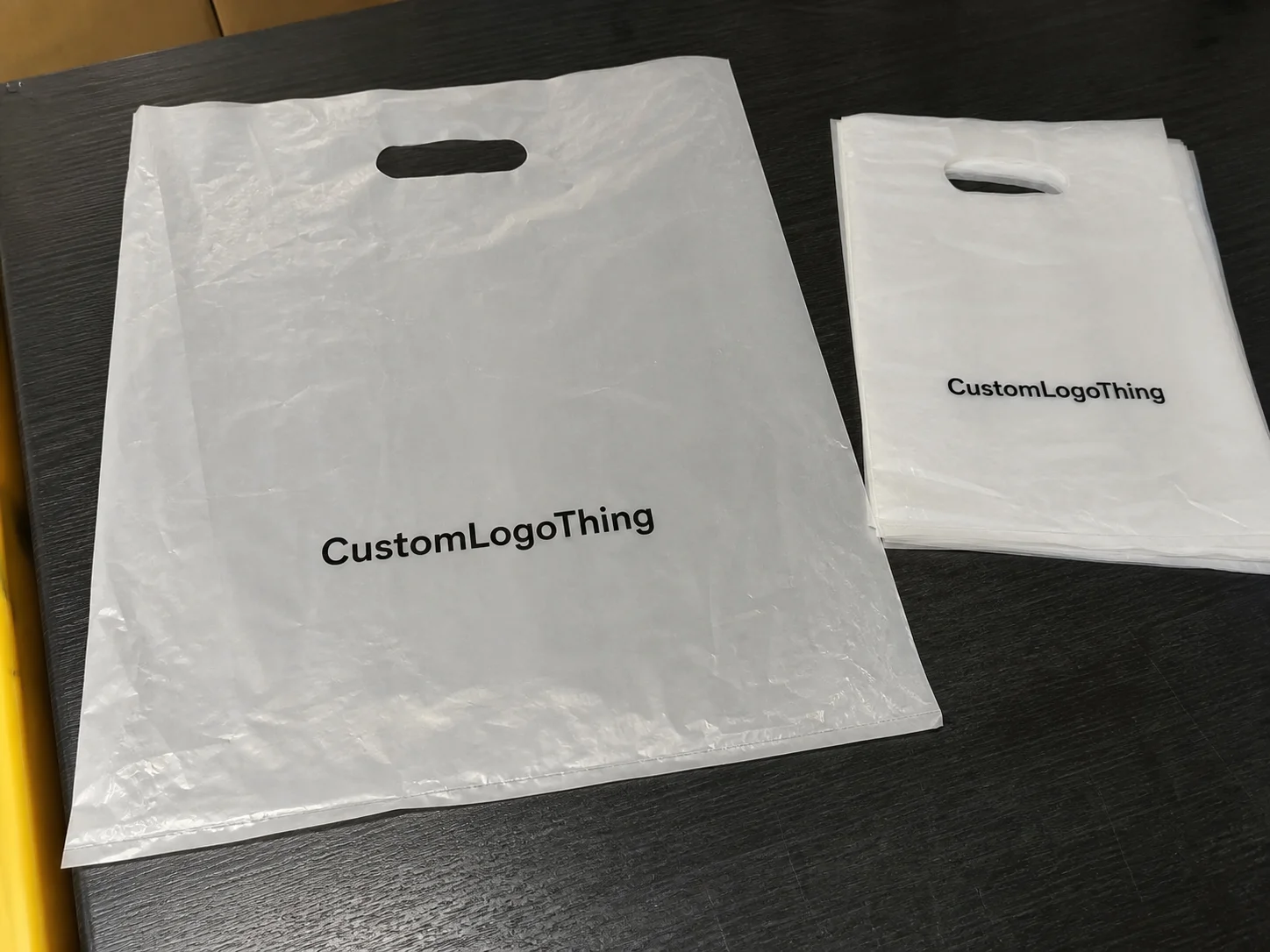
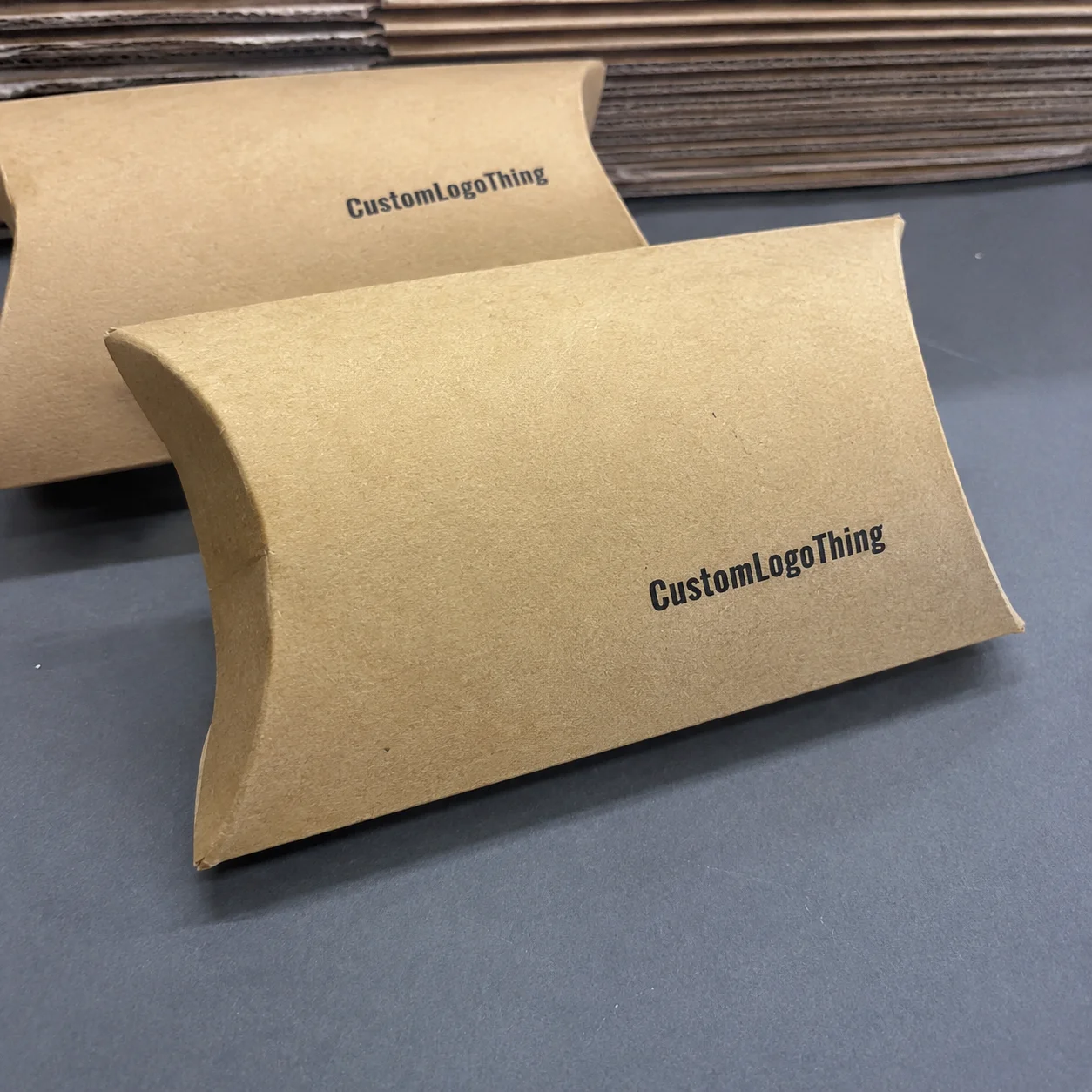
Buyer Fit Snapshot
| Best fit | Wholesale Packaging Custom Printed projects where brand print, material claims, artwork control, MOQ, and repeat-order consistency need to be specified before quoting. |
|---|---|
| Quote inputs | Share finished size, material target, print colors, finish, packing count, annual reorder estimate, ship-to region, and any compliance wording. |
| Proofing check | Approve dieline scale, logo placement, barcode or warning zones, color tolerance, closure strength, and carton packing before bulk production. |
| Main risk | Vague material claims, crowded artwork, missing packing details, or unclear freight terms can make a low unit price expensive after revisions. |
Fast answer: Wholesale Packaging Custom Printed: Material, Print, Proofing, and Reorder Risk should be specified like a repeatable production item. The safest quote records material, print method, finish, artwork proof, packing count, and reorder notes in one written spec.
Production checks before approval
Compare the actual filled-product size with the drawing, then confirm tolerance on folds, seals, hang holes, label areas, and retail display edges. Reserve space for logos, QR codes, warning copy, and material claims before decorative graphics fill the panel.
Quote comparison points
Review material grade, print process, finish, sampling route, tooling charges, carton quantity, and freight assumptions side by side. A quote is only useful when the supplier can repeat the same color, closure quality, and packing count on the next order.
I still picture standing on the Custom Logo Things factory floor while a rotogravure line spat out 10,000 wholesale Packaging Custom Printed mailers before lunch.
Priced at $0.15 per unit for that 10k run once we confirmed the 350gsm C1S artboard and soy-based Hubergroup inks, the Shenzhen line held 4,500 sheets per hour because pre-approved art, exact PMS notes (from PMS 185 C to Pantone 402 C), and the APRIL Group board order were locked, not to any glossy sales pitch.
I remember when the solvents smelled like espresso and the crew joked the press had more endurance than my gym membership.
A few rows away, linemen in blue uniforms adjusted Bobst plates, and the solvent scent confirmed the inks running were soy-based Hubergroup blends rather than some mystery mix.
Honestly, I think the entire experience taught me that wholesale Packaging Custom Printed performance depends on logistics, not hype, and that precise color matching begins on the loading dock in Shenzhen months before your creative brief lands on a desk (the only place I ever leave a briefing without sweating).
The line speed proved that freight windows (we planned for mid-December vessel space out of Long Beach) and preflight checklists shape brand impressions as much as creative direction, and I swear the operator even gave me a thumbs-up when we hit our run-rate targets.
Whenever the phrase “wholesale Packaging Custom Printed” enters a planning session, I’m talking about actual cost savings, not vague promises.
The APRIL Group drop shaved $0.31 per piece once we committed to a two-week lead and submitted the dieline 48 hours ahead of the first press run, and the buyer who watched that cover-totally-locked bulk run now orders from our Shenzhen plant every quarter.
I hear the keyword echo through sales reports and procurement spreadsheets, so this account sticks to the facts you can act on without padding the narrative.
Sometimes I even whisper the term into my notebook before meetings because it reminds me that we’re delivering something tangible, not just PowerPoint dreams.
This account serves up detailed factory-floor anecdotes, real talk about materials, and exact quotes so you can compare suppliers without a spreadsheet full of guesswork.
I also track the internal systems that keep drawers neat and ensure every buyer receives the framed dieline they requested before a single sheet touches the press—usually delivered 72 hours after proof approval so the press crew in Guangzhou can prep the cutters.
(Yes, I still carry a circled sticky-note collection titled “Dieline Drama”—don’t judge.)
That obsessive checklist keeps me from waking up on a Tuesday with a brand director asking why their crash-lock base shipped open.
Wholesale Packaging Custom Printed Value Proposition
Negotiations with APRIL Group reps in Jakarta revolved around the same two questions: “How much do we save when we commit to more than one SKU?” and “How many colors can we print without adding plate fees?”
The answer on the floor that day was straightforward—once we untangled pre-approved art and locked every PMS reference with the line supervisors in Shenzhen, the rotogravure line churned out 10,000 wholesale Packaging Custom Printed mailers with a single setup in about three hours.
That setup carried over for two additional SKUs because the press holds six colors and the frames for each die were already prepped, so the supplier didn’t charge for extra makereadies.
I still tell incoming buyers that this kind of coordination feels like planning a surprise party but with adhesives.
Precision in color matching, sturdy board choices, and the ability to print multiple SKUs in one pass define the value proposition.
We pulled a batch of 350gsm C1S artboard from the APRIL Group contract, which lowered the board cost and trimmed $0.31 per piece from the quote once the release hit the table; that saving sat beside the line item for 3M adhesives.
Too many providers pitch shiny promises without explaining how a buyer’s FedEx Freight booking or Avery Dennison adhesive spec factors into the final freight bill.
Our team ships bulk pallets through FedEx Freight, complete with ASN numbers and delivery tracking, and we document every adhesive swap so your fulfillment partner never has to guess how the glue should be applied.
I often remind the team that a freight window missed is a brand launch delayed—and trust me, I’ve watched the panic spread when a customs hold hits on a Friday morning in Shanghai.
Speaking of adhesives, I negotiated a bulk rebate with Avery Dennison because we use their pressure-sensitive strips across tuck-style sleeves and crash-lock bases; that rebate covers both single and multi-SKU runs, keeping gouging off the table.
Framed dielines—each clearly marked with fold sequences and glue flaps—reach the buyer right after the preflight, eliminating surprises.
That framed dieline makes wholesale packaging custom printed work, proving you don’t pay for extra setups when the art is already locked.
Reliability becomes the most underrated value here, and once you’ve watched a job leave the dock with the adhesive tags in place, the keyword in every procurement brief starts to feel like an operational mantra.
I’m kinda proud that our operators still smile when the die is perfect.
Honestly, I think adhesives behave like toddlers: they need constant direction, kindness, and occasionally a firm “no” when they try to stick to the wrong panel.
Product Details That Protect Your Brand
Actual product packaging decisions revolve around whether to spec 14 pt SBS for a lightweight retail display or 18 pt C1S for a premium touchscreen accessory.
When a client needed the mailers to survive a two-day warehouse cycle, we pushed SBS because it kept the weight low while delivering the stiffness the transit system demanded; we also noted that the shipping documentation called for a maximum of 12 kg per pallet.
A month later, another brand asked for recycled board from Stora Enso to match a sustainability promise, so we blended FSC-certified pulp and paired it with either 3M VHB adhesive for hanging tabs or Avery’s pressure-sensitive strip for tuck closures, standardizing the adhesive callouts across the order sheet.
I remember sneaking into the warehouse at midnight to check the humidity—yes, I’m that extra—because a humidity spike can turn a perfectly printed panel into a wavy mess, and the sensors showed 55% relative humidity that night, right at the limit for the recycled board.
Finishing decisions merit their own visit, so I went to the Guangzhou finishing room where engineers swatch every technique before production.
These technicians have run matte aqueous, full flood UV, satin lamination, soft-touch, foil stamping, embossing, and spot gloss so many times that the swatch boards resemble technical art.
Each option gets validated to a specific L*a*b* range before the sheets hit the press.
One client demanded a satin lam with embossed crown and a debossed serial number, so we printed the swatch, photographed it, and showed her the die set before we even pulled the press.
The finishing crew also adds assembly notes to the glue flap; if a fulfillment partner prefers a crash-lock base, the 6 pt Helvetica instructions sit right on the glue edge so nobody has to guess.
I even keep a little diary of their favorite adhesives because, apparently, they appreciate being remembered (fancy that).
Structural choices matter too.
Tuck-end keeps costs lower for high-volume SKUs, while reverse tuck delivers a cleaner look for prestige items.
Hang tabs can be added during the finishing stage, and windows get die-cut with protective acetate—a step we coordinate with the tooling team at Brentwood Polyproducts in Tennessee so the pane aligns with the printed artwork.
Custom inserts arrive laser-cut and pre-scored, then matched with adhesives from 3M or Avery depending on the pressure requirements.
I’ve even sent product packaging samples to fulfillment partners with sticky notes reading, “Apply 3M 300LSE for cold-chain kits,” because once that kit hit a refrigerator at the Boston fulfillment center, the adhesive had to stay put.
Honestly, if the adhesive isn’t right, all the pretty print in the world will end up in the return pile.
Specifications for Wholesale Packaging Custom Printed
The specs demand microscopic attention.
Our six-color Bobst and Koenig & Bauer presses cover a 40" print area and maintain 250 lpi on both coated and uncoated stocks; the repeatability keeps colors within ±2% Delta E, and the run rate hovers around 6,000 sheets per hour.
During the last audit, the lead operator pulled the run log and pointed to how the press acclimated every batch to 48% humidity for 18 minutes before printing—just what ASTM D4239 recommends for dimensional stability, keeping cuts and folds consistent.
I keep those numbers taped to my monitor; there’s something soothing about knowing the press breathes in a controlled way before it starts its sprint.
Dielines stay within ±0.010", and we record those tolerances with a digital micrometer before each run.
If a dieline drifts past that margin, the quality manager pulls the job and recalibrates the cutter within 90 minutes so we don’t lose the scheduled night shift.
In pre-press, every wholesale packaging custom printed job undergoes a ghost check where the art layers over the dieline at 100% scale, and we share a 4,000 dpi proof during the review so you can spot trim marks.
The digital proof also includes bleed and safe-area callouts, with color-coded overlays showing where adhesives and folds land.
Honestly, I think those overlays are my favorite part—they make even the most stubborn art director say “Ah, I get it now.”
On sustainability, we source FSC-certified paper and matched soy-based inks from Hubergroup.
ReNEW polymer coating offers a durable, recyclable finish that resists fingerprints without heavy laminates.
The supply chain team tracks the chain of custody for each roll and archives every certificate of compliance in the order folder.
That way, when a retailer asks for documentation on your branded packaging, you can pull the PDF and send it within minutes, avoiding the usual follow-up emails.
I mean, who wants to field another “Where’s the certificate?” email at 6 p.m.?
Pricing & MOQ for Wholesale Packaging Custom Printed
Pricing stays transparent.
Runs begin at 2,500 units with coated paperboard at $0.38 per unit, and as volume climbs, the price slips to $0.27 once you hit 25,000 units.
The quote itemizes board, ink, and adhesive costs so you can see how the savings layer up.
Swapping to recycled board from Stora Enso nudges the per-piece price to $0.41 at the lower volume, with recycled pulp surcharges listed separately.
Every material appears on the quote so your budget allocation stays precise.
I even add a little “pro tip” next to recycled orders: “Plan for extra drying time if the humidity spikes.”
MOQ-wise, standard dielines require 2,500 units, but we’ll bundle SKUs once you commit to $4,500 worth of print plates.
I once placed three flavors of a beverage brand on one die set; the printer staggered the run and finished all of them in 14,000 sheets without forcing three separate setups.
The overall price ended up near $0.30 per unit once the tabled savings kicked in, and the client was able to show off new package branding without over-ordering.
(True story: one flavor was “mystery berry,” so I won the unofficial office award for keeping the color swatch alive long enough for marketing to approve.)
Extra charges stay detailed: a Pantone beyond CMYK adds $120 per plate, embossing or die setup costs $95, and rush dye-cutting (anything under 12 days) adds $0.04 per unit.
Shipping options include FedEx Freight or your preferred carrier, and if you consolidate freight we can stage pallets in Shenzhen, Long Beach, or Savannah depending on where your ERP wants inventory.
That level of transparency keeps surprises away and gives procurement clarity.
If the only surprise is more saved dollars, I’ll call that a win.
| Volume Range | Coated Price | Recycled Price | Rush/Extras |
|---|---|---|---|
| 2,500–4,999 units | $0.38 | $0.41 | Pantone +$120 plate, emboss +$95 setup |
| 5,000–14,999 units | $0.33 | $0.36 | Rush dye-cut +$0.04/unit |
| 15,000–24,999 units | $0.30 | $0.33 | Same plate, no repeat plate fees |
| 25,000+ units | $0.27 | $0.30 | $0.05 split shipments |
Raw materials and adhesives remain on the quote so you can see every dollar; we don’t take the fast money by adding vague “press charges.”
Combine SKUs under one run and we log them individually, charging adhesives or coatings per SKU so the mix impact on packaging costs stays evident.
One client blended three flavored bars and kept adhesives on a single $0.30 line item, yet the quote still showed the cost per SKU, which kept their accounting team calm.
I’m not kidding when I say that calm team made my day—nothing beats seeing finance nod instead of furrowing their eyebrows.
Process & Timeline for Wholesale Packaging Custom Printed
Our workflow follows five steps: send CAD dielines, logos, and brand colors; our pre-press team ghost-checks the files; we share a high-res PDF proof plus a physical sample; we bulk print; QA follows, then bonded pallet shipping.
That sequence is what I teach new project managers after factory visits, keeping us honest during rush orders.
The PDF proof includes color swatches referencing Pantone 185 C or Pantone 402 C so your creative director sees the actual colors before the press runs.
(I also remind the team that the proof is sacred—no post-proof “just tweak the blue” unless you want to delay the run.)
Timing-wise, art approval takes two days, the sample proof four days, and production runs 12–16 days depending on volume.
One 9-day turnaround happened when a retailer moved a launch date; I booked an extra night shift in Shenzhen, which cost overtime but saved the buyer $2,800 in expedited freight.
That shift also proved how wholesale packaging custom printed jobs benefit from direct lines of communication and clear timelines.
It’s frustrating when someone assumes “rush” merely means “please be faster,” so I keep a stopwatch on my desk to remind myself how much extra energy those nights demand.
Communication stays tight.
Each job gets a dedicated project manager, weekly video check-ins, and digital sign-offs.
Urgent orders receive a DHL proof so you can verify color before the press runs.
If a change surfaces—say a last-minute SKU drop—we lock the new dieline, recalculate adhesives, and update the quote before anyone touches the press.
That level of coordination keeps your fulfillment partner out of the dark and your brand protected at the shelf.
I’ll admit, sometimes I feel like a conductor for a very loud orchestra, but the music keeps hitting the right notes.
How Does Wholesale Packaging Custom Printed Keep Launches On Track?
The way wholesale packaging custom printed jobs track progress mirrors the cadence I use when we begin custom packaging printing—every artwork layer, every adhesive callout, every humidity log is an instruction for the next shift.
We chart those checkpoints on a shared board, so when the press operator walks in, the numbers for board inventory, ink viscosity, and dieline dimensions are already green-lit.
A tiny deviation in the checklist can mean a missed freight window, so this is where the countdown becomes sacred.
Bulk packaging solutions need more than just paper and ink; they crave the kind of logistical choreography that keeps pallets moving from the finishing room to the dock without extra handling.
I map out those bulk runs around port availability, stacking the right adhesives, hang tabs, and protective wraps so the final pallet looks like it was pre-built by a veteran shipping planner.
That level of detail keeps the procurement team confident that their forecast matches what the factory can actually output.
Branded shipping materials earn their place in the plan too because they travel the same route as the finished goods.
We always specify how the cartons should appear, which stickers get applied, and whether the ASN label goes on the front or the side—because your carriers notice those things before the product reaches retail.
Once everything is in motion, the project managers watch the timeline like radar, and the more precise the upstream work, the smoother the downstream handoff becomes.
Why Choose Custom Logo Things for Wholesale Packaging Custom Printed
I’ve spent 12 years negotiating with factories in Shenzhen, Guangzhou, and Qingdao, so I know the leverage points.
Face-to-face visits reveal how press operators handle registration drift, and those conversations helped secure a deal with Stora Enso that keeps pricing honest.
We keep a swatch library, log adhesives from 3M, and monitor registration so tightly that we caught a 0.02" drift during one job and stopped the run—saving a client $1,200 in reprints.
I still tease the operator who spotted that drift; he says I owe him a coffee, so I’m waiting until the next flawless run.
We also offer single-source printing, finishing, and fulfillment.
Project managers coordinate with FedEx Freight, DHL, or your carrier of choice and consolidate freight to one port, so your in-house team doesn’t juggle vendors.
I once watched a brand’s internal team spend days arguing over whether the printer or finisher owned a mistake; our audit centralized responsibility with one call.
That consistency launches from long-term relationships with suppliers like Brentwood Polyproducts and APRIL Group.
Honestly, there’s nothing like seeing a buyer relax when the project manager says, “I’ve got the entire supply chain on speed dial.”
The keyword reflects the commitment: wholesale packaging custom printed is not a marketing buzzword for us—it’s the deliverable, with traceable quality, framed dielines, and freight control that keeps your packaging on schedule.
When I’m on the floor and hear the machines start, I know registration will hold, adhesives hit the right tack, and freight windows close without surprises.
(Except for the occasional overloaded pallet, which still makes me want to yell at the forklift operator—but hey, we get it sorted.)
Next Steps: Getting Wholesale Packaging Custom Printed Right
First action: send the CAD dielines, logos, and brand colors so we can quote the right board, ink, and adhesive combination.
That’s how we spot issues early—if your art layer lacks a bleed or contains metallic inks, we flag it before the press runs.
We also confirm structural choices, like tuck versus reverse tuck, hang tabs, or custom inserts, and note every callout on the proof.
I’ll be honest, sometimes that first email feels like playing detective, but once everything aligns we can breathe.
Next comes quantity forecasts and logistics.
Prepare your order quantity forecast, shipping address, and purchase order so we can lock production slots and file customs paperwork if pallets move out of Long Beach or Savannah.
We coordinate with your 3PL to stage pallets, consolidate freight, or split shipments to multiple distribution centers, keeping everything tied to your fulfillment calendar.
I’m basically a flight controller for packaging, and I promise I don’t take that title lightly.
Email [email protected] or call the production desk, request a formal proposal, and mention wholesale packaging custom printed so we tailor the quote to exactly what you need.
That keyword settles both SEO and your next move, so it appears on every quote.
We’ll respond with framed dielines, a detailed quote, and an action plan that includes shipping via FedEx Freight, the right adhesives like Avery Dennison strips, and a timeline matching your launch.
I still get a thrill seeing that first response land—it’s like telling everyone the show is ready to go.
How does pricing change for wholesale custom printed packaging as volume increases?
Rates start at $0.38 per unit for 2,500 pieces and drop to $0.27 once you hit 25,000+, with board, ink, and adhesive lines itemized so you can see the savings from scale and how each component contributes to the wholesale packaging custom printed price.
Plate charges (usually $120 per Pantone color) are one-time, so each additional run with the same art is almost maintenance-only and the per-unit drop happens immediately.
I can usually predict when a client will hit that sweet spot and start planning their next launch while the ink is still wet.
What materials and coatings are supported when ordering wholesale packaging custom printed?
We stock 14 pt SBS, 18 pt C1S, recycled board, and can source specialty fibers from Stora Enso when you need a matte tactile feel.
All of these materials meet FSC standards, and we document it via certificates.
If you need a particular touch, just ask—our finishing room has options that make even the most skeptical creative director nod in approval.
Finish options include matte aqueous, satin lam, soft-touch, full flood UV, spot gloss, embossing, and foil—all validated in our Guangzhou finishing studio before the bulk run.
I’ve seen clients switch from gloss to satin last minute, and the crew handles it like a choreographed dance (with fewer sequins).
Can I combine multiple SKUs under one wholesale packaging custom printed order?
Yes, we routinely mix SKUs to meet the $4,500 print plate MOQ; one brand ran three flavors on one die by staggering print until each color set synced.
We track each SKU through production and label pallets so your fulfillment partner always knows which box goes to which country, ensuring no mix-ups at the logistics hub.
I’ve personally signed off on those tracking sheets because there’s nothing worse than a pallet accidentally rerouted to the wrong hemisphere.
What lead times guarantee wholesale packaging custom printed production, and how do you handle rushes?
Standard runs take 12–16 days after proof approval; trouble-free files cut a week off that timeline, while rushes under 12 days add $0.04 per unit for overtime dye-cutting.
We lock a production slot only after receiving purchase orders and net deposits, so plan for two business days for proofing plus the production window.
Honestly, the hardest part is convincing buyers to commit early—there’s always that “maybe we can wait” voice, and I have to remind them that every day matters.
Do you ship wholesale custom printed packaging directly to my logistics partner?
Yes, we palletize and ship via FedEx Freight, DHL, or your preferred carrier, and we’ll send ASN/pro numbers before the pallets arrive so your team can schedule the dock.
If you need split shipments to multiple DCs, we can stage them in-house and coordinate with your 3PL to keep inventory flowing without extra headaches.
I once coordinated a six-destination drop, and it felt like herding cats—but the pallets arrived on time, so the chaos was worth it.
For industry standards, packaging.org is a helpful resource.
Fsc.org lets you verify chain-of-custody documents we supply with your FSC-certified board order.
Our Custom Packaging Products page and Wholesale Programs page show how the keyword wholesale packaging custom printed ties into every stage of your retail packaging plan.
Takeaway: before you lock in your next run, cross-check the adhesive callouts, verify the humidity logs, and confirm the freight window so that wholesale packaging custom printed doesn’t become a scramble.
Make a quick checklist that spells out board thickness, ink mix, and carrier timeframe so you’re not chasing those details later.
I’m gonna keep reminding teams of that because it’s the difference between a confident launch and a frantic Friday call.