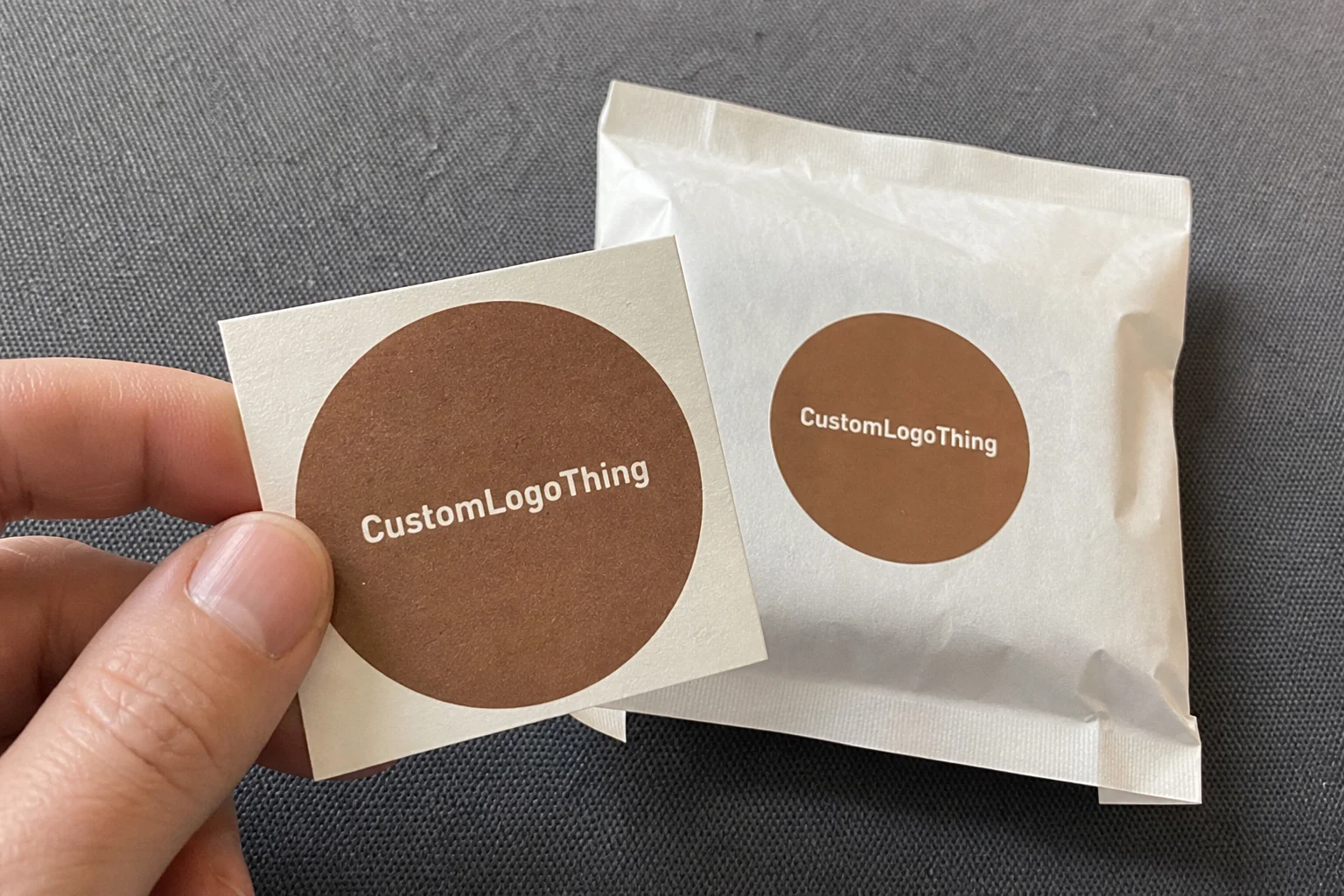
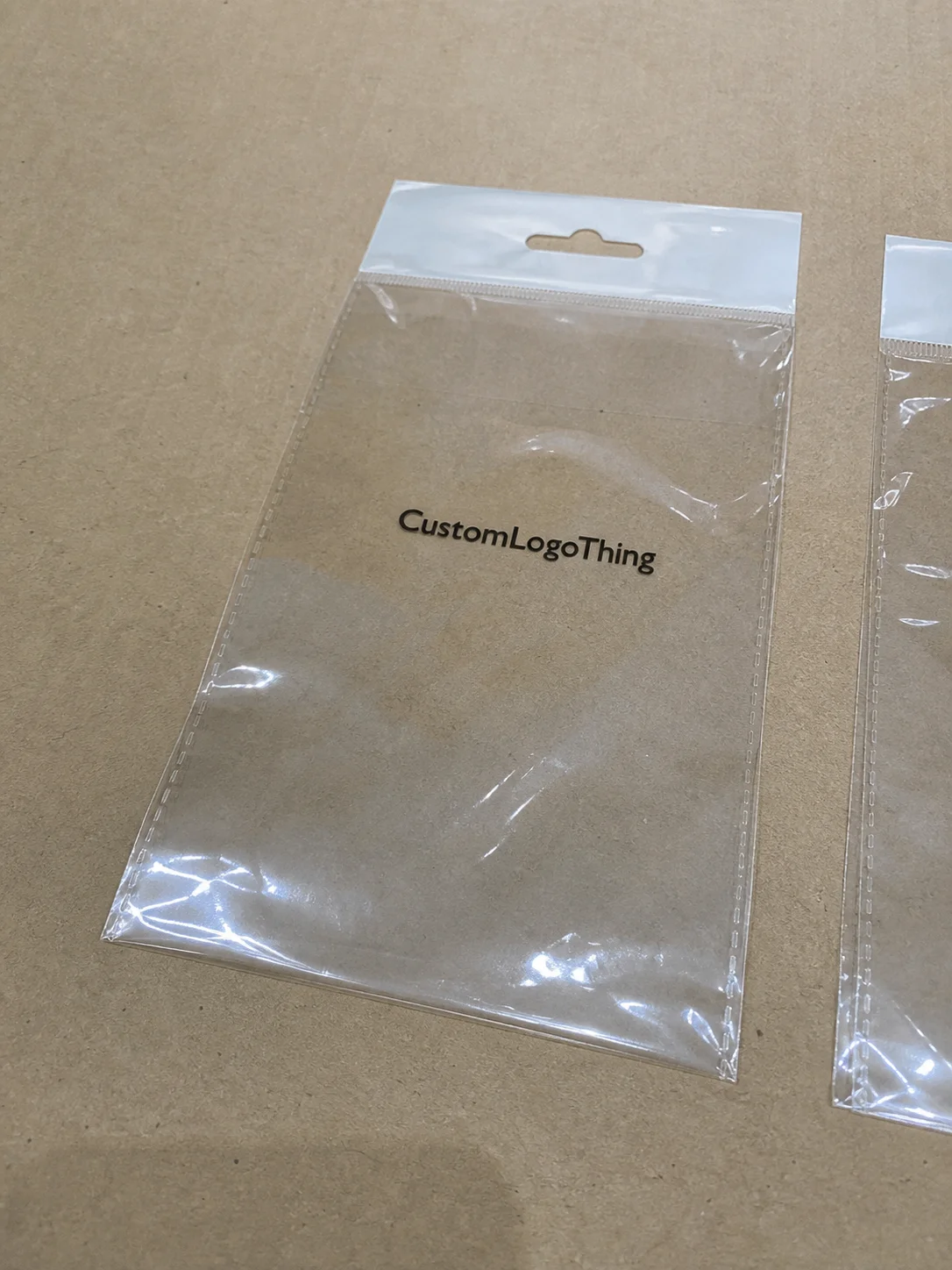
Buyer Fit Snapshot
| Best fit | Wholesale Packaging for Ecommerce projects where brand print, material claims, artwork control, MOQ, and repeat-order consistency need to be specified before quoting. |
|---|---|
| Quote inputs | Share finished size, material target, print colors, finish, packing count, annual reorder estimate, ship-to region, and any compliance wording. |
| Proofing check | Approve dieline scale, logo placement, barcode or warning zones, color tolerance, closure strength, and carton packing before bulk production. |
| Main risk | Vague material claims, crowded artwork, missing packing details, or unclear freight terms can make a low unit price expensive after revisions. |
Fast answer: Wholesale Packaging for Ecommerce: Quote Scope should be specified like a repeatable production item. The safest quote records material, print method, finish, artwork proof, packing count, and reorder notes in one written spec.
Production checks before approval
Compare the actual filled-product size with the drawing, then confirm tolerance on folds, seals, hang holes, label areas, and retail display edges. Reserve space for logos, QR codes, warning copy, and material claims before decorative graphics fill the panel.
Quote comparison points
Review material grade, print process, finish, sampling route, tooling charges, carton quantity, and freight assumptions side by side. A quote is only useful when the supplier can repeat the same color, closure quality, and packing count on the next order.
After two decades around corrugators in Ohio, converting lines in Guangdong, and pack stations from New Jersey to Southern California, I can tell you that wholesale Packaging for Ecommerce is one of those decisions that looks small on a spreadsheet and becomes very visible in operations. I remember one brand in a Newark, New Jersey fulfillment center That Cut Damage claims by 18.4% after switching from loose, retail-style cartons to properly specified mailer boxes with a tighter fit and a 44 ECT corrugated build, and the change showed up in customer reviews within three weeks. That is the real story behind wholesale packaging for ecommerce: lower unit cost, fewer mistakes at pack-out, less breakage in transit, and a cleaner brand presentation when the box lands on a customer’s table.
A lot of ecommerce teams buy packaging too late, after returns start rising or fulfillment is already strained. When that happens, rushed freight from a warehouse in Dallas, inconsistent print from an overbooked press in Vietnam, and a packaging spec that was never matched to the product in the first place tend to follow. Honestly, I think good wholesale Packaging for Ecommerce planning starts earlier, with a real understanding of what moves through the warehouse, how the carrier handles it, and what the customer sees when the parcel is opened, which is often the first real handshake with your brand and usually happens within 12 to 15 seconds of pickup.
Why wholesale packaging for ecommerce pays off fast
The fastest wins usually show up on the floor, not in a marketing deck. I remember standing beside a pack line in a Chicago apparel operation where workers were burning 42 to 55 seconds per order hunting for the right box size, then stuffing excess void fill into every shipment because the cartons were all one size too large by nearly an inch. After they moved to wholesale Packaging for Ecommerce with three matched box sizes, 200-pound test inserts, and standardized pack instructions, their pick-and-pack time dropped enough that they could reassign one full-time worker during peak weeks. That kind of change matters because labor is expensive, and wasted motion adds up fast when you ship 600 to 2,000 orders a day. Also, nobody enjoys watching a packer wrestle a box like it personally insulted them.
Wholesale packaging for ecommerce pays off in four ways that are easy to measure. First, unit cost drops when you buy in quantity from a packaging manufacturer or converter instead of ordering ad hoc retail quantities from a reseller; on a 10,000-piece run, I’ve seen savings of $0.08 to $0.22 per unit versus low-volume sourcing. Second, consistency improves, which makes replenishment easier and reduces the risk of a warehouse receiving five slightly different box constructions over a six-month period. Third, better packaging fit lowers transit damage and the cost of replacements, especially when the product ships through UPS Ground or FedEx Home Delivery and rides through two to four distribution hubs. Fourth, the unboxing experience becomes repeatable, which helps with brand perception and customer retention.
I’ve seen the contrast firsthand between retail-style one-off purchases and proper wholesale packaging for ecommerce. Retail sourcing often means limited sizes, higher per-unit pricing, and generic construction that was never intended for daily fulfillment abuse. Wholesale sourcing, especially direct from a factory in Dongguan or a packaging converter in Los Angeles, allows you to specify board grade, flute profile, print coverage, and closure style. That is the difference between “we found boxes” and “we built a packaging system.”
For brands shipping daily, predictability is the real advantage. If your top SKU ships 4,000 times a month, then a three-cent difference in unit cost is meaningful, but the bigger gain is avoiding stock interruptions and damage-related refunds. I’ve sat in client meetings where a finance manager wanted to focus only on unit price, and the operations lead had to explain that a cheaper carton with weak board and poor tolerances was costing them more in rejects, repacks, and customer service time. In wholesale packaging for ecommerce, the best purchase is usually the one that lowers total operating friction, not just the line item.
“We thought we were saving money on cartons,” one fulfillment manager in Atlanta told me, “but the real savings came when our packers stopped fighting the boxes.” That line has stayed with me because it captures the heart of wholesale packaging for ecommerce: the right structure saves labor, waste, and frustration all at once.
There is also a brand side to this. Clean branded packaging helps customers feel like they received something intentional rather than a random shipping box. That matters whether you sell apparel, beauty products, electronics accessories, or subscription items. Good packaging design does not need to be ornate; often it just needs to fit properly, print sharply, and open in a way that feels considered. For many buyers, wholesale packaging for ecommerce becomes the easiest route to stronger package branding without creating chaos in the warehouse, especially when the design starts with a simple one-color logo on a 350gsm C1S artboard insert or a kraft mailer with a clean uncoated finish.
Wholesale packaging for ecommerce types brands buy in volume
The most common wholesale packaging for ecommerce formats are mailer boxes, shipping boxes, poly mailers, padded mailers, tissue, inserts, labels, and void fill. Each serves a different job, and I’ve seen brands get into trouble when they try to force one format to do all of them. A rigid candle set may need a corrugated mailer box with a molded pulp insert, while a lightweight hoodie could ship perfectly in a printed poly mailer. The product, the carrier, and the fulfillment method should decide the structure, not habit. In a 3PL in Phoenix, Arizona, I watched a team move from a one-size-fits-all carton to three SKUs and cut packing exceptions by 27% in the first month.
Mailer boxes are often the first choice for wholesale packaging for ecommerce because they combine presentation and protection. Most are made from corrugated board, typically E-flute at about 1.5 mm thick for a smoother print face and slimmer profile, or B-flute at roughly 3 mm for a little more crush resistance. I’ve specified 32 ECT or 44 ECT board depending on the application, and the choice usually comes down to weight, stacking pressure, and whether the box will travel through parcel networks like UPS or FedEx. For a sharper unboxing experience, mailer boxes can be custom printed with flexographic or offset printing, then finished with matte or gloss lamination if the budget allows. A typical 5,000-piece run of a one-color printed mailer box might land at $0.48 to $0.72 per unit depending on size, paper, and coating.
Shipping boxes are still the workhorse for heavier orders. In wholesale packaging for ecommerce, these usually use corrugated construction with regular slotted cartons, and the flute choice might be B, C, or a double-wall combination for heavier items. I’ve seen double-wall boxes used for kitchenware in Toledo, Ohio, supplements packed in Irvine, California, and tool kits shipped out of Monterrey, Mexico, where product integrity mattered more than presentation. If the product is dense or has sharp edges, a stronger board grade, a 275# burst test spec, and better internal blocking are worth the extra cents.
Poly mailers are popular in apparel, soft goods, and low-fragility items because they are light and inexpensive. Recyclable film options are improving, and some buyers now ask for post-consumer recycled content or mono-material structures where available. For wholesale packaging for ecommerce, poly mailers can be printed with logos, shipping zones, or handling instructions, and they often include pressure-sensitive adhesive closures for faster pack-out. I’ve also seen courier bags with dual seals used for returns processing, which helps brands reduce reverse-logistics friction. A basic 14 x 19 inch custom-printed poly mailer at 10,000 pieces can come in near $0.09 to $0.14 per unit, depending on film gauge and print coverage.
Padded mailers work for books, small cosmetics, accessories, and flat products that need modest cushioning without a full box. Kraft outer liners with paper or bubble padding are still common. For heavier use, I prefer paper-padded options when the client wants a more recyclable story, but bubble options still perform well in many networks. The right answer depends on what happens in transit and how much dimensional weight you can tolerate. A well-made padded mailer with a 90gsm kraft exterior and 3 mm paper cushioning can protect flat items shipped from a warehouse in Charlotte, North Carolina without adding the cube of a corrugated carton.
Tissue paper, inserts, labels, and void fill may sound secondary, but in wholesale packaging for ecommerce they often shape the final experience. Tissue protects delicate finishes, printed inserts support upsells or care instructions, and labels keep the whole operation organized. Custom inserts can be paperboard, molded pulp, or corrugated die-cuts. When I worked with a small electronics brand in San Jose, California, we changed from loose foam to a die-cut corrugated insert and reduced movement inside the box enough to pass ISTA-style drop checks more comfortably. For premium products, a 350gsm C1S artboard insert with a crisp fold can make a $19 product feel far more deliberate.
Factory process matters too. Flexographic printing is usually cost-effective for larger runs and simpler artwork, while offset printing gives richer detail and tighter registration for premium custom printed boxes. Die-cutting determines the box shape, lock tabs, and closures. A good converter will explain how the process affects lead time, because a complex structural design with multiple windows, foil stamping, and specialty coatings will take longer than a plain kraft mailer with a one-color logo. That is normal, and wholesale packaging for ecommerce should be specified with production reality in mind. A box made in a plant in Foshan or Ningbo can be excellent, but the schedule will still reflect tooling, press setup, and coating cure time.
For teams building out product packaging across several SKUs, it often helps to standardize by category: one mailer family for small goods, one shipping carton family for heavier items, and one set of inserts that can be adjusted by size. That approach makes warehouse training easier and keeps retail packaging-style presentation consistent. In a good setup, the box size supports fulfillment speed while the print and structure support brand identity, whether you are shipping from a 10,000-square-foot facility in Charlotte or a national 3PL outside Dallas.
What specifications matter before you order?
Before you place any wholesale packaging for ecommerce order, ask for exact internal dimensions, board grade, print coverage, closure type, and tolerance ranges. Internal dimensions matter more than outside dimensions because the product and insert must actually fit where they need to sit. I’ve seen buyers order by exterior size only, then discover that a “10 x 8 x 4” carton left them with just enough room to damage corners during insertion. That is a painful mistake, and it is completely avoidable with careful spec review and a sample box measured with calipers to the nearest 1 mm.
Match strength to carrier reality. If the product ships through parcel networks with frequent automated handling, edge crush and compression performance matter more than they do for local courier delivery. For wholesale packaging for ecommerce, I commonly review board grades like 32 ECT for lighter cartons, then move up when product weight, stacking, or return probability increases. The exact requirement depends on fill ratio, product geometry, and how long the shipment sits in a warehouse before it moves. A 1.8 lb candle set shipping from Tennessee through parcel transit needs a very different build than a 7 oz lip gloss kit traveling two counties over.
Surface finish should not be an afterthought. A kraft liner gives a natural, durable look and can hide scuffs better, while white board usually produces sharper graphics for custom printed boxes. If the customer sees the packaging before anything else, the print-safe area, trim tolerance, and color match become part of brand quality. In one supplier meeting in Shenzhen, a buyer insisted on a full-bleed print across a box with tight folds and no allowance for ink creep; the production team had to walk him through the die lines and explain why the design needed a safer margin near the score lines. He was frustrated at first, but the revised artwork looked better and reduced misregistration by a visible margin on the first pilot run.
Ask about closure style. Tuck-top mailers are popular because they feel tidy and are easy to assemble, but some operations benefit from peel-and-seal adhesives or tear-strip features that speed opening. In wholesale packaging for ecommerce, even a few seconds saved per pack can matter when multiplied across 8,000 daily orders. If the product is high-value, you may need tamper evidence, locking tabs, or dual adhesive strips for return use. A tamper-evident closure can add only $0.02 to $0.05 per piece at scale, yet it can materially reduce customer service tickets.
Also request tolerances and not just nominal dimensions. A box that is supposed to be 8.00 inches wide may vary by a few millimeters because of converting and board caliper, and those millimeters matter when your insert fit is tight. I always advise clients to request sample packs or physical prototypes before final approval. A spec sheet is useful, but nothing replaces opening the box, placing the product inside, and seeing how it behaves under realistic packing pressure, especially after 12 to 15 business days from proof approval on a custom run.
Common mistakes show up again and again in wholesale packaging for ecommerce:
- Ordering by outside size instead of usable internal dimensions.
- Ignoring product movement and assuming void fill will solve every fit problem.
- Forgetting the thickness of tissue, inserts, or protective sleeves.
- Choosing a print finish that looks good in photos but rubs poorly during fulfillment.
- Skipping sample approval and trusting a PDF mockup alone.
For technical reference, industry groups such as the Packaging Machinery Manufacturers Institute and packaging trade resources, EPA recycling guidance, and testing bodies like ISTA provide useful context for material selection and shipment testing. If you need chain-of-custody materials, FSC certification can also matter for paper sourcing. These references help frame procurement decisions, especially when a sustainability team and operations team are looking at the same wholesale packaging for ecommerce brief from different angles in Seattle, Austin, or Toronto.
Pricing, MOQ, and how wholesale costs are calculated
Wholesale packaging for ecommerce pricing starts with material choice, then moves through size, print complexity, finish, tooling, and order quantity. A plain kraft mailer will cost less than a fully printed mailer box with soft-touch lamination, foil stamping, and a custom insert, and that difference is not arbitrary. Every extra process adds setup, labor, or material waste. In a corrugated plant in Taicang, a small change in board grade can also affect run speed and die wear, which shows up in the quote.
Minimum order quantity, or MOQ, varies by category. Simple stock items can have much lower minimums because the factory already has standardized materials and tooling, but custom printed packaging usually requires higher quantities to spread setup costs over enough units. For wholesale packaging for ecommerce, a common pattern is lower MOQ for one-color or one-size jobs and higher MOQ for multi-color, special finish, or structurally complex projects. That is not a sales trick; it is how converting and printing economics work. A basic custom order might begin at 1,000 pieces, while specialty jobs can require 3,000 to 5,000 pieces to keep pricing reasonable.
Here’s a rough pricing framework I’ve seen hold up across many programs, though every project is different. A standard unprinted kraft mailer box at scale might land at $0.22 to $0.38 per unit for 5,000 pieces, while a printed version with custom sizing and a specialty finish could climb to $0.55 to $1.10 per unit. Poly mailers are usually cheaper per unit, with a 10,000-piece run often coming in around $0.09 to $0.14 each, while rigid presentation packaging costs more because of material and assembly time. When a client asks for wholesale packaging for ecommerce at 5,000 units, 10,000 units, and 25,000 units, I always recommend comparing the landed unit cost at each level, not just the factory price.
Hidden costs can make or break a packaging budget. Plates, cutting dies, setup fees, freight, warehousing, and artwork changes all deserve attention. I once reviewed a quote where the unit price looked excellent, but the buyer had not accounted for a $180 die charge, export carton packing, and inland freight from the port to their warehouse in Indianapolis. The final landed cost was 14% higher than planned. That happens often in wholesale packaging for ecommerce when teams focus only on the per-box number.
Budgeting should follow landed cost logic. That means you consider:
- Unit price at the selected quantity.
- Setup and tooling for printing and cutting.
- Freight from factory to warehouse.
- Storage if you are holding inventory for several months.
- Obsolescence risk if branding changes before inventory is used.
One lesson I learned on a supplier visit in Guangdong is that the cheapest quote can become expensive if the factory is vague about carton packing, pallet patterns, or moisture protection. If the boxes arrive warped from poor warehouse storage, you lose time and money immediately. Good wholesale packaging for ecommerce sourcing includes not just manufacturing cost, but pack-out readiness and shipping resilience. That means asking how cartons are packed, whether pallets are stretch-wrapped, whether the vendor stores paper stock in controlled humidity, and whether the cartons are loaded 300 or 400 per pallet depending on board strength.
For growing brands, I often suggest a simple budget split: 70% for proven core packaging, 20% for seasonal or promotional packaging, and 10% for testing new package branding concepts. That keeps the operation stable while leaving room to improve the customer experience. The best wholesale packaging for ecommerce programs evolve through measured changes, not constant reinvention, and that is easier to manage when the monthly packaging budget is mapped against forecasted order volume instead of guessed from last quarter’s spend.
Wholesale ordering process and production timeline
The order process for wholesale packaging for ecommerce is usually straightforward, but each step matters. It starts with an inquiry or quote request, then moves into specification review, proofing, sample approval, production, inspection, and freight scheduling. If one of those stages is rushed, the whole project can drift. I’ve seen beautifully designed packaging delayed for two weeks because the artwork had a barcode too close to a fold line and nobody caught it until prepress. That kind of thing can make you stare at a proof and mutter a few words the printer definitely did not ask for.
Stock items can ship faster than custom jobs, and that difference is significant. For standard packaging held in inventory, lead times may be short enough to support quick replenishment. For custom wholesale packaging for ecommerce, a more realistic timeline often includes 2 to 4 business days for proofing, 3 to 5 business days for sample review if needed, then production, finishing, packing, and transit. In many cases, the total time from proof approval to production completion runs about 12 to 15 business days for simpler corrugated jobs and 18 to 25 business days for more complex printed packaging. The exact range depends on quantity, print method, and whether the shipment moves domestically or overseas.
Inside the factory, the sequence is more technical than many buyers realize. Prepress checks confirm that artwork resolution, die lines, bleed, and color separations are correct. Material sourcing follows, with board or film selected to match the approved specification. Then the die setup and print plates are prepared, the press runs, and the converting line folds, glues, cuts, or seals the final format. After that, cartons are counted, bundled, and packed for freight. Every one of those steps can affect quality in wholesale packaging for ecommerce, especially when the run is happening in a plant outside Guangzhou where several jobs may be on the floor at once.
Timelines are delayed by predictable issues. Artwork revisions always take longer than planned, especially when marketing and operations are editing the same file. Specialty coatings, foil stamping, and heavy ink coverage can add curing time or extra handling. Overseas freight adds variability at port and customs levels. Peak season capacity also matters, because factory schedules tighten when everyone wants the same production window. If your brand sells seasonally, reorder points should be set with enough buffer to cover at least one full lead time plus a small safety stock of 15% to 25%.
I like to tell clients to think in reorder triggers, not emergency orders. If your monthly usage is 12,000 units and your lead time is 25 business days from proof approval, then your reorder point should be well above one month of usage if you want to avoid stockouts. That rule sounds simple, but it saves a lot of panic. Wholesale packaging for ecommerce works best when the supply plan is tied to actual sales velocity and warehouse space, not optimism. A warehouse in Nashville may have room for 8 pallets today and only 3 pallets after a holiday rush, so storage has to be part of the math.
In one fulfillment review, I watched a team scramble because they treated packaging as an afterthought until their last pallet ran low. The result was a rushed air shipment, a freight invoice that came in $2,300 higher than planned, and a temporary downgrade to generic boxes. That hurt the customer experience more than the finance team expected. Since then, I always recommend building a packaging calendar with production, inbound freight, and reorder triggers all visible in one place. That discipline keeps wholesale packaging for ecommerce aligned with sales rather than chasing them.
Why Custom Logo Things is a strong wholesale partner
Custom Logo Things is well positioned for brands that need wholesale packaging for ecommerce with practical production support, custom sizing, and branding that actually fits the way ecommerce operations work. The advantage is not just having packaging available; it is having a manufacturing mindset behind the recommendation. That matters when you are deciding between corrugated mailers, printed shipping cartons, poly mailers, or a mixed packaging program built around different SKUs, especially if your ship volume ranges from 500 to 50,000 units per month.
From a production standpoint, the strongest partners are the ones who understand how corrugate converting, print alignment, adhesive strength, and fulfillment constraints interact. I appreciate suppliers who ask about product weight, destination carriers, insert requirements, and storage conditions before they quote. That tells me they are thinking like operators. For wholesale packaging for ecommerce, those questions save time and reduce the chance of receiving packaging that looks good on paper but fails on the line. A supplier that can explain board caliper, flute direction, and glue seam placement in plain language is usually a supplier worth keeping.
Custom Logo Things also fits brands that want better package branding without creating complexity. You may need a small run of custom printed boxes for a launch, or a recurring wholesale program with consistent sizing and repeat replenishment. Either way, the best result comes from confirming measurements, artwork setup, and packaging compatibility before production starts. That is where many packaging errors are caught: a dieline needs a small adjustment, a logo needs to move away from a fold, or an insert needs a tighter fit. The earlier those details are addressed, the better the outcome, and the less likely you are to eat a reprint on a 5,000-piece order.
I’ve worked with enough plants in Shenzhen, Dongguan, and Xiamen to know that communication can be the difference between a smooth order and a costly revision. A responsive partner reduces errors by confirming spec sheets, showing samples, and flagging issues before the job runs. That kind of support matters more than a flashy promise. For growing ecommerce brands, a dependable supply of wholesale packaging for ecommerce should feel calm, not stressful.
If you are building a product line that needs packaging depth, you may also want to review Custom Packaging Products for format options and Wholesale Programs for scale-oriented ordering support. Those resources help brands move from a single packaging idea to a repeatable system that can support multiple product families over time, whether the line needs 1,000 mailers or 30,000 cartons in a quarter.
Next steps to order the right wholesale packaging
The best way to start with wholesale packaging for ecommerce is to audit the packaging you already use. Look for crushed corners, oversized void spaces, broken seals, slow pack-out times, and customer complaints about presentation. Those are the clues that tell you where money is leaking. Then measure your products carefully, including length, width, height, and weight, and note whether the item needs an insert, sleeve, or extra cushioning. A tape measure and a digital scale that reads to 0.1 oz are enough to uncover problems that have been hiding in plain sight.
Build a simple spec sheet before requesting quotes. Include product dimensions, shipping method, monthly volume, branding requirements, and whether you need printed or unprinted packaging. I also recommend asking for at least two construction options, such as a kraft mailer versus a white printed mailer, or a poly mailer versus a padded mailer. In wholesale packaging for ecommerce, comparing options side by side often reveals that a slightly higher unit cost creates a better overall result in labor, damage reduction, or brand perception. A $0.17 difference per unit can be worth it if it saves 6 minutes of pack time per 100 orders.
Ask for samples or dielines before approving final artwork. That step catches fit issues early and helps your design team understand where folds, scores, and glue areas sit. If your program includes inserts, test them with actual product units, not just dummy measurements. I’ve seen insert failures come from tiny realities like cable placement, cap height, or the way a bottle tapers toward the shoulder. Those details matter in real packaging work, especially when the product ships in a 350gsm C1S sleeve or a tight-fit corrugated tray.
Here is the ordering checklist I would use if I were starting a new wholesale packaging for ecommerce program tomorrow:
- Measure the product and define the required internal box size.
- Choose the shipping method and confirm carrier expectations.
- Select the material: corrugated board, paperboard, poly film, or padded mailer.
- Decide on print style, finish, and closure type.
- Request a quote with at least two spec options.
- Review samples, dielines, or physical prototypes.
- Set a reorder point based on lead time and monthly usage.
That process keeps the purchase grounded in operations, not guesswork. And that is where the best wholesale packaging for ecommerce decisions come from: clear measurements, realistic timelines, and packaging that supports the work the warehouse already has to do. In practice, that often means planning 30 to 45 days ahead for replenishment, especially if your supplier is producing in southern China or shipping through a West Coast port.
If you want the short version, buy packaging that fits the product, prints cleanly, and can be replenished without drama. That is the formula I keep coming back to after years on factory floors and in customer audits. Wholesale packaging for ecommerce is not just a sourcing category; it is part of the fulfillment system, the brand system, and the margin system all at once.
The most reliable next step is simple: measure your product, choose the carrier path, and match the packaging structure to the real abuse it will see before you place the order. If those three pieces are aligned, the rest of the procurement conversation gets a lot easier, and your wholesale run is much less likely to turn into a headache later. That’s the part I’d never skip, not even a little.
Wholesale Packaging for Ecommerce: decision table
| Decision area | Best fit | What to verify | Risk if skipped |
|---|---|---|---|
| Claim type | Recycled, FSC, compostable, recyclable, or plastic-reduced packaging | Certificate, material percentage, and claim wording | Unclear claims create greenwashing risk |
| Performance tradeoff | Protection, print quality, and shelf feel | Strength, moisture behavior, ink choice, and finish limits | Eco material is chosen but does not protect the product |
| End-of-life path | Customer disposal, retail requirements, or municipal recycling | Label wording, inserts, and documentation | The buyer cannot understand how to dispose of it |
What is wholesale packaging for ecommerce and how does it work?
What is wholesale packaging for ecommerce used for?
It is used to pack, protect, and present ecommerce products efficiently at scale. It helps brands lower unit cost, improve fulfillment speed, and maintain consistent branding. A 5,000-piece carton program can reduce packaging spend by roughly 8% to 20% compared with small-batch buying, depending on the format and factory location.
How do I Choose the Right wholesale packaging for ecommerce products?
Start with product size, weight, fragility, and shipping method. Match those needs to the right material, structure, and closure style, then confirm with samples before production. For example, a 2 lb accessory set might need a 32 ECT mailer box, while a soft garment may ship well in a 2.5 mil poly mailer.
What is the typical MOQ for wholesale packaging for ecommerce?
MOQ depends on the packaging type, customization level, and production method. Simple stock items often have lower minimums, while custom printed packaging usually requires higher quantities. Many custom programs start around 1,000 to 3,000 pieces, while more complex printed box orders commonly make sense at 5,000 pieces or more.
How long does wholesale packaging production usually take?
Stock packaging can ship faster than custom orders. Custom packaging typically takes longer because of proofing, sampling, tooling, printing, converting, inspection, and freight scheduling. For many corrugated jobs, production is typically 12 to 15 business days from proof approval, while specialty finishes or overseas freight can extend the timeline to 20 business days or more.
Can wholesale packaging for ecommerce be customized with my logo?
Yes, most wholesale packaging formats can be customized with logos, colors, finishes, and inserts. The best method depends on the material, quantity, and the look you want to achieve. A one-color flexo print on a kraft mailer may be ideal for 10,000 units, while an offset-printed 350gsm C1S box might suit a premium 2,500-unit launch.