Wine Club Window Cartons Cost: Request an Accurate Quote
Wine Club Window Cartons cost is shaped by far more than board and ink. A clear panel changes the first judgment a buyer makes: risk, value, and bottle visibility all shift before the carton is opened. That visual cue can move conversion almost as much as the carton itself. Seen that way, wine club window cartons cost is not just a packaging line item. It is a marketing decision with freight, labor, and damage risk folded into it.
Packaging buyers often make the same mistake: they treat the window as decoration. The panel is not decoration. It can reassure a first-time subscriber, cut down hesitation, and still fail if the structure is weak. A flimsy reveal creates broken bottles, replacement shipments, and extra customer-service work. A box that saves a few cents on paper can burn through those savings quickly once the claims start. I have seen that math wipe out a "cheap" quote in a single club release, and it is not pretty. That is why wine club window cartons cost needs to be compared against the whole program, not only against the printed shell.
Here is the practical math. A carton that looks premium but collapses under postal handling can cost more in replacements than the gap between two quote lines. A carton that takes longer to fold can slow fulfillment. A carton with too much internal space lets bottles rub, scuff, and shift. Wine club window cartons cost makes sense only when structure, insert design, freight, and minimum order quantity are reviewed together.
At Custom Logo Things, the real question is simple: which mix of board grade, window style, and finish gives the strongest result at the lowest total landed cost? That is the test buyers should use before asking for a custom quote.
Wine Club Window Cartons Cost: why the display changes the sale
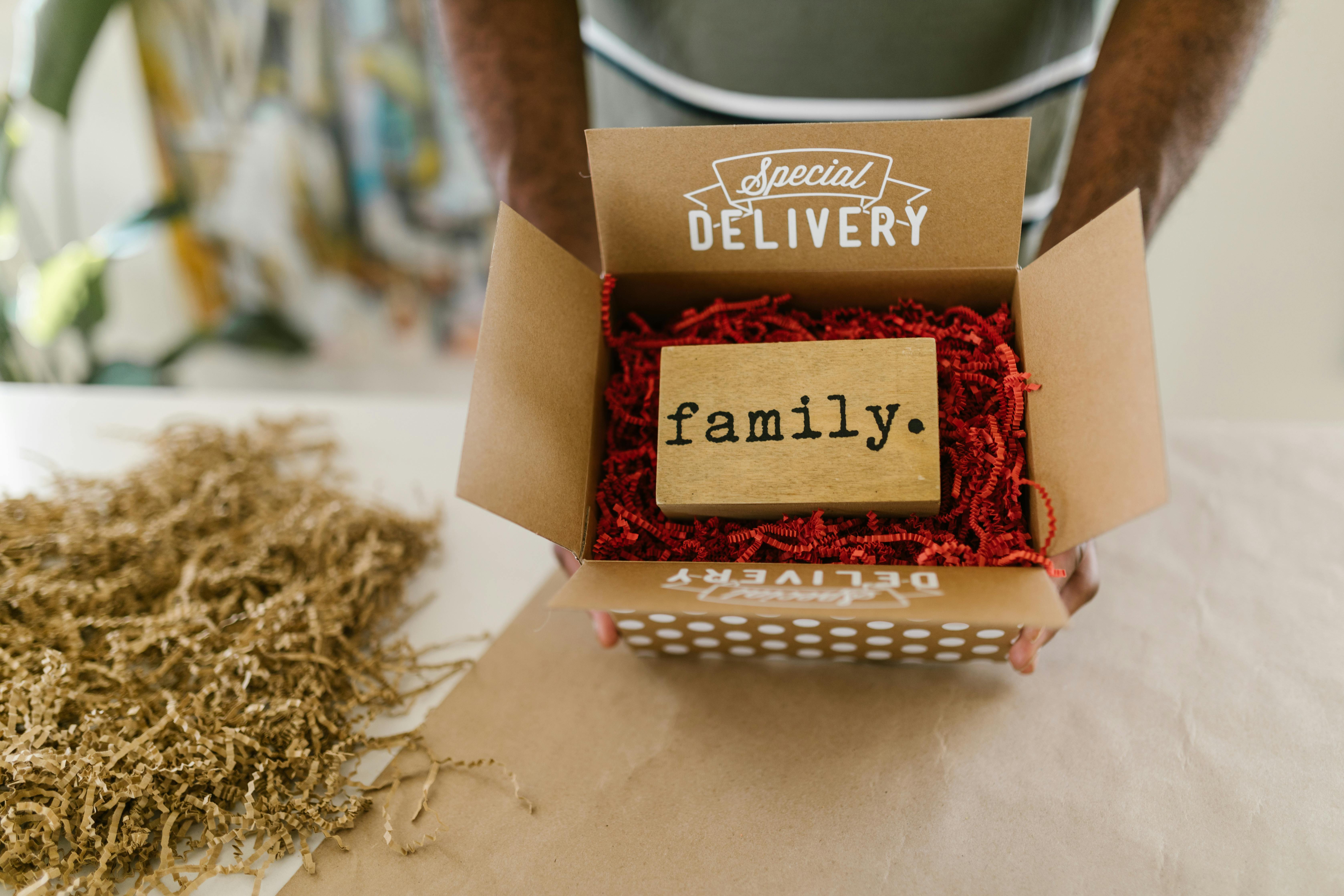
Wine club window cartons cost often begins with perception, not machinery. A display opening lets the customer see the label, capsule color, or fill level, and that small visual confirmation lowers the risk felt in an online purchase or club shipment. When the buyer cannot touch the bottle first, the window becomes part of the sale. That matters because the first shipment often carries more uncertainty than the fifth or the fifteenth.
How the carton will be used changes the cost picture too. A one-time gift box can tolerate more structural complexity than a carton that ships every month. Club packaging has to hold its shape across repeated runs, remain easy to assemble, and protect the bottle in packing, storage, and transit. If the reveal weakens the carton, the cost story worsens fast. A few damaged bottles can erase the savings from a cheaper spec in a single release.
Viewed properly, wine club window cartons cost is a balance between presentation and performance. The display panel is useful only if the carton still survives real shipping conditions. Experienced buyers study panel size, fold direction, reinforcement, and insert fit before they look at foil or embossing. The difference is visible on the bench and in the warehouse. A modest window with a strong insert often outperforms a flashy structure that arrives bent or opens too easily.
A window is not decoration. It is a conversion tool, and if the structure fails, the box becomes a liability instead of a sales asset.
Large openings are one reason wine club window cartons cost climbs. Bigger cutouts need tighter engineering, closer tolerances, and sometimes heavier board to preserve crush resistance. That matters most for club shipments moving through mixed handling environments. A box that looks sharp on a desk can still fail in a delivery truck. The real test is whether it reaches the door with the bottle centered and the brand story intact.
There is a quieter brand effect at work as well. When every monthly shipment looks consistent, customers start to trust the club. Trust has value. Wine club window cartons cost can be justified when the carton gives each shipment a repeatable premium feel without slowing pack-out or creating rework. The display should support the subscription model, not fight it.
Many buyers get better control of wine club window cartons cost once they stop treating the window as the star and start treating the full pack-out sequence as the product. That shift usually leads to better quotes, fewer redesigns, and a carton that performs under pressure instead of only in a render. The packaging team that thinks like an operations team usually saves money, even if the box looks a little less dramatic on the desk. That is just how the trade works.
Product details for wine club window cartons
Wine club window cartons cost depends heavily on the format you choose. Folding cartons usually give the lowest entry price for lighter club programs and shelf-oriented presentation. Mailer-style boxes add crush resistance and fit shipping better. Rigid presentation boxes move the experience into luxury territory, but the material cost and assembly time rise with them. The structure should match the role the carton plays in the club.
Window style changes the cost too. Most buyers choose one of four approaches: an acetate window, a die-cut opening, a partial reveal, or a full-face display. An acetate window keeps dust off the bottle while preserving visibility. A die-cut opening removes that barrier and can lower material cost, though it may reduce structural integrity. Partial reveal often gives the best balance for clubs that want bottle visibility without exposing the whole package. Full-face display is visually strong and usually the most demanding from an engineering standpoint.
Common club formats include one-bottle, two-bottle, and three-bottle packs, plus mixed bundles that combine wine with tasting notes, membership cards, or branded inserts. Wine club window cartons cost rises when the box needs to control multiple SKUs, because each bottle position has to stay put. That usually means a custom insert, a divider, or neck retention features to keep movement down in transit. A loose fit can look fine in a mockup and still fail the first time the package hits a fulfillment line.
Many wineries ask for cartons that do double duty as presentation piece and shipping unit. That is where construction details start to matter in a very literal way. If the carton must fit inside an outer shipper, dimensions become a hard limit. If the club uses heavier 750ml bottles, internal support needs to be stronger. If one box must work across several label variations, the design needs a larger branding panel and a controlled window size so the visible area stays consistent from release to release.
Wine club window cartons cost becomes more predictable when the specifications are complete before the first quote. The clearer the buyer is about bottle height, bottle diameter, closure height, and insert requirement, the less likely the project is to drift into redesigns. That matters for clubs with quarterly release calendars, where even a one-week delay can create a chain reaction in packing and shipping.
Good carton design keeps the fulfillment team in mind. If the insert lets the bottle drop into place quickly, pack-out labor stays lower. If the neck has to be rotated or the label aligned by hand, labor climbs. Wine club window cartons cost should reflect that reality. The least expensive-looking carton is not always the least expensive to run.
Unboxing details matter too. Edge finishing, opening style, locking tabs, and internal friction all shape how the customer experiences the package. A cleaner opening sequence can make a bottle feel deliberate and premium. A sloppy one can make an expensive wine feel ordinary.
From a production standpoint, the little decisions add up. I have watched a team save pennies on the carton and then spend extra minutes per box fighting an insert that snagged the label. Multiply that by a few thousand members and the "savings" vanish. That is why experienced buyers are a bit obsessive about fit; it is not fussiness, it is arithmetic.
Common product choices buyers ask for
- One-bottle cartons: useful for reserve wines, gift programs, and introductory club shipments.
- Two-bottle cartons: well suited to varietal pairings, seasonal releases, and membership rewards.
- Three-bottle cartons: strong for curated bundles and higher perceived value.
- Mixed-item kits: often include inserts for notes, tasting cards, or club materials.
Wine club window cartons cost rarely comes down to a single feature. Format, window style, and internal support work as a system. Buyers who define the whole package early tend to get more accurate quotes and fewer surprises later.
Specifications that affect wine club window cartons cost
Wine club window cartons cost is usually driven by a small set of specifications that move quickly in a quote. Board grade is one of the biggest. SBS gives a smooth print surface and a premium look. Kraft supports a more natural brand story. CCNB often gives a stronger value position for larger programs. Corrugated and rigid board increase protection and perceived quality, but they also raise material usage and shipping weight. That means the unit cost rises for reasons a buyer can actually see and measure.
Size is the next major variable. Wine club window cartons cost changes quickly when bottle height, shoulder shape, and closure height alter the dieline. A short bottle may fit a simple carton with minimal insert work. A tall, heavy, or awkwardly shaped bottle may need more board, a deeper tray, or a more complex neck restraint. If the carton also has to fit an outer shipper, the allowable dimensions tighten again. One millimeter in the wrong direction can turn a clean assembly into a jammed line.
Print coverage matters as well. Full-coverage CMYK artwork is more expensive than a limited-color run. Spot colors add control, especially when brand consistency is nonnegotiable. Foil, embossing, debossing, and soft-touch coating all increase the quote because they add setup, material, or finishing steps. Wine club window cartons cost is especially sensitive to finishes because the carton is usually seen up close. Buyers should decide whether the premium effect is worth the added tooling fees and setup charges before the artwork is locked.
Window tooling is another cost driver. A small acetate window can be straightforward. A shaped window with tight die work, special corners, or layered construction requires more precision. If the design includes a branded frame around the opening, setup can take longer and waste can climb. That is one reason wine club window cartons cost looks simple on the surface and much more complicated once the die line is drawn.
Tolerance and structural requirements matter more in club programs than in one-off retail runs. Subscription boxes ship repeatedly, often on a schedule that leaves little room for manual correction. If the carton opens too tightly, the line slows. If the tabs vary from box to box, the team spends time reworking the pack. If the insert compresses too much, the bottle can shift after assembly. Wine club window cartons cost should account for that repeatability, because a small design error becomes a recurring expense.
Compliance and labeling also shape the quote. Some wineries need room for regulatory copy, lot codes, barcodes, tasting notes, or membership messaging. Others want a clean front panel but still need internal space for documentation. That affects panel layout and printed area. Good packaging design leaves space for the business reality of the club, not just the visual story.
Environmental claims matter for many buyers as well. If the brand needs documented sourcing, FSC certification can support the message. That does not automatically make the carton cheaper, but it can align packaging choice with brand policy and customer expectations. Wine club window cartons cost should include that brand value in the program decision, not in a vague add-on category.
Shipping performance should not get pushed aside. Clubs that test to an ISTA protocol often find that a structural change is cheaper than repeated damage claims. That comparison matters. A slightly stronger board or a tighter insert may add a small amount to unit cost and reduce total losses by much more. Packaging buyers should expect to quantify that tradeoff.
All of these details point to the same conclusion: wine club window cartons cost is built from a series of small decisions. Buyers who lock in board grade, print finish, insert type, and size early usually get cleaner quotes and faster production.
Wine club window cartons cost: pricing, MOQ, and quote factors
Wine club window cartons cost is usually determined by size, board grade, print complexity, window tooling, insert design, and order volume. That formula sounds familiar, but the order in which those items hit the quote matters. The first question should not be “What is the price?” It should be “What is the price at several quantity breaks, and what assumptions sit inside it?” That exposes where the real money lives.
MOQ causes more confusion than almost any other packaging term. Smaller quantities tend to cost more per piece because setup, tooling, and waste get spread across fewer cartons. A run of 1,000 units can carry a much higher per-piece cost than 10,000 units, even if the artwork looks identical. Wine club window cartons cost is especially sensitive to MOQ because the window die and insert tooling have to be amortized across the run. If the club only needs a short-term release, buyers should expect a higher unit cost and should ask for bulk pricing tiers before deciding.
Here is a realistic way to compare options. The exact numbers will vary by size, bottle weight, print coverage, and destination, but the relationship between structure and price tends to stay consistent.
| Carton style | Best for | Typical unit cost range | Price drivers |
|---|---|---|---|
| Folding carton with acetate window | Lightweight club shipments, retail presentation | $0.55-$1.10 | Board weight, print coverage, window size |
| Mailer-style corrugated window box | Ship-ready club packs, better crush resistance | $1.25-$2.40 | Flute profile, insert complexity, carton dimensions |
| Rigid presentation box with window | High-value gifts, reserve programs, premium launches | $2.80-$5.50 | Rigid board, wrap material, finishing, assembly labor |
Wine club window cartons cost rises for reasons that are easy to miss in a quick quote. Special finishes such as foil or soft-touch coating add setup and material expense. Multiple SKUs in the same club often require more than one dieline or insert configuration. If the carton has to pass pack-out testing, structural revisions can add time and money. If the window sits too close to a fold line, the engineering gets tighter. None of that is abstract. It lands in the unit price.
Tooling fees can catch buyers off guard. A new die cut, insert cut, or special window shape may carry a one-time charge. That is not a penalty; it is a real production cost. The useful question is whether the tooling is included, separate, or refundable on repeat orders. Wine club window cartons cost becomes easier to forecast when that detail is spelled out from the beginning.
Freight belongs in the quote too. A cheap carton that ships poorly can end up costing more than a better-structured one if the carton is heavy, bulky, or damaged in transit. Total landed cost should include carton price, shipping, packing labor, and any secondary packaging needed to get the product to the club member safely.
A useful rule of thumb applies here: compare the full program, not just the printed shell. Ask for pricing at a few quantities, usually the expected launch quantity plus two higher tiers. That often reveals where the breakpoints sit. Wine club window cartons cost can drop sharply once the run reaches a production level where setup is spread across more units. It can also flatten out if the design is overly complex, which is usually a sign to simplify before production starts.
From a buyer's point of view, the strongest quote is the one that shows the moving parts clearly. If the vendor can break out unit cost, MOQ, tooling fees, setup charges, and freight, the decision gets much easier. If the quote shows only a single number, the real cost may be hiding in the details.
Practical comparison: a moderate increase in board thickness or insert strength may add only a small amount to wine club window cartons cost, while a single damaged bottle shipment can cost far more once replacement wine, repacking, and reshipment are counted. That is why a complete quote matters more than the lowest headline price.
For wineries that want to control wine club window cartons cost over time, consistency is the strongest tactic. Lock the structure, keep the print layout stable, and limit version changes unless the bottle shape changes. Reordering becomes easier, and the production team spends less time resetting the job.
Process and timeline for custom wine club window cartons
Wine club window cartons cost is easier to manage when the production process is clean. The workflow usually starts with a brief that covers bottle dimensions, carton function, quantity, artwork status, and target ship date. Once those details are clear, the supplier can build a dieline, estimate material use, and identify whether the structure needs an insert, divider, or reinforcing feature. Skipping that step is one of the fastest ways to trigger redesigns.
The next phase is structural review. This is where carton shape, window location, and bottle retention points get checked against the real product. If the bottle is unusually tall, heavily weighted, or fragile, the design may need extra support. If the club pack must fit an outer shipper, the dimensions need another pass. Wine club window cartons cost can drift if the structure changes late, because every revision can affect tooling, print layout, and waste.
Artwork review comes next. Buyers often underestimate how much time this stage can take, especially if the brand has not defined label placement, barcode position, or regulatory copy. A clean art file moves quickly. Missing fonts, low-resolution graphics, and late finish changes slow the job down. That delay can matter more than the packaging cost itself if the club has a fixed fulfillment calendar.
After the proof is approved, production begins. First orders usually take longer because the die, window cut, and any insert tooling may need to be made or verified. Repeat runs move faster if the design stays the same. Wine club window cartons cost does not stay flat if the project keeps changing. A stable design is cheaper to produce month after month, and it is easier for the fulfillment team to trust.
Lead times vary with complexity, but a realistic planning window for first-time custom packaging is often several weeks from approval to delivery. Repeat orders can move faster when the structure is already established and print files are final. The exact schedule depends on quantity, finish, and shipping destination. Buyers should build a buffer into the calendar. Wine club window cartons cost should never be the reason a release misses its packing window.
Here is a simple planning sequence that usually saves time:
- Send bottle dimensions, target quantity, and fill date as early as possible.
- Confirm whether the box needs to ship on its own or inside a master shipper.
- Approve the structure before final artwork is locked.
- Review proof files quickly and keep one person responsible for sign-off.
- Align carton arrival with the club fulfillment calendar, not with the marketing launch date.
That order matters. If packaging arrives late, the whole program slows down. If it arrives early but the design is wrong, it still takes up space and does not help. A good packaging timeline is not glamorous, yet it protects margin.
When customers ask how to keep wine club window cartons cost under control, the answer is usually straightforward: reduce late-stage change, approve samples quickly, and choose the structure that matches the shipping path from the beginning. That is the boring answer, which means it is probably the right one.
Why choose us for wine club window cartons
Custom Logo Things focuses on packaging that has to do more than look good in a mockup. Wine club window cartons cost should reflect performance, and our job is to help buyers balance presentation, protection, and budget before the order goes into production. That means looking at the carton as a system: board, window, insert, Print, and Fulfillment behavior.
Practical advice matters most. A factory-side packaging partner can usually spot avoidable cost drivers early: a window that is too large, an insert that is too loose, a finish that adds expense without adding value, or a structure that will slow the pack line. Those details shape wine club window cartons cost before the first sheet is printed. A clearer plan at the start usually means fewer surprises later.
Consistency matters too. Wine club programs rarely end after one shipment. They repeat. That is where a stable design becomes valuable. If the carton fits the bottle once, it should fit it again. If the printer can hold color from run to run, the club looks more professional. Wine club window cartons cost is easier to justify when the box performs the same way month after month.
Sample and prototype decisions deserve attention. Not every carton needs a full prototype, but unusual bottle shapes, heavier glass, or fragile labels often justify one. A sample can expose a problem that would be expensive to fix after production has started. That is especially useful for wine clubs, where one recurring issue becomes a recurring expense. In that sense, a sample is not extra cost; it is a way to protect cost.
Another advantage is straightforward quoting. Buyers need to know whether the number includes tooling, proofs, inserts, and shipping. They also need to know what changes the price by quantity tier. That kind of clarity makes wine club window cartons cost easier to compare across suppliers. It also helps teams present a cleaner budget to marketing, operations, or finance.
Here is the practical payoff. Better packaging decisions tend to reduce damage, reduce packing friction, and reduce reorders. That does not guarantee the lowest quote on paper, but it usually produces the strongest result in the field. For clubs that care about repeatability, that matters more than a headline number with hidden assumptions.
Wine club window cartons cost should be treated as a business metric, not just a print expense. Our role is to help turn that metric into a packaging spec that can actually be built, packed, and shipped without unnecessary rework.
Next steps to get an accurate quote
If you want an accurate quote for wine club window cartons cost, send complete information the first time. The more specific the brief, the less guesswork goes into the price. At minimum, prepare bottle dimensions, bottle count, preferred material, print request, finish preference, target quantity, and target ship date. If the box must fit inside another shipper, say so. If the club needs room for tasting notes or regulatory copy, include that too.
Ask for quantity breaks as well. A quote at 1,000, 3,000, and 5,000 pieces can reveal the actual bulk pricing curve. That matters because unit cost may fall sharply as the run gets larger, and the difference can outweigh a minor structural change. Wine club window cartons cost is usually easier to manage once those breakpoints are visible.
If the bottle is unusually tall, heavy, or fragile, request a sample or prototype before committing to production. A prototype can confirm fit, reveal structural weak points, and show whether the window placement still works once the bottle is inside. That step adds time, but it can prevent bigger losses later.
Ask the supplier to state clearly whether the quote includes:
- Tooling fees
- Setup charges
- Custom inserts
- Proofs or samples
- Freight or delivery
That list matters because wine club window cartons cost can look competitive until the additional charges appear. A clear quote separates the carton price from the total landed cost. Once that happens, comparison becomes much easier.
For the fastest result, send artwork status along with the structural brief. Ready files move faster than concepts. If the art still needs work, say that up front so the timeline is realistic. A quote built on incomplete information is almost always less useful than a quote built on the real build.
The cleanest path is simple: define the bottle, define the function, define the quantity, and compare the full package. That is the fastest way to judge wine club window cartons cost without getting trapped by a misleading unit price.
Use one last rule of thumb: quote the full build, not just the printed shell. That remains the most reliable way to compare wine club window cartons cost and choose a carton that supports both the brand and the fulfillment process.
What affects wine club window cartons cost the most?
Board grade, carton size, print coverage, window style, and insert complexity usually move pricing more than bottle count alone. Order volume matters too, because setup costs and tooling fees get spread across more units as the run gets larger.
What MOQ should I expect for custom wine club window cartons?
MOQ depends on structure and print method, but custom cartons usually price best at production-level quantities rather than very small runs. Ask for quantity breaks so you can compare the unit cost at each tier before you commit.
Can wine club window cartons be made for one-bottle and two-bottle programs?
Yes, both are common. The carton structure should match the bottle dimensions and shipping requirements, and two-bottle packs often need stronger inserts or divider support to control movement in transit.
How long does it take to produce custom wine club window cartons?
Lead time depends on artwork readiness, structural approvals, and whether tooling is already established. First orders usually take longer than repeat runs because dielines, proofs, and samples may need sign-off.
What should I send to get an accurate quote for wine club window cartons cost?
Send bottle dimensions, quantity, preferred materials, finish requests, artwork status, and delivery timing. Include whether the boxes need inserts, regulatory space, or ship-ready construction so the quote matches the real build.
Bottom line: the smartest way to lower wine club window cartons cost is to lock the bottle specs, confirm the shipping path, and compare complete quotes that include tooling, inserts, and freight. Do that before artwork is finalized, and the carton is far more likely to do its job without quietly draining margin.