Supplement Brand Folding Cartons cost more than many teams expect because the carton is not just a wrapper; it carries part of the sale. It is the first thing a buyer sees, the thing they handle, and often the piece that tells them whether the product feels careful or careless. Shelf presence matters. So does shipping durability. So does the way the box supports brand identity without spending money on details nobody will notice. If you are trying to understand supplement brand folding cartons cost, the honest answer starts with the spec sheet, not the mood board.
I keep seeing the same mistake: a brand falls in love with foil, soft-touch, and a custom insert before the bottle size is even settled. That is a quick way to push supplement Brand Folding Cartons cost higher without improving the package in any meaningful way. The strongest buyers think about fill method, shelf life, box strength, and unit cost first. After that, they decide what should be seen, what should be felt, and what can stay out of the build without hurting the unboxing experience or customer trust.
Supplement Brand Folding Cartons Cost: The Box That Looks Cheap Isn't
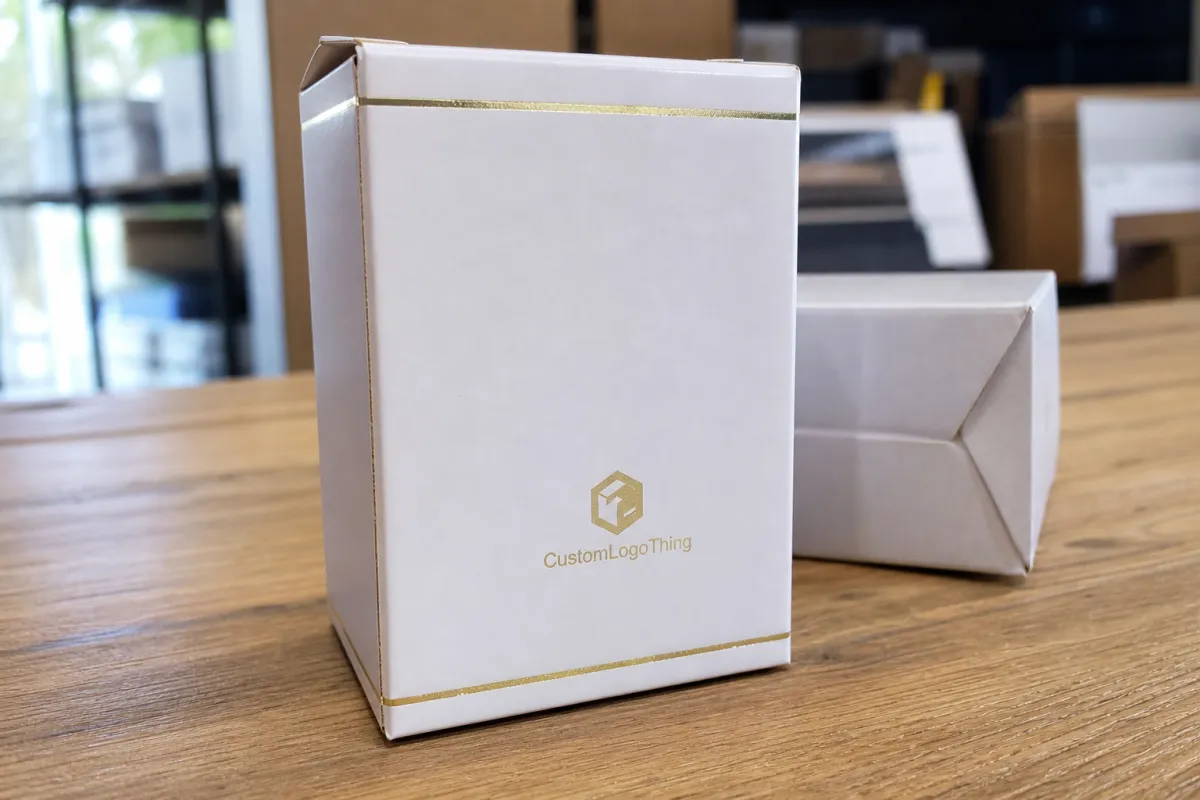
Most supplement brands do not lose money because the carton is plain. They lose money because the carton is overbuilt. A simple vitamin box can work very well at retail or in ecommerce if it is sized correctly, printed cleanly, and built with the right board. One extra finish, one special insert, or one unnecessary structural change can push supplement Brand Folding Cartons cost past the point where the carton still makes sense for the margin on the product.
That is the part buyers miss. Supplement packaging has a narrow window before the budget starts to bleed. A carton with strong graphics can support visual branding and make the line easier to recognize. A bloated carton just eats margin. If you are selling a 60-count capsule bottle at a modest price point, every cent matters more than the person in the meeting with the shiny sample mockup wants to admit. For that reason, supplement Brand Folding Cartons cost should be reviewed against the product's retail price, fill count, and sales channel before anything is approved.
The carton is often the first physical proof of the brand promise. Buyers touch it. Retail staff stack it. Ecommerce customers judge it in a mailbox or on a shelf. That means the box has a real job, but not every decorative idea belongs in that job description. A carton that looks premium does not need every premium feature. Strong graphics, clear typography, the right board caliper, and a sensible finish usually do the heavy lifting.
If you start a supplement brand folding cartons cost conversation with foil, embossing, and a custom insert, the quote will reflect that enthusiasm. If you begin with finished size, quantity, and how the bottle fills the carton, the quote usually lands much closer to reality. That is the difference between buying packaging and buying a problem with a pretty face.
Practical rule: lock the size and structural format first, then add finishes only if they improve shelf performance, customer perception, or protection. Anything else is decoration with a price tag.
Brands also overpay when they choose a premium carton style before they know the channel. A supplement sold mostly through Amazon does not need the same visual treatment as a front-line retail SKU sitting under bright store lighting. A clinical-looking probiotic line may need more restraint than a wellness brand chasing luxury cues. The best supplement brand folding cartons cost conversations start with use case, not ego.
For brands comparing options, a useful place to start is the Case Studies page, where different packaging decisions show up in both appearance and budget. If you want a broader view of packaging options before requesting pricing, review the structure of your line and then ask for a quote instead of guessing. That alone can remove waste from supplement brand folding cartons cost without weakening the box.
One more detail matters here: buyers often assume the cheapest-looking carton quote is the lowest real cost. That is not always true. A quote that leaves out coating, freight, packing, or die charges can look attractive right up until the missing line items appear later. Supplement brand folding cartons cost has a habit of revealing itself after the paperwork, which is why line-by-line comparison matters more than the headline number.
Supplement Brand Folding Cartons Cost Drivers You Can Control
There are only so many parts of supplement brand folding cartons cost that you can actually control, so it pays to focus on the ones that move the number. Board grade is the first one. Print coverage comes next. Then finish selection, structural style, and whether the carton needs inside print or a window. Those choices matter much more than vague requests for a “premium look.”
Board grade is the quiet budget killer. A standard SBS or premium paperboard in the 14pt to 18pt range can work well for many supplement cartons. Move into a heavier caliper, FSC-certified stock, or a board with higher stiffness, and supplement brand folding cartons cost rises. Sometimes that increase is justified. If the bottle is heavy, if the carton must survive ecommerce handling, or if you need better shelf rigidity, the upgrade makes sense. If not, it is only a more expensive version of the same rectangle.
Print coverage is another lever. Full-bleed artwork with rich solids, gradients, and dense detail takes more attention than a simple two- or three-color design. Add tight registration and specialty inks, and the job becomes more sensitive to press setup and quality control. That affects supplement brand folding cartons cost in a way buyers can usually see on the proof if they know what to look for.
Finishes are where the wish list starts to hurt the budget. Aqueous coating is usually the most practical choice for many runs. Matte UV or gloss UV can sharpen the look. Soft-touch lamination adds a tactile feel that some brands love and some brands pay too much for. Foil, embossing, debossing, and spot UV all raise supplement brand folding cartons cost because they add tools, setup, or extra handling. Those effects can make sense on a hero SKU. They are not automatically worth it on a supplement line that lives or dies on margin.
Structural style matters too. A tuck-end carton is usually easier to budget than an auto-lock bottom or a seal-end construction. Window cartons add complexity and material. Reverse tuck can work well for many products, but if the fill method or shelf presentation demands something else, the price moves. The same applies to inserts. A divider or custom-fit insert can solve a real protection problem, but I have seen plenty of inserts added simply because someone liked the idea in a sample folder. That is how supplement brand folding cartons cost gets padded without improving the product.
Here is a simple comparison of common options:
| Option | Typical Cost Effect | Best Use | Tradeoff |
|---|---|---|---|
| Aqueous coating | Lowest added cost | Most standard supplement cartons | Good protection, less tactile impact |
| Matte or gloss UV | Moderate increase | Retail-focused or higher-visibility brands | Better presentation, higher finish spend |
| Soft-touch lamination | Moderate to high increase | Premium brand identity and luxury cues | Nice feel, not always needed |
| Foil, embossing, spot UV | Highest increase | Hero SKUs and launch cartons | Strong shelf impact, expensive setup |
Two real-world examples make the point better than theory. A standard probiotic bottle carton with clean four-color print, aqueous coating, and a simple tuck-end might land in a very different supplement brand folding cartons cost band than a premium capsule box with soft-touch lamination, foil logo, inside print, and a custom insert. Same product category. Very different quote.
Another example: a sleep aid brand may want a calm, minimal design with restrained color use and strong legibility. That can keep supplement brand folding cartons cost under control while still improving brand consistency. A premium collagen or beauty supplement may need a richer finish package because the market expects a more polished visual branding story. The point is not to cheap out. The point is to spend where the customer can actually see the difference.
If you need to compare structure options before quoting, packaging buyers often ask for support through custom packaging solutions and a basic sample review. That is a sensible step. You do not want to discover too late that the product fits the carton on paper but not in the real world.
Supplement Brand Folding Cartons Cost Breakdown: From Board to Finish
To understand supplement brand folding cartons cost, break the quote into parts. That is how you spot the real driver instead of getting distracted by one attractive total. A normal quote usually includes prepress, board, printing, coating or lamination, die cutting, gluing, packing, and freight. Leave one of those out and the quote is incomplete, which is just a polite way of saying misleading.
Prepress covers file setup, dieline checking, and proof prep. It does not usually dominate a large run, but it matters more on low-MOQ orders. Board is the raw substrate, and higher grades or heavier caliper raise supplement brand folding cartons cost immediately. Printing scales with color count, coverage, and press time. Finishing adds another layer, especially when specialty effects are involved.
What scales with volume? Most of the setup items. Die lines, plates, press calibration, and certain handling steps cost money whether you run 1,000 cartons or 50,000. That is why a small order can feel painful. The fixed costs are spread across fewer units, so unit cost stays high. Once the run increases, supplement brand folding cartons cost per unit usually drops quickly, sometimes faster than the buyer expects.
Here is a practical price ladder. These are typical ranges, not a promise, because paperboard, finish, and quantity all matter:
| Quantity | Typical Spec | Estimated Unit Cost | What Usually Happens |
|---|---|---|---|
| 1,000 units | Simple print, standard coating | $0.55-$1.20 | Setup cost dominates supplement brand folding cartons cost |
| 5,000 units | Clean four-color carton | $0.18-$0.42 | Better balance between setup and unit cost |
| 25,000 units | Retail-ready carton with moderate finish | $0.12-$0.24 | Pricing starts to feel more efficient |
| 50,000 units | Standard production run | $0.09-$0.18 | Lower unit cost, but storage and forecasting matter |
That table matters because low-MOQ orders absorb more setup, tooling, and labor overhead. A buyer looking only at the headline quote may think a 1,000-unit run is only a little more expensive. In practice, the unit cost can be several times higher than a 25,000-unit run. Supplement brand folding cartons cost is not linear. It behaves like packaging, not wishful thinking.
Freight also deserves attention. Cartons are lightweight, but they are still bulky. A quote that ignores packing density or destination can distort the real landed cost. If you are comparing suppliers, ask whether the price includes freight to your ship-to location, the carton packing method, and any export-related handling. Those details can move supplement brand folding cartons cost enough to matter on a tight launch budget.
Another trap is quote incompleteness. I have seen comparisons where one supplier included tooling and delivery while another left both out. The lower number looked great until the real total landed on the buyer's desk. To avoid that mess, compare quotes line by line and check the same items in each one: prepress, board, print, finish, die cutting, gluing, packing, and shipping. If a quote does not make those visible, it is not a clean comparison.
For buyers who want a sanity check against production standards, the broader packaging industry often points to organizations like packaging.org for education and industry references. For distribution and transport testing guidance, ista.org is useful. If a carton has to travel through harsh retail or ecommerce handling, it should be evaluated against real transit conditions, not just admired on a monitor.
On the sustainability side, FSC paperboard can matter for brand story and customer perception, but it is not a magic wand. FSC-certified material can support brand values and retail requirements, yet it may also affect supplement brand folding cartons cost depending on availability and board choice. Sustainability claims should be accurate, not decorative. Empty claims make the packaging look smart for about five seconds.
Specifications That Affect Cost, MOQ, and Quote Accuracy
Good quote accuracy starts with the boring stuff: finished dimensions, product count, board caliper, print sides, coating, and special features. That is not glamorous. It is simply how supplement brand folding cartons cost gets priced correctly. A carton that is even 1 mm off can affect die lines, pack-out efficiency, and how the product sits in the shipper. Small dimension mistakes have a nasty habit of becoming expensive later.
Finished size is the first spec to lock. A bottle that looks like it should fit does not count. Measure the product, confirm any cap overhang, and account for the insert if one is needed. Then determine the carton size with enough clearance for easy filling and stable shelf presentation. Tight cartons can slow production. Loose cartons can look sloppy. Either problem adds friction somewhere in the process, and friction shows up in supplement brand folding cartons cost.
Board thickness matters for both appearance and protection. A lightweight carton may work for a small bottle. A heavier jar or glass container may need more stiffness. The same is true for ecommerce. If the carton goes into secondary packaging and then into transit, the board needs to survive handling without crushing corners. Sometimes that means a modest upgrade. Sometimes it means the original spec was simply too weak.
Print sides can change the quote more than people expect. Outside-only print is common. Inside print adds cost, but it can also improve unboxing experience and brand consistency if the customer sees the inside panel during opening. Not every supplement carton needs it. Some do. The key is to decide whether that added detail supports the brand or only makes the quote look fancier.
MOQ is another practical issue. Many supplement carton programs start around 1,000 to 5,000 units, but the unit cost usually gets better around 10,000 units and above. If a brand needs multiple SKUs, flavors, or potencies, each version may require its own setup. That means the effective MOQ can climb quickly. Multiple versions also complicate inventory planning, especially if the launch date moves. Ask for a price ladder and do not assume the first quantity quoted is the smartest quantity to buy.
To reduce guesswork, send these details in the first request:
- Finished carton dimensions
- Product count and fill method
- Board preference or target caliper
- Print sides and color count
- Finish type, including coating or lamination
- Special features such as insert, window, foil, or embossing
- Quantity by SKU
- Ship-to location and target delivery date
If you want faster pricing, include a dieline or a sample carton. That is the difference between an educated quote and a vague one. Supplement brand folding cartons cost is much easier to calculate when the packaging team knows exactly what is being built and where it is going.
Buyers also need to think about storage and forecast. Ordering 50,000 cartons may lower unit cost, but not if you have nowhere to store them or if the formula, label claim, or promo schedule changes before they are used. A lower supplement brand folding cartons cost per unit can still be the wrong purchase if the inventory sits for half a year and blocks cash flow. Cheap packaging that lands too early is not cheap. It is only expensive in a quieter way.
If the launch includes special retail requirements, compare your spec against supplement packaging case studies and similar production examples. Seeing the finished carton next to the spec sheet helps buyers understand where costs came from. It also makes it easier to cut the right feature instead of the visible one.
Process, Timeline, and Turnaround for Supplement Cartons
Supplement brand folding cartons cost is only part of the story. Timing matters just as much. A beautiful carton that arrives after the fill date is not a success. The normal production flow is straightforward: discovery, quote, dieline, artwork, proof, production, finishing, QC, and shipping. Each step can slow down when the buyer skips details or changes direction midway through the process.
Discovery should define the product, channel, quantity, and finish level. That is where the buyer decides whether the carton is for retail, ecommerce, or both. Quote should reflect the real spec, not a placeholder. Then comes the dieline, where dimensions and structural logic get finalized. Once artwork is placed on the wrong dieline, the rest of the schedule gets messy quickly.
Typical turnaround for a simple run can land around 10 to 15 business days after proof approval. More complex jobs, higher volumes, or specialty finishes often take longer, usually 15 to 25 business days or more depending on the line and finishing requirements. Rush jobs are possible, but they compress proofing and press time, which usually pushes supplement brand folding cartons cost upward. Speed is rarely free. Anyone claiming otherwise is trying to make the calendar do magic.
Common delay points are easy to predict:
- Artwork files arrive with missing links or low-resolution images.
- The dieline is not approved before proofing begins.
- Color corrections trigger another round of revisions.
- The buyer keeps changing copy, claims, or regulatory text.
- Sample revisions pile up because the finish is being judged too late.
Those delays are not just annoying. They can affect supplement brand folding cartons cost if the schedule needs to be compressed or if materials have to be held longer. They can also interfere with a launch date, especially if the filling line is already booked. A supplement brand should plan its carton work backward from the ship date, not forward from the quote date. That is the only sensible way to protect the product launch and keep the unit cost predictable.
Before approving a carton, ask these questions:
- Is the dieline final and signed off?
- Does the box fit the real product sample, not just the spec sheet?
- Is the finish protecting the carton or only making it look expensive?
- Has the shipping carton been checked for pack-out efficiency?
- Does the timeline include freight, not just production?
Retail and ecommerce programs need different thinking. A shelf-ready vitamin carton can prioritize sharp graphics and clean stacking. An ecommerce supplement carton may need extra resistance to scuffing and crushing. Both can be built well, but the schedule and cost profile will differ. That is why supplement brand folding cartons cost cannot be judged apart from the route to market.
If you want a broader sense of packaging performance under transit stress, shipping standards and testing references from ISTA are worth reviewing. Not every supplement carton needs extreme testing, but every carton should survive the actual distribution route it will face. Fancy print does not stop corner damage.
Why Choose Us for Supplement Brand Folding Cartons
Buyers do not need packaging poetry. They need a carton that prints cleanly, folds correctly, and arrives on time. That is where we focus. For supplement brand folding cartons, consistency matters more than loud claims. Stable board supply, reliable registration, and finishes that match the proof are what keep a packaging program from turning into a weekly complaint session.
We help brands right-size specs before the order goes into production. That means we look at the carton with a practical eye: do you really need soft-touch, or will a well-chosen matte coating do the job? Do you need an insert, or is the bottle already stable in the box? Does the design support brand recognition without pushing supplement brand folding cartons cost beyond what the margin can absorb? Those are the real questions.
Supplement packaging has its own headaches. Bottle weight matters. Powder dust can affect handling. Shelf visibility changes the way the front panel should be designed. Ecommerce shipping adds another layer because the carton must still look clean after being packed, moved, and delivered. We account for those realities instead of pretending every carton lives in a vacuum and never gets touched by human hands.
We also keep communication readable. Prepress issues, proof questions, and production updates should not require a decoder ring. If a buyer needs a change, they should know what the change does to supplement brand folding cartons cost and to the schedule. That is basic trust, not a premium feature. Clear quote structure, sample support, and realistic schedules save time and reduce mistakes. Funny how that works.
If you want to see how packaging decisions translate into finished work, our Case Studies can help you compare formats, finishes, and brand positioning. For a direct request, our contact page is the quickest way to share dimensions and quantity. If you are still weighing options, that is fine too. It is better to spend one extra hour on the spec than three extra weeks fixing a carton that was never right.
For brands comparing sustainability claims, FSC paperboard can support a responsible brand story. Keep the claims accurate and documented. FSC is not a styling choice; it is a sourcing decision. If it is part of the package, it should show up in the quote and the supply plan. Supplement brand folding cartons cost can rise slightly with certified material, but many brands accept that tradeoff because it matches the product story and retail expectations.
My view is simple: the best packaging program is the one that gets the product to market without wasting money on features that do not move sales. Nice carton. Smart structure. Clear print. No theater. If your supplement line needs a premium finish, we will say so. If it does not, we will say that too. Not every box needs to act like it is auditioning for luxury.
Next Steps: Get a Quote on Supplement Brand Folding Cartons Cost
If you want an accurate quote, start by gathering the basics: finished dimensions, quantity, print sides, board preference, finish, ship-to location, and target delivery date. That is the shortest path to a useful answer on supplement brand folding cartons cost. Everything else is just noise until those details are locked.
Before you commit, compare at least two or three spec versions. A plain version, a mid-level version, and a premium version usually show exactly where the money is going. You may find that one finish adds more perceived value than three other extras combined. Or you may discover that a slightly heavier board improves the feel enough to make the premium unnecessary. That is how buyers keep supplement brand folding cartons cost under control without making the box look cheap.
If shelf impact or fit matters, request a sample or digital mockup before production. A mockup can reveal problems that a spreadsheet will never catch. If the carton opens awkwardly, the graphics sit too close to a flap, or the product feels loose inside, fix that before the press run. It is much cheaper to revise a file than to explain a bad carton to sales.
Do not mix must-have features with nice-to-have features. That is how budgets get bent. Put the money into the parts customers actually notice: print clarity, structure, clean finish, and a carton that holds up in the real world. Once those are covered, you can decide whether a specialty effect is worth the extra spend. Sometimes it is. Sometimes it is only a shiny way to raise supplement brand folding cartons cost.
Send the dieline, quantity, and target timeline, and ask for a line-item quote. That gives you a fair basis for comparison and keeps the conversation grounded in actual production instead of guesswork. If you are ready to move, we can help you sort through the spec choices, lock the right format, and produce a carton that supports the product without dragging down margin. That is the whole point of managing supplement brand folding cartons cost well.
What is the typical supplement brand folding cartons cost per 1,000 units?
Plain cartons at higher quantities usually land in the low cents per unit, while low-MOQ runs can sit much higher because setup and handling are spread across fewer pieces. The final number depends more on spec choices than on the fact that it is a supplement carton. A basic run with simple print and standard coating can stay relatively modest, but supplement brand folding cartons cost climbs fast if you add premium finish work or heavy board.
Which specs raise supplement brand folding cartons cost the fastest?
Foil, embossing, debossing, spot UV, soft-touch lamination, inside print, custom inserts, and complicated die lines are the usual price jumpers. Heavy board and window features also push the number up. If budget is tight, trim finishes before you cut structural strength. A carton that protects the product and supports brand consistency is better than a flashy one that makes supplement brand folding cartons cost harder to justify.
What MOQ should I expect for supplement carton pricing?
Many programs start around 1,000 to 5,000 units, but the best unit cost usually shows up at 10,000 units and above. Multiple SKUs can raise the effective MOQ because each version needs its own setup. Ask for a price ladder so you can see the breakpoints clearly. That is the easiest way to judge supplement brand folding cartons cost without guessing.
How long does production usually take after approval?
Simple runs often take about 10 to 15 business days after artwork and proof approval. More complex jobs or premium finishes usually take longer, often 15 to 25 business days or more depending on volume. Rush jobs are possible, but they tend to increase supplement brand folding cartons cost because they reduce flexibility in proofing and production scheduling.
What information do you need to quote supplement brand folding cartons cost accurately?
Provide finished size, quantity, stock preference, print sides, finish, ship-to location, and target delivery date. If the carton includes an insert, window, or special closure, include that too. A clean dieline or sample speeds things up and makes the quote much less guessy. That is the fastest route to a reliable supplement brand folding cartons cost estimate.
If there is one takeaway here, it is this: lock the real structure first, price the box line by line, and only add premium details after they have earned their place. That is the cleanest way to keep supplement brand folding cartons cost aligned with margin, launch timing, and the level of shelf impact your product actually needs.


