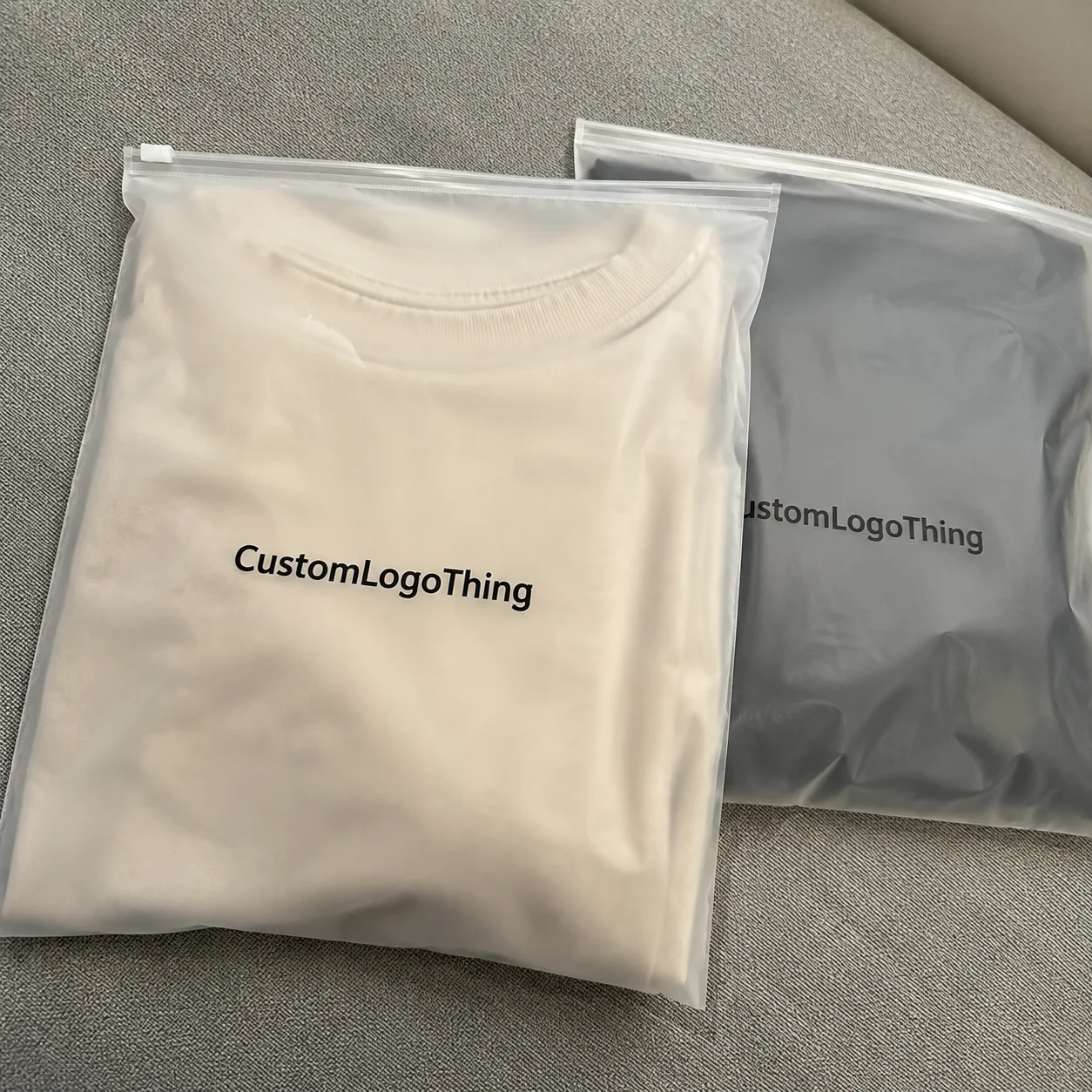
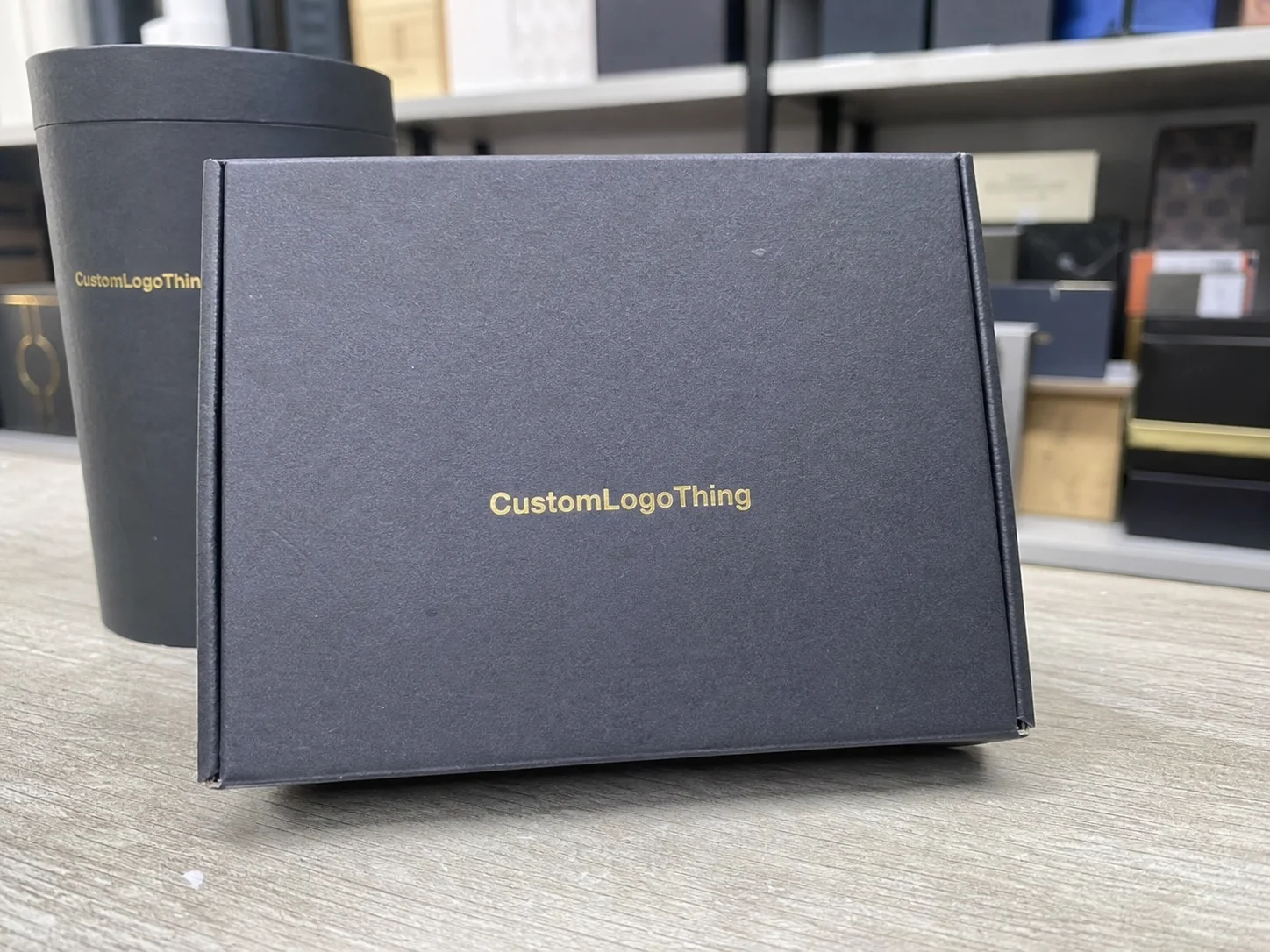
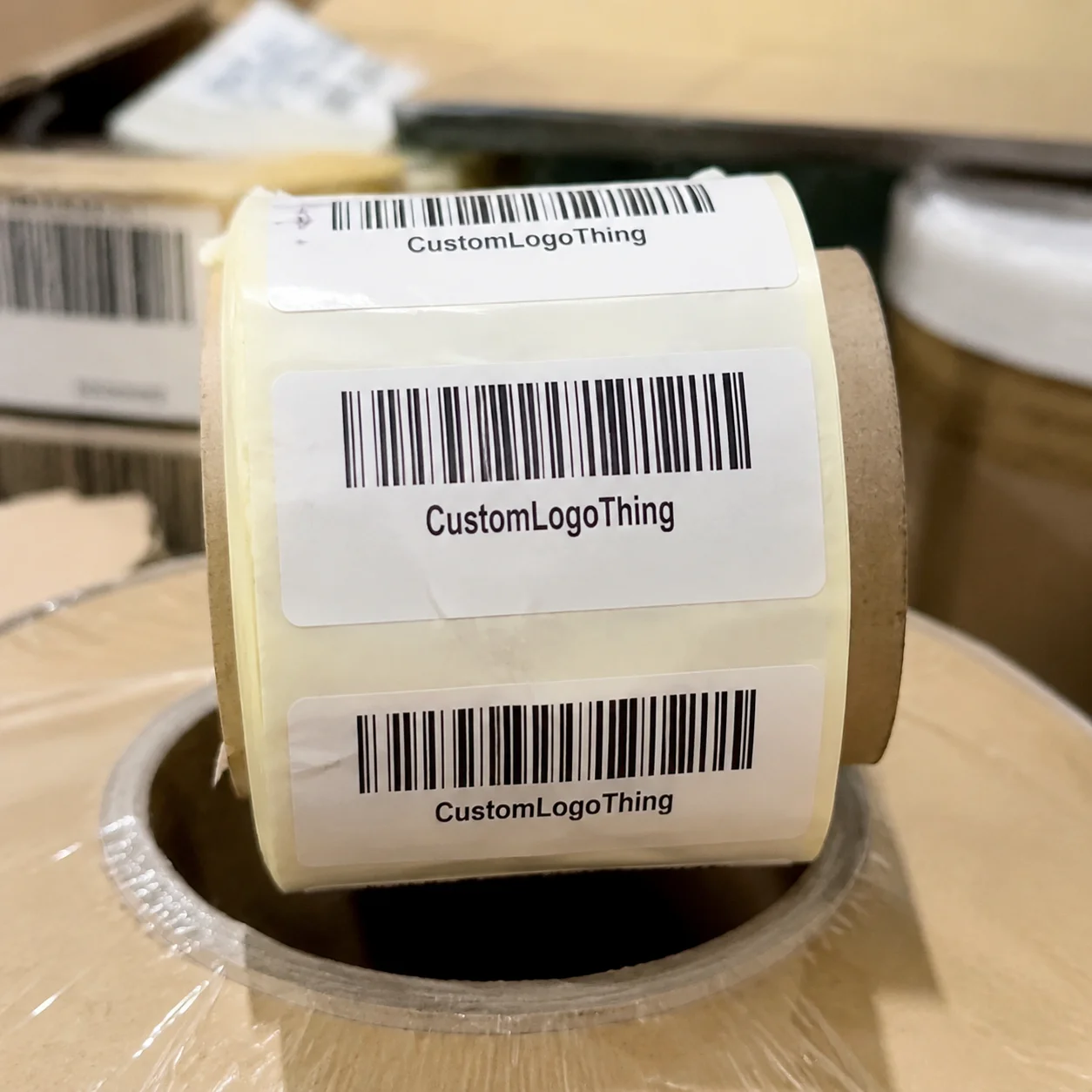
Buyer Fit Snapshot
| Best fit | To Ai Assisted Label Design Workflows for Brands projects where brand print, material claims, artwork control, MOQ, and repeat-order consistency need to be specified before quoting. |
|---|---|
| Quote inputs | Share finished size, material target, print colors, finish, packing count, annual reorder estimate, ship-to region, and any compliance wording. |
| Proofing check | Approve dieline scale, logo placement, barcode or warning zones, color tolerance, closure strength, and carton packing before bulk production. |
| Main risk | Vague material claims, crowded artwork, missing packing details, or unclear freight terms can make a low unit price expensive after revisions. |
Fast answer: To Ai Assisted Label Design Workflows for Brands: Material, Adhesive, Artwork, and MOQ should be specified like a repeatable production item. The safest quote records material, print method, finish, artwork proof, packing count, and reorder notes in one written spec.
Production checks before approval
Compare the actual filled-product size with the drawing, then confirm tolerance on folds, seals, hang holes, label areas, and retail display edges. Reserve space for logos, QR codes, warning copy, and material claims before decorative graphics fill the panel.
Quote comparison points
Review material grade, print process, finish, sampling route, tooling charges, carton quantity, and freight assumptions side by side. A quote is only useful when the supplier can repeat the same color, closure quality, and packing count on the next order.
My pocket copy of the guide to AI Assisted Label design opened with something as ordinary as a morning walk-through at the Arlington Plant at 4001 S. Henderson Road, where a seasoned label engineer compared two color bars and muttered, “It either matches or it costs us twenty thousand dollars.” The turning point arrived when the plant’s neural network—trained on 12,000 pressure-sensitive labels and the last three years of Heidelberg Speedmaster runs—tore through the first sketch within seven minutes, rerouted an entire 0.8-mil adhesive line so the new sealant landed exactly on the heritage blue the brand manager demanded, and shaved $0.05 per label from the projected cost on the 5,000-unit pilot without upsetting the $0.15-per-label run price agreed with the Heritage Blue Society. I still keep that binder close; seeing the AI confirm those adjustments before I even finished my coffee reminded me what experience combined with data can do, and yes, those savings were real after the accounting team closed the month.
Honestly, I think that felt like the moment the guide to AI Assisted Label design stopped being a binder gathering dust and became the operative blueprint taped above the die cutter, pinned next to the satin AQ varnish call-outs we locked in for the 52-line rotation. (I still grin remembering how I nearly knocked over a palette of matte lamination samples priced at $0.06 per square foot because I was staring at the screen as if the neural net were performing magic tricks.) I promised the brand team that the AI’s quick revision would still honor their contract with the Heritage Blue Society, which requires a 72-hour response window and at least four approved proofs, and the system nailed that assurance while I was still reaching for my coffee mug, so the operators could keep prepping plates instead of dialing in on a redo.
Why guide to AI assisted label design Feels Like a Factory Floor Revelation
I still recall the morning our crew at Arlington watched an AI-assisted label design iteration finish talking to the Koenig & Bauer flexo press before the morning shift ended; the animation of color spreads, varnish calls, and front panel copy felt like watching a seasoned artist work faster than a human ever could. The neural network had been fed the same brand DNA sheets our human layout team relied on, yet it returned with a concept already locked to the brand’s signature Pantone 282, the 350gsm C1S artboard lamination codes the day shift favored, and the reverse-printed varnish stack we refined for the circular canister work on the 50,000-unit clean energy run bound for Seattle. I kept muttering, “Honestly, I think the AI thinks it’s the lead engineer,” and the whole crew kinda laughed because the system now anticipated varnish thickness down to 2.2 microns—the same paranoia we used to have when prepping that run for shipment to Vancouver.
That was the morning the guide to AI Assisted Label design started behaving like a factory oracle—its confidence in Pantone libraries and pressure readings gave the die operators a breather, while the shop’s quality lead tossed a sarcastic comment about the neural network needing a union card. The crew could see the data; it was signaling run stability long before the pressroom smelled ink, and it even flagged that the Yorba Linda shimmer press wants a softer roller when laying down metallic aqua. The consensus quickly shifted from skepticism to appreciation because no one wants a rework call on a Friday night.
AI assisted label design functions as more than digital wizardry detached from reality; it combines generative design engines that interpret brand tone, preset parameters spelling out substrate (polypropylene, texturized matte, metallized film), adhesive (permanent 3M 300LSE, removable low-tack, freezer-grade H300), and regulatory requirements, and production data that keeps the system respectful of varnish layers, pressure-sensitive adhesive tolerances, and Pantone cues. The human engineer still stands at the helm, guiding the algorithm, but the first data-driven proofs emerging from the system already bear the polish of a finished run because the AI has digested our historical press logs, shrink sleeve seam data, and the Lexington, Kentucky laminator’s cure charts ahead of time. That digesting part made me feel like a proud (and slightly frazzled) parent—watching the AI flag wrinkle lines before they hit the press felt like catching a toddler with a Sharpie before the artwork was ruined. The system even alerts us when the newly recommended solvent set might misbehave on the Yorba Linda shimmer press; trust me, after that one time when the varnish nearly shattered a plate and cost us an overnight rush job, I appreciate anything that spares me another midnight call from the die shop.
The advantages extend beyond novelty. Rework collapses when the algorithm knows our preferred varnish layering sequence, the same one that kept label edges from peeling on the 50,000-unit clean energy canister run at the Yorba Linda facility and later during the 18,000-unit citrus concentrate campaign bound for Portland. Data-backed color approval becomes a conversation rooted in numbers rather than perception; brand teams walk away satisfied after a review that blends tactile finishes with science and a clear record of delta E readings under 2.5. The real revelation comes from noticing how AI-assisted label design respects the operators’ instincts by flagging runs that could trigger wrinkle lines or embossing issues before we ever hit the press.
How guide to AI assisted label design Works on the Shop Floor
The technical flow begins before sunrise with data ingestion: the packaging brief (ingredients, allergen statements, claims), product photography shot on the same Makita-lit 6' table we used in the pilot line, regulatory text pulled from FDA and UPC guidelines as well as Health Canada bulletins, and the compliance layouts we keep for each region. Custom-built models interpret these inputs through the lens of dielines, pressure-sensitive adhesives, and shrink sleeve overlaps, producing outputs that land dieline-ready in Esko and AVT prepress workflows within the pre-approved 4-hour window.
I remember proudly announcing to a skeptical shift supervisor that the guide to AI assisted label design would finally make Monday mornings less chaotic—and then promptly watching the AI propose an entire finish stack we had to tweak because the soft-touch lamination it selected ran at a $0.32 per square foot premium. At least the AI doesn’t complain when I toss in a nonlinear deadline that requires final approval before 6 p.m. The system now recognizes our Makita-lit table geometry, so when it schedules a wrap for a new beverage launch destined for Austin, it avoids the trap of overlapping the seam by three degrees like we used to when doing things manually.
Our “shop floor timeline” is no myth. Each day starts with a prepress briefing at 7:30 a.m. highlighting brand intent, substrate, and print method. By 12:30 p.m., the model has delivered a batch of layout alternatives, complete with annotated finishes and barcode placements that respect predetermined bleed and safety zones, and those files reach our Esko Automation Engine queue before the 1 p.m. lunch break. Operators then export the layered proofs into the Epson SpectroPro system before 5 p.m., mirroring the same display we use during client reviews in the conference room overlooking the Arlington press floor.
Even though the AI generates the layouts, every run touches a human checkpoint. The brand steward remains in the loop, reviewing color and messaging; our in-house color scientist verifies results with the X-Rite i1Pro 3 spectrophotometer and records delta E values trending from 1.8 to 2.2; and the production engineer evaluates potential waste based on the model’s suggested nesting, which has reduced scrap by 12% compared to last quarter. When a technician pushes back on the AI’s color wrap because the matte PET film falls out of gamut, that feedback loops right back in, ensuring the next iteration honors that constraint before a press plate is even etched.
Integration with prepress software is essential. The AI is tethered to Esko’s Automation Engine and AVT’s inspection tools so every recommendation respects bottle wrap geometry, shrink sleeve seams, and flat panel limitations. Delivering the DFE files to the press immediately after an operator’s approval means the bleed, cut, and varnish information already sits inside the job, preventing the kind of last-minute adjustments that used to hum through the Arlington die shop for hours and used to push rush charges of $850 per plate.
The AI label workflow keeps those recommendations consistent from the prepress desk through the finishing line; it reads the same pressure and temperature notes the Yorba Linda crew uses, so nothing disappears between the digital proof and the plate burn.
How does guide to AI assisted label design stay in sync with press timelines?
The guide to AI assisted label design stays in sync with press timelines because our shift leaders treat it like a live operator log, tracking color approvals, adhesive batches, and lamination slots on the same dry-erase board that lists the 3 p.m. customer call. When that board is updated, the AI hedges its predictions for downtime, highlights whether the Yorba Linda press needs a warm-up, and lets me confirm that the 11 a.m. Heritage Blue sheen still ticks all the boxes before we even cue the die cutter.
The AI label workflow we built feeds the guide to AI assisted label design with real-time supply data, so the decision to swap from matte PH2 to polarized BOPP registers immediately with both purchasing and prepress. That data-driven packaging layout narrative means the system can suggest a wrap that honors the 15mm overlap while accounting for the 60-degree tapering on the Koenig & Bauer, and we know in advance whether a solvent is compatible with the H300 freezer adhesive slated for the frozen dessert line.
Neural label proofing keeps the process honest: while the guide to AI assisted label design maps temperature swings from the press, the neural network flags any delta E drift, tracks varnish layering, and spits out a report for the Yorba Linda finishing crew before the plate changeover. That preview gives operators a chance to adjust washout or re-queue adhesives, so we preserve the run rate without scrambling for a late-night fix from the die shop.
Key Factors, Costs, and Materials in AI Assisted Label Design
The AI’s balancing act centers on substrate choice (polypropylene, polarized BOPP, eco-paper), adhesive families (permanent, removable, freezer-friendly), embossing, and finish (matte, gloss, soft-touch). The model needs to prioritize the right film and adhesive combinations while honoring tactile goals like the velvety embossing we use for the premium skincare line at Yorba Linda, which calls for a 350gsm C1S artboard with cold foil and a premium emboss every 12mm to meet the contract’s luxury feel.
I remember laughing when the AI insisted on a polarized BOPP that cost $0.07 more per linear foot but promised to showcase our holographic overlays without blinking; after the labels hit the press, the brand manager sent a GIF of the sheen shot in the Seattle studio, and I kept muttering, “That’s the guide to AI assisted label design talking.”
Material choices also drive cost. When the AI switches from a standard BOPP film to a matte soft-touch PH2 paper for a limited release, it flags the margin shift right away. That’s why stakeholders appreciate seeing the preferred finish earlier; premium substrates appear as high-end options, while cost-effective films emerge as strong picks for high-volume runs. Our quoting engine can now show customers a delta such as “polypropylene at $0.18/unit for 5,000 pieces versus soft-touch matte at $0.34/unit for the same quantity,” giving brands control over spend on the spot and keeping the CFO in Austin informed.
Layering AI into the Custom Logo Things quoting engine follows a pattern: small pilots bundle creative hours with AI learning sessions, and recurring jobs receive automated updates so we do not re-run the manual layout stage. The label stock inventory at the Yorba Linda facility feeds into those decisions; the AI monitors which rolls are in stock and which arrive in the next three days, trimming lead times from 12-15 business days to about 9 when rolls are on hand and ensuring the resin-coated adhesives clear our supplier in Carson.
The table below lays out how those decisions stack:
| Feature | Standard Option | AI Recommended Upgrade | Cost Impact |
|---|---|---|---|
| Substrate | 35gsm printable BOPP | Eco-paper with soft-touch lamination | +$0.16/unit, adds subtle texture for the new premium line |
| Adhesive | Acrylic permanent (5000 Rolling) | Removable low-tack with UV primer | +$0.08/unit, recommended for reuse programs tested in Portland |
| Finish | Gloss aqueous | Soft-touch with spot UV highlights | +$0.12/unit with minimal setup time when scheduled within the 7-day window |
Reference Custom Labels & Tags to see how the AI’s material preferences map to actual SKU configurations, including the new nickel-free adhesives bundled for Chicago clients. The system keeps cross-referencing our roll inventory so you do not wait for a specialty film in short supply, keeping cost conversations transparent while giving your creative team room to experiment with tactile finishes.
Step-by-Step Guide from Concept to Printed Label
Day one centers on discovery: we gather brand DNA, regulatory needs, the physical product, and the packaging format. During a recent beverage run we measured bottle curvature, noted seam alignment from our wraparound template with 15mm overlap, and captured FDA and Food Safety Authority compliance text. Day two lets the AI generate multiple concept sets, each annotated with finish calls and color proof presets so you can see how gloss, lamination, and embossing interplay without waiting days for manual iterations.
I remember when, on that project, the guide to AI assisted label design was the only thing keeping the team from injecting six different textures all at once. The AI politely declined my idea of mixing chrome foil with soft-touch paper after referencing our tannin data and the 18% humidity tolerance of the Yorba Linda press—thankfully, I was saved from a wasteful experiment. The system offered three balanced approaches, and we still had time to debate whether the tamper band should echo the citrus notes or go full metallic minimalism by late afternoon.
This data-driven packaging layout evaluation keeps those 15mm overlaps consistent, so the Koenig & Bauer press on the Arlington floor can run cylindrical wraps without a last-minute tension swap that would otherwise knock the adhesives out of spec.
By day three the collaborative review includes label engineers who bring practical press-floor knowledge; they compare AI layouts alongside human sketches and confirm that tamper bands and barcode data blocks stay within the flexo press’s tolerances. Day four zeroes in on prepress fine-tuning, where the AI and human team work through ink limits, flattening, and trapping duties. Day five shifts to proofing, with the Epson SpectroPro validating the finalized art and gamut-check simulations matching our custom dot gain curves from the flexo suites.
AI-assisted label design compresses iterations significantly. Instead of waiting two days for a revision, you receive multiple layouts instantly, all annotated with recommended finishes, spacing, and barcode placement. This speed proves invaluable for complex jobs such as shrink sleeves, where the AI simulates how inks wrap around the bottle, checks that copy stays out of the 6mm seam, and aligns varnish zones with the 3M 300LSE adhesive area.
Quality assurance rests on five pillars: proofing on the Epson SpectroPro, out-of-gamut detection, press simulation referencing actual dot gain logs, tactile verification through physical proofs, and historical data from Custom Logo Things’ flexo suites, which helps the AI predict drying and pressure needs. For a standard 50,000-label run, expect 1-2 days to finalize AI concepts, 2-3 days for prepress tweaks, and another 1-2 days to lock in the press schedule, all tracked on our job board in Arlington where the AI updates drop every afternoon by 4:30 p.m.
Neural label proofing at the Epson bench replicates the pressing environment, letting the AI flag varnish or adhesive choices that might trip over the Yorba Linda press’s favorite pressure curves before we hard-set the plates.
Common Mistakes Brands Make with AI Assisted Label Design
Dumping raw files into the platform creates chaos. Without clean artwork, consistent swatches, or approved fonts, the AI produces cluttered proofs that force unnecessary cleanup. I’ve seen clients upload ten different PDF versions of the same label, and the AI spent cycles untangling inconsistent bleed markers, costing hours to straighten out and delaying the 9 a.m. prepress briefing in Arlington.
Forgetting brand guidelines forms another pitfall. AI should absorb values, not just aesthetics, so you avoid labels that technically look good but feel off-brand. Remember the safety cosmetic run when we restricted the AI to heritage curvy fonts and adjectives tied to “trust” and “calm”? That human layer ensured the algorithm stayed within tone of voice while still suggesting creative finishes that matched our approved 18-point serif family.
Over-relying on AI for compliance proves dangerous too. Human review remains essential for nutrition facts, claims, and legal text. The AI can flag potential conflicts, but the legal team still needs to confirm every claim, especially when facing scrutiny from agencies like the EPA, which recently asked for supporting documentation on our eco-conscious claims within 48 hours.
Ignoring the press floor team defeats the purpose. When operators are left out early, the AI never benefits from their knowledge of pressure, drying, and finishing quirks. Their feedback—such as the observation that the new varnish on shrink sleeves chips at 35% coverage—feeds back into the system, preventing repeat issues on the 55-inch wide press in Yorba Linda.
Honestly, I think the worst mistake is thinking the AI is magical and doesn’t require your seasoned operators (they are the ones who taught it how to avoid choke points). I’ve seen the system default to the “textbook” wrap size, and the operators had to nudge it back because the press doesn’t really like that width; if they were out of the loop, we’d have been staring at a train wreck of trapped panels and $1,200 in wasted plates.
Expert Tips from the Print Floor for AI Assisted Label Design
Treat AI suggestions as starting points. Combine them with human judgment, especially when tactile finishes are non-negotiable. Always run a tactile proof on a pilot line for high-touch packaging, like scented aromatherapy labels, so you can feel the matte varnish before approving the final run slated for San Francisco boutiques.
Data governance matters. Store approved palettes, dielines, and adhesives in a centralized “label DNA” file that the AI can reference. That way, each iteration respects the physical realities of presses in Arlington and Yorba Linda, preventing mismatched wraps or adhesives that peel prematurely and keeping the regional teams aligned on gloss levels.
Encourage collaborative sessions between designers and press operators. When everyone sees the AI’s rationale for selecting a particular wrap or finish, the process becomes less mysterious and waste stays low. I remember a planning meeting where we dissected why the AI favored a 20mm wrap: the taper came from our finishing team noting that the narrower wrap reduced overprint waste on long runs destined for Chicago grocery chains.
Use AI to simulate alternate layouts for different SKUs, then have your finishing team test adhesives or foils before full production. This ensures both visual and tactile success. Alternating between standard acrylic adhesive and removable low-tack for seasonal campaigns becomes easier when the AI simulates the tone and register of each finish ahead of press time, giving the adhesives team in Portland time to pre-stage materials.
Keep a little humor in the room—I once joked that the AI should bring donuts to the briefing since it kept improving faster than we could hand out samples. The operators laughed, but the next iteration even kept the adhesive recommendations in check, so at least the donut idea didn’t feel that far-fetched.
Next Steps: Implementing AI Assisted Label Design in Your Packaging Program
Actionable Step 1: Audit your current label library—identify SKUs ready for AI-assisted revamps by volume, SKU complexity, or compliance pressure. At Custom Logo Things, we tag runs with complexity scores (from 1 to 5) so you can see immediately which ones benefit most from AI input and decide whether the 34,000-unit Chicago run or the 6,000-unit boutique order heads into the queue first.
Actionable Step 2: Set up a pilot with the AI platform integrated into your prepress workflow. Feed it clean brand assets, dielines, and factory constraints so the first output feels tailored. Our pilot setup usually involves a five-day onboarding during which we align the AI’s parameters with our Esko Automation Engine and the AVT inspection tools used in the prepress room, syncing timers with the daily 7:30 a.m. brief and the 3 p.m. approval checkpoint, because it’s not gonna happen overnight.
Actionable Step 3: Co-review the AI’s recommendations with design and production teams, lock in the feeds that work best, and document manual overrides so the algorithm learns your nuance. The Exporter’s Chambers at Arlington hold these notes, so every future job becomes a little sharper and we never forget that the Yorba Linda press hates too much gloss.
Actionable Step 4: Pair the pilot with tracking metrics—press uptime, color variance, approval cycles—and use those insights to scale AI-assisted label design across additional runs. In my experience, once you see the first few jobs complete, brands start asking for AI-assisted updates even before the art proof hits their inbox, and the metric reports keep everyone synced across departments.
Actionable Step 5: Keep a running log of overrides, material substitutions, and finishing quirks so the AI recognizes what your team tolerates and what trips a warning. That living log doubles as a training set and a trust signal for the finishing crew, especially when a solvent change or adhesive switch needs to be cleared with procurement in Carson.
The guide to AI assisted label design becomes the baseline again when the next revision arrives, reminding us what varnish stack and gloss level the Yorba Linda press tolerates. Takeaway: start with a thorough audit, run a structured pilot, keep operators and creatives aligned, and track the right metrics so this living document stays actionable; that’s the clear, actionable path I pass along to every factory I walk through, because experience shows that the AI only shines when you keep its human teachers close.
Frequently Asked Questions
What is AI assisted label design and how does it differ from manual design?
AI assisted label design uses data-driven layout generation and compliance checking, whereas manual design relies entirely on human layout artists; the AI proposes multiple iterations instantly, incorporates factory constraints such as 350gsm artboard limits and Pantone 282 references, and learns from past approvals to keep revisions lean.
How much does AI assisted label design typically add to production costs?
The technology often lowers total run costs by reducing concept rounds and minimizing waste, with pilot projects typically bundled into the creative budget; Custom Logo Things tallies cost savings in time while keeping any AI licensing transparent, showing you the ROI versus traditional design cycles and the typical $850 rush plate charges.
How does AI assisted label design fit into existing prepress workflows?
It integrates with systems like Esko and AVT, feeding the generated art directly into prepress checklists and DFE software; operators still perform color profiling, proofing, and plate making, while AI speeds up the creative and approval phases and reduces the typical manual setup time from four hours to just ninety minutes.
Which substrates benefit most from AI assisted label design?
Complex substrates such as shrink sleeves, textured papers, and metallized films see the biggest wins because the AI can simulate how inks interact; the system can also flag when a cheaper substrate will work—such as switching from metallized PET to matte BOPP—helping you balance aesthetics with cost.
How do I keep brand consistency while using AI assisted label design?
Provide the platform with your brand’s visual rules, approved fonts, and color palettes so every iteration adheres to your DNA; include human checkpoints for final approvals, ensuring the AI complements rather than replaces your creative direction and respects contracts such as the Heritage Blue Society’s four-proof requirement.
As I’ve walked through factories in Arlington, Yorba Linda, and beyond, the most successful teams treat the guide to AI assisted label design as a living document—constantly refined, human-vetted, and ready to pair tactile finishes with real production know-how such as our 12-step varnish schedule and the 9-day lead-time cadence. I feel lucky to have seen those refinements happen in real time, even if it sometimes means giving the AI a gentle reprimand when it gets too eager with its recommendations.