Buy Skincare Trial Plastic Bags: Warning Label Guide
Skincare Trial Plastic Bags Warning Label Guide: What Buyers Miss First
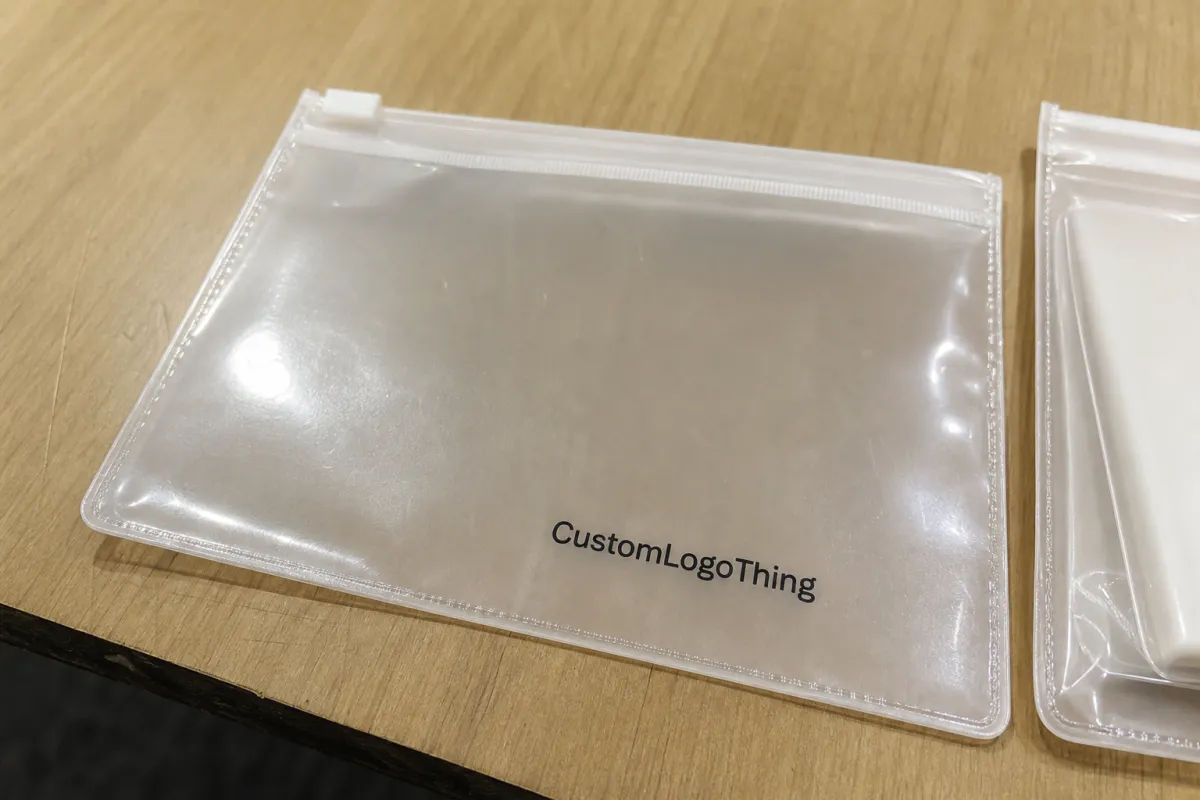
The launch calendar looks harmless until the outer bag becomes the problem. Ten thousand serum sachets are filled. Mini cream samples are boxed. Then fulfillment flags the poly bag: no suffocation warning, poor ingredient visibility, weak barcode placement, or missing child-safety language. A skincare trial Plastic Bags Warning Label guide should catch those risks before artwork is approved and bags are already on a press schedule.
Small packaging creates large consequences. A trial-size plastic bag may cost only a few cents, yet it passes through more checkpoints than the primary cosmetic container: warehouse teams, marketplace intake staff, retail compliance reviewers, subscription box packers, influencers, parents, and end users. A 4-by-6 inch bag can carry more operational risk than a 50 ml jar because it is handled, squeezed, scanned, folded, shipped, and judged before anyone uses the sample inside.
The product sounds simple: clear or printed plastic bags for skincare samples, trial kits, influencer mailers, travel-size bundles, dermatologist packs, promotional sets, and subscription box inserts. They may hold sachets, mini jars, ampoules, cleanser packets, masks, droppers, coupons, QR cards, or a messy combination of all of them.
Warning labels are not just legal text parked on the back panel. They affect barcode placement, artwork hierarchy, bag size, film choice, sealing method, packing speed, and perceived quality. A warning printed too close to a heat seal can warp. A barcode sitting over crinkled LDPE can scan poorly. Pale gold caution copy may look refined on a PDF and almost disappear under warehouse lighting.
Most failures do not happen because a brand ignores safety. They happen because requirements are scattered across state rules, retailer routing guides, marketplace policies, internal legal preferences, and the design team’s instinct to keep the front panel quiet. The buyer gets stuck translating all of that into a plastic bag that still looks like skincare, not industrial hardware.
Buyer reality: warning copy belongs in the first artwork review, not after the brand team has already approved a polished mockup.
How Warning Labels Work on Trial-Size Skincare Bags
A practical warning review starts with the language buyers actually encounter. The common set includes suffocation warnings for thin plastic bags, choking hazard warnings for small components, cosmetic caution statements, tamper-related notes, recycling marks, batch or lot references, and retailer-specific compliance copy.
Suffocation warnings receive the most attention on lightweight plastic bags with openings large enough to fit over a child’s head, especially clear poly bags used for sample kits, ecommerce packing, promotional bundles, and gift-with-purchase programs. The exact trigger depends on the jurisdiction, sales channel, retailer requirements, and internal legal policy. Not every bag needs the same language, and assuming otherwise can create both clutter and confusion.
Placement is where theory becomes expensive. The warning should be visible before the customer opens the bag, readable against the film or printed background, and clear of folds, seams, zipper tracks, adhesive strips, header holes, and product cards. A warning that vanishes once the bag is filled is not functioning as a warning.
Print method changes the decision. Direct flexographic printing works well for repeat or larger programs because plates and setup can be spread across thousands of units. Digital printing helps when the brand needs multiple versions, smaller batches, or fast artwork changes. Thermal transfer or hot stamp may fit certain stock-bag programs. Adhesive labels can save a pilot run, but they also introduce peel risk, wrinkles, placement drift, and extra labor.
Skincare complicates the panel. The same small surface may need fragrance claims, dermatologist-tested wording, cruelty-free icons, recycling symbols, QR codes, a lot-code window, ingredient visibility, and a brand mark that still feels premium. That is a lot of instruction for a thin plastic rectangle.
- Direct-printed warnings: cleaner appearance, consistent placement, less manual labor, and better repeatability for ongoing programs.
- Sticker warnings: lower setup barrier and useful for tests, but more prone to application variation and warehouse pushback.
- Channel-specific copy: useful for compliance, though separate versions may be needed by retailer, marketplace, or region.
For broader packaging test expectations, buyers can review resources from ISTA, especially when trial kits ship through parcel or subscription channels. Vibration, compression, and rough handling can change how a label sits and whether a printed panel remains visible.
Material, Size, and Artwork Specs That Change the Label
Bag size drives label strategy. A 3-by-4 inch pouch for one sachet leaves little room for branding, barcode, QR code, and warning copy. A 6-by-9 inch kit bag gives the designer more panel space, but it may also raise the expectation that safety language be obvious. More surface area does not automatically make the job easier.
LDPE is common for skincare trial bags because it is soft, flexible, and clear. HDPE feels crisper and can be economical for certain high-volume programs. CPP and OPP films offer a glossier retail presentation, often useful for gift-with-purchase packs and sample sets that need shelf appeal. Recycled-content films may support sustainability positioning, although clarity, stiffness, supply, and price can vary. Compostable or biodegradable films require extra caution: buyers should confirm sealing performance, shelf life, print adhesion, and claim language before approving copy.
Thickness matters more than it looks on a quote sheet. Thin films around 1.0 to 1.5 mil reduce cost and pack flat, but they may increase suffocation-warning scrutiny and can feel flimsy for prestige skincare. Films around 2.0 to 3.0 mil usually feel more substantial, resist tearing better, and present the product more cleanly. They also raise unit cost and may require adjusted heat-seal settings.
Print visibility needs a physical check, not just a screen review. Black warning text on clear film is common because it is readable and economical. Frosted, tinted, pearlized, metallic, or heavily branded bags may need a white ink panel or a designated high-contrast label zone. A warning does not need to dominate the design. It does need to hold up under warehouse lighting, curved product shapes, glare, and crinkled film.
Closure style changes the available real estate. Open-ended bags with adhesive strips need clearance near the flap. Zip-top bags have a track that can interrupt copy. Heat-sealed bags need safe margins away from the seal bar. Header bags may need warning placement below a hang hole or header card. Wicketed bags used for faster packing require orientation control so the printed warning lands where operators and customers can see it.
| Bag Option | Typical Use | Warning Label Consideration | Cost Direction |
|---|---|---|---|
| Clear LDPE, 1.5-2.0 mil | Mass sampling, sachet bundles, ecommerce inserts | Black direct print usually reads well on clear film | Lower to mid |
| Frosted LDPE, 2.0-3.0 mil | Premium trial kits and influencer mailers | May need darker ink or a white label zone for contrast | Mid to higher |
| OPP or CPP glossy film | Retail presentation and gift-with-purchase packs | Glare can reduce readability; proof at actual size | Mid |
| Stock bag plus sticker | Pilot runs, short tests, urgent relabeling | Placement consistency depends on labor quality | Low setup, higher labor |
Artwork files should include vector text, outlined fonts, dielines, safe margins, barcode quiet zones, and proof approval at actual scale. If hang tags, ingredient stickers, or compliance decals are part of the same kit, Custom Logo Things’ Custom Labels & Tags category can help keep the label system consistent across the finished pack.
Process and Timeline from Label Review to Bag Delivery
Timing is part of compliance. The usual workflow is straightforward: confirm filled dimensions, identify warning requirements, choose film and closure, prepare artwork, review proof, approve a sample or digital mockup, print, convert, pack, and ship.
The trap is sequence. Label review should happen before final artwork. If a designer builds the layout around product photography, metallic ink, a QR code, and a centered logo, adding a suffocation warning later can force a redesign. Worse, it may push the warning into a weak location simply because no clean space remains.
Stock clear bags with applied labels can move fastest for small quantities or urgent tests. Custom printed bags need proofing, setup, and production scheduling. Specialty films, zipper closures, header formats, or multi-SKU versioning need more coordination because each variation may require its own file check, proof, packing instruction, or carton label.
Common delays are not dramatic. Missing regulatory copy. Low-resolution logos. Retailer requirements buried in someone’s inbox. Ingredient language changing after proof approval. Barcode numbers revised late. A brand team asking whether the warning can be “just a little smaller” after legal already approved the type size.
Sampling choices should match the risk. A digital proof is usually enough for simple clear bags with one-color black print. A pre-production sample helps when color, placement, closure feel, film opacity, or barcode readability matters. Production samples are sensible for large retail programs, subscription box launches, or influencer campaigns where thousands of identical kits must arrive by a fixed date.
Skincare operations add pressure. Formula release, fill dates, expiration coding, carton packing, influencer mail windows, retailer routing guides, and warehouse appointment slots all converge on the bag. Treat warning label approval as a critical-path item, not a final proofreading chore.
Cost, MOQ, and Unit Cost Drivers for Custom Warning Labels
Pricing is built from small variables that stack quickly: bag size, film type, thickness, print colors, print coverage, order quantity, closure style, warning method, artwork complexity, packing format, and freight. A plain 4-by-6 inch clear LDPE bag with one-color print behaves very differently from a frosted zip bag with white ink, black copy, a QR code, and retail carton requirements.
For short tests, adhesive warning labels may look cheaper because setup cost is low. At larger quantities, direct printing often becomes more efficient once labor, consistency, and rejection risk are counted. A hand-applied sticker that adds 8 to 15 seconds per bag sounds harmless until 20,000 bags need to be labeled before a warehouse cutoff.
Custom printed plastic bags usually carry minimum order quantities because setup, plates, ink, press time, and converting must be spread across enough units. Smaller programs can still work, but buyers should expect a higher unit price. As a rough buying frame, simple Custom Poly Bags may land around $0.08-$0.18 per unit at larger quantities, while premium frosted, zip, or multi-color versions can move into the $0.18-$0.35 range or higher depending on construction and freight. Quotes can shift sharply when film, print coverage, or packing requirements change.
Warning labels can add cost indirectly. They may require a larger bag, more print area, a second ink color, another proofing cycle, or separate versions for different retailers. Compliance does not always appear as a neat line item. Sometimes it hides inside artwork changes, schedule pressure, and rework.
Premium materials are not automatically wasteful. For luxury skincare trials, dermatologist sampling kits, and high-visibility influencer mailers, frosted film, a thicker gauge, or cleaner direct print may support the brand experience. For mass sampling campaigns, readable warnings, low unit cost, and fast packing usually matter more than tactile finish.
Hidden costs deserve attention: artwork revisions, rush charges, sample freight, compliance reprints, manual relabeling, fulfillment exceptions, warehouse chargebacks, and delayed campaign inventory. A $0.03 saving on the wrong bag disappears quickly if a retailer rejects cartons or a team spends two days applying correction labels.
Before asking for pricing, send quantity, dimensions, film preference, thickness target, closure style, print colors, warning copy, delivery address, and required in-hands date. If the project also needs companion hang tags, QR labels, or retail stickers, include those files with the same request for custom printed labels and tags.
Step-by-Step Buying Checklist Before You Approve Artwork
A good skincare trial Plastic Bags Warning Label guide should make buying easier, not bury the team in paperwork. Use this checklist before artwork approval, especially if the bag is going to a retailer, marketplace warehouse, spa partner, dermatologist office, or subscription box operation.
- Define the use case. Is the bag for a sachet bundle, mini jar kit, cleanser sample, influencer mailer insert, travel set, subscription box add-on, or retail gift-with-purchase?
- Measure the packed contents. Do not measure samples flat on a desk. Sachets stack, jars create bulges, and droppers can force corners outward.
- Identify every handler. Fulfillment centers, marketplaces, retailers, spa partners, and direct consumers may each create a different packaging requirement.
- Collect required copy early. Pull warning language from legal, retailer manuals, marketplace documents, and internal quality teams before design lock.
- Map the panel hierarchy. Place the warning label, barcode, QR code, recycle mark, brand logo, product name, and claim language before final art.
- Check the proof at scale. Review type size, contrast, edge clearance, seal clearance, and readability with the bag filled.
- Confirm production details. Approve only after checking quantity, tolerance, material, closure, packing method, carton labeling, shipping address, and deadline.
This is not bureaucracy. It is how a buyer avoids paying twice for the same bag.
For sustainability claims, be careful with recycling icons, compostable language, and recycled-content statements. The EPA recycling guidance is a useful starting point, but disposal claims still depend on material, local infrastructure, and exact wording. Not every “green” film supports the same message, and not every consumer can recycle the same material locally.
Common Mistakes That Trigger Reprints, Delays, or Retail Pushback
The first mistake is making the warning label too small because it interrupts the design. On a monitor, 5-point copy may look tidy. On crinkled clear film over a glossy sachet, it can become a gray blur.
The second mistake is placement near a seal, gusset, fold, zipper, or adhesive strip. A warning printed in a technically available space can still disappear during packing. Filled-bag review catches that.
Third, buyers sometimes treat trial bags as interchangeable. A serum sachet mailer, zip bag kit, peg-ready retail pack, and dermatologist sample pouch have different handling needs. The same artwork logic rarely fits all four.
Fourth, transparent bags with pale ink or metallic effects can fail under real lighting. Champagne foil may fit the brand deck. It may not pass a warehouse scan, retail review, or consumer readability check.
Fifth, artwork gets approved before retailer or marketplace requirements are checked. Then the team faces an ugly choice: relabel finished inventory by hand or miss the launch window.
Sixth, version control breaks down. Several products may share the same bag size but require different ingredients, warnings, languages, barcode numbers, expiration formats, or QR destinations. One outdated PDF can contaminate a full production run.
Seventh, unit cost gets treated as the only cost. It is not. Hand-applied stickers, repacking labor, fulfillment exceptions, rejected cartons, and missed campaign dates all belong in the same calculation.
Practical rule: if a warning label saves two cents but adds manual work, inconsistent placement, or retailer uncertainty, it may not be the cheaper option.
Next Steps for Ordering Skincare Trial Bags Without Guesswork
Start with four facts: packed product dimensions, target quantity, sales channels, and required warning copy. Those details shape almost every quote. A supplier can estimate from rough dimensions, but the best production advice comes from knowing what is going inside the bag and where the finished kit will go.
Create a one-page packaging brief. Include bag use case, contents, material preference, closure style, print colors, delivery date, and whether the bag must satisfy a retailer, marketplace, subscription box, or internal quality rule. Attach artwork files, barcode numbers, QR destinations, and any warning language already approved by legal.
Ask direct questions. Can the warning be printed at this size? Will it remain readable once the bag is filled? What is the MOQ? What proofing step catches placement issues before production? Can multiple SKUs share one bag, or will copy differences require separate versions?
For major launches, approve a physical sample or small validation run. A sample can reveal film haze, zipper stiffness, seal placement, label contrast, barcode behavior, and packed-bag distortion before the full order is printed. That small pause often protects the schedule.
Custom Logo Things can help align artwork, bag construction, warning placement, and production planning so the packaging is practical, compliance-minded, and still attractive. The goal is not to make the warning dominate the design. The goal is to make the sample pack pass review, pack efficiently, and reach the customer without drama.
Handled early, the label decision becomes ordinary. Handled late, it can derail the most carefully planned skincare sample launch.
FAQ
What is a skincare trial plastic bags warning label guide used for?
It helps buyers understand when sample bags may need suffocation, choking, cosmetic caution, recycling, or retailer-required warning text. It also helps teams plan artwork, bag size, material, and print placement before production starts.
Do all skincare trial plastic bags need a suffocation warning?
No. Not every bag requires the same warning. Many thin plastic bags with openings large enough to pose a child-safety risk are reviewed for suffocation language, but requirements can vary by state, retailer, marketplace, and internal legal policy. Confirm before artwork approval.
Can warning labels be printed directly on custom skincare sample bags?
Yes. Warnings can often be printed directly on the bag using flexographic, digital, thermal transfer, or other methods depending on quantity, material, and artwork. Direct printing usually looks cleaner and reduces manual labeling labor compared with stickers.
How much do custom skincare trial bags with warning labels cost?
Cost depends on quantity, bag size, film type, thickness, closure, print colors, warning placement, and freight. Adhesive labels may work for small tests, while direct printing often improves consistency and total cost at higher volumes.
What should I send to get an accurate quote for skincare trial plastic bags?
Send quantity, filled product dimensions, preferred material, thickness target, closure style, artwork or logo files, warning copy, print colors, delivery location, and deadline. If a retailer or marketplace has packaging rules, include those documents before proofing begins.


