Candle Sample Plastic Bags Warning Label Guide for Safer Buying
What a Candle Sample Plastic Bags Warning Label Guide Covers
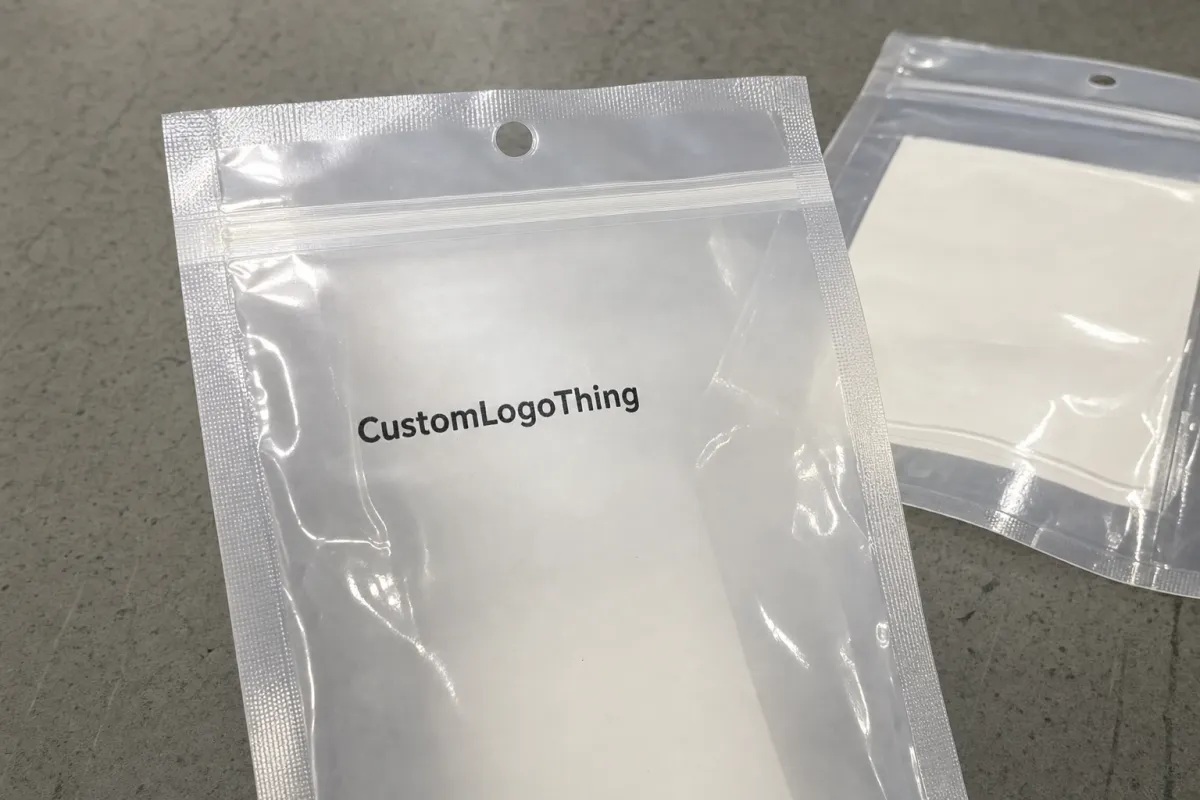
A candle sample looks harmless until fragrance oil residue, tiny components, suffocation risk, and heat exposure turn a cheap little bag into a real packaging problem. Cute packaging does not get a free pass. Shocking, I know. This candle Sample Plastic Bags warning label guide is for buyers who need sample packaging that is readable, practical, and defensible without guessing through film specs and label copy.
Candle Sample Plastic Bags are flexible packages used for wax melts, tealight samples, votive samples, mini tins, fragrance testers, wick sample kits, scent cards, and retail or event giveaways. Most run from 2 x 3 inches to 5 x 7 inches. Subscription boxes and wholesale kits often move into 6 x 9 inch formats because insert cards, UPC labels, hang holes, or multiple samples need room.
The warning label is not decoration. It tells the customer how to handle the sample, keep it away from children and pets, avoid ingestion, reduce suffocation risk, and use the product safely. A warning hidden behind a ribbon is not a warning. It is a design choice pretending to be responsible.
Different warnings do different jobs. A product warning may say the wax or fragrance is not edible. A suffocation warning may apply to certain plastic bags and film sizes. An ingredient or allergen disclosure may address fragrance sensitivity. Burn safety instructions belong on samples that can be lit. Brand copy can sit beside those items, but it should not compete with them.
The goal is not to turn a 3-inch bag into a legal billboard. The goal is to choose the right bag, reserve enough label space, print the safety copy at a readable size, and test the filled package before committing to bulk inventory.
How Warning Labels Work on Candle Sample Bags
There are two common approaches: print the warning directly on the bag, or apply an adhesive label after packing. Direct print looks cleaner and usually holds up better in retail bins. Stickers are more flexible for seasonal scents, small batches, or copy that may still change. Neither option fixes poor layout. Both can fail if the type is too small, the ink lacks contrast, or the adhesive reacts badly to fragrance oil.
Common warning categories include keep away from children and pets, do not ingest, fragrance sensitivity notices, external-use language for wax melts, and fire safety instructions for burnable samples. Plastic film may also need a suffocation warning depending on bag dimensions, film thickness, hole punching, distribution market, and retailer requirements.
Placement should be bluntly practical: put the warning where a normal human will see it before opening or using the sample. Front lower panel, back center panel, or a dedicated white label area usually works. Under tissue paper? Bad. Behind the logo? Bad. Wrapped around a corner so half the sentence disappears? Also bad. Packaging is not an escape room.
For readability, use at least 6 pt type for very small bags, 7-8 pt when space allows, and high-contrast ink such as black on white, black on frosted film, or dark ink on a light label. Avoid script fonts for safety copy. Avoid low-contrast metallic ink on clear plastic unless the goal is to print warnings nobody can read.
Legal requirements vary by product type, sales channel, and market. Retail chains may require more specific language than an event giveaway. Children-adjacent products deserve extra caution. Multi-state or international sales can complicate warning language. A packaging supplier can size the panel, recommend print methods, flag layout problems, and produce consistent bags. They are not your legal department. Annoying, but true.
Practical rule: if the warning cannot be read on the actual bag at arm’s length under normal room lighting, redesign it before ordering 10,000 pieces.
Key Bag Specs That Affect Safety, Shelf Appeal, and Fit
Start with the product, not the bag. Measure the candle sample, insert card, wick packet, scent blotter, wax melt cube, tin, cup, and protective wrap. Then add room for packing and sealing. A 2.5 x 3 inch wax melt may need a 3 x 4 inch bag once a label and heat-seal area are included. A product that barely fits will wrinkle the warning panel and make the whole package look like it lost a fight.
Film thickness matters. For lightweight scent samples and short-term giveaways, 1.5-2 mil plastic can be enough. For wax melts, oily fragrance samples, or items shipped in mailers, 2.5-4 mil often feels safer and more premium. Thicker film costs more, but it resists punctures, curling, greasy transfer, and rough handling better. Cheap film saves pennies until the bag splits in a retail basket. Then it saves nothing.
Closure style should match the use case. Flap seal bags are tidy for inserts and cards. Resealable zipper bags work well for wax melts or multi-use testers. Heat-sealable bags give better tamper resistance and a cleaner retail finish. Hang holes help peg display. Open-top bags are fine only when another closure or outer package handles containment.
| Bag Option | Best Use | Typical Thickness | Tradeoff |
|---|---|---|---|
| Clear OPP flap seal bag | Scent cards, lightweight wax samples, event giveaways | 1.5-2 mil | Sharp clarity, but less forgiving with bulky samples |
| LDPE zipper bag | Wax melts, small kits, reusable testers | 2-4 mil | Flexible and durable, but less crisp looking than OPP |
| Heat-seal CPP or laminated pouch | Retail samples and higher-volume launches | 2.5-4 mil equivalent | Cleaner presentation, but slower setup and less flexible |
| Frosted film bag | Boutique samples and soft visual branding | 2-3 mil | Premium feel, but reduced product visibility |
Material choice affects clarity, seal strength, recyclability claims, and print quality. LDPE is soft and flexible. OPP is clearer and crisper. CPP has good sealability. Biodegradable blends may help with positioning, but claims need support. Metallized film blocks visibility and can feel premium, though it may be overkill for a 40-cent sample.
Fragrance compatibility is the quiet troublemaker. Some oils stain paper labels, loosen adhesives, cloud films, or soften printed ink. Test the filled package for 3-7 days at room temperature, and add a warm-area test if samples may sit in a delivery van, warehouse, or outdoor market booth. For related label formats, Custom Logo Things offers Custom Labels & Tags that can be sized for small warning panels, scent names, barcodes, and batch codes.
Brand presentation still matters. Clear bags show the wax or tin. Frosted bags feel softer and more boutique. Printed bags build recognition. Stickers make sense for rotating scents or test launches. The best answer depends on quantity, retail setting, and how often the product line changes.
Cost, Pricing, MOQ, and Quote Factors for Custom Bags
Pricing depends on bag size, film thickness, material, print colors, print coverage, closure, warning label method, order quantity, freight, and whether the bag needs tooling or custom dies. That is why “How much is a custom bag?” is not a real question yet. It is like asking how much dinner costs. Tacos and steak do not share a price sheet.
Stock blank Bags with Custom warning stickers usually have the lowest startup cost. For 500-1,000 pieces, buyers often choose stock bags and printed labels because setup is minimal and copy can change. Unit costs can land around $0.12-$0.45 per finished piece depending on bag size, label size, label material, and labor. Small runs are rarely cheap per unit, but they keep risk low.
Custom Printed Plastic Bags become more economical as volume rises. At 5,000-10,000 pieces, simple one-color printed bags might fall around $0.10-$0.28 per unit for common small sizes. Specialty films, zippers, matte finishes, spot colors, white ink layers, and multi-color printing can push costs higher. Large retail programs may go lower, but only with stable artwork and meaningful quantity.
Low MOQs are useful for testing scents, trial boxes, markets, and new wholesale accounts. Higher MOQs lower the unit cost, but they also lock you into inventory, warning copy, bag size, and scent lineup decisions. If your label language is still being reviewed, do not print 20,000 bags because the unit price looked cute.
| Buying Route | Typical Quantity | Best For | Cost Behavior |
|---|---|---|---|
| Stock bag + warning sticker | 250-2,000 | Testing, events, seasonal scents | Higher unit cost, low setup risk |
| Custom printed stock-size bag | 2,500-10,000 | Stable SKUs, cleaner branding | Better unit cost as volume rises |
| Fully custom pouch or specialty film | 5,000+ | Retail programs, premium launches | Higher setup, stronger shelf presence |
Prepare quote details before contacting a supplier: flat bag size, product dimensions, thickness target, material preference, closure style, print colors, quantity tiers, warning copy, artwork files, and delivery deadline. Ask whether setup fees, samples, plates, freight, and taxes are included. If one quote is wildly cheaper than everyone else, something is usually missing: film gauge, print coverage, freight, quality control, or finishing. There is always a catch. Packaging is not a fairy tale.
Production Steps, Timeline, and Lead Time to Expect
The normal process is predictable: confirm product dimensions, choose the bag style and material, finalize warning copy, prepare artwork, approve a digital proof, approve a physical sample if needed, run production, inspect, pack, and ship. Skipping proof review is not efficiency. It is gambling with a barcode and a safety label.
Stock bags with custom stickers can move quickly, often in 5-10 business days after artwork approval if materials are available. Fully custom printed plastic bags usually need more time. Plan on 12-20 business days for simpler custom runs, and 25-40 business days for specialty films, custom structures, high quantities, or overseas freight. Exact timing depends on supplier capacity, material availability, inspection requirements, and proof approval speed.
The biggest timeline killers are boring and familiar: late artwork, unclear warning text, changing the bag size after proofing, missing dielines, slow sample approval, and freight decisions made after production is finished. Rush freight can rescue a late launch, but it has no sense of humor and no mercy for budgets.
Approve the actual details that affect use: bag dimensions, print position, warning readability, closure function, film feel, scent compatibility, barcode placement, and retailer requirements. If a wholesale partner needs specific warning placement or UPC size, confirm that before artwork lock. Some retail programs may also ask about transport testing or packaging durability; the International Safe Transit Association publishes packaging test procedures used when products ship through rough parcel networks.
Samples matter more with candle packaging than with many dry goods. Wax and fragrance oil can behave badly around paper labels and plastic film. Fill one bag exactly as it will be sold. Leave it for several days. Handle it. Put it in a box. Check for oil halos, curling labels, odor transfer, smudged ink, weak seals, and distorted film. A tiny failed bag can become a very expensive little disaster.
Work backward from the event, subscription box drop, wholesale ship date, or retail launch, then add a buffer of at least 5-10 business days. The buffer is not pessimism. It is experience wearing sensible shoes.
Step-by-Step Buying Guide for Candle Sample Warning Bags
A useful buying process turns a fuzzy packaging task into a clean sequence. Use these steps before requesting quotes or approving art.
- Define the sample type. A wax melt cube, wick sample, tealight, votive, fragrance card, and mini candle do not need the same bag or the same warning language.
- Measure the packed product. Include inserts, cards, tins, cups, hang tabs, and protective wrap. Packaging math done from memory is how people buy bags that almost fit.
- Choose the bag format. Pick clear flat bags, zipper bags, flap seal bags, heat-sealable bags, hang-hole bags, or custom printed pouches based on handling and retail display.
- Draft the warning copy. Keep it plain, visible, and specific. Include required safety messages, but avoid turning a 3 x 4 inch bag into a legal novel nobody can read.
- Decide sticker versus direct print. Use stickers for flexibility and lower startup risk. Use direct print when the SKU is stable, the volume is higher, and the brand needs cleaner shelf presence.
- Request quote tiers. Ask for 500, 1,000, 5,000, and 10,000 pieces when relevant. The price break is often clearer than buyers expect.
- Test filled samples. Check fit, seal strength, label adhesion, warning visibility, scent migration, barcode scanability, and how the bag looks after handling.
If sustainability claims matter, be careful with wording. Recyclable, compostable, biodegradable, and FSC-certified are not interchangeable. Paper insert cards may qualify for responsible sourcing claims if the stock is certified; the Forest Stewardship Council explains FSC certification in more detail. Plastic film claims need their own support, and many flexible films are not accepted in curbside recycling programs.
For small brands, a two-stage approach usually carries less risk: stock bags plus printed warning stickers for testing, then custom printed bags after the product line proves itself. That path keeps cash flexible while you learn which scents, sample sizes, and retail formats actually sell.
Common Mistakes That Make Warning Labels Useless
The first mistake is hiding the warning under branding. If the customer has to rotate the bag, peel a sticker, or squint through a logo to find the warning, you designed a scavenger hunt, not safety packaging.
The second mistake is using pretty but unreadable type. Script fonts, tiny all-caps copy, low-contrast ink, and metallic-on-clear printing can look polished in a mockup and useless in real life. Safety copy is not the place to show off your fanciest font.
The third mistake is assuming one warning fits every sample. Wax melts, burnable tealights, fragrance cards, and wick kits carry different practical risks. A burnable sample may need flame safety language. A wax melt may need warmer-use instructions. A fragrance tester may need sensitivity language. Copy-paste packaging is how bad labels happen.
The fourth mistake is forgetting suffocation warnings on plastic bags when needed. Small bags still count. The plastic does not become harmless because the product inside smells like vanilla bean.
The fifth mistake is ordering bulk before testing fragrance compatibility. Oils can lift labels, smear ink, soften adhesives, or make paper inserts look stained. Test the full packed sample, not just the empty bag. Also test the bag after it has been handled, packed into a carton, and left near mild heat.
The sixth mistake is approving artwork without checking the actual printed size. A warning that looks readable on a 27-inch monitor may become microscopic on a 3-inch sample bag. Print the proof at 100% scale. Hold it. Read it. If you cannot read it without negotiating with your eyeballs, fix it.
The seventh mistake is treating compliance as the manufacturer’s problem. A good supplier can help execute the layout and production specs. The brand owns final copy, claims, warnings, and market-specific requirements. That is not glamorous, but it is how responsibility works.
Next Steps Before You Order Custom Warning Bags
Start with a simple spec sheet. Include product type, filled dimensions, target quantity, bag style, film preference, closure, warning copy, logo placement, barcode needs, and delivery deadline. One page is enough for most sample projects. Vague descriptions like “small candle sample” are useless. A wax melt cube and a mini tin both sound small until the bag arrives.
Build two packaging options. Option A can be stock bags plus custom warning stickers for testing. Option B can be fully custom printed Plastic Bags for Retail polish and better unit economics at volume. If labels support the first route, Custom Labels & Tags can cover warning panels, scent names, batch codes, and promotional stickers.
Send real dimensions and photos to your supplier. Include the product packed the way it will ship or sell. Ask for quote tiers and proofing details. Confirm whether setup fees, plates, samples, freight, and taxes are included. Cheap quotes with missing fees are not cheaper. They are just unfinished math.
Run a filled-bag test before full approval. Check readability, seal strength, scent transfer, label adhesion, barcode scanability, and how the bag looks after being tossed into a shipping box. A careful candle sample plastic Bags Warning Label guide should leave you with fewer assumptions, not more packaging drama.
FAQ
What warning label should candle sample plastic bags include?
Most candle sample bags need clear handling and safety language such as keep away from children and pets, do not ingest, avoid contact with eyes, and follow burn or melt instructions if the sample is usable. Plastic bags may also need a suffocation warning depending on bag size, film type, and market requirements. The exact wording should match the product type and sales channel, and brands should verify legal requirements before printing bulk inventory.
Can I use stickers instead of printing the warning directly on candle sample bags?
Yes. Stickers are practical for small batches, scent rotations, seasonal samples, and early product testing. Direct printing looks cleaner and usually makes more sense for higher-volume, stable SKUs. Test sticker adhesion with the actual candle sample because fragrance oil and wax residue can weaken adhesives.
What size plastic bag works best for candle samples with warning labels?
Measure the filled product, insert card, and any protective wrap, then add enough room for packing and sealing. The warning label needs its own readable panel, so do not choose a bag that barely fits the sample. For retail or event use, a slightly larger bag with a clean label area often looks more professional than a tight, wrinkled fit.
How much do custom candle sample plastic bags with warning labels cost?
Cost depends on size, material, thickness, closure, print colors, quantity, and whether the warning is printed or applied as a sticker. Stock bags with labels have lower startup cost, while custom printed bags usually reduce unit cost at higher quantities. Ask for quote tiers so you can compare the real cost difference between small test runs and larger production runs.
How long does production take for candle sample bags with warning labels?
Stock bags with custom labels are usually faster because the bag already exists and only the label needs production. Custom printed plastic bags take longer because artwork, proofing, print setup, production, finishing, inspection, and shipping all add time. The fastest way to avoid delays is to finalize warning copy, provide correct artwork files, and approve proofs quickly.

