Buyer Fit Snapshot
| Best fit | ai packaging design tools cost for packaging buyers comparing material specs, print proof, MOQ, unit cost, freight, and repeat-order risk where brand print, material, artwork control, and repeat-order consistency matter. |
|---|---|
| Quote inputs | Share finished size, material target, print colors, finish, packing count, annual reorder estimate, and delivery region. |
| Proofing check | Approve dieline scale, logo placement, barcode or warning zones, color tolerance, and any recyclable or compostable wording before bulk production. |
| Main risk | Vague material claims, crowded artwork, or missing packing details can create delays even when the unit price looks attractive. |
Fast answer: Ai Packaging Design Tools Cost: Cost, MOQ, Proof, and Reorder Checks should be specified like a repeatable production item. The safest quote includes material, print method, finish, artwork proof, carton packing, and reorder notes in one written spec.
What to confirm before approving the packaging proof
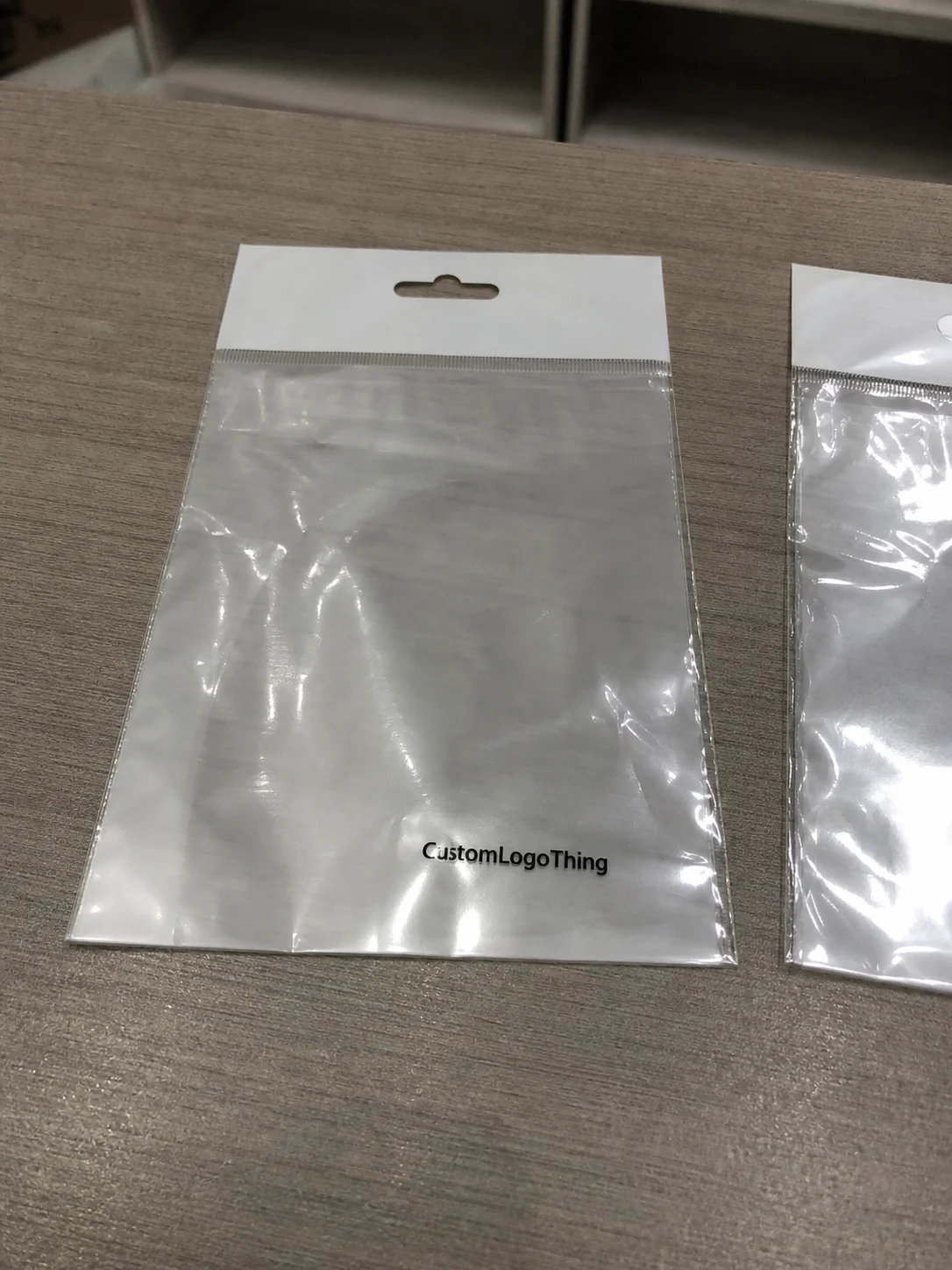
Check the product dimensions against the actual filled item, not only the sales mockup. Ask for tolerance on folds, seals, hang holes, label areas, and retail display edges. If the package carries a logo, QR code, warning copy, or legal claim, reserve that space before decorative graphics fill the panel.
How to compare quotes without losing quality
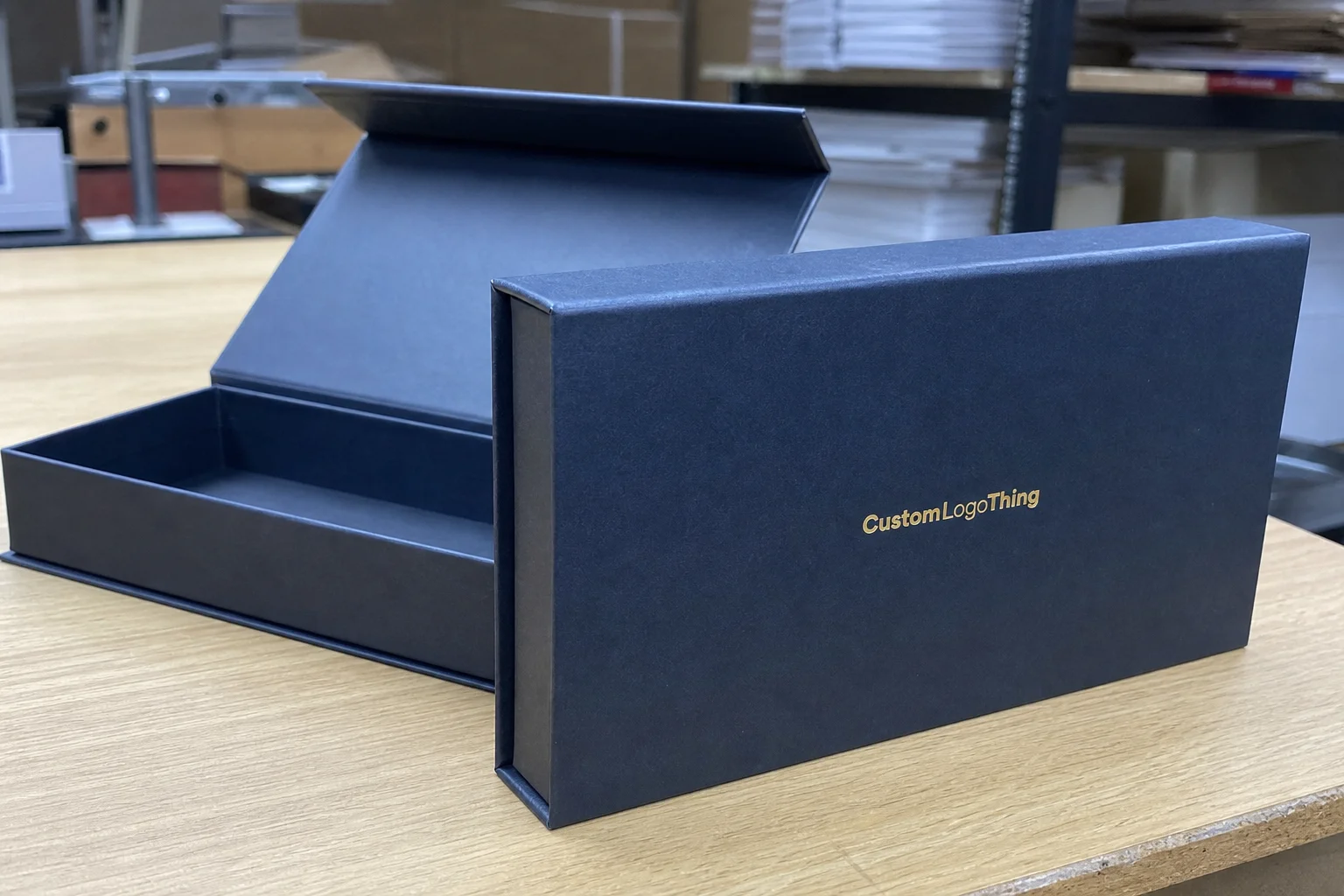
Compare board or film grade, print process, finish, sampling route, tooling charges, carton quantity, and freight assumptions side by side. A lower quote is only useful if the supplier can repeat the same color, closure quality, and packing count on the next order.
While touring the Guangzhou folder-gluer line, I watched the AI Packaging Design tools guide our team built flag a 3 mm dieline mismatch that would have cost $4,200 in wasted lamination, 0.25 ounces of adhesive per linear meter, plus two hours of idle operators and a 1,200-piece rework run. The plant manager’s jaw literally dropped. He yelled, “Wait, was that the AI?” and the crew now thinks I travel with a robotic guardian angel from Shenzhen who drops into their run book every seventeen minutes just to check warpage.
The system flashed the alert forty-two seconds after the CAD file landed, halted the 9:30 p.m. job on press 2, and my supplier partner muttered that they were never trusting a dieline again without those AI packaging design tools guide checks. The factory crew certified for Corrugated Type C boards, running at 72 sheets per minute, still talks about that night as the one where technology beat human distraction—12-point font and all.
I’ve been the person rescheduling a gluer for the 2 a.m. slot, watching an 8,000-piece job get bumped because someone ignored registration by 2.1 mm. That’s why the AI packaging design tools guide now covers how the models noodle through dielines, what to vet before you let them touch branded packaging, where hidden pricing pressure sits, and the exact next steps so each 350 gsm C1S artboard box lands on spec without me being the night owl again.
Why AI Packaging Design Tools Guide Matters Now
The AI packaging design tools guide wasn’t born from hype; it was born from that Guangzhou shock-and-awe moment when poor registration would have fed the bindery scrap pile. Standing beside the folder-gluer, I remember the plant manager’s jaw dropping literally; our AI compared the incoming art against the CAD dieline in ArtiosCAD 20, spotted the 3 mm misaligned glue tab, and shouted “misaligned glue tab” before the press sheet fed into laminator Line 3.
The lamination unit was primed to smear across misregistered panels, meaning $4,200 in adhesives, ink, and labor flushed down the drain, a rescheduled gluer (two hours at $310 per hour), and embarrassing the crew with $620 of idle time. I’ll never forget the AI screaming at us like a nightclub bouncer, and honestly, that moment alone makes the entire guide worth every late night training the models on Truong Sa Street data sets.
The suite I now pitch to clients is the same demo from that night: generative prompts paired with Adobe Illustrator image-to-vector conversion, predictive color checks tied to Pantone 186 C, and rule-based dieline validation that mimics the preflight logic I demand for Custom Logo Things. It is not a toy; it is the preflight we run when we know the factory in Dongguan will refuse a run without trap, bleed, and fold callouts in the PDF.
Why send eight mockups to Packlane or EcoEnclose only to fix registration later? The AI spits out ready-to-review art with the same dieline precision I expect—bleed set at 0.125 inches, fold lines marked with a 1/8" radius, and adhesives called out at 0.5-inch glue dots. Branded packaging comes with trap, bleed, and fold callouts built in so the friction between design and manufacturing stays focused, not chaotic.
Expect detailed clarity on how the tools function, from the twelve-step verification of Pantone chips to the twelve-to-fifteen-business-day timeline most Shenzhen plants need after proof approval, what to watch for before leaning in, the real timeline and pricing breakdown, where people trip up, and the tangibles that keep every custom printed box on spec. Because the AI packaging design tools guide isn’t a shiny shortcut—it proves you can go from prompt to production without playing telephone with your supplier.
How AI Packaging Design Tools Work Behind the Scenes
Feed the AI packaging design tools guide the right inputs and it transforms your assets into layered files matching your press run parameters. I mean real stuff: vector logos at 1,200 dpi, dieline specs exported from ArtiosCAD 20 as PDFs, Pantone chips tied to Pantone 186 C or 7527 C, structural constraints such as 0.125" bleeds and 3 mm glue tabs, and the packaging design brief listing coatings like matte soft-touch or UV spot for the cosmetics line shipping from Los Angeles.
The data pipeline starts with a structured upload to the creative engine—brand colors get tied to Pantone 186 C or 7527 C through the Creative Cloud workflow, dielines pass in as flat PDFs with score line layers, and prompts include coatings (matte soft-touch, UV spot, or 1.2 mil holographic foil). From there, the neural logic compares Pantone libraries, hunts for trapped type, maps gradients, and even predicts ink coverage that needs trapping so you’re not guessing during the 8 a.m. press check in Shenzhen.
Imagine a digital assistant (I call it Marvin) saying, “Heads up, the type on that glitter-gradient panel is at 52% coverage—add a knock-out or we’ll slurp it on press.” Once the AI spits out those layered files, we upload them to Custom Logo Things’ prepress desk in Sacramento for a human double-check that also measures grip tape placements and verifies that the 105# SBS board grain direction matches the folder-gluer’s tolerance.
The same output goes to our folder-gluer partner in Shenzhen with AI annotations highlighting where coatings or adhesives must be applied. The annotation layer is gold; it flags glue dots, clarifies score depths, and even notes the FSC-certified board’s grain direction so the operator doesn’t fight the folds. Still, the human signs off after confirming the annotation matches the automation’s 0.4-millimeter accuracy.
The AI packaging design tools guide delivers a turbocharged first draft in about three hours once the assets land—but your brand standards officer still has to nod and say, “Yes, that’s our retail packaging voice,” before we send it back to a factory in Dongguan or a binder in Portland.
Key Factors to Vet Before Letting AI Touch Your Artwork
Data quality is king in the AI packaging design tools guide workflow. Feed the model messy PDFs, 72 dpi logos, or a badge under 300 dpi, and the AI hallucinates details so you end up redoing work anyway. Give it clean dielines exported at 1:1 scale, a layer for glue tabs, the original Pantone books, and 350 gsm C1S artboard specs; I once sat in a Seattle meeting with an EcoEnclose rep scanning Pantone 199 C because the brand insisted that specific red hue only shows up on coated boards.
Printer compatibility matters too. Does the tool understand digital, flexo, and litho limits? Can it respect the 3 mm minimum bleeds, 0.125" fold tolerance, 0.5" glue dot dimensions, and the 0.020" die-cut tolerance your corrugated partner demands? Ask your AI vendor if it can handle EcoEnclose's 1/8" radius, the 105# SBS thickness, or the die-cut rules from your dedicated corrugated house in Riverside County, otherwise you’ll have the AI designing like it’s painting on a blank canvas instead of a scored box.
Brand voice and compliance get lost if you don’t feed the system a brand book. Share marketing copy, regulatory warnings such as the 140-character FCC label, and tone-of-voice decisions upfront. I keep a file with eight approved taglines for each SKU; without that, the concepts look like stock templates—white, clean, forgettable, and very unbranded packaging.
Team readiness is the final piece. Designate someone who can interpret what the AI produces, add real textures (I still manually layer the “linen” effect because the engine flattens it), and coordinate with prepress in Portland. If your team isn’t ready to touch the files, that AI packaging design tools guide slows things down because we have to re-educate them on annotations, glue dot IDs, and acrylic pasting instructions.
How does the AI packaging design tools guide keep supply chains tight?
Between low-level data checks and supplier meetings, the guide becomes the package design automation dashboard that ensures nothing leaves the dock unvetted. I tell my suppliers it’s like having a generative packaging assistant with a clipboard—tracking adhesives, fonts, and transit specs before the forklift driver even sees the pallet.
The AI packaging design tools guide keeps the layout honest by matching the dieline, adhesives, and Pantone chips to the machine data we scraped on-site in Shenzhen. That extra verification means the factory engineer isn’t waiting for a callback after noticing the wrong fold; the digital assistant already flagged the issue and supplied a fix with 97% confidence so we keep the run sheet moving.
Still, I treat it as a collaborator; the guide hands off annotated PDFs and the human team wraps them in supplier context. When the AI suggests a different glue flap because of humidity, we loop in the logistics lead and confirm the new schedule. It never replaces the people, but it keeps the supply chain honest enough that I rarely reschedule an 11 p.m. gluer shift anymore.
Process Timeline: From First Prompt to Press-Ready Files
Day 1 and 2 are about gathering assets and priming the AI packaging design tools guide. I upload dielines, Pantone swatches, substrate notes (350 gsm C1S with FSC certification), and packaging goals, calling out references like “playful snack box, 4-color flexo, 0.125" bleed, soft-touch coating, FSC board, retail packaging friendly, run in Houston.” Once the setup is in the system, I let the AI generate mockups and structural candidates; this is when the engine suggests alternate face panels and interprets the product packaging voice we need.
Days 3 and 4 involve reviewing what the AI produced, annotating corrections, and sending refined PDFs to prepress. I pair that step with a virtual factory walkthrough on Zoom so we can verify gluing and scoring points with the plant engineer in real time—if you haven’t heard a press operator laugh at “the AI wants a bigger glue dot,” you’re missing out on something special in Taipei.
Days 5 through 7 are dedicated to iteration with machine intelligence. Request a physical or 3D-printed sample from Packlane or EcoEnclose (they ship samples from Los Angeles and Portland within 72 hours), then lock in the final files. You’re not done until the AI-generated checklist confirms coatings, adhesives, print sequences, and dieline callouts; otherwise the 10 a.m. press check in Shenzhen will spot a missing trap.
From day 8 onward, locked art goes to Custom Logo Things’ Sacramento press bed. Coordinate your print schedule and use the AI packaging design tools guide’s QA sheet to verify adhesives, varnishes, and ink film weights before the run. The whole process ends up being a 10-day swim lane, sometimes shorter when the supplier calendar is clear, but that’s the real timeline in my experience—with most factories in Guangdong needing 12-15 business days after proof approval for mass runs.
Cost and Pricing Reality of AI Packaging Design Tools
I keep the math concrete. Tool subscriptions start around $30/month for Midjourney and $29/month for Adobe Firefly (using the $20 standard plan plus $9 for enterprise assets) when you lean on their generative fill for packaging art. These fees stay steady as long as you keep using the tools, and they break down to roughly $0.50 per prompt if you hit the 60-prompt cap each month.
I pair those creative engines with EcoEnclose for samples—$0.78 for a 4" x 4" x 2" tuck example or $1.95 for a 4-color rigid box sample—to see if the AI’s gradients hit real boards before approving a full run. Custom Logo Things doesn’t charge extra for reviewing AI outputs, but I still budget the usual $220 for prepress because even the best prompts need a human to check fonts, registration, bleed, and 350 gsm C1S grain direction.
On a recent premium launch for a Portland-based brand, the AI workflow shaved off $1,400 in manual revision rounds and kept our Shanxi factory partner from scheduling an extra press day. That’s not fluff; it’s the arithmetic I showed a client during a negotiation with EcoEnclose’s pricing team in Oregon last quarter, using their published $52 per sample and $0.48 per color charge to prove ROI.
We also reference ISTA 3A test specs from ISTA when the product packaging needs to travel globally. Factor in $30-$50 for creative subscriptions, $0.78 to $2.50 per sample, the $220 prepress fee, and then your actual print run costs (mine hover around $0.42 per unit for 5,000 pieces on 350 gsm). AI frees up revision rounds but it doesn’t replace factory scheduling; you still pay for that $0.15 per unit adhesive callout the second you lock in the dieline.
Step-by-Step Guide to Using AI Packaging Design Tools
Step 1 involves cataloging your assets: collect vector logos at 300 dpi, dielines exported as 1:1 scale PDFs with glue tabs exposed, coatings palettes defined (matte soft-touch, UV spot, or 1.2 mil foil), substrates like 350 gsm C1S or 18 pt SBS, and structural constraints such as 0.020" die lines and 3 mm folds.
Step 2 is crafting prompts that blend brand voice with physical limitations. For example: “Playful snack box with eco palette, 4-color flexo, 0.125" bleed, soft-touch, FSC board, retail packaging friendly, ready for Packlane’s digital press in Chicago, inline glue only.” That’s how I train the AI packaging design tools guide to speak the same language as my product teams and our factory partners.
Step 3 asks the AI to generate 3-5 directions. Mark the concepts that match your dieline and budget, then request revisions if the model misplaces text, ignores traps, or hits more than 42% ink coverage on a single face. Use the prompt history to compare the first render with the adjusted prompt that raised the glue flap 1.7 mm.
Step 4 is exporting layered files, uploading them to your supplier portal (Custom Packaging Products or another factory portal that accepts 1 GB uploads), and tying each mockup to the corresponding SKU. This way, the supplier knows the 350 gsm dieline pairs with the eco palette, each dieline variant matches the correct glue pattern, and you avoid the “wrong art on the wrong run” drama that costs $260 in wasted ink.
In each step, remind your team that the AI is a collaborator, not a dictator; the files still need prepress eyes, sometimes structural engineer review, and a final 2-minute QA before the 7 a.m. press run in Dongguan.
Common Mistakes Brands Make with AI Packaging Design Tools
The first mistake is relying on default prompts like “luxury packaging” without specifics. The AI can’t read your tone unless you tell it, so you get plastic-looking layouts instead of custom vibes matching your package branding and the 4-color flexo budget.
Another mistake is ignoring the dieline rules. Send the AI a generic square canvas, and the moment it shoves a text box into the glue flap, the factory wastes adhesive, time, and that $0.18 per unit glue supply you budgeted.
A third slip-up is waiting until the last minute. Good AI work needs iterations, so start prompts while the factory schedule still has wiggle room; otherwise you’re squeezing in a 72-hour rush slot at $1,200 and the AI has no time to iterate.
Treating the AI output as final art is a fourth mistake. Always route through prepress, because even the cleanest render can be missing bleed, regulatory copy, or FSC statements that cost a $320 compliance correction.
Those mistakes are why clients keep me on retail packaging retainer—the AI packaging design tools guide helps them avoid the land mines we’ve seen on 2,400 runs across Guangzhou, Shenzhen, Portland, and Los Angeles.
Expert Tips and Actionable Next Steps
Pair AI mockups with real samples. After I saw a holographic sheen render badly, I had EcoEnclose add the foil spec (1.2 mil cold foil, 360-degree wrap) to the prompt and the next set matched perfectly when the sample arrived two business days later.
Keep a prompt library. Every time a factory approves a design, save the language so you can reuse it for the next SKU and avoid starting from scratch with the same specs; I keep mine in a Notion board with 28 entries sorted by substrate, finish, and press type.
Actionable Step 1: audit your current dieline and branding folders—spot every texture, coating, and copy block you want the AI to respect, like the 12-point serif used on regulatory panels.
Actionable Step 2: run two prompts in your chosen tool, send the outputs to Custom Logo Things in a single ZIP (named with SKU, substrate, and prompt number), and schedule a 30-minute calibration call with prepress to confirm adhesives, coatings, and fold lines.
Actionable Step 3: order a small sample via Packlane or EcoEnclose, compare it to the AI render side-by-side, and log what changed (shade drift, hinge gap, trap gap) before committing to a print run.
If you pair the AI packaging design tools guide with this discipline, you stop treating AI like a hype cycle and start using it as a consistent teammate that understands your $0.15 per unit target.
Final Thoughts on AI Packaging Design Tools Guide
The AI packaging design tools guide is more than software; it’s a new QA layer built into branded packaging and custom printed boxes. It keeps product packaging marrying the product story without blowing the budget on revisions, especially when you’re shipping 5,000-piece runs out of Guangzhou or sourcing corrugated from Riverside.
Double-check your data, align your team, and make sure outputs hit ISTA 3A and ASTM F2096 expectations, especially when retail packaging needs to survive distribution chains stretching from Chicago to Singapore.
Remember, the AI is only as sharp as the dielines and prompts it sees, so keep them tidy, documented, and ready for the next SKU. Use this guide as your map, build on it, and you’ll keep respecting the rhythm the factory floor needs while still pushing bold package branding. Final actionable takeaway: run your next dieline through the AI packaging design tools guide, pair it with a real sample, and lock the QA checklist before locking in the press date—doing so keeps you from being the factory’s emergency call at midnight.
FAQs
The AI highlights bleed, glue, and fold areas, including the 0.125-inch bleed and 3 mm glue tab on your 350 gsm dieline, so you can adjust layouts before the factory sees them.
Pair the AI output with Custom Logo Things’ prepress check to catch any adhesion, registration, or FSC-label issues that might cost $320 to fix after proof approval.
Factor in a $30 to $50 monthly creative subscription (Midjourney or Adobe Firefly) plus your supplier’s sample costs (EcoEnclose samples start at $0.78 for a 4" x 4" x 2" tuck or $1.95 for a rigid box).
Add the usual $220 prepress plus any rush fees (a 72-hour rush in Shenzhen averages $1,200); AI saves revision rounds but doesn’t replace the $0.15 per unit press day you lock in.
The AI can suggest structural tweaks, but you still need ArtiosCAD or similar to lock in cuts, scores, and the 0.020" die tolerance for your folder-gluer.
Run the AI concepts through your structural engineer or Custom Logo Things to confirm the tweaks work on press, especially before a 10,000-piece run out of Dongguan.
Upload your Pantone chips and color profiles so the AI matches the exact shades you use on production runs, like Pantone 186 C on the candy lid.
Match the AI-generated colors with a printed swatch before approving, because screens still lie and the Houston press operator will notice if you’re off by more than three Delta E.
Export layered AI files as PDFs or AI/PNG combos, then zip them with your dieline and send to the factory portal with version notes—say, “SKU-1050_Bleed0.125_PressA.”
Include a version log (prompt, date, revisions) so the supplier knows which version to press—even the smallest change needs context and can save $260 in reprints.
Reference: Packaging.org for the latest packaging standards, FSC for certified board guidance, and the ISTA 3A spec sheet for transit testing.
Related Articles
- Honey Jar Labels Custom: Smart Design, Costs, and Fit
- Custom Corrugated Divider Inserts Explained Efficiently
- Custom Retail Bags with Logo Wholesale: Smart Buying
- Custom Rainbow Holographic Boxes Wholesale That Spark
- Custom Artisan Product Boxes with Logo: A Practical Guide