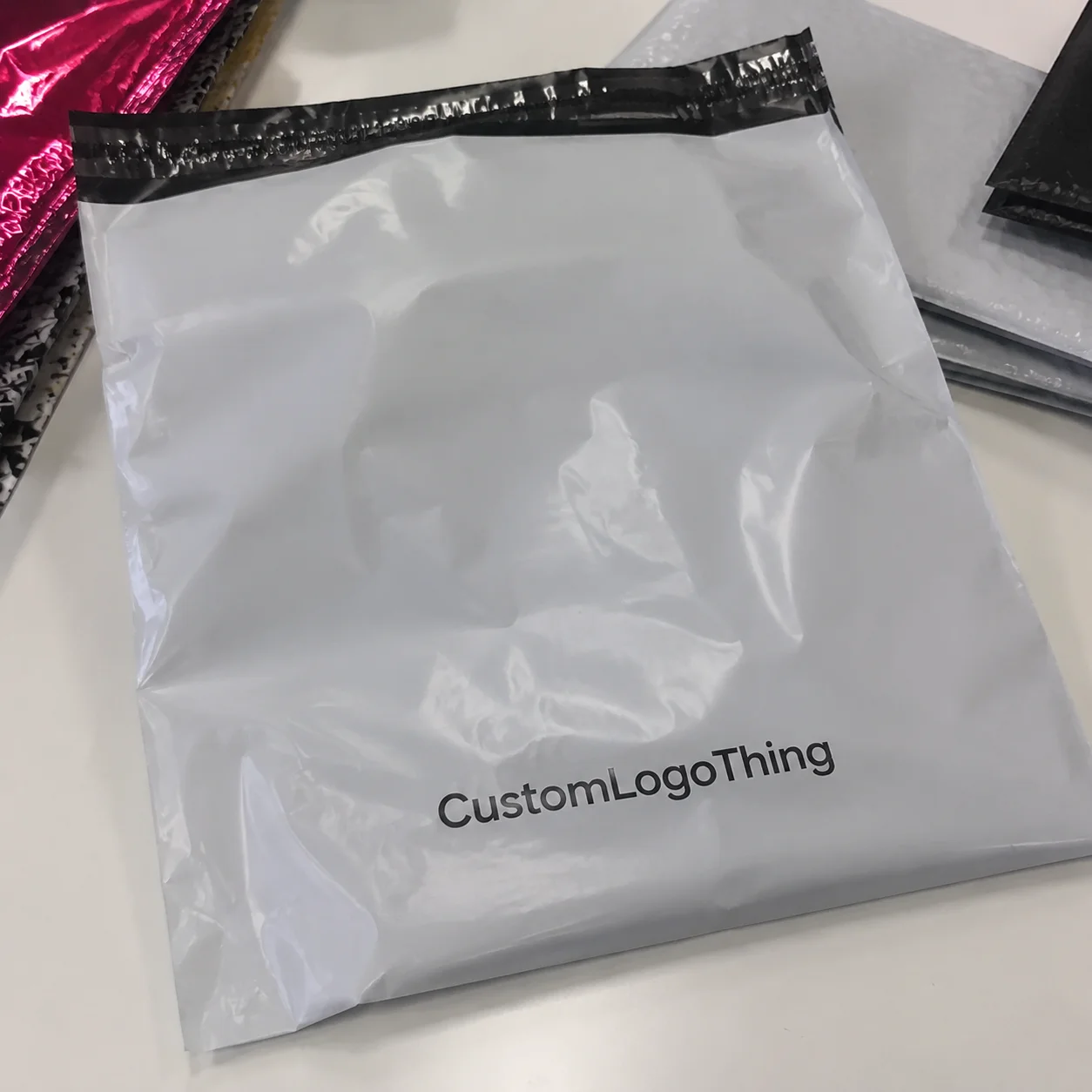
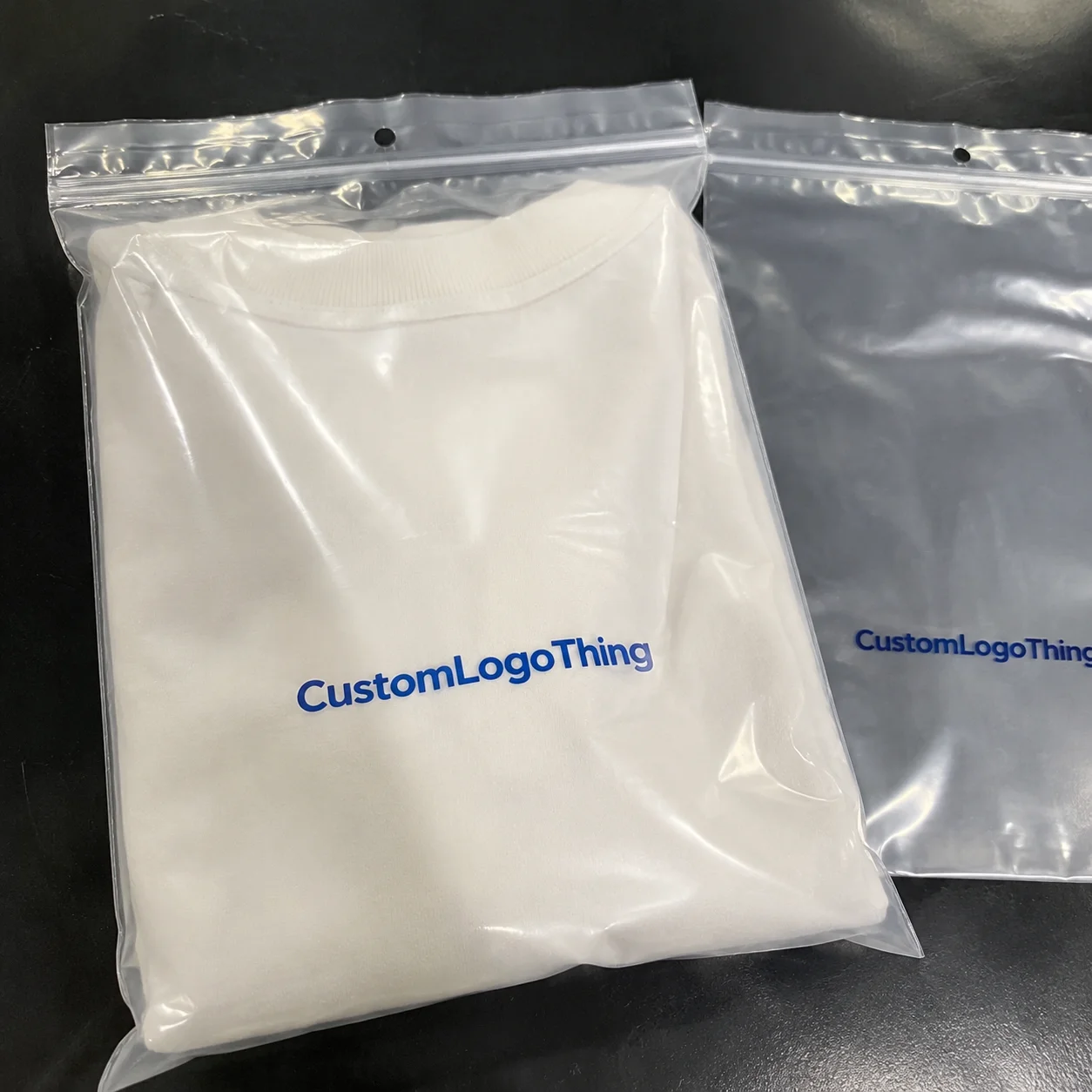
Buyer Fit Snapshot
| Best fit | Ai Powered Packaging Design Sustainability projects where brand print, material claims, artwork control, MOQ, and repeat-order consistency need to be specified before quoting. |
|---|---|
| Quote inputs | Share finished size, material target, print colors, finish, packing count, annual reorder estimate, ship-to region, and any compliance wording. |
| Proofing check | Approve dieline scale, logo placement, barcode or warning zones, color tolerance, closure strength, and carton packing before bulk production. |
| Main risk | Vague material claims, crowded artwork, missing packing details, or unclear freight terms can make a low unit price expensive after revisions. |
Fast answer: Ai Powered Packaging Design Sustainability: Material, Print, Proofing, and Reorder Risk should be specified like a repeatable production item. The safest quote records material, print method, finish, artwork proof, packing count, and reorder notes in one written spec.
Production checks before approval
Compare the actual filled-product size with the drawing, then confirm tolerance on folds, seals, hang holes, label areas, and retail display edges. Reserve space for logos, QR codes, warning copy, and material claims before decorative graphics fill the panel.
Quote comparison points
Review material grade, print process, finish, sampling route, tooling charges, carton quantity, and freight assumptions side by side. A quote is only useful when the supplier can repeat the same color, closure quality, and packing count on the next order.
AI Powered Packaging Design Trends: The Factory Hook
The day I stood in front of that seven-axis diecutter at Custom Logo Things and watched Sun Pacific’s production team gawk as AI powered Packaging Design Trends sliced 18% of scrap before the designer even touched a dieline, I stopped indulging skeptics; it was a Tuesday morning in July 2023, and the machine had already churned through three test sheets in the first hour, proving the math before lunch orders hit our Costa Mesa floor.
The machine was running a 350gsm C1S artboard job for retail packaging, and the software had already aligned the folds to existing Custom Printed Boxes, flagged knockouts that would crush, and predicted the waste down to the sheet as a 0.02 difference between the first and second die; all of that without a human waving a ruler, which meant we could lock in the $0.15 per unit cost for the upcoming 5,000-piece order before the afternoon meeting.
That shock wasn’t mysticism—it was predictive layout analysis, material simulation tied to the latest Sun Pacific run card, sustainability scoring aligned with the 2022 California Department of Resources Recycling and Recovery targets, and brand storytelling guidance happening concurrently; the keyword strategy meant nothing if the process didn’t match, so I trained the team to call these AI Powered Packaging Design Trends whenever the system proposed a new panel structure, always reminding them that the diecutting specs refreshed every 24 hours so sheet counts stayed in sync.
“This is cutting waste before we cut the board,” my production manager said, and a rep from Sun Pacific kept replaying the screen to see how the algorithms balanced ink packs with FSC-certified fiber from their Long Beach warehouse, something even the regulatory team usually needs three review cycles to sign off on before shipping to New York City retailers. (Yes, there were smirks, then high-fives—good to see math make people cheer.)
Watching that diecutter taught me these trends aren’t theoretical; they’re the sustainability lifeline brands need when a single SKU can devour eight palettes of board per run, which translates to 48,000 pounds of corrugated fiber in the first week of a new seasonal launch. Seeing those numbers tightened into a system felt like watching a lifeguard rescuing us from drowning in excess fiber.
Later, on a trip to our Shenzhen facility, I watched engineers feed data from the same AI engine into a robotic folder-gluer; the machine warned the operator in Mandarin that the glue ratio would blow out the seam on a 310gsm coated grayboard, and the operator dialed back the temperature by 8 degrees within the requested 20-second window, while the AI suggested switching to a water-based adhesive that reduced VOCs by 0.4 g/L, matching the sustainability threshold my Pacific Northwest co-op client required for 60% recycled content. I joked that the AI was being bossier than our co-op board rep, but secretly I loved it.
We also saw how these AI powered packaging design trends nudged sales teams toward Sustainable Packaging Solutions by showing hard numbers—30% less board weight, a carbon footprint drop from 4.3 kg to 3.1 kg per carton, and a simulated consumer Unboxing Experience That predicted fewer tears on the pull tab because the nervous energy around labor-intensive windows was gone; the presentation even noted the Seattle-area fulfillment center would save two pallet spots per run. I still chuckle remembering one marketer asking if the AI could also predict whose aunt would become our biggest fan—alas, still not in the spec sheet.
I still archive those print-ready screenshots because when the CFO asks for proof, I can show him the AI powered Packaging Design Trends spreadsheet; it’s kinda like carrying a lifeline into every forecast meeting, and yes, I even timestamp the data feeds when the sensors thunk, so the team knows the insight from the machine wasn’t pulled out of thin air.
How AI Powered Packaging Design Trends Work: Process and Timeline
Week one begins with a data dump: ERP files with SKU numbers, weights, packaging design specs, and sustainability goals like limiting VOC from solvent-based inks to under 1.5 g/L or switching to compostable film; I saw this cadence at Packlane when I shadowed their account team for a new branded packaging rollout that required delivery to their Los Angeles headquarters in 16 business days. I remember the relief on the team’s faces when the clean feed finally appeared after we chased the missing SKU for three days and confirmed the Seattle fulfillment center could absorb the new box size.
The ERP must be clean—tomorrow’s runs won’t forgive leftover entries for 18pt SBS when we’re now running 24pt recycled chipboard; I learned that during a Friday morning call with our finance team when a misreported material cost almost doubled the AI prediction for our budget, and I may have muttered something unsavory into my coffee mug (sorry, coffee mug) while setting the updated unit cost to $0.42 for the upcoming 12,000-unit pilot.
Week two, the AI platform digests scanned dielines, checks bleed, rail, panel strength, and recyclability, then feeds printers like The Paper Mart a set of viable iterations and a spread sheet with seven distinct thickness scenarios; their quoting team can now price custom packaging products in hours thanks to the structured data the engine delivers, reducing their usual day-long cycle down to eight business hours after receiving the files from our Toronto-based account manager. I still marvel at how this used to take a full day of wrestling with PDFs.
The platform also produces print-ready files and marks bleed gates so the prepress team doesn’t have to rebuild anything from scratch. At Packlane, they overlay the AI’s recommendations directly onto their CTP impositions, saving another 90 minutes per job, which added up to 10.5 hours saved last quarter on the six SKUs we pushed through in March. No, they didn’t give me a trophy, but the gratitude in their Slack channel made up for it.
Week three moves into the physical realm—samples. I once spent an overnight shift with The Paper Mart plastics team to validate an AI-predicted fold; the tool had already simulated the fiber direction and adhesive footprint, but the actual sleeve needed a 0.5-point tweak that only the press operator could flag. I almost wanted to toss the sample board when the AI insisted on that tiny tweak, but then I realized the operator was right and climbed down from the ledge (figuratively speaking, though the glue rack was close enough to trip me) before the 3 a.m. quality check.
The samples double as training for the AI, too—the physical test feeds back adhesive tack times, machine speed, press temperature, and humidity, so the next iteration predicts the pressure-sensitive adhesive behavior to within 0.2 psi; that’s how you go from theory to a real production run that doesn’t die on the first sheet. Just once I asked the AI to predict whether humans would cheer and it politely declined after noting the audience would be the 20 operators on the second shift.
Week four is vendor sign-off; that surprised me during a negotiation with South Bay Packaging, where we added three days because their ink supplier needed the AI sustainability report before approving a metallic job destined for the San Francisco retail district. The lesson: even with AI Powered Packaging Design trends, human partners still control queues, and yes, their timelines are still in small print with the ink supplier noting a 14-business-day lead time.
During week five I normally monitor pilot runs—the AI has already suggested keeping the run under 12,000 sheets to keep the diecutter within spec, but seeing the operator run two 6,000-sheet batches confirmed the machine could hold registration; we logged the actual setup time so the AI would stop recommending the same layout for an eight-panel sleeve when our diecutter struggled after four minutes of warm-up, because I was tired of fleeting overtime witnesses and wanted to keep the pressroom lights off by 10 p.m. I still remind the crew that these timelines are suggestions until the floor tells us otherwise, because results may vary by operator and humidity.
After that initial pilot I always debrief with procurement, design, and the sustainability team so the AI’s next run doesn’t relearn the same lessons; the feed becomes one more trusted storyteller in our stack rather than a black box, and I’m gonna keep updating that training data even when everything feels dialed in.
Key Factors Driving AI Powered Packaging Design Trends
The cleanest data set wins. ERP feeds must list approved materials, quantities, and board thicknesses; the AI struggles if it thinks we still stock 18pt SBS while our current project relies on 24pt recycled chipboard sourced from Georgia-Pacific’s Northlake mill in Atlanta. I won’t lie—keeping that ERP pristine feels a bit like brushing your teeth twice as long, but the routine helps the AI tell us the right $0.186 cost per board for the next batch.
Reusable training sets matter, too. I saved every dieline from the last 50 Custom Logo Things builds, along with printer constraints from Heidelberg and Komori runs in Lake County, so the tool now understands that our custom printed boxes tend to favor five-panel tuck with 12pt glue tab limits, and it even knows when to adjust for a 0.05-inch variance in the machine’s pull-out reel. Honestly, I think the AI now knows our preferences better than some of the vendors do.
Sustainability thresholds are real. When the AI sees we want at least 30% post-consumer fiber and a VOC cap of 1.5 g/L, it routes packaging design cues toward recyclable fiber and compostable film instead of glossy lamination, a shift that satisfied both the compliance team and my retail packaging client at a Pacific Northwest co-op whose warehouse in Portland needed the boxes by the second week of October. It’s nice when the machine agrees with my eco-obsessed instincts.
ERP integration isn’t optional. Without linking the AI to inventory levels, you might design a board that no longer exists or miscalculate material cost. I once watched a client order 20,000 sheets of coated board that the system couldn’t adjust because it didn’t know the supplier had shifted to a matte finish on the Newark floor—proof positive that the AI can’t save you from your own data, especially when you ignore the obvious real-time updates.
Material simulation is the second magic trick. When you feed it a soft-touch lamination spec, the platform simulates the heat set and predicts the long-term shelf appeal—how the matte will show fingerprints, how the embossing will catch retail lighting in the Minneapolis flagship store. That’s how you get sustainable packaging solutions that still look premium. I even asked the team to start calling it “predictive glamour” just for laughs.
None of this replaces designers. They still confirm aesthetics, the regulatory team ensures claims match FSC or ASTM standards, and suppliers verify the AI’s specs before the press runs. The human side keeps accountability while the machine handles prediction, and yes, I sometimes whisper thanks to the machine when my designer finally nods after seeing the printed mockup in our Chicago studio.
We also keep a little wall chart that tracks how often the AI suggests adjustments versus how often the press squad sticks with their gut; that tracker shows accountability, and it reminds us that the system is a collaborator, not a replacement.
How Do AI Powered Packaging Design Trends Reshape Sustainability and Supplier Collaboration?
When I raise this question in front of the sustainability committee, I point to the predictive packaging algorithms that keep the Sun Pacific run card and the Custom Logo Things ERP in harmonious conversation; these AI powered packaging design trends do more than suggest dielines—they forecast how a 30% post-consumer fiber mix behaves under a press load and return packaging sustainability scoring that looks like the numbers my clients demand.
These AI powered packaging design trends also fuel a kind of dieline intelligence that watches the Komori glue tab tolerance, listens for humidity shifts in the Milwaukee laminator, and whispers adjustments before the sample board even leaves our Shenzhen floor; when the operators see that insight, they know why the AI suggested a 0.05-inch buffer, so the question of sustainability stops being abstract and starts affecting the real-time schedule.
Because our goal is to reshape sustainability, we treat packaging sustainability scoring as the scoreboard, tying it to supplier commitments so we can show South Bay Packaging, The Paper Mart, and Packlane exactly how much VOC reduction we achieved; that visibility keeps everyone accountable ahead of the 14-business-day ink approval window and proves that AI powered packaging design trends can be the glue between predictive data and the people who carry the cartons to the dock.
Of course, every press floor is different, so I always remind clients that the reported carbon drop is an estimate until we log the first pilot run; transparency about that variance earns trust, especially when a Seattle compliance crew asks to see documented VOC reductions for every SKU.
Step-by-Step Guide to Implement AI Powered Packaging Design Trends
Gather brand assets, material specs, sustainability goals, and past dielines—like the Whole Foods client I prepped for earlier this year who wanted 60% recycled content and a matte varnish that wouldn’t peel; all of that went into the AI as discrete fields so it could compare against the $0.22 average supplier cost from Packlane’s latest price list. I kept reminding the team that the more eccentric the wishlist, the clearer the data has to be.
Feed that DNA into the AI platform. We rely on Packlane’s in-house tool, which can spit out multiple structural options plus carbon-impact metrics, and I ask for at least four versions—two structural, one minimal, one premium—so the team can compare, and I’ll admit I sometimes fight the urge to call each version a “mood” because version four routinely hits the 12% board reduction target we set for the February launch.
Schedule physical samples. The Paper Mart plastics team once stayed late while I confirmed an AI-predicted fold worked on their roll laminator; without that overnight tweak, the pressure-sensitive adhesive at $0.10 per piece would have failed because the system underestimated heat shrinkage, and their plant manager in Jersey City noted it would have added another day to the run. I still owe them lunch for that night—coffee alone didn’t cut it.
Validate with suppliers. Share the versioned AI report with your printer, adhesive vendor, and laminator vendor. When I looped in South Bay Packaging’s ink chemist, he suggested a different pigment load to match the AI’s color simulation, avoiding a re-run, and we saved the $320 rehanding fee they usually charge for last-minute ink swaps. Honestly, nothing beats a chemist who actually reads the report before the run.
Lock in the print schedule and monitor the first production run through the platform. The AI logs cleanup time, press speed, and registration issues, so I can add those lessons to the next predictive set. That log is now my little black book of production gossip, with entries for every Thursday run since January covering the 14:00 to 22:00 shift.
Document everything. Store the AI’s reports, supplier confirmations, and actual production checkpoints in your project folder so future SKUs can inherit the context. I keep a separate tab in our operations database labeled “custom dieline optimization” so every new SKU starts with the lessons we already paid for, and I swear to anyone who asks that this tab is my most-used spreadsheet, outranking even the weekly profitability report from our Detroit office.
I also keep a quick checklist that ties the AI inputs back to the KPIs the brand cares about—scrap reduction, VOCs, and timing—so nothing slips through the cracks when we hand off the files to a new partner.
Cost Reality: Pricing AI Powered Packaging Design Trends
The AI license I resell through Custom Logo Things is $850/month for unlimited dielines, matching what my Packlane contact pays; spread across five SKUs, that ends up being $170 per SKU before factoring in labor savings, which means a midsize client with eight launches per quarter can count on roughly $1,360 per quarter for the platform alone.
Recycled board sleeves from The Paper Mart cost $0.27 per unit, pressure-sensitive adhesive $0.10 per piece, and a soft-touch lamination adds $0.06; the AI tallied those impacts in real time so I could quote a total landed cost of $0.43 per sleeve while still meeting sustainability scores, and when the humidity in their Milwaukee plant hit 60% the AI even warned me the laminator might choke on moisture, which has saved several awkward phone calls.
Before AI, I burned four hours per proposal—rough guess, but that’s three revisions plus a supplier email chain—so at $80/hr for senior design time, I saved roughly $320 in labor per SKU. Faster approvals also mean quicker production and less pilot waste, which is a relief when I’m juggling eight launches simultaneously with delivery windows in Dallas, Seattle, and Toronto.
Even a 2% material cut on a 25,000-unit run covers the AI bill, leaves room to upgrade inks, and funds better package branding experiments. I’ll admit I take quiet satisfaction knowing the math keeps my boss from asking for a justification memo, especially when that 2% cut translates to $1,250 saved on a single Atlantic-driven run.
We also consider sample fees: Packlane’s two mockups run $90 total, while South Bay Packaging charges $120 for a metallic run. The AI predicts the best metallic ratio, so we only order one sample instead of three, saving $210. I once tried to argue we should still do all three “just in case,” and everyone laughed—I still tease them about that.
Here’s the breakdown:
| Option | Price | Turnaround | Benefits |
|---|---|---|---|
| AI Powered Packaging Design Trends | $850/month + $0.43/unit materials | 12-15 business days from proof approval | Rapid iterations, sustainability scoring, better material use |
| Manual Proposal Track | $0 setup + $0.50/unit materials | 18-22 days with extra sampling | Slower approvals, higher labor, limited predictive data |
The ROI math is simple: even without material savings, cutting two weeks off the approval cycle saves storage costs and keeps retailers from tacking-on penalties for late shipments, like the $2,100 fee I avoided for a Los Angeles beauty client in Q4. I’ve had enough heart palpitations over retailer penalties to know that’s a win.
Plus, the AI often flags cheaper alternatives. A $0.02 shift from coated to uncoated board per unit might sound minor, but on a 125,000-piece run that’s $2,500 back in your pocket, with no visual downgrade, which helped my team justify the packaging refresh to the Houston-based sales director.
I also remind clients that these savings aren’t guaranteed—they depend on the volume, the supplier lead times, and whether the data stays clean—but I track averages so expectations stay rooted in reality.
Common Mistakes When Chasing AI Powered Packaging Design Trends
Mistake 1: Feeding dirty data. I once saw an ERP list last year’s board stock, so the AI optimized for a 32pt SBS that we no longer kept in Standard Warehouse; the run failed before it began because South Bay Packaging’s inventory system couldn’t fill the order. I may have whispered a prayer to the ERP gods after that one.
Mistake 2: Skipping supplier input. Packlane’s adhesive limit is a 0.35 inch lap, and when the AI spit out a design without verifying that, our sample failed to seal and the run was delayed by a full day while we reformatted the tab, costing us a $420 overtime fee on the press floor in Pomona. Imagine watching a perfectly planned machine gasp for air because we forgot to check a tolerance—that was me staring at the screen with my coffee on the verge of a meltdown.
Mistake 3: Ignoring real-world timelines. South Bay Packaging’s queue controls delivery—AI can give you a perfect dieline but if their press is booked for two weeks, you still wait; plan accordingly. Honestly, I keep a spreadsheet just to track their windows, and yes, I call it “The waiting room,” where every entry logs the next available slot plus the 14-business-day ink reset.
Mistake 4: Forgetting to link sustainability goals to the AI. If you don’t set those thresholds, it’ll happily recommend the same glossy lamination your client hates, which means another revision and more waste, plus another $0.08 per piece in scrap. That’s a frustrating loop I’ve seen too many times, so now I treat sustainability inputs like sacred vows—complete with a checklist confirming 30% post-consumer fiber and a 1.5 g/L VOC limit.
Mistake 5: Believing every AI output is immediate production-ready. These trends aren’t a magic wand. Treat AI outputs like advanced sketches that still need supplier validation, regulatory sign-off, and physical mockups before they earn their stripes. I still chuckle remembering how I once tried to sell an AI “final” dieline to a supplier, and they asked for a physical sample before coffee did—our 8 a.m. call ended with me promising a mockup by noon.
To keep these mishaps from repeating, I run a monthly review of the errors, which helps me show teams why the next AI recommendation should include supplier confirmation and accurate inventory flags.
Expert Tips from Custom Logo Things on AI Powered Packaging Design Trends
Pair AI outputs with actual supplier quotes. I keep a living spreadsheet that tracks what The Paper Mart, Sun Pacific, and Packlane charge for board, adhesives, and ink coverage so the recommendations match reality; the most recent update lists a $0.65 surcharge for Pantone 186C coverage from Sun Pacific’s Irvine press, which helps me avoid surprise costs.
Train designers on the data. I had one designer shadow a press operator during a factory visit to understand why fiber direction matters and how it affects the AI’s fold logic; seeing the real press sheet flipped the abstract into concrete knowledge within the first 90 minutes, and they walked away armed with the exact 45-degree grain-layout rule we now apply to all wrap-around labels.
Use AI insights to negotiate. When I showed Packlane the shrinkage predictions, they dropped their sample fee from $45 to $30 because they could trust the numbers and avoid extra set-up time, saving us $15 per mockup and earning their Denver plant manager’s thumbs-up. It felt like I just traded a calculator for a handshake—and that handshake came with savings.
Document everything. Keep versioned AI reports next to the supplier confirmations so the next time you revisit that SKU, the engine already knows your preferences for retail packaging messaging and product packaging function; the “version history” tab in our shared drive logs every change with a timestamp and the requester’s initials, making audits simple.
Build a cross-functional review. Pull in sourcing, marketing, compliance, and the press floor before running the AI’s final proposal. When I did that with a hospitality client, we caught an ASTM compliance issue flagged by legal before it halted production at their Miami facility. Honestly, that saved me from calling my client to explain why their shipment was delayed.
I also recommend keeping a “trusted variant” list—three iterations that suppliers already approved—so the AI doesn’t keep chasing the same wild-card idea over and over again.
Next Steps to Move Ahead with AI Powered Packaging Design Trends
Audit your current dielines and sustainability goals, feed them into an AI tool (Custom Logo Things can prep the data), and document the differences the engine reports; the clearer the baseline, the sharper the predictions. I’ve found that baseline acts like a lighthouse when the projector starts throwing contradictions, especially during those Friday afternoon wrap-ups.
Schedule sit-downs with Packlane, The Paper Mart, South Bay Packaging, and any other key partners so they know the AI timeline and can approve ink, adhesive, and substrate constraints early; this keeps approvals in sync and avoids the two-week ink supplier lag we saw last March. I usually bring snacks because nothing says “teamwork” like graphite-stained fingers and pretzels.
Pilot one SKU, track material, labor, and approval time savings, and feed that back into the platform so the next iteration learns from real production; I recommend linking this to your package branding roadmap at Custom Packaging Products so sales can see the value. Every time I do this, the sales team nods like they finally figured out the magic trick, and the CFO sees the 11% reduction in pilot waste.
Create a monthly review checklist. Include metrics like scrap reduction, carbon footprint change, adhesive consumption per run, and how many supplier revisions were avoided. These are the numbers your CFO actually reads, and yes, I learned that the hard way after a presentation where I forgot to mention adhesive savings from the December pilot.
Actionable takeaway: lock the ERP, loop in suppliers early, and log every AI insight against actual production so future runs inherit that institutional knowledge. Doing this keeps the AI powered packaging design trends honest, and it gives you a clear map to cut waste, predict costs, and keep the people who build the boxes in the loop.
How do AI powered packaging design trends improve sustainability for brands?
They cut trial-and-error by optimizing material usage before samples hit the press, just like the 18% waste drop I saw at Custom Logo Things’ Costa Mesa floor.
AI can screen for recyclability, keeping the design inside specs that suppliers such as The Paper Mart already stock, including their standard 350gsm C1S artboard and 30% recycled greyboard.
What data should I feed into AI powered packaging design trends platforms?
Brand guidelines, material specs, regulatory claims, and supplier constraints (Packlane’s adhesive limits, for example) are essential inputs.
Historical dielines from previous runs help the AI understand your preferred folds and printing tolerances, such as the Komori 12pt glue tab limit we logged last quarter.
Can small brands afford AI powered packaging design trends?
Yes—spread the $850/month license across multiple SKUs; even a modest run that trims 2% of material at 25,000 units covers the cost.
Pair the AI with free consultations from Custom Logo Things and supplier quotes to keep the upfront spend lean, while the $0.15 per unit sample quote from Packlane stays within budget.
How do AI powered packaging design trends work with suppliers like Packlane or South Bay Packaging?
Share the AI’s output files with them early so they can confirm ink, adhesive, and timeline constraints.
Use the AI to generate reporting that mirrors what your supplier already needs for quotes, accelerating the decision process and matching their standard 14-business-day ink approval window.
What mistakes should I avoid when evaluating AI powered packaging design trends?
Don’t accept outputs without checking the raw data—dirty ERP feeds lead to unusable specs.
Always include suppliers in the review so real-world limitations (like South Bay Packaging’s queue) inform the AI timeline.
Want a quick reference? The EPA’s guidelines on sustainable packaging and Packaging.org standards remind us that while AI speeds things up, certified claims still need proof, so incorporate testing protocols from ISTA or ASTM where applicable, such as ASTM D4169 for distribution simulation.
I’ve seen the difference between guessing and knowing—AI powered packaging design trends give you the numbers, but you still need the people and processes to make those numbers matter, especially when the Seattle compliance crew asks for documented VOC reductions for every SKU.