Why a Home Fragrance Woven Label Beanies Digital Proof Checklist Matters
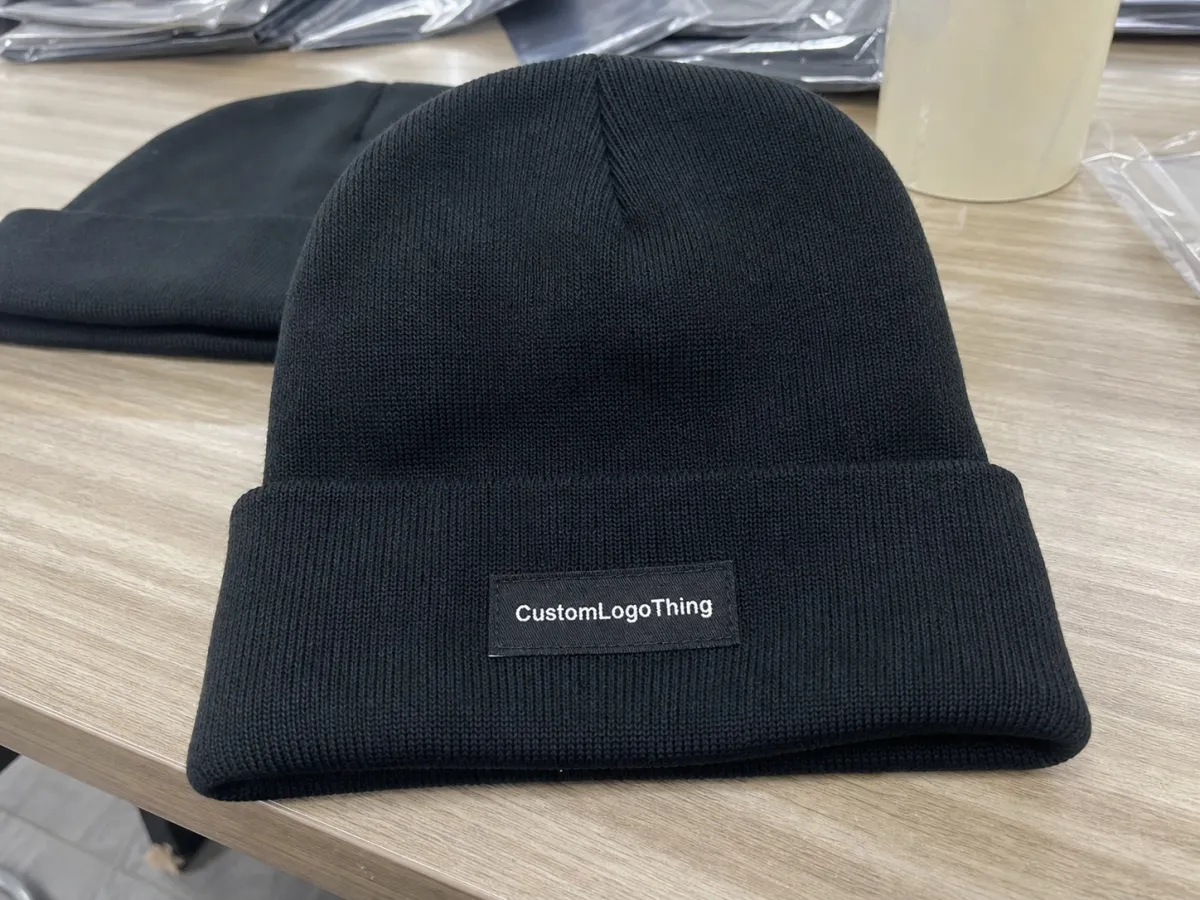
A tiny woven label can outlast the candle box. The carton is recycled, the vessel may be cleaned out and reused, and the beanie keeps appearing in winter market photos, school pickup lines, studio packing videos, and dog-walk snapshots. A Home Fragrance Woven Label Beanies Digital Proof Checklist protects the small, visible details that turn a seasonal promo item into something that feels retail-ready rather than rushed.
Home fragrance brands rarely use custom beanies as simple giveaways. They show up in holiday gifting, staff uniforms for markets, influencer mailers, subscription box add-ons, loyalty rewards, wholesale launch kits, and gift-with-purchase campaigns. A beanie may sit beside a $38 candle, a $24 reed diffuser, a discovery set, and a handwritten card. If the label looks cheap, crooked, or hard to read, the whole presentation loses polish.
The digital proof is the last low-cost inspection point before the idea becomes inventory. After approval, thread colors are selected, labels are woven, beanies are decorated, cartons are packed, and freight is arranged. Fixing a spelling error on screen takes minutes. Fixing it after 500 labels are sewn on can mean replacement labels, removal labor, delayed shipping, and a very uncomfortable internal conversation.
Packaging buyers already know this discipline from fragrance production. No serious brand approves a production run from a verbal scent description alone. You sample the fragrance oil, test throw, review vessel color, check wick behavior, confirm label adhesion, and inspect carton finish. Apparel decoration deserves the same level of attention, even if the unit cost is lower and the item feels less permanent than a glass vessel.
Proofing rule: treat the digital proof as a production document, not a decorative mockup. If the proof leaves room for interpretation, production has room to guess.
The practical work is not complicated. Buyers need to know what to inspect, how approval normally works, what changes pricing, where timelines slip, and how to give feedback without creating a new issue while solving the old one.
How the Digital Proof Works Before Beanie Production
A digital proof is a visual production preview. For custom Woven Label Beanies, it usually shows the beanie style, beanie color, label artwork, label dimensions, fold style, thread colors, placement, and sometimes a mockup of how the label will sit on the cuff. Stronger proofs also include quantity, order notes, version number, and approval language so there is no confusion about which file is production-ready.
What is it not? It is not always a physical sample. It is not a guarantee that your laptop screen will match thread under daylight, warehouse lighting, or a market tent. It is not a substitute for checking technical specifications. A proof can look clean at 300% zoom and still fail at actual size.
Typical buyer inputs are straightforward, but they are easy to mishandle when several people are moving quickly:
- Vector logo file, preferably AI, EPS, or a clean PDF.
- Pantone, CMYK, or brand color references for thread matching.
- Beanie color, cuff style, yarn weight, and size preference.
- Woven label dimensions, such as 1.5 x 1 inch or 2 x 1.25 inches.
- Order quantity, delivery address, and required in-hands date.
- Retail details such as hang tags, carton labels, individual bags, or warehouse routing notes.
Woven label artwork is translated into thread, not printed as ink. That changes the rules. Fine serif type, gradients, hairline icons, small scent names, and dense badge logos can lose definition because thread has physical width. A 0.3 mm line that prints beautifully on a candle label may not weave clearly on a small patch. Gradients usually need to become simplified color blocks. Metallic effects need a practical thread alternative, and sometimes the best answer is a warm beige, muted gold, or high-contrast neutral rather than a literal match.
Many proofing errors do not begin on the production floor. They begin when a rushed proof is treated like a formality. One person glances at the logo, assumes purchasing checked the specs, and replies “approved.” Production then follows the approved file. That is not automatically a supplier failure. It is a broken approval process.
If related branded materials are ordered at the same time, keep the proofing logic consistent across packaging and apparel. Custom Logo Things offers Custom Labels & Tags for buyers who want the same brand controls applied to hang tags, product labels, and accessory trims.
Specs to Check: Label Size, Thread Color, Fold, and Placement
The highest-risk proof details are not unusual. They are the basics: logo spelling, collection name, brand mark proportions, label orientation, beanie color pairing, and the side of the cuff where the label appears. Simple items create expensive rework because everyone assumes someone else checked them.
Start with label size. Common woven label sizes for beanies often sit around 1 x 1 inch, 1.5 x 1 inch, 2 x 1 inch, or 2 x 1.25 inches, depending on the logo shape and fold type. A few millimeters can change legibility. Long home fragrance names, delicate botanical icons, and thin luxury typography usually need more room than a sporty block logo.
Review the proof at actual size. Not “it looks fine on my monitor.” Actual size. Print the proof at 100% if possible, or measure the label on screen against a ruler. If your tagline needs magnification during proofing, it may disappear once woven.
Thread color needs the same skepticism. Pantone references are useful because they give everyone a target, but woven thread reflects light differently than ink on a carton, foil on a candle label, or coating on a diffuser bottle. Black thread on a charcoal beanie may look refined in a mockup and nearly invisible in a winter market photo. Cream on oatmeal can look elegant or muddy depending on yarn texture, label density, and the surrounding knit.
Fold style changes the visible brand area and the sewing method:
| Fold option | How it works | Best use | Proofing risk |
|---|---|---|---|
| Flat label | Single flat piece sewn around the edge | Simple front cuff branding | Edges and stitch line may reduce visual space |
| End fold | Ends fold under before sewing | Clean rectangular logo labels | Artwork too close to folded ends can look cramped |
| Center fold | Label folds over an edge or seam | Small side-tab branding | Front and back artwork can be confused |
| Loop fold | Label forms a loop, often at a seam | Retail-style trim detail | Visible area is smaller than buyers expect |
Placement carries brand meaning too. A label sewn 10 mm too high on the cuff can look accidental. A crooked label can make a premium fragrance line feel like a budget giveaway. From a packaging buyer’s point of view, placement is the apparel version of a label applied off-center on a candle jar. People notice the imbalance, even if they cannot name it.
A useful home fragrance woven label beanies Digital Proof Checklist forces these checks before approval: size, fold, placement, thread color, contrast, orientation, spelling, and version number. It removes the dangerous phrase “I assumed.”
Process, Timeline, and Lead Time From Artwork to Delivery
The process usually moves in a predictable order: quote request, artwork review, digital proof, revisions, approval, label weaving, beanie decoration, quality control, packing, and shipping. Each step sounds small. Together, they decide whether your beanies arrive before the market booth opens or three days after the campaign photoshoot.
The buyer controls more of the timeline than many teams admit. Slow artwork uploads, unclear feedback, outdated logo folders, and five-person approval chains can add days before production even starts. Suppliers can hold production slots for a limited time, but they generally cannot weave labels from uncertain instructions.
Typical timing depends on stock beanie availability, woven label complexity, order quantity, sample requests, holiday demand, and shipping method. A straightforward stock beanie with a simple woven label may move faster than a heavier knit style with multiple thread colors and custom packaging. Physical pre-production samples add confidence, but they also add calendar time for production and transit.
For many promotional apparel orders, buyers should think in business days rather than vague terms like “soon.” A practical planning range may include 1-3 business days for quote and artwork review, 1-2 business days for initial proofing, 1-2 business days per revision round, then production and transit based on the final specification. More complex orders can take longer, especially during seasonal demand or if material availability changes.
Consolidated feedback is faster than scattered feedback. If marketing asks for a larger logo on Monday, operations asks for a different label fold on Tuesday, and the founder asks for a beanie color change on Wednesday, the proofing clock keeps restarting. One marked-up response may feel plain, but it is efficient.
Home fragrance launches often have fixed dates: gift-with-purchase weekends, subscription box packing windows, holiday fairs, wholesale sample mailers, retail staff outfitting, and influencer drops. Work backward from the in-hands date. Ask the supplier to confirm the proof approval deadline, production lead time, and transit estimate in writing before approval. If the timeline is tight, say so early rather than hoping the schedule will absorb late changes.
For buyers comparing decoration methods, material choices, or finishing options, the Manufacturing Capabilities page can help frame what is realistic before the proof reaches production.
Cost, Pricing, and Quote Factors Buyers Should Verify
Pricing is not only the beanie. It is the beanie style, yarn weight, label size, woven label complexity, number of thread colors, order quantity, packaging, shipping destination, and deadline. A quote that looks inexpensive at first glance can become average once freight, rush charges, and packaging are added.
For stock beanies with woven labels, small and mid-size promotional runs sit in a broad range because specifications vary so much. A simple 250-piece order usually carries a higher unit price than a 1,000-piece order because setup, proofing, and label production labor are spread across fewer units. Smaller runs reduce inventory risk. Larger runs reduce unit cost. Both choices can make sense, depending on the campaign.
Buyers often miss the same line items:
- Art cleanup if the supplied logo is a low-resolution PNG or an exported file with broken outlines.
- Physical sample fees and sample shipping.
- Rush charges tied to production, label weaving, or expedited freight.
- Individual polybags, hang tags, belly bands, retail stickers, or insert cards.
- Carton labeling for warehouse receiving, event sorting, or wholesale distribution.
- Split shipping to multiple stores, sales reps, creators, or market locations.
Packaging professionals know the unit price is only one number. Total landed cost tells the truth. A beanie quoted at $6.80 per unit with high freight and separate packing charges may cost more than a $7.25 option that includes standard packing and ships from a better location. Ask for the total, not only the headline unit price.
Brand positioning belongs in the price conversation as well. If your candle sells for $48 and your diffuser sits in a rigid gift box, a bargain-bin beanie can weaken the perceived value of the promotion. That does not mean buying the most expensive knit. It means choosing a beanie, label, and packaging approach that fits the customer’s expectation and the channel where the item will be seen.
Ask three direct questions before signing off: Is the digital proof included? How many revision rounds are included? What changes trigger additional charges? Those answers belong beside the quote, not buried in a long email thread.
For sustainability-related packaging claims, buyers should be careful with wording and documentation. If your campaign mentions certified paper hang tags or responsible sourcing, verify the chain of custody behind the claim. The Forest Stewardship Council explains certification basics for fiber-based materials, while ISTA provides widely used transport testing resources for packaged goods moving through distribution.
Common Proofing Mistakes That Create Expensive Rework
The most common mistake is approving the proof while looking only at the logo. The logo matters, of course, but the full product context matters more: beanie color, cuff height, label fold, placement, contrast, quantity, and shipping notes.
Specific errors appear again and again. Misspelled scent names. Outdated logos pulled from an old folder. Wrong beanie color. Incorrect label fold. Low-contrast thread. Label placed on the wrong side of the cuff. Unapproved substitutions after a stock issue. None of these are dramatic on their own, but together they are how a tidy merch idea becomes a rework bill.
Tiny text is a repeat offender. Home fragrance brands often favor delicate typography because it looks premium on cartons, vessels, and product labels. Thread is less forgiving. If “smoked vanilla and cedar” is woven under a small icon on a 1-inch label, the words may become texture rather than readable copy. In many cases, taglines belong on the hang tag, not the beanie label.
Monitor color creates another trap. Screens are backlit. Thread is textured and reflective. A warm beige thread may look creamy in a PDF and dull against oatmeal knit. A deep green may look rich on screen and too low-contrast on forest beanie yarn. If contrast is critical, ask for thread recommendations or consider a physical sample before committing to the full order.
Internal approval can be just as risky as technical production. One person approves the artwork. Another notices the collection name is old. The supplier has already started weaving labels because the approval email was clear. From the supplier’s perspective, the instruction was valid. From the buyer’s perspective, the internal process failed.
A single proof owner reduces that risk. Give one person responsibility for collecting comments, checking the home fragrance woven label Beanies Digital Proof Checklist, and sending one final response. Approval should be based on evidence, not memory.
Build a Cleaner Approval Checklist Before You Order
Before requesting a quote, gather the final logo files, confirm the beanie color, select the label fold, define placement, check quantity breaks, and name one internal approver. That small preparation step can remove two or three revision rounds from the process.
Review the proof in three passes. First, check brand accuracy: logo, spelling, proportions, scent or collection names, and approved marks. Second, check production specs: label dimensions, fold type, thread colors, placement, beanie color, and decoration notes. Third, check commercial details: quantity, ship-to address, delivery deadline, packaging, and any split shipment instructions.
A decision log helps more than many teams expect. Record what changed between proof versions: “v2 increased label width to 2 inches,” “v3 changed thread from white to cream,” “v4 moved label to wearer’s left cuff.” That log prevents someone from approving an old mockup because it looks familiar.
If any specification looks assumed, ask before approval. Thread color, label dimensions, fold direction, and cuff placement should not be vague. A supplier can advise, but the approved proof should reflect the final decision.
Save the approved proof with the purchase order, invoice, quote, and delivery deadline. If there is a later dispute about placement or quantity, the proof becomes the shared record. That is basic accountability, and it protects both buyer and supplier.
- Open the proof and review it at actual size.
- Confirm the logo version against your brand folder.
- Check every word, including scent names and taglines.
- Verify label size, fold type, thread colors, and placement.
- Confirm quantity, packaging, ship-to address, and deadline.
- Send one consolidated approval or revision request.
A disciplined proof checklist is the practical bridge between a good merch idea and a product customers will actually wear. Use it before approval, while the changes are still small.
FAQ
What should a home fragrance beanie digital proof include?
It should show the beanie style and color, woven label artwork, label size, fold type, thread colors, placement, quantity, and any notes about packaging or shipping. The proof should also identify the approval version so buyers do not accidentally sign off on an outdated file.
Can a woven label match my candle or diffuser packaging colors exactly?
It can usually get close with Pantone or brand color references, but woven thread will not behave exactly like printed ink, foil, glass coating, or paper stock. Ask for thread color recommendations when contrast is critical, especially on dark beanies or small labels.
How many revisions should I expect before approving custom woven label beanies?
Many orders need one to two revision rounds if the artwork is clean and the buyer provides consolidated feedback. Extra rounds often happen when logo files are outdated, label size changes, or multiple stakeholders review the proof separately.
Does the digital proof affect the lead time for woven label beanies?
Yes. Production typically does not start until the proof is approved, so slow review can push the delivery date even if the production schedule is open. Buyers with event deadlines should confirm the proof approval cutoff, production lead time, and transit estimate before placing the order.
What is the biggest item to check on a home fragrance woven label beanies proof checklist?
Legibility is the biggest practical check because home fragrance logos often include delicate marks, scent names, or premium typography that may not weave clearly at small sizes. Review the label at actual size, check contrast against the beanie color, and remove tiny copy if it weakens the finished product.
Should I request a physical sample before approving production?
A physical sample is useful for larger orders, tight color requirements, premium retail programs, or campaigns where the beanie will be photographed heavily. It adds cost and time, but it can reveal thread contrast, label scale, cuff placement, and knit feel more accurately than a digital proof.