Home Fragrance Woven Label Beanies Bulk Order Planning
Home Fragrance Woven Label Beanies Bulk Order Planning Starts With the Shelf
Most home fragrance brands will spend months refining wax blend, scent throw, vessel weight, carton texture, label stock, and the exact shade of warm ivory that makes a candle feel expensive before anyone lights it. Then a beanie gets added two weeks before the holiday drop, usually as “just merch,” and the difference shows. Customers notice when a branded accessory feels disconnected from the candle, diffuser, room spray, or gift set it ships beside.
Home fragrance Woven Label Beanies Bulk Order planning is not only a hat order. It is a small product-development decision with real implications for brand presentation, margin, photography, inventory, and delivery timing.
A beanie works well for fragrance brands because it extends a cozy seasonal idea without requiring another scented SKU. There is no fragrance stability testing, no glass vessel sourcing, no burn testing, and no additional warning label copy to manage. For a winter candle launch, corporate gifting program, wholesale retailer incentive, or holiday bundle, that simplicity has value.
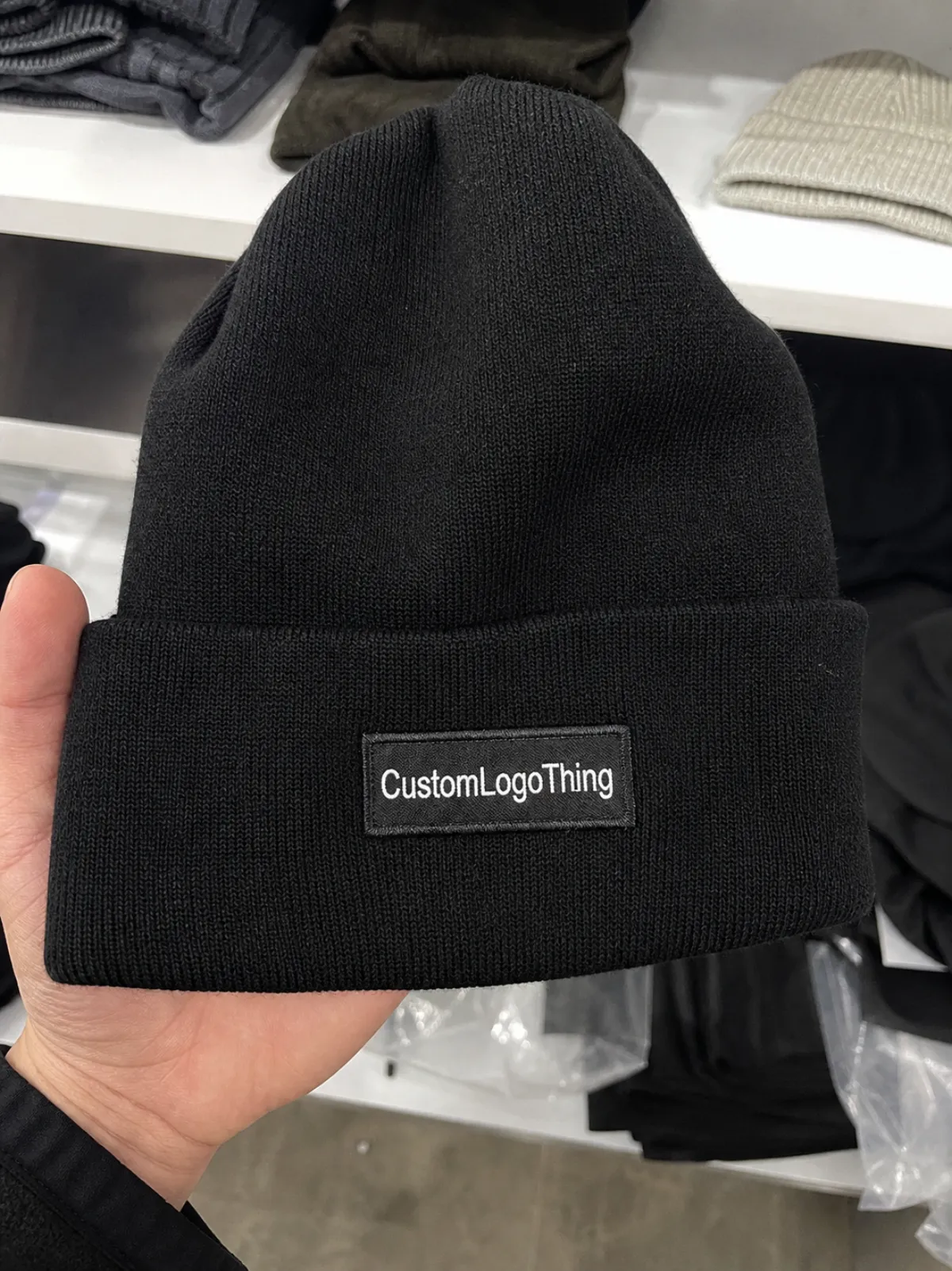
The woven label is the detail that decides whether the item feels retail-ready or like a leftover event giveaway. A clean damask woven label can carry a wordmark, monogram, collection name, small icon, or fragrance house mark with more control than bulky embroidery. On the wrong beanie, even a beautiful logo can look loud, fuzzy, or cheap. On the right beanie, the label feels like part of the brand system.
Practical rule: if the beanie will sit inside a candle gift set, appear in product photography, or land in a wholesale display, spec it like a product. Not like a freebie.
Good planning settles unit cost, minimum order quantity, beanie style, label construction, thread color direction, packaging method, carton labeling, delivery window, and sell-through use before the order is under pressure. That is not overthinking. It is how buyers avoid rushed compromises that become expensive once 1,000 pieces are already in production.
The sections below cover the choices that carry the most weight: body style, yarn type, woven label specs, artwork limits, MOQ, pricing drivers, sampling, packaging, quality checks, and the information Custom Logo Things needs to build a useful quote.
What Makes Woven Label Beanies Work for Candle and Fragrance Brands
The product is straightforward: a knit beanie customized with a sewn woven label, usually placed on the front cuff, side cuff, or near a seam. The beanie provides the seasonal utility. The label carries the brand identity. That clean separation is why the format fits candle brands, diffuser lines, apothecary-style shops, spa retailers, and fragrance houses selling a broader mood rather than only a scent.
Woven labels often outperform embroidery for home fragrance merchandise because they handle fine typography and small marks more gracefully. Embroidery can be excellent for bold block logos. It can also turn a narrow serif wordmark into dense thread with uneven edges, especially on a stretchy rib knit. Leather patches add texture but may feel too rugged for botanical, spa, or minimal luxury brands. Rubber patches are durable, though they lean streetwear or outdoor. Printed labels can keep costs down, but they rarely have the same dimensional finish as woven construction.
Texture matters more than many buyers expect. A soft rib knit with a crisp woven label pairs naturally with rigid candle boxes, kraft sleeves, satin ribbon, textured paper labels, and apothecary-inspired cartons. Oversized embroidery across the front cuff can feel like school fundraiser merchandise. Fine for that purpose. Less convincing next to a $48 candle.
Common uses include holiday gift-with-purchase programs, staff apparel, influencer mailers, subscription box add-ons, wholesale retailer incentives, limited winter drops, launch event merchandise, and bundled candle gift sets. A 250-unit run may be enough for VIP gifting or a small event. A 1,000-unit run can support ecommerce bundles plus several wholesale accounts. The job of the beanie should shape the build, because staff apparel and retail resale do not need the same handfeel, packaging, or quality threshold.
Brand fit should guide color and label decisions. An oatmeal knit with a small black woven label can suit a boutique candle line with quiet packaging. Cream-on-cream tonal labeling works for spa brands that avoid loud merch. Deep green can support pine, balsam, cedar, or forest collections. Navy can sit comfortably beside amber glass, cream labels, and apothecary cartons. Charcoal often photographs well and hides handling better than pale colors, which can matter for fulfillment and retail shelves.
The mistake is ordering five unrelated beanie colors because everyone likes options. More colors mean more SKUs, more carton sorting, more photography, more forecasting, and more leftover inventory. For most programs, one core style and one to three colorways are enough. The campaign looks more intentional, reorders are easier, and wholesale buyers have fewer small decisions to manage.
Beanie Specs That Affect Fit, Feel, and Retail Perception
Beanies look simple in a catalog until samples arrive and one fits like a mushroom cap. Fit is controlled by cuff depth, stretch, crown height, knit density, yarn type, seam structure, and overall construction. A spec sheet can describe those details, but it cannot show how the beanie behaves on a head or in a product photo. Samples matter, especially for resale programs.
The main body options include cuffed knit, fisherman fit, slouch beanie, rib knit, waffle knit, acrylic, cotton blend, recycled yarn, wool blend, and heavier winter-weight constructions. A standard cuffed acrylic beanie is usually the safest bulk option because it is durable, color-consistent, widely available, and friendly to tighter budgets. Fisherman fits look sharper and more current, but they sit higher on the head and not every customer likes that. Slouch styles feel relaxed, though they can photograph poorly if the knit collapses or twists.
Acrylic is the workhorse material for bulk beanie programs. It holds color well, resists abrasion, and usually keeps pricing practical across 100 to 2,500 units. Cotton blends can feel softer and more natural, but they may stretch differently and cost more. Wool blends feel warm and elevated, yet they bring care-label questions, potential itch complaints, and higher costs. Recycled yarns can support sustainability positioning, although color availability and minimums may be tighter than with standard acrylic.
Responsible sourcing claims need discipline. If a hang tag, sleeve, or carton mentions FSC certification, the paper component should be verified through the proper chain of custody. FSC language does not belong on packaging because it sounds nice. The Forest Stewardship Council explains certification expectations for paper and forest-based materials, and buyers should confirm those details before approving claims.
Woven Label Construction Choices
For detailed logos, damask woven labels are usually the best starting point. They allow tighter detail than basic woven options and work well for refined wordmarks, monograms, small icons, and limited-edition marks. The main specs are label size, fold type, edge finish, thread color count, backing, and sew-down method.
- Label size: common cuff labels often fall around 1.5 x 1 inches, 2 x 1 inches, or 2.5 x 1.25 inches.
- Edges: laser-cut edges look clean and flat; merrowed edges add a stitched border and more visual weight.
- Fold type: straight cut, end fold, center fold, and loop fold each change how the label sits on the cuff.
- Color count: two to four thread colors are usually enough; six-color micro-art can turn muddy quickly.
- Sew-down: perimeter stitching is secure; side tack stitching can look cleaner when the label is planned for it.
Artwork needs restraint. Use vector files, clear contrast, simplified marks, and minimum line thickness that can actually weave. Tiny scent notes, delicate botanical illustrations, and long taglines often lose definition at cuff-label size. A poetic fragrance descriptor may be perfect on a carton panel, but the beanie label does not need to say “smoked fig, winter moss, and ancient library dust” in 5-point type.
Packaging Add-Ons Worth Planning Early
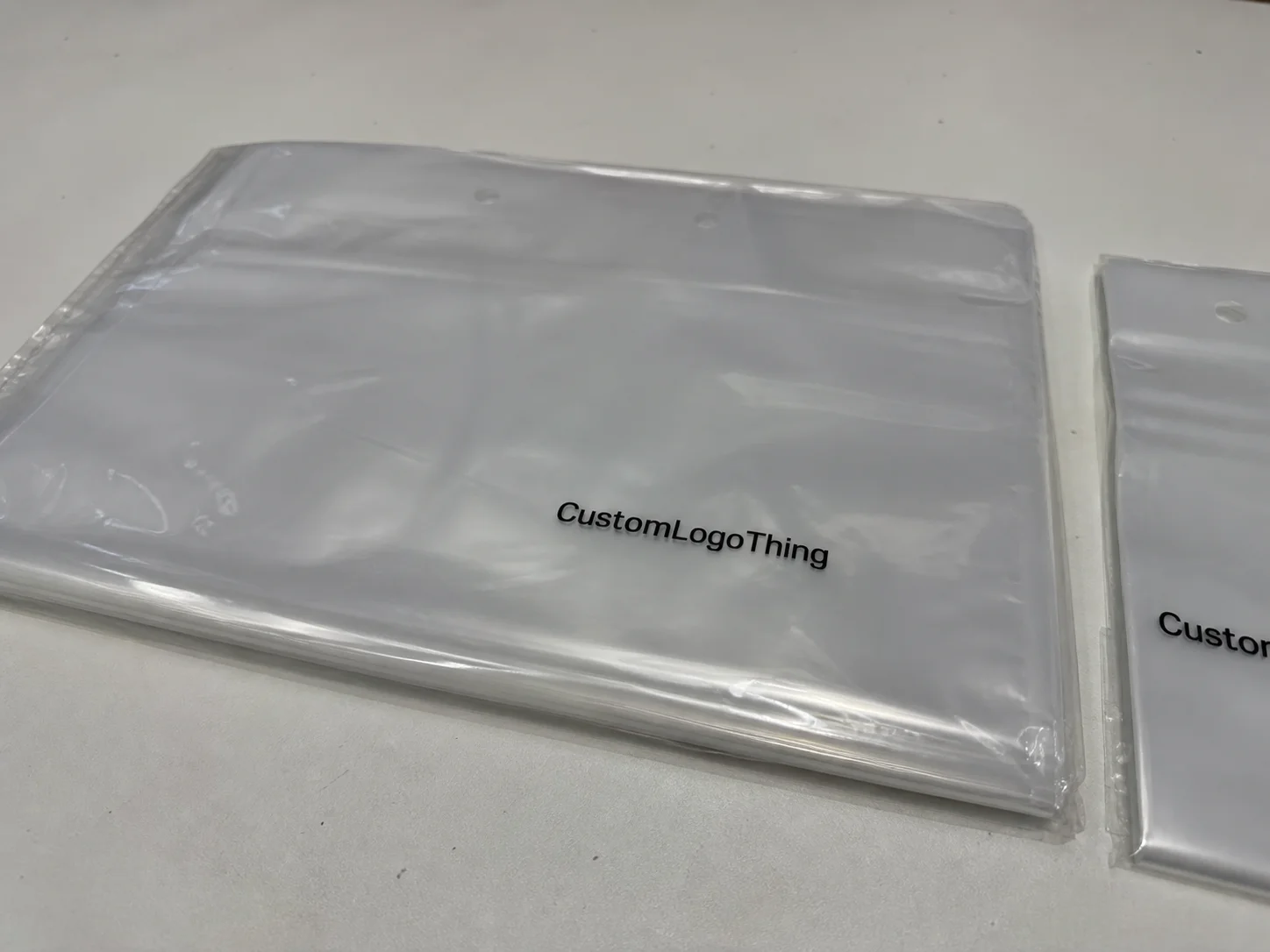
Packaging choices affect cost, labor, and lead time. Individual poly bags protect the knit but may not match a premium gift-set presentation. Recyclable kraft sleeves, belly bands, hang tags, UPC stickers, size and color sorting, carton labels, and retailer-ready case packs should be quoted before production begins. Adding them later can mean repacking, relabeling, or delaying freight.
For broader branded components, Custom Logo Things can coordinate beanies with Custom Labels & Tags so hang tags, belly bands, candle labels, and packaging details feel connected rather than assembled from unrelated vendors.
| Beanie Option | Best Use | Typical Tradeoff |
|---|---|---|
| Cuffed acrylic knit | Gift-with-purchase, staff apparel, wholesale incentives | Best cost control, less premium handfeel than wool or cotton blends |
| Fisherman fit | Fashion-driven drops, boutique candle launches | Sharper look, more polarizing fit |
| Wool blend | Premium resale, luxury gift sets | Higher cost, care labeling, possible itch concerns |
| Recycled yarn | Sustainability-focused campaigns | Color and availability may be tighter |
Pricing, MOQ, and Unit Cost for Bulk Woven Label Beanies
Pricing depends on beanie style, yarn material, knit weight, label size, label complexity, thread color count, sewing labor, packaging, quantity, sample requirements, freight, duties when applicable, and delivery deadline. A single price without specs is not a quote; it is a placeholder.
For Home Fragrance Woven Label Beanies bulk order planning, small bulk orders often start around 100 to 300 units. Stronger pricing usually appears around 500 to 1,000 units. Programs at 2,500 units or more can support more complex packaging, custom colors, special kitting, or split shipments to headquarters, stores, and fulfillment centers, though larger quantities also require better forecasting.
The woven label has setup and production costs, so small runs carry a higher unit cost. Larger runs spread setup across more pieces and make each beanie less expensive. That does not mean the biggest quantity is automatically the smartest buy. Slow-moving leftover merch ties up cash and shelf space just like slow-moving candles.
A serious quote should include the beanie blank or custom knit cost, woven label cost, sewing labor, setup, sample fee if needed, packaging, freight, duties if applicable, and rush charges. Compare quotes line by line. A low quote that omits label sewing, packaging, carton labeling, or freight is not a bargain. It is incomplete.
Cost control usually comes from boring choices made early. Choose stock beanie colors. Simplify the label artwork. Limit SKU count. Avoid individual gift boxes unless the retail experience truly needs them. A belly band or hang tag may deliver the branded moment for less money, lower freight volume, and less assembly time.
| Planning Quantity | Typical Buying Reality | Best For | Cost Behavior |
|---|---|---|---|
| 100-300 units | Entry bulk range, often higher unit cost | VIP gifting, small staff runs, test drops | Setup cost hits harder per unit |
| 500 units | More practical for branded merch programs | Holiday gift-with-purchase, launch events | Better label and sewing cost spread |
| 1,000 units | Strong planning point for ecommerce and wholesale | Multi-channel seasonal campaigns | Meaningful unit-cost improvement |
| 2,500+ units | Supports custom color, packaging, split shipments | Retail-ready programs and larger brands | Best scale, more forecasting pressure |
Ask for tiered pricing at 250, 500, 1,000, and 2,500 units when the budget is still flexible. The savings between tiers may be obvious, or they may shrink once packaging and freight are included. It is better to see that before someone builds a launch margin model on optimistic numbers.
Process and Timeline From Artwork to Delivered Beanies
The production path is fairly direct when the buyer has details ready: quote request, artwork review, spec confirmation, digital proof, woven label strike-off or pre-production sample, approval, bulk production, quality control, packing, freight, and delivery. Miss a step or stall at approval, and the calendar becomes less forgiving.
Simple stock beanie projects with sewn woven labels may move faster than custom knit programs. A practical planning range is usually several weeks from approved proof to delivery, depending on quantity, sampling, packaging, and shipping method. Custom yarn colors, specialty fibers, retail sleeves, hang tags, UPC labeling, and multi-SKU sorting add time. Plan in weeks, not wishes.
Approval delays are one of the most common timeline problems. Slow artwork feedback, unclear Pantone direction, logo files pulled from a website, and last-minute label copy edits can burn three to seven business days quickly. A web PNG is not a production file. It is a low-resolution warning sign.
Sample options vary by project. A digital proof confirms layout, size, and placement direction. A woven label strike-off lets the buyer review thread colors, edge finish, and detail before the label is sewn onto the beanie. A sewn pre-production sample confirms placement, cuff behavior, and fit. Photo sample approval can help when timing is tight, but it does not replace the value of a physical sample for resale programs.
Shipping choices should match the launch date and budget. Air freight can protect deadlines but raises cost. Ocean freight can help larger, cost-sensitive programs, but it requires earlier planning and more patience. Domestic fulfillment or split shipping may be needed if beanies go to headquarters, retail stores, influencers, and a third-party kitting partner.
For shipping performance, carton handling, and transit testing, standards from the International Safe Transit Association are useful reference points, especially if beanies are packed with glass candles, diffusers, or fragile gift sets. Soft goods can still create packing problems if they crush sleeves, shift inside kits, or arrive sorted incorrectly.
Seasonal programs need extra buffer. Fall, winter, holiday, and corporate gifting orders tend to cluster in the same production windows. Build time for retailer routing guides, kitting schedules, product photography, ecommerce uploads, and launch approvals. The beanies may be simple, but the campaign around them rarely is.
How Custom Logo Things Keeps Bulk Beanie Orders Clean
Custom Logo Things is useful here because a good beanie order depends on clear specs, not vague merch enthusiasm. The beanie has to work with the rest of the brand system: candle labels, box finishes, hang tags, sleeves, tissue, mailers, wholesale displays, and sometimes retailer requirements.
The practical support includes artwork review, label construction guidance, beanie style recommendations, material tradeoff advice, Pantone and thread color direction, packaging options, and bulk order planning. If a fine serif logo will not weave cleanly at 1.25 inches wide, that should be addressed before production. Not after 1,000 labels are sewn onto the wrong cuff color or placed too close to the fold.
Quality control checkpoints should include logo legibility, label edge finish, stitch placement, label alignment, knit consistency, color grouping, packaging accuracy, and carton labeling. For multi-color orders, color sorting needs to be visible at the carton level. For retailer programs, case packs and carton labels should match receiving instructions. These details are not glamorous, but they prevent expensive confusion.
Experience in custom printing and branded packaging matters because the beanie is not floating in space. It may sit inside a rigid gift box, ship next to candles, appear in wholesale displays, or be photographed with premium cartons. A woven label that clashes with candle label stock, foil color, sleeve artwork, or hang tag typography can make the whole kit feel patched together.
Buyers should expect direct answers on MOQ, pricing tiers, sample options, timeline risk, and file requirements. If a project needs vector artwork, say so. If a custom color adds time, say so. If a packaging choice increases freight volume, that should be clear before the invoice surprises anyone.
The real value is reducing rework. The right supplier helps prevent weak logo execution, confusing SKU splits, unsuitable packaging, and orders that are technically delivered but hard to use. For larger or recurring programs, Custom Logo Things can also support broader Wholesale Programs so seasonal merch, packaging, labels, and branded accessories stay coordinated across launches.
What to Prepare Before Requesting a Quote
Before requesting pricing, decide the job of the beanie. Is it a gift-with-purchase, resale item, wholesale incentive, staff uniform, influencer mailer, subscription box add-on, or bundled seasonal gift? That answer changes the quality level, packaging, quantity, and budget. A resale beanie needs a stronger handfeel and more polished retail presentation than a staff-only winter hat.
Then gather the basic quote details. A clean request gets faster pricing and fewer revisions. A vague request forces assumptions, and assumptions are where costs hide.
- Target quantity: ask for 250, 500, 1,000, and 2,500 unit tiers if the budget is not locked.
- Beanie style: cuffed knit, fisherman, rib knit, waffle knit, acrylic, cotton blend, wool blend, or recycled yarn.
- Color palette: narrow choices to one to three colors for cleaner inventory planning.
- Artwork: send vector files, Pantone references, logo rules, clear space, and approved background colors.
- Label specs: include preferred size, placement, edge finish, fold type, and color direction if known.
- Packaging: note poly bags, kraft sleeves, belly bands, hang tags, UPC stickers, or case pack requirements.
- Logistics: provide delivery location, in-hand date, split shipment needs, and whether samples are required.
Good-better-best quoting can help when the budget has room. The good option might be a stock acrylic cuffed knit with a two-color woven label. Better might upgrade the yarn, label finish, or placement. Best might include premium knit, custom packaging, hang tags, UPC labels, and retailer-ready carton packs.
Decision deadlines matter. Approve artwork quickly. Review samples carefully. Lock quantities before production. Avoid changing label copy after approval unless the schedule and budget can absorb the delay.
If open production questions remain, review the Custom Logo Things FAQ or send the project details for a quote. Home fragrance woven label beanies bulk order planning works best when specs, artwork, packaging, and delivery windows are settled before production starts, not after the cartons are already moving.
FAQ
What MOQ should I expect for home fragrance woven label beanies?
Many bulk programs start around 100 to 300 units, but better unit costs usually appear at 500 units and above. MOQ can change based on beanie style, custom yarn color, woven label complexity, and packaging requirements. Ask for tiered pricing at 250, 500, 1,000, and 2,500 units before deciding.
How long does a woven label beanie bulk order take for a fragrance launch?
Plan in weeks, not days, especially if you need samples, custom colors, retail packaging, or split shipments. Simple stock beanie projects usually move faster than custom knit programs. Build extra time for artwork approval, sample review, freight, retailer routing, kitting, and holiday congestion.
Are woven labels better than embroidery for branded home fragrance beanies?
Woven labels are usually better for fine logos, small type, monograms, and premium minimalist branding. Embroidery can work for bold marks but may look bulky on subtle lifestyle merchandise. For candle and fragrance brands, woven labels often feel more polished and retail-friendly.
What should I include in a quote request for custom woven label beanies?
Send quantity, target delivery date, delivery location, beanie style, color preferences, label placement, packaging needs, and vector logo files. Mention whether the beanies are for resale, gifting, wholesale support, influencer kits, or staff apparel. Ask for sample options and tiered pricing so there are fewer surprises later.
Can woven label beanies be packaged with candles or home fragrance gift sets?
Yes, but the beanie size, fold, packaging sleeve, hang tag, and carton pack must be planned before production. Individual poly bags, kraft sleeves, belly bands, or branded hang tags can help the beanie feel like part of the gift set. If the beanies ship with glass candles or diffusers, confirm the packing method to avoid crushed sleeves, damaged cartons, or messy fulfillment.